

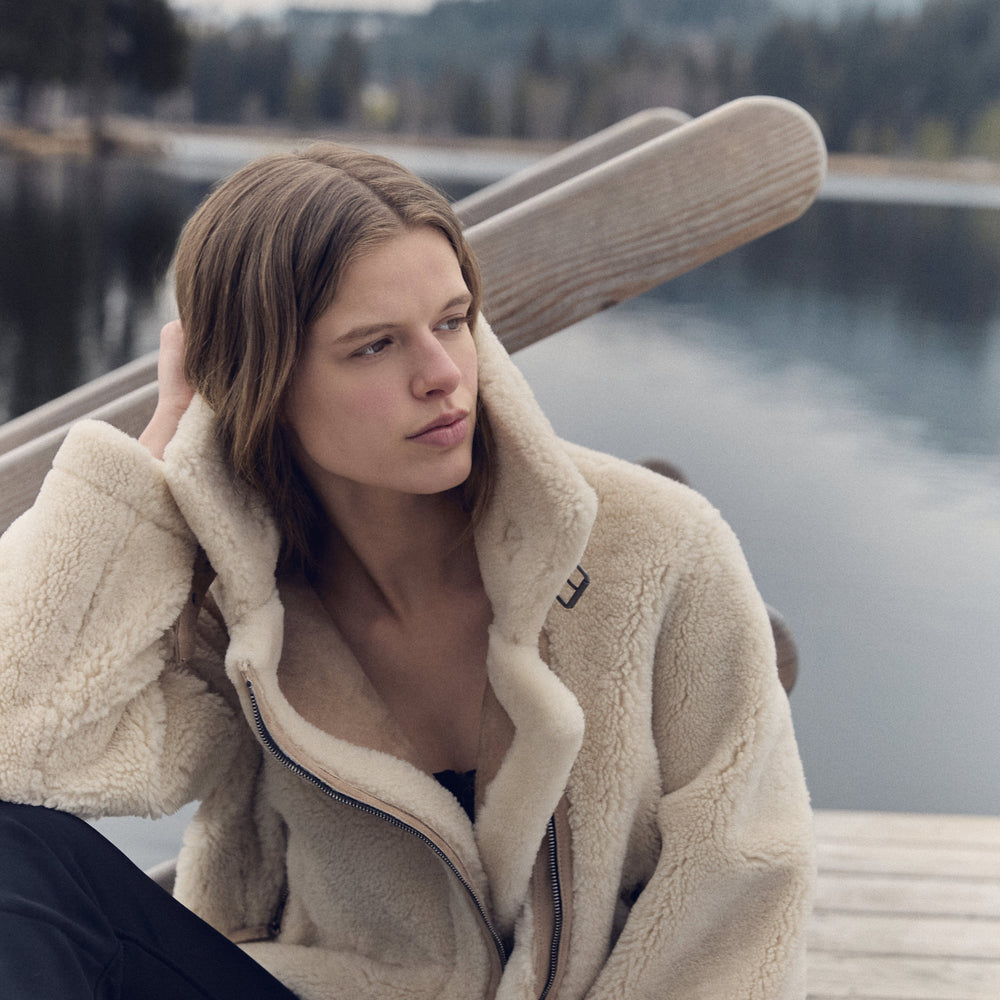
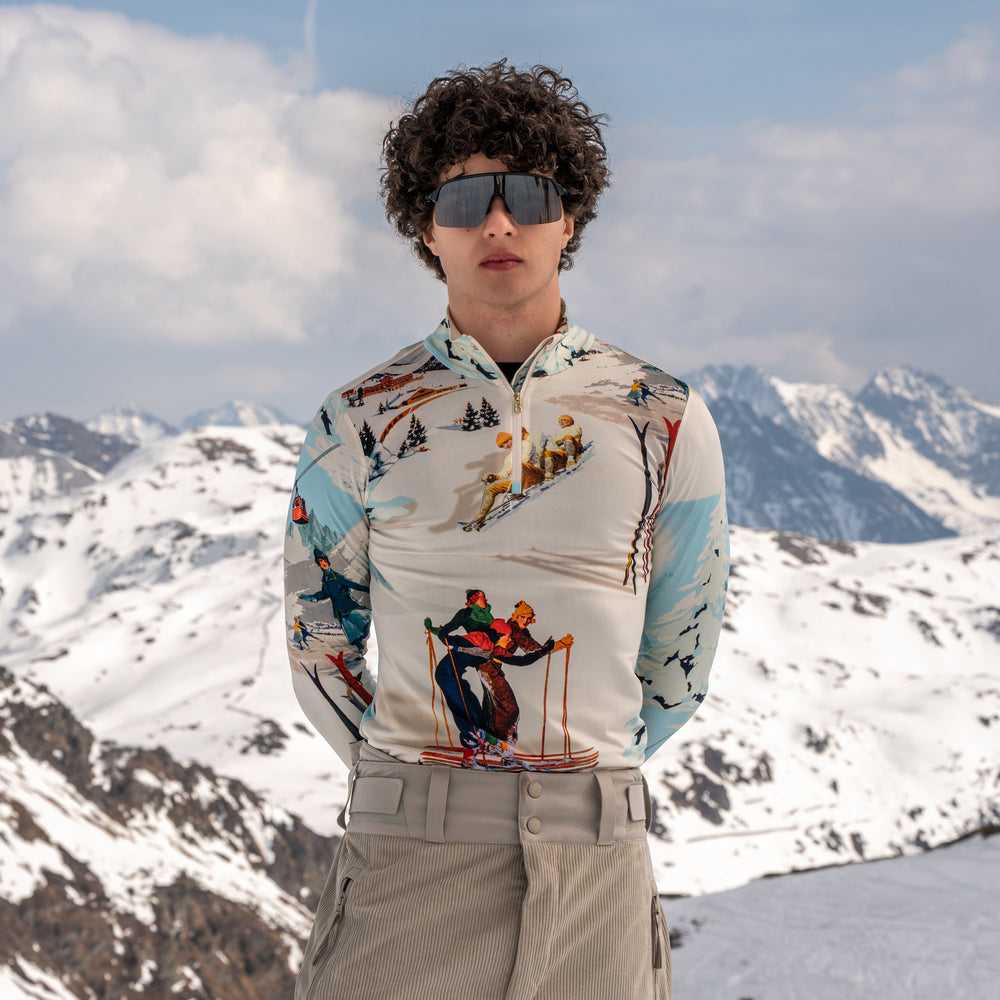
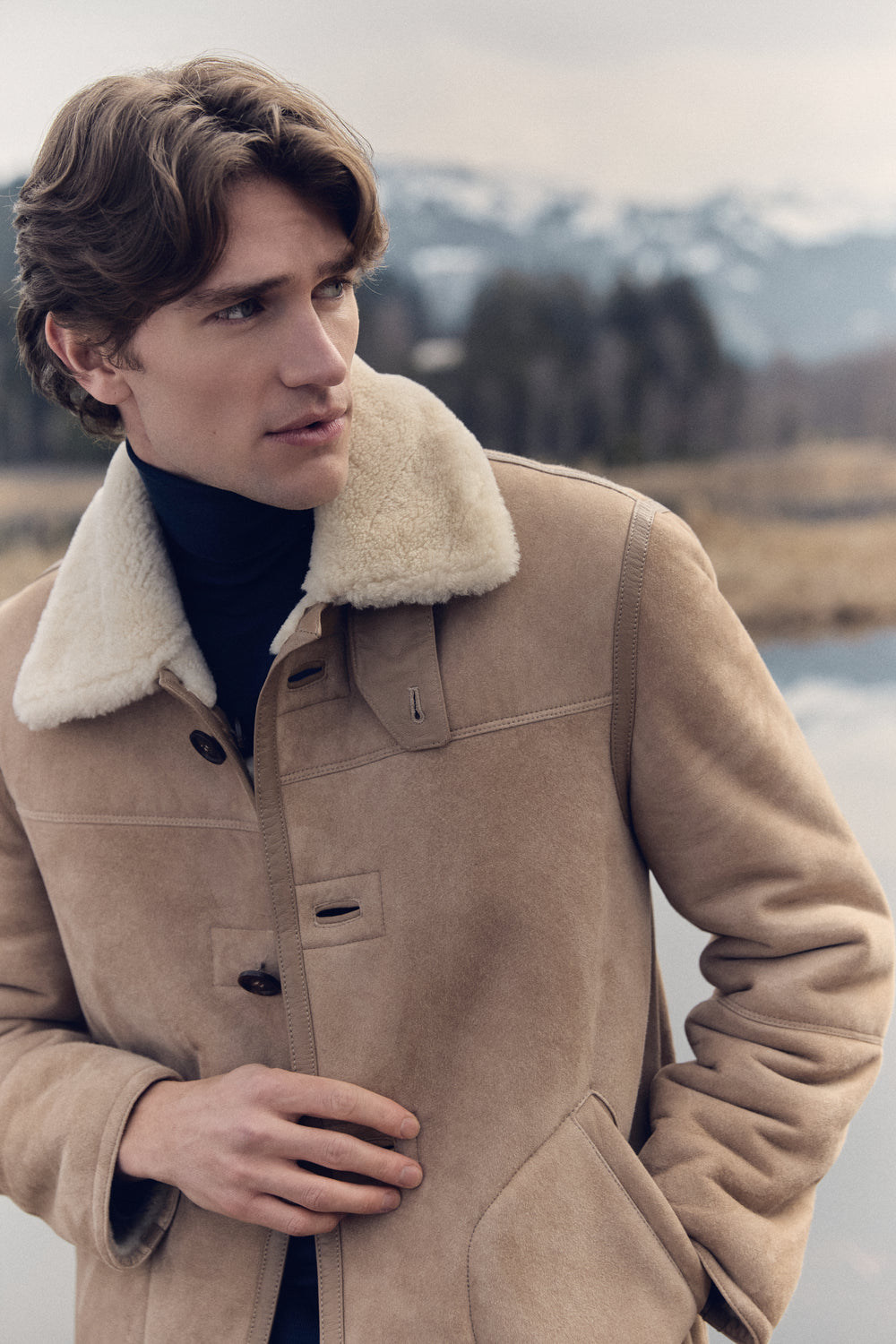

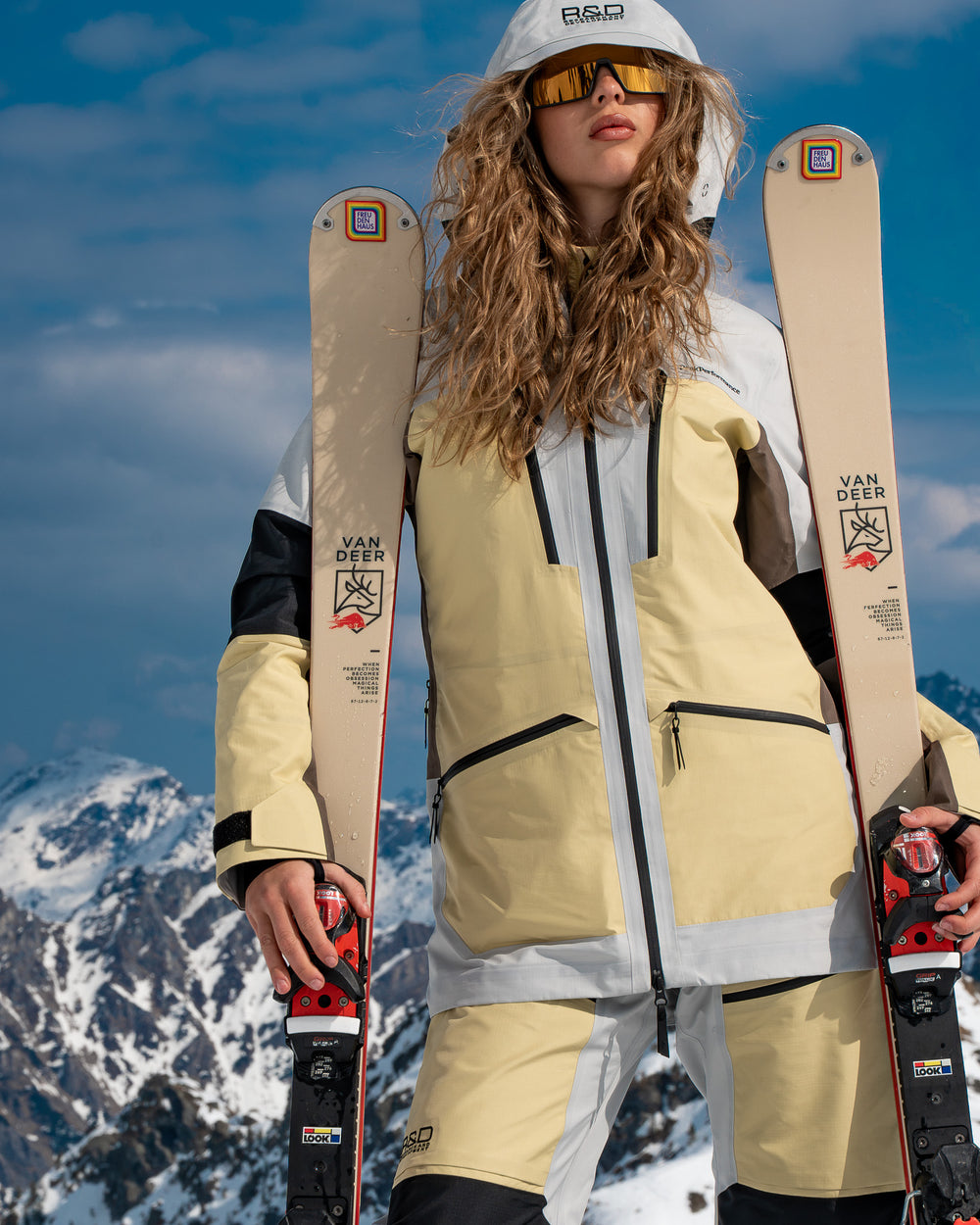



Men's ski apparel for a coordinated ski outfit
Men's ski clothing becomes a powerful combination: base layer, appropriate warmth, and outer clothing must work together. Compare jackets and pants according to movement, weather function, and the layers underneath. Here you'll find guidance for your ski outfit, from underwear to fit and finishes, and how to seamlessly integrate gloves and helmet.
02Discover
Subcategories.


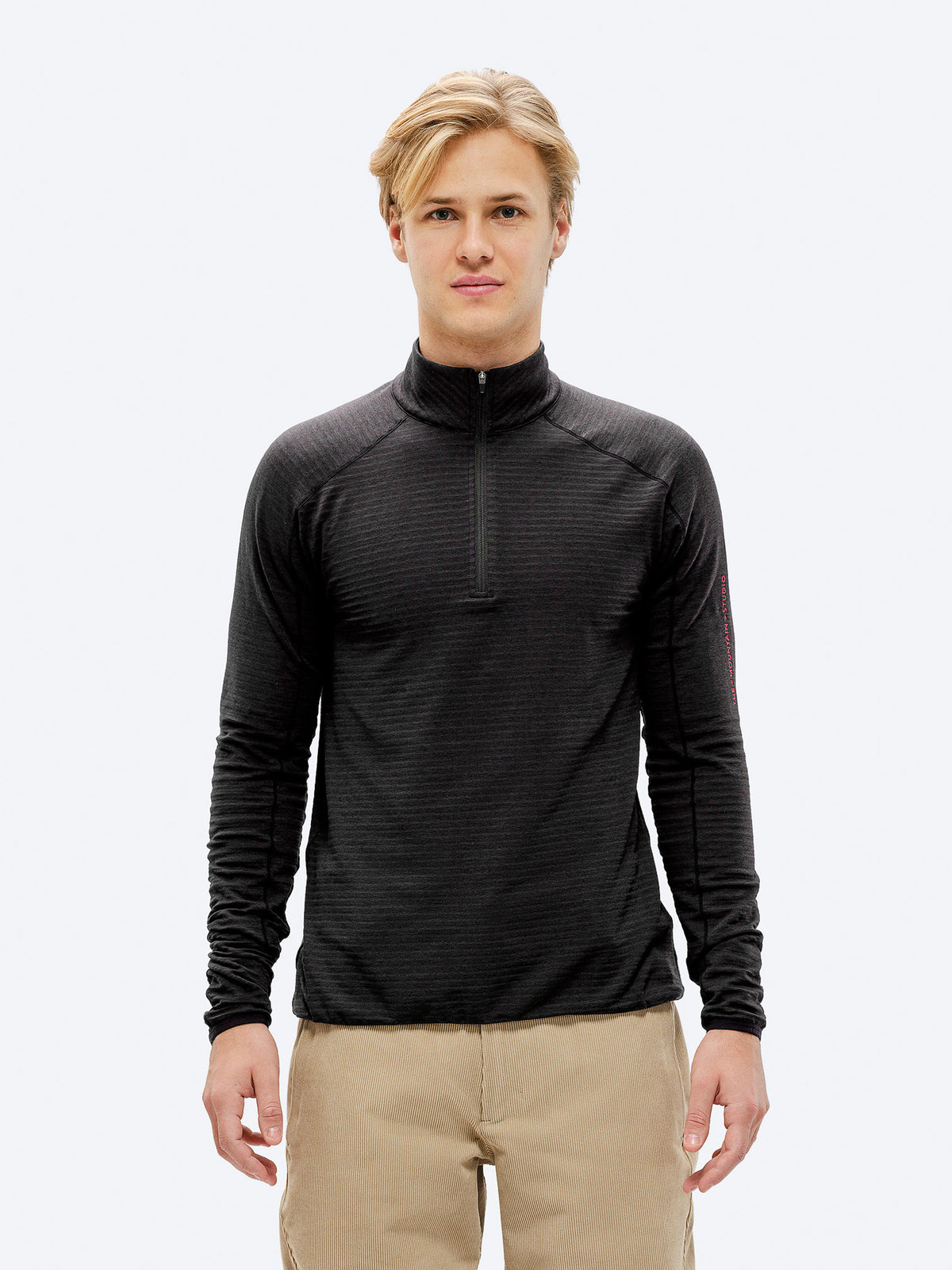


Men's Ski Apparel as a Coordinated System
Ski apparel functions through the interaction of several pieces. The first layer lies on the skin, another layer can add warmth, and the outer clothing provides the specified weather protection. Therefore, your choice is not just about which jacket you like. What matters is how the jacket, pants, and underlying layers fit together and what demands your typical ski day brings. A sporty morning and longer, quiet breaks can reveal different needs.
Start with a brief description of your use: predominantly groomed slopes, changing outdoor phases, intense movement, or a more relaxed rhythm. Add your personal warmth perception and the equipment you already own. This way, you can determine whether a complete new combination makes sense or if a targeted addition is sufficient. The right men's ski fashion combines technical classification with a silhouette you like, without confusing the two issues.
The First Layer: Foundation Instead of Added Bulk
Functional underwear belongs directly on the skin and should fit your body in length and shape. A close fit is helpful as long as it allows movement and doesn't create unnecessary pressure. Excess fabric can bunch up under other layers. Choose the thickness according to activity level and warmth perception, instead of generally considering the thickest model as the best winter solution. The layers above it influence the overall feel just as much.
In men's functional underwear, you can specifically compare material blends, tops, and different lengths of bottoms. Merino is one possible material direction, but not a complete description of the garment. Knit type, thickness, and cut remain relevant. With shorter underwear, the transition to the ski boot can be designed differently than with a long style. The crucial thing is that no unfavorable wrinkles or thick seams are created in the tight boot.
Adding the Mid-Layer According to Your Warmth Needs
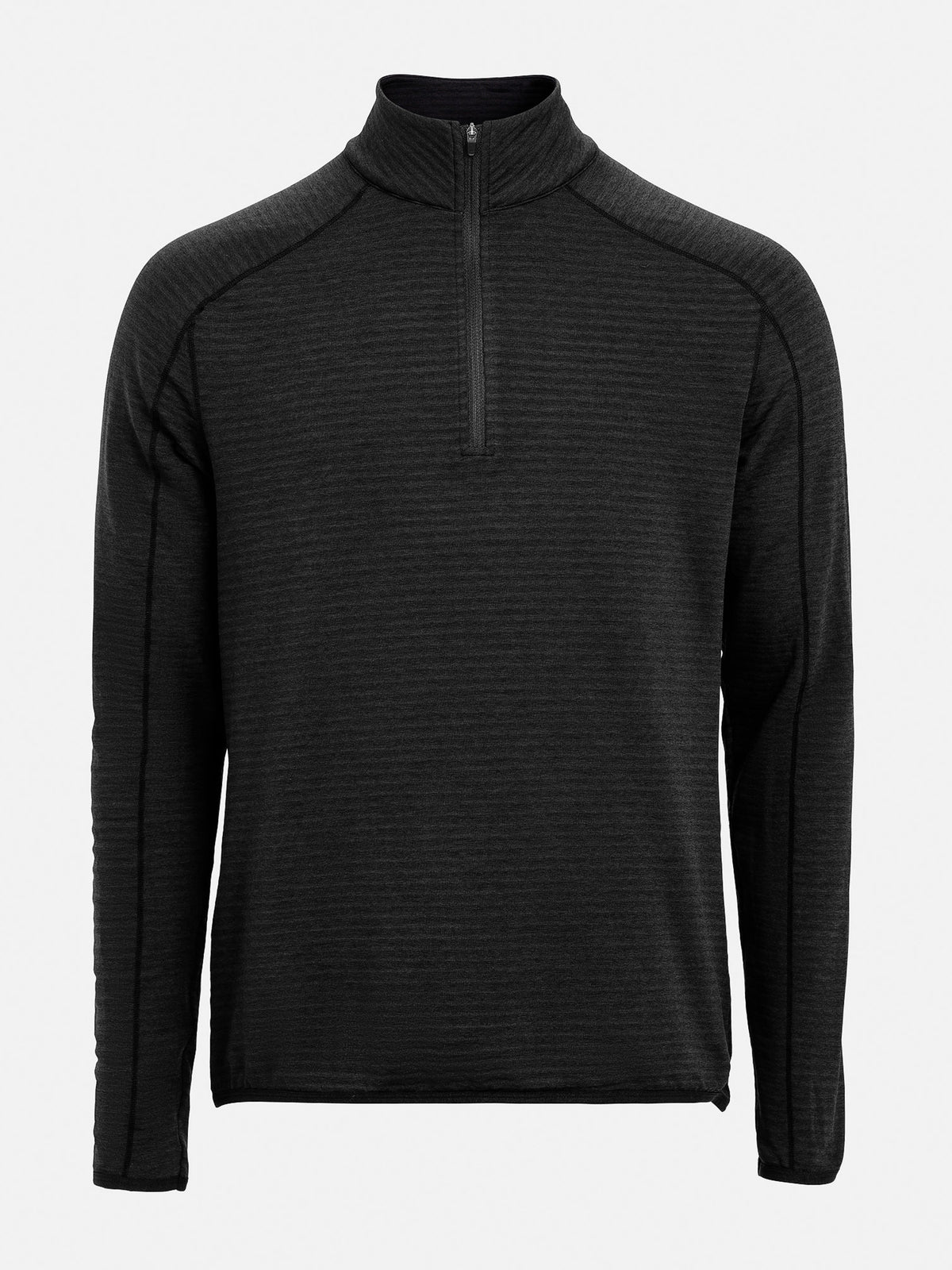
An additional layer between underwear and jacket can adapt the system to cooler conditions. Volume and mobility are important here. A bulky top requires more space under a slim-fit outer jacket than a lighter construction. Pay particular attention to the shoulders, upper arms, and collar. Several thick seams directly at the neck can interfere with each other, even if each piece feels comfortable on its own.
A mid-layer doesn't automatically have to be a heavily insulated jacket. Different tops can fulfill this role depending on the model. Compare the specific intended use and decide whether you need more warmth, less volume, or a different neck opening. The advantage of a consciously chosen system is that you can combine its parts logically. A random collection of as many layers as possible, on the other hand, is not automatically more versatile.
Ski Jacket: Weather Function, Cut, and Handling
With men's ski jackets, several decisions are made simultaneously. Is there integrated insulation, or is warmth primarily built up through the layers underneath? How much freedom of movement does the cut offer? Which pockets and openings are relevant for your use? Start with these questions before individual technical figures dominate the comparison. A high rating for a material does not describe all seams, closures, and transitions of the finished jacket.
A water-repellent surface and an explicitly waterproof construction are not the same. For weather protection, material and workmanship go hand in hand. At the same time, an outer protective layer is not automatically particularly warm. If you are looking for a shell, the clothing planned underneath must have enough room. If you prefer an insulated ski jacket, its warmth orientation should match your movement. Both concepts can be useful, but they follow different designs.
The hood and collar should harmonize with other equipment. A hood described as helmet-compatible must fit the specific helmet and its intended adjustment. This feature does not follow from a large hood alone. Also, consider how the collar sits at the chin when the zipper is closed. Comfortable contact is more relevant in everyday use on the slopes than features you barely use or only perceive in the product image.
Ski Pants: Waistband, Knees, and Boot Cuff
Men's ski pants need room for movement where you use it while skiing. While standing, pants may seem to fit, but when knees are bent, they might feel tight at the thighs or seat. Therefore, compare the fit in a more active posture. An elastic material component can accommodate movement, but it doesn't replace a suitable cut. The correct size should not only close at the waist but also fit well throughout the entire leg.
At the lower leg, the ski boot comes into play. The pant cuff must fit over the intended equipment and lie according to its construction. Reinforced areas, zippers, or integrated snow gaiters apply only to models equipped with them. Each has a specific purpose and should not be considered merely decorative details. Ensure that no unnecessary bulk of fabric accumulates between pants, sock, and boot.
Waist adjustment or suspenders can offer different forms of customization. Choose according to your preferred fit and the clothing underneath. A tightly cinched waistband can alter fabric distribution; suspenders do not automatically make fundamentally ill-fitting pants fit. If you select a jacket and pants together, check the transition during movement. The back should remain covered according to the combination, without multiple thick layers uncomfortably overlapping at the waistband.
Assessing Fit During Movement
Ski apparel can look close-fitting yet offer sufficient freedom of movement. The crucial question is whether the cut provides this combination. A larger size is not automatically synonymous with a sportier, looser cut. It often simultaneously changes sleeve length, shoulder width, and overall length. Therefore, compare the intended silhouette of the model with your proportions and the layers you want to wear underneath.
Extend your arms forward, bend your knees, and think about sitting on the lift. These positions reveal different areas than standing upright. The jacket should not be held solely by tension across the back, nor the pants only by a tightly closed waistband. Contents of pockets can also alter the fit. A phone or other items should sit where the design accommodates them, without unnecessarily hindering movement.
Interpreting Weather Specifications Sensibly
Terms like waterproof, windproof, and breathable answer different questions. They should not be used interchangeably. A breathable description, in particular, does not mean you will stay dry under any exertion or feel no moisture. Activity, other layers, and conditions all play a role. Use specifications for guidance and compare the complete construction, rather than making a single keyword a universal judgment of quality.
For a material with a membrane, a water-repellent surface treatment may also be provided. GORE explains this distinction between external water repellency and the actual membrane function. Therefore, if the outer fabric absorbs water, it is not automatically proof of a leaky construction. Specific guidelines apply for care and possible re-treatment. Do not derive identical properties for all ski jackets and pants from a general technology explanation.
Combining Color and Brand Character with Function
A coordinated ski outfit can be created through color, contrast, or a recurring line. Jacket and pants do not necessarily have to be designed identically. A more subdued pair of pants can support a striking jacket, while a unified color scheme brings the silhouette together. Always pay attention to the functional transition. An visually matching combination is only useful if the cuts, layers, and finishes also work together.
Brands can offer different design directions, but the specific features remain model-dependent. Therefore, don't just compare names or line assignments. A visible similarity between two pieces does not mean identical materials or the same warmth orientation. If you have a preferred brand style, use it as a design filter and then check the functional role of each item. This way, technology and personal preference remain logically connected.
Connecting Gloves, Helmet, and Goggles to Clothing
Men's gloves connect to the jacket sleeve. A short cuff can sit under a suitable sleeve, while a longer gauntlet can go over it, depending on the design. The crucial thing is that both parts close properly and are easy to operate. Several tight adjustments on top of each other are not automatically more comfortable. Therefore, plan the glove type when choosing a new jacket, rather than considering the transition later.
A ski helmet must fit according to its own manufacturer's specifications. Clothing and additional headwear must not arbitrarily alter this fit. Goggles should harmonize with the helmet and face and fulfill their own purpose. Therefore, do not choose a clothing detail as a substitute for appropriate protective equipment. The complete combination arises from parts whose respective function remains clear, while collar, hood, and sleeves sensibly complement the transitions.
Care Maintains Intended Function
Ski underwear, mid-layers, and outer apparel may require different care procedures. Follow the labels and manufacturer's instructions, rather than treating everything together like ordinary everyday laundry. Membranes, fillings, and wool blends are not identical constructions. Even with similar appearances, washing, drying, and suitable agents can vary. The specific instructions take precedence over a blanket routine or a general recommendation for the entire brand.
Empty pockets and pay attention to fasteners before the intended care. If waterproofing or a specific drying method is required, the procedure should match the respective product. Do not invent additional treatments just because water no longer beads off the exterior as before. Sensible care begins with diagnosis based on manufacturer's instructions. This clarifies which part needs which treatment and what properties are actually described.
Assembling Your Ski Outfit with Purpose
Start with your existing gear and identify the gap: lack of mobility, ill-fitting length, a combination that's too warm, or an outer layer for different conditions. Then compare the suitable piece in conjunction with the rest. For a more comprehensive overview, the men's winter collection combines ski apparel with other winter categories. Here, the focus remains on an outfit whose first layer, warmth build-up, and outer clothing are consciously coordinated.
04At FREUDENHAUS
05Questions about the category