





Children's accessories for matching winter outfits
Children's accessories complement clothing on the head, hands, and feet, each with its own specific function. Choose hats, gloves, socks, or other items based on the appropriate size and actual use. Here you will find guidance for sensible transitions to jackets, shoes, and equipment, so that the additions fit together coherently in the child's winter everyday life.

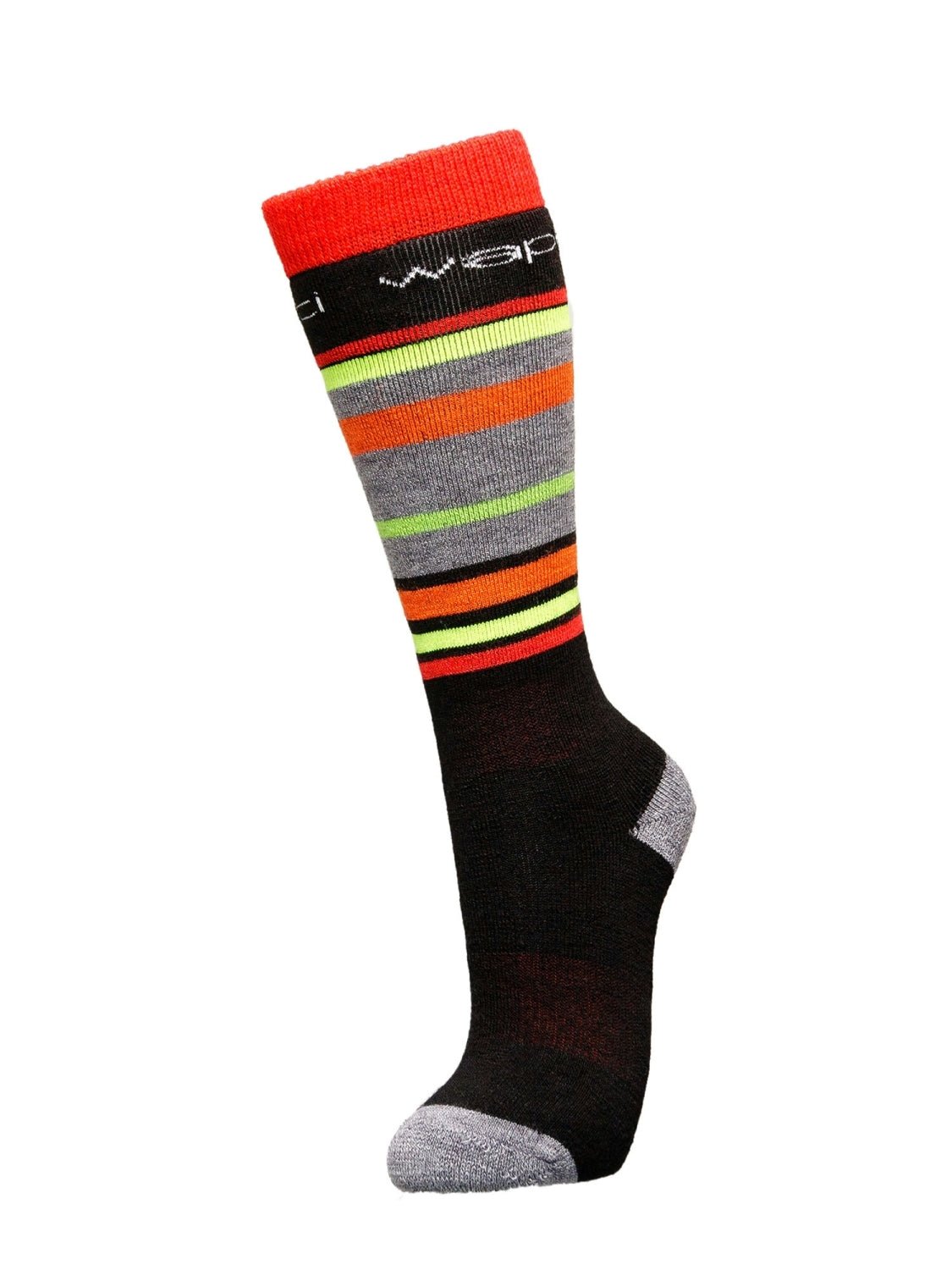
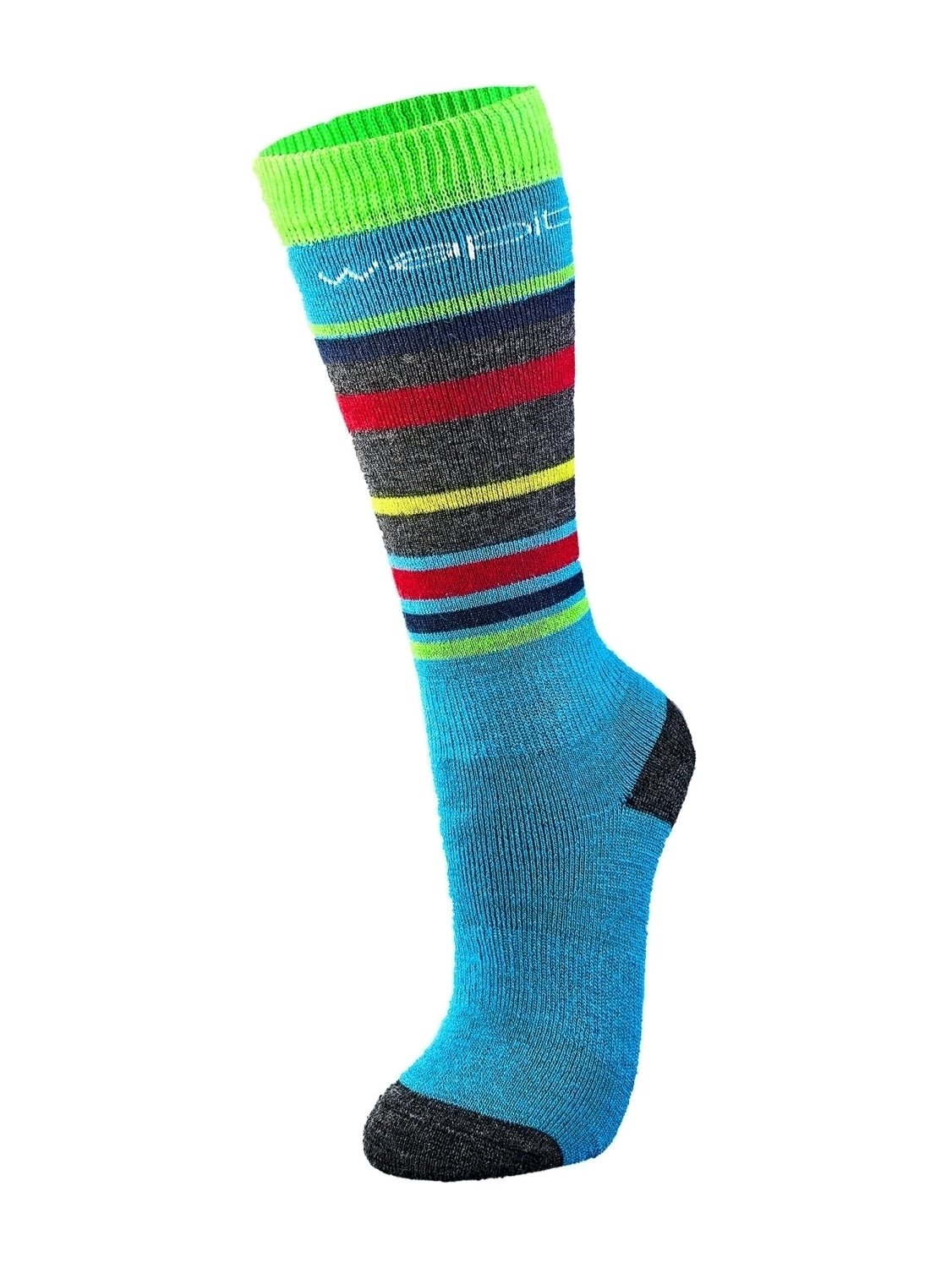


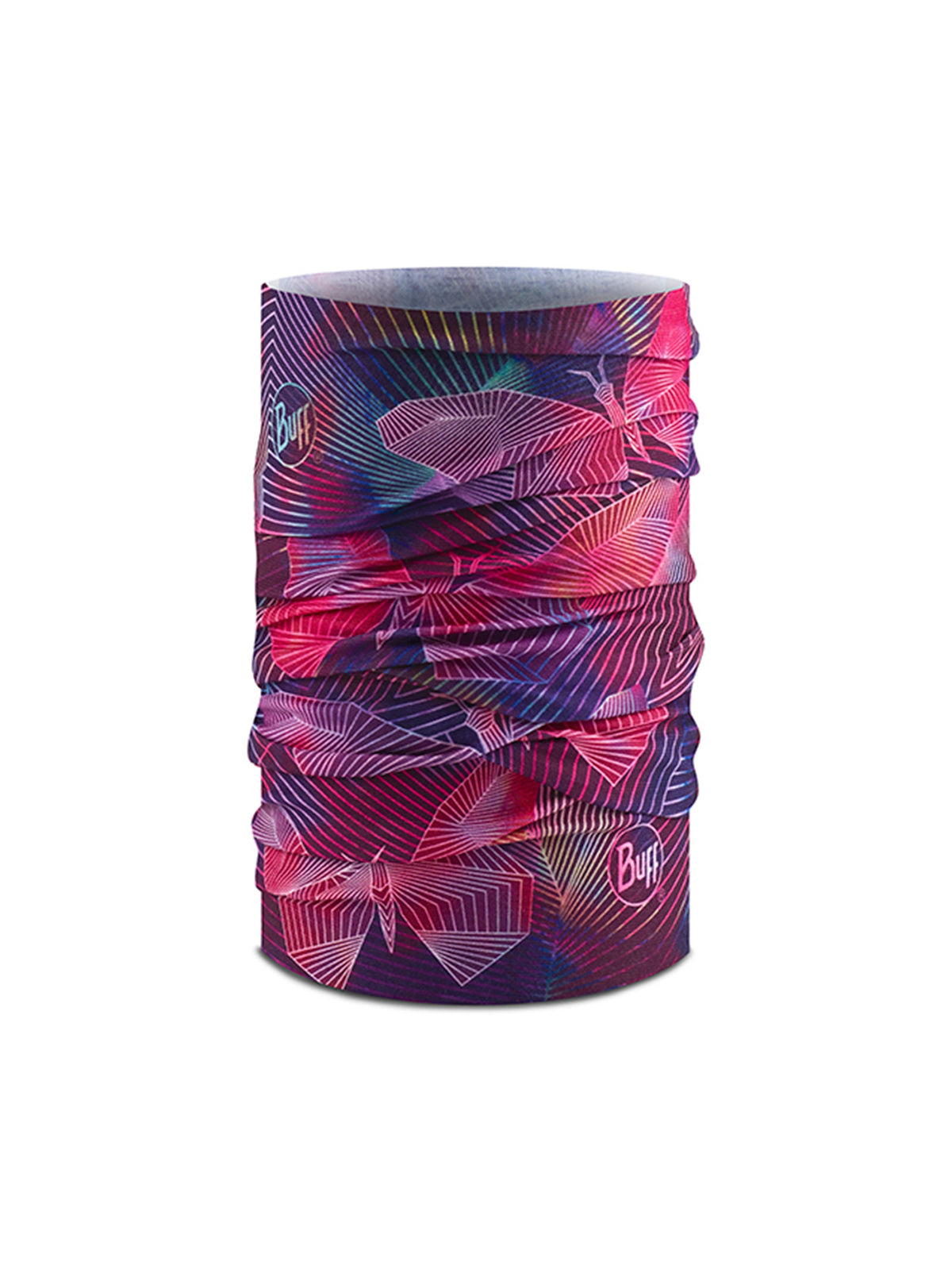


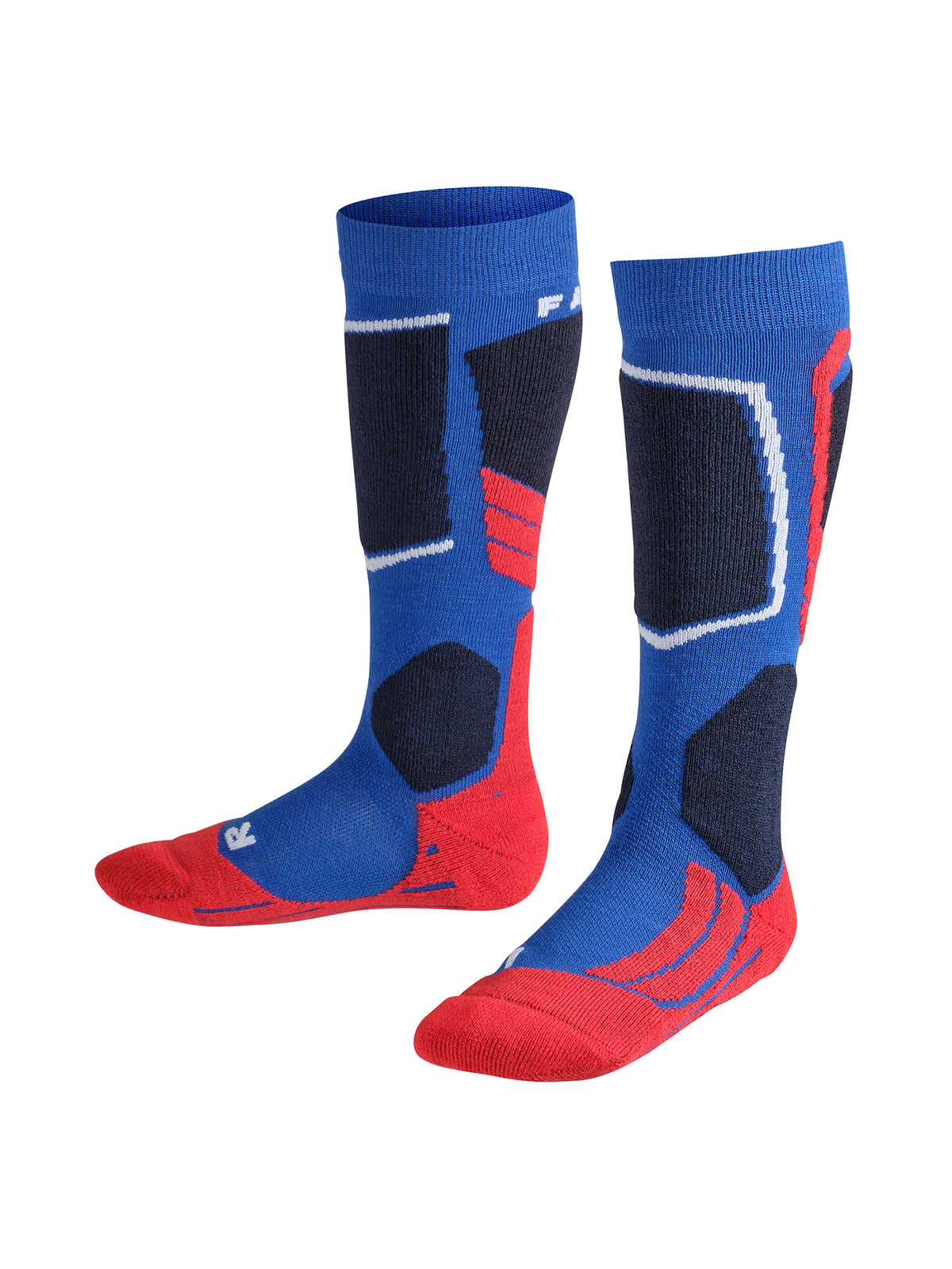


Kids' Accessories as a Complement to Winter Clothing
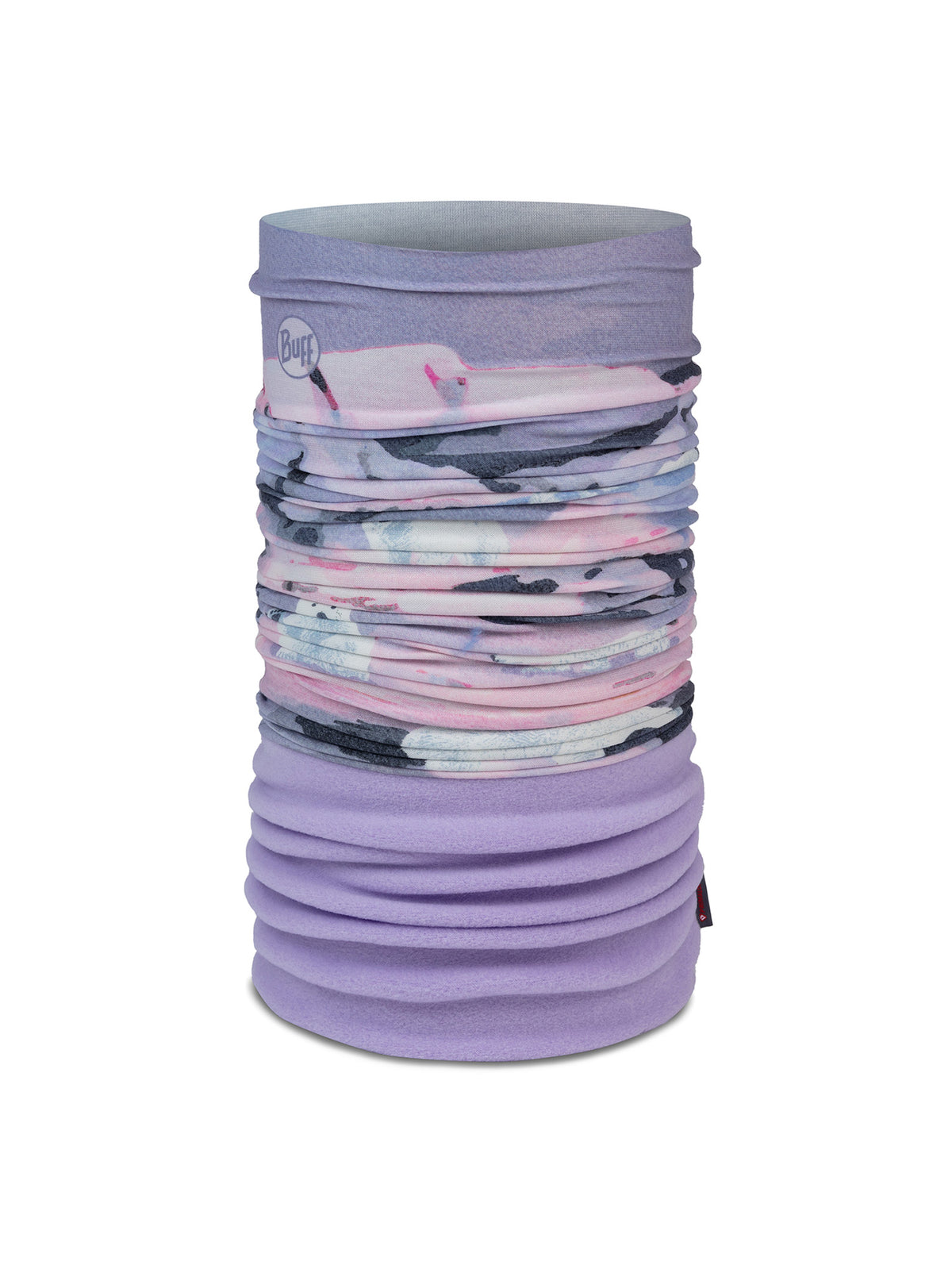
Accessories serve specific functions in a child's winter wardrobe. They can cover hands or head, bridge gaps between garments, or be selected as individual pieces of equipment. Therefore, start by identifying the gaps in the existing combination. A hat, a pair of socks, and glasses are evaluated by different criteria. The common category does not mean that all items can be selected in the same way based on age or color.
This selection brings together complementary items for children. The actual product type and its described features remain crucial. A garment doesn't become an accessory merely by having a tag, and a sporty look doesn't guarantee universal suitability. Use the kids' section as an overview and then proceed to the specific task. This way, you can thoughtfully complete the outfit without combining unnecessary items or unsuitable sizes.
Head, Hands, and Feet Require Different Decisions
Headwear is chosen based on circumference, shape, and desired coverage. Gloves must fit the hand and the sleeve. Socks belong to the foot size and the intended shoe. These differences are more important than a common design. A visually coordinated set only makes sense if each part fulfills its own purpose. Therefore, choose the appropriate function first and then combine colors or material characteristics.
Also, consider where the item will be used: in everyday life, during a sports activity, or afterwards. A casual hat is not automatically a suitable extra layer under a helmet. A thin glove serves a different purpose than a construction specifically designed for a ski day. Such distinctions help keep the selection clear. A single accessory doesn't have to cover every situation to be a good addition.
Choose Hats and Other Headwear by Fit
A hat should reliably stay in its intended position and cover the desired areas. Check the brim, depth, and actual head circumference. An elastic construction is no guarantee of the same fit for all children. Too much fabric can alter the silhouette, while a very tight brim can be uncomfortably constricting. The right shape should suit the child and the rest of their clothing, rather than constantly needing to be adjusted up or down.
Headbands and more encompassing shapes offer different coverage. A headband leaves the top of the head exposed; a more extensive head covering can interact differently with collars and jackets. Therefore, examine the item type carefully. Thickness or material name alone does not explain which areas are actually covered. If a special weather function is important, it must belong to the specific model and not be derived from its winter appearance.
Coordinate Gloves with Jacket and Hand Movement
Children's gloves are selected based on hand measurements and shape. A mitten keeps several fingers together, while a finger glove allows for different, separate movement. Which solution fits depends on use, handling, and the specific construction. The outer shape alone is not an exact indication of warmth. Size, lining, and material also play a role, as does the child's personal feeling.
Pay attention to the transition to the jacket sleeve. A long gauntlet may sit differently than a short cuff. Both parts should close and be put on appropriately. A very tight closure is not automatically the better security. If multiple cuffs lie directly on top of each other, the wearing comfort can be altered. Check the combination with the actual jacket, instead of selecting a single accessory in isolation based on its feature list.
Choose Socks to Match Shoes, Not Just the Season
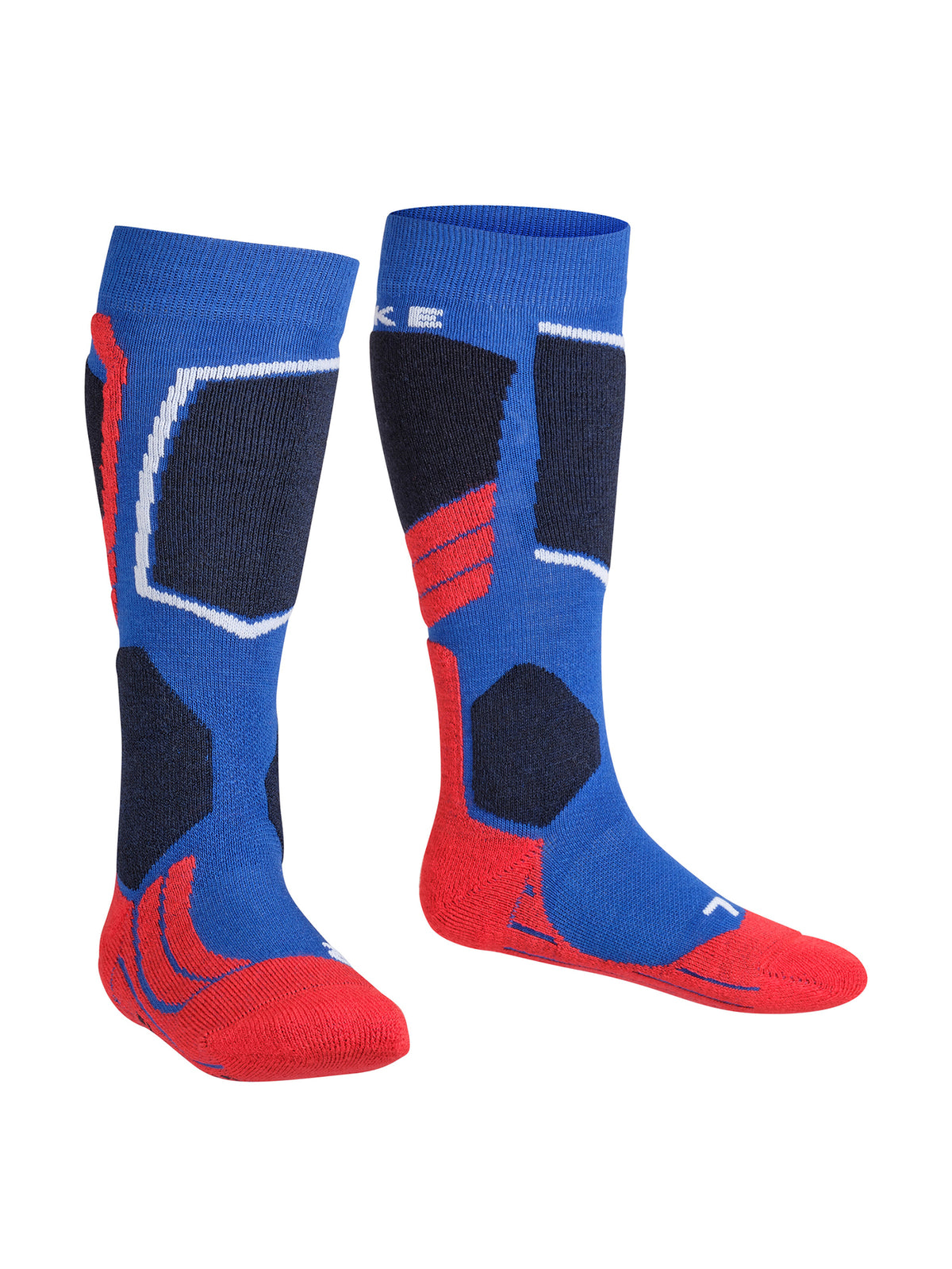
For socks, the connection to the shoe is important. Height, padding, and material thickness change the available space. A thicker sock is therefore not automatically the better winter choice. In a tight-fitting shoe, it can worsen the fit. A suitable sock should lie as smoothly as possible and fit the foot in size and shape. Pay particular attention to ensuring that the heel and toe areas sit in their intended positions.
Everyday shoes and ski boots have different requirements. For children's shoes, plan the sock according to the respective shape and use. In a ski boot, the transition to clothing should also be free of unfavorable layers of fabric. Two socks pulled on randomly are no substitute for a suitable single solution. Choose according to the actual task, not exclusively based on a material perceived as particularly warm.
Goggles and Equipment Maintain Their Own Fit
Goggles are selected based on face, intended use, and specific lens features. A small frame is not automatically suitable for every child, and a dark tint alone does not describe UV protection. Such properties must be assessed based on the respective product information. For ski goggles, the connection to the helmet is also a factor. Color and design may be appealing, but they do not replace a proper fit to the face and other equipment.
A ski helmet is an independent protective product and must fit according to manufacturer specifications. Additional clothing must not arbitrarily alter the fit. The accessory category is therefore not a reason to freely combine all winter items. Check the respective requirements and the actual design. A suitable outfit results from individual components that work together meaningfully, with their functions and limitations remaining clear.
Treat Size and Growth Differently
For accessories, age indications are particularly variable in their usefulness. A sock is based on a size range for the foot, a glove on hand measurements, and a hat on circumference and shape. A common age does not fully explain these sizes. Refer to the respective tables and product information. Children of the same age can have different proportions, which is why a general size for all accessories is not very helpful.
Growth also does not justify the same extra reserve everywhere. Gloves that are too big can make handling difficult, loose socks can form wrinkles, and unsuitable headwear can slip. Choose a fit appropriate for the intended use and only consider the sensible leeway of the model. A significantly oversized version is not a general advantage, even if a longer period of use initially seems attractive.
Handling and Assignment in Everyday Life
Consider which items the child puts on and takes off themselves. Easily understandable openings or a clear shape can be helpful. Additional loops and fasteners are only useful if they belong to the product and are intended as such. An accessory is not automatically included with every model. Check the actual scope of delivery instead of inferring all components from an illustrated combination.
Colors or recognizable details can help assign one's own items in everyday life. However, they are no substitute for an appropriate size or function. If several children wear similar clothes, a consciously chosen design can be practical. Include the child's preferences once the factual criteria are met. This makes the addition personal, without deriving an additional technical feature from a visual characteristic.
Care and a Complete Combination
Note the material and care label of each item. Knitwear, leather, textile gloves, and glasses require different treatment. Common winter use does not mean that all accessories can be washed together or cleaned with the same product. Allow damp items to dry according to manufacturer instructions and store them appropriately. Especially small additions perform their task better when their actual construction is taken into account.
Finally, place the selection next to the children's ski clothing or the intended everyday clothing. Are hands, head, and feet appropriately considered, and do the transitions work? Name any outstanding tasks individually. This way, you will find targeted children's accessories that meaningfully complement existing clothing. The right selection is not the largest number of additional items, but a logical combination that suits the child and their use.
04At FREUDENHAUS
05Questions about the category