






Choose ski helmets by fit and features
First, choose your ski helmet based on its intended use and fit. At FREUDENHAUS Obertauern, you can compare size ranges, construction, ventilation, and additional technologies. Whether it's a helmet with a visor or a combination with ski goggles: try the pieces together and pay attention to specific manufacturer approvals. This way, you'll find a shape that suits your head and your skiing days.


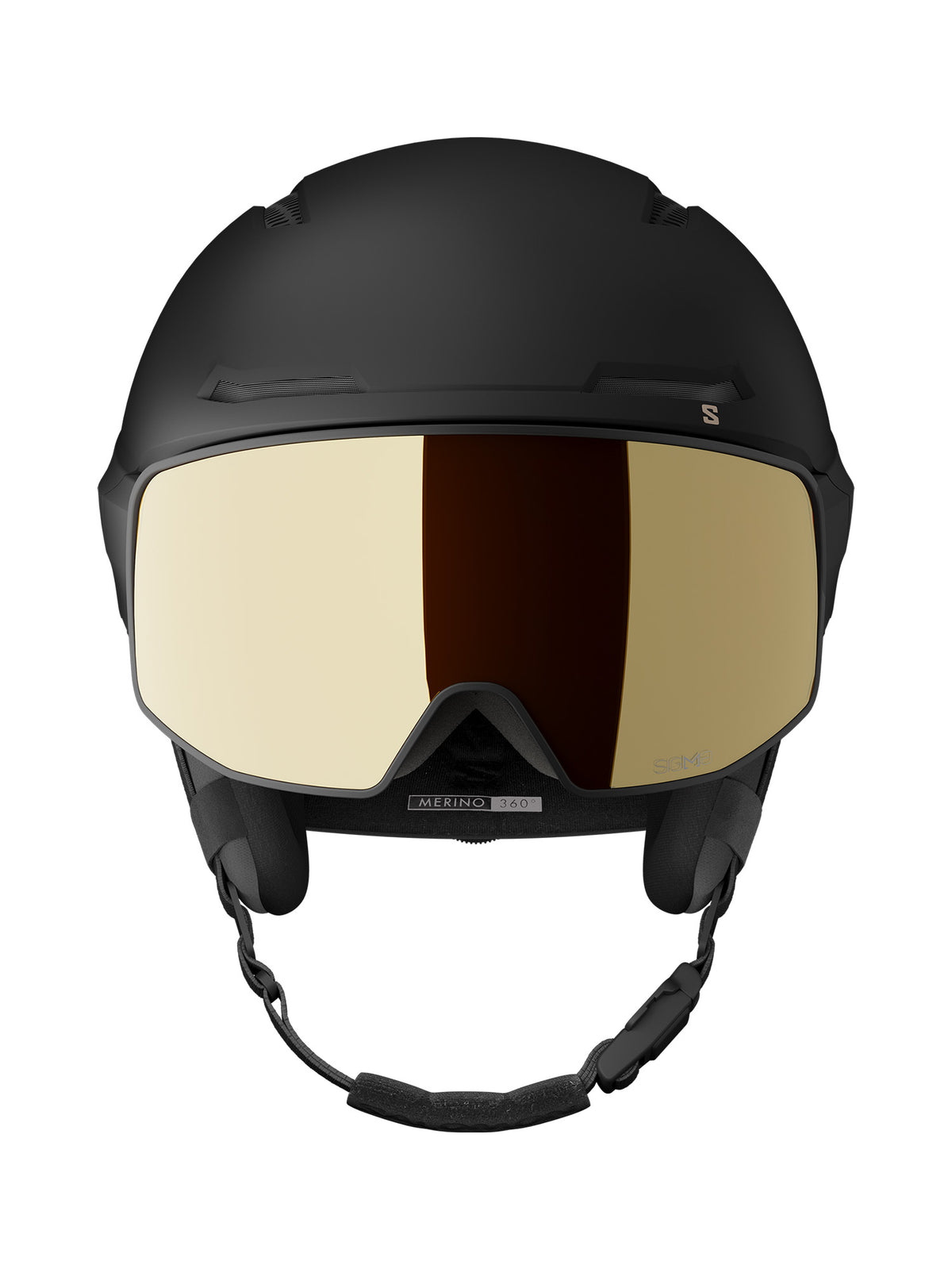
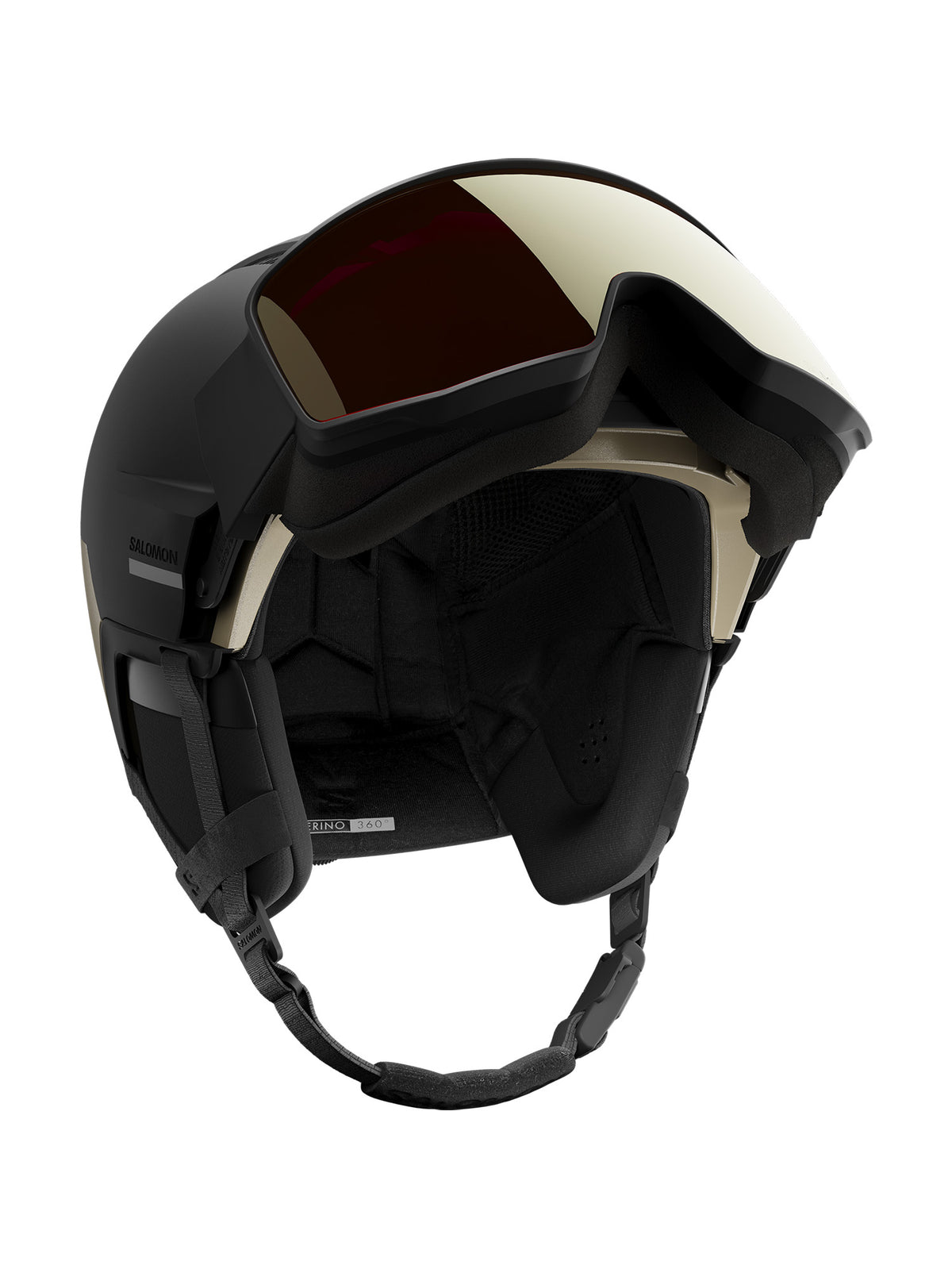

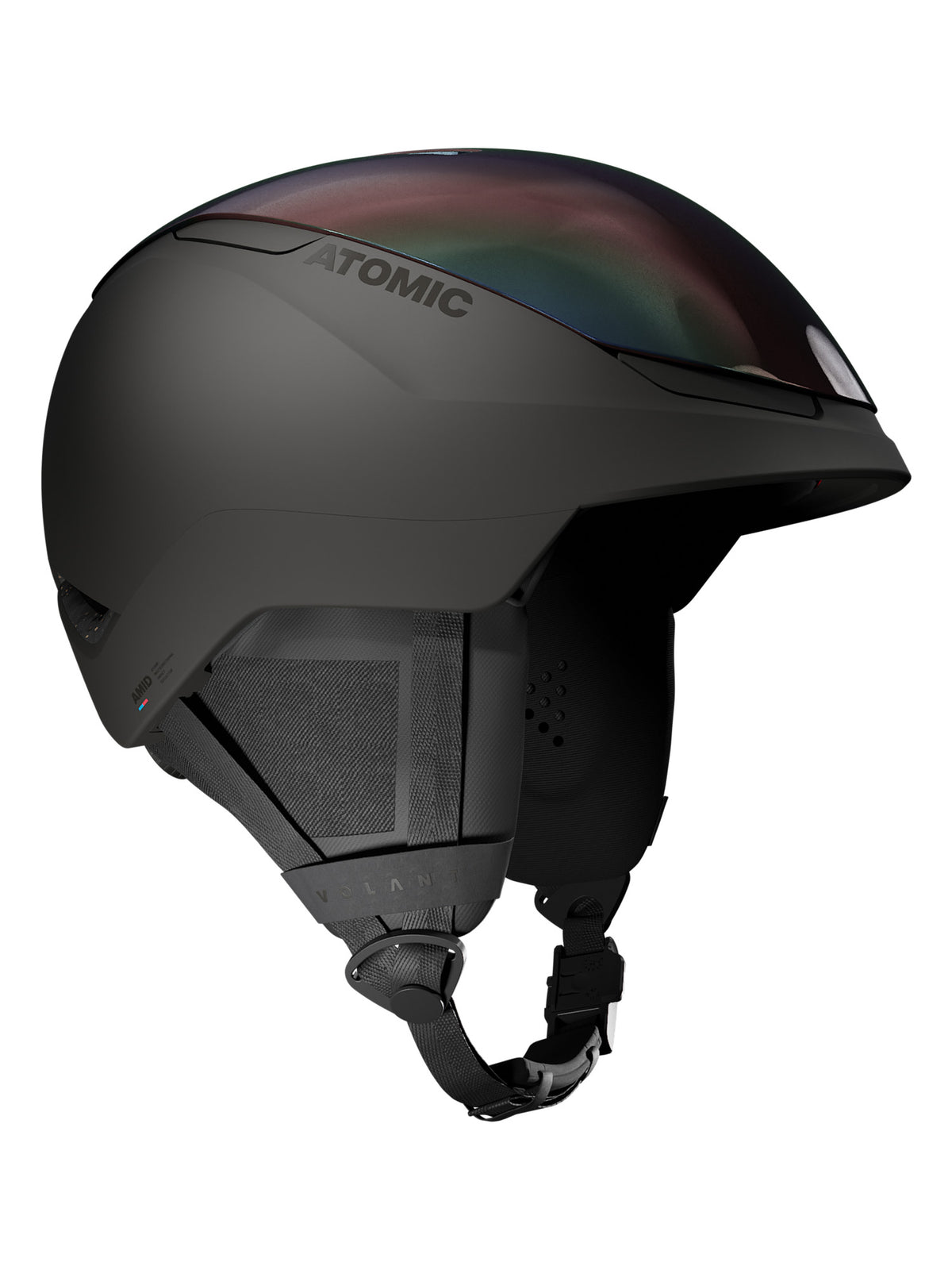


The right ski helmet starts with your head
A ski helmet is first chosen based on its intended use and fit. Color, visor, and additional features come after. A model can be technically interesting and still not suit your head shape. At FREUDENHAUS Obertauern, comparing size ranges, fit, and specific manufacturer specifications will help you narrow down your selection. When doing so, consider the helmet together with the goggles and clothing you use on your ski days.
First, consider what you need it for: ordinary piste days, specifically intended touring use, or other special uses. A helmet should not be transferred from another sport solely based on a similar shape. Its designated suitability is part of the specific product. A unisex label also does not answer the question of size or every requirement for protection and features.
Measure head circumference and compare size ranges
Measure your head circumference according to the respective manufacturer's instructions with a suitable tape measure. The value helps to find the right size range but does not yet describe the entire head shape. Two helmets with the same centimeter measurement can feel different because their internal shapes and adjustment systems are constructed differently. A fitting therefore remains an essential part of the decision.
If your measurement falls between two ranges, comparing both suitable versions is more helpful than a blanket rule. A helmet should not stand out due to significant pressure at individual points or unnecessarily much play. The adjustment system serves the intended fine-tuning, not compensating for a fundamentally wrong size. When using it, follow the model-specific instructions.
Assess fit in motion
Put the helmet on in the position intended by the manufacturer and close it according to the instructions. Move your head and pay attention to whether the helmet maintains its position. Pay particular attention to your forehead, temples, and back of your head for irritating pressure points. A quick first impression can be deceiving; take enough time to consciously perceive the wearing comfort.
The strap routing and chin closure should also lie comfortably. They should not only appear suitable for a product photo but must function with your normal head movements. If a helmet slips significantly or presses uncomfortably despite correct adjustment, a different shape may be more suitable. The required solution is not necessarily tightening the same model more.
Classify In-Mold, Hardshell, and Hybrid
These terms describe different construction approaches. In an In-Mold construction, the outer shell and energy-absorbing inner layer are tightly connected to form a single unit; Smith explains this, for example, for the Survey Mips. Hardshell and hybrid designations stand for differently constructed or combined shell concepts. For a reliable comparison, the actual description of the model is more important than a single collective term.
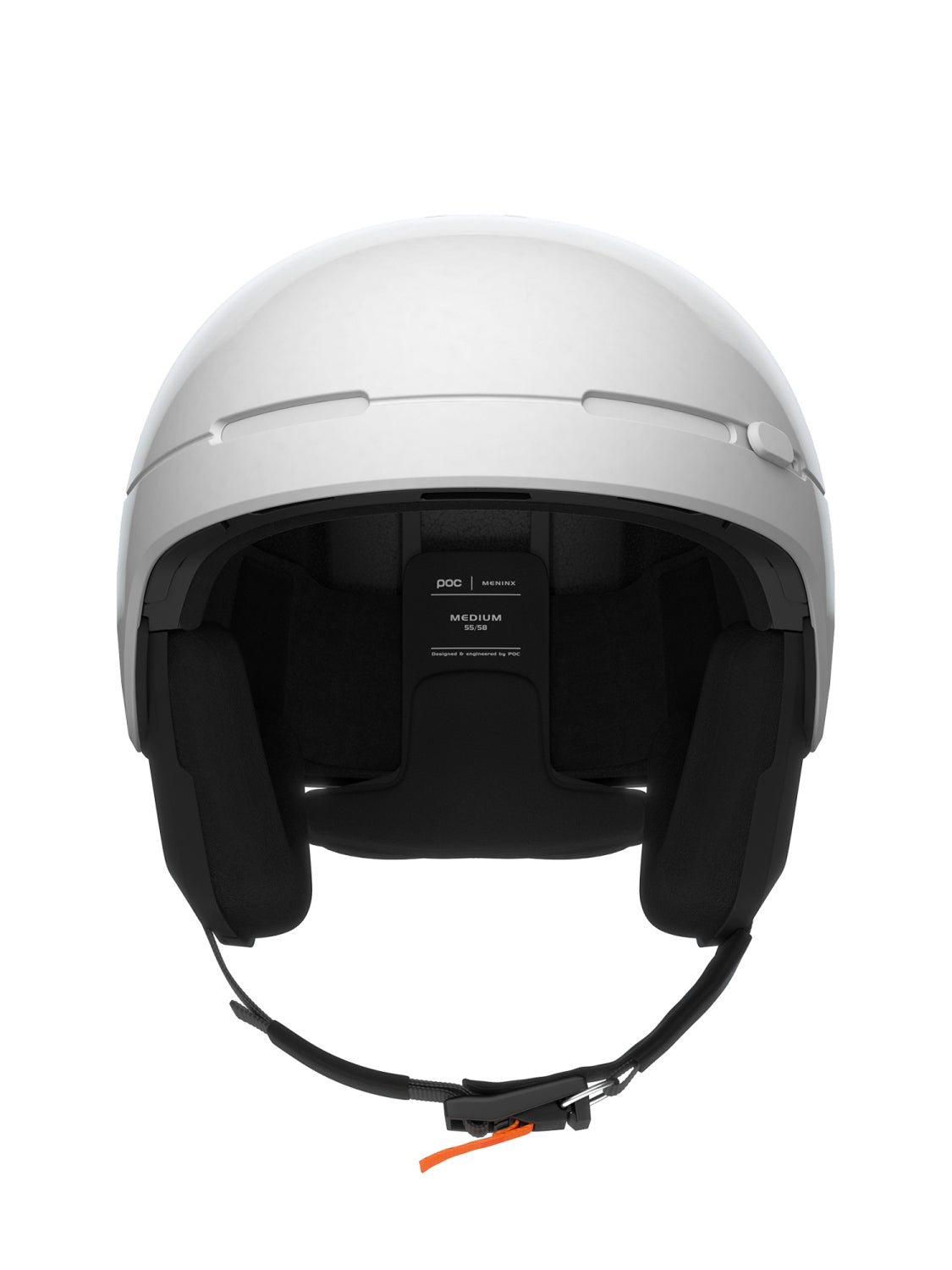
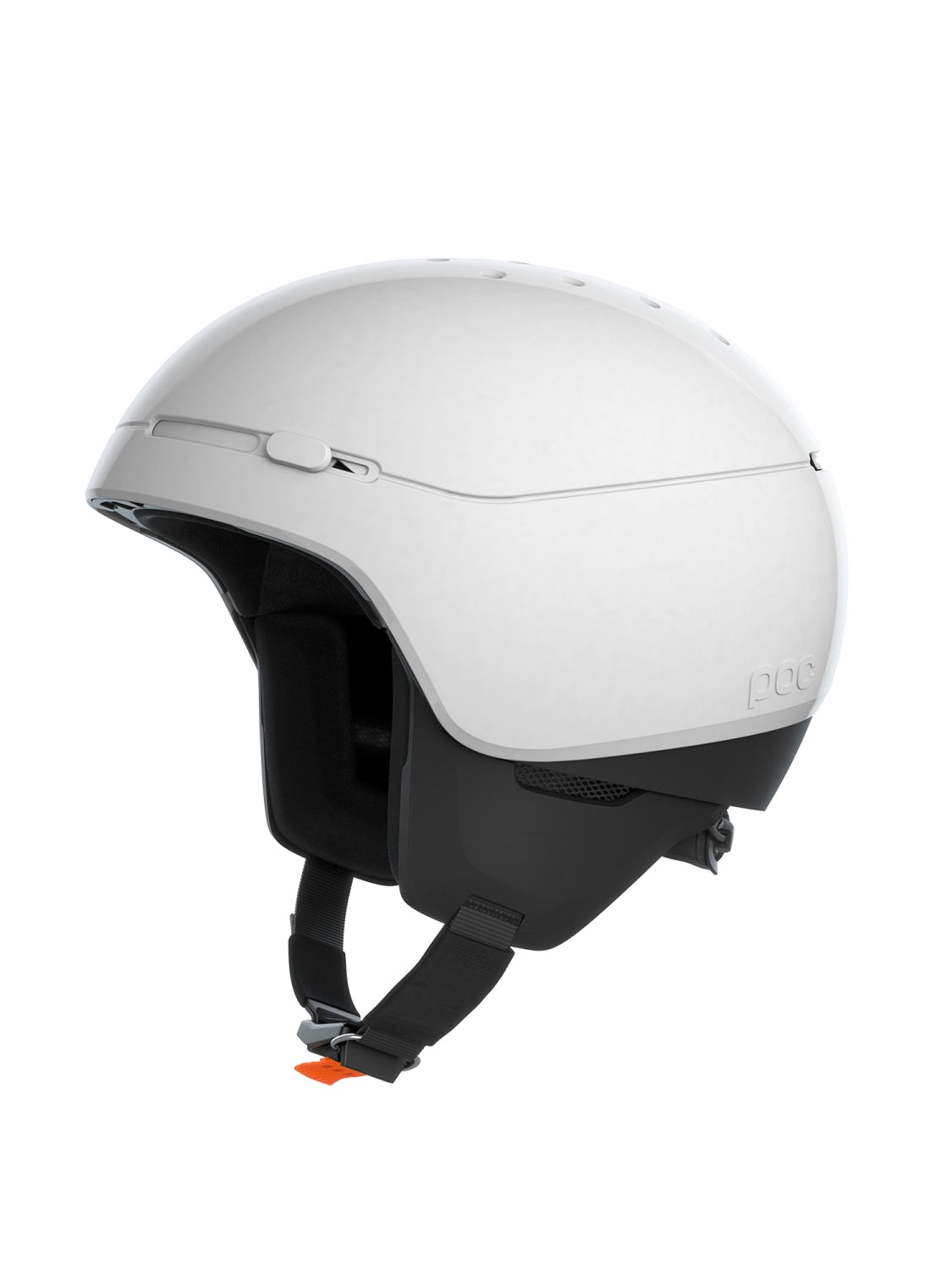
POC, for example, mentions a combination of an EPS inner layer, a PC shell, and an upper ABS shell area for the Obex Mips. This is a specific construction example, not a general specification for every helmet. A blanket safety ranking should not be derived from the construction alone. Suitability, test certificates, correct fit, and the condition of the complete helmet remain crucial.
Observe protection standards and intended use
A ski helmet should be designated and tested accordingly for the intended use. Manufacturer specifications may include, for example, EN 1077 and ASTM F2040. POC lists EN 1077 B, among others, for the Obex Mips; Smith also mentions specific certifications for the Survey Mips. Such information always belongs to the respective model and should not be transferred to the entire brand world.
For special applications, additional requirements may be relevant. A helmet for a specific racing use or for multiple sports needs the appropriate explicit approval. A similar shape or a sporty design is not sufficient. Check the complete manufacturer's instructions and choose based on the actual use, instead of using a single standard abbreviation from another product as general confirmation.
What Mips and other additional technologies are intended to achieve
Mips describes its system as helmet technology designed to help reduce rotational motion to the head during certain oblique impacts. This allows for limited relative movement between the head and the helmet. The specific implementation is developed for the respective helmet model. This does not guarantee that injuries will be prevented in every type of fall.
Other technologies pursue their own design approaches. Koroyd, for example, describes a connected tube structure that deforms on impact and is designed to absorb energy. Such systems can be combined in certain helmets. Compare which features the exact model actually has, and evaluate them together with fit and suitability. A well-known technology logo does not replace a correctly fitting helmet.
Ski helmet with visor or separate ski goggles?
A ski helmet with a visor combines the helmet shape with an integrated vision solution. This can make handling different from separate goggles, whose strap and frame are adjusted independently. Both concepts should be tried on your own head and face. The right choice depends on which shape sits comfortably and how you want to operate the system in everyday life.
With separate ski goggles, you can consciously choose a combination of helmet and frame. Pay attention to whether the shape at the upper edge and in the nose area fit together. The strap must be able to be guided according to the intended holders. A common brand can offer coordinated models, but this does not automatically confirm any arbitrary pairing within the assortment.
Glasses wearers need space in the right places
If you wear optical glasses, you should take precisely these with you for the fitting. Temples, frame width, and lens height influence whether there is sufficient space. A model described as OTG is intended for use over glasses, but it does not replace a comparison with your specific frame. Pressure on temples or nose may only become apparent in the complete combination.
Smith describes the Survey Mips, for example, with a visor that can be worn over optical glasses. This is a model-specific design, not a characteristic of every visor helmet. Also check opening and closing without the frame being unintentionally displaced. Your vision and the comfortable combined wearing comfort are more important than deciding on a concept solely based on its designation.
Select visor and lens type separately
The helmet and the associated vision solution have different tasks. For visors or goggle lenses, the specified properties for light conditions and vision are important. A striking mirror coating does not fully explain these. If a model offers different lens or visor versions, it should be clear which specific variant belongs to the offer.
A changing mechanism or a photochromic version is also a characteristic of the respective product. Do not derive it from similar images or a common model name. Consider under what light conditions you frequently ski and what handling suits you. The ski goggle category deepens this selection, while for the helmet, a suitable fit and system integration are initially paramount.
Consider ventilation and thermal sensation together
Helmets can have fixed or adjustable ventilation openings. A controllable solution allows for different adjustments throughout the day, depending on the construction. Pay attention to how well you can reach the mechanism with your usual equipment. The number of visible openings alone does not explain how the complete system works for you.
Lining and ear areas also influence wearing comfort. They should be suitable for use and remain comfortable together with goggles, collar, and hood. Additional clothing under the helmet must not impair its intended fit and should only be used within the manufacturer's instructions. A helmet chosen significantly too large is not a suitable basis for accommodating arbitrarily much material underneath.
Practically test closure and small details
The chin closure is one of the operations you perform regularly. Try how well you can open and close it, even with the gloves you use for skiing. Different mechanisms can feel different. Choose an operation that is understandable to you, and pay attention to the correct fit after closing.
Further details can be goggle holders, removable ear pads, or manufacturer-provided accessory integration. Only use expressly suitable components and do not modify protective parts on your own. Under Ski Essentials, you can consider other additions in context. An additional accessory should integrate into the existing system and not change its intended function.
Compare weight with size and features
A weight comparison needs the same reference. Manufacturers may provide values for a specific size; larger versions of the same model may differ. POC, for example, specifies separate weights for different size ranges for the Obex Mips. Visor and other features also influence what you actually wear on your head.
Less weight is not the only selection goal. A well-fitting helmet with suitable features may be more sensible for you than a lighter shape that presses at individual points. Evaluate the wearing comfort over time and in the complete combination. This way, you classify the number as a factor instead of letting it solely determine the decision.
Act correctly after an impact and with aging
After a relevant fall or impact, further use should not depend solely on the external impression. Smith points out that a helmet should be replaced after an accident, even if it looks inconspicuous. Damage can be internal. Orient yourself on the manufacturer's instructions for your helmet and clarify doubts professionally before continuing to use it.
Even without an accident, the instructions for service life, storage, and replacement of the specific manufacturer apply. A uniform number of years for all brands and constructions would not be appropriate. Note the model and manufacturing data and keep the instructions. Cleaning and drying must also suit the execution; you should not derive unsuitable agents or independent changes from a general care idea.
Make the selection in the right order
Start with use and size range, then check the individual fit and shared use with goggles or visor. Then compare ventilation, closure, and expressly available additional technologies. The POC brand world, for example, can provide an introduction to certain models; the helmet category keeps the comparison of different constructions and shapes open.
Within the suitable models, decide on the variant whose handling you understand well and which sits comfortably. A suitable ski helmet must match your head and your actual use. Only on this basis do color, design, and other personal preferences complete the selection.
04At FREUDENHAUS
05Questions about the category