






Men's Shoes for Your Journey and Your Style
Whether sneakers for your days off, winter boots for cold paths, or sports shoes for your workout: First choose men's shoes according to their purpose. At FREUDENHAUS Obertauern, the appropriate category will lead you to comparable models. Then, pay attention to foot shape, size, and features so that your new pair not only matches your outfit but also your activities.
02Discover
Subcategories.
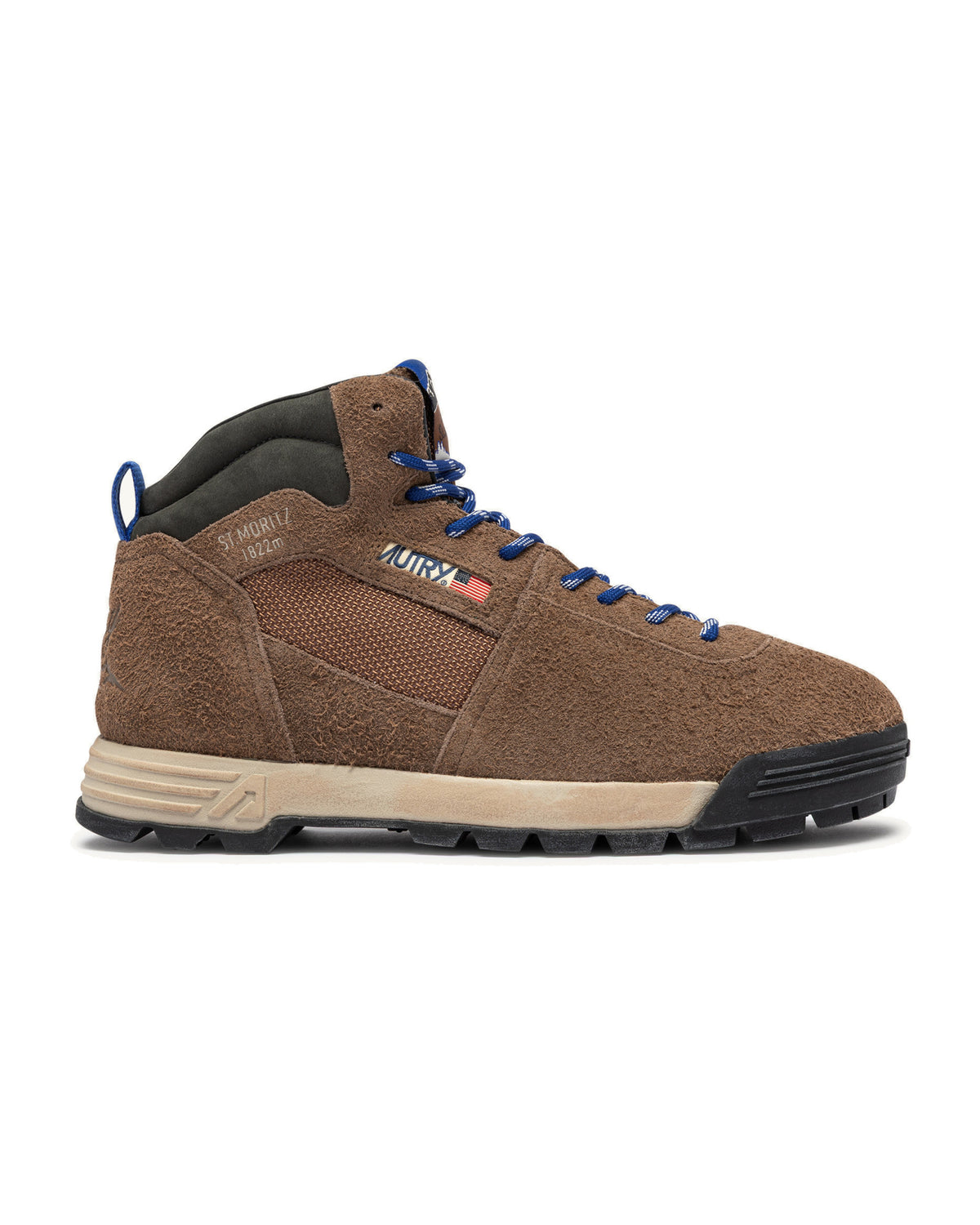
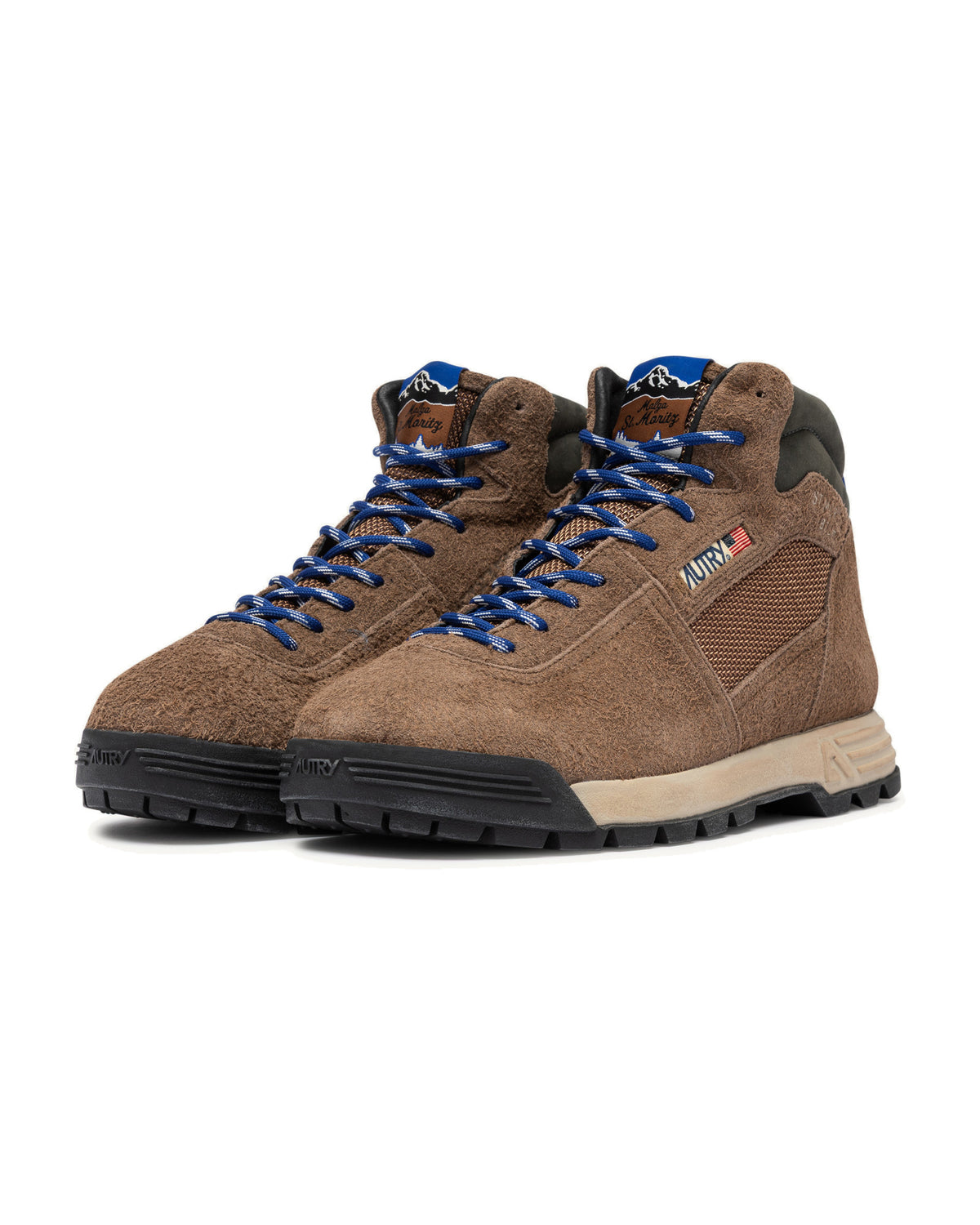
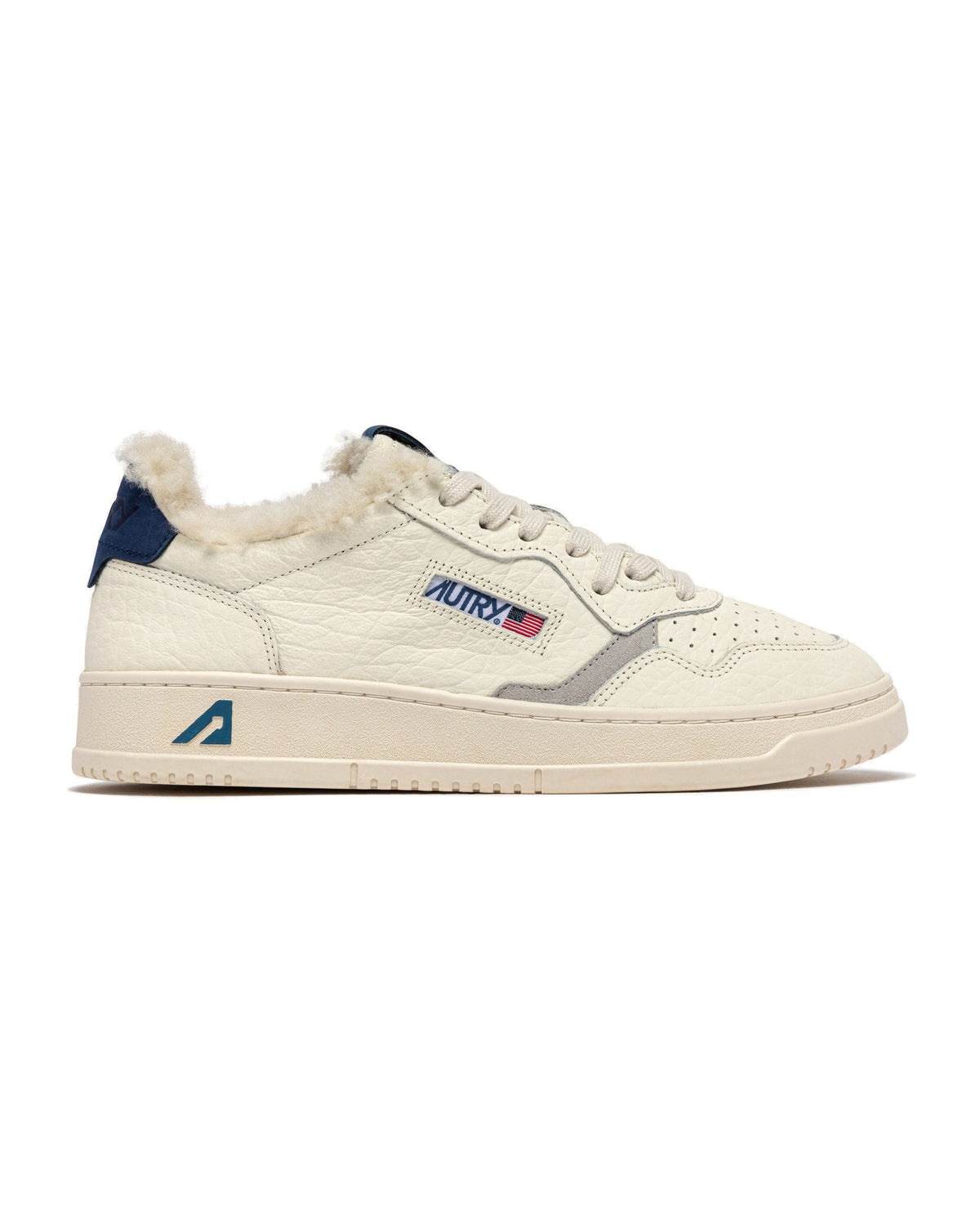
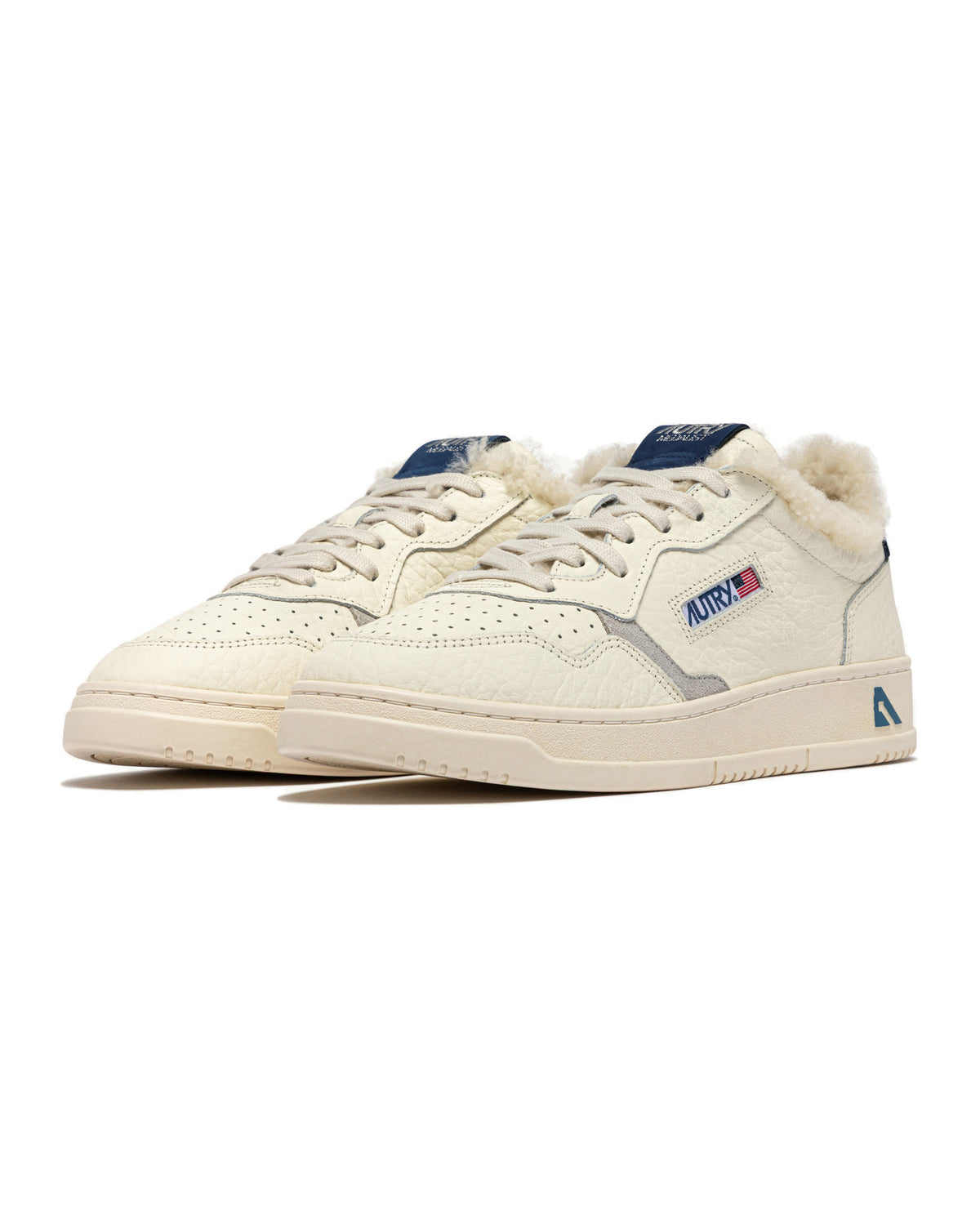


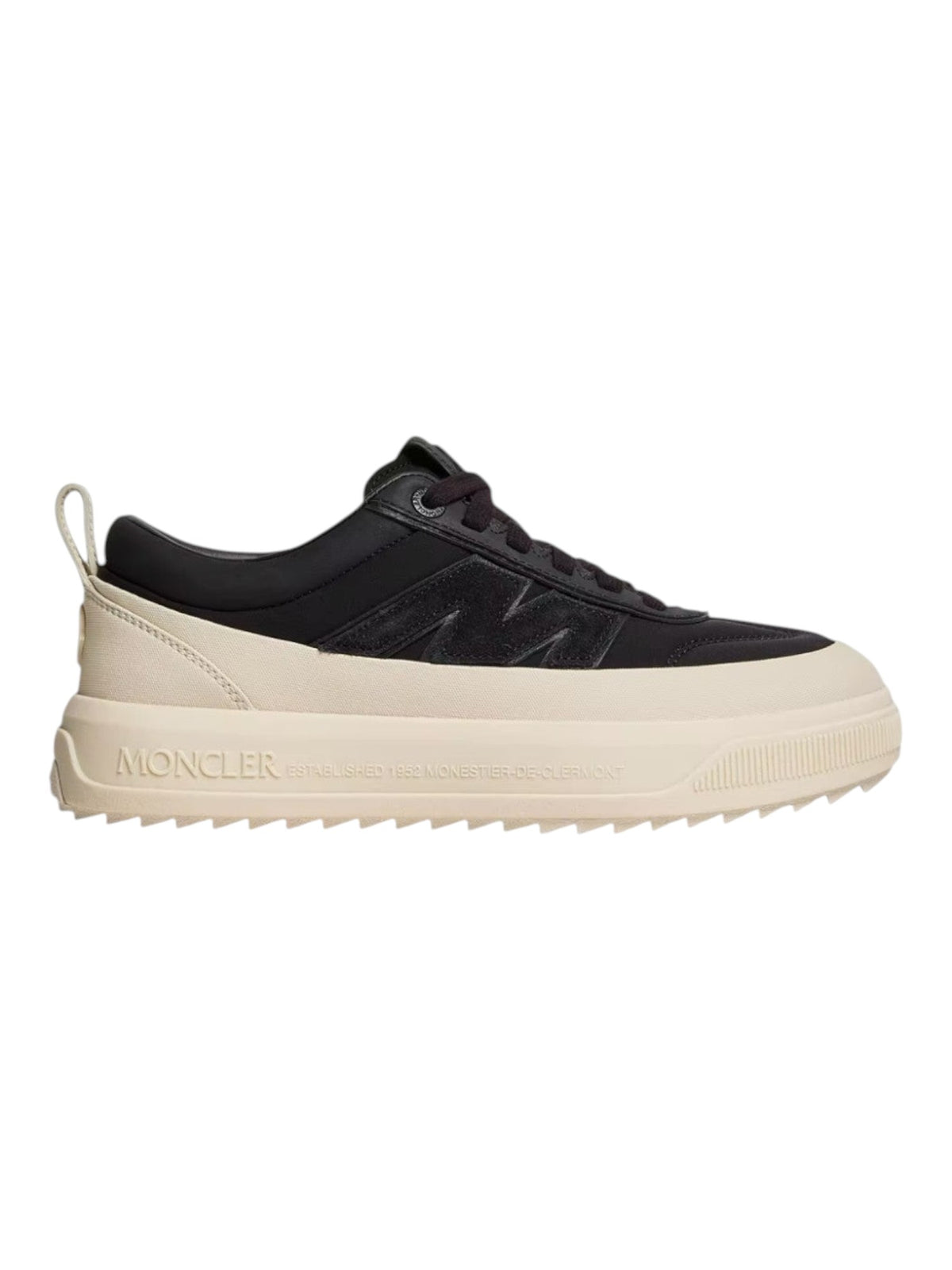
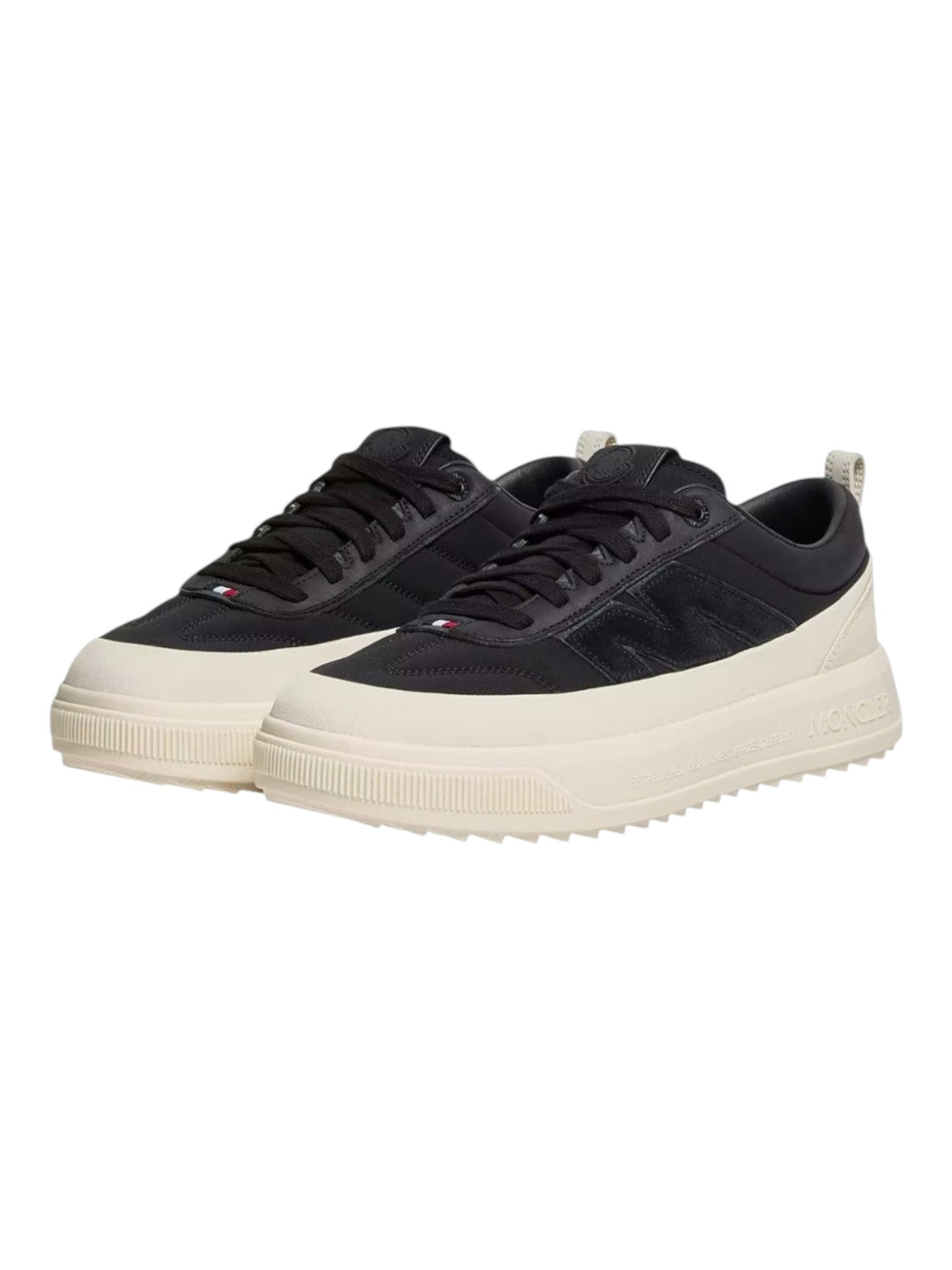


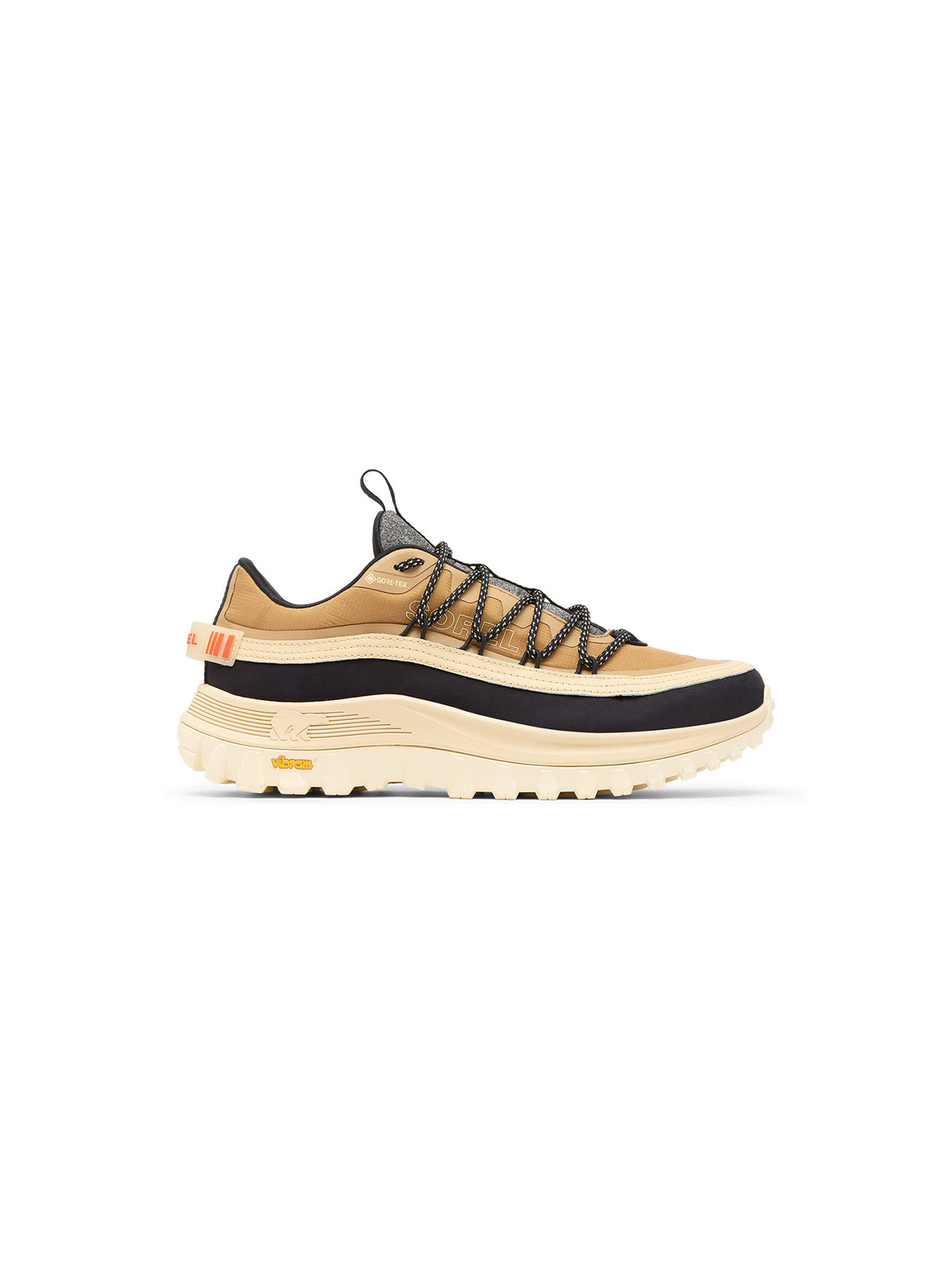
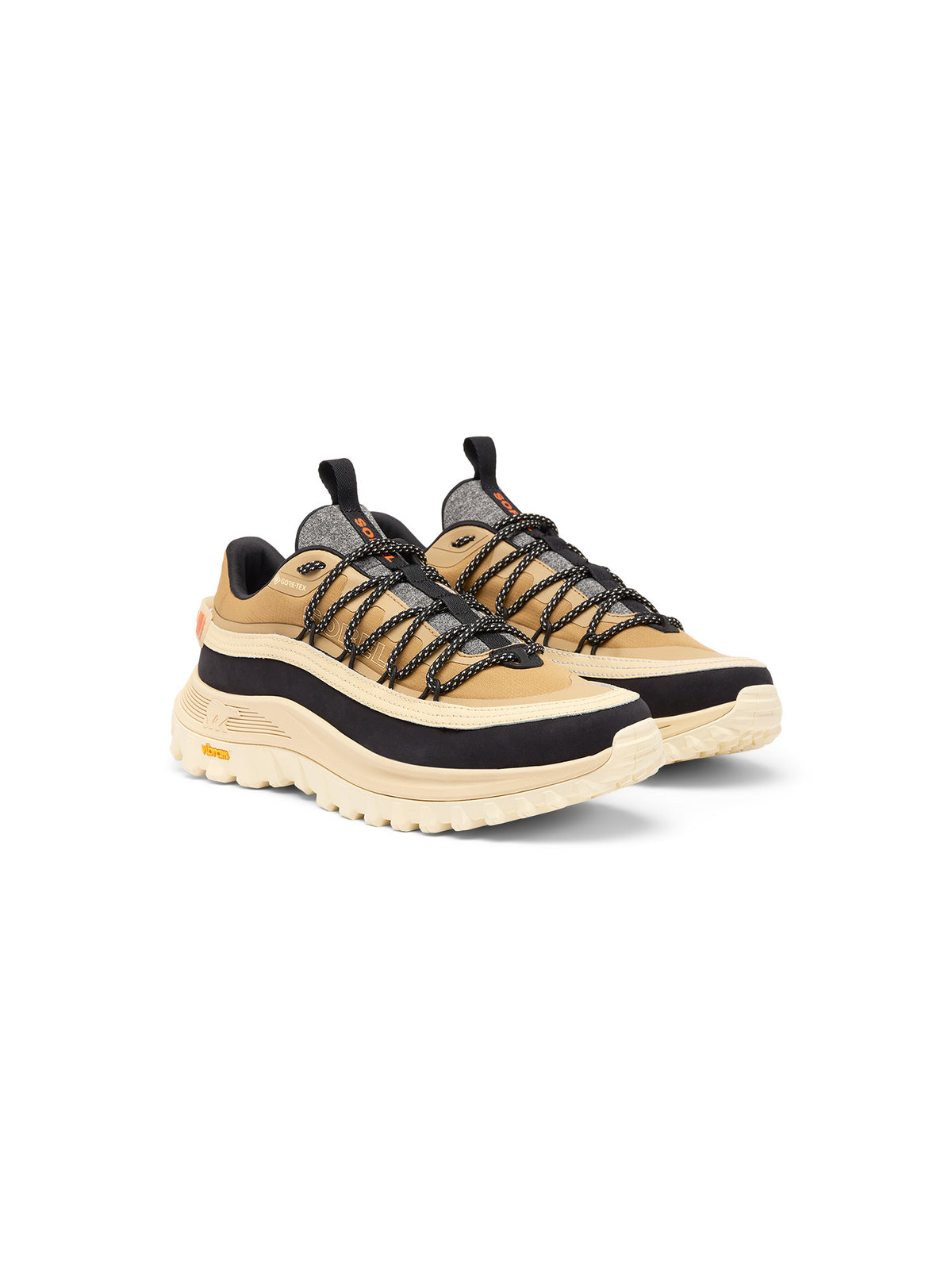
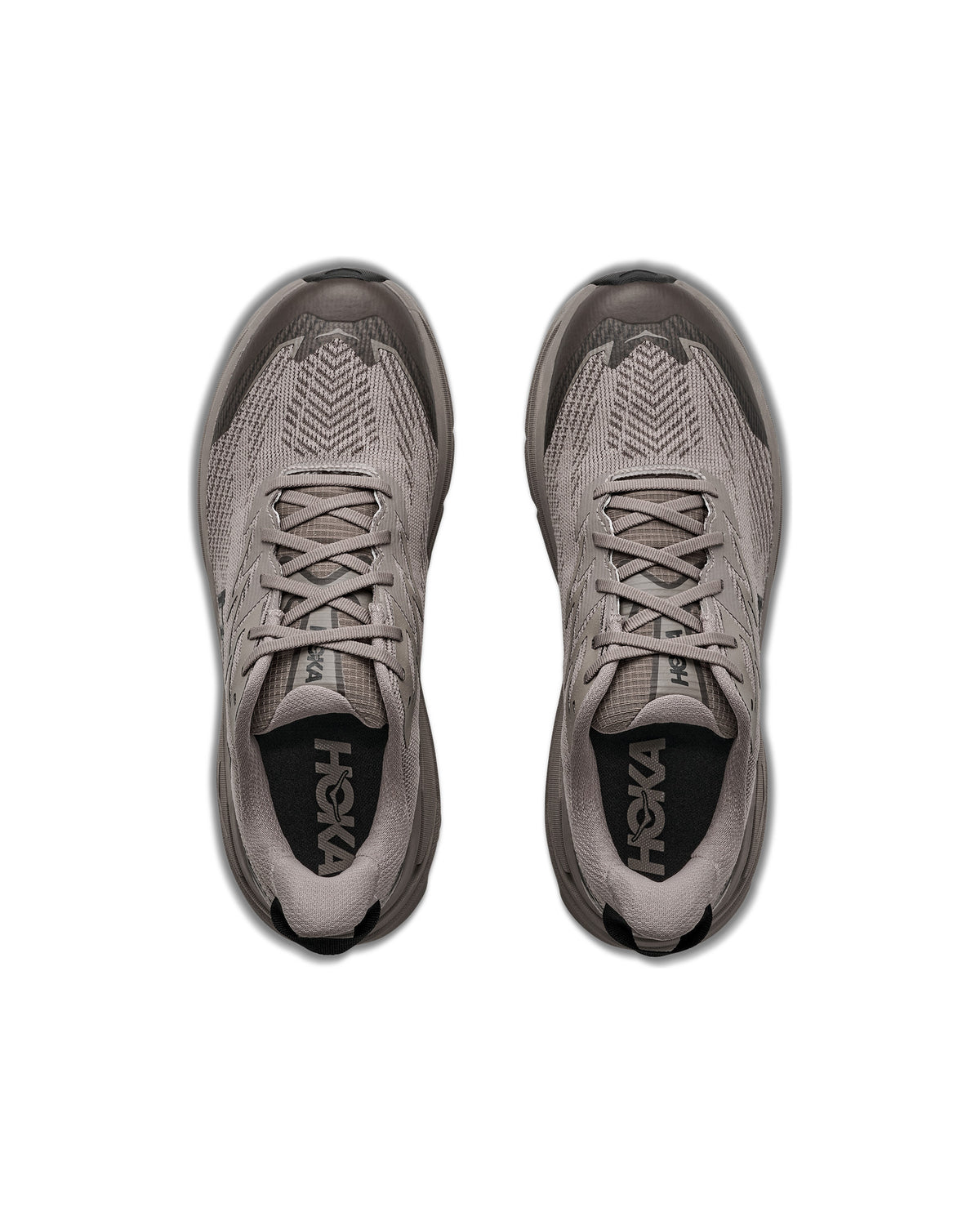
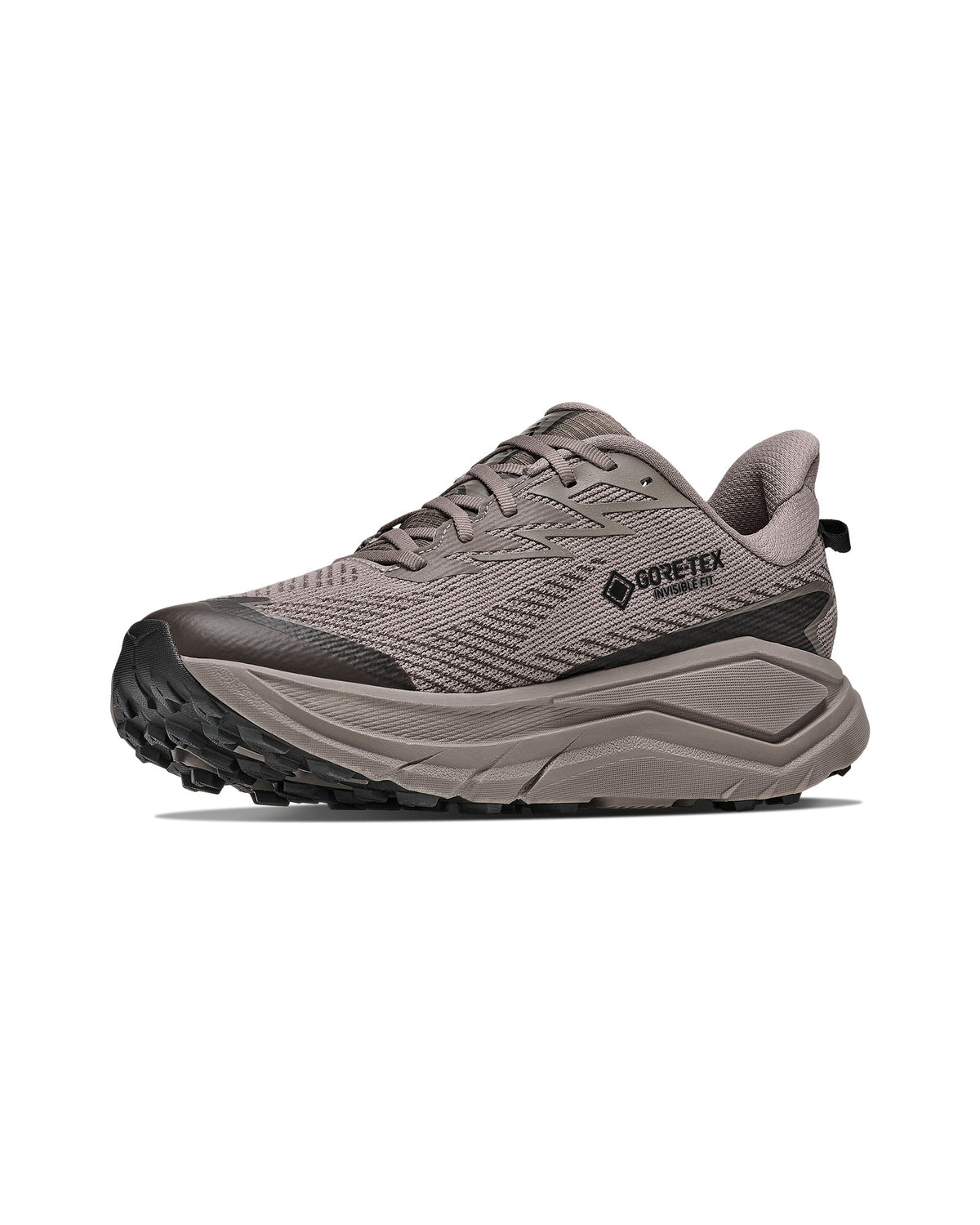

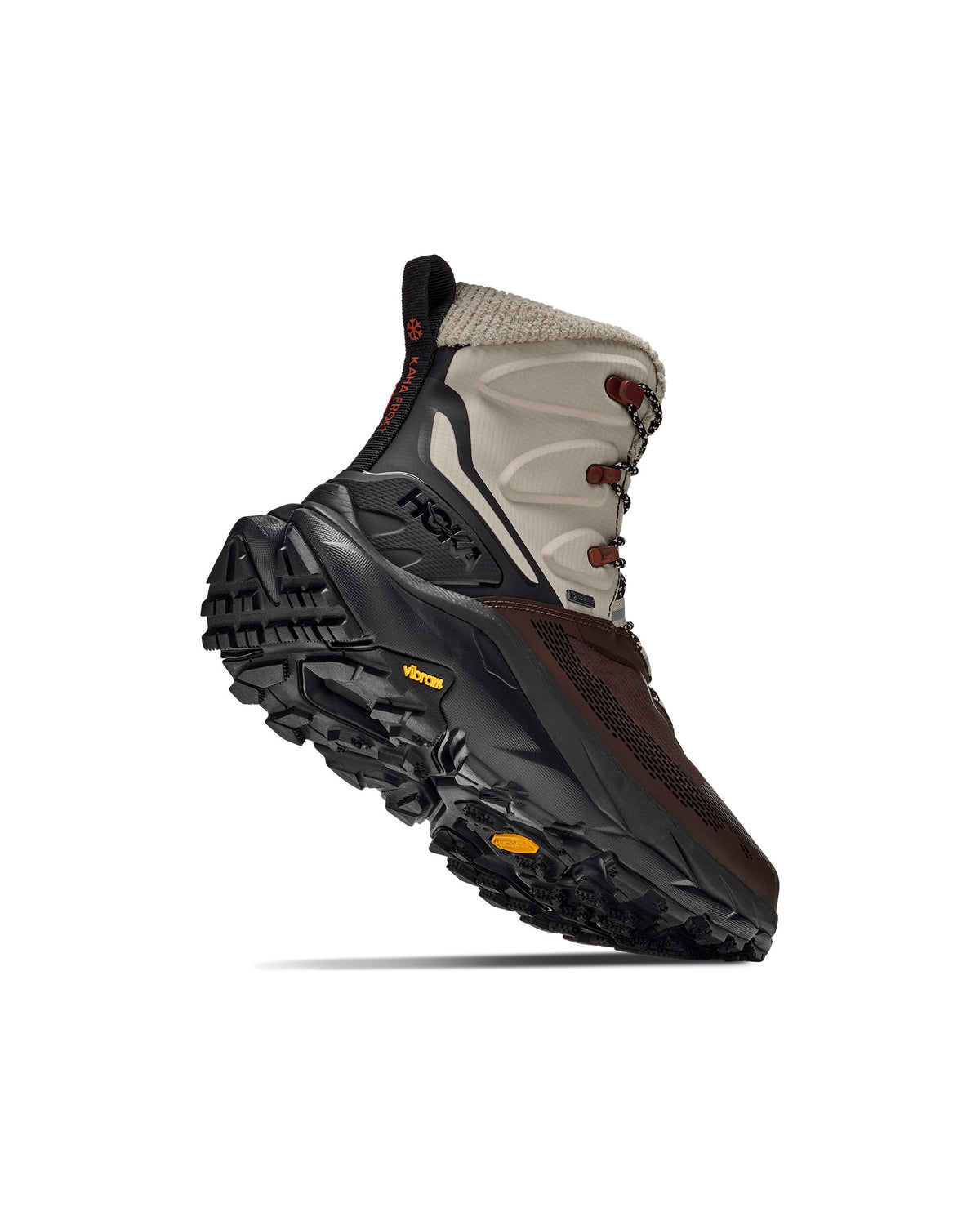
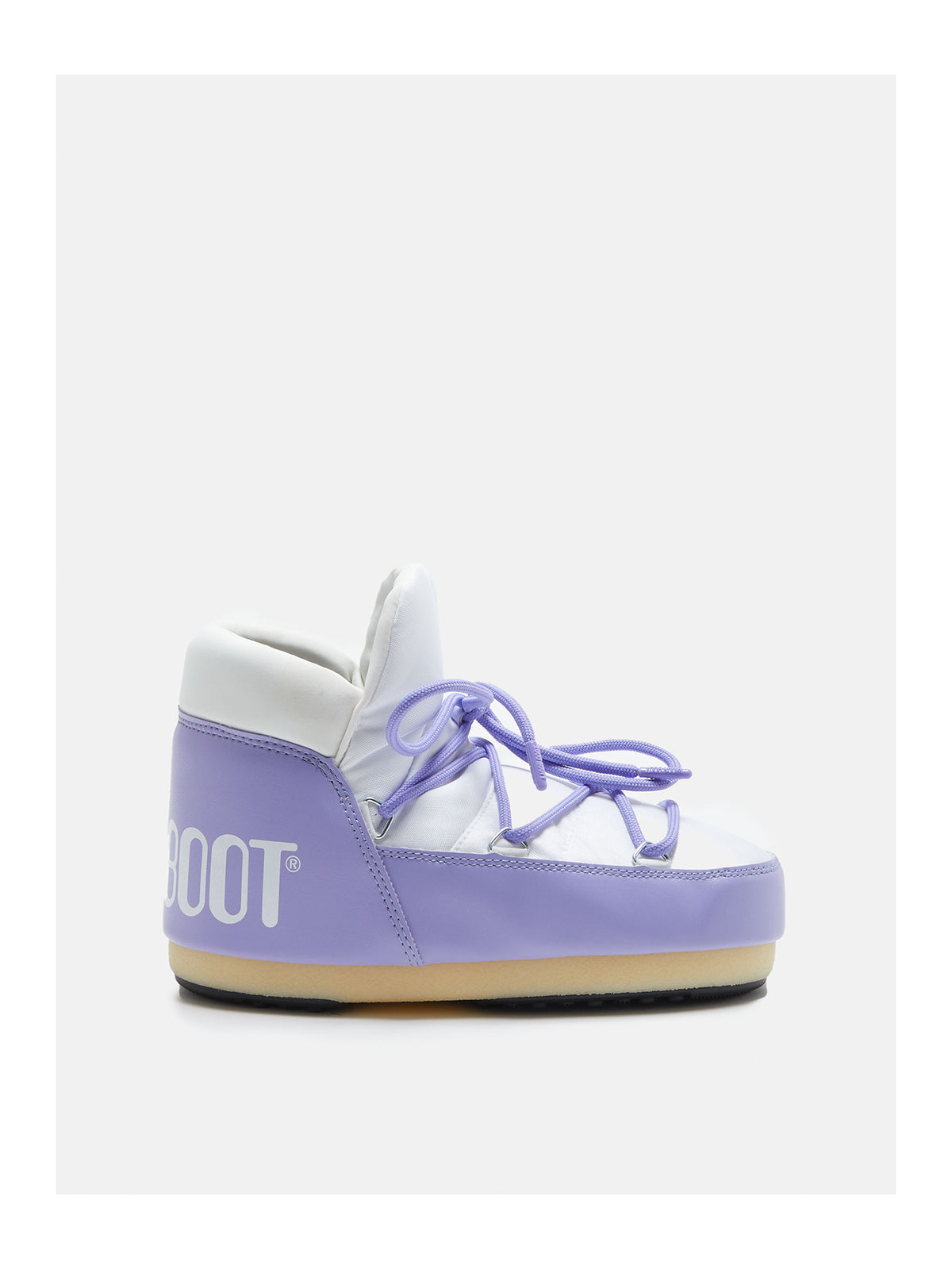
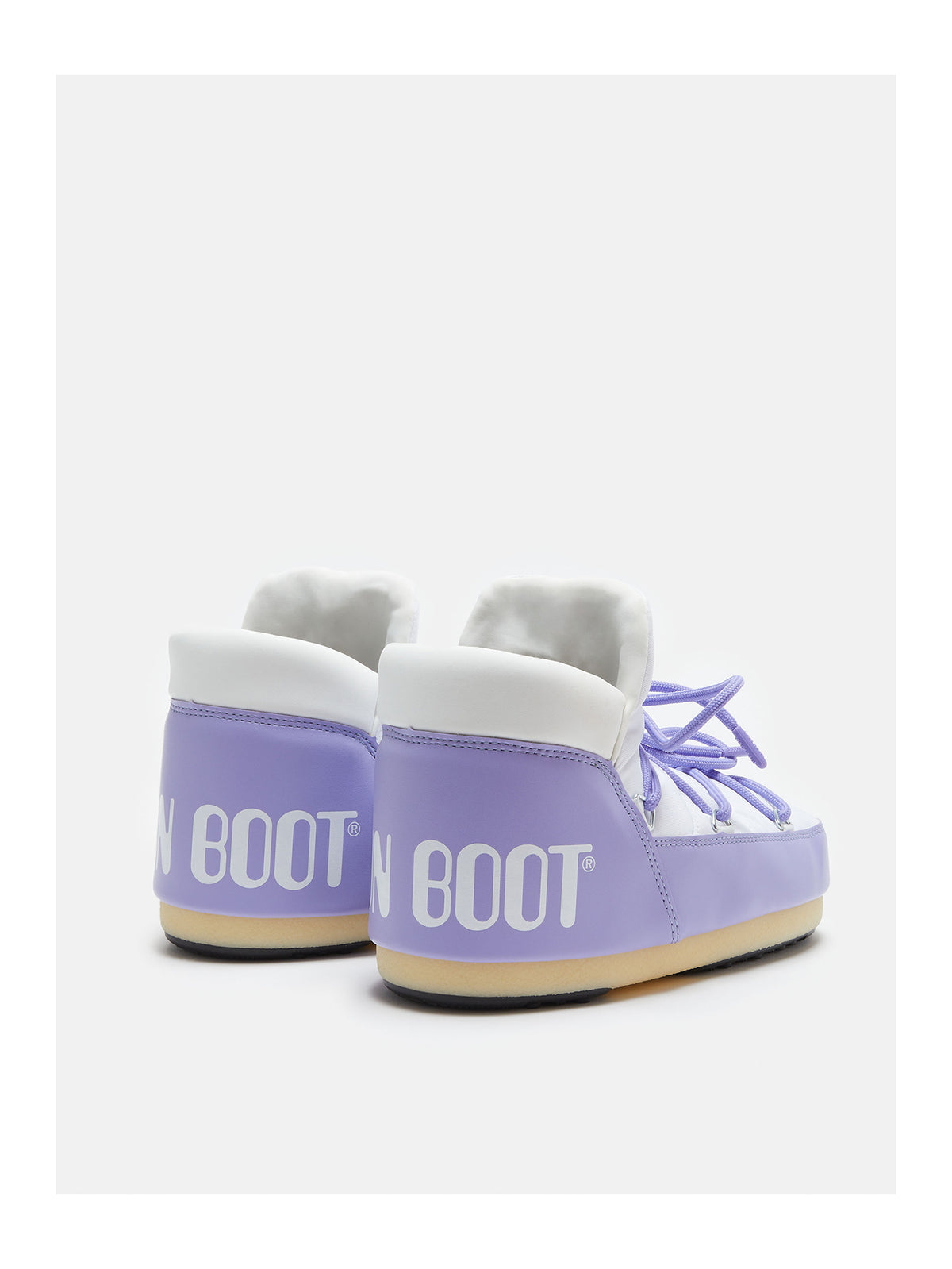


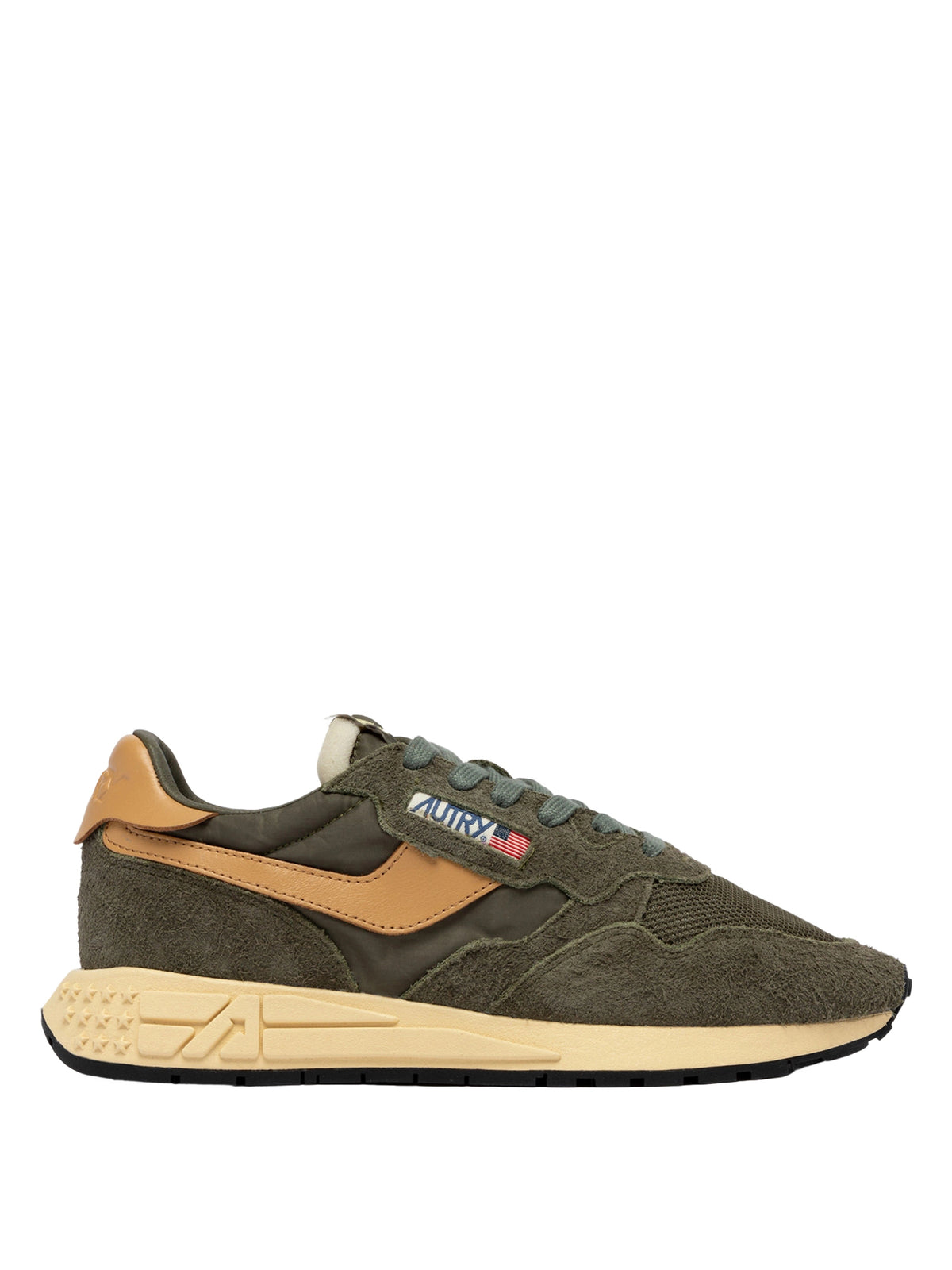
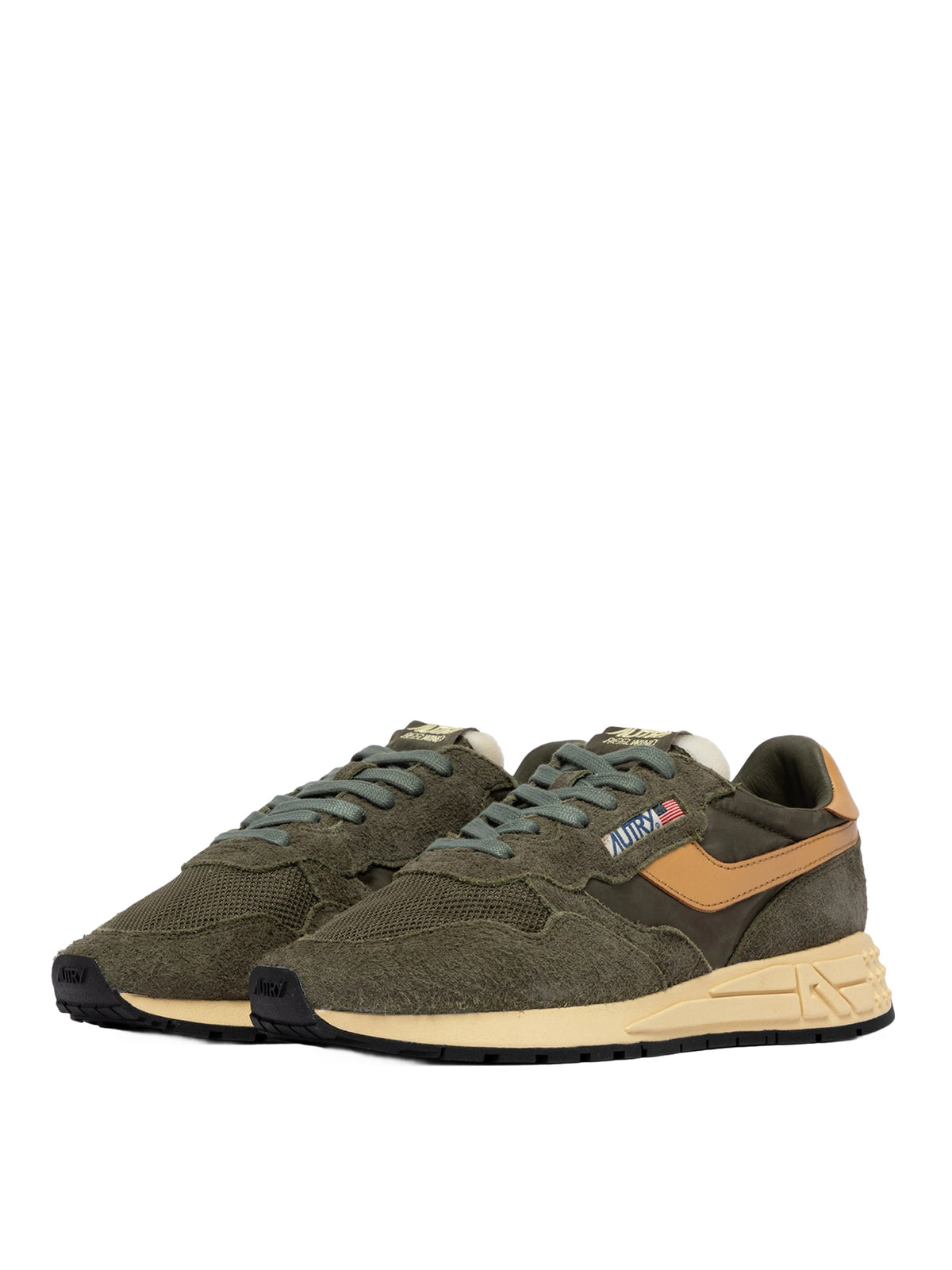


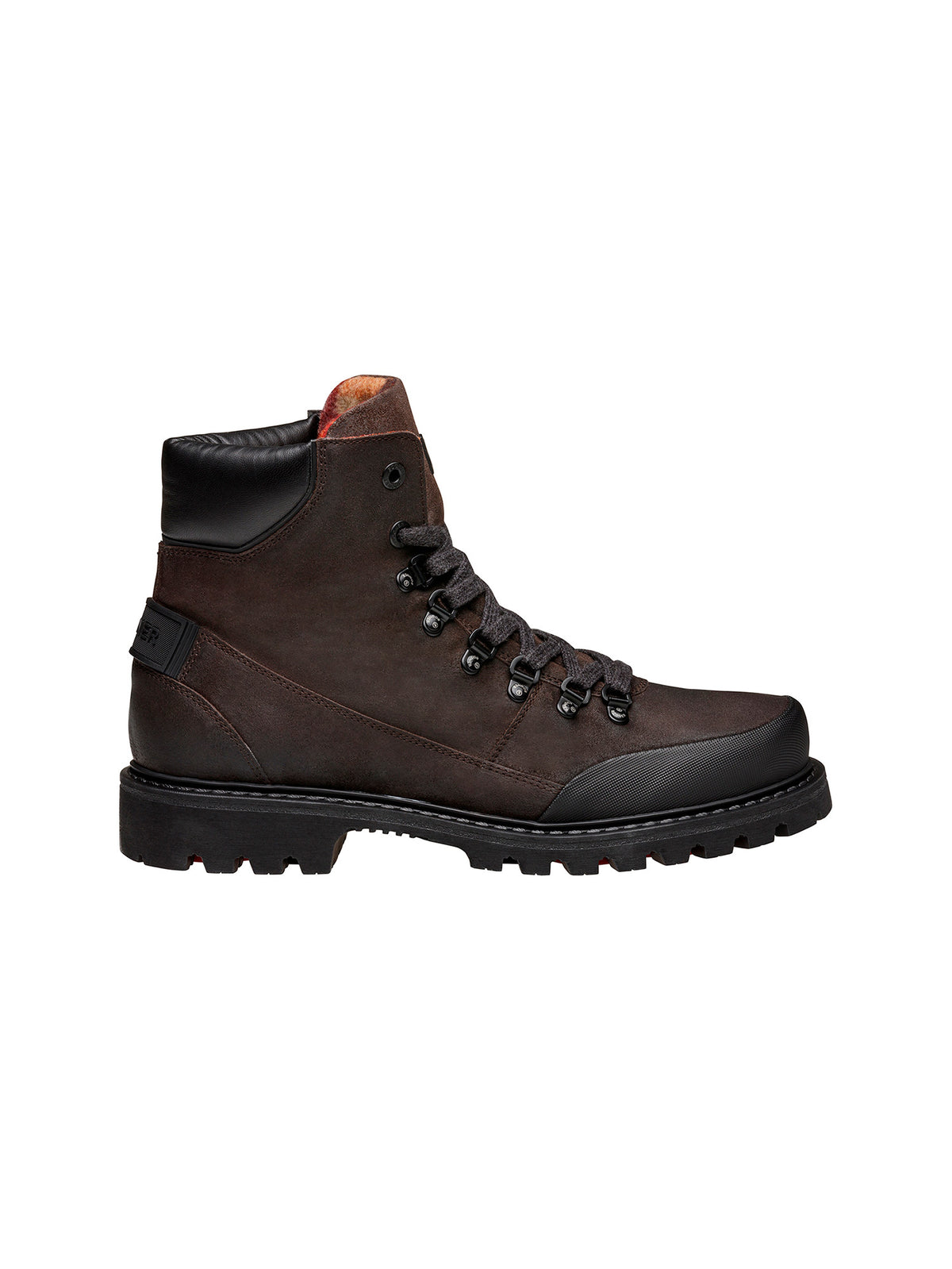

Which men's shoes suit your paths?
The first difference between shoes lies in their purpose. For an afternoon in the city, regular running routes, or walks through a winter town, you don't need the same features. Therefore, start with the terrain, duration, and conditions of your use. This makes the selection clearer and prevents mistaking a sporty look for technical suitability. The shoe world at FREUDENHAUS Obertauern guides you from this need to the appropriate areas.
Additionally, consider what role the new pair will play in your daily life. Are you looking for shoes that complement a specific outfit, or are you missing a pair for a clearly defined activity? A versatile leisure shoe can accompany several combinations. For special demands or winter conditions, however, the equipment described for that purpose is crucial. The most important feature is not always the most striking on the product image. Therefore, imagine a typical week with the new pair: On which days would you wear them, which distances would you cover, and when would you switch to another shoe? This concrete idea helps to combine a fashionable wish with a practical need.
Sneakers for leisure and personal combinations
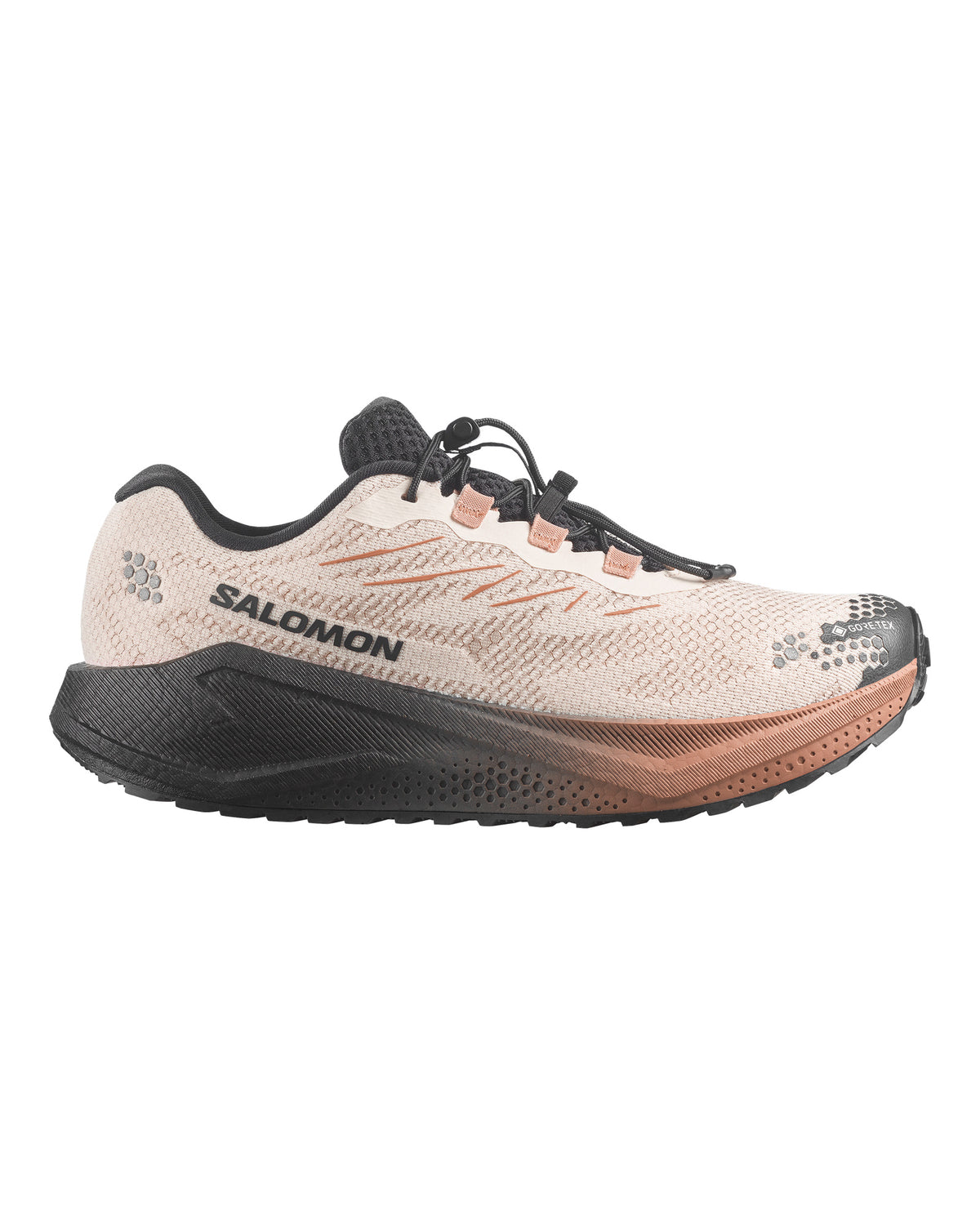
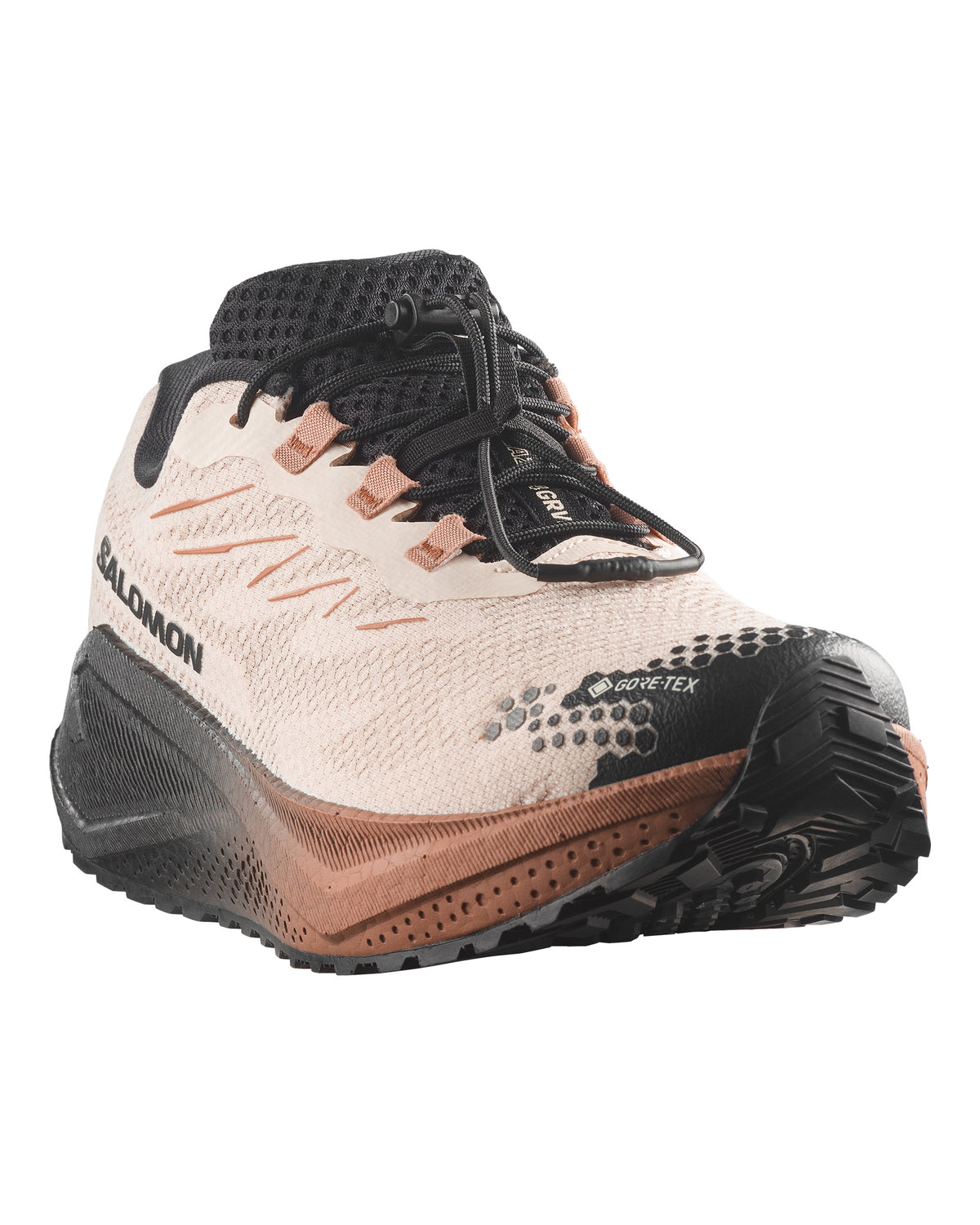
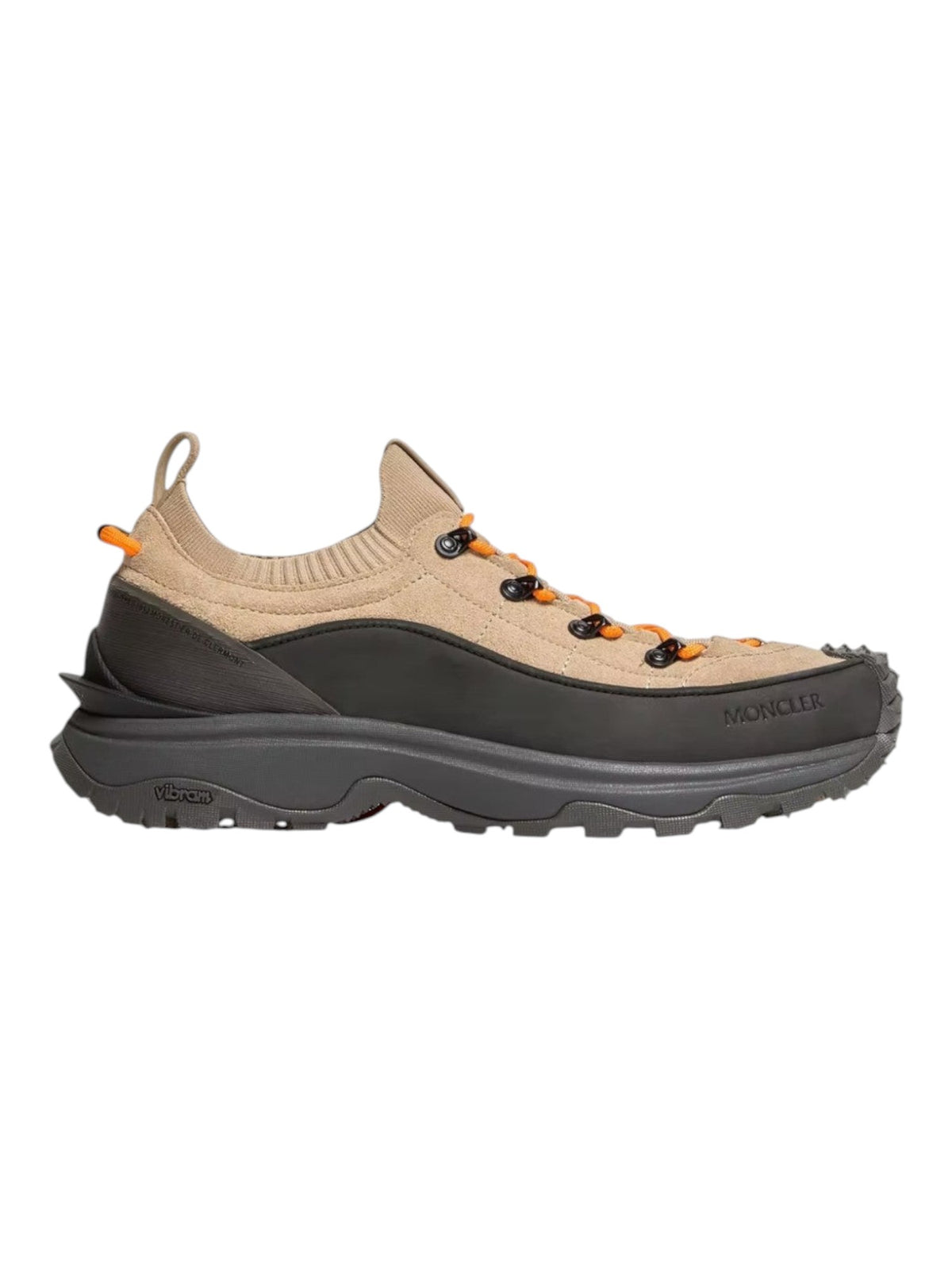
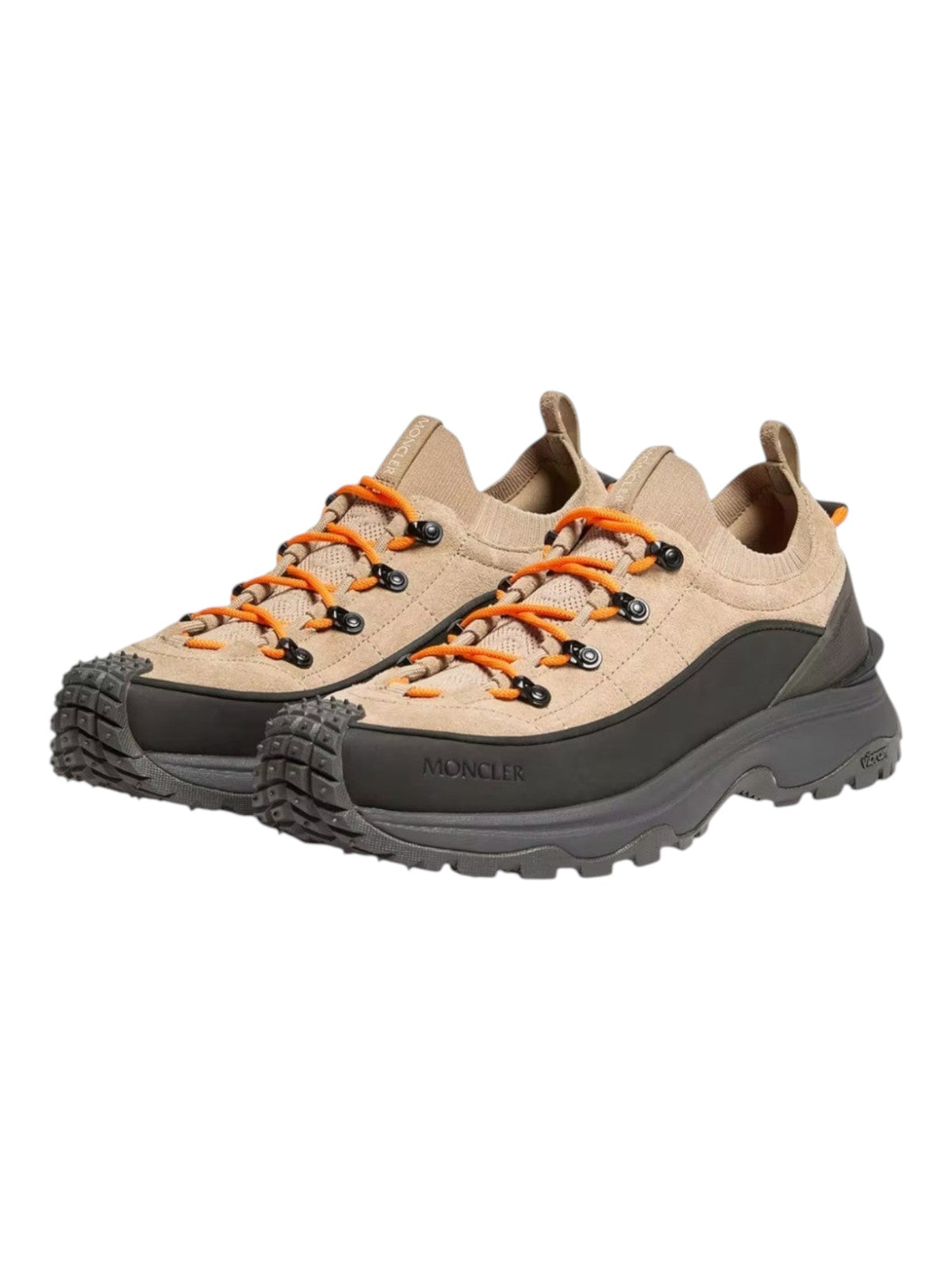
When it comes to men's sneakers, you can first match the shape and proportion to your wardrobe. A slimmer construction looks different with trousers than a voluminous sole. The shaft height and the design in the heel area also change the transition to the trouser leg. Mentally try on several existing trousers before deciding on just one color. This way, you'll see how often the new pair can actually be combined.
Light, dark, and high-contrast sneakers each have a different effect. A similar tone to the trousers can connect the silhouette, while a clear color change emphasizes the shoe more. Material surfaces also play a role: smooth areas, textile, and visible texture create different impressions. For the practical choice, fit, closure, and the features described on the model then matter. A design oriented towards running shoes does not yet make a sneaker a suitable training shoe.
Select winter boots according to weather and duration of stay
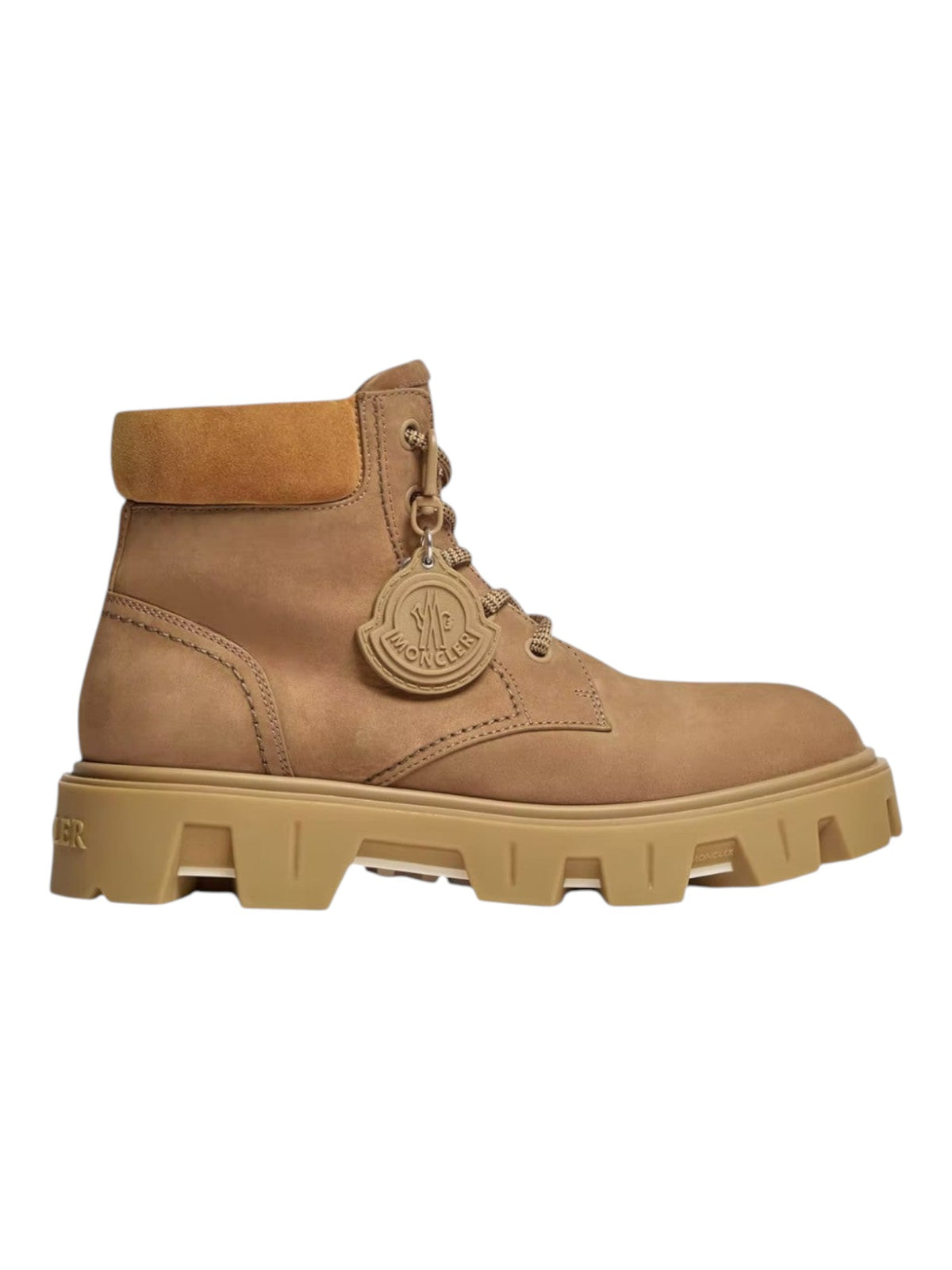
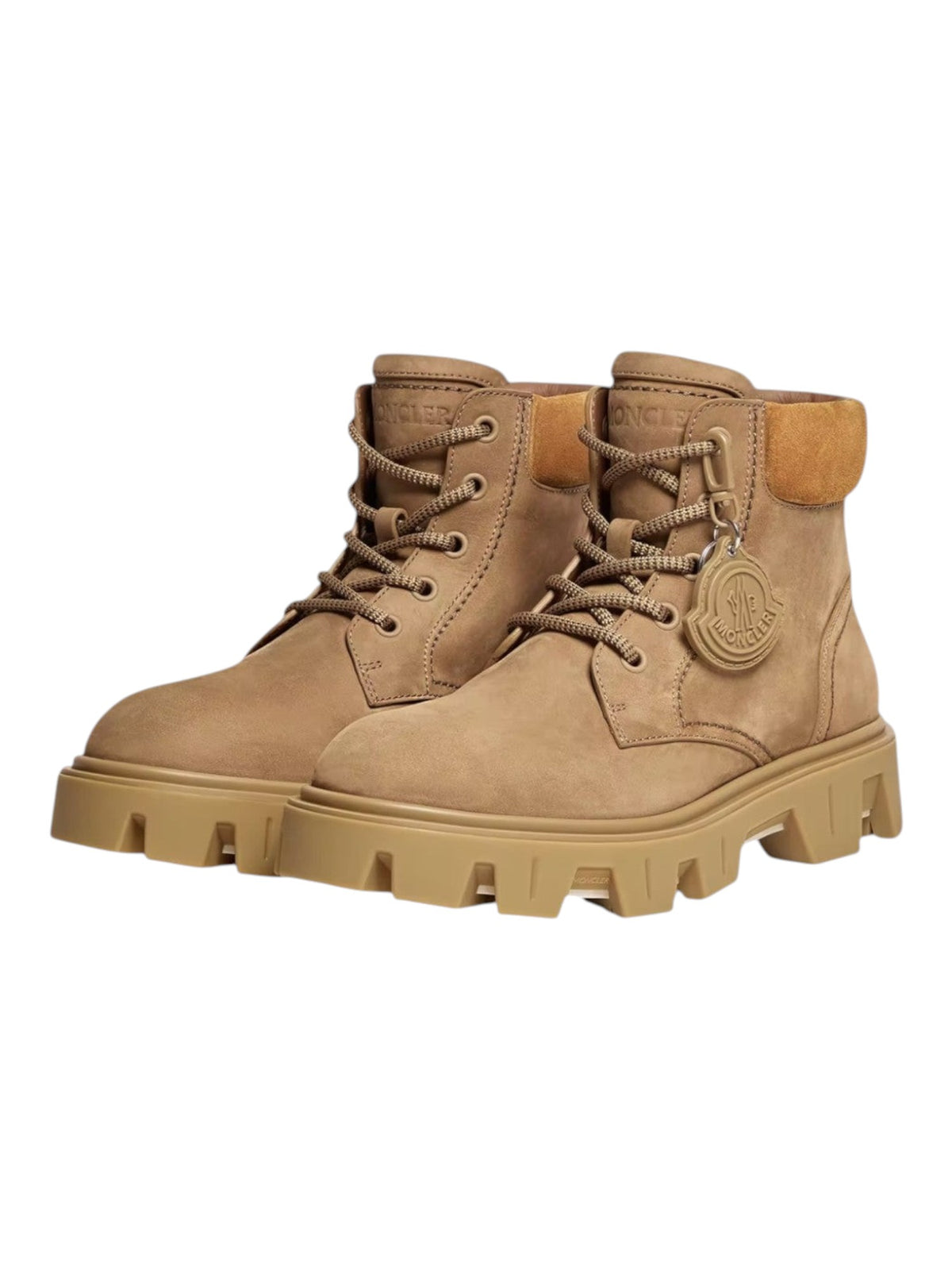
Among men's winter shoes, it's worth first looking at your typical winter routes. Are you mostly outdoors for short periods and frequently moving into heated rooms, or do you spend longer periods outdoors? Lining, shaft, and construction can be differently comfortable for these situations. A high model can cover more of the leg area but also requires a suitable combination with the trouser hem.
Evaluate warmth and moisture protection separately. A lined shoe is not waterproof just because of its lining. Likewise, a weather-resistant outer material doesn't tell the whole story about the complete model. For wet paths, the specifically designated construction and care instructions are what count. The winter category deepens these differences without describing every pair by a uniform temperature or weather limit.
The sole is also part of the selection. Tread, contact area, and material influence behavior on various surfaces, but no single visual feature promises secure grip on every winter surface. Choose according to the specified use and move according to the actual conditions. Especially with changing paths between snow, cleared areas, and indoors, a realistic idea of your use helps.
Compare running and sports shoes by activity
Men's sports shoes are the right starting point if you are choosing for athletic movement. On asphalt and on uneven natural paths, different demands are placed on shoe construction and tread. Therefore, first decide where you will primarily be. A shoe should suit this main use, even if you occasionally include other paths.
Cushioning, stability, and flexibility work together and are perceived differently by different people. A particularly soft feeling when first slipping them on doesn't answer every question about later use. Pay attention to how the foot is held and whether the shape suits you. Technical product terms can describe the construction; they do not replace an individual assessment of the fit and its intended use.
Foot shape is more than just a size indication
Length is an important starting point, but only one of several factors. Forefoot width, instep height, and heel shape also determine how you stand and move in the shoe. A model can be long enough in the front and still pinch at the sides. Conversely, too much volume can impair hold, even though the indicated size initially seems correct. Evaluate these areas together.
Compare both feet and use the size chart of the respective model. EU, UK, and US sizes are not transferred identically in every table; the specific assignment is therefore more helpful than a conversion used out of habit. When measuring your feet, follow the manufacturer's instructions. An internal length or foot length mentioned there is only meaningfully comparable if it is clear exactly what was measured.
When trying on, you should take several steps and consciously move your feet. Pay attention to pressure points, lateral slipping, and the fit at the heel. The closures should hold the foot without you having to compensate for a fundamentally unsuitable shape by tightening them too much. A different shoe shape can solve the problem better than switching to a longer size.
Include socks and trouser hems
Try on shoes with socks that correspond to their later use. A significantly thicker sock changes the available volume and can shift the impression of the fit. For winter boots, it is therefore not generally true that you only need to factor in thicker socks. The crucial factor is how the foot, sock, and shoe fit together and whether the combination suits your warmth requirements.
Also consider the transition to the trousers. With high boots, a very narrow hem can be uncomfortable; with sneakers, the trouser length changes how much of the shoe remains visible. In everyday life, this transition is both a style and a movement issue. When trying them on, let the trouser leg fall as you intend to wear it later, and check if it remains comfortable when walking.
Ski boots belong in a separate selection
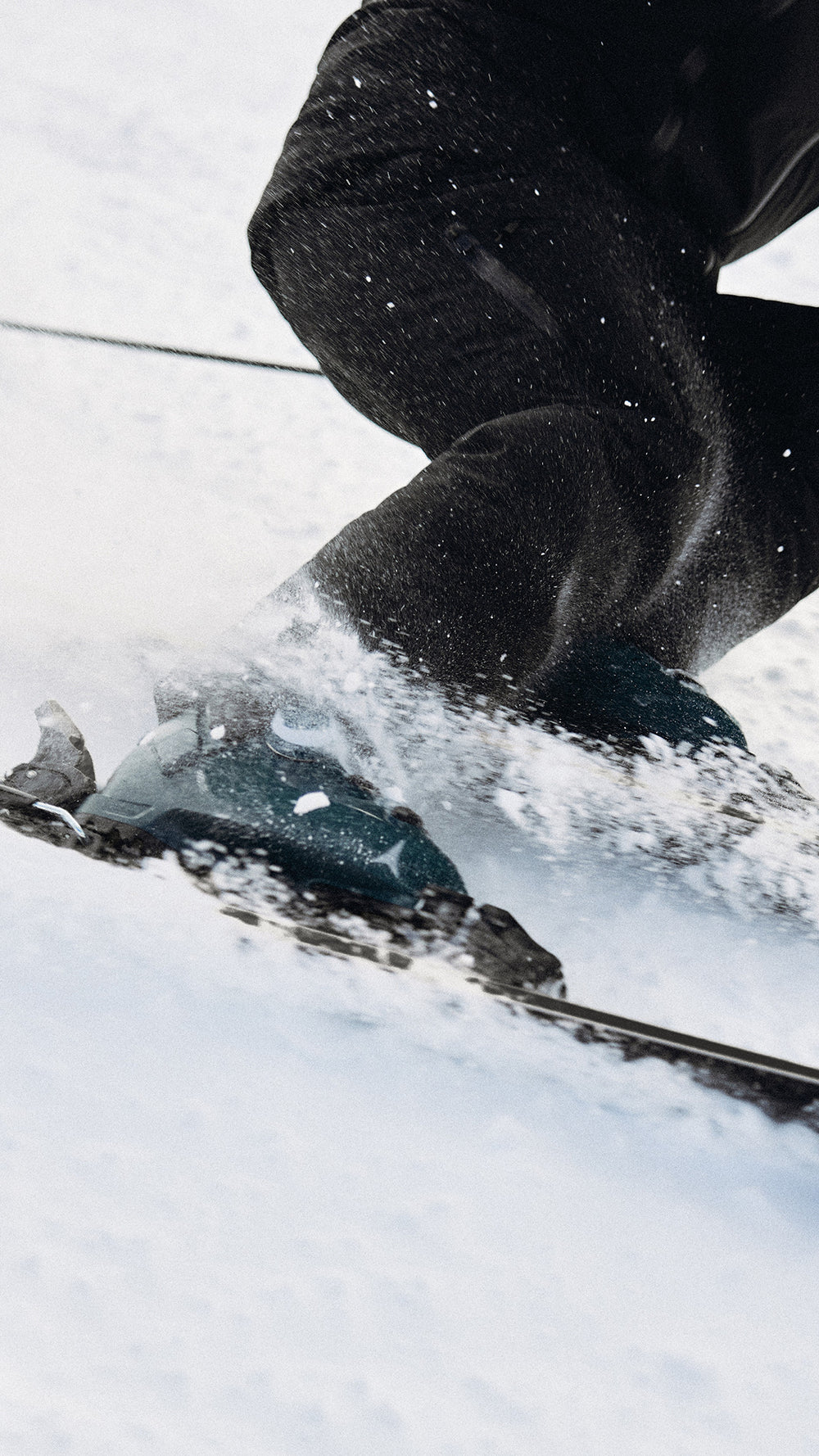
For the slopes, men's ski boots lead to a separate product world. They create the connection between your foot and the ski-binding combination. Their fit, sole design, and suitability are therefore not assessed by the same standards as a leisure shoe. A normal shoe size cannot simply be transferred as a ready-made purchasing decision.
For this selection, undertake a professional fit and compatibility check. Information on last, shell, and closure can help with comparison, but they do not provide a universally valid remote diagnosis for your foot. Even a familiar brand does not replace this assessment. The ski boot category explains the important questions in more detail, while the actual adjustment and checking of the system belong in qualified hands.
Your comparison in a clear sequence
Before selecting, briefly note the primary use and your most important requirements. Then, within the appropriate category, compare two or three suitable models based on the same points: shape, size information, closure, and described features. Only then can color or a specific design detail be the deciding factor. This sequence keeps the decision oriented to your actual needs.
For care, it is worth looking at the instructions for the specific material combination before purchase. Different surfaces require different treatment; a procedure for one pair cannot automatically be transferred to another. If use, fit, and care suit your everyday life, a visually fitting shoe becomes a well-thought-out addition to your wardrobe.
04At FREUDENHAUS
05Questions about the category