







Men's sneakers with a matching fit for your everyday life
Men's sneakers define your casual look through their shape, material, and how well they pair with your trousers. Compare streamlined silhouettes, retro touches, and technical details, as well as size and heel support. Here you'll find guidance for an everyday shoe that matches your frequently worn outfits and can be clearly distinguished from specially selected running shoes.
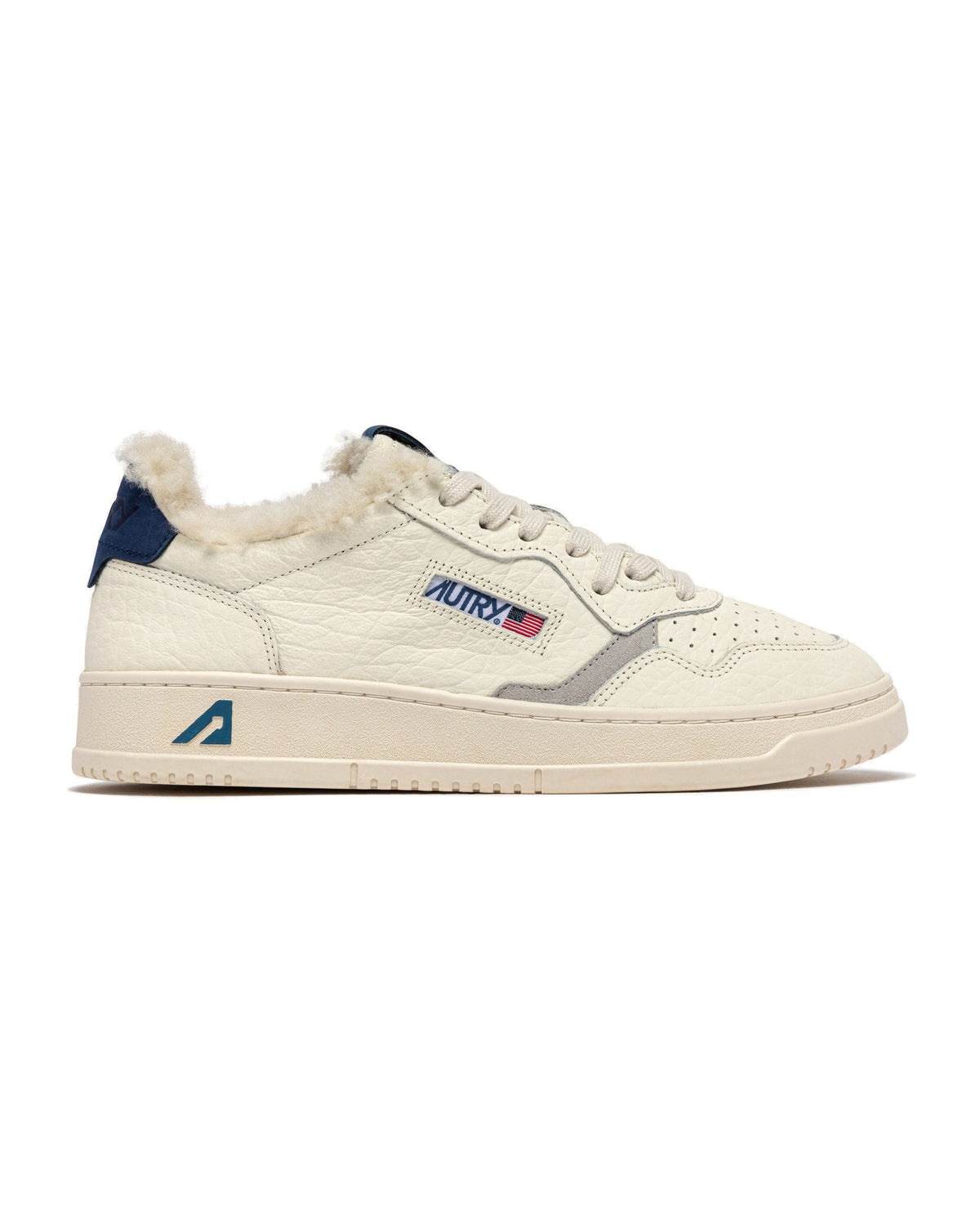
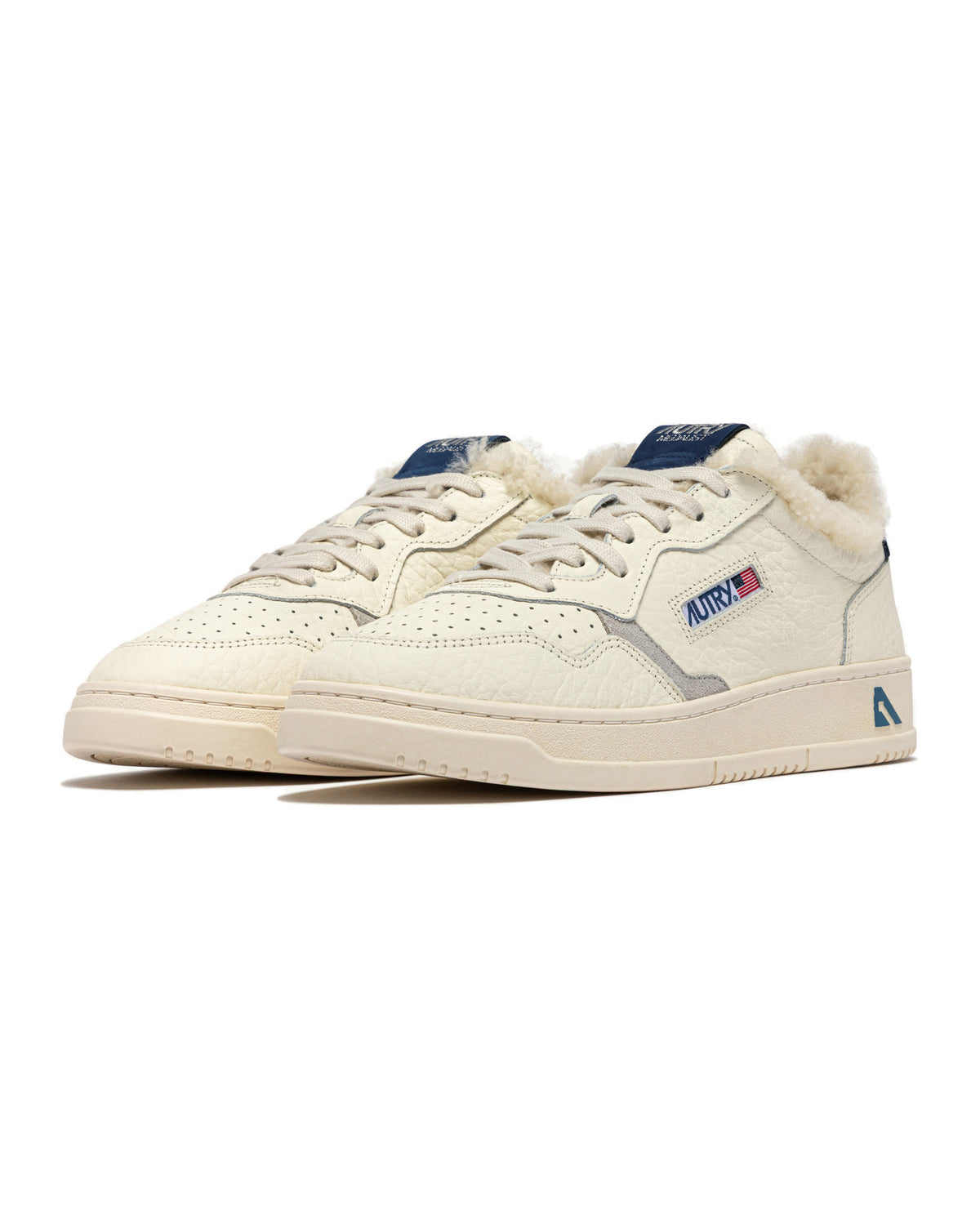

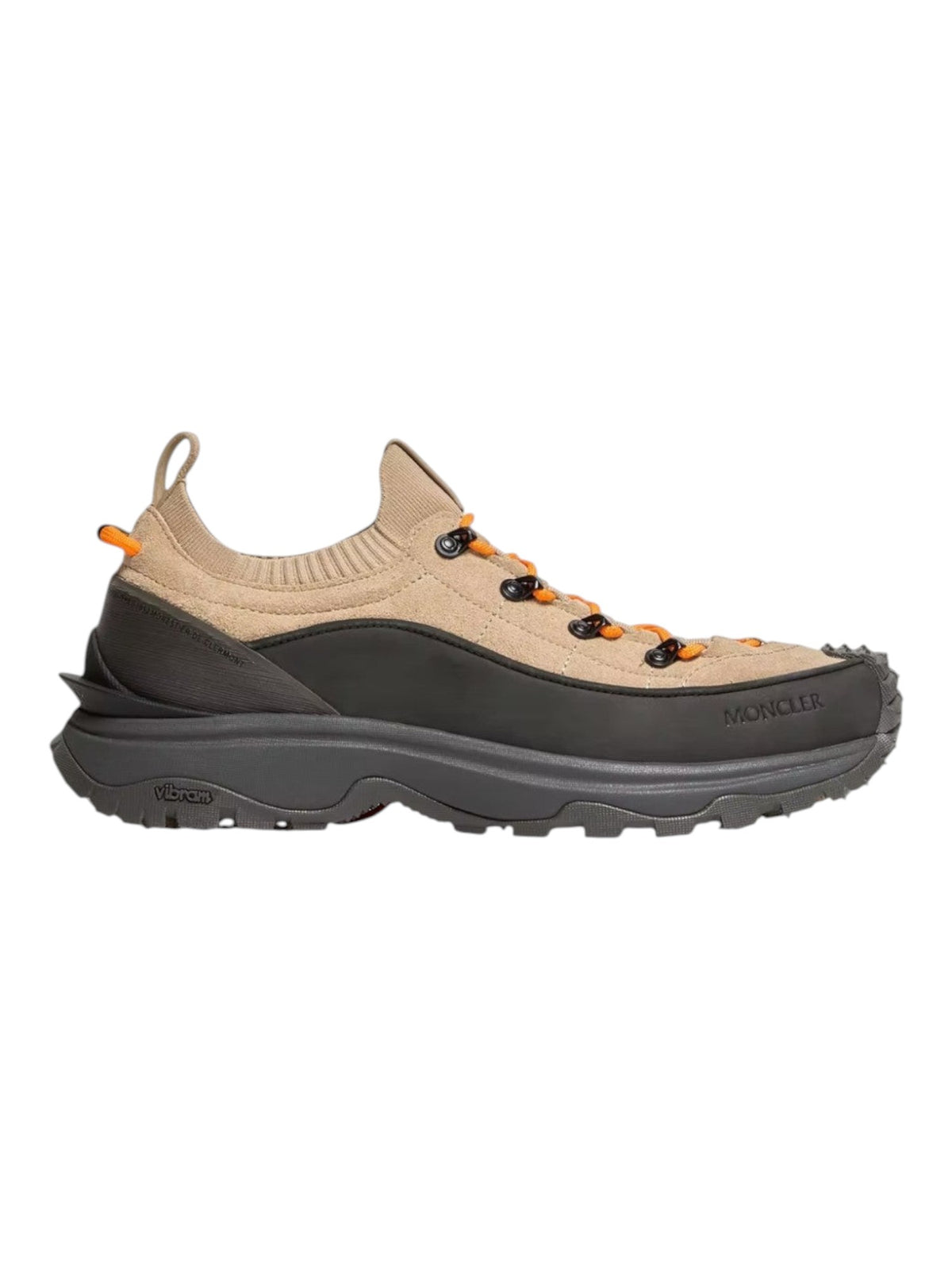








Men's Sneakers: From Quiet Basis to Visible Accent
Sneakers connect shoes with your personal way of wearing everyday clothes. A minimalist model can discreetly blend into several outfits, while a bold sole or a technical construction stands out more. Therefore, start with the desired role: should the shoe be a versatile foundation or visibly define the look? After that, shape, material, and color can be compared more precisely, without neglecting fit for the sake of a striking design.
This selection focuses on men's sneakers and their combination in everyday life. Sporty influences can be part of the design, but do not automatically justify suitability for running training or other sports. If specific athletic demands are the focus, the Men's Athletic Shoes category will guide you more effectively. A casual sneaker here is chosen based on its actual construction and your intended use, not solely on its athletic appearance.
Low Silhouette or Bold Sole Construction?
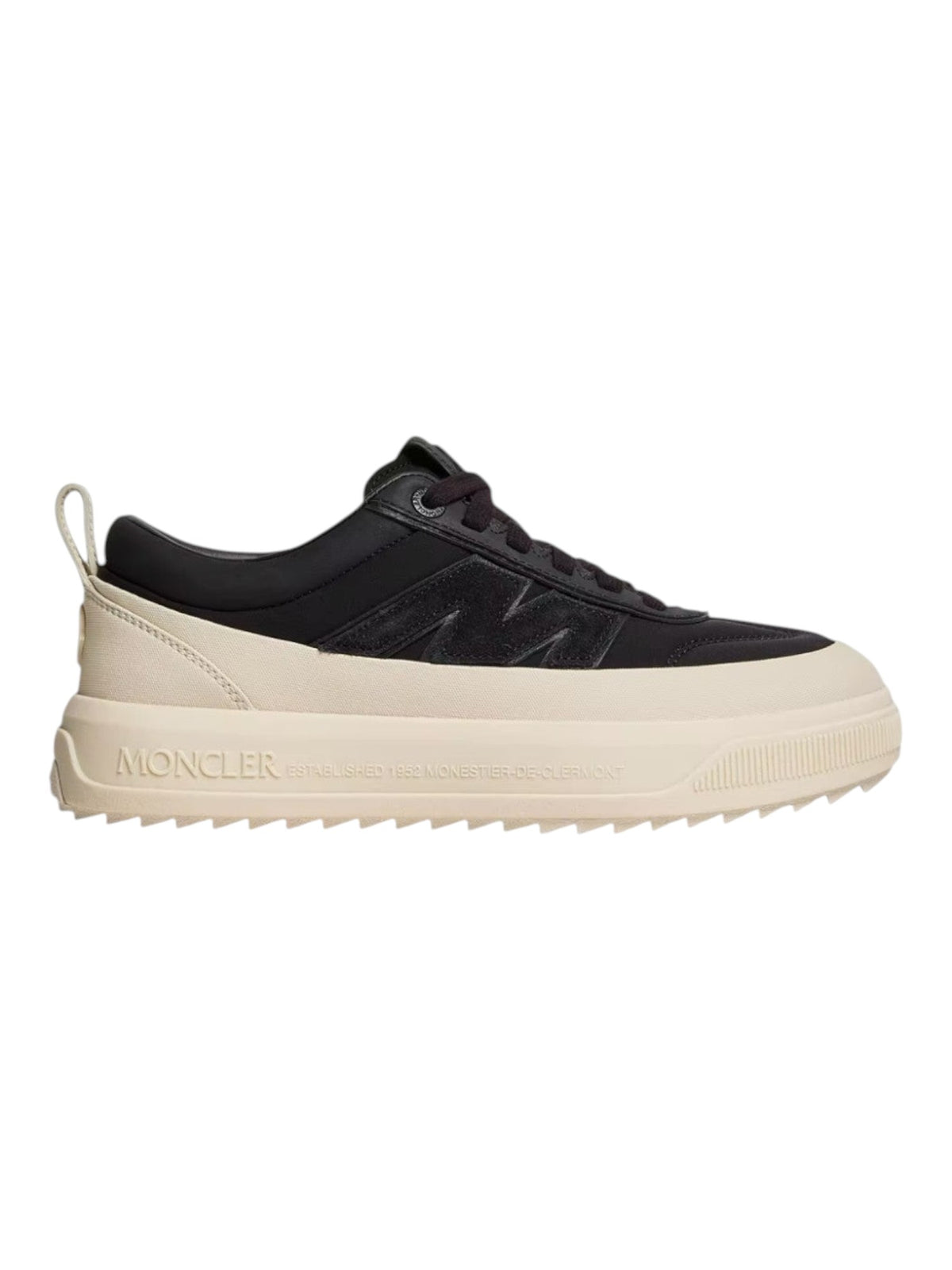
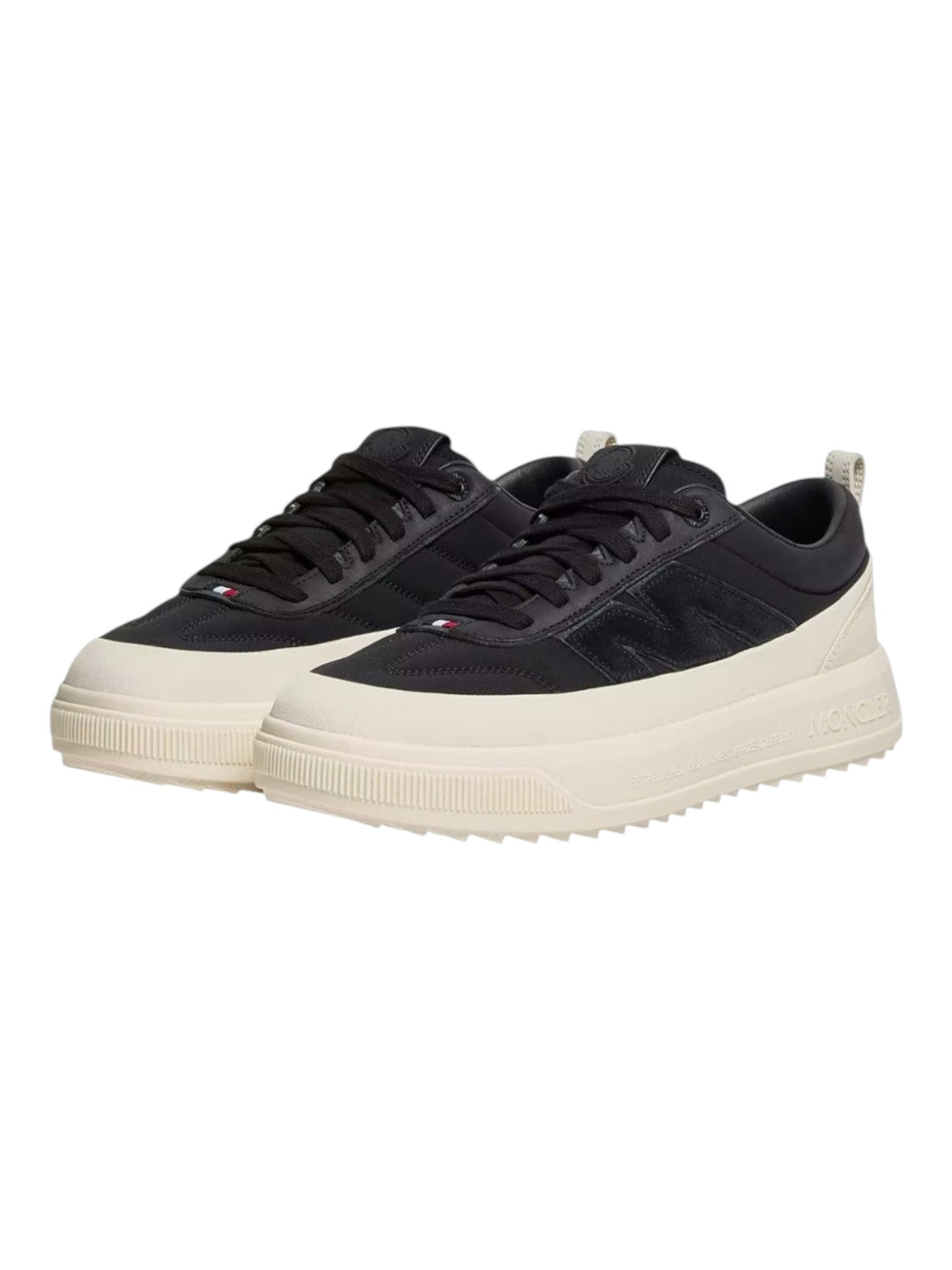
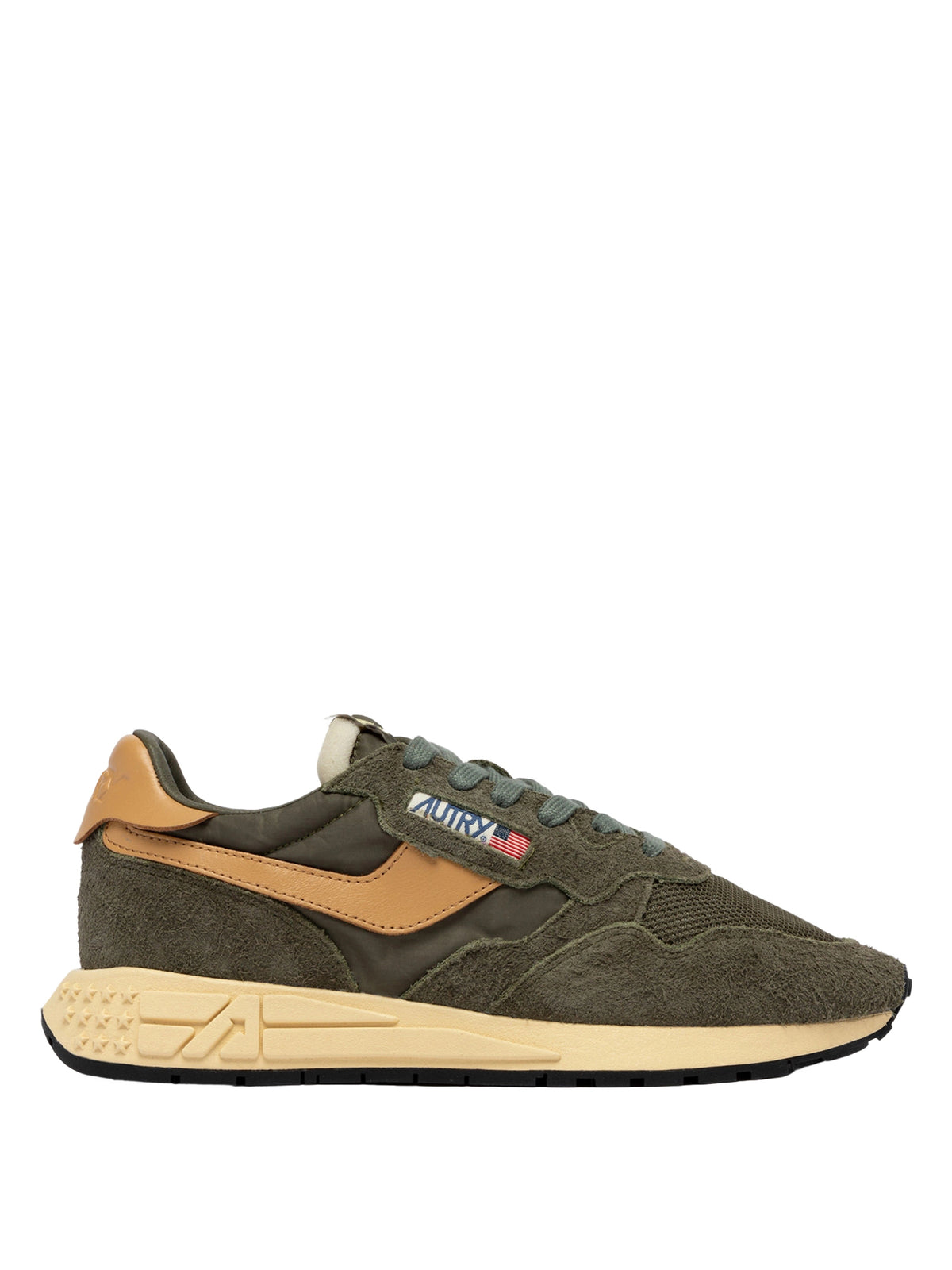
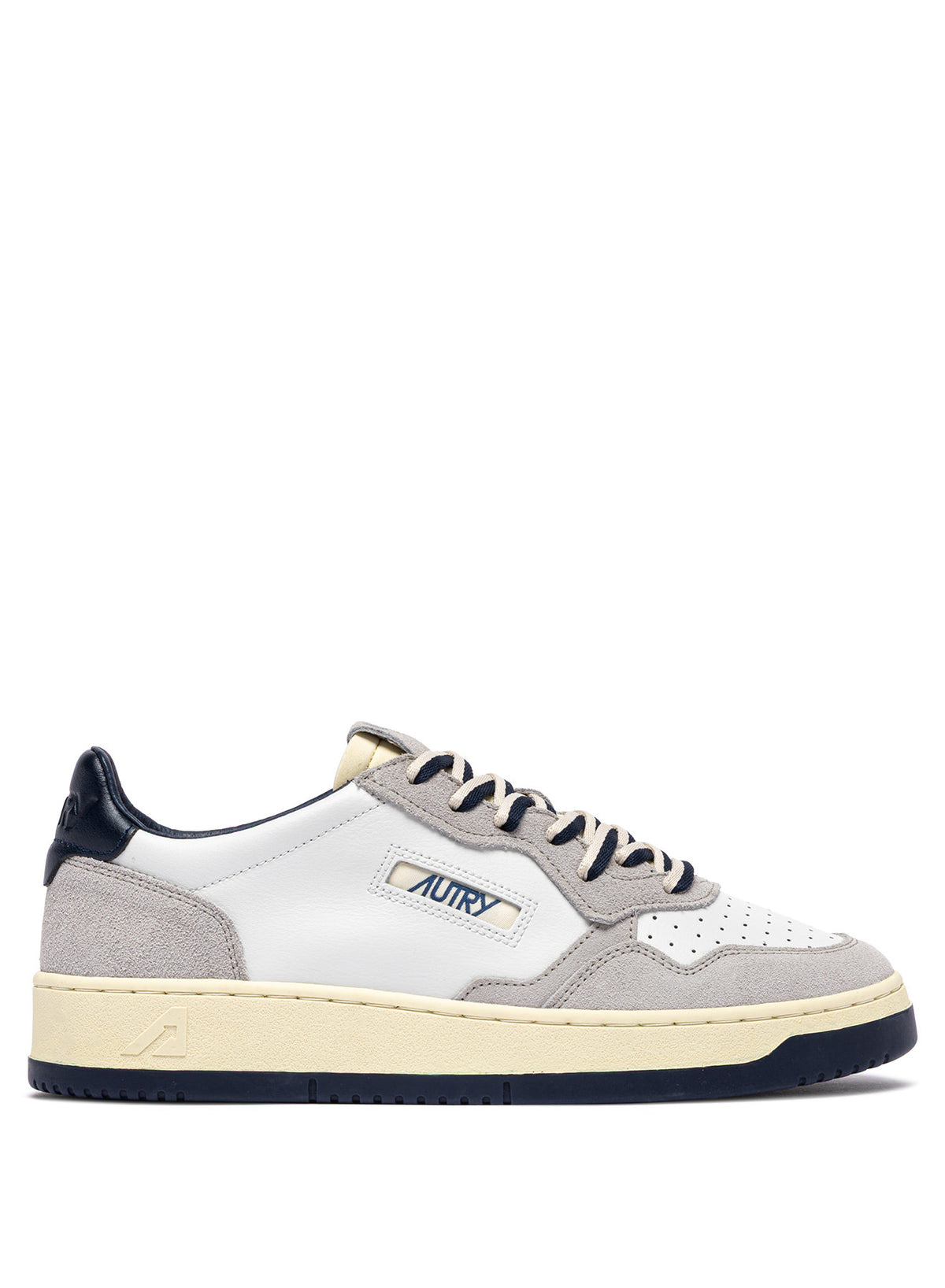
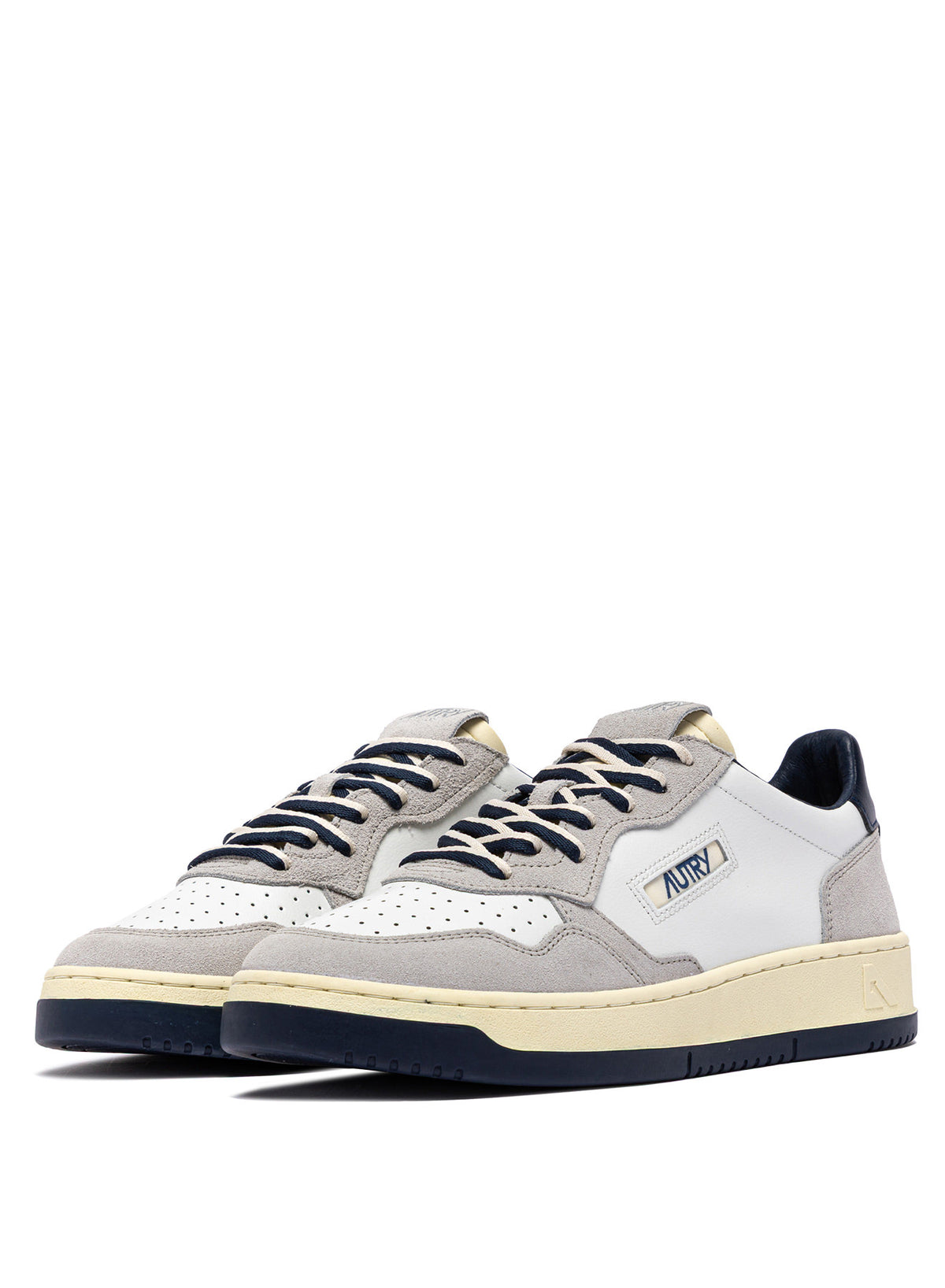
A low, compact sneaker allows the pant leg to have a stronger effect and can remain understated under a straight hem. A flatter silhouette is often combined with a different posture than a shoe with a clearly visible midsole. The deciding factor is which proportion you prefer. The outer sole height does not automatically indicate how the shoe feels underfoot. Material, geometry, and the overall construction also play a role.
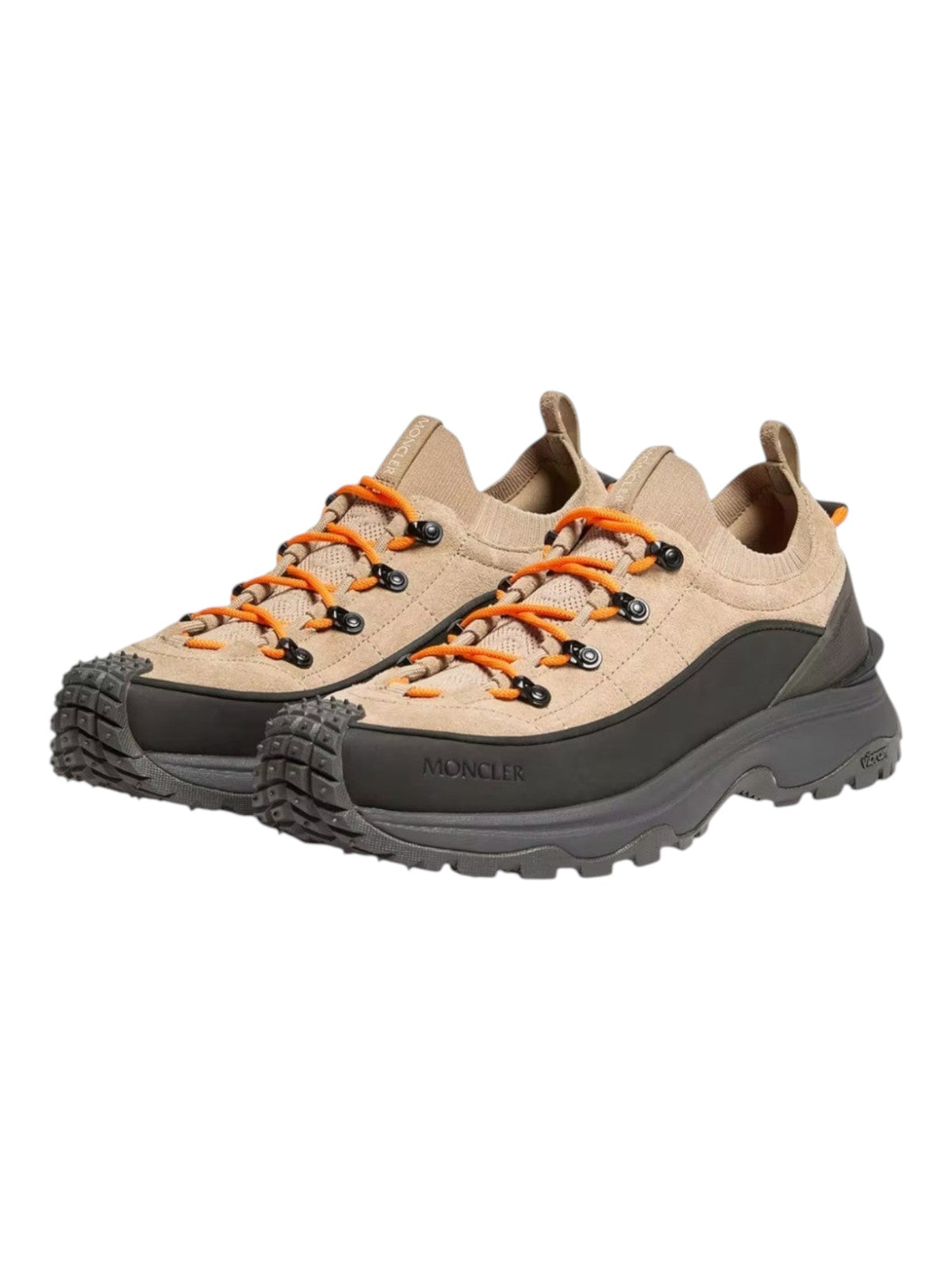
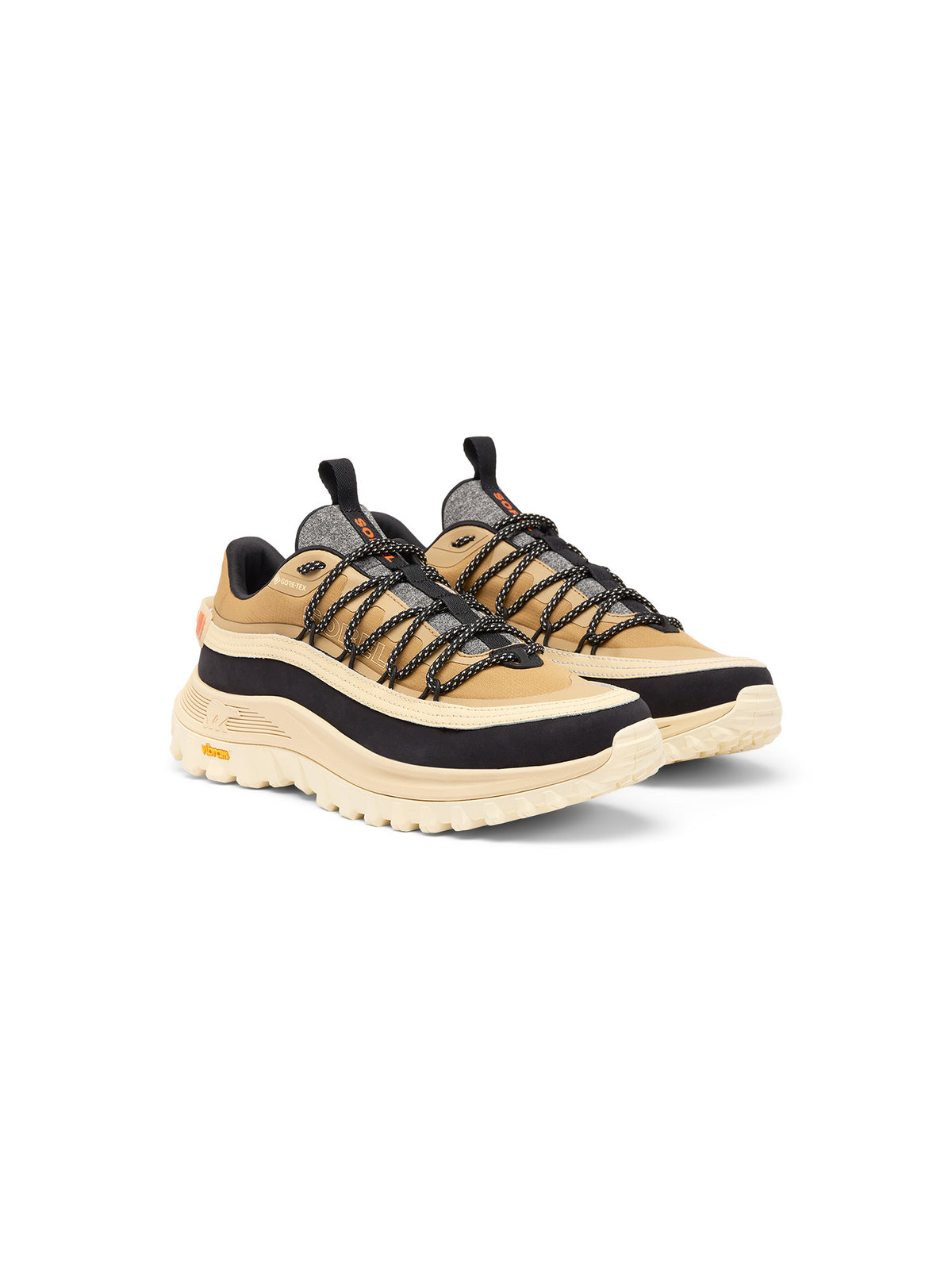
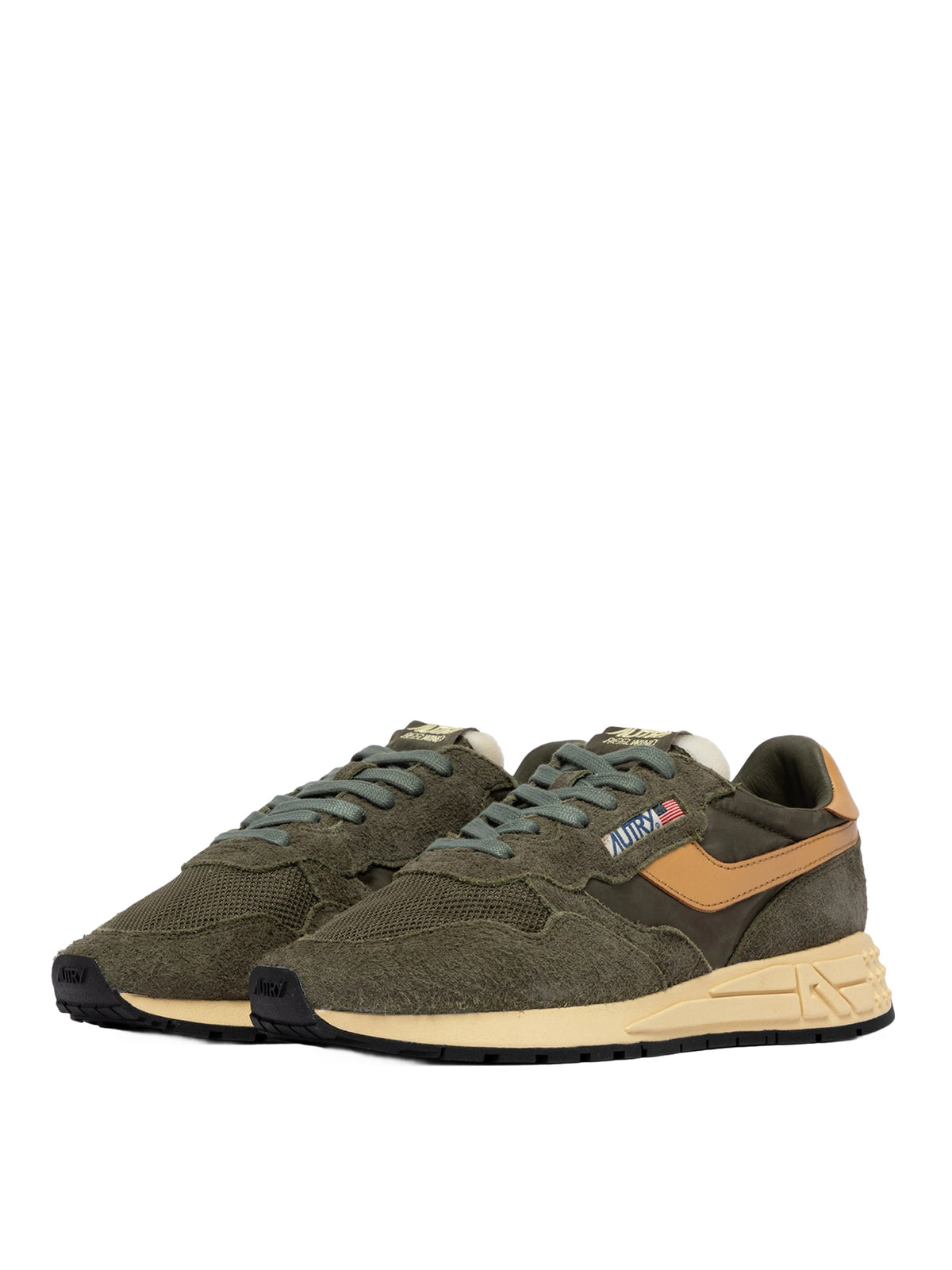
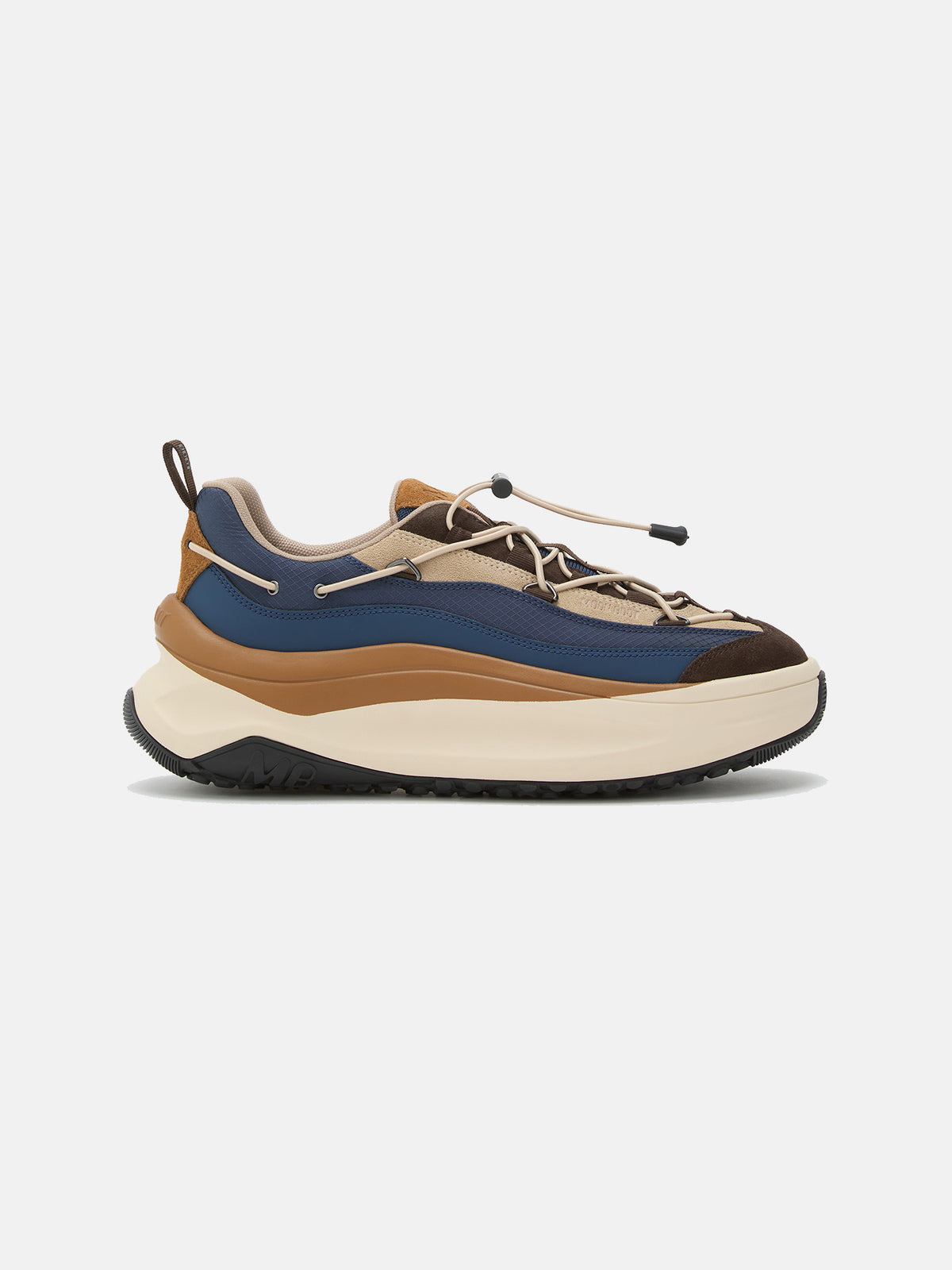
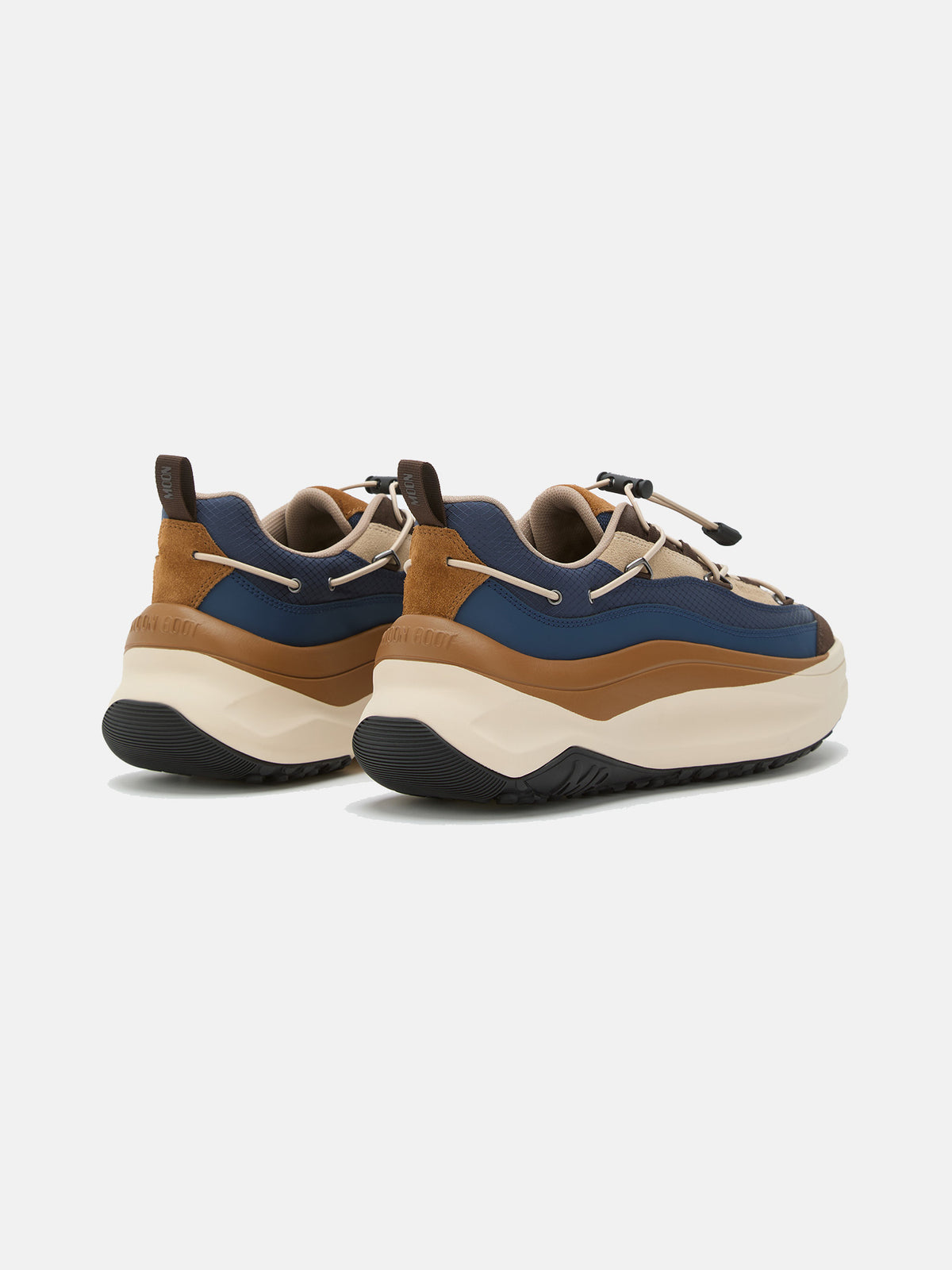
A more voluminous sneaker visually adds more weight to the foot. A slightly wider pant might suit this, while a very narrow opening creates a distinct contrast. Both are possible if chosen deliberately. Don't just look at the shoe from above: the side view shows the sole line, and the rear view shows the heel construction. These perspectives help to assess the effect with your frequently worn men's trousers.
Retro Appeal, Minimalist Surface, or Technical Details
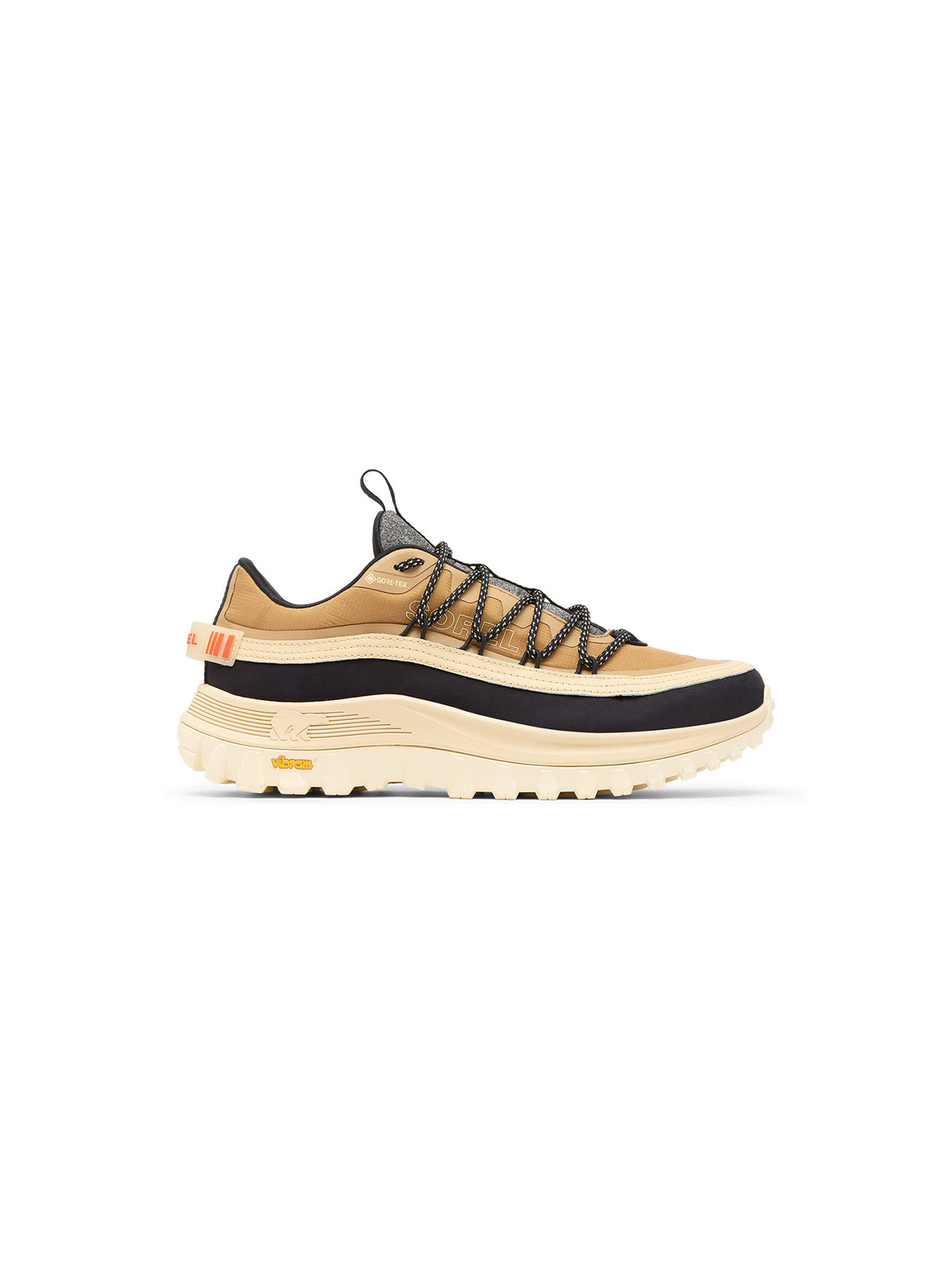
A look influenced by court sports can be created by clear surfaces, a compact shape, and targeted color details. A technical sneaker may show more material changes, lacing elements, or a striking sole geometry. Such design directions initially describe the impression. They are not uniform functional classes. Compare the specific model and decide whether you want to prominently feature the details or combine the shoe more subtly.
A subdued color does not automatically make an elaborately constructed model minimalist. Conversely, a compact shoe can stand out due to a strong color contrast. Shape and color surface work together. If your outfit already contains several patterns, a subtle sneaker can create more calm. With simple trousers and a solid-colored top, the shoe can, however, set a more distinct accent. The right choice depends on your existing wardrobe.
Upper Material and Surface in Everyday Life
Smooth leather, brushed surfaces, and textile parts change the feel, look, and care. A shoe can combine several of these. Therefore, don't just look at the most striking material. A textile tongue, leather trims, and a different heel finish can have different requirements. Even from the main material alone, no blanket waterproofness or special air permeability of the entire sneaker can be deduced.
A smooth surface looks different with clean trousers than a softly textured one. Textile inserts can create a sportier character, without implying a specific training function. Choose the material mix based on use and desired look. If you frequently wear the shoe on similar everyday routes, you should also be comfortable with the appropriate care. A seemingly delicate color is a conscious decision that you can consider along with surface and cleaning.
Check Size, Forefoot, and Heel Together
Your usual shoe size is a starting point, not a cross-brand fit guarantee. Compare the respective size chart and note any information about the model's shape. Length, width, and space over the instep are different questions. A longer shoe does not automatically resolve a too-narrow forefoot effectively. If the heel then slips significantly, the basic shape may still not suit your foot.
When comparing, wear the socks you intend to use daily. A thick sports sock takes up more space than a thinner model and changes contact with the heel. Toes should not constantly hit the front, while the foot is generally held appropriately. Lace the shoe evenly and check if you only get support by overtightening. A suitable shape is more important than maximum pressure over the instep.
The shoe collar should match your ankle and heel. Higher padding may feel different than a minimalist finish, but it is not automatically more comfortable for every foot. Check the transition when walking, not just when standing still. An initially soft impression should not be the only criterion, especially if there's an unfavorable seam or bothersome edge. Comfort comes from several matching contact points.
Lacing, Tongue, and Donning
The lacing influences how the shoe is closed over the foot. Wide or narrow lacing areas, different eyelets, and the tongue shape can change handling. A widely opened or tightly cinched lacing pattern can indicate that volume and foot shape do not match well. Consider these features as clues for comparison, rather than trying to solve every problem solely with different lacing tension.
If you frequently put on and take off shoes, it's worth looking at the entry. A firm heel area should not be permanently stepped on just to speed things up. Open the shoe according to its construction. A different shoe type may be more sensible if easy slip-on is your most important requirement. A sneaker doesn't have to perform every task of an open casual shoe to function well in everyday life.
Combine Sneakers with Shirts, Overshirts, and Jackets
With a men's shirt, sneakers can make a combination appear more relaxed. How strong this effect is depends on the shirt fabric, trousers, and shoe shape. A minimalist model integrates differently than a striking technical construction. If you wear the shirt open over a T-shirt, a different line is created than with a tucked-in top. Choose the shoe as part of this overall proportion.
An overshirt can be combined with a sneaker for a straightforward casual combination. Recurring colors are often sufficient, without matching all pieces exactly. Pay attention to the pant length: the hem should meet the shoe as you intend. A distinctive sneaker can remain visible, while wider trousers cover part of it. Consciously decide how prominent the shoe should be in the look.
Care and a Sensible Next Sneaker
Align cleaning with the materials of the specific model. A product for smooth leather is not automatically suitable for brushed or textile parts. Machine washing cannot be generally recommended either. Remove dirt according to the manufacturer's instructions and pay attention to drying and care products. Especially with material mixes, a close look helps ensure that one surface is not treated at the expense of another.
Before your next pair, consider what task your existing shoes already fulfill. Is a quiet color, a different silhouette, or a model with a better-fitting shape missing? This question is more helpful than the desire for as many technical details as possible. Decide first based on foot and everyday life, then on style. In this way, the new sneaker complements your frequently worn combinations with a discernible difference and remains more than just a single striking purchase.
04At FREUDENHAUS
05Questions about the category