





Leisurewear for Women: Harmonious Looks for Your Everyday Life
Women's casual wear combines comfortable fits with your personal style. Start with a favorite piece and coordinate trousers, tops, jackets, and shoes accordingly. Here you'll find guidance on silhouettes, colors, and material effects to help you create wearable combinations for your everyday life from individual garments.
02Discover
Subcategories.




How to Choose Casual Wear for Women with a Clear Idea
A successful casual outfit starts with asking what your day looks like. Are you on the go a lot, do you spend a long time in the car, or do you want to go out for dinner after a walk? Your clothes should function comfortably in these situations and feel like you. Casual wear for women offers various options for this: relaxed tops, structured jackets, soft-flowing trousers, or a deliberately placed detail. The connection between the pieces is crucial, not the largest possible number of trends.
First, choose one item of clothing around which you want to combine. This could be a pair of trousers with a special silhouette, a colored sweater, or a jacket you will wear frequently. Then add pieces that support its shape and effect. If every piece is supposed to play the main role at the same time, the selection quickly becomes confusing. A clear starting point, on the other hand, makes it easier for you to compare colors, lengths, and materials and makes new purchases useful for your existing wardrobe.
Distinguish Between Casual Look and Sports Functionality
Sporty styles are part of everyday fashion: hoodies, sweatshirts, and loose-fitting trousers can define a relaxed outfit. However, this does not yet imply technical suitability for training or the slopes. Therefore, first decide whether the sporty design is important to you or an explicitly described function. Comfortable trousers for a city stroll fulfill a different purpose than sports trousers for repetitive movements or ski trousers as an outer weather layer.
This distinction gives you more freedom when combining. You can wear a simple shirt with striking trousers or combine a hoodie with a clearly cut jacket without having to make it a sports outfit. If you are planning a specific activity, women's sportswear will lead you to a selection based on use. Here, however, the focus is on which garments comfortably accompany your everyday life and your personal style.
Balance Silhouettes with Tops and Trousers
The silhouette is created from the relationship of width, length, and fabric drape. Wide trousers look different with a shorter or closer-fitting top than with a long, also wide sweater. Both combinations can be harmonious. However, consciously check where your outfit gets a clear line: at the waistband, through an open jacket, or along the leg line. This way, you decide the proportions, rather than merely placing several favorite pieces next to each other.
With a close-fitting bottom, you can specifically vary the width of the top. A loose sweater creates a relaxed effect; a blouse with clear shoulders can make the look seem neater. The decisive factor is whether you also like the shape when sitting and walking. An outfit doesn't just have to impress from the front in the mirror. Look at it from the side and pay attention to whether fabric unintentionally gathers at the hips, back, or waist.
If you are oscillating between two sizes, also consider the intended shape. A wide cut may lose its character if you deliberately buy it very small. Conversely, a meaningful oversized look does not automatically arise from a larger size of a narrow model. Shoulder line, sleeve length, and neckline change with it. Therefore, compare the intended fit and choose the garment whose shape already comes close to your goal in the cut.
Trousers as the Foundation of a Wearable Look
For casual trousers, waistband height, rise, and leg length are particularly important. They determine how the model works with your tops and shoes. A higher waistband can create a clear transition with a shorter top; a lower position changes the visible proportions. Try on the trousers with the shoes you will wear frequently. This way, you will recognize early on whether the hem ends appropriately or too much fabric gathers at the ankle.
When sitting, check whether the waistband remains comfortable and whether pockets gape or bulk uncomfortably. Then take a few steps and bend your knees. The most comfortable effect in a picture says little about these details. In women's casual trousers, you can specifically compare leg lines and lengths. First decide on this foundation; then it will be easier to find suitable top lengths and the desired width for them.
Combine Knits, Sweats, and Blouses According to Their Effect
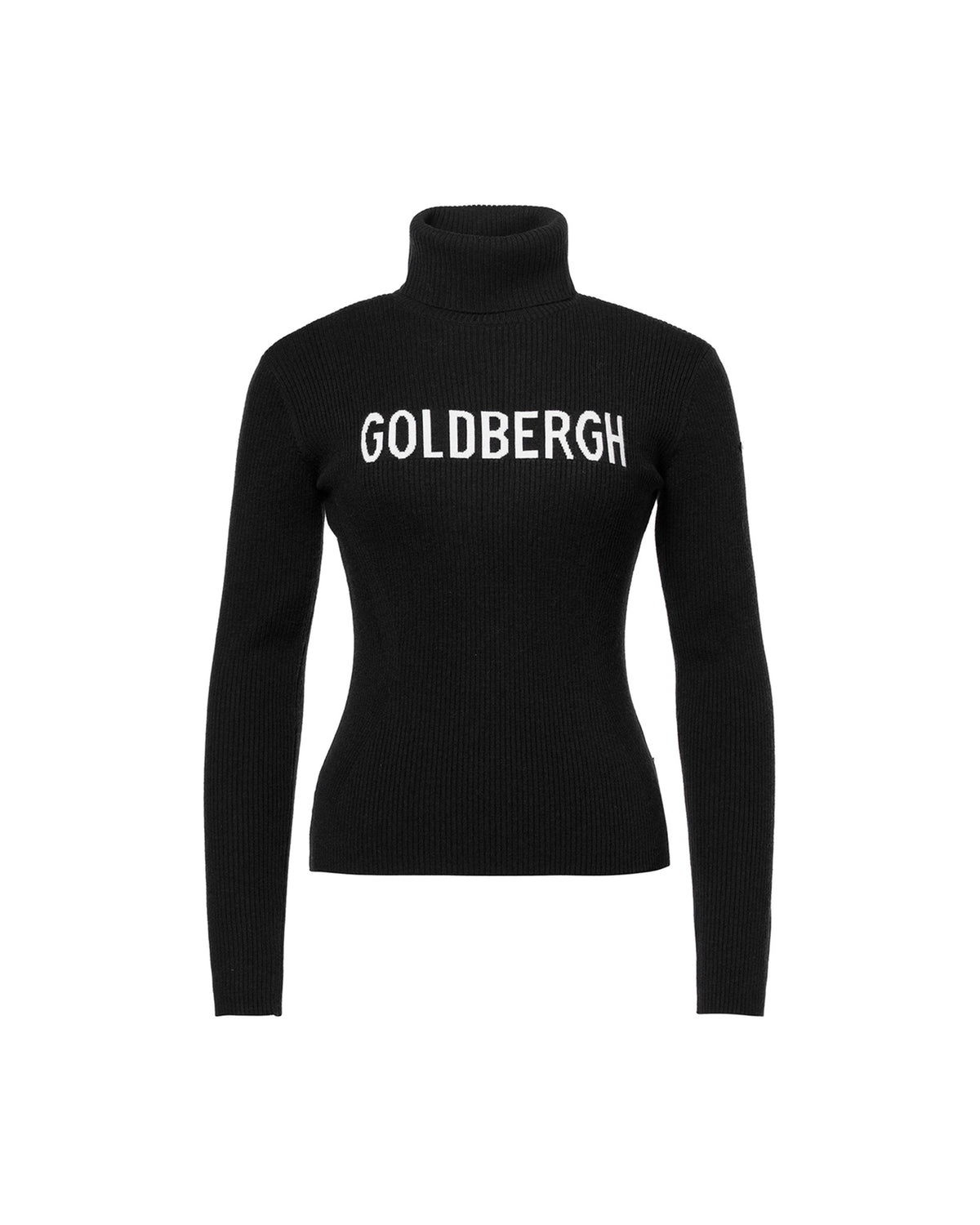
Different surfaces give a similar cut a different character. A smooth knit appears calmer than a distinctly structured knit; a sweatshirt with a large motif sets a different focus than a simple blouse. Therefore, do not only consider the fabric by its color. Consider whether you want a soft, relaxed effect or more clear lines. The neckline also influences how jewelry, scarf, and jacket collar fit together.
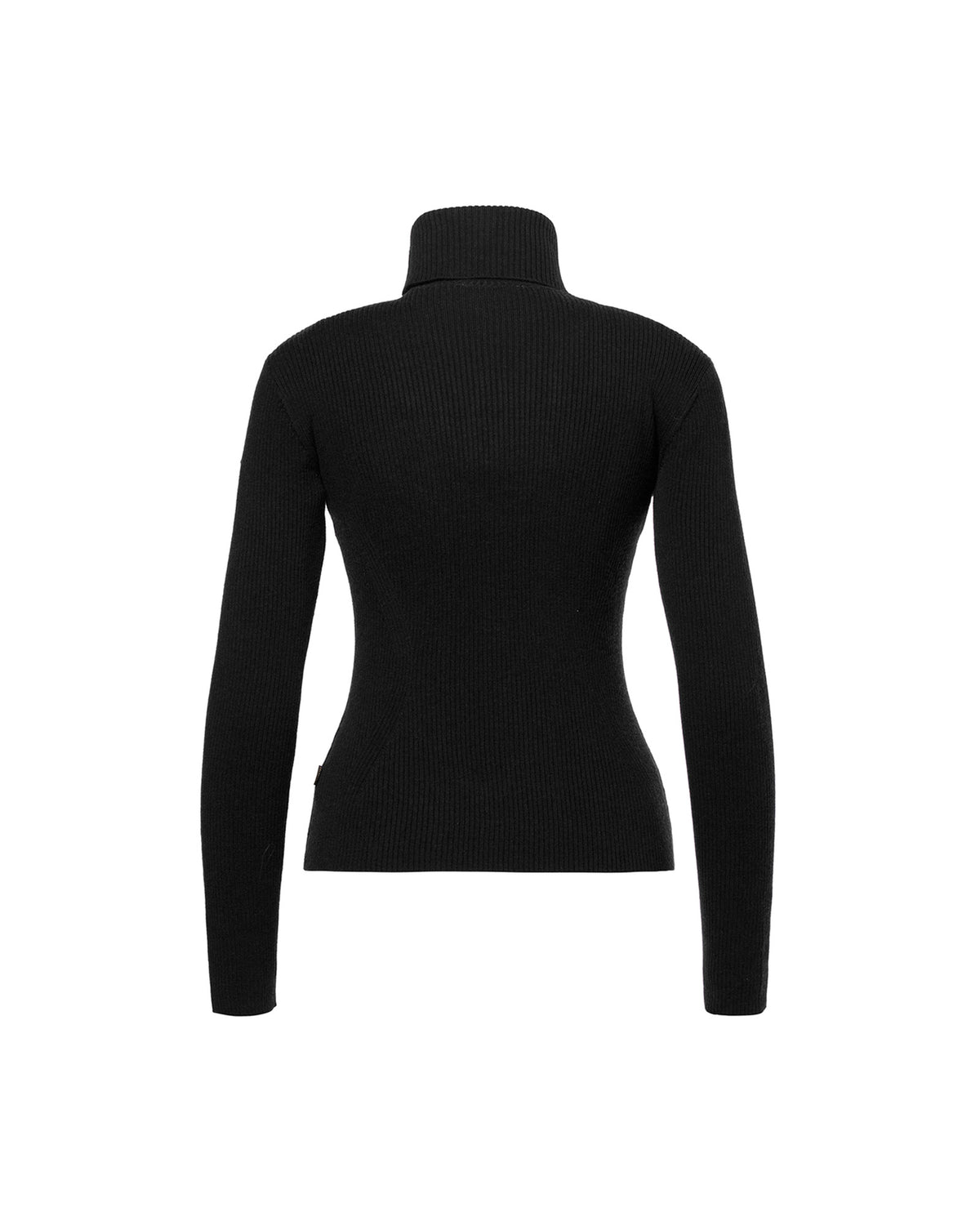
For a flexible combination, you can combine an eye-catching top with calm trousers. Conversely, a simple top becomes the appropriate background for a patterned bottom. In women's knitwear, stitch pattern, collar, and volume play a greater role, while with blouses, you can also consider the button placket and fabric drape. You don't have to treat every material the same: a deliberately different surface can make an otherwise restrained outfit more interesting.
The sleeves also deserve attention. A voluminous sleeve can be difficult to fit under a narrow jacket, while a thin top in a very wide jacket looks different than planned. Put on the complete combination before you decide. If you can only wear a piece with a single existing garment, precisely this combination should be convincing. Otherwise, a more versatile form may be a better addition to your everyday life.
Use Color, Pattern, and Embellishments Judiciously
When it comes to colors, start with the pieces you already like to wear. Which jacket and which shoes do you wear most often? Choose a new color so that at least one concrete combination results from it. Related color tones can appear calm, but do not have to be exactly identical. Differences in material change the color impression anyway. Therefore, compare the overall effect in normal light, instead of just matching individual color names from product descriptions.
Patterns and embellishments draw attention to specific areas. Consider where you want to place this focus. A large print on the top remains visible under an open jacket, but can disappear completely under a closed coat. Sequins or structured details also change the surface. For frequent wear, it is worth considering their effect as well as their care. A deliberately chosen eye-catching piece can change several simple combinations, without you needing a completely new outfit every time.
Choose Jackets and Coats as a Visible Frame
The outer jacket often determines the first impression of your casual look. A short cut shows more of the bottom; a long coat creates a continuous line. Therefore, decide on the length together with your typical trousers and shoes. Also pay attention to the transition to longer tops: a consciously visible hem can be part of the look, while several randomly offset finishes quickly appear restless. Try on the jacket open and closed.
In women's jackets and coats, you can compare different shapes as a frame for your outfit. For comfort, it matters how much space shoulders and sleeves allow for knits or sweats. A jacket that fits well with a thin shirt does not have to offer the same mobility over a thick sweater. Choose based on the combination you actually want to wear and consider the specifically described warmth and weather features.
Shoes Change Style and Proportions
The shoe shape influences how trousers fall and how sporty or calm your outfit appears. A voluminous sneaker sets a different accent at the bottom than a slender shoe. For wide trousers, it is particularly important where the hem ends; for cropped styles, the transition to socks and shoes becomes more visible. Plan these details early. A harmonious top and suitable trousers do not automatically create the desired overall effect.
Women's shoes help you find the right complement for everyday life, winter, and sports use. Decide on comfort based on the specific fit and intended use based on the respective model. An alpine style does not automatically mean weather protection. For a casual outfit in Obertauern, you can consider fashionable and practical requirements together, without inferring material functions or weather suitability from a certain look.
Combine from Relaxed Day to Evening
If you want to wear the same basic outfit in several situations, plan a targeted change. A simple bottom can look relaxed with a sweatshirt and get a new character with a differently cut blouse. Opening a jacket or a changed neckline also shifts the focus. The decisive factor is which parts truly remain visible. An elaborately designed top has little effect if it disappears under a closed coat all evening.
Also check whether you want to wear the combination comfortably for a longer time. Sitting, walking, and taking off the outer layer are part of such a day. An outfit gains versatility if it matches your style in these situations without elaborate changing.
A Few Good Combinations Instead of Individual Bad Purchases
Before a new purchase, it's worth a small mental combination test: With which trousers, top, and shoes would you wear the item? If you already know the answers, the selection can be specifically expanded. A new top, for example, can translate an existing pair of trousers into two different looks. Make sure that you don't simultaneously need several other garments that you weren't actually looking for.
Finally, consider care, frequency of wear, and the feeling in motion. An elaborately decorated piece may be just right for deliberately planned occasions; an uncomplicated top may more often fulfill your everyday needs. Both have their place, as long as you clearly choose the role. Casual wear for women becomes particularly versatile when each new piece finds a traceable place in your combinations. This way, you develop your style with clothes you genuinely enjoy wearing together.
04At FREUDENHAUS
05Questions about the category