





Women's Casual Trousers: Choosing Waist, Leg Style, and Length
Find your women's casual trousers by waist height, leg cut, and the right length for your shoes. Fabric drape, pockets, and top length together determine how a look appears. Through targeted fitting, you'll discover which trousers complement your everyday outfits and are comfortable to wear when sitting and walking.


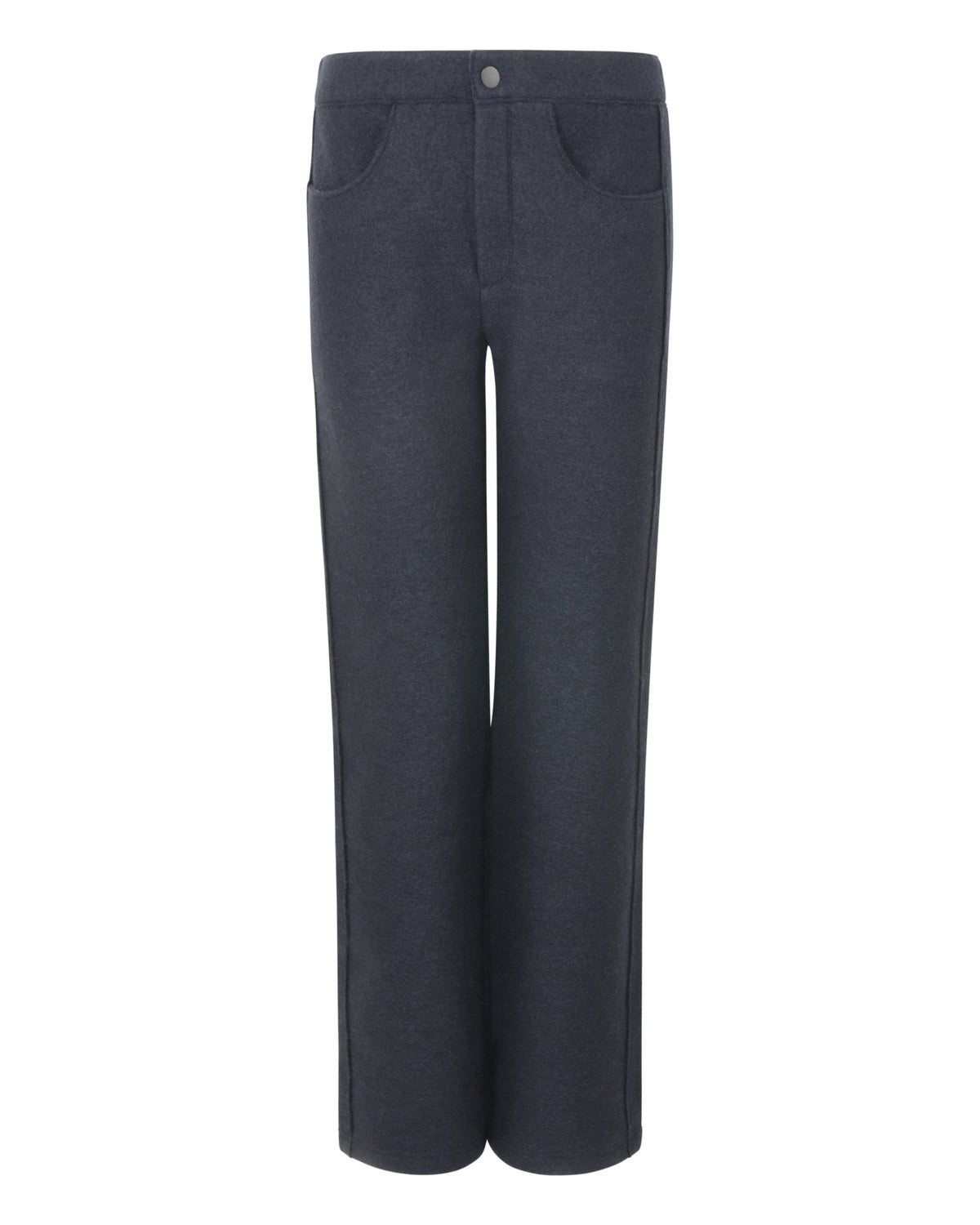


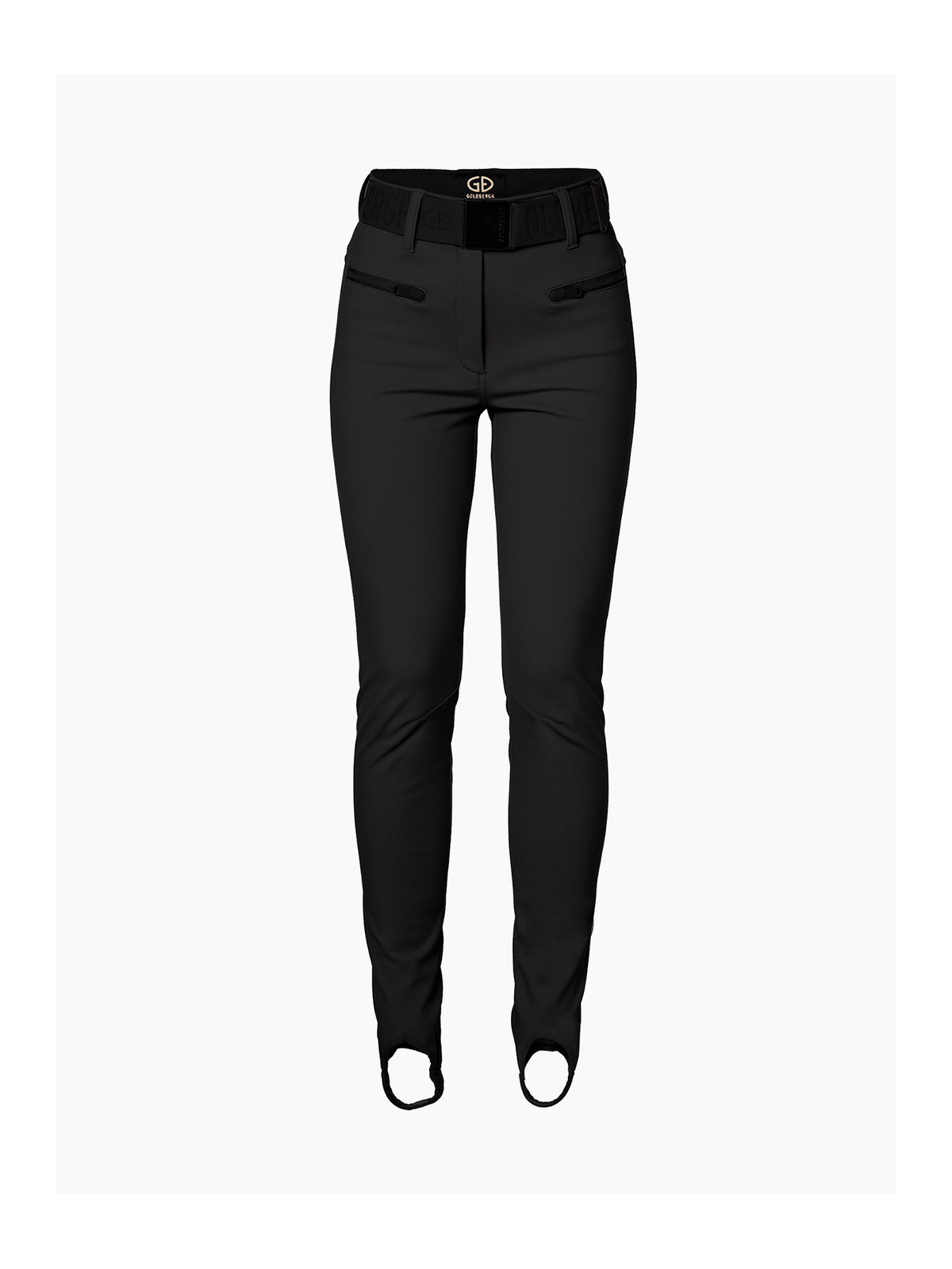
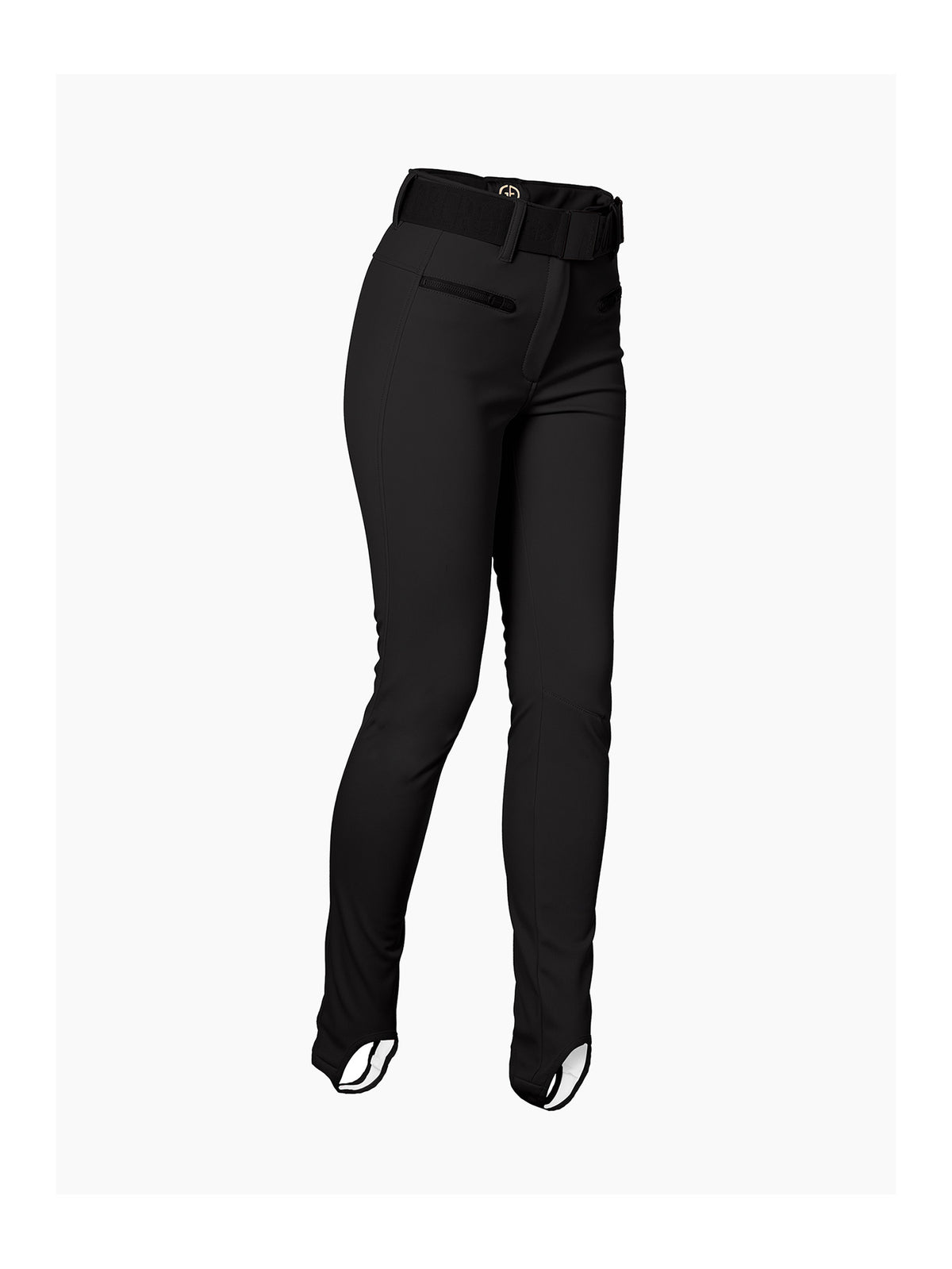


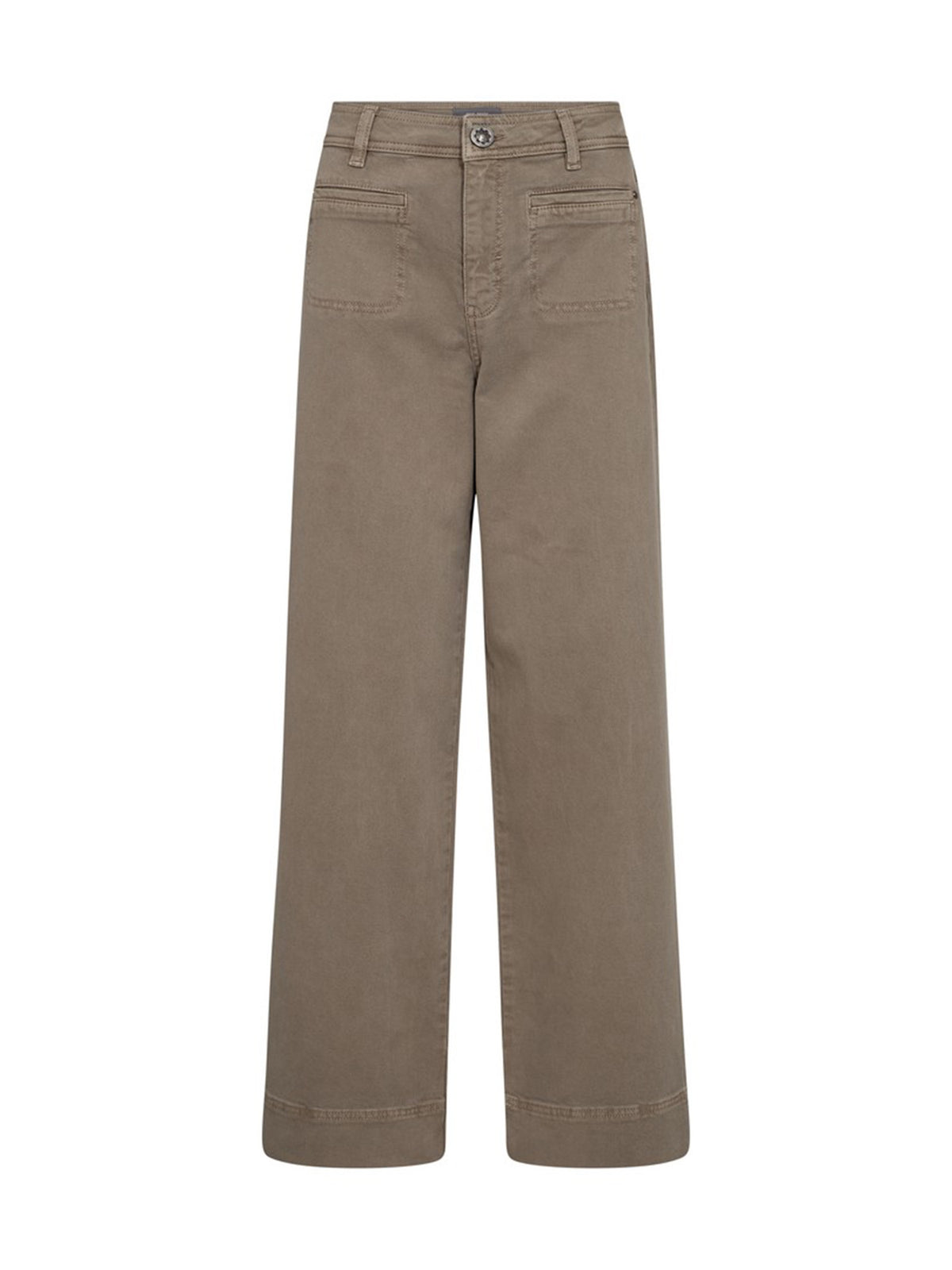
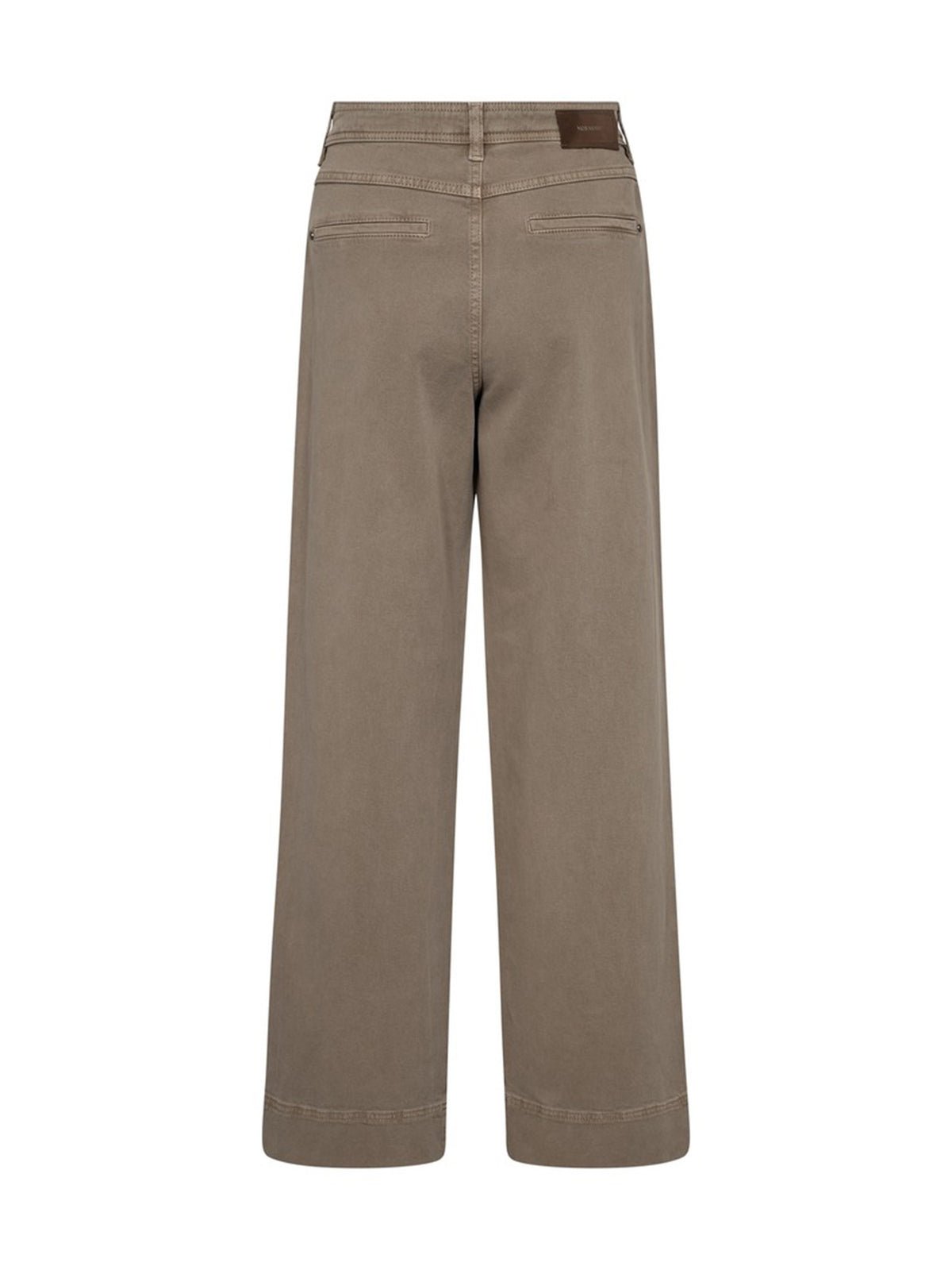


Choosing Women's Trousers by Shape and Everyday Use
Women's trousers form the foundation of many outfits. For them to fulfill this role well, the waistband, fit, and leg cut must be harmonious. Start with the situation you'll most frequently wear them for: a relaxed day out, a longer journey, or a smart casual combination. The right trousers should allow for more than one look. Crucially, you should be able to sensibly combine their shape with your tops and shoes.
First, consider the cut, and only then the color or striking details. Trousers whose leg cut you like, but whose waistband you constantly have to adjust, will rarely be uncomplicated in everyday life. Conversely, a well-fitting basic shape can achieve very different effects with various tops. Therefore, compare several views and try typical movements. Sitting, walking, and taking larger steps reveal the fit more reliably than a single pose in front of the mirror.
Distinguishing Between Waist Height and Rise
The visible waistband position is an important stylistic device, but it is related to the overall cut. Higher-waisted trousers, paired with a shorter top, can create a clean line. A lower waistband position changes the proportion between the torso and legs. Consider which effect you prefer and which tops match. The waistband height designation is a guide; how the trousers actually fit on you depends on your proportions and the model.
Additionally, pay attention to the space between the waistband and the crotch. If this area is ill-fitting, the trousers can pull at the front, gap at the back, or shift uncomfortably when sitting. A tighter waistband won't automatically solve the problem. Check if the crotch lies in a natural position and if the fabric drapes evenly over the hips and buttocks. This is particularly helpful when two pairs of trousers are the same size but feel distinctly different when you try them on.
Comparing Straight, Slim, and Wide Legs
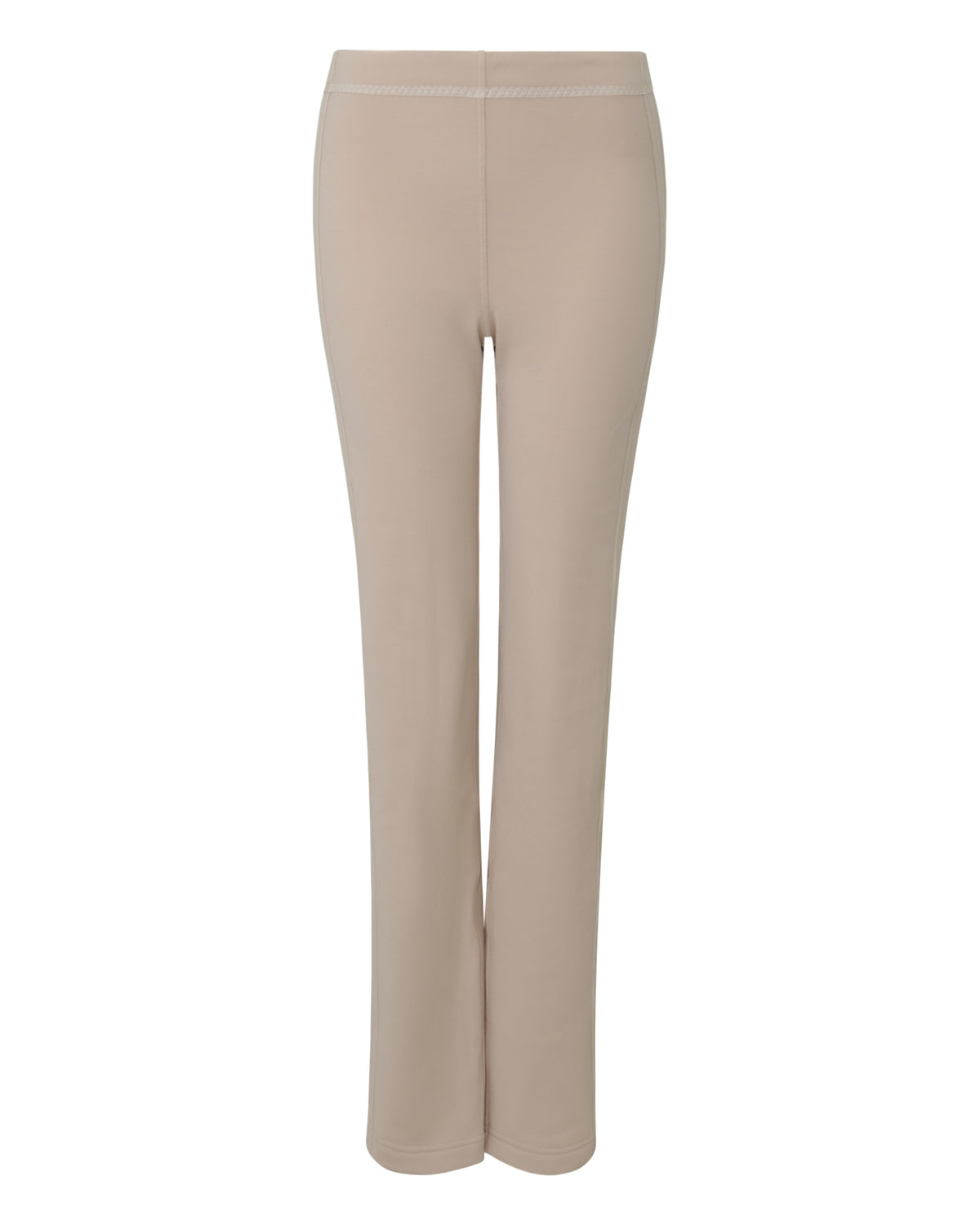
A straight leg cut looks different from a shape that narrows significantly towards the ankle. With straight trousers, the line between the knee and hem is particularly visible; with a slim fit, the ankle and shoe come more into focus. Both can be combined casually or more understatedly. Decide whether you want a clear vertical line or a closer silhouette that conforms more closely to the body shape.
Wide trousers need enough room to drape. Check if the fabric on the thighs lies freely or if it is already stretched there, even though the lower leg looks wide. A wide hem does not automatically mean an overall generous cut. Look at the trousers from the side when walking and observe whether they move comfortably between the legs. The appropriate width is one whose shape is maintained intelligibly even during movement.
A cut that narrows downwards can appear balanced with a loose top. With wide trousers, you can choose a shorter finish or intentionally maintain a longer line. There's no fixed body shape rule for this. The key is whether you like the proportions and can comfortably wear the garments together. Compare two specific combinations instead of relying solely on terms like slim, straight, or wide.
Determining the Right Length with Your Shoes
You can best judge the leg length with the shoes you intend to wear with them. Trousers might appear too long barefoot but fall perfectly with a higher sole. Conversely, a hem might drag on the floor with flat shoes, even if it looked appropriate in a product photo. Consider both the front and the heel. The length should match the intended silhouette and should not accidentally get caught under the sole when walking.
With cropped trousers, the transition to socks and shoes becomes part of the outfit. Consider whether you want a visible skin section, a calm color connection, or a deliberate contrast. For full-length trousers, how the fabric drapes over the shoe is more prominent. In women's shoes, you'll find the complementary starting point for choosing shoe shape and use to match your trousers. Also, try the combination with a few steps of movement.
Taking Fabric Drape and Feel Seriously
Two similarly cut pairs of trousers can appear very different due to their fabric. A soft-draping material follows movements differently than a dimensionally stable fabric. A smooth surface creates a different impression than a structured or visibly fluffy finish. Decide whether you want a flowing line or more clear contour. Consider the fabric not only up close but also as part of the entire outfit with a top and jacket.
The material composition alone does not fully describe the wearing comfort. Thickness, processing, and cut also play a role. If elasticity is indicated, still check the actual range of motion. Stretch does not replace a suitable size and does not automatically turn casual trousers into sportswear. For your comfort, what matters is whether the fabric lies comfortably in your typical positions and whether you can wear the trousers without constantly adjusting the waistband or knee area.
For light or particularly thin-looking fabrics, it's worth checking the desired opacity. Try on your usual underwear with them and look at the trousers in normal light. Pocket bags and seams can become visible depending on the color. Decide if this impression matches your desired look. Different underwear can change the combination; however, it should not mean that you can only wear fundamentally unsuitable trousers with many restrictions.
Checking Pockets, Fastenings, and Details in Use
Pockets shape both the look and the practical fit. Side entry pockets can gape if the hip width is unsuitable, changing the silhouette. Back pockets create visible lines, even if you don't use them. Therefore, assess the pocket area when standing and sitting. If you want to carry a phone, check its effect on the fabric drape. A filled pocket can make slim trousers look significantly different than in the product image.
The fastening is also part of the fit. A button, a hook, or an elastic waistband must fit comfortably without digging in when you bend. If a drawstring is present, its adjustment should be able to create the desired width. Pay attention to whether this gathers a lot of fabric at the waist. A belt can visually complement a combination, but it shouldn't have to serve to hold fundamentally ill-fitting trousers in the right place.
Combining Top Lengths Specifically with Trousers
A short top leaves the trouser waistband visible and emphasizes the transition between top and bottom. A longer shirt creates a different line and can partially cover the waistband. Decide before purchasing which variant you want to wear more often. Trousers with striking waistband details will be showcased differently under a long top. Conversely, a simple waistband can be just right if the focus of your outfit should be on a sweater or blouse.
With women's blouses, you can change the effect through fabric drape, neckline, and button placket. For a softer surface, you'll find knitwear for women. When tucking in tops, check how much fabric fits in the waistband. With wide sweaters, a fully tucked-in hem can be bulky. The desired silhouette only emerges when the trousers and top match in this specific way of wearing them.
Choosing Color and Embellishments to Match Your Style
Neutral colors can facilitate many combinations, but they are not automatically the most versatile choice for every wardrobe. If you frequently wear similar tops, a deliberately chosen contrasting color can work just as well. Define a specific combination and check if a second one is also possible. This way, you'll recognize whether the new trousers complement your existing wardrobe or if you would first need to find several other garments for them.
Patterns, sequins, or other embellishments place a stronger emphasis. Consider where they are on the leg and pockets and whether they remain visible under a longer jacket. For prolonged sitting, details at contact points can be relevant. Therefore, check not only the effect but also the comfort. A striking model can complement a simple top in an interesting way; it doesn't have to compete with other strong elements to create a complete look.
Distinguishing Between Casual Trousers, Sports Trousers, and Ski Trousers
Comfortable everyday trousers are not automatically suitable for every activity. An elastic fabric or a sporty silhouette says nothing yet about an explicitly intended training function. If you are looking for trousers for repetitive athletic movements, the selection of women's sports trousers will help you. Other questions are paramount there, such as support during specific movements and the role of tights versus outer trousers.
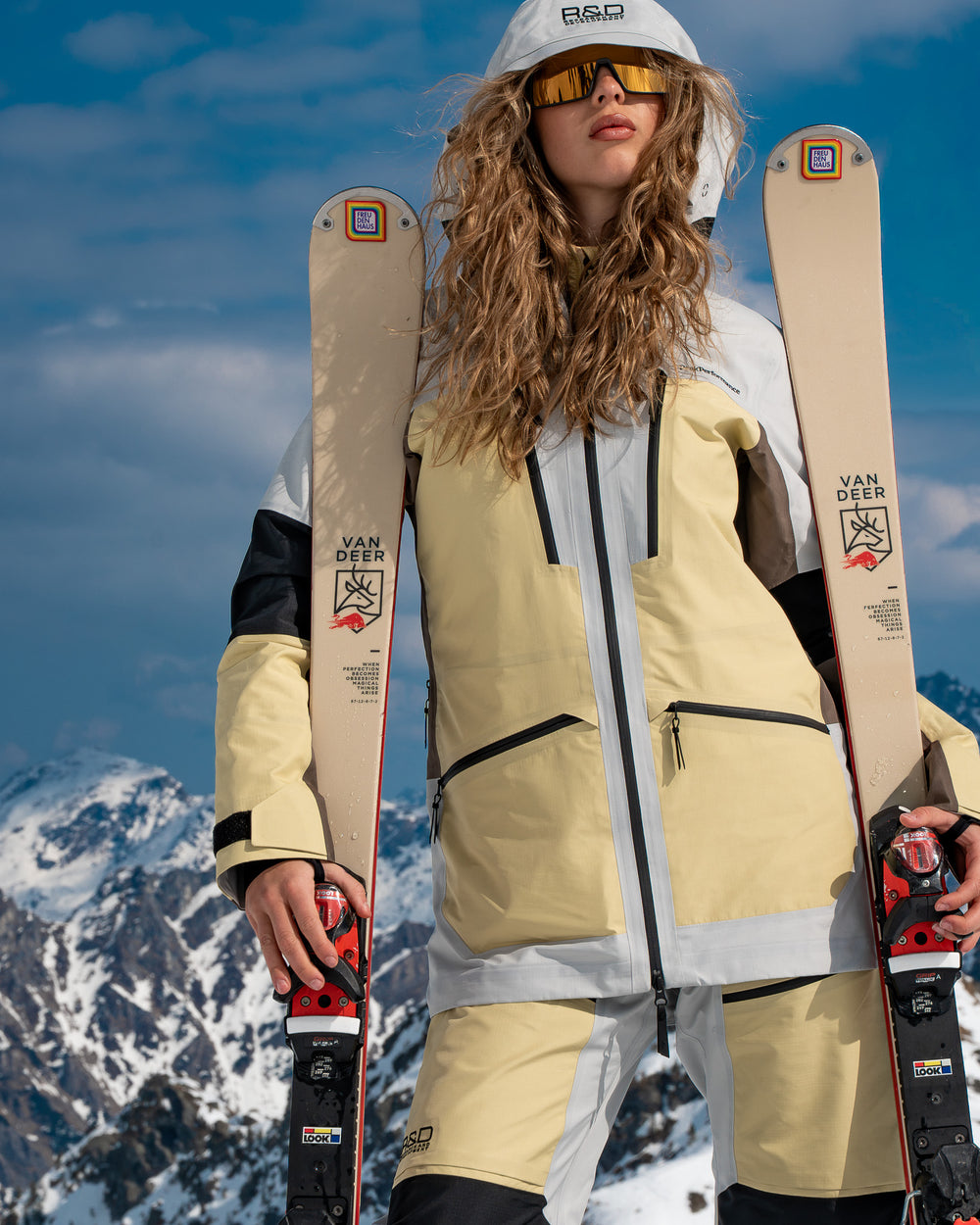
For use on the slopes, women's ski trousers are the right starting point. Additional warmth under casual trousers does not replace their special construction. You can combine these garments creatively in everyday life, but you should base their function on the respective model. This clear distinction leads more quickly to the right choice and prevents a similar shape or a general promise of comfort from steering your decision in the wrong direction.
Trying On and Care as Final Decision Aids
Plan a small sequence for trying them on: fasten, sit down, stand up, walk a few steps, and bend your knees. Pay attention to whether the waistband stays in place and whether any tension creases change. Then, consider the length with your shoes and the transition to your top. If trousers need to be adjusted multiple times during this, compare a different cut. The right shape should not just feel good in a single, carefully adopted posture.
Finally, read the care label, especially for delicate surfaces or elaborate details. The intended care should match the frequency with which you want to wear the trousers. Between your favorites, decide first by fit and purpose, and then by color or small design elements. This way, women's casual trousers become a reliable foundation for your combinations: with a shape you like and enough comfort for the situations in which you actually wear them.
04At FREUDENHAUS
05Questions about the category