





Men's casual wear to suit your personal style
Men's casual wear combines personal favorite pieces into harmonious everyday looks. Choose according to proportion, material, and the situations in which you actually wear your clothes. Here you will find guidance for combinations of T-shirts, shirts, knitwear, trousers, and suitable additions – from a calm basic look to a deliberately placed accent.
02Discover
Subcategories.


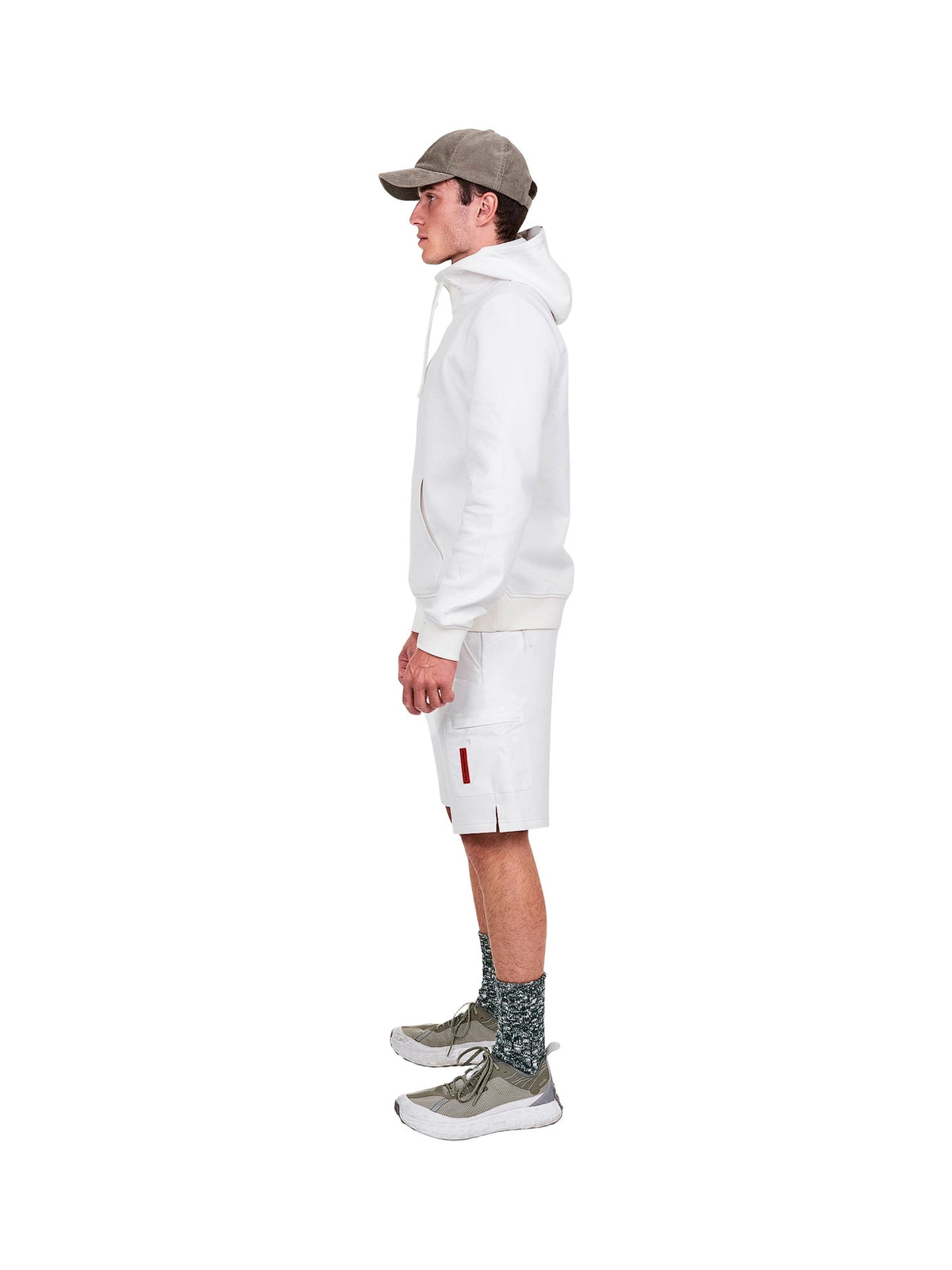
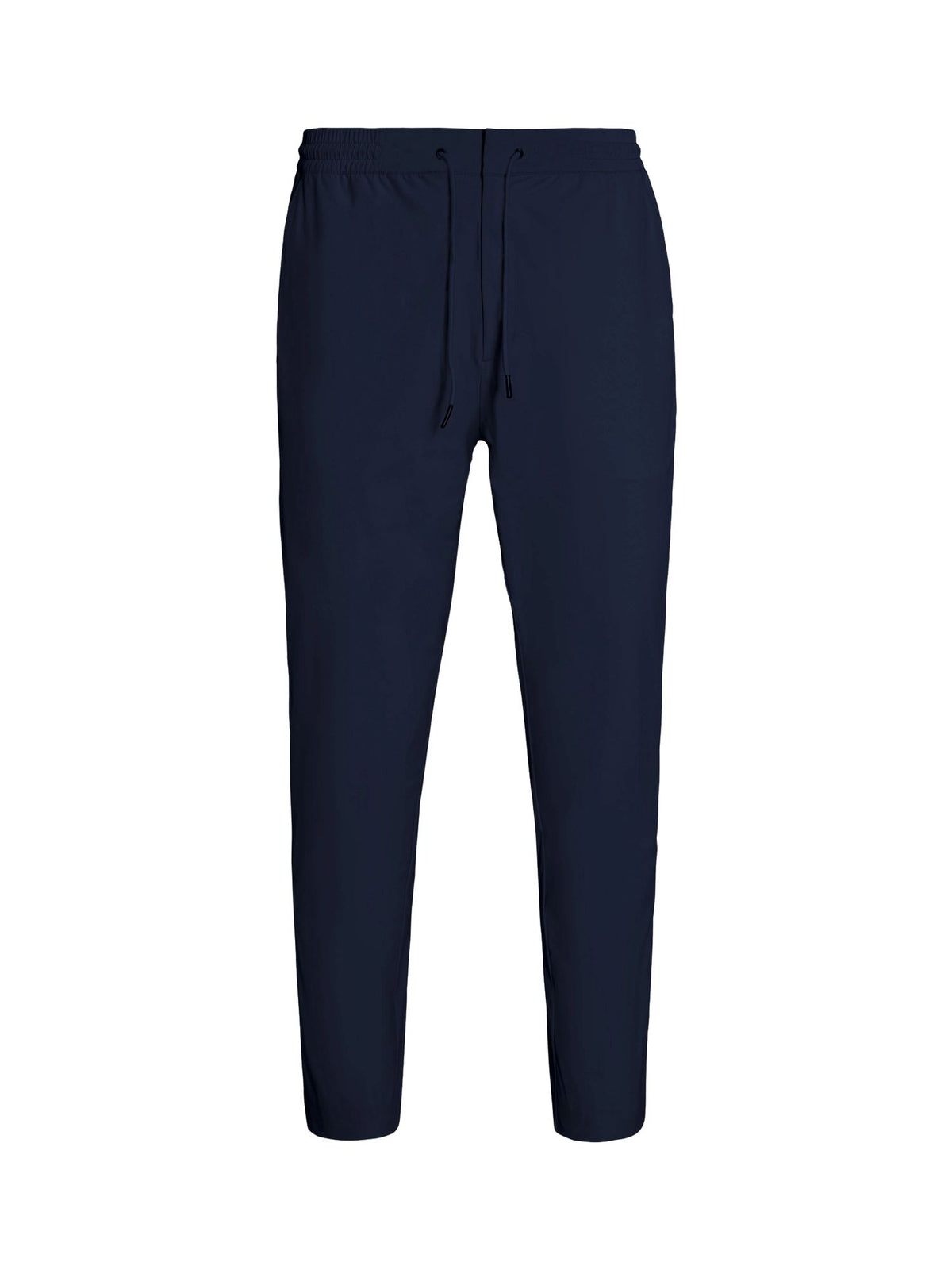
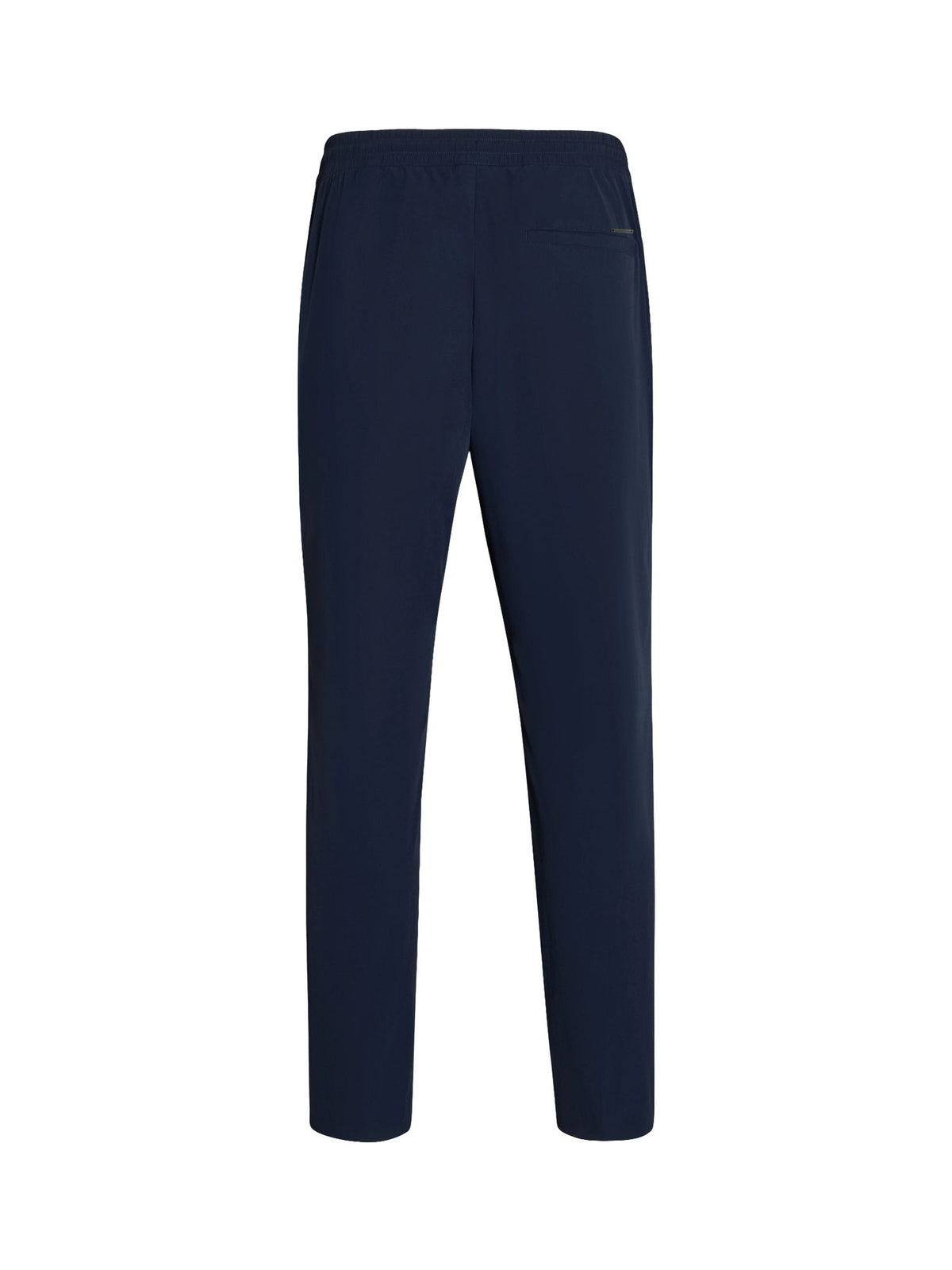


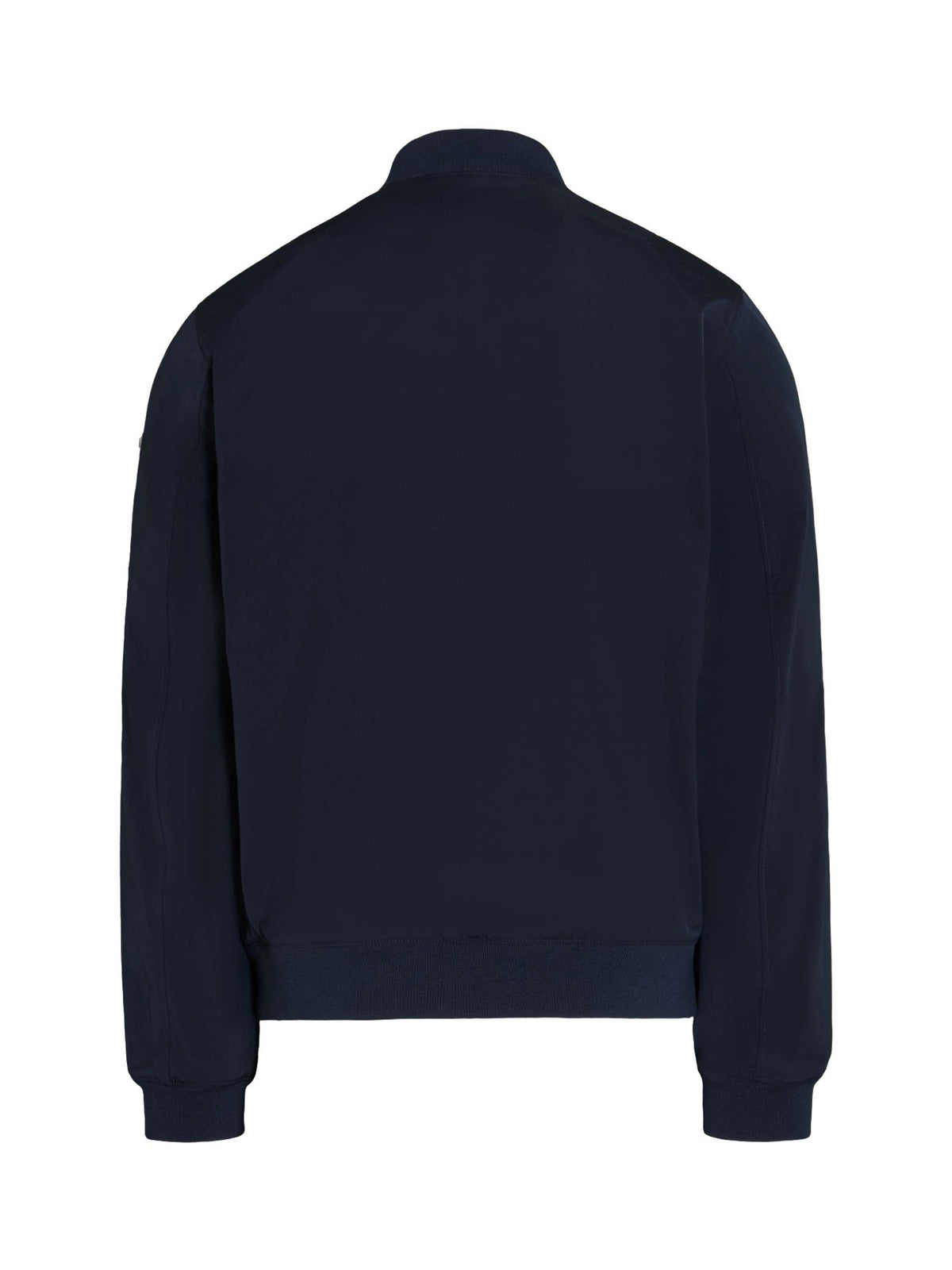


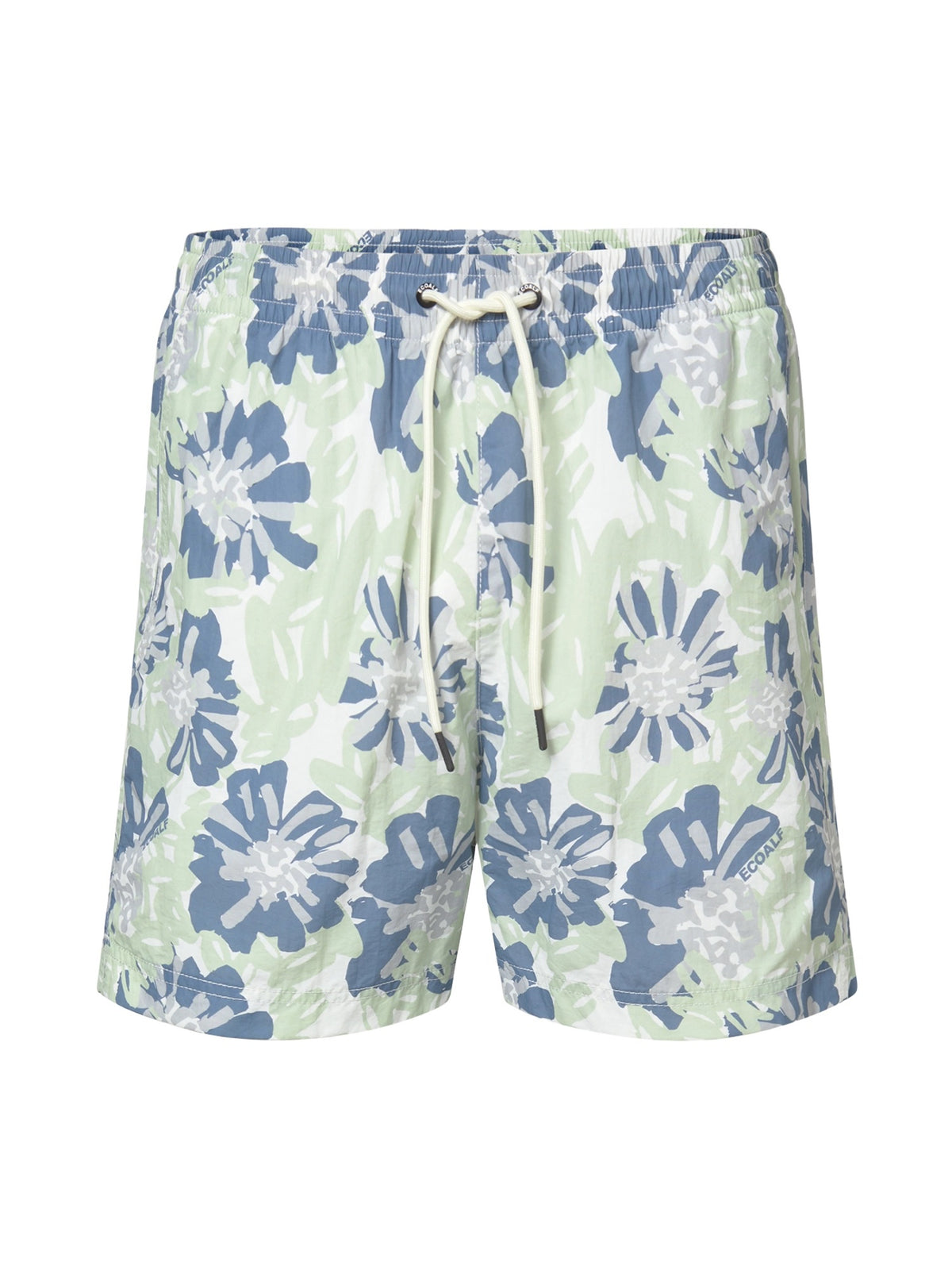
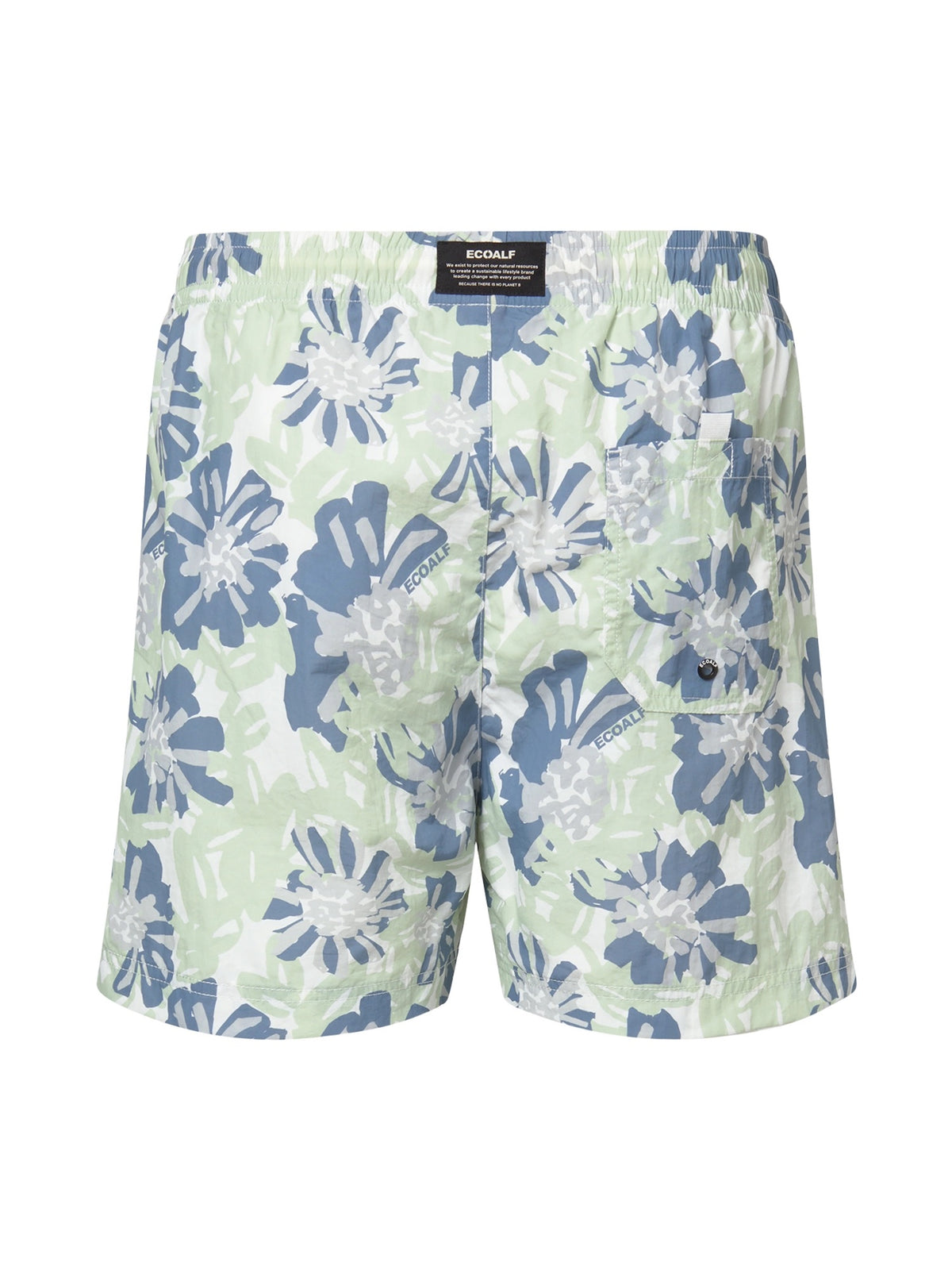


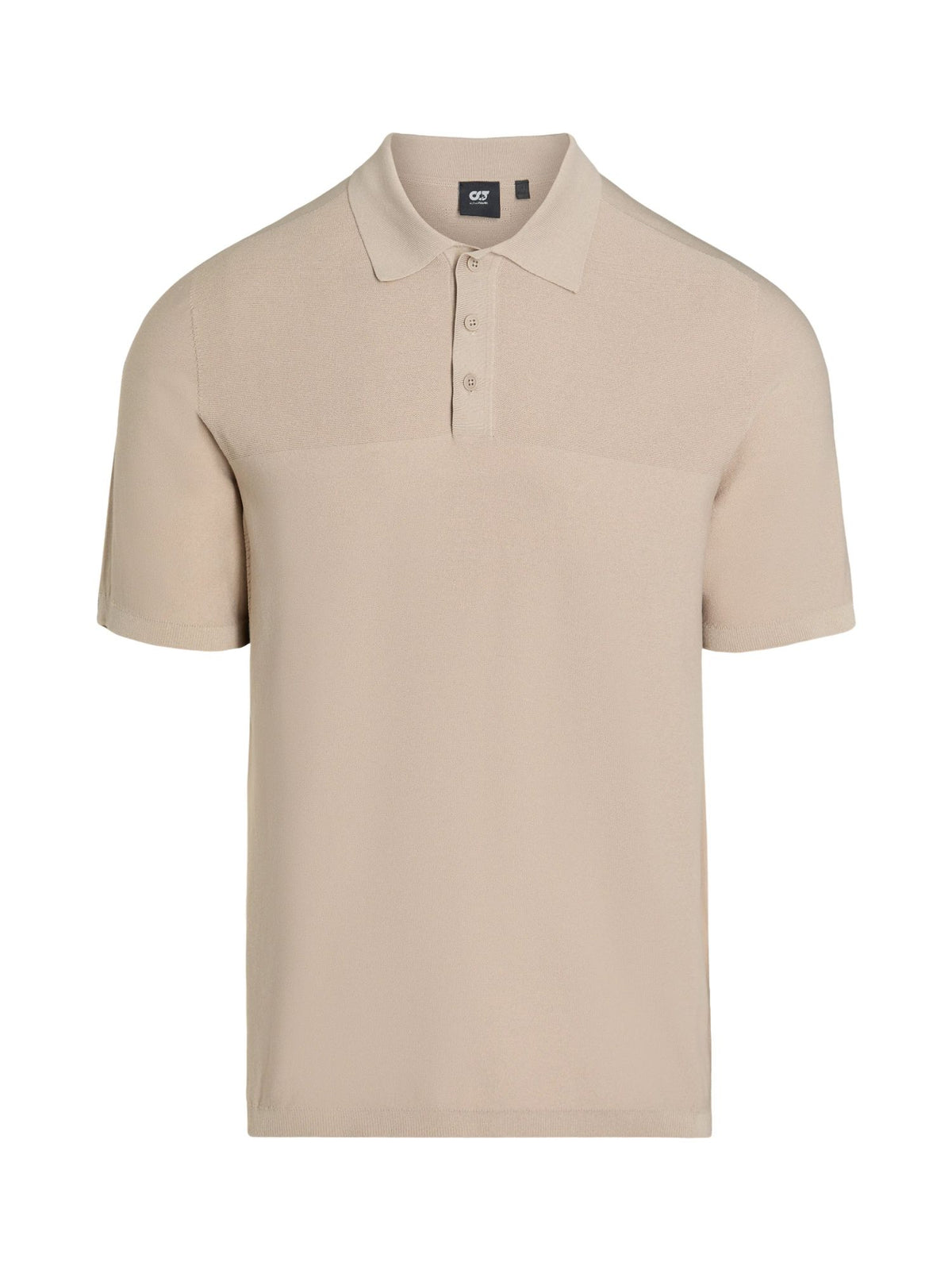
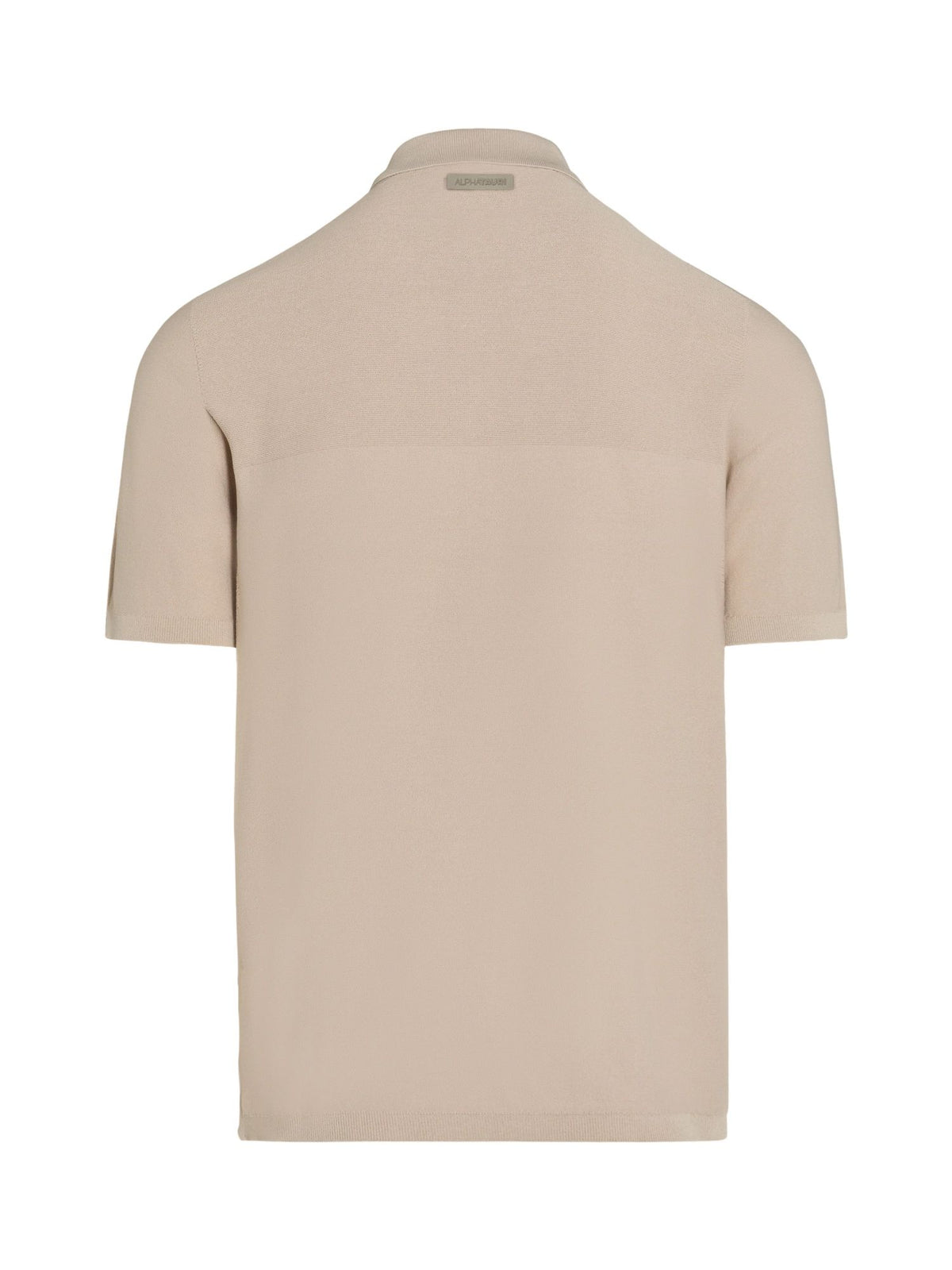


Men's Casual Fashion with a Clear Personal Direction
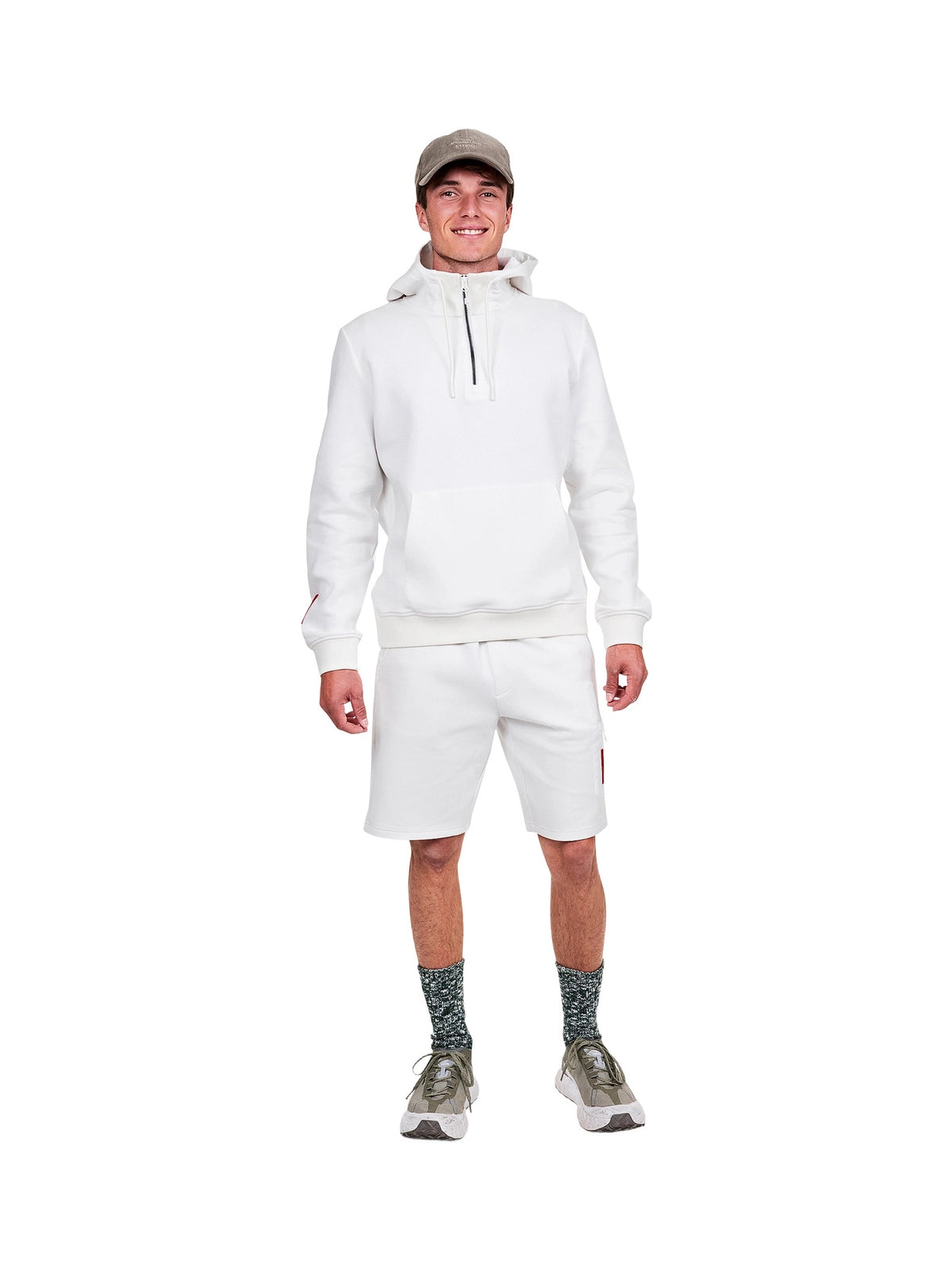
Casual fashion should fit your life, not just a single occasion in a product image. Perhaps you are looking for clothes for relaxed days, for after sports, or for a daily routine that alternates between several situations. Start with the combinations you already enjoy wearing. Their colors, proportions, and materials often show more precisely what addition makes sense than searching for a completely new style without a starting point.
This selection focuses on men's fashion for leisure and personal everyday looks. The comprehensive introduction to men's fashion also covers other sports and winter areas. Here, the focus is on combining clothes, assessing their effect, and finding a suitable balance between comfortable wear and desired design. A technical brand origin does not automatically make every item sports equipment. The crucial factor remains its specific role in the outfit.
From Your Daily Routine to the Perfect Combination
Imagine a typical day: a walk through the city, a meeting, a trip, or a longer afternoon with alternating indoor and outdoor phases. What clothes should accompany you? A loose T-shirt and soft trousers fulfill a different design task than a shirt with neatly flowing trousers. Both can be casual wear. The term does not dictate a single cut or a fixed dress code.
If you frequently switch between several situations, a consciously coordinated combination can be more helpful than many individual eye-catching pieces. An additional outer layer changes the impression without you having to change the entire outfit. Shoes and bags also play a role. Therefore, consider which two or three transitions actually occur in your daily life. This will reveal concrete requirements for material, length, and combinability.
Proportions First: Thinking About Top and Bottom Together
An outfit's impact is not solely determined by the size of individual pieces, but by their relationship to each other. A shorter top reveals more of the leg, while a longer one shifts the focus downwards. Wide trousers can stand out more clearly with a compact jacket. Combined with an equally loose top, a different, deliberately more generous silhouette is created. Neither of these directions is universally better; it's important that you choose them purposefully.
Pay attention to the shoulders, hem, and waistband. An oversized cut is not the same as an arbitrarily larger size. It can provide width in certain places while maintaining control over length or finish. If you simply choose a larger size, sleeves and shoulders may change in an undesirable way. Therefore, compare the intended shape with your desired silhouette, instead of controlling width solely through the size label.
The shoe also forms part of the proportion. A compact sneaker appears differently under very wide trousers than a more robust construction. The hem can rest lightly, end barely, or deliberately fall wider. Decide this connection together with the trousers. A harmonious casual look often arises from such transitions, which are less conspicuous than a logo but significantly alter the overall impression.
T-Shirts as a Foundation and Visible Single Item
A T-shirt can serve under an open layer or style the upper body alone. For this, the neckline, shoulder line, and length are relevant. A thinner fabric drapes differently than a stronger quality, even if both have the same color. Therefore, choose according to the desired drape and combination. A T-shirt that works well under a shirt does not automatically have to have the shape you prefer to wear alone.
In the selection of men's T-shirts, you can specifically compare these basic shapes. For casual combinations, a clear color role is worthwhile: a calm base tone, a targeted accent, or a visible motif. If several pieces are already strongly designed, a restrained surface can hold the outfit together. A simple T-shirt is therefore not a minor decision, but can deliberately bring other garments to the forefront.
Shirt and Overshirt for Different Transitions
A shirt can appear sharper when closed or create an additional line when worn open over a T-shirt. Collar, cuffs, and fabric structure change the impression. A casual leisure look does not have to be sloppy. Pay attention to the length relative to the waistband and the space required by an underlying piece. Those who frequently wear shirts open should consider this structure when choosing the size and material.
A men's overshirt plays its own role between a top and a light outer layer. The specific cut determines how much fits underneath. It can structure a casual look without having the same effect as a more formal jacket. Compare pockets, fabric drape, and collar according to your preferred use. A robust overshirt is not automatically a winter jacket, just as a light model does not universally cover every change in weather.
Knitwear and Sweat for Different Textures
Knitwear brings a different texture to the combination than a smooth sweat fabric. Fine knits can appear calmer, strong structures more visibly prominent. The material specification alone does not explain the drape of the garment. Thickness, knitting method, and cut influence the silhouette. If you choose a structured top, calmer trousers can form a clear counterpoint, even if both pieces are not identical in color.
In the men's knitwear category, the shape and material can be explored in more detail for the desired everyday use. Sweatshirts and hoodies, in turn, emphasize different aspects, such as a hood, cuffs, or larger graphic areas. Don't choose them solely based on the label "comfortable." The crucial factors are how the hem lies, how much space there is at the shoulder and arm, and whether the next layer fits properly over it.
The Trousers Give the Look its Direction
Jeans, a more smoothly draping textile trouser, or a style with striking pockets significantly alter the same top structure. Decide whether the trousers should form a subdued base or attract attention themselves. Additional pockets, strong washes, and prominent seams set different accents. When several of these features come together, the overall look becomes more prominent. This can be desired, but should consciously match the rest of the combination.
The men's trousers offer the appropriate area to select cut, waistband, and length more precisely. To assemble an outfit, a clear question is sufficient: Which leg shape complements the tops you often want to wear? Good trousers do not have to cover every silhouette. A targeted difference to an existing favorite can open up more possibilities than a nearly identical shape in a random additional color.
Connecting Colors Without Making Everything Identical
A harmonious color scheme can emerge from a few recurring tones. You can pick up a color in the shoe, the top, or an accessory, thereby creating a connection. Exact equality is not necessarily required. Similar brightness or a deliberately set contrast can also work. When making your selection, view the garments as a combination, rather than judging each color solely on its own product page.
If you want a strong accent, give it space. A striking jacket, a bold sneaker, or a graphic tee can become the focal point. Multiple competing accents create a different impression and require more conscious coordination. For a calmer look, larger monochrome surfaces help. The decision should express your style, not follow a blanket rule that casual wear must always be colorful or always restrained.
Material Contrasts Make Simple Combinations Interesting
An outfit can appear differentiated even without striking colors. Smooth and textured surfaces, soft drape, and clear structure create different contrasts. A fine knit with more robust trousers looks different than a smooth shirt with the same trousers. Choose such differences deliberately if you prefer a calm color palette. The clothing does not need to have additional decorative details that you actually do not want to wear.
At the same time, consider care. A material mix that you enjoy looking at should fit into your daily life. Different pieces may require different washing and drying procedures. A complete combination does not have to be able to be cleaned together, but you should be aware of the requirements. This way, the selection is not only visually coherent, but also practical in the daily handling of the clothes.
Wearing Casual Fashion Through the Seasons
For warmer days, the combination changes mainly through fabric weight, coverage, and the number of layers. A lighter top with suitable trousers can form a complete solution. On changeable days, an additional layer complements the outfit. The term summer fashion does not automatically mean that only very short or particularly thin items are suitable. Your actual location and daily routine also play a role.
In winter, more robust materials and additional layers can be added. Plan enough space in the outer clothing and pay attention to the transitions at the collar, sleeves, and waistband. A casual jacket does not automatically become a technical ski jacket. The time after sports has different requirements than active equipment on the slopes. A clear separation of roles helps to choose appropriate clothing and still maintain a connected personal style.
Shoes and Accessories as Targeted Additions
Sneakers, winter boots, and other casual styles change the impression of the same outfit. Therefore, choose shoes based on the journey and design together. A robust sole can visually integrate wider trousers, while a compact shoe creates a clearer line. For complementary details, men's accessories offer a dedicated entry point. A bag, belt, or headwear should fulfill a specific task and integrate into the look.
You don't need a new accessory for every top. A suitable belt or a consciously chosen bag can connect multiple combinations. For this, check color, material character, and proportion. A very small format has a different effect with voluminous clothing than a larger backpack. Here, too, the relationship between the parts matters. Practical use should have the same priority as the desired visual accent.
A Casual Wardrobe with Sensible Additions
Before your next purchase, define two existing combinations that you enjoy wearing. Then consider what the new piece should change: more structure, a different silhouette, an additional color, or a more suitable layer for changing temperatures. This specific task prevents a beautiful individual piece from remaining unconnected to the rest. Compare fit and material first, then details and brand character.
A well-chosen piece does not have to work with all your clothes. However, it should have a clear place in your daily life and be able to be worn coherently with its intended companions. This way, a casual wardrobe grows through conscious decisions rather than random similarities. The selection becomes more personal because it takes into account your preferred proportions and routes, and each new garment makes a understandable contribution to your combinations.
04At FREUDENHAUS
05Questions about the category