





Select men's trousers by fit, length, and style
Men's trousers give your outfit shape and must move with you. Compare slim, straight, and wide cuts by waistband, rise, and length. Whether jeans, everyday textile trousers, or more striking cargo styles: The right choice combines material and proportion with the shirts, knitwear, and shoes you actually like to wear.
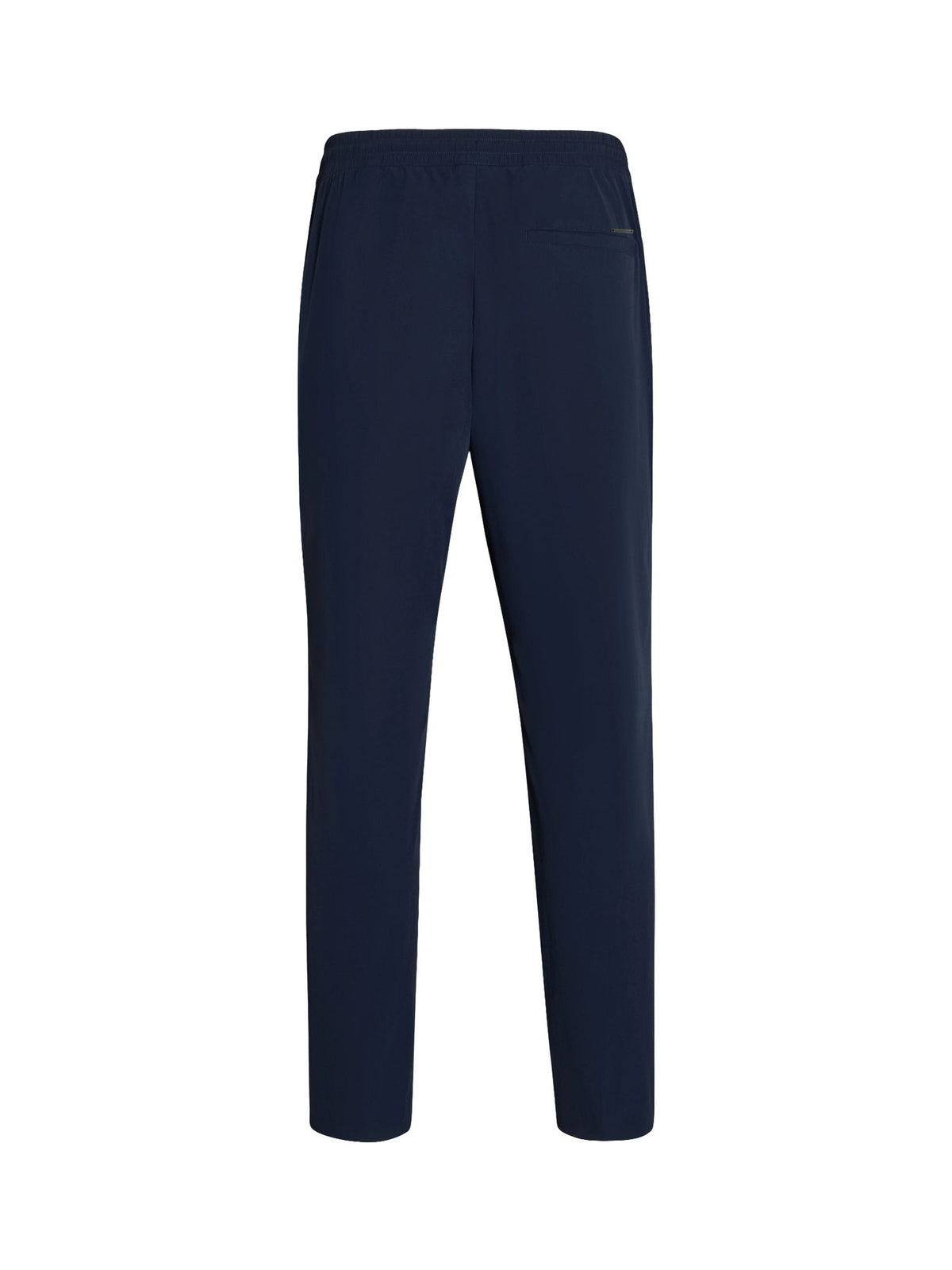


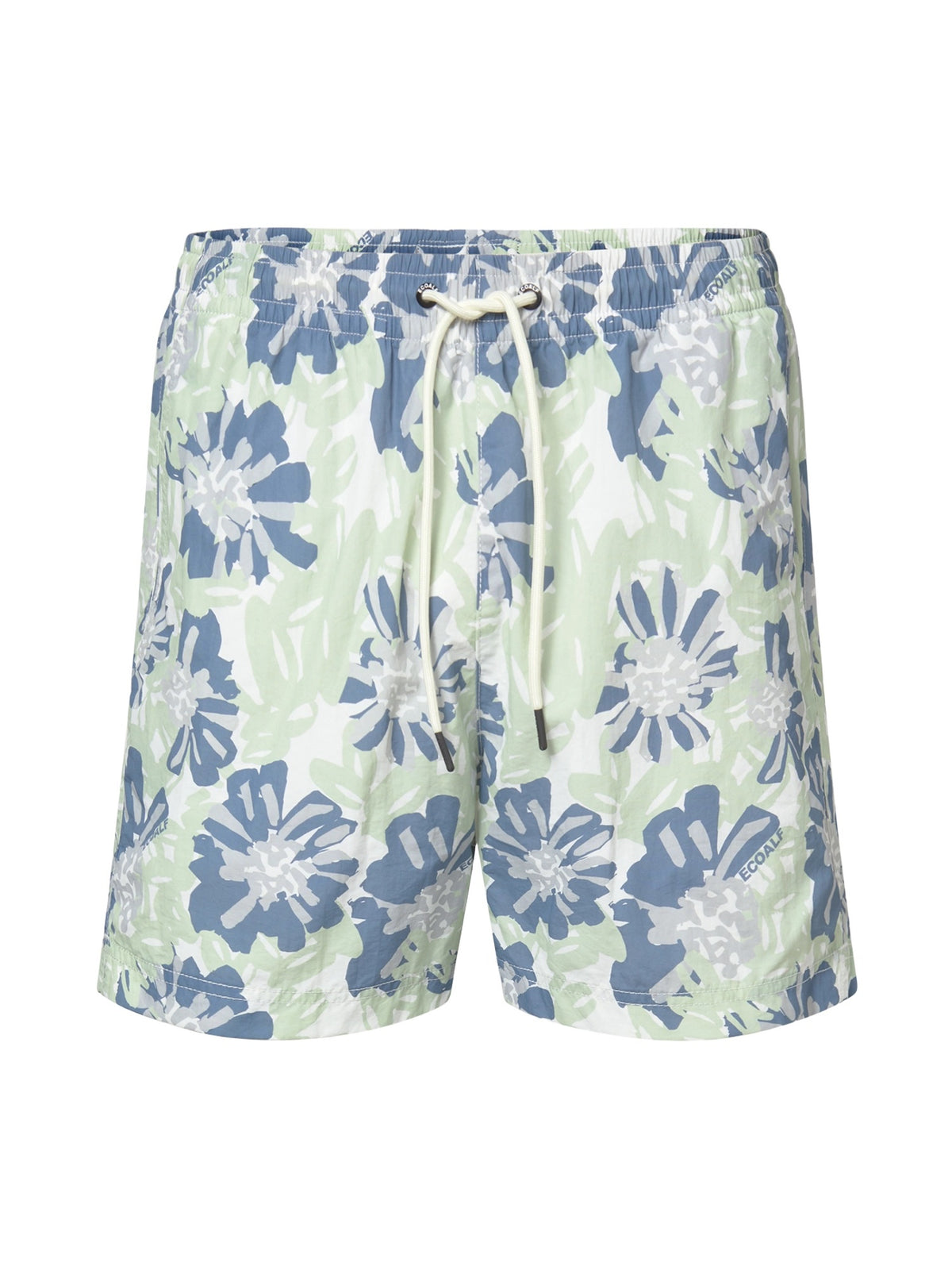
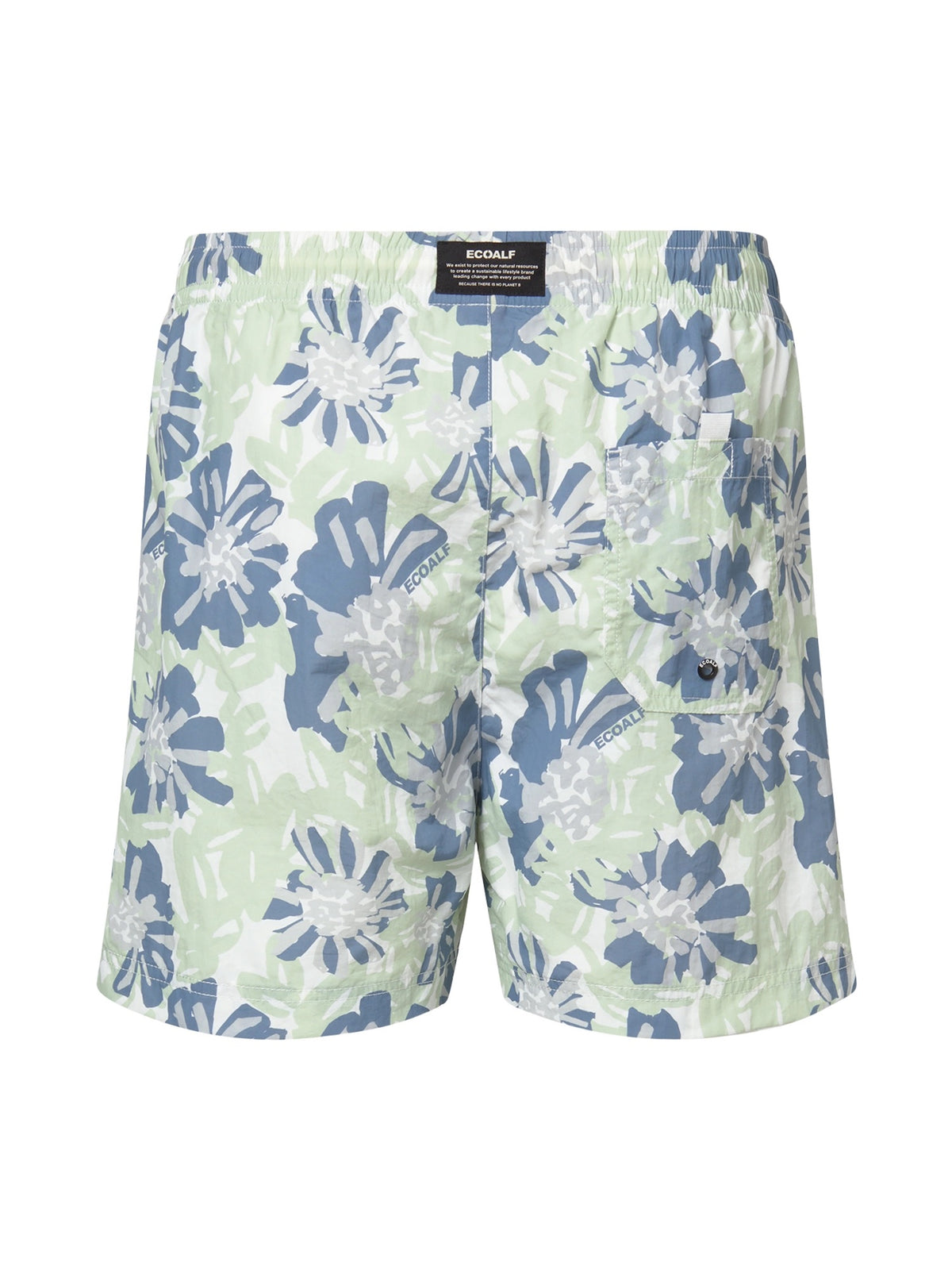


Selecting Men's Trousers by Fit and Everyday Use
Trousers largely define the silhouette. They connect top and shoes, accompany every movement, and must fit well at the waist as well as the leg. For selection, a clear order is therefore helpful: first use and cut, then length, material, and design. A color you like won't fix an ill-fitting garment. Conversely, a well-chosen shape can often be combined with several existing tops, making it versatile for everyday wear.
This category focuses on men's trousers for leisure and daily combinations. This can include different long styles and, depending on the selection, shorter models. Technical requirements for athletic movement are more central in the dedicated category Men's Sports Trousers. A casual look or an elastic waistband does not automatically make everyday trousers into sports trousers. Decide based on the intended use, so that cut and features match.
Slim, Straight, or Wide: Finding the Basic Shape
Slimmer Cuts with a Clean Line
A slim-cut pair of trousers follows the leg more closely and looks different with compact shoes than with robust boots. It is important that the line is not created by constant tension on the thigh or knee. The fabric should offer sufficient room when sitting and walking. A slim cut is a design decision, not an invitation to choose a size that is too small. Compare the fit description with the actual proportions of the model.
Those with stronger thighs may need more room in the upper leg despite a well-fitting waistband. In this case, a different cut is often more helpful than a larger waist size that then has to be pulled in tightly. The rise also changes the impression. Slim trousers with a higher waistband sit differently on the body than a lower cut. Therefore, don't just look at the bottom of the leg when you're looking for a slender silhouette.
Straight Legs as a Harmonious Connection
A straighter leg line allows the trousers to fall more evenly and can accommodate different shoes. How wide this cut actually is varies by brand and model. Straight therefore does not mean the same measurements everywhere. Thigh width, knee area, and hem together are interesting. If you use an existing well-fitting pair of trousers as a comparison, make sure you compare the same points and the same measuring method.
Straight cuts are suitable for many combinations without automatically having to appear neutral. Material, wash, and pockets continue to add accents. With a simple shirt, a clean surface can appear calmer, while a more structured fabric creates a more casual impression. The basic shape provides the framework; the other features decide which direction the outfit takes.
Wider Trousers with Deliberate Volume
Wider trousers don't necessarily require a tight top, but the distribution of volume should be chosen consciously. A more compact top can emphasize the width of the leg. A similarly loose cut looks more relaxed overall. Pay particular attention to hem length and contact with shoes: too much fabric on the floor changes the drape and is impractical for everyday wear. More width should come from the cut, not solely from a significantly oversized size.
Considering Waist Width, Rise, and Fit Together
Waist width is the first measure, but not the entire fit. Trousers can feel comfortable at the waist when standing and feel tight at the hip or crotch when sitting. The rise influences where the waistband sits on the body and how much space is created above or below it. Decide whether you want to tuck in your top and what waistband position feels natural to you. Different cuts can translate the same nominal size very differently.
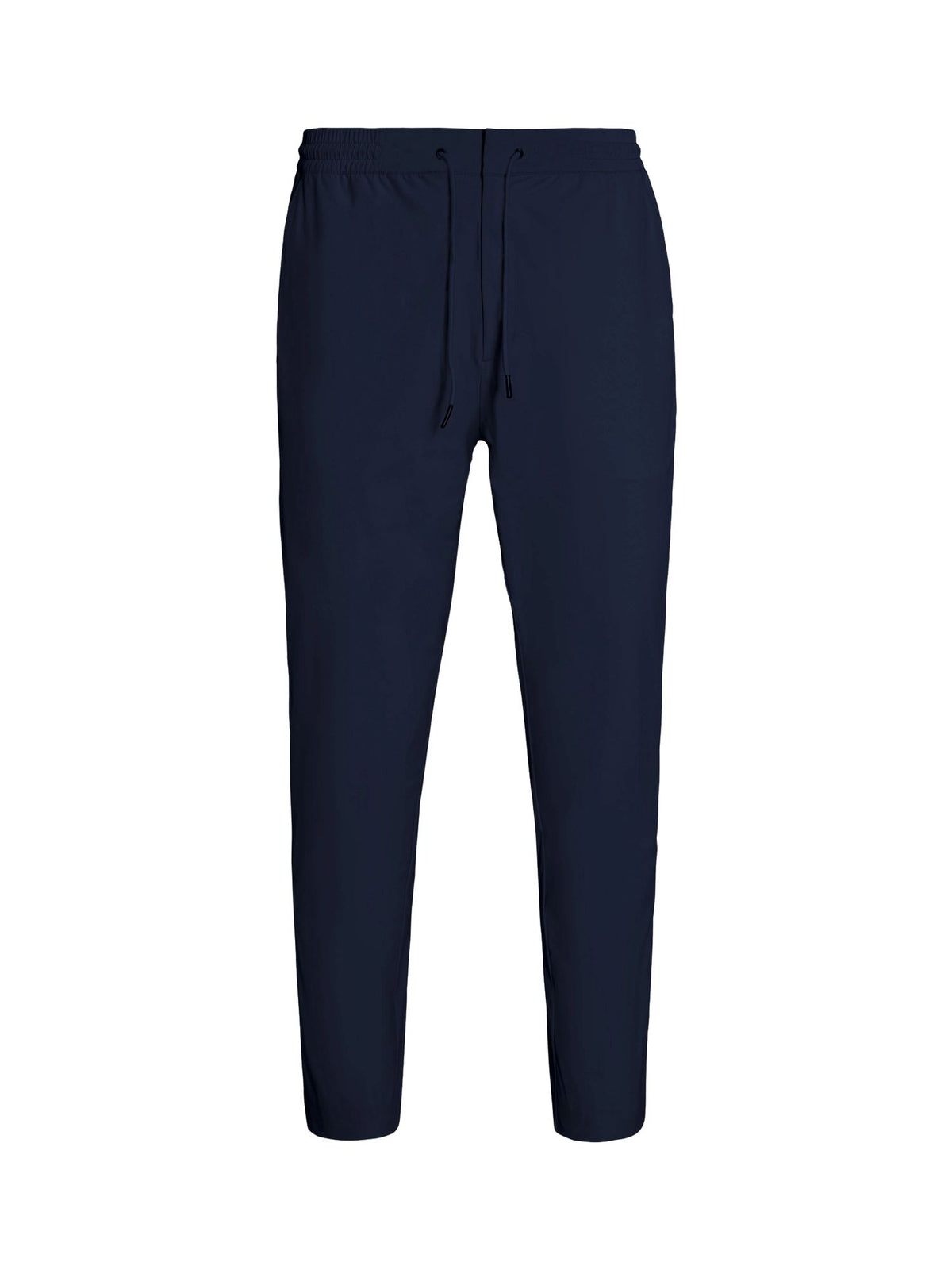
An elastic waistband or drawstring offers a different adjustment than a fixed waistband with a button. This can be practical for relaxed combinations, but it is not a substitute for a suitable base size. If trousers are pulled in tightly, the fabric distribution around the hips and buttocks changes. A belt can fine-tune the fit and complement the look; it should not have to make an otherwise ill-fitting pair of trousers wearable.
Also consider the back. The fabric should lie according to the intended shape and not be held solely by tension across the buttocks or thighs. Pocket position and pocket shape also influence the visual impression. If you are torn between two sizes, don't just compare which one closes. Comfortable movement and the desired drape are equally important for trousers you want to wear often.
Determining the Right Length with Your Shoes
The leg length changes visually depending on the shoe worn underneath. A flat sneaker will make the hem fall differently than a taller winter boot. Therefore, choose a typical shoe as a reference. Should the trousers end just above, lightly rest on, or visibly fall wider over the shoe? Each variant can be intentional, as long as the length suits the cut and use. A coincidental large pile of fabric is different from a consciously designed proportion.
With narrow leg openings, the fabric tends to rest on the shoe. Wider openings fall differently over it. This explains why two pairs of trousers with the same inseam length do not have to look identical. The waistband fit also changes the actual position of the hem. Pulling trousers up higher just to compensate for too much length can become uncomfortable elsewhere. Therefore, compare length, rise, and leg shape together.
Turned-up hems can be a stylistic device, but they don't suit every fabric thickness and shape. A thick turn-up adds extra weight and volume to the bottom edge. On clear, finer trousers, this can have a different effect than on casual jeans. First, decide how the hem should be worn, instead of automatically solving every unsuitable length with multiple turn-ups.
Jeans, Textile Trousers, and Cargo Details
For jeans, the wash, fabric thickness, and leg shape define the character. A darker, calmer surface can be combined differently than a distinctly treated look. However, jeans are not formal or informal solely due to their color. Seams, pockets, and the overall cut all play a role. Consider whether you want a subtle base or a visible focal point on the leg. This allows for a more targeted selection than just by brand name.
Textile trousers can fall softer or have a clearer drape. The material specification provides hints for this, but should be considered together with images and construction. A similar fiber content can have a different effect depending on the weave and thickness. Pockets, waistband, and closure also contribute to whether trousers appear relaxed, sporty, or calmer. Choose the direction based on the tops and shoes you want to wear them with most often.
Cargo elements draw attention to additional pockets on the leg. This not only changes the look but also the volume when pockets are filled. If you actually use the pockets, pay attention to their position and closure. A decorative pocket doesn't have to be designed for heavy objects. A more understated top can highlight the more striking trousers, while multiple large pockets on a jacket and trousers together create a significantly stronger overall impression.
Material and Mobility in Everyday Life
A stretch component can give the fabric's movements a different elasticity. However, it alone does not determine how comfortable the entire pair of trousers sits. Cut, seam lines, and size remain crucial. Trousers that are too tight will not automatically fit just because the material gives way. Likewise, trousers without pronounced stretch can be comfortable if the shape offers sufficient room. Therefore, compare mobility and desired silhouette as interconnected criteria.
For warmer days, fabric weight and feel may become more important, while in cooler temperatures you might prefer a stronger quality. A fixed temperature limit cannot be reliably derived from the material name. Wind, activity, and other clothing also play a role. If you want to wear trousers across many situations, a medium orientation that suits your everyday life is often more understandable than searching for a universal solution for every weather condition.
Combining Trousers with Shirts, Knitwear, and Jackets
A men's shirt changes its effect depending on whether it is worn open, closed, or tucked into the trousers. When a shirt is tucked in, the waistband, belt, and rise become more visible. A loosely worn shirt shifts the focus upwards and influences the ratio of torso to leg. Therefore, choose the trouser shape also based on your preferred way of wearing tops.
With men's knitwear, trousers can form a calm surface or respond with their own structure. A strong knit surface and heavily structured trousers have a different effect together than a smooth sweater with clearly draped fabric. Color does not have to be exactly repeated. A similar brightness value or a single common tone can already create a connection. The decisive factor is whether the combination reveals the focus you desire.
With sneakers, the hem question becomes particularly visible. A slim shoe can recede under a lot of fabric, while a more robust build can offer more visual weight. Consider trousers and shoes from the side and front as a unit. This makes it easier to see if the length is right and whether you want a compact or deliberately wider look. The right trousers complement your style through both shape and mobility.
Care and Selection with Existing Favorites
Wash and dry according to the care label. Different colors, surfaces, and material blends may require different treatment. An elastic pair of trousers should not automatically be heated more than another. Empty pockets, observe closures, and avoid general care routines if the manufacturer's instructions state otherwise. A carefully chosen fit should ideally be maintained according to product specifications even after washing.
Use a pair of trousers you enjoy wearing as a starting point for your next decision. What do you like about the waistband, length, and leg width, and what is missing? Perhaps you are looking for more room in the thigh, a clearer surface, or a different hem for winter shoes. This specific improvement usually leads to a suitable selection faster than an arbitrary change of brand or size. Then compare the models that fulfill precisely this task.
04At FREUDENHAUS
05Questions about the category