





Men's Knitwear from Sweaters to Cardigans
Sweaters and cardigans bring structure to your wardrobe. Discover men's knitwear at FREUDENHAUS Obertauern and compare knit pattern, neckline, closure, and fit. Whether over a shirt, with a shirt, or under a jacket: Choose your knitted item according to the combination you want to wear often and the care effort that suits you.






How to Choose Men's Knitwear by Shape and Use
A knitted piece can tie an outfit together without looking elaborate. The visible texture gives depth even to a muted color; the neckline and fastening determine how much of the layers underneath remain visible. At FREUDENHAUS Obertauern, you can choose men's knitwear based on whether you're looking for a sweater as a standalone top or a flexibly opening cardigan. Both styles open up different combinations for everyday wear and leisure.
Start with your most common use. Do you want to wear knitwear over a t-shirt, combine it with a shirt, or wear it under a particular jacket? The answer will help with the width, fabric volume, and collar shape. A piece that fits comfortably on its own can become too tight with another layer. Conversely, a generous cut doesn't necessarily create extra volume everywhere if the shoulder and hem are deliberately coordinated.
Sweater or Cardigan?
A sweater forms a closed surface on the upper body. This highlights the knit pattern, color, and neckline particularly clearly. It is suitable if you prefer a simple combination with few visible transitions. The clothing underneath can peek out at the neck or hem, or remain completely covered. Decide what effect you want before combining different lengths.
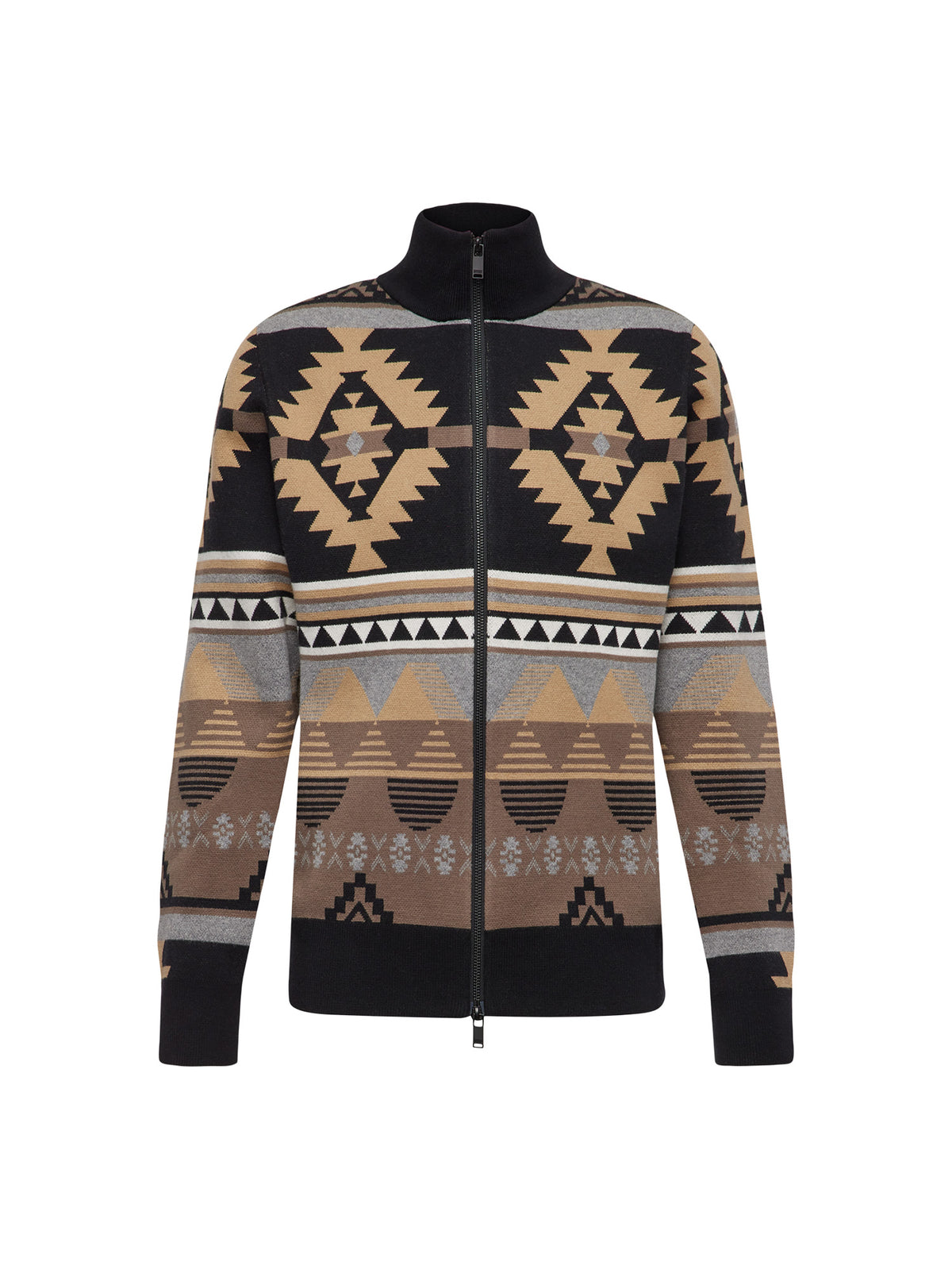
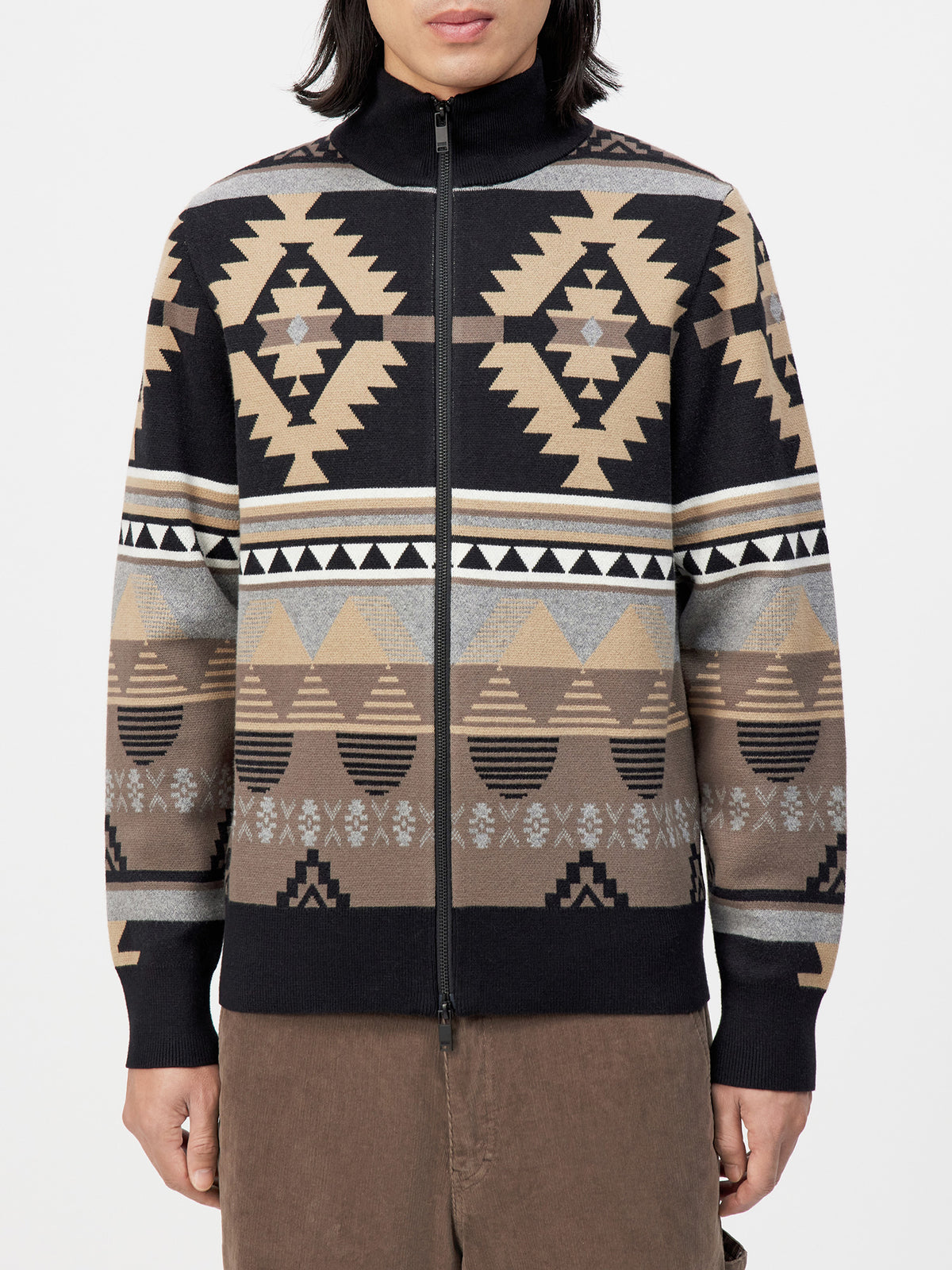
A cardigan can be opened, changing its proportions. The button or zipper line becomes a visible detail, while the shirt or top underneath gets more space. This can be practical if you switch between different temperatures throughout the day. Check how the jacket drapes both open and closed. A model should fit consistently in your preferred wearing style.
Comparing Finer and Coarser Knits
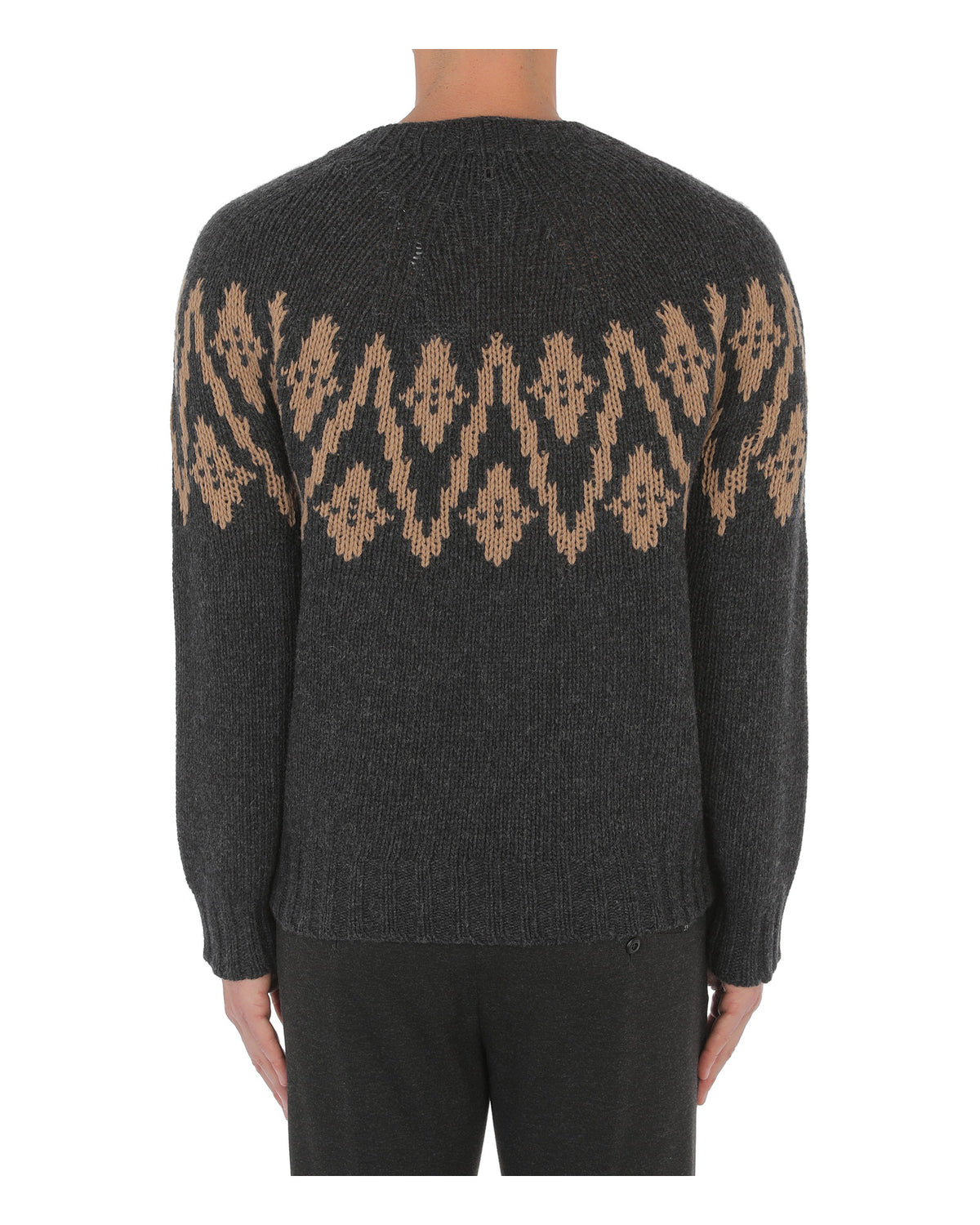
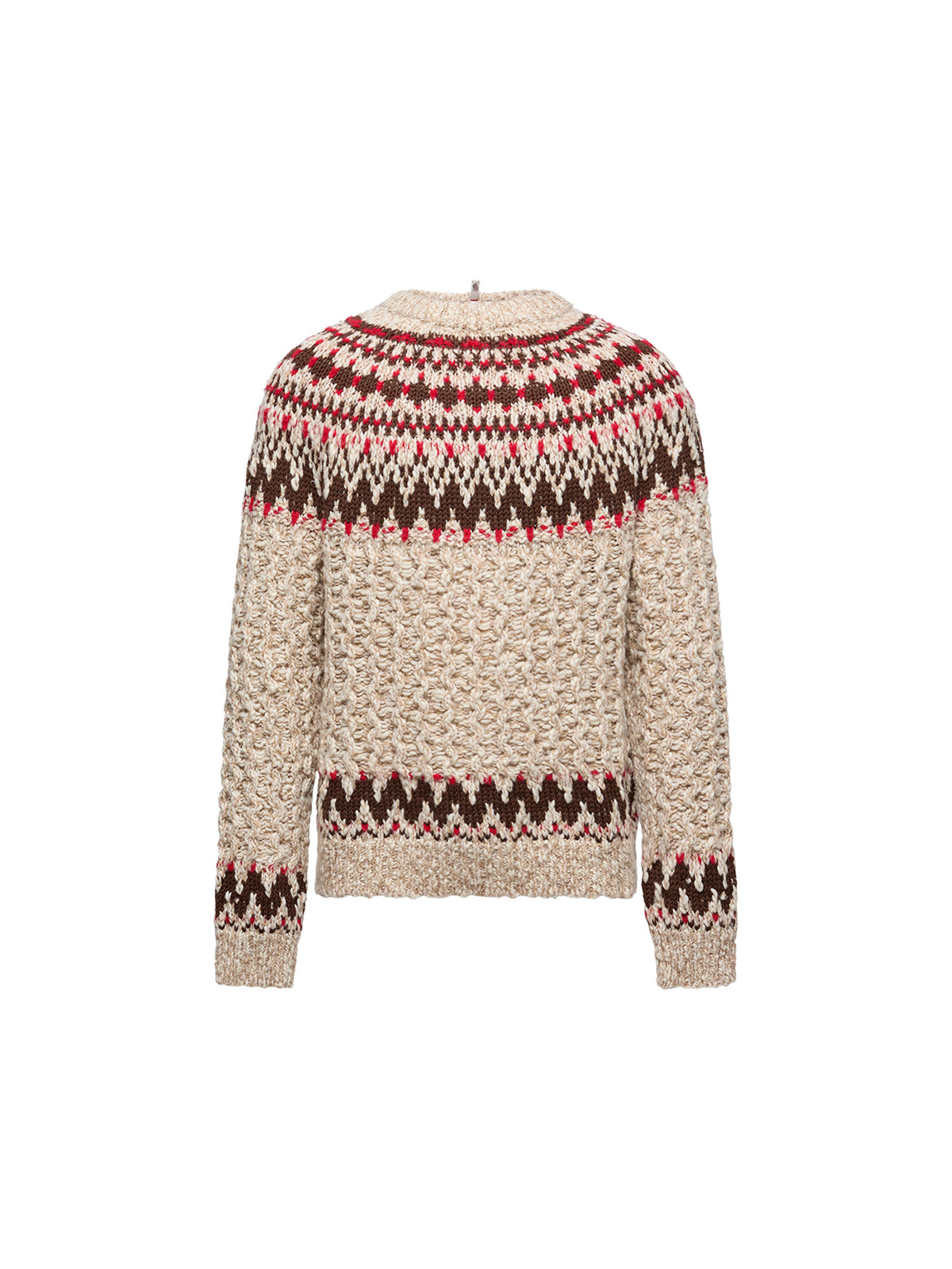
A finer knit can create a smoother, calmer surface. It combines well visually with sharp shirt collars and less structured trousers. Larger stitches or pronounced ribs alter the surface more strongly and can give the top more presence. This design is primarily a matter of aesthetics; the actual warmth also depends on the material, construction, and thickness of the specific model.
Therefore, consider knitwear from multiple perspectives. How does it drape at the shoulder and chest? Does the waistband create a stronger finish or does the hem fall loosely? How much volume is there under your jacket? A distinct knit pattern can contrast with smoother surfaces, while multiple strong textures create a deliberately different overall look. Choose based on which part of your combination should be the focal point.
Reading Fibers and Blends on the Specific Model
The material composition is an important part of the comparison but does not solely describe the complete wearing comfort. Wool, cotton, or different blends can be processed into very different yarns and knit types. Two tops with a similar fiber content do not necessarily have to be equally thick, soft, or loose-fitting. Look at the entire product information and the visible construction.
If you are sensitive to certain surfaces, include the planned base layer. A shirt with a suitable neckline can change direct skin contact in many areas, but the sweater collar may still be noticeable at the neck. Evaluate these areas during fitting. General statements about an entire brand or fiber type do not replace your specific wearing comfort.
Neckline, Collar, and Fastening Change the Combination
A crew neck creates a different frame than a higher collar or a partially opening front. Over a shirt, there should be enough space so that its collar is not uncomfortably compressed. If you wear a T-shirt underneath, you can decide whether its hem should be visible. Small differences at the neck change the impression of the entire top.
With a cardigan, the position of the buttons or zipper plays a role. A closed form can structure the upper body more strongly, an open line can show the color underneath. Pay attention to whether the front bunches up when sitting or falls comfortably. Pockets can also influence the fabric drape, especially if you actually use them for small items.
Assessing Shoulder, Sleeves, and Cuffs Together
The correct size is not only evident in the chest width. Check how the shoulders move and whether the sleeves fit the desired length. A lower-set sleeve can be part of a loose fit; pronounced tension at the seams, however, is not a necessary characteristic of close-fitting clothing. Move your arms forward and cross them briefly to better assess the fit.
Cuffs determine how sleeves and hem end. A tighter finish can gather volume above and deliberately shape the silhouette. A looser finish falls differently and can show more length. Compare the knitted piece together with your trousers to assess the transition at the waistband. Even when sitting, the combination should match your desired wearing comfort.
Coordinating Knitwear with Jackets and Other Tops
Under men's jackets, knitwear needs enough room, especially at the upper arms and shoulders. The outer layer should be able to close without heavily compressing the sweater. Also, try how collars and hoods interact. A high knit collar can create more volume with a high jacket collar than you might initially expect.
A hoodie or sweatshirt offers a different surface effect than visible knitwear. If you are looking for this style, the selection of hoodies and sweaters provides the appropriate comparison. Knitwear does not automatically have to look formal, and sweat is not solely for sports due to its name. The decisive factors are design, specific features, and the way you combine the pieces.
Washing and Drying Wool Knitwear
For wool knitwear, the care label is the starting point. The allowed treatment can vary depending on the yarn, blend, and processing. Woolmark recommends drying knitwear flat after washing, unless the care label specifies a suitable dryer treatment. Gently lay the item in its shape instead of hanging it on a hanger while wet, where its own weight can stretch it.
Direct heat from heaters and strong sun are not good shortcuts when drying wool knitwear. A suitable flat surface and model-specific instructions help maintain the intended shape. Also, choose detergents and washing methods according to the label. A general temperature recommendation for all sweaters would not do justice to the different materials and designs.
Pilling and Storage in Everyday Life
Pilling refers to small fiber knots that can form due to friction, among other things. On wool clothing, they are often noticeable at contact points, such as on the sides or under the arms. Their formation depends on several factors. A single glance at such knots, therefore, does not allow a comprehensive statement about all properties of a knitted piece.
Woolmark describes careful removal with suitable tools as a possible care method. Proceed gently and observe the instructions for the specific garment so that you do not pull at the knit pattern. For storage, Woolmark recommends storing knitwear loosely folded. This prevents the weight from permanently hanging on the shoulders of a hanger and helps maintain your preferred shape better.
Finding the Knitwear You Will Frequently Combine
Finally, don't just choose based on a single soft or striking impression. Think about the combinations you want to wear regularly and check the neck, sleeves, waistband, and care requirements together. A well-chosen knitted piece can complement a simple shirt, give a shirt another texture, or find its place under the right jacket. It is crucial that the shape and handling suit your everyday life.
04At FREUDENHAUS
05Questions about the category