





Men's shirts for relaxed and smart looks
Tucked into trousers, open over a shirt or layered under knitwear: men's shirts can be integrated into your everyday life in a variety of ways. Discover suitable styles at FREUDENHAUS Obertauern and compare collars, shoulders, lengths and fabrics. The best selection begins with the combination in which you would most like to wear your new shirt.




A men's shirt to suit your everyday life
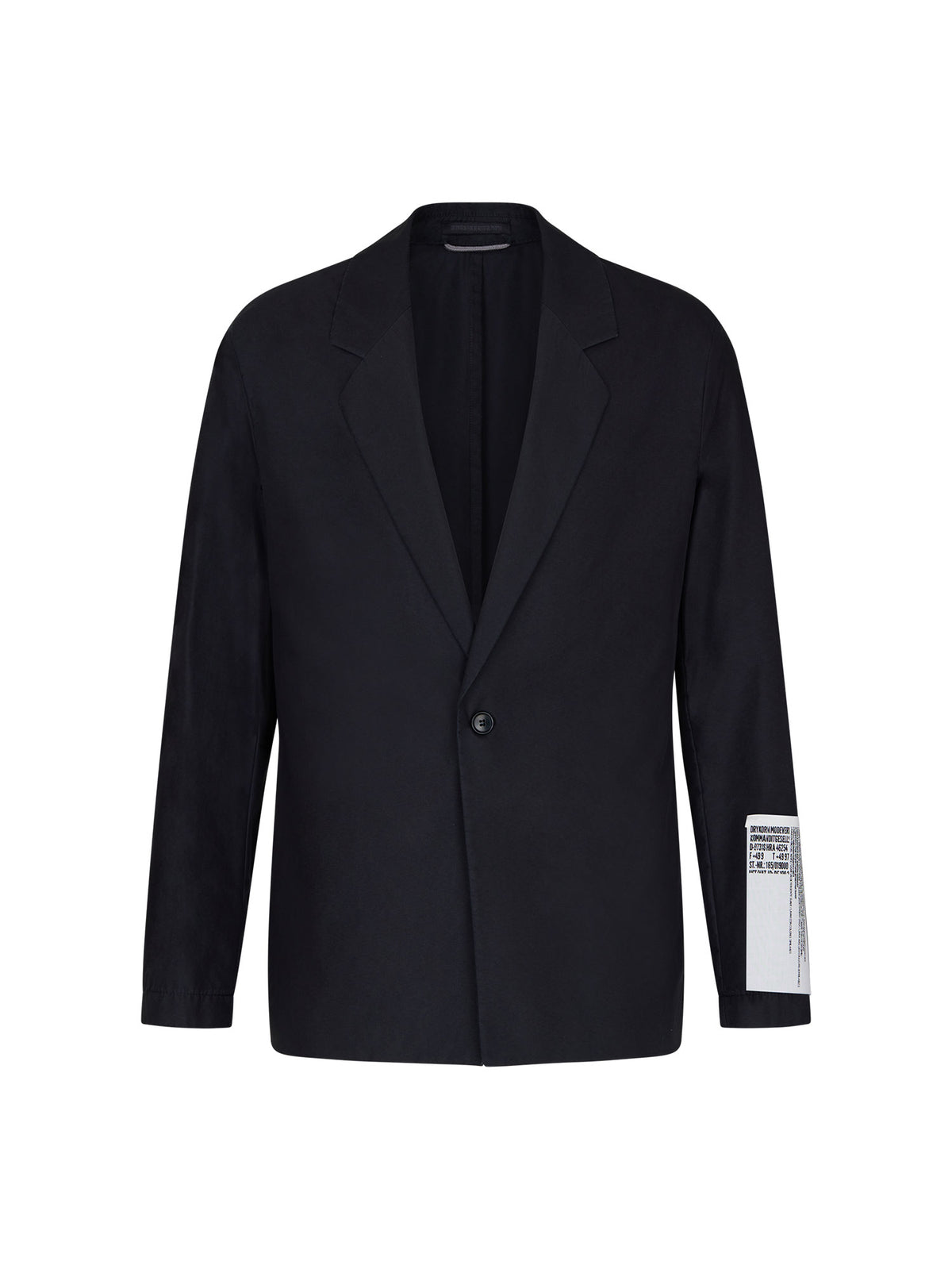
A shirt can structure an uncomplicated casual outfit or make a combination appear more deliberately well-groomed. What matters is the role you want to give it. Do you wear it mostly buttoned up with trousers, open over a shirt, or under knitwear? This question influences the choice of width, length, and fabric. At FREUDENHAUS Obertauern, you can compare men's shirts with your personal daily routine and existing favorite pieces in mind.
First, imagine a complete combination. A shirt for slim trousers and a short jacket may need different proportions than one that is to be worn open over a loose T-shirt. Color and pattern can define its character; for frequent use, however, the fit at the shoulders and chest, as well as the arm mobility, are just as important. A well-fitting shirt connects these points without you having to tug at it with every movement.
Casual look or well-groomed appearance?
A casually worn shirt often thrives on a relaxed silhouette and a fabric whose surface is visibly part of the look. You can combine it with jeans, plain casual trousers, or over a simple base layer. A more polished impression is created, among other things, by clear lines, a deliberately chosen length, and a neatly fitting collar. This does not mean that only a certain color or fabric is suitable.
Consider how formal the occasion actually is. For an ordinary day or a relaxed meal, a well-thought-out combination of shirt, matching trousers, and shoes is often sufficient. If, however, you need an explicitly formal outfit, its requirements must be considered separately. The term "shirt" does not imply a complete business or occasion wardrobe. The specific design and the desired context remain crucial.
The shoulder as a starting point for the fit
The shoulder line influences how the sleeves and torso fall. In a classically designed cut, it should match the intended position on the body; in a deliberately wider design, it can sit lower. Therefore, do not judge every shape based on the same seam position. Look at the described fit and whether the overall proportion meets your expectations.
Button the shirt and bring your arms forward as if you were reaching for something. In the chest and back area, the movement should match the intended cut. If the buttons pull apart significantly or the fabric stretches tightly, the fit at this point is not right. More width can help, but sometimes a different cut is better than a larger size with unnecessarily long sleeves.
Also check the posture when sitting. Especially if you frequently wear the shirt at a desk or during long meals, the fabric drape changes compared to standing. The waistband area and button placket should remain comfortable. Compare a well-fitting shirt of your own using the same measurements, instead of simply adopting a familiar size designation.
Consciously choose collar and neckline
The collar frames the face and largely determines the overall effect. It can be more compact or more expansive and may look different when open than when closed. Try the number of open buttons as you intend to wear the shirt later. A collar that sits neatly when closed can develop a significantly different shape when opened.
If you wear a shirt underneath, its neckline plays a role. A visible crew neck can create a clear, casual line; a completely hidden undershirt allows the shirt to stand out more on its own. Under a sweater, the collar should have enough space and not fold over unintentionally. Therefore, decide based on the intended combination, rather than evaluating the detail solely from the product image.
Understanding fabric surface and material specifications
Material composition and weave together determine how a shirt drapes and feels. A fabric that appears lighter can drape more fluidly, while a distinct structure can give the shirt more visual presence. These differences influence whether it is more suitable for you as a standalone top or as an open additional layer. The fiber designation alone does not explain every property of the finished fabric.
Therefore, pay attention to the complete model specifications and the visible craftsmanship. Pockets, button placket, and hem can enhance or calm the impression. If you often want to wear the shirt under a tighter jacket, the resulting volume also plays a role. For changing temperatures, the ability to wear the shirt open or easily remove it may be more important than a general assignment to summer or winter.
Over the trousers or tucked in
The hem shape and overall length influence which way of wearing it looks most harmonious. A shorter shirt can create a clear finishing line outside the trousers. A longer, rounded hem can be arranged differently and may provide more hold when tucked in. Whether this works for you additionally depends on body proportions, trousers, and the desired silhouette.
Try wearing it with your trousers. When tucked in, there should be enough fabric for movement without an annoying amount of volume accumulating at the waistband. When worn outside the trousers, it's worth looking from the side and back: the length can appear different there than from the front. A belt, visible pockets, or the waistband of the trousers further change the transition.
Combining open over a T-shirt
An open shirt can transform a simple base of T-shirt and trousers. The underlying color becomes a visible surface that interacts with the collar, button placket, and sleeves. If the shirt has a pattern or strong texture, a plainer shirt can organize the combination. With a simple shirt, however, a clearer contrast is also possible.
Pay attention to the lengths of both tops. A visibly longer shirt creates a different look than a base layer that ends underneath. The combination should also remain comfortable at the sleeves, especially if you are also wearing a jacket over it. Multiple layers do not have to be tight, but should maintain a comprehensible proportion. Wearing it open also does not replace a suitable shoulder and back shape.
Distinguishing between a shirt, overshirt, and jacket
An overshirt is intended as an additional shirt layer and can be closer to a light outer layer due to its cut, fabric volume, or details. A normal shirt can also be worn open, but does not automatically take on the same role. The specific design is crucial. Choose based on how much space you need underneath and whether the item is primarily used indoors or as an additional layer.
A jacket, in turn, follows a different construction and design idea. The common combination over a shirt does not make the two garments identical. If you are looking for a specific outer silhouette, the exact product designation is therefore worthwhile. Within your casual wardrobe, different shapes can make sense side by side, as long as you clearly define their respective functions.
Care and size decisions go hand in hand
Before purchasing, check the care instructions for the specific shirt. Washing, drying, and, if necessary, ironing must match the material blend and processing. A treatment that works for another shirt cannot be easily transferred. If you want minimal effort, evaluate the explicitly described properties and your own demands on the surface effect.
Finally, choose based on the combination in which you intend to wear the shirt frequently. For further ideas, men's casual wear leads to suitable tops and trousers. A shirt becomes particularly versatile if the shoulder, length, and collar complement several of your existing pieces. This way, it does not remain an isolated purchase, but gets a clear place in your wardrobe.
04At FREUDENHAUS
05Questions about the category