





Men's T-shirts with the perfect fit for you
A good t-shirt suits your figure and the pieces you like to combine it with. Discover men's t-shirts at FREUDENHAUS Obertauern and compare cuts, necklines, sleeves, and fabric effects. Whether it's a subtle basic, a striking print, or a polo: choose the style that creates the desired look on its own or under your next layer.


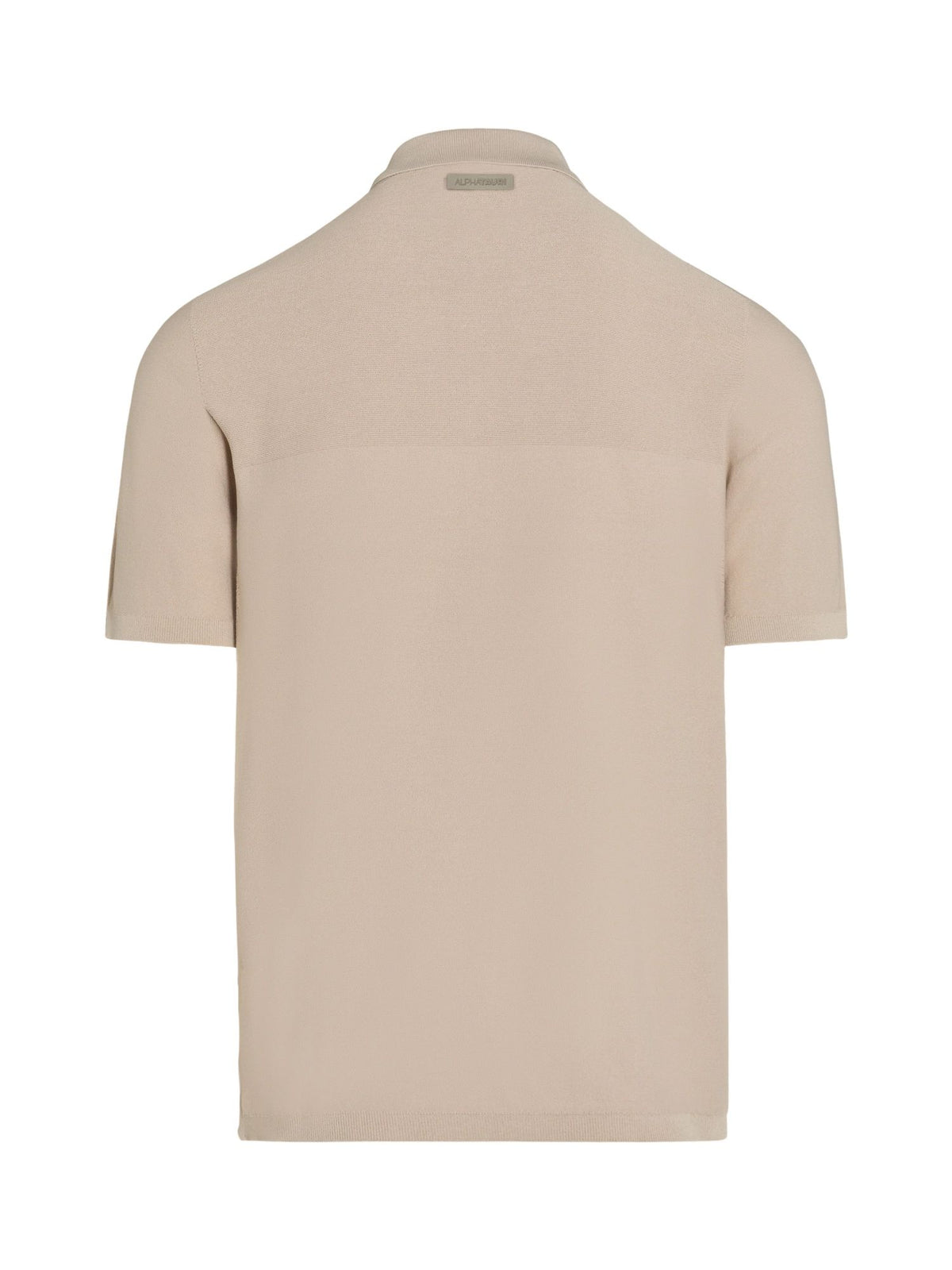


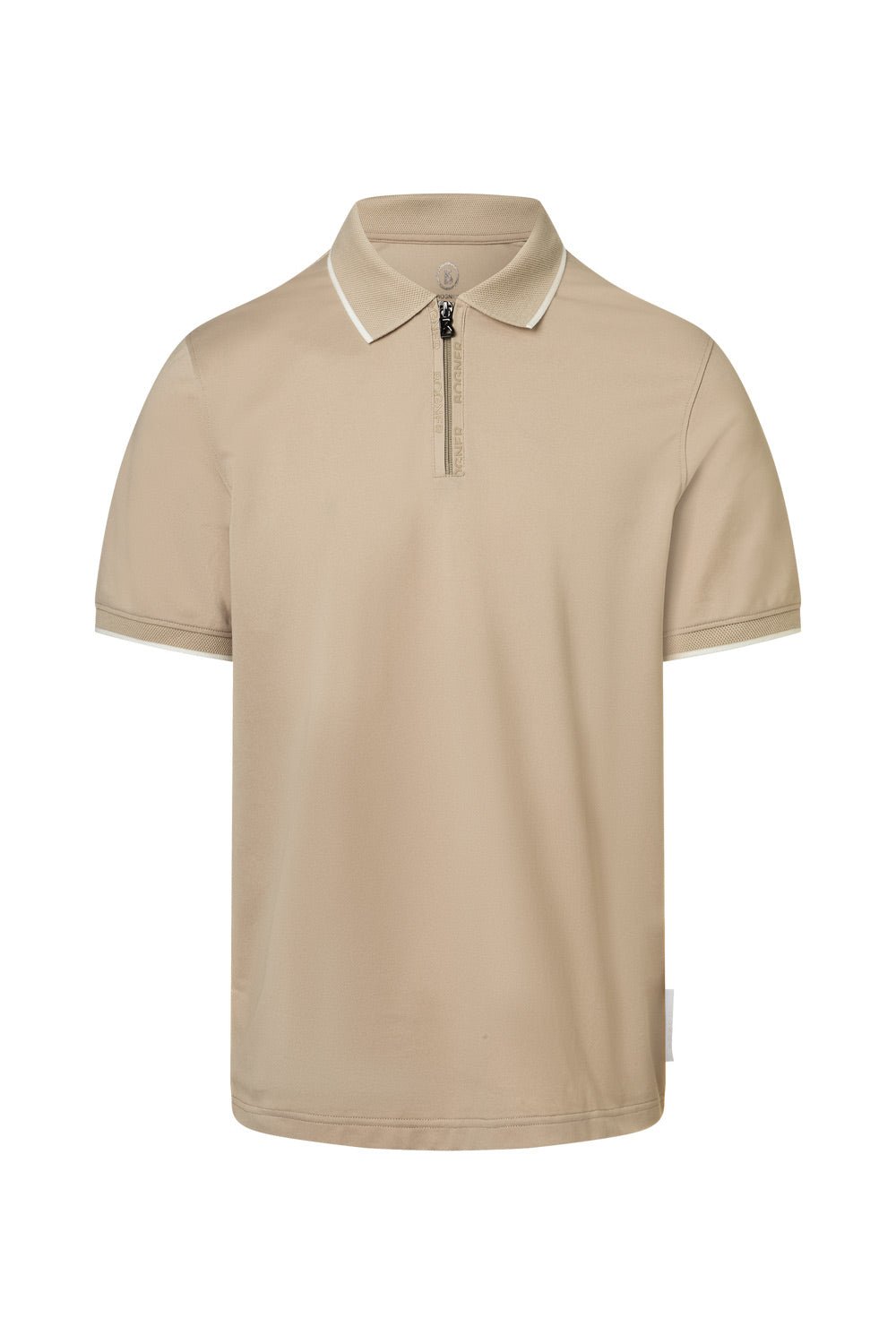
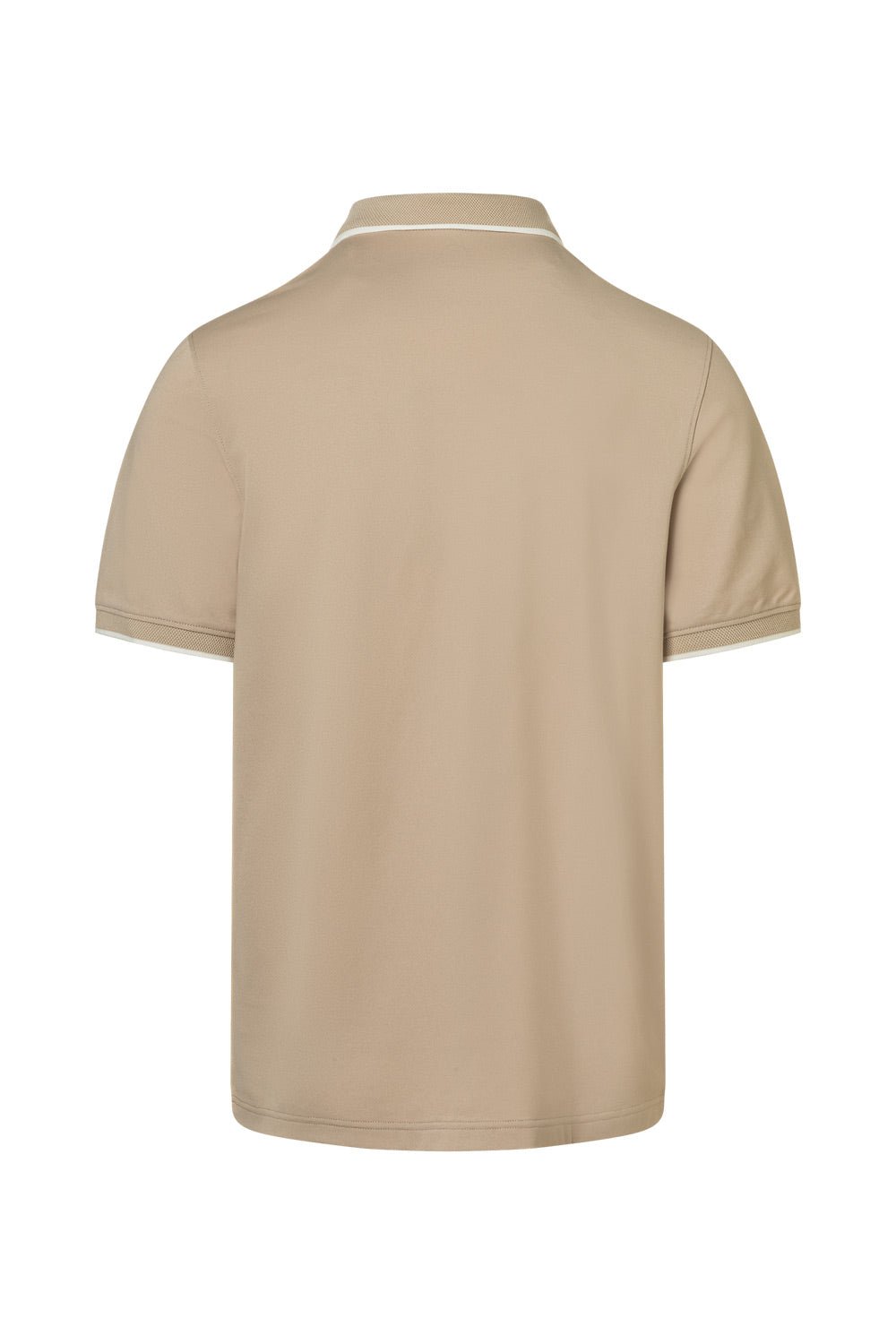
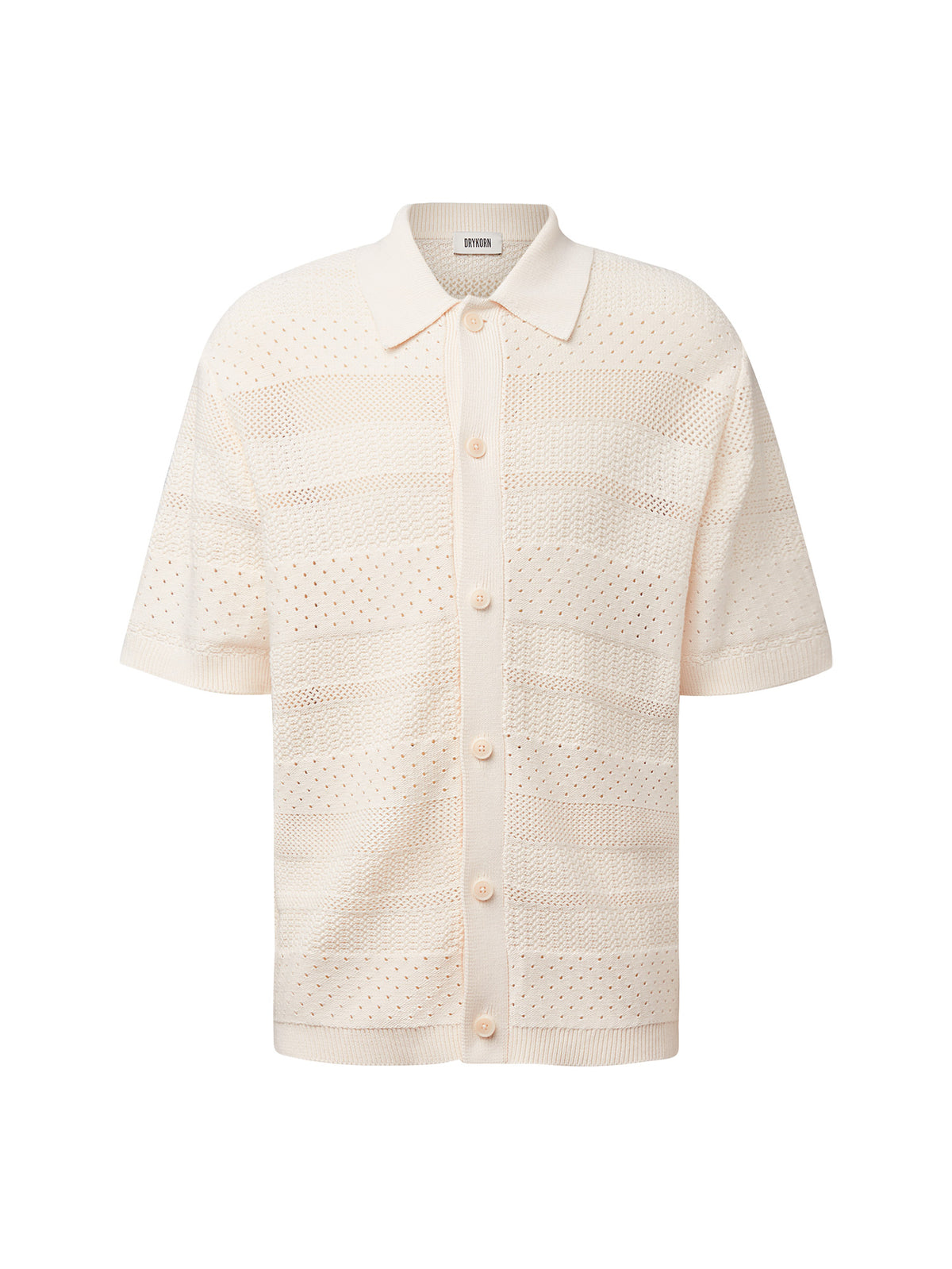


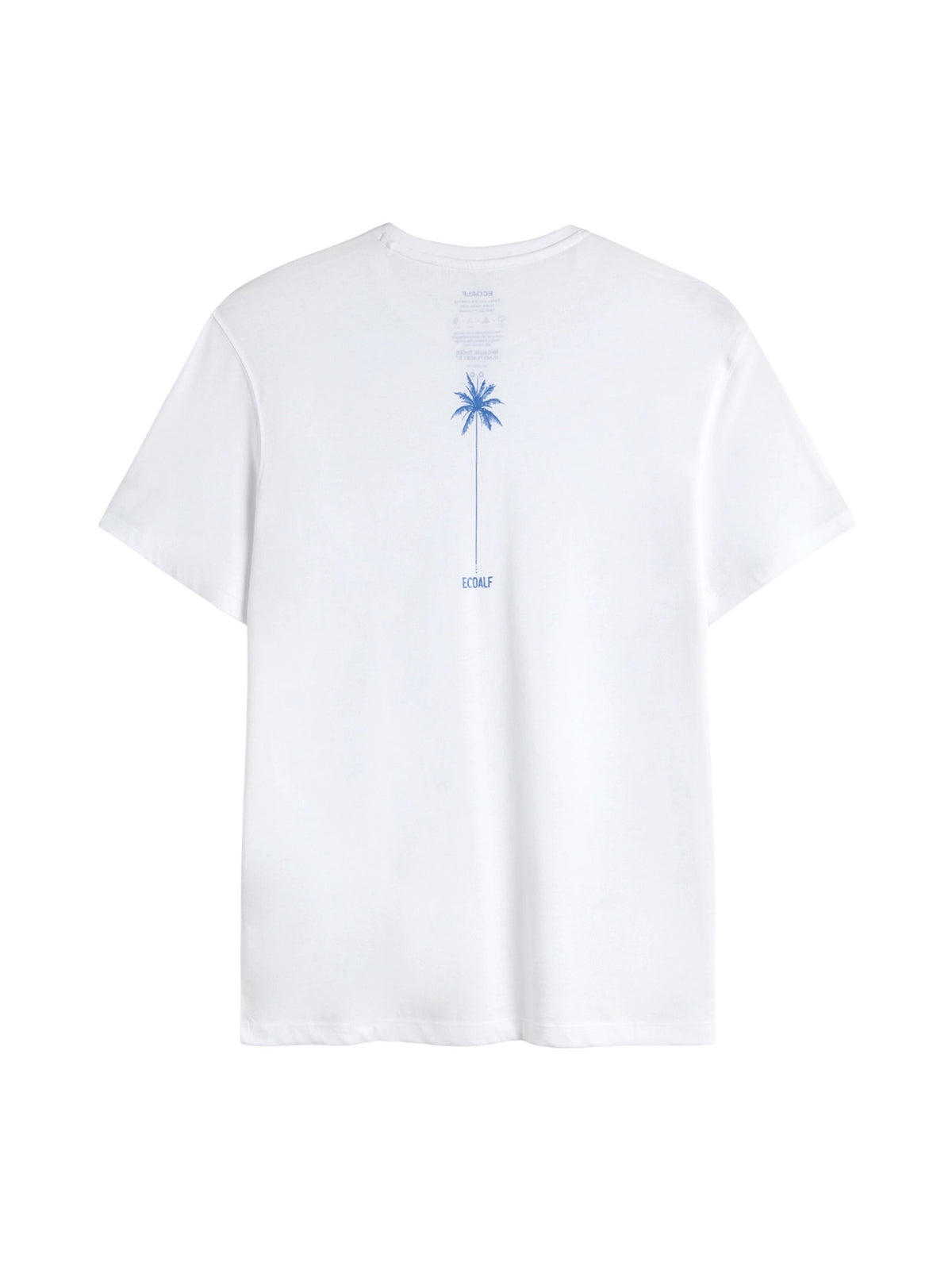


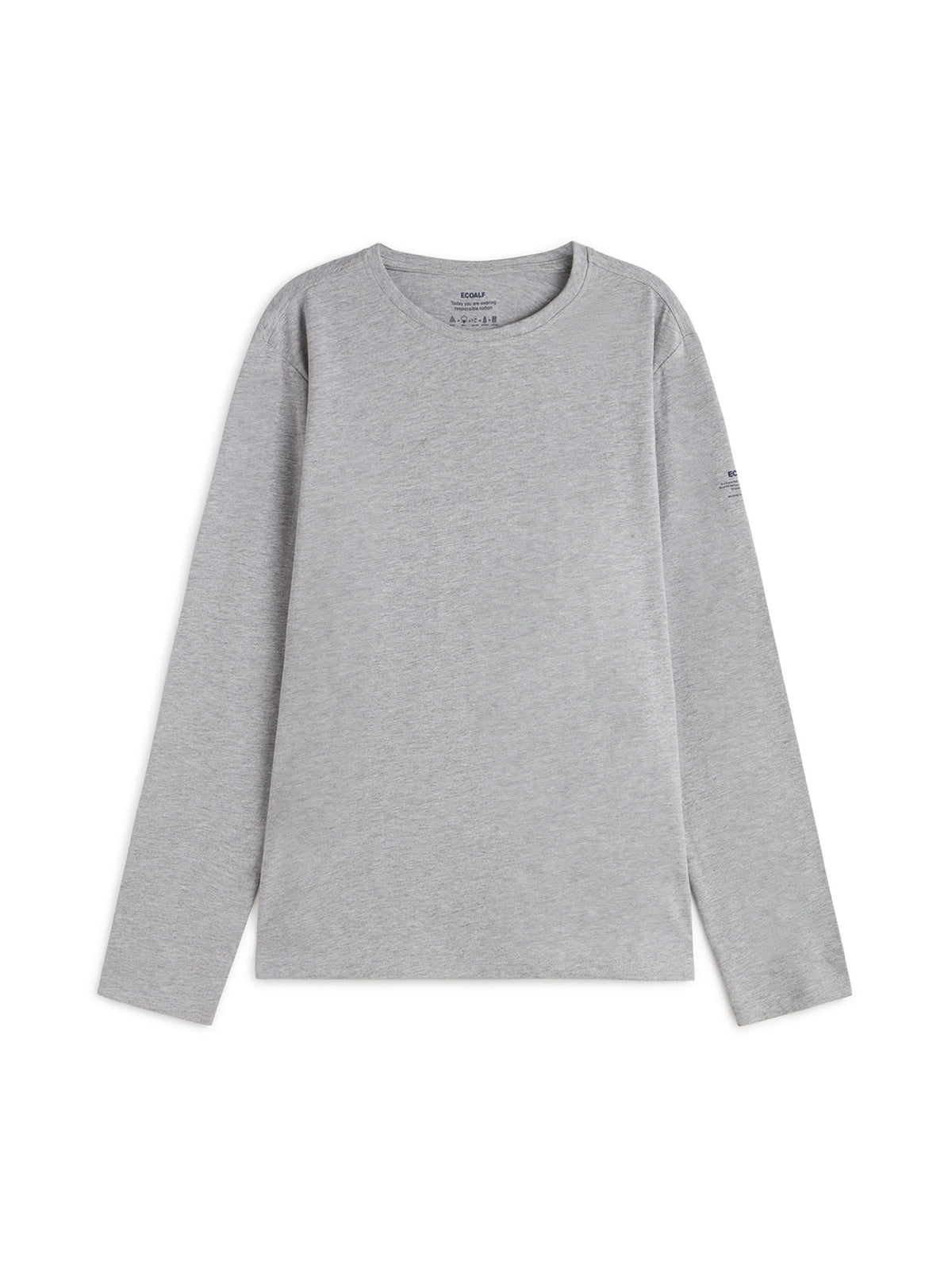
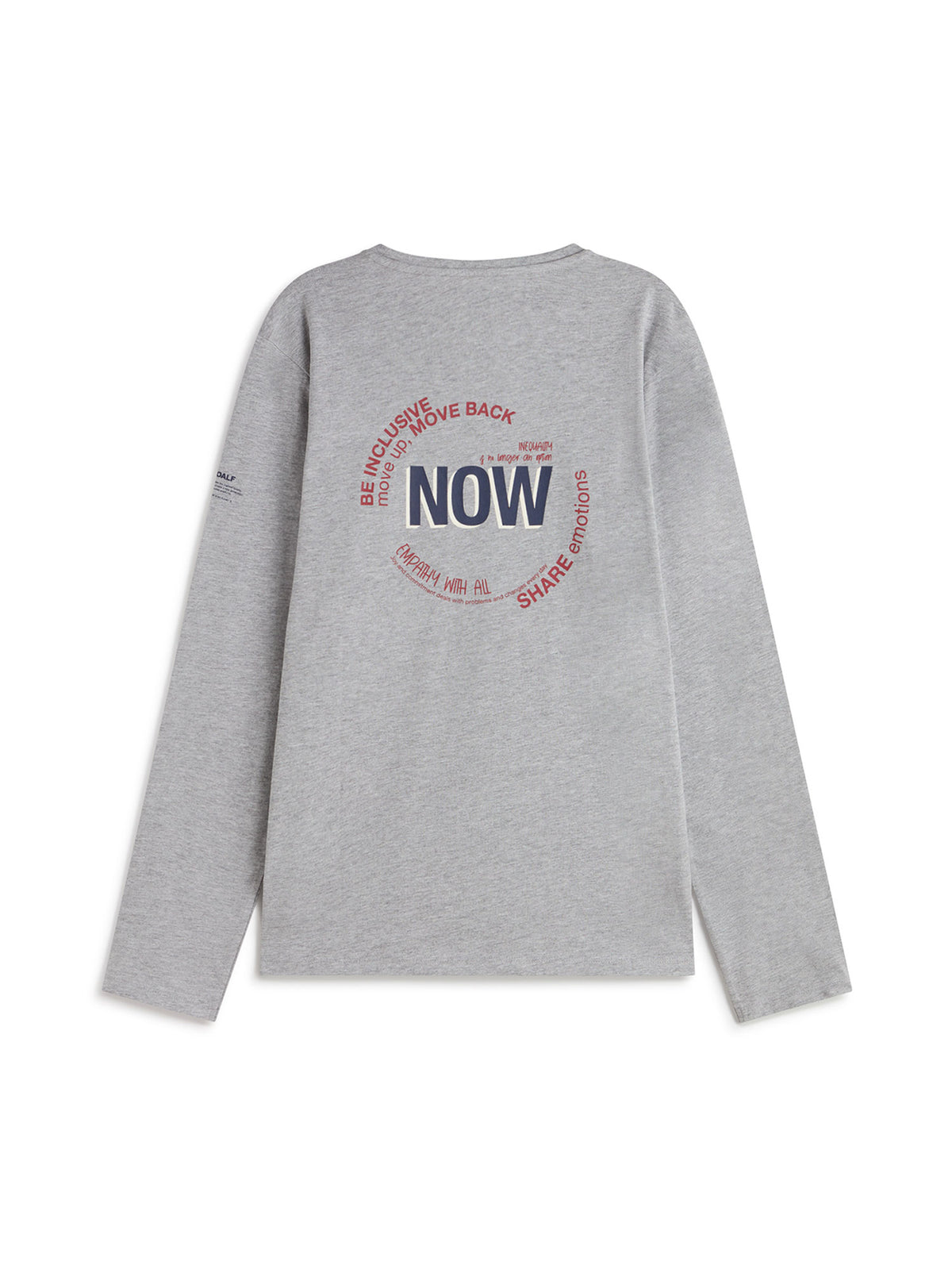


The T-shirt as a consciously chosen basic
A T-shirt is one of the most uncomplicated tops for everyday wear. This is precisely why it's worth taking a closer look: the shoulder, neckline, sleeve length, and hem influence its effect more than the simple shape initially suggests. A single model can carry an outfit on its own or serve as a calm base under another layer. Before choosing, consider which of these tasks is most important to you and what trousers you want to combine the shirt with.
At FREUDENHAUS Obertauern, you can compare men's T-shirts based on this intended use. A loose fit for casual days has different proportions than a more body-hugging model worn under a shirt. A polo shirt also creates a different accent with its collar. Therefore, start with the shape and not exclusively with the color. If the silhouette suits you, the other details can be judged more specifically.
Regular, body-hugging or deliberately loose?
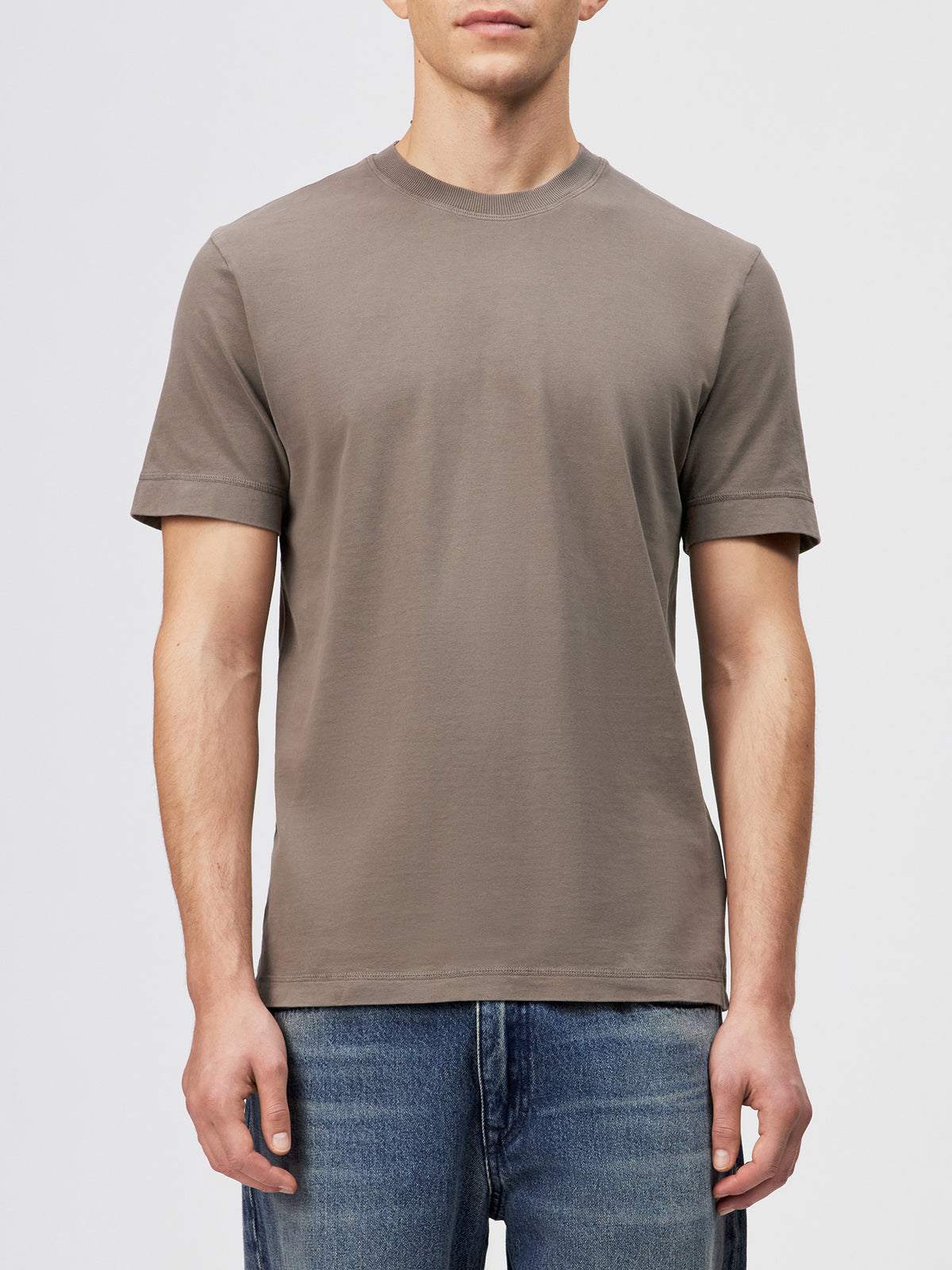
A body-hugging cut emphasizes the torso more clearly and can create less volume under other garments. A regular fit allows more room without necessarily appearing very wide. A deliberately loose or "oversized" shirt plays more with the shoulder line, sleeves, and overall length. These terms are helpful indicators, but their implementation can vary between models.
Choose the fit according to the desired impression and how it feels to wear. Simply buying several sizes larger does not automatically result in the same proportions as a deliberately loose cut designed for that purpose. Perhaps only the hem will be longer, while the neckline or sleeves sit differently than desired. Therefore, compare several measurements together and refer to a shirt of your own whose shape you enjoy wearing.
Check the fit even when moving. When you raise or extend your arms, the T-shirt should move with you according to its intended shape. A tight sleeve can be bothersome, even if there is enough room on the body. Conversely, too much fabric under a jacket worn over it can be impractical. The right size is the one where the overall proportions match your intended use.
Neckline and shoulder define the frame
The neckline draws attention to the face and changes how much of the neck and collarbone remains visible. A higher round neck has a different effect than a wider open neckline. Assess it as you actually intend to wear the shirt: alone, under an open shirt, or as a visible layer under knitwear. Each combination creates a different frame.
The shoulder line contributes to whether the top appears compact or relaxed. A lower-set shoulder also shifts the start of the sleeve. Therefore, don't just look at where the seam is, but how the sleeve falls overall. A harmonious neckline can do little to compensate if the rest of the shape contradicts your desired look.
Align sleeve length and hem with trousers
A shorter sleeve emphasizes a different proportion than a longer, wider-cut finish. The width at the upper arm also changes the picture. When trying it on, look from the front and the side to see how the fabric lies. If you often wear the shirt under a shirt, the sleeve should fit comfortably underneath without bunching up uncomfortably.
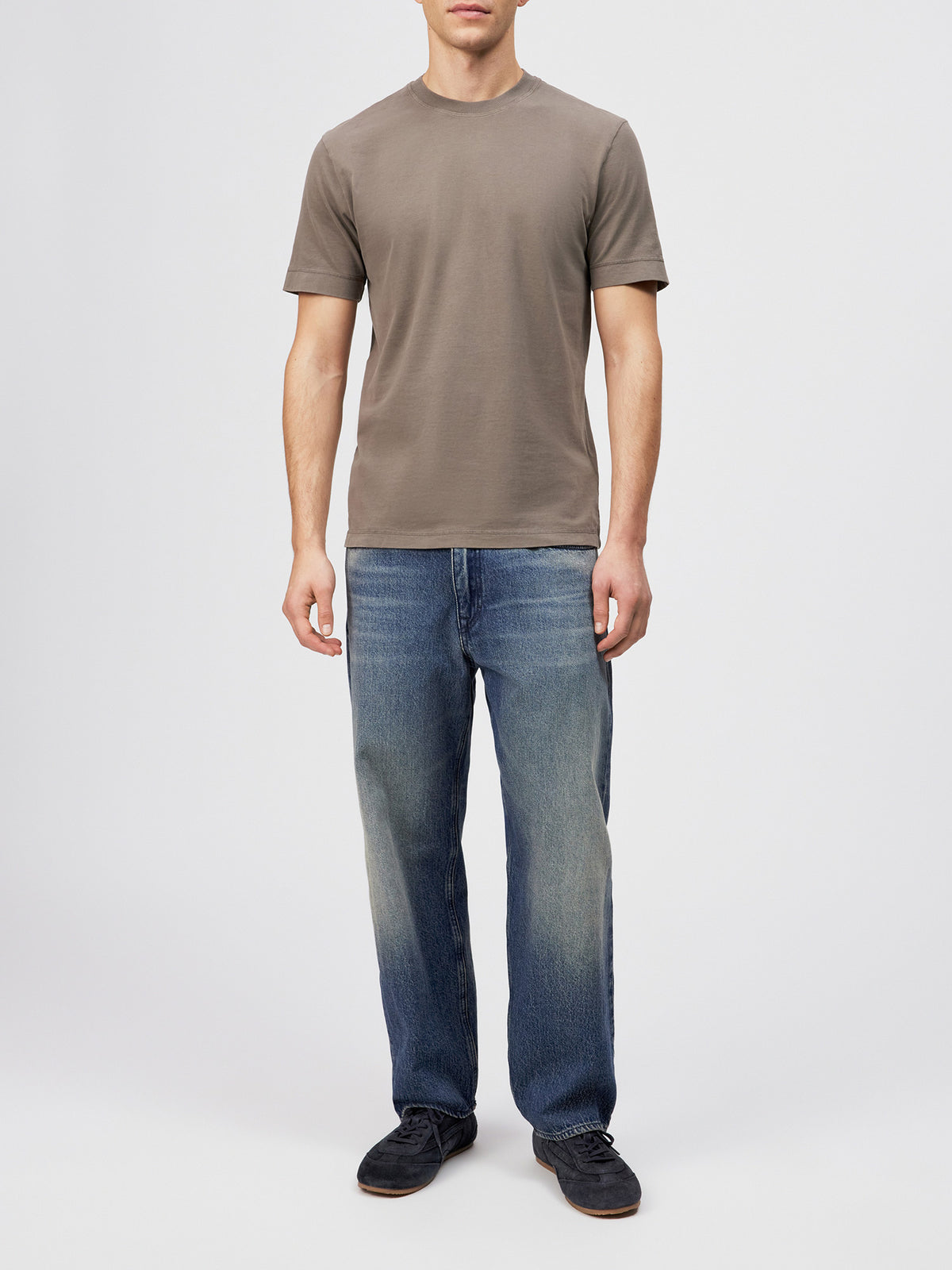
For the hem, your trousers are the most important reference point. A shorter shirt makes the waistband and pockets more visible, while a longer one covers more of them. Tucked in, a different silhouette is created. Deliberately try on your preferred way of wearing it, and also sit down. An outfit should not only work in a static front view.
Read fabric feel and material composition together
A T-shirt can appear smooth, more compact, or visibly structured. Material blend, fabric construction, and processing all contribute to this. Therefore, stating a single fiber does not automatically tell you how thick, opaque, or soft the finished shirt is. The presentation under different light can also change the impression. Therefore, pay particular attention to light colors if you want to wear the top without another layer and a certain opacity is important to you. Use the complete description and product views to better classify the specific design.
For a shirt worn on its own, a specific surface effect may be particularly important to you. As the lowest visible layer under an open top, however, the resulting volume and neckline also play a major role. Consider whether you are looking for a lightweight base or a more prominent top. This distinction is more helpful than a blanket decision based solely on "summer" or "winter" designations.
Consciously use plain, logo, and print
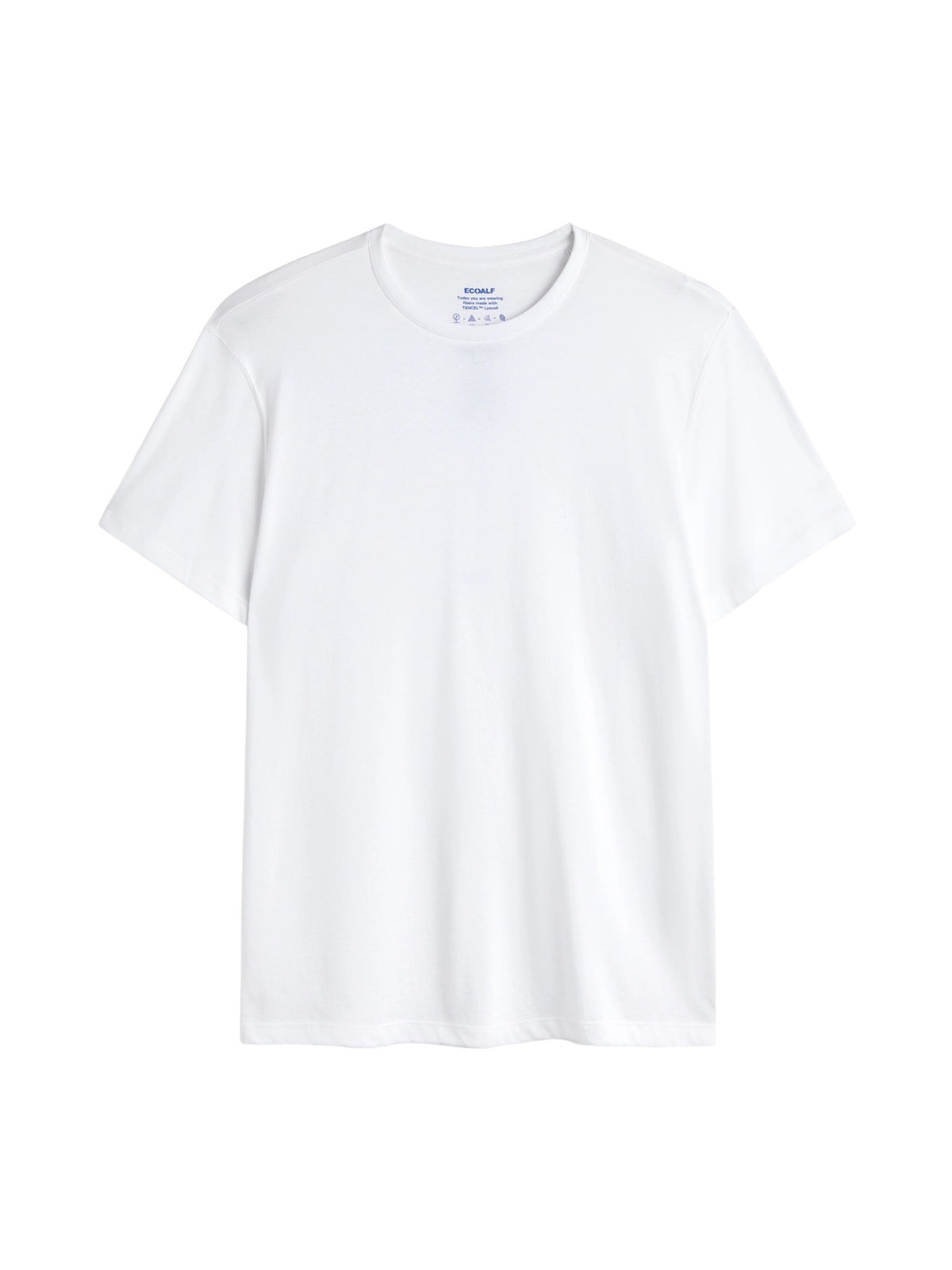
A plain-colored shirt can connect different trousers and outer layers. Not every neutral color has the same effect: a light top creates a clear contrast under a dark jacket, while a similar color tone brings the surfaces together more calmly. If you are looking for several combinable basics, think about the trousers you wear frequently rather than the largest possible number of different colors.
A logo or print gives the top its own focus. Position and size influence how visible this remains under an open shirt or jacket. A large motif can compete with other patterns; a smaller detail leaves more room for other pieces. Decide which component of the outfit should be the focal point. The other components can then support it.
A polo changes the effect at the neck
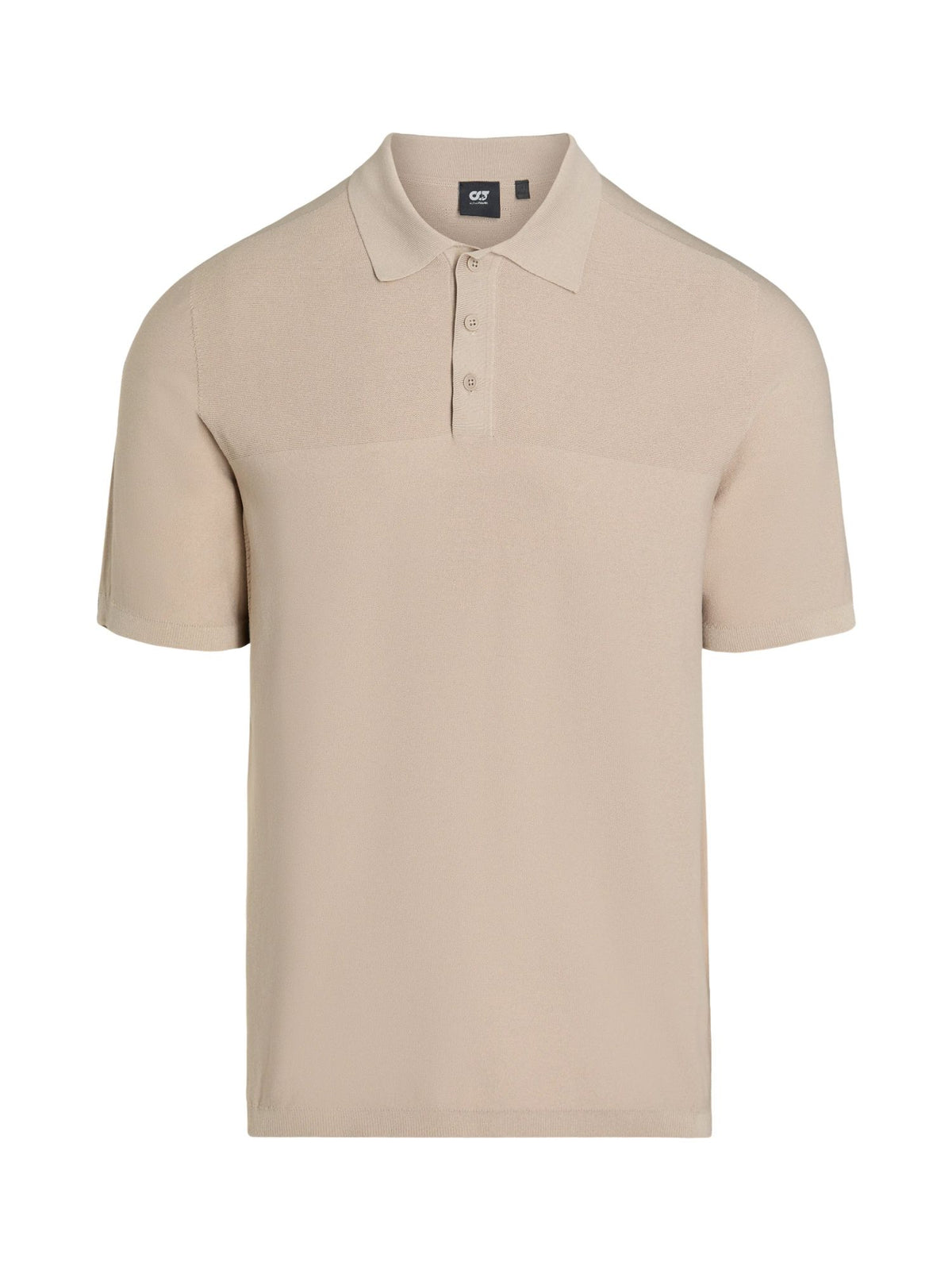
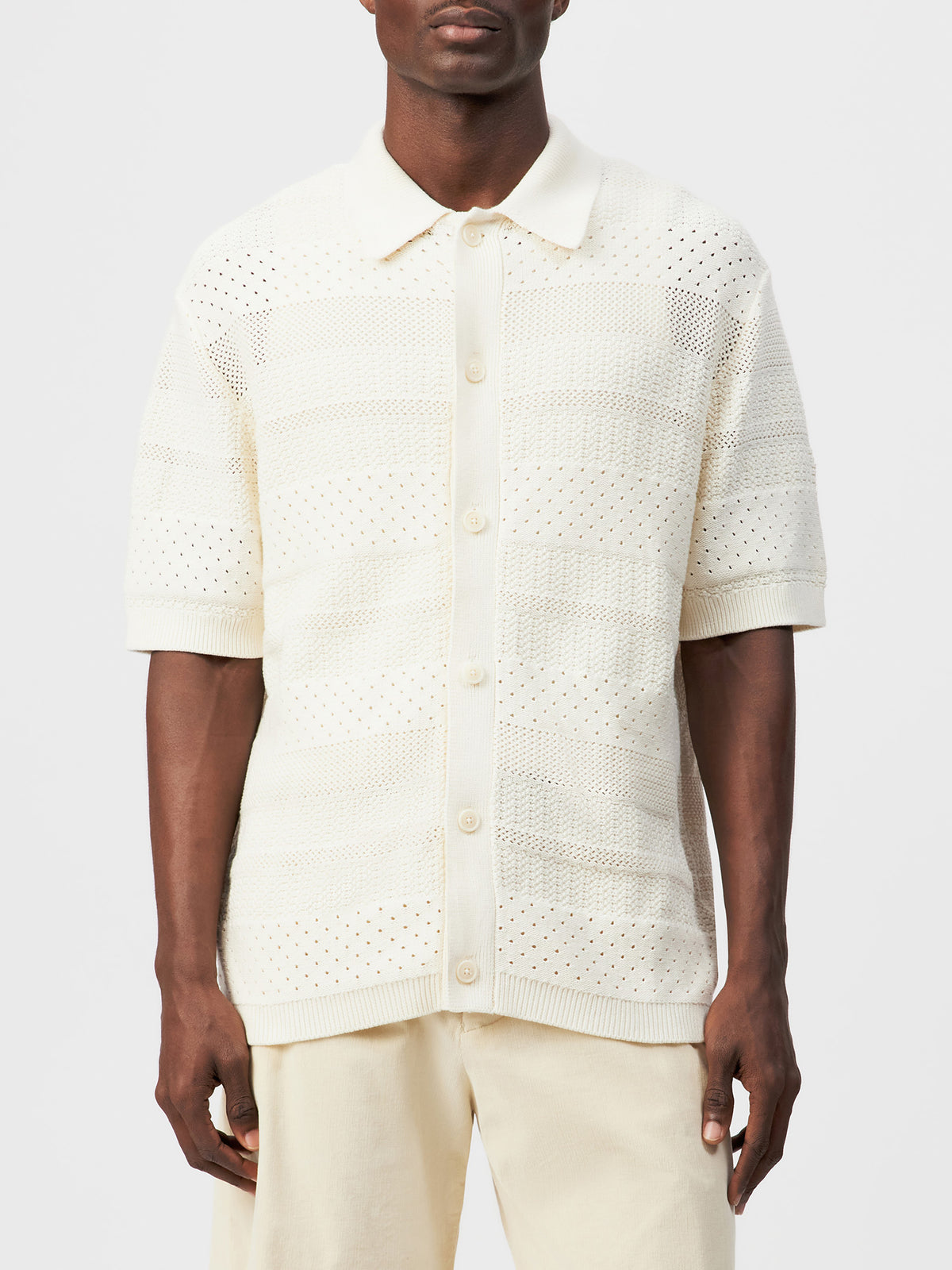
A polo shirt combines an uncomplicated top with a clearly visible collar and usually a short button placket. This creates a different line than a round-neck T-shirt. It can structure a calm casual combination without you having to wear a fully buttoned shirt. The specific effect still depends on the fabric, cut, and details.
Try on the collar and button placket in the desired way of wearing it. Open, the neck area falls differently than closed; under a jacket, it can again take a different position. Compare the length to your trousers and pay attention to whether the hem should be tucked in or worn over them. A polo is therefore a distinct style decision within uncomplicated tops.
Combine under a shirt, overshirt, or hoodie
A simple shirt can create a visible base under a men's shirt. Choose appropriate lengths and a neckline that works with the open collar. An overshirt often adds more fabric volume. Here, an underlying shape that allows enough freedom of movement and does not unnecessarily bunch up helps.
Under hoodies and sweaters, the T-shirt hem can deliberately remain visible or completely disappear. Decide based on the desired proportion. For athletic activity, there are also men's sports T-shirts, whose selection is based on the intended use. A casual shirt does not automatically become a functional training top by combining it with sportswear.
Check care, package contents, and variant
When comparing, note whether the offer includes a single shirt or an expressly described multi-pack. Images, color, and selectable size should match the specific design. The scope of the package cannot be deduced from several displayed views. This small check helps to compare truly comparable offers and select the desired model in the correct variant.
Care depends on the material and processing of the respective shirt. Especially with applied motifs or special surfaces, you should observe the accompanying instructions. Do not adopt washing or drying settings solely from experience with another top. If the shape, combination, and care fit your everyday life, a simple basic will become a frequently used part of your wardrobe.
04At FREUDENHAUS
05Questions about the category