





Choosing men's sports T-shirts based on cut and movement
Men's sports T-shirts move with you. Compare sleeves, neckline, and back length, as well as material and intended use. Here you will find help in choosing a suitable top to go with sports pants or shorts, and for layering, without equating a sporty design with identical function in every shirt.


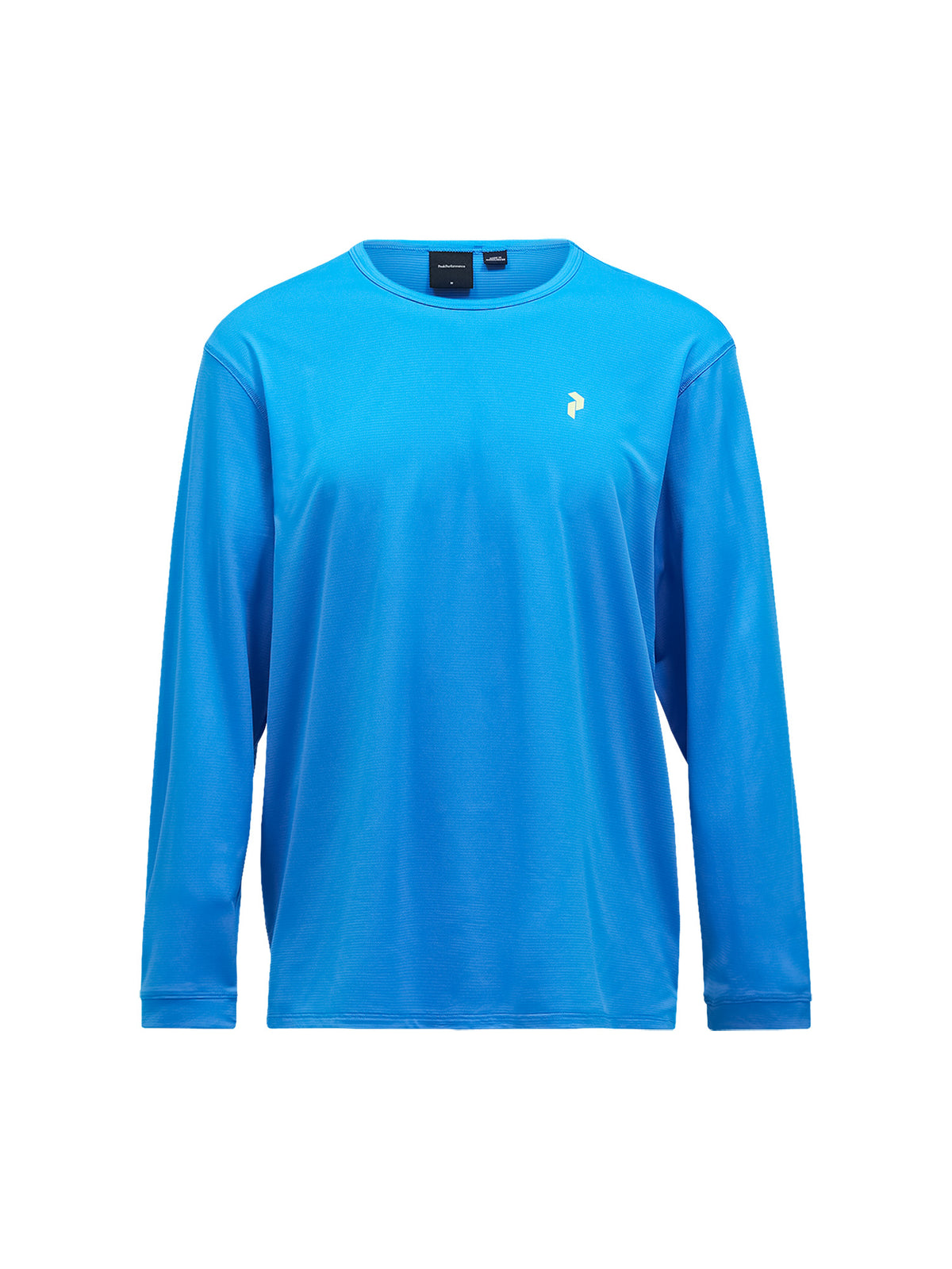


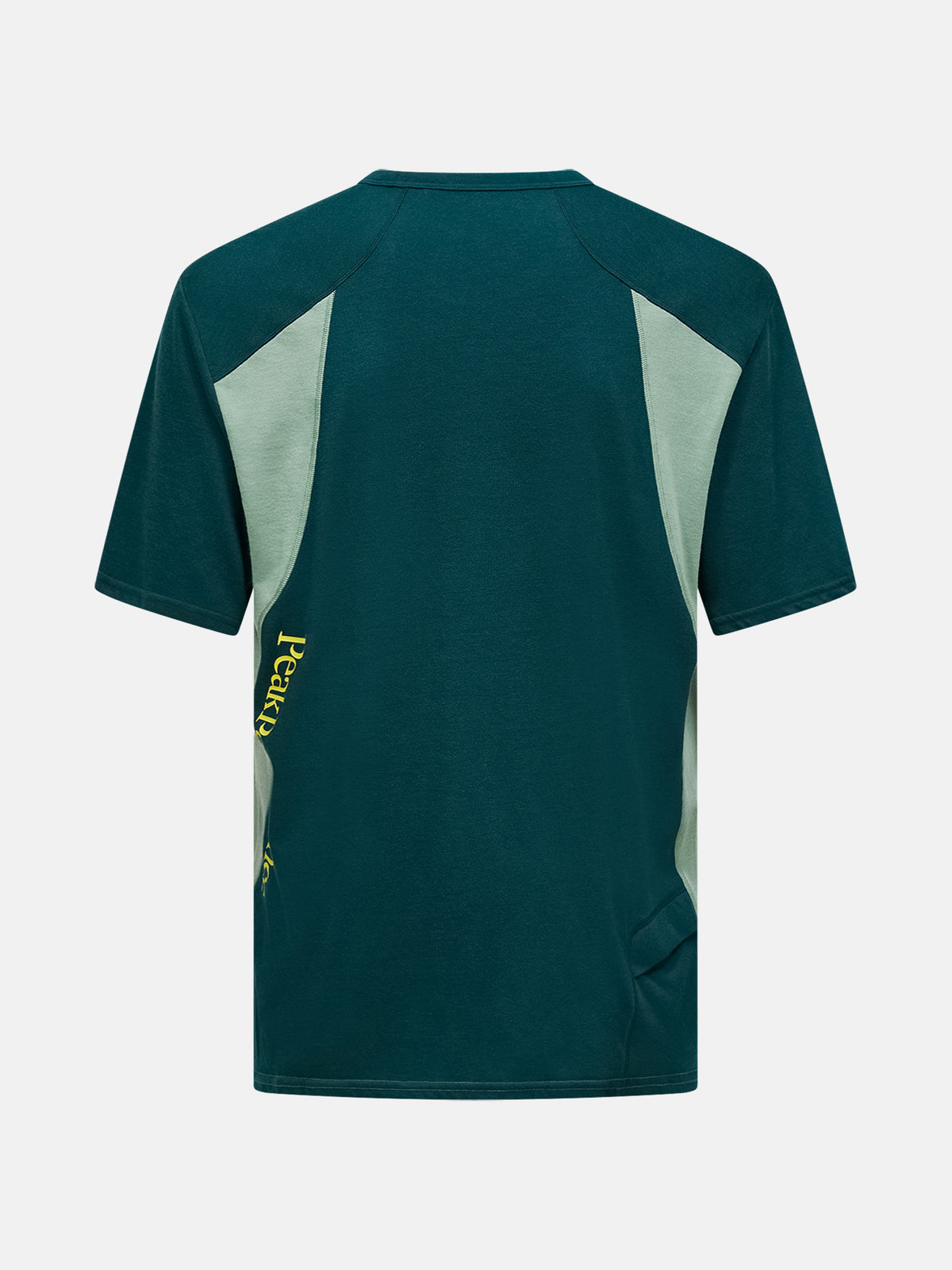
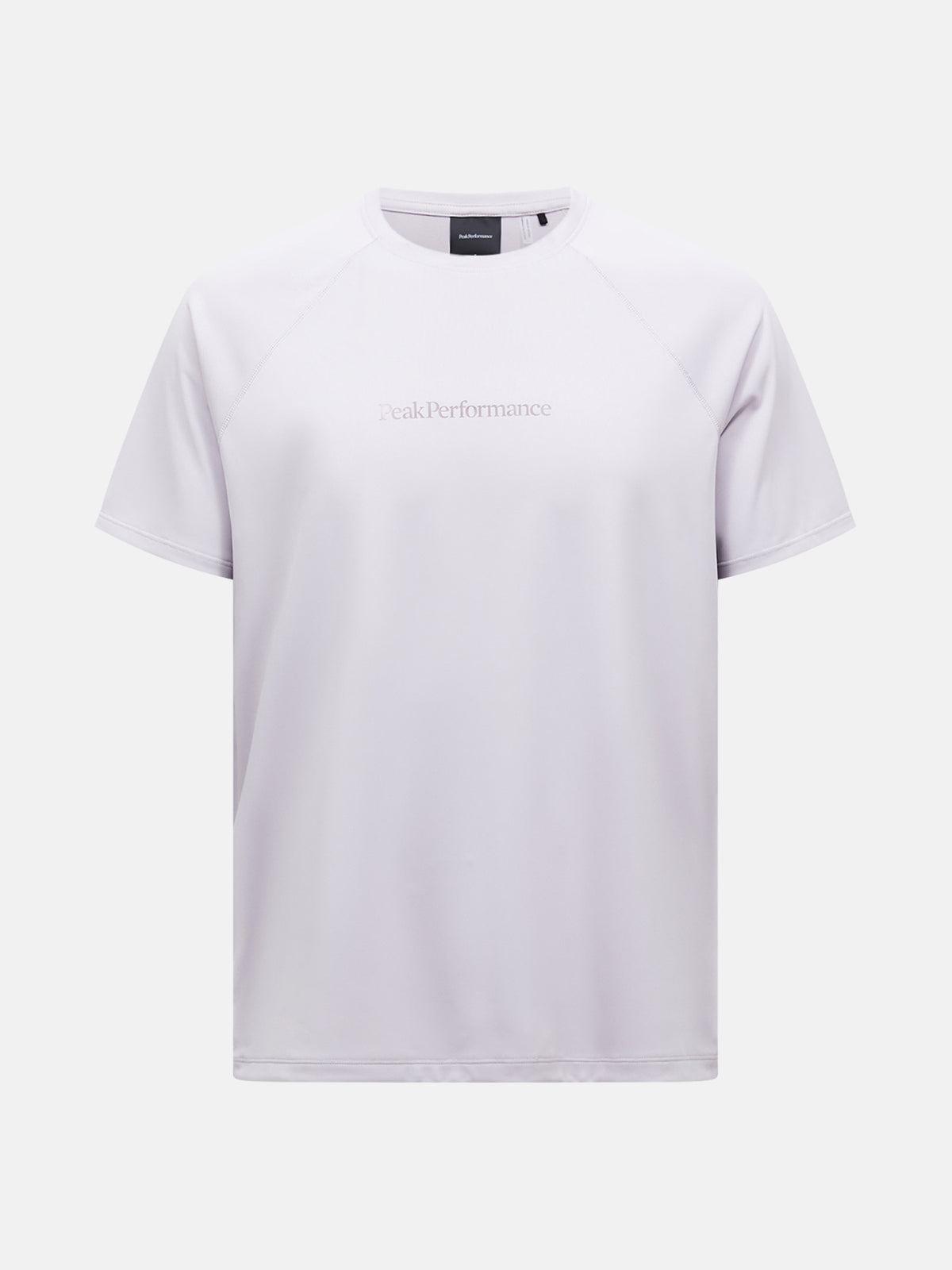
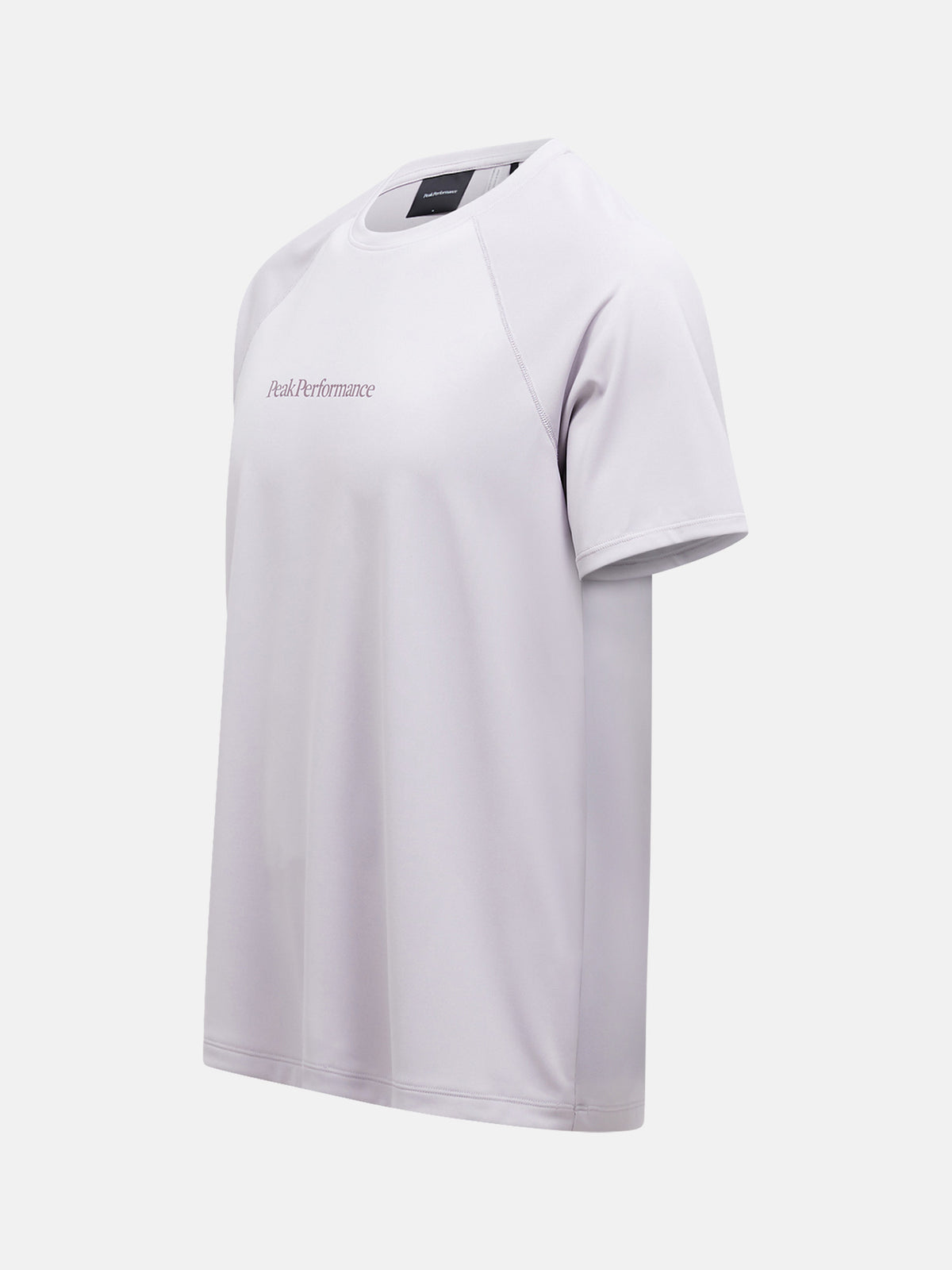


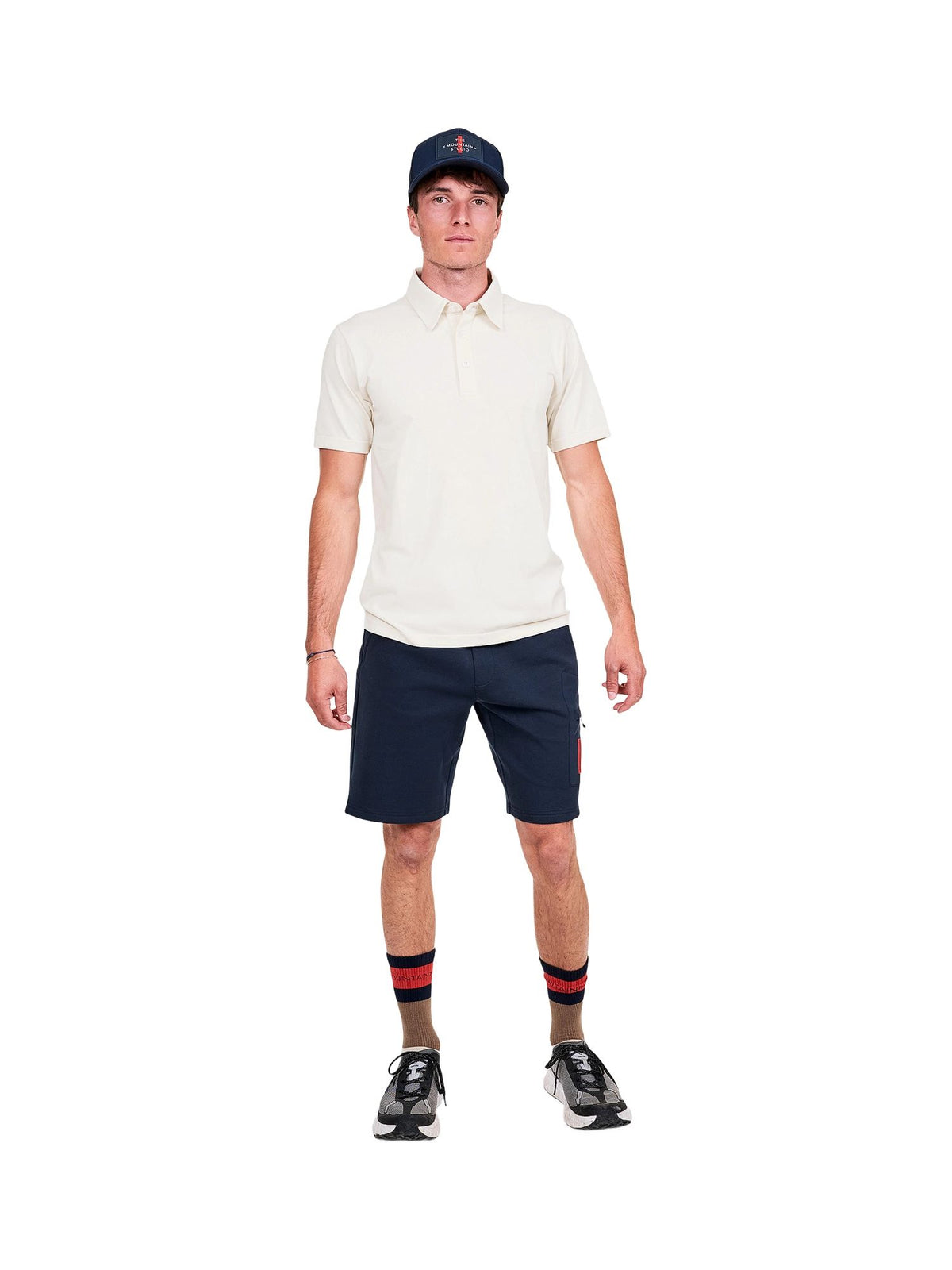
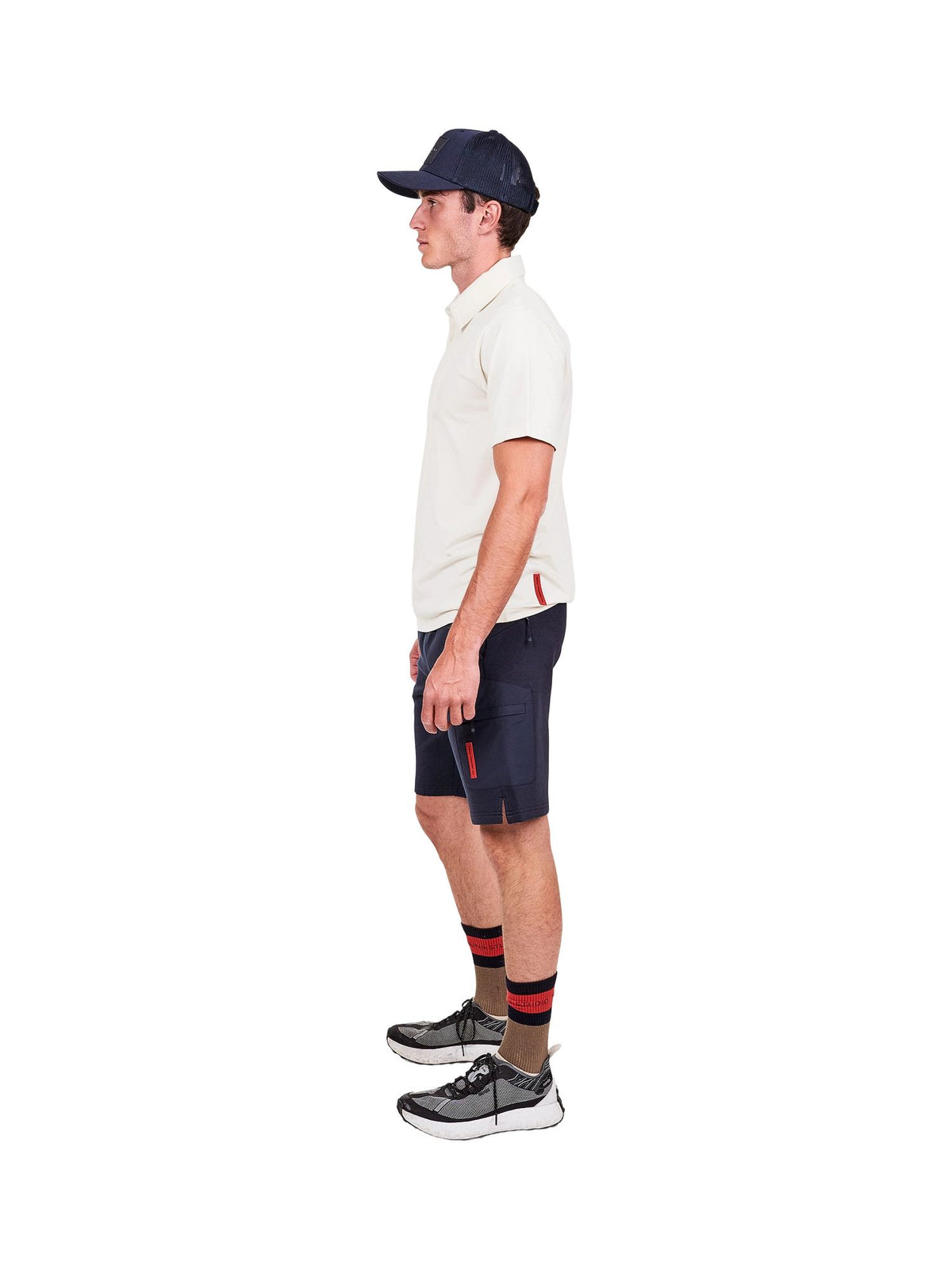
Men's Sports T-Shirts: The Top for Your Movement
A sports t-shirt is often worn directly against the skin, making it an important contact surface. Therefore, not only color and logo matter for selection, but also the neckline, length, and the fabric's movement. Start with the activity for which you primarily want to use the shirt. A brisk run, a longer trek with a backpack, and a relaxed sporty leisure combination can have different priorities. The right top depends on this task.
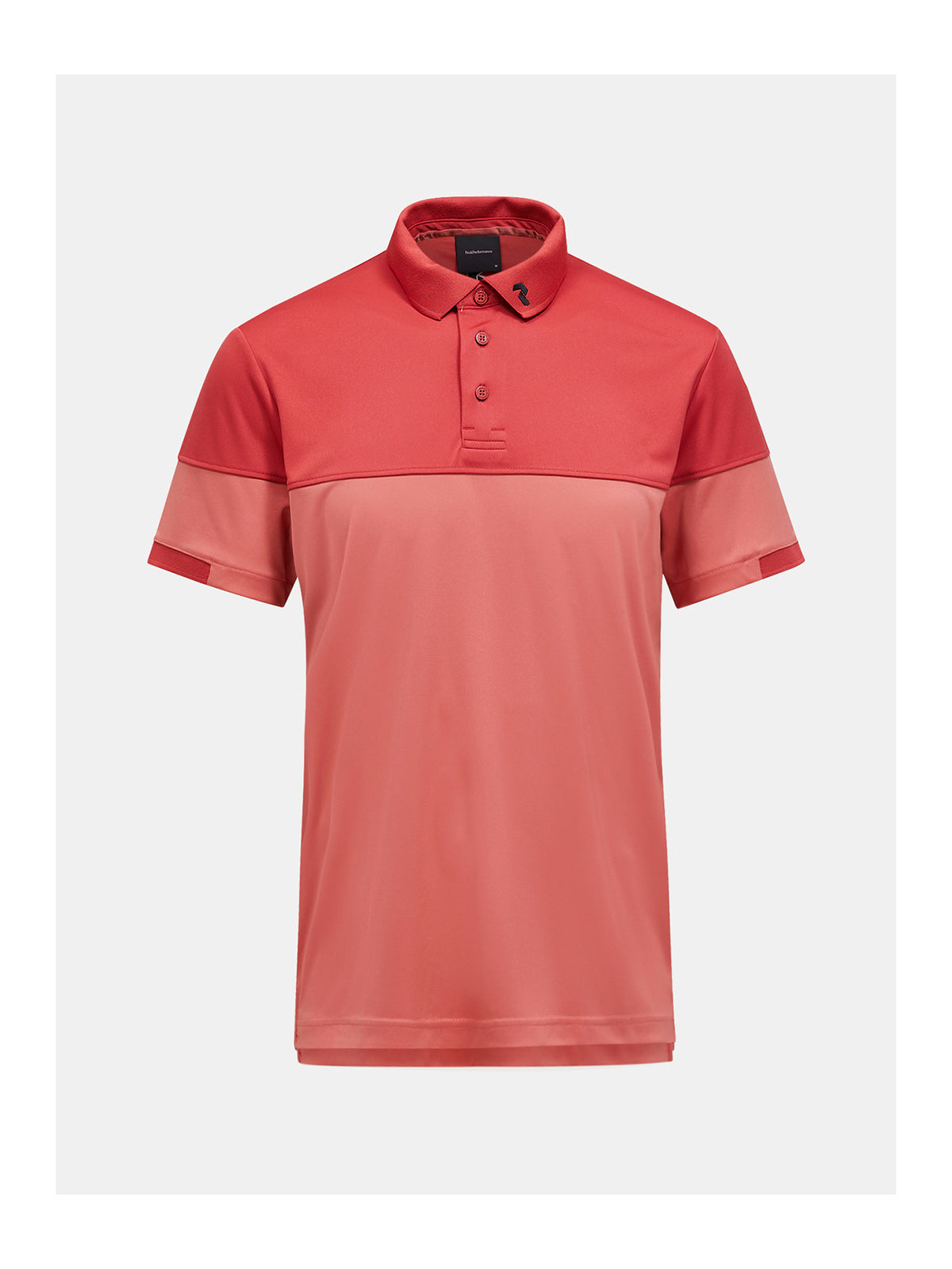
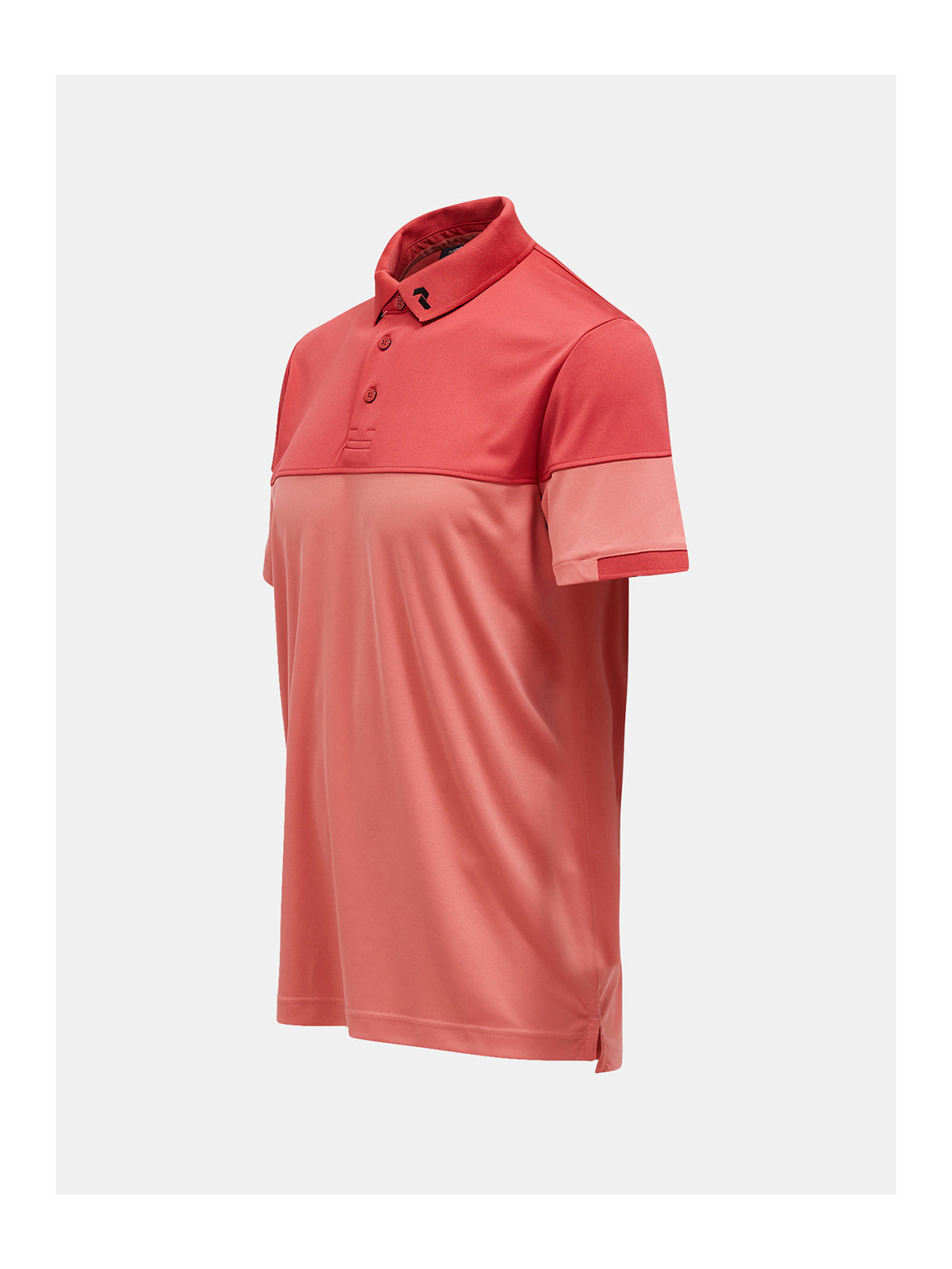
This category brings together sport-oriented shirts for men. The specific item can differ significantly in sleeve length, collar, or material. For example, a polo with a sporty character is constructed differently from a minimalist crew-neck shirt. Therefore, compare the actual shape instead of inferring identical functions from the common category. Here you will find guidance to purposefully integrate the shirt into your movement and layering system.
Short sleeves, longer sleeves, or a sporty collar?
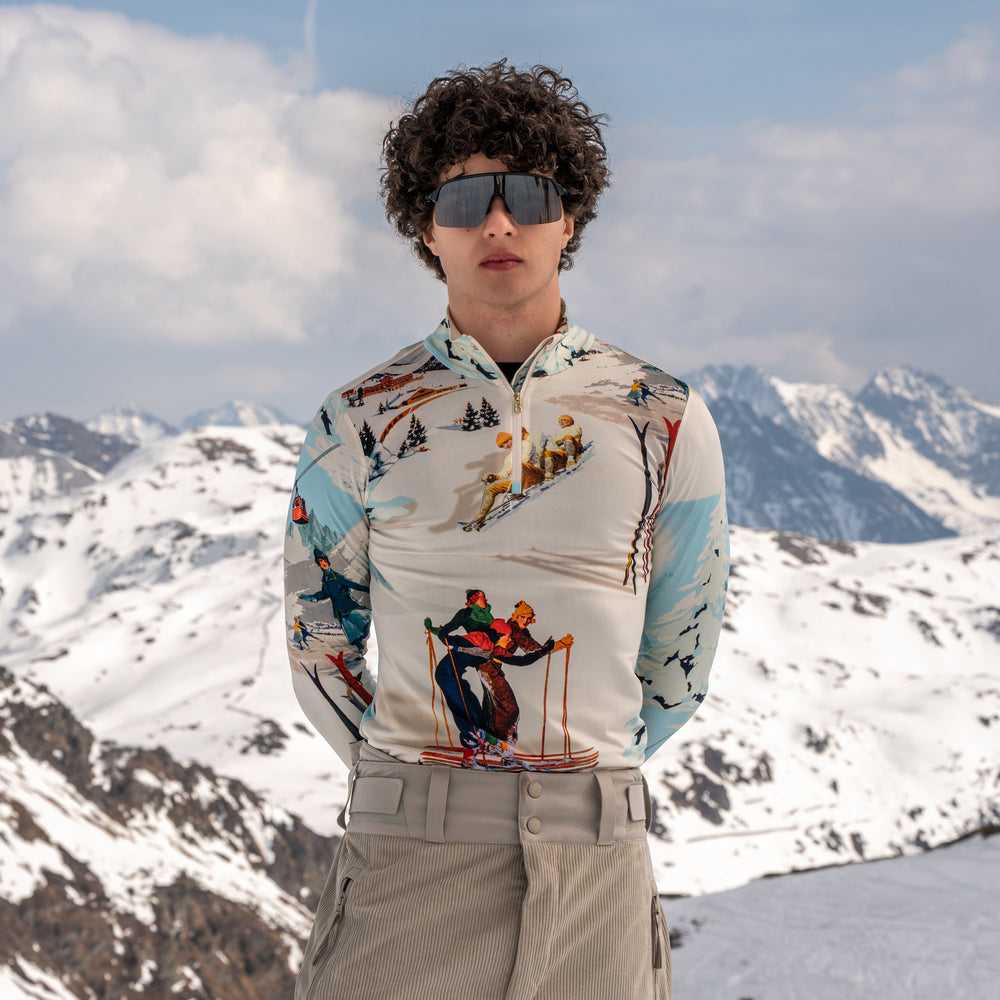
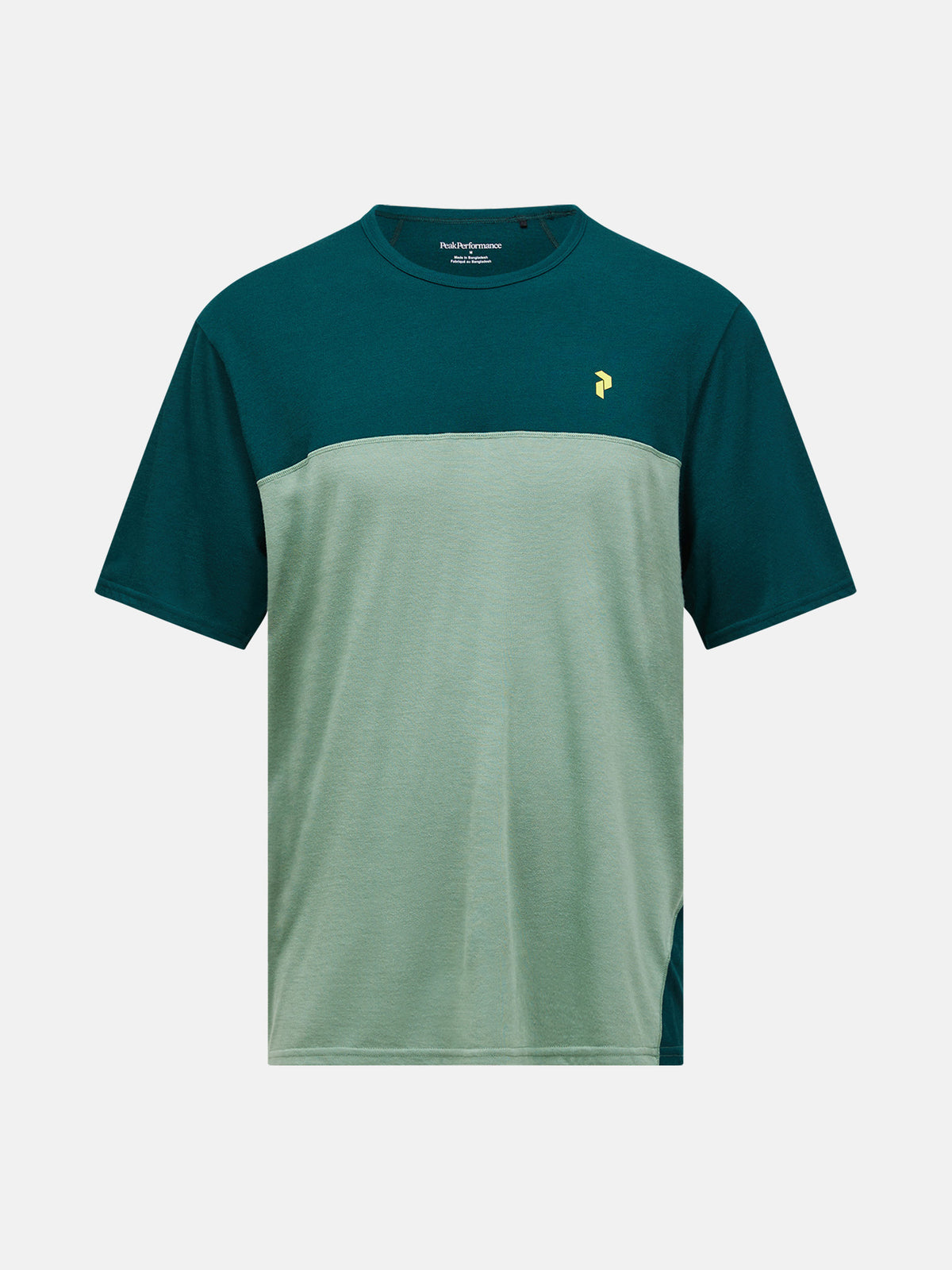
A short-sleeved shirt leaves a larger part of the arms free and is a distinct form for warm or active situations. The sleeve length changes the proportion and contact on the upper arm. A wide cuff sits differently from a tighter fit. Pay attention to whether the sleeve stays in the desired position during movement or constantly bunches up uncomfortably. The appropriate length also depends on the cut at the shoulder.
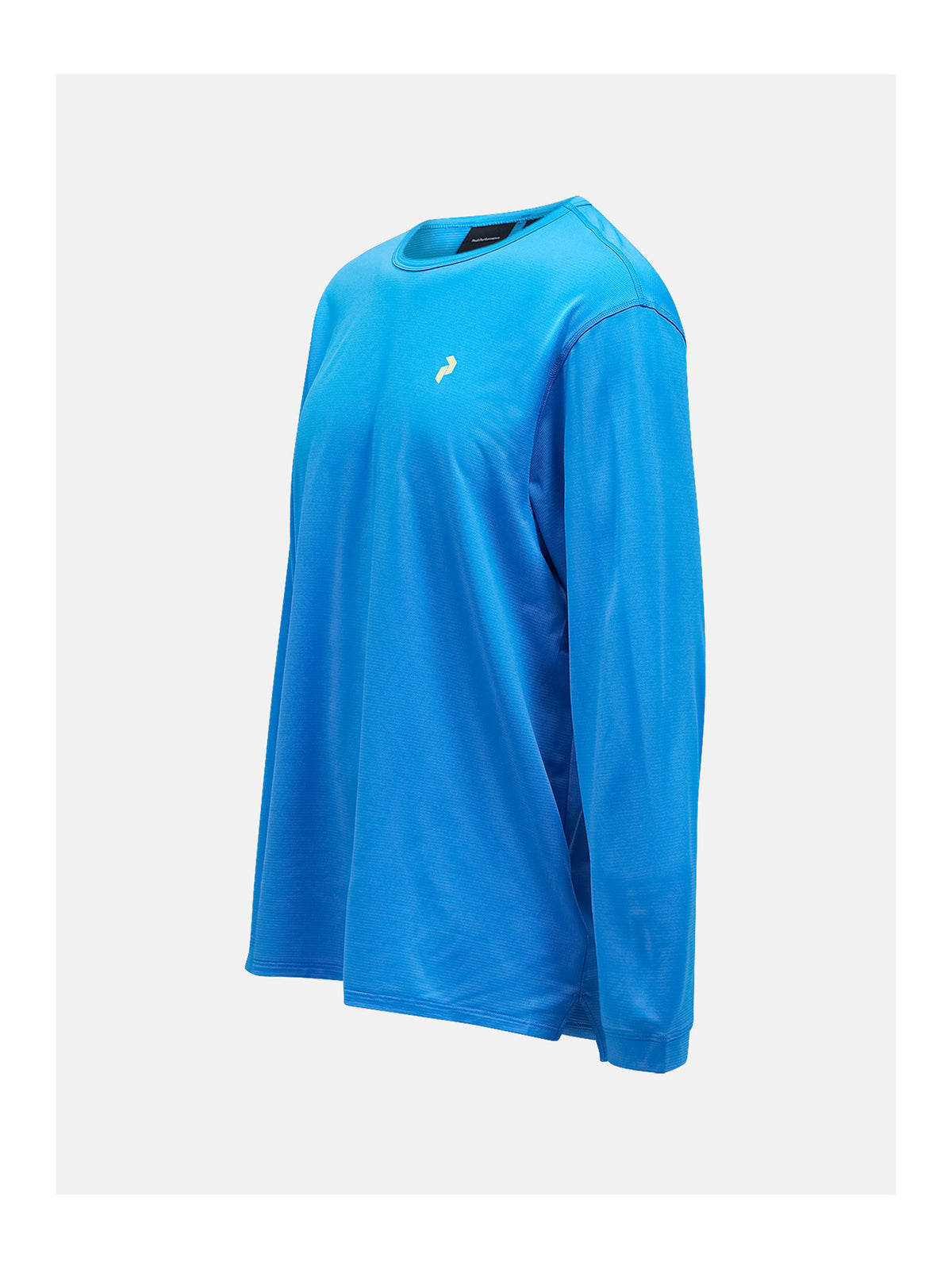
Longer sleeves offer more fabric coverage and can be used as a single layer or under other clothing. This doesn't automatically make a long-sleeved shirt more insulating underwear. Material thickness and construction remain independent features. If a sporty polo is part of your selection, consider the collar as an additional structure at the neck. Under a jacket or another top, it can sit differently from a flat crew neck.
Choosing the cut for mobility
A body-hugging sports shirt can lie smoothly on the torso, while a looser fit creates more space. The crucial factor is how the model behaves during your movement. Lift your arms, move them forward, and twist your upper body. The fabric should not only be held by tension at the shoulder or chest. A sporty cut doesn't always have to be tight; it should sensibly accommodate the intended movement.
Also pay attention to the back length. A shirt that ends perfectly when standing can ride up significantly higher when reaching forward. Under a backpack or an outer layer, this can lead to a different fabric distribution. Compare the length with the waistband of your sports trousers. A clean transition is more helpful than a particularly long shirt whose excess fabric bunches at the waistband.
Understanding material blends in context
The composition provides clues, but not a complete ranking of shirts. Synthetic fibers, wool content, and elastic components can be processed differently. Knitting method, thickness, and surface structure directly influence the feel on the skin. Therefore, two shirts with a similar material list do not necessarily have to feel identical. Compare the specific construction with your intended use, instead of just looking for a high percentage of a known fiber.
A wool-blend shirt is a material direction, not an automatic description of every function. Similarly, a smooth synthetic fiber surface alone says little about how the finished shirt handles moisture or movement. Use specifically described properties as a guide and consider them together with the cut. If a certain feel on the skin is important to you, this personal perception belongs in the selection just as much as the technical specifications.
Consciously considering moisture and layers
A shirt described as functional should fulfill its task within its specific construction. This does not mean that you will feel no moisture at all during any exertion. Intensity, environment, and the clothing above influence the feeling. A suitable shirt should therefore be combined with a sensible layering system. Wearing a very warm, hardly adapted combination over a light top changes the entire use of the shirt.
For an explicit first layer under additional winter clothing, men's functional underwear is a separate comparison area. Depending on the model, a sports t-shirt can also be worn close to the skin, but it is not automatically interchangeable with all types of underwear. Choose according to the intended product concept and the coverage you need. The position in the system is more important than an imprecise equation of similar terms.
Seams, shoulders, and backpack contact
During longer movements, contact points can become noticeable that are hardly visible when standing still. A backpack strap lies on a different area than a regular jacket sleeve. Therefore, seams and material changes should be considered in conjunction with the equipment. A flat seam description is information, but not a universal guarantee against chafing. Body shape, load, and movement also influence the actual combination.
If you frequently use a backpack, check the shoulder area particularly carefully. A very loose fabric can distribute differently under a strap than a closer-fitting cut. Too tight clothing, in turn, can pull during arm movement. The right solution does not come from a general size change. Compare the intended silhouette of the shirt with its actual use and the other items that should lie over it.
Neckline and small details with purpose
A crew neck lies differently from a higher collar or a button placket. Choose the closure according to the contact at the neck and the planned next layer. Several collars directly on top of each other can add unnecessary bulk. If you wear the shirt alone, visible structure and neckline are more part of the look. Both should appeal to you, but should also match the feeling of movement.
Reflective elements or small pockets may be present on individual models. They only apply to the correspondingly equipped version. A reflective detail is not a complete substitute for deliberately chosen visibility of the entire clothing. A pocket is only useful if its contents sit well during movement. Evaluate such features according to your routine, instead of automatically considering the longest list of features as the best choice.
Sports shirt and trousers as a light combination
With men's shorts, the shirt becomes the visible upper focal point. The length should match the waistband and leg proportion. A very long top can visually cover short shorts extensively, while a more compact form leaves more leg visible. Consciously decide which silhouette you want. Function and design can work together, even if both parts don't come from the same brand.
For longer trousers or cooler conditions, an additional layer can be added. In men's sportswear, you will find the overarching context. Make sure there is enough space so that the shirt is not twisted or compressed under a tight top. A suitable combination begins with the first visible part and is supplemented by further layers, instead of trying to conceal their fit problems.
Care and the right complement to existing shirts
Observe the care instructions for the specific material. Wool blends and other functional constructions may require different washing and drying procedures. Joint sports use does not mean that all shirts can be cared for identically. Treat stains with suitable agents and let damp clothes dry according to the instructions. This way, the care remains connected to the product concept that you consciously considered during selection.
Before buying a new shirt, compare what role your existing models already fulfill. Are you missing a different sleeve length, a more comfortable collar, or a cut that sits better under a backpack? This specific question leads to a clearer addition than just any new color. Then choose material and shape together. A suitable sports t-shirt should accompany your typical movement and be able to be sensibly combined with the intended trousers and other layers.
04At FREUDENHAUS
05Questions about the category