





Men's sports pants with appropriate freedom of movement
Men's sports trousers should accommodate larger strides, bent knees, and your typical range of motion. Compare the cut, waistband, and leg cuffs along with the material and pockets. Here you'll find guidance for long athletic trousers and their connection to shirts, shoes, or an additional base layer, ensuring each component fulfills a suitable purpose.


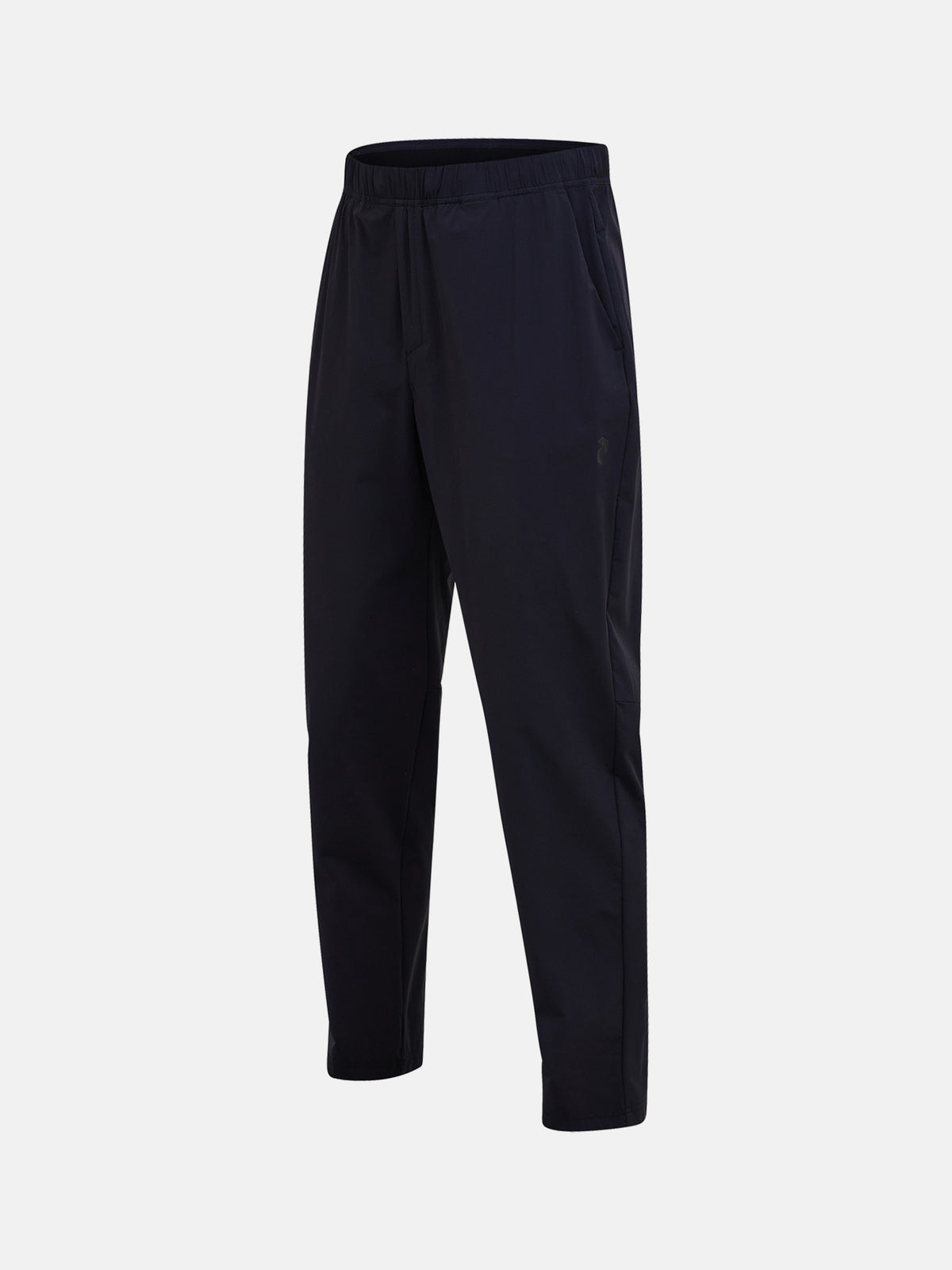
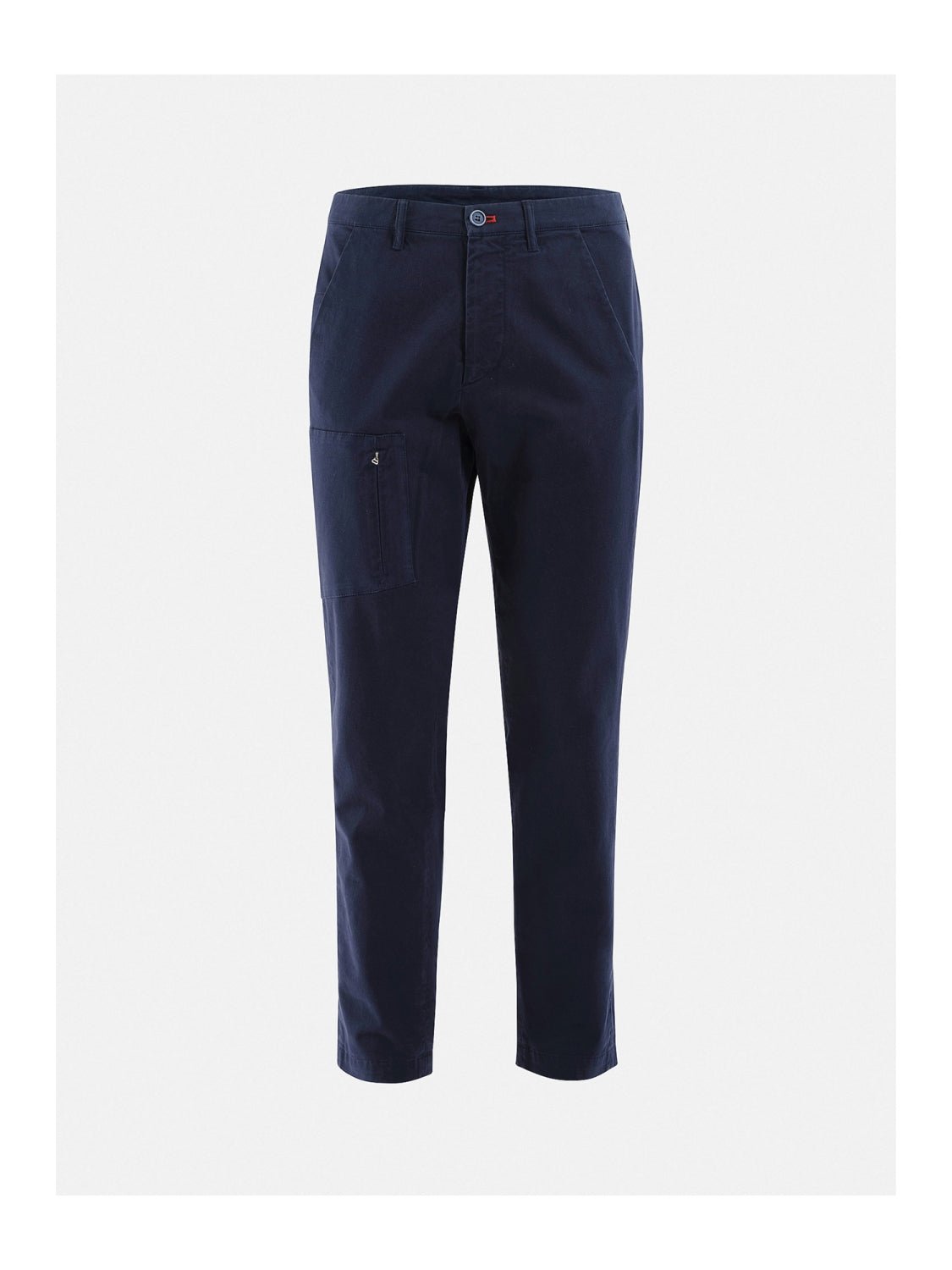
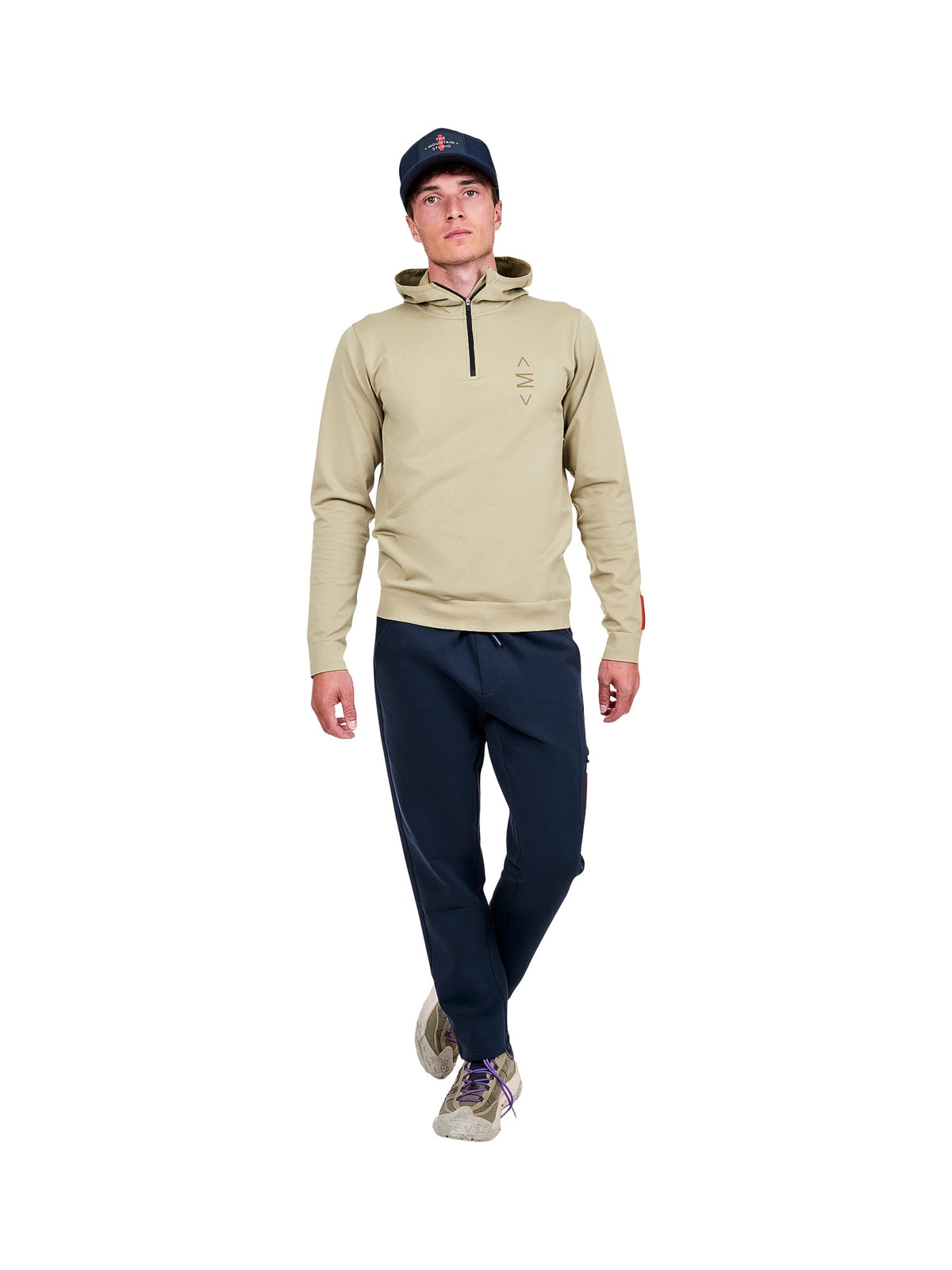
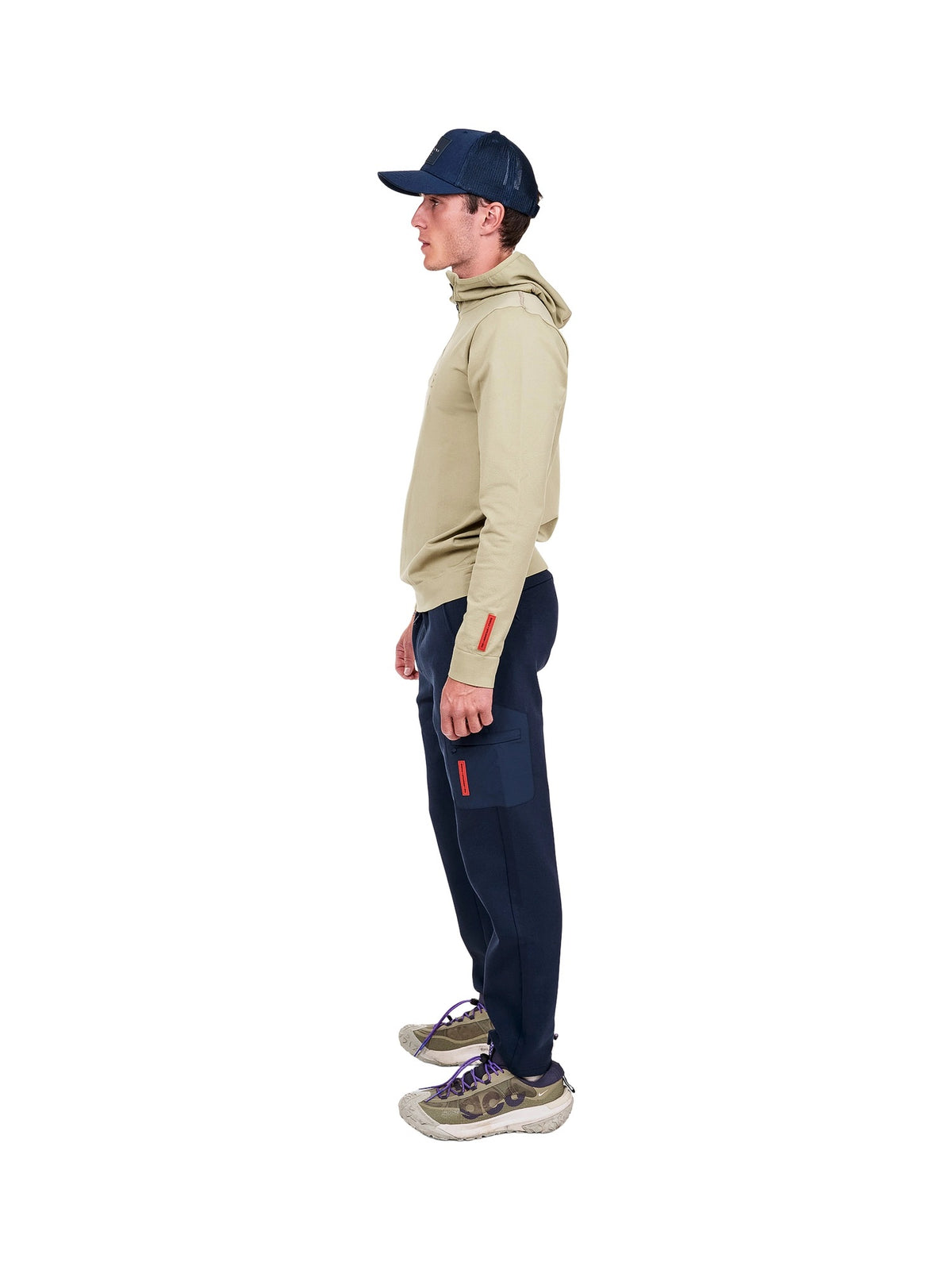


Choosing Men's Sports Pants According to Movement Sequences
The right sports pants depend on how you move and where you are. Larger strides on a path, a casual run, and a sporty leisure combination place different demands on cut and details. Therefore, start with the specific use. Pants with a technical name or elastic waistband are not automatically designed for every activity. Their construction should support the movement for which you actually choose them.
This category focuses on long sports trousers and sport-oriented styles for men. Depending on the model, this can include more compact joggers or other functional cuts. The common category does not mean identical weather functionality. For the shorter version, the selection of men's shorts offers its own entry point. Here, the focus is on the leg cut, waistband, and the finish at the shoe, because these areas must work together in long pants.
Freedom of Movement at Hips and Knees
Sports pants should maintain their fit even during movement. Bend your knees, take a larger step, and imagine sitting down. If the fabric pulls at the buttocks or thighs, the cut may not be suitable for the intended use. A comfortably fitting waistband alone does not answer this question. Consider the pants as a whole shape and not just whether they can be closed in your usual size.
Pre-shaped knees or other constructive details may be provided in certain models. They should be located where your knee actually works. A very unsuitable leg length can therefore change more than just the hem. A different size label or pulling them up high at the waistband is not automatically the right solution. Compare proportions and cut so that the shape of the garment matches your own movements.
Tapered or Straight Leg?
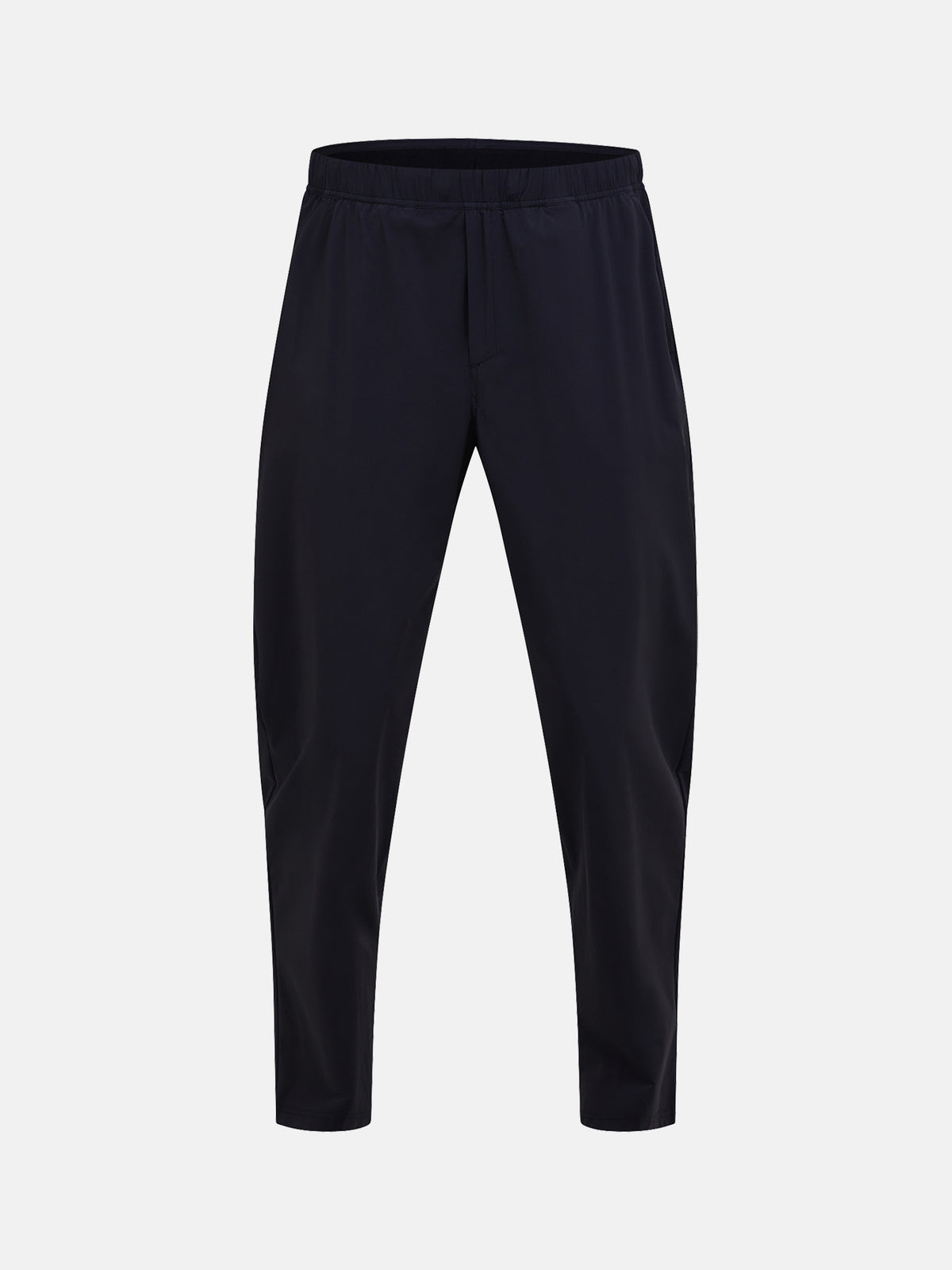
Tapered pants can remain compact at the lower leg. This changes the silhouette and contact with the shoe. A straighter cut offers a different fabric distribution and can also be useful depending on the use. The decisive factor is whether you want a tighter fit at the ankle or prefer more room. No leg shape is the universal solution for all sports activities just because of its name.
Jogger-style cuffs can work with elastic bands. Other models end with an open hem or an adjustment. Pay attention to how the cuff interacts with socks and shoes. Several tight edges directly on top of each other can feel different from a single, well-fitting transition. For comparison with running-oriented footwear, the Men's Sports Shoes category leads you to an independent selection based on terrain and foot shape.
Consciously Check Length and Shoe Contact
Long sports pants should not be judged solely when standing. When stepping, the position of the hem changes, and when bending, fabric can gather at the knee. Choose the length so that it matches the cut and intended use. A large accumulation of fabric on the shoe can be annoying in everyday life. A significantly too short style, in turn, offers a different coverage than you might be looking for.
Zippers at the leg cuffs can have a practical function if they are explicitly part of the model. However, they do not automatically make every pair of pants wearable over every shoe. The opening and construction must match. Use such details according to their intended purpose and consider them together with the rest of the cut. Additional adjustment does not replace a fundamentally suitable leg length.
Waistband, Drawstring, and Pockets in Use
An elastic waistband can facilitate adjustment, but the basic size should be correct. A drawstring regulates the fit differently than a fixed closure. If you constantly have to pull it tight, the fabric distribution around the hips and buttocks changes. This can cause the pants to sit differently than intended during movement. Therefore, compare not only the maximum width, but also the comfortable fit with a realistic adjustment.
Pockets should be evaluated according to their actual contents. A phone can weigh more than a small key and put different stress on the pants during movement. Closures and position determine how controlled the contents remain. A large pocket is not a general advantage if you can hardly use it during your activity. Consider what belongs in your pants and what is better stored in a suitable bag.
Correctly Classifying Material and Elasticity
Stretch describes a property of the material, but not the entire mobility of the garment. Cut, seam line, and size remain crucial. Very tight pants will not fit just because of an elastic fabric. A slightly wider constructed shape can also offer freedom of movement without giving way as much. Therefore, compare material and silhouette together, instead of making a single percentage the most important selection criterion.
Textile surfaces can be smooth, textured, light, or more robust. The fiber specification only partially explains this impression. Weave and thickness change how the pants drape and feel. For active use, specifically described properties are helpful, for example, how they handle moisture or a specific surface treatment. These details apply to the respective model and should not be transferred to all sports pants of the same brand.
Distinguishing Weather Function from Warmth
Pants for cooler days do not automatically have to be waterproof. Heat retention and weather protection are different tasks. Even water-repellent properties do not mean general protection in continuous rain. If a specific weather function is important to you, it must be verifiable in the model description. A sporty look or a robust fabric is not sufficient proof. Choose according to the conditions you actually encounter frequently.
For an additional first layer, men's functional underwear is a different product area. It is worn directly on the skin and is not automatically an outer pair of sports pants. If you combine both, plan for the necessary space at the waistband, hips, and knee area. Pants that already fit snugly may function differently with a thicker layer underneath. More clothing should not unintentionally reduce freedom of movement.
Combining Sports Pants and Top into an Outfit
A matching sports T-shirt should match the pants in length and volume. A very long shirt can cover the waistband extensively, while a more compact top allows the pant shape to be more visible. Choose these proportions consciously. For cooler situations, an additional layer can be added, whose hem does not unfavorably coincide with the waistband of the pants. Multiple pieces should complement each other, rather than shifting against each other.
Colors and design can create a common line, without the pants and top having to look identical. A calm basic tone can often be combined with several existing pieces. A striking pair of pants, on the other hand, can set the focus itself. Within men's sportswear, practical use remains the common framework. The clothing should appeal to you and at the same time be sensibly chosen for the same planned movement.
Care and a Clear Role for the New Pants
Follow the care instructions on the label and from the manufacturer. Material blends, elastic areas, or special surfaces may require different procedures. Empty pockets, pay attention to closures, and choose suitable detergents. Sports pants should not automatically be treated like any other pair of pants in the wardrobe. Likewise, a common brand name is not proof of identical washing and drying requirements for all garments.
Finally, consider what difference the new model should offer compared to an existing pair of pants. Perhaps you need a more suitable leg length, a different hem, fewer pocket contents on the leg, or more room for larger strides. This concrete improvement leads to a clear selection. Then decide on material and color. A suitable pair of sports pants does not have to cover all uses, but rather fulfill its clearly chosen task with a comfortable, controlled fit.
04At FREUDENHAUS
05Questions about the category