





Choosing Men's Running Shoes by Terrain and Fit
Men's athletic shoes should match your surface, movement, and foot shape. Compare road running shoes and concepts for mixed terrains based on cushioning, tread, and fit. Here you will find a clear classification of well-known HOKA model families, as well as selection assistance for size, width, and weather execution, without equating casual sneakers and running shoes.
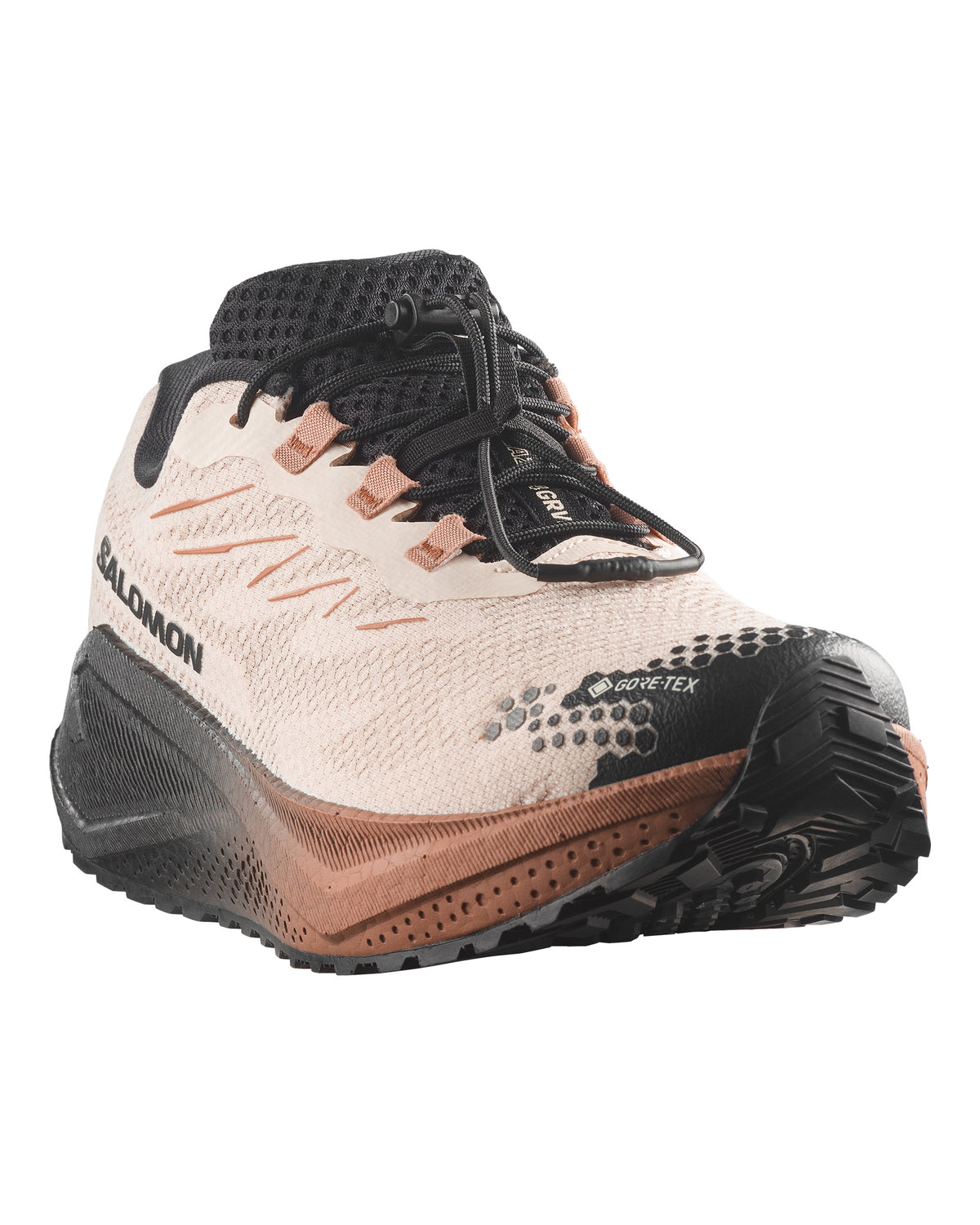


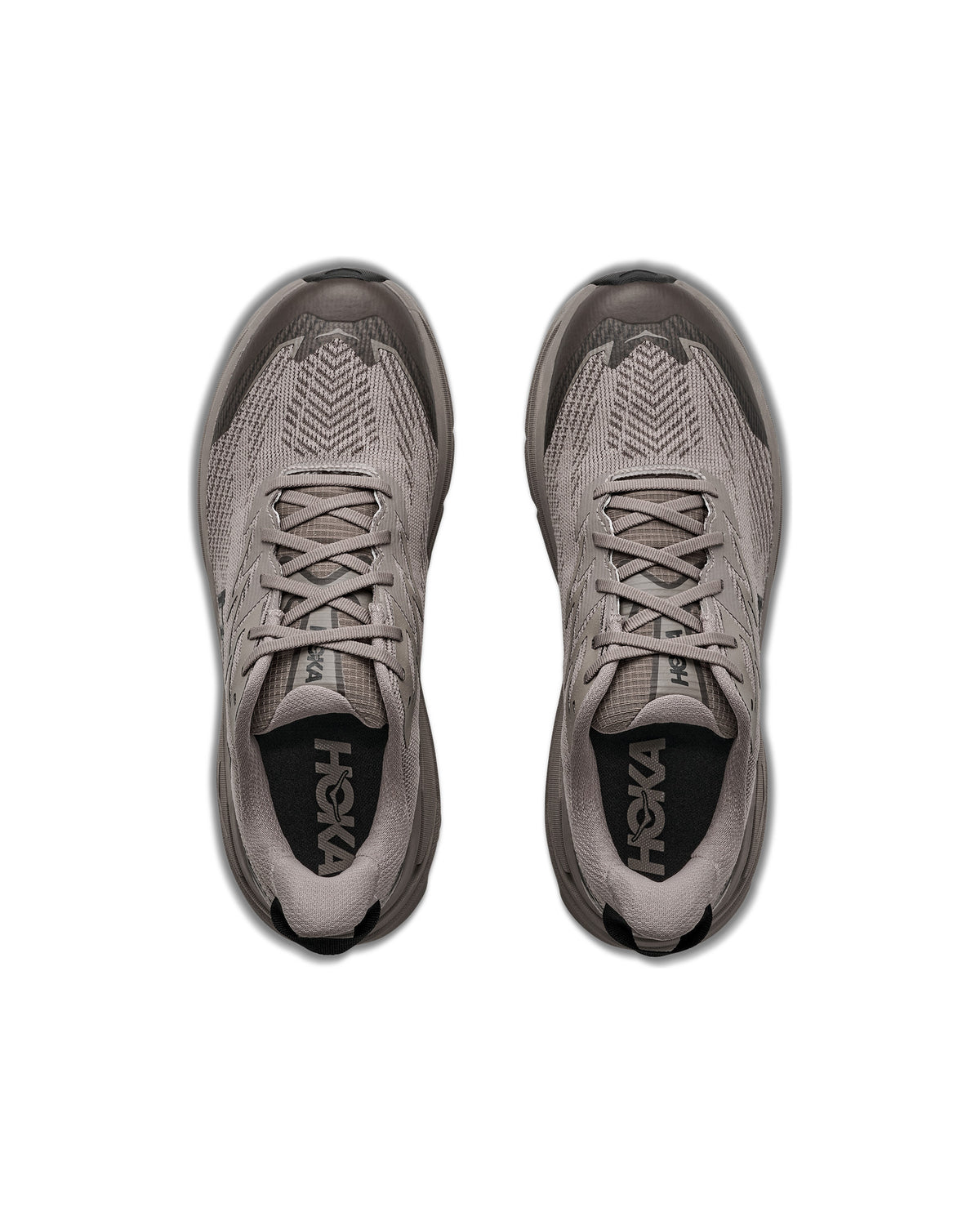
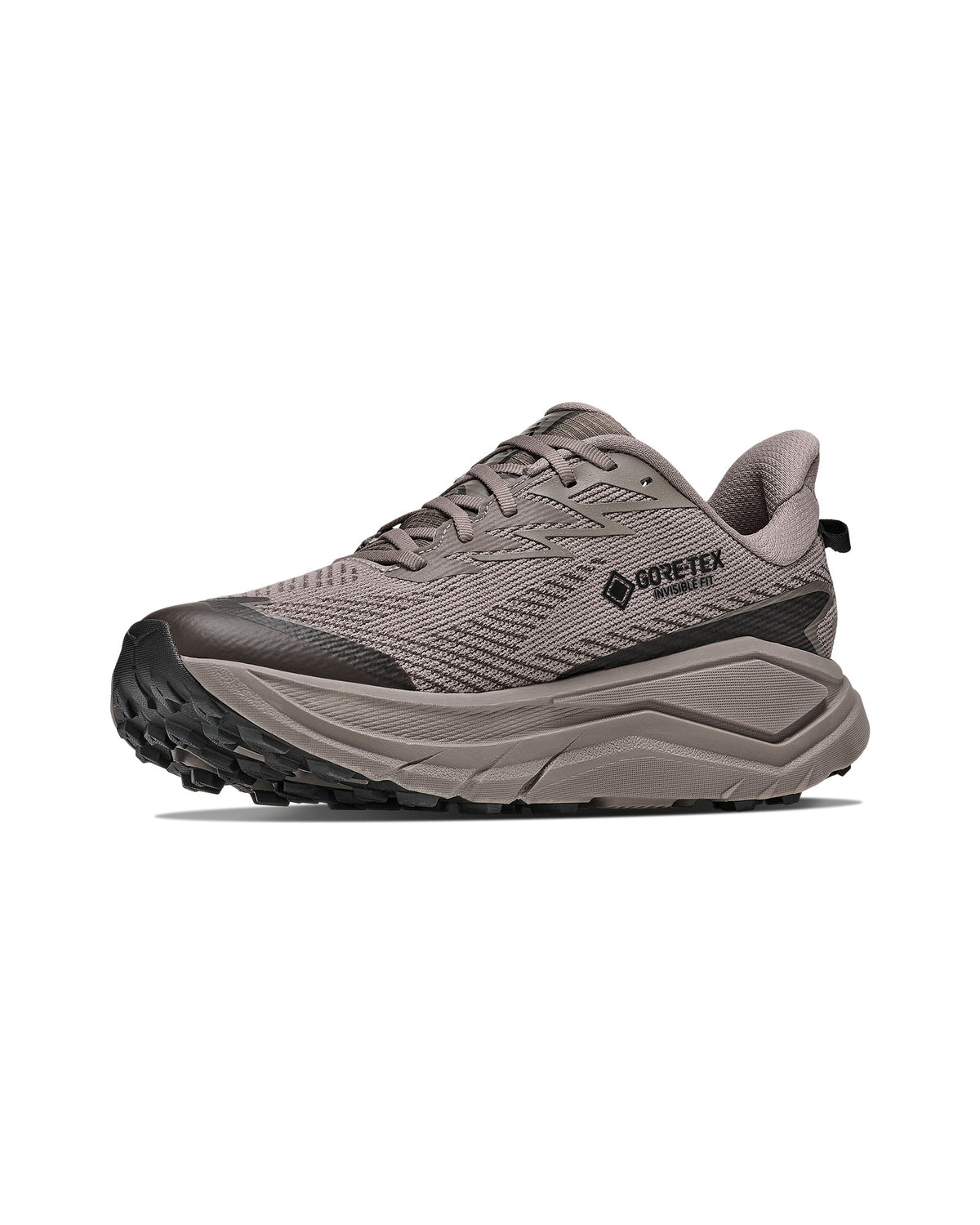
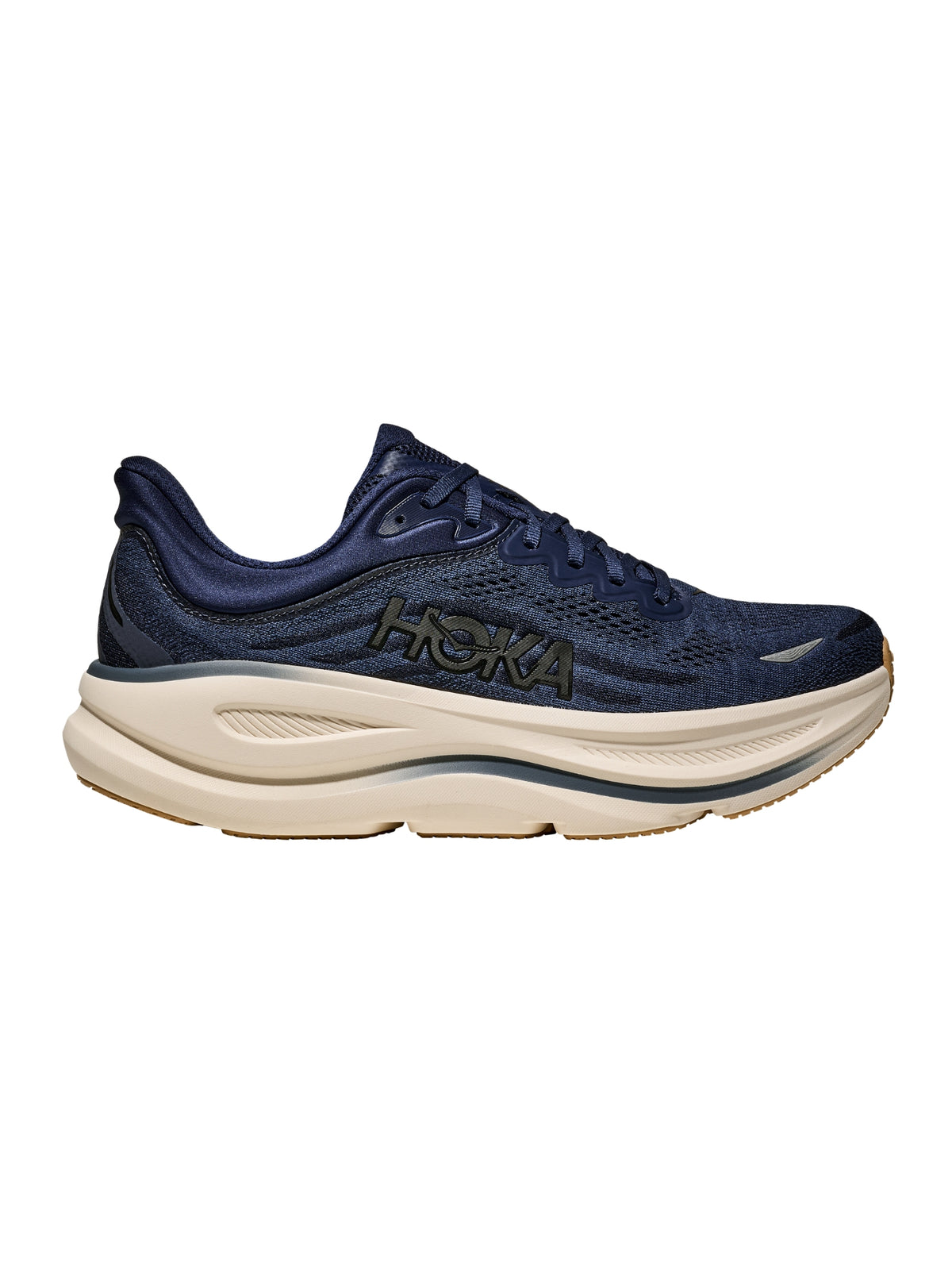


Choosing Men's Sports Shoes by Terrain and Use
The right sports shoe starts with your terrain and the activity you plan. A run on asphalt, a path with gravel sections, and a technical trail are different tasks. There's also a difference between a running shoe and a sporty everyday model. Therefore, first determine what you primarily want to use the shoe for. Then, cushioning, tread, and fit can be classified as concrete selection criteria.
This category focuses on running-oriented sports shoes and suitable active leisure use. It is not a blanket endorsement for a complete range of all indoor, strength, or competitive sports. For a shoe where the leisure look is paramount, you'll find a different entry point in the Men's Sneakers category. Here, the athletic task remains the basis, so a striking design doesn't solely dictate a technically different use.
Road, Mixed Paths, or Trail?
Running Shoes for Primarily Paved Surfaces
If your typical run is on asphalt and other paved paths, a road shoe described for this purpose is a sensible comparison point. Pay attention to the desired running feel and the shoe's shape on your foot. Soft cushioning can feel different from a more direct construction. The key is whether this feeling suits your use. More visible sole height doesn't automatically mean every runner will get along better with it.
For regular everyday runs, a model designed for daily running can fulfill a clear role. You don't automatically have to look for a competition-specific construction. Consider whether you want a shoe for relaxed routes, varying tempos, or a specific addition to an existing pair. This task can be described more precisely than the desire for the best running shoe for all situations. Size and foot shape remain important regardless of the model class. Also, note what you like about your current pair and what you want to change. A specific desire for a different fit or surface is more helpful than a general model change.
Shoes for the Transition Between Road and Light Terrain
Mixed runs raise the question of how much paved path and how many unpaved sections actually occur. A shoe for this transition can prioritize different aspects than a pure road shoe or a more specialized trail version. Consider the tread and manufacturer's description in conjunction with your route. A short passage on a park path doesn't make the entire run a challenging off-road tour.
If the terrain changes frequently, a comprehensible area of use and a suitable hold on the foot are particularly helpful. The lacing should hold the shoe securely without creating excessive pressure. A tread with visible lugs is not a universal promise for every surface. Wet rock, soft ground, and dry gravel are significantly different. Therefore, choose based on the most frequent conditions rather than the most striking sole pattern.
More Technical Paths Require Their Own Classification
A versatile shoe is not automatically designed for every alpine or technical route. Depending on the terrain, protection, guidance, and the specific sole construction can be weighted differently. Compare the explicitly described use and plan the equipment to match the route. The term "trail" alone is too broad to resolve all differences. It describes a direction within which models can still have various tasks.
Distinguishing Cushioning, Sole Height, and Running Feel
Cushioning describes part of the feeling under the foot, but not the entire shoe. Foam, geometry, base width, and upper construction work together. A shoe with a lot of visible material can move differently from a similarly high shoe with a different construction. Therefore, use manufacturer specifications for orientation and compare them with the intended use. A single number or a soft initial feel does not provide a complete decision.
The drop refers to the height difference between the heel and forefoot area of the sole. It is different from the overall sole height. Two shoes can look similarly high yet have different geometries. Do not derive a blanket recommendation for your body or running style from this. If you switch from a familiar model to a shoe with a significantly different construction, this change is a sensible point for comparison, rather than just updating the color.
Weight should also be read with an appropriate reference value. Specifications often refer to a specific size or version. A comparison without this context can be misleading. For your selection, it is more important how weight, cushioning, and desired use fit together. The lightest shoe is not automatically the best solution for every daily run, just as the maximally cushioned construction is not the most comfortable choice for every foot.
HOKA Model Families as Examples for Different Roles
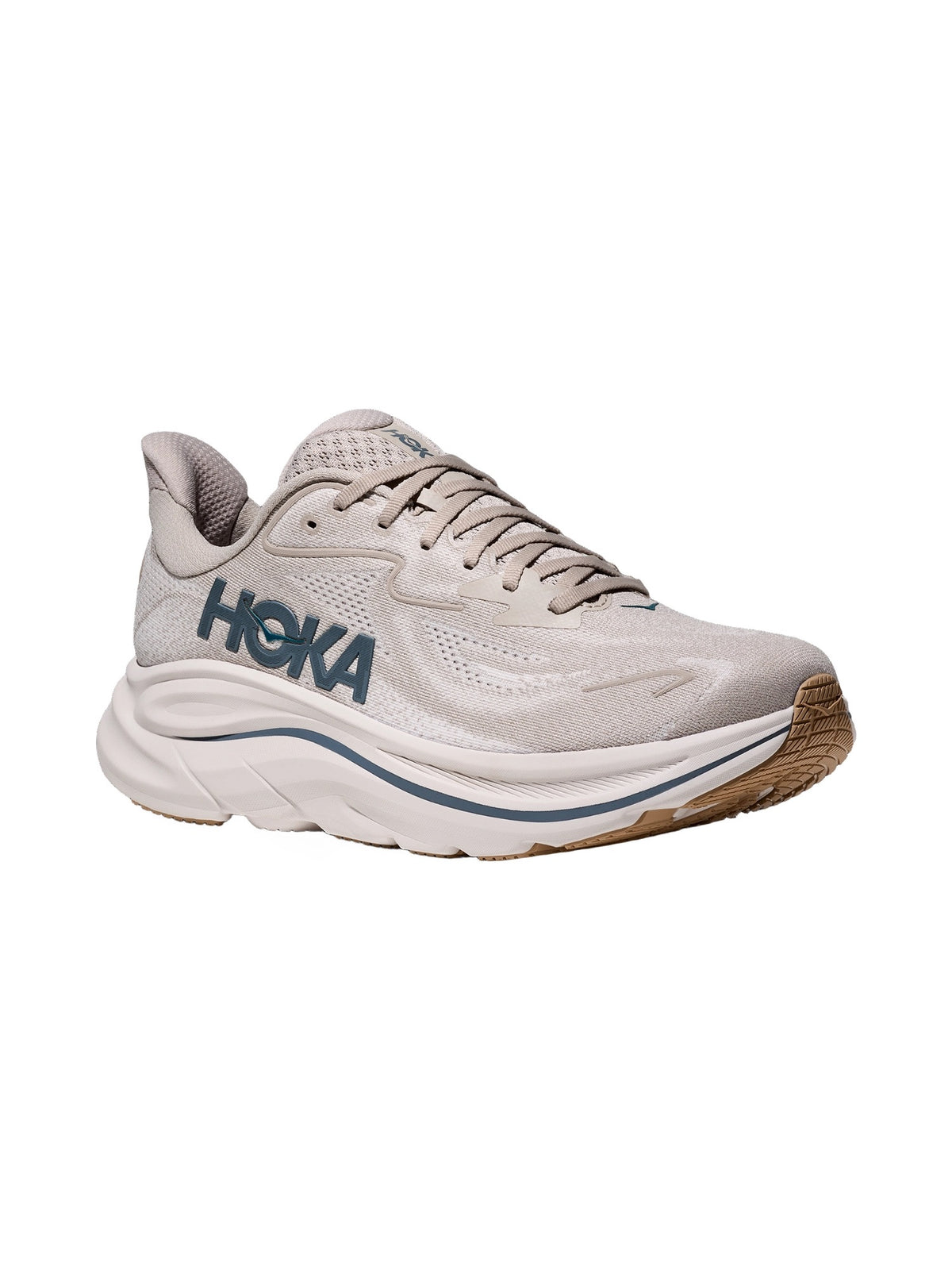
HOKA describes the Bondi 9 as a highly cushioned model for daily running routes and also mentions walking and lifestyle as possible uses. This is a specific manufacturer's positioning, not a general statement about all HOKA shoes. The visible sole construction can give a first impression; fit and the actual wearing comfort remain independent criteria. Use such model information to understand a desired role, without deriving personal suitability solely from the name.
The Clifton 10 is classified by HOKA as a road shoe for everyday running. Even within this area of use, the construction differs from other model families. A different geometry or construction does not automatically mean better or worse. If you have previously worn a Clifton or Bondi, the specific generation should be considered again. A familiar family name does not guarantee that every subsequent version will fit the foot unchanged or feel identical.
With the Challenger 8, HOKA emphasizes the transition between road and trail and describes a tread for various paths. This helps to differentiate the family from a purely road-oriented model. It is not proof that every technical surface is equally covered. These manufacturer examples explain different concepts; the actual selectable models and versions in the HOKA selection are compared based on their own specifications.
Size, Width, and Volume on the Foot
For sizing, refer to the brand's chart and note which sizing system is displayed. EU, UK, and US specifications are not arbitrarily interchangeable. Foot length is a starting point; width and instep height also determine the fit. A longer shoe is not automatically a sensible solution for a wide forefoot. If the heel slips as a result, the wrong dimension may have been changed.
Some models are offered by the manufacturer in different widths. Such a version must explicitly belong to the specific item; it cannot be derived from the brand name. Also, compare both feet and the intended sock. The sock selection can complement the contact with the shoe but should not compensate for a fundamentally unsuitable shape. A significantly thicker sock changes the available volume and thus possibly the entire fit.
When putting them on, the heel should be in the intended position and the tongue should sit as evenly as possible. The lacing holds the shoe snugly on the foot without unnecessarily straining the instep. Make sure the forefoot has enough room and that you stay securely in the shoe when walking. A good first impression includes multiple points of contact; a soft interior alone or a heavily padded heel is not sufficient for a fit judgment.
Consciously Choosing Weather Version and Upper Material
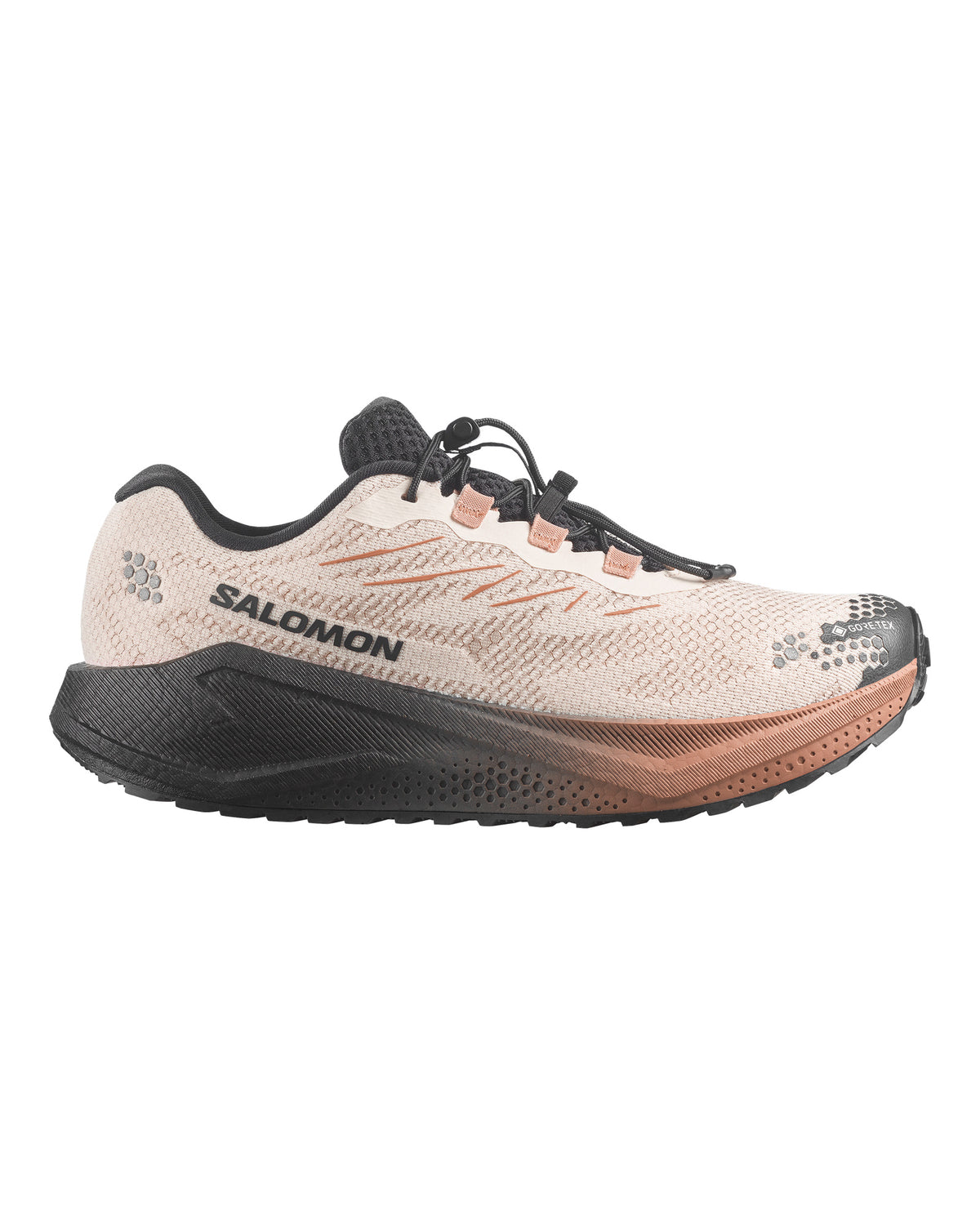
An airy-looking mesh and a version explicitly described as waterproof set different priorities. The respective property cannot be reliably derived from the material appearance alone. A model name can also appear in several variants. Therefore, pay attention to the complete addition and the specific description if moisture protection is an important criterion. A waterproof variant should not automatically be equated with every other version of the same family.
For warm, dry runs, a different priority may be sensible than for frequently wet paths. This does not mean that a shoe must cover all weather conditions equally. Consider how often you actually expect the respective situation and what combination you already own. A clearly chosen focus facilitates comparison. For wintry everyday paths without a running goal, the Men's Winter Shoes category offers an independent direction.
Coordinating Sports Shoes with Clothing and Equipment
The shoe is part of your equipment. Suitable men's sports pants should not restrict movement and should lie appropriately at the leg opening with the shoe. For longer pants, it's worth checking whether the hem constantly bunches up on the shoe. For short styles, socks and shaft become more visible. The design combination may be pleasing, but it should not overshadow the athletic task.
If you take a bag or backpack with you, your entire routine changes, but not automatically the suitable shoe category. Choose equipment according to the route and contents. Reflective details on a single shoe are also not a complete visibility concept for every environment. Consider the entire clothing and the conditions of your run. A helpful product feature remains part of a larger, consciously chosen combination.
Care and a Comprehensible Model Comparison
Remove dirt according to manufacturer's instructions and observe the prescribed drying conditions. A general machine wash cannot do justice to different materials and bonds. For heavily soiled soles and upper materials, pay attention to suitable methods. Care does not indefinitely preserve every property; visible wear and changes to the shoe deserve a separate look. Do not replace an individual assessment with a rigid mileage that should apply to all models and users.
When comparing, note three points: primary terrain, desired role in training or everyday life, and appropriate foot shape. Then add cushioning feel, weather version, and design. This turns a large selection into a well-founded decision between concrete concepts. A sports shoe does not have to be the universal winner of every category. It should fulfill the task for which you select it and fit appropriately on your foot.
04At FREUDENHAUS
05Questions about the category