







HOKA – Find the Right Shoe for Your Terrain
HOKA combines different shoe worlds that you should choose according to your actual use. A road running shoe performs a different task than a trail model or a shoe for winter trails. Here you will find guidance on well-known families, cushioning feel, tread and fit, as well as on consciously choosing a GTX version.
02Discover
Categories.





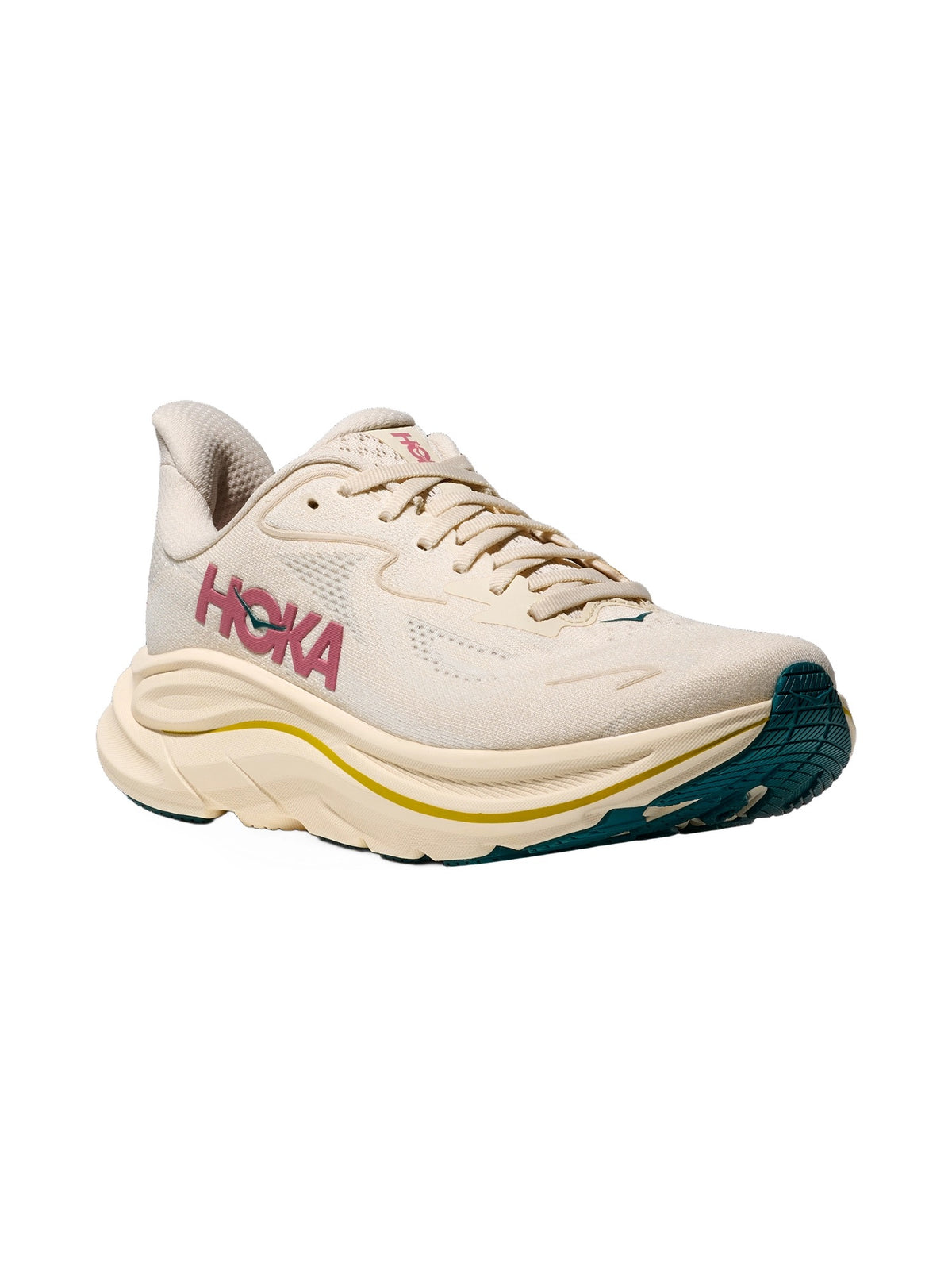

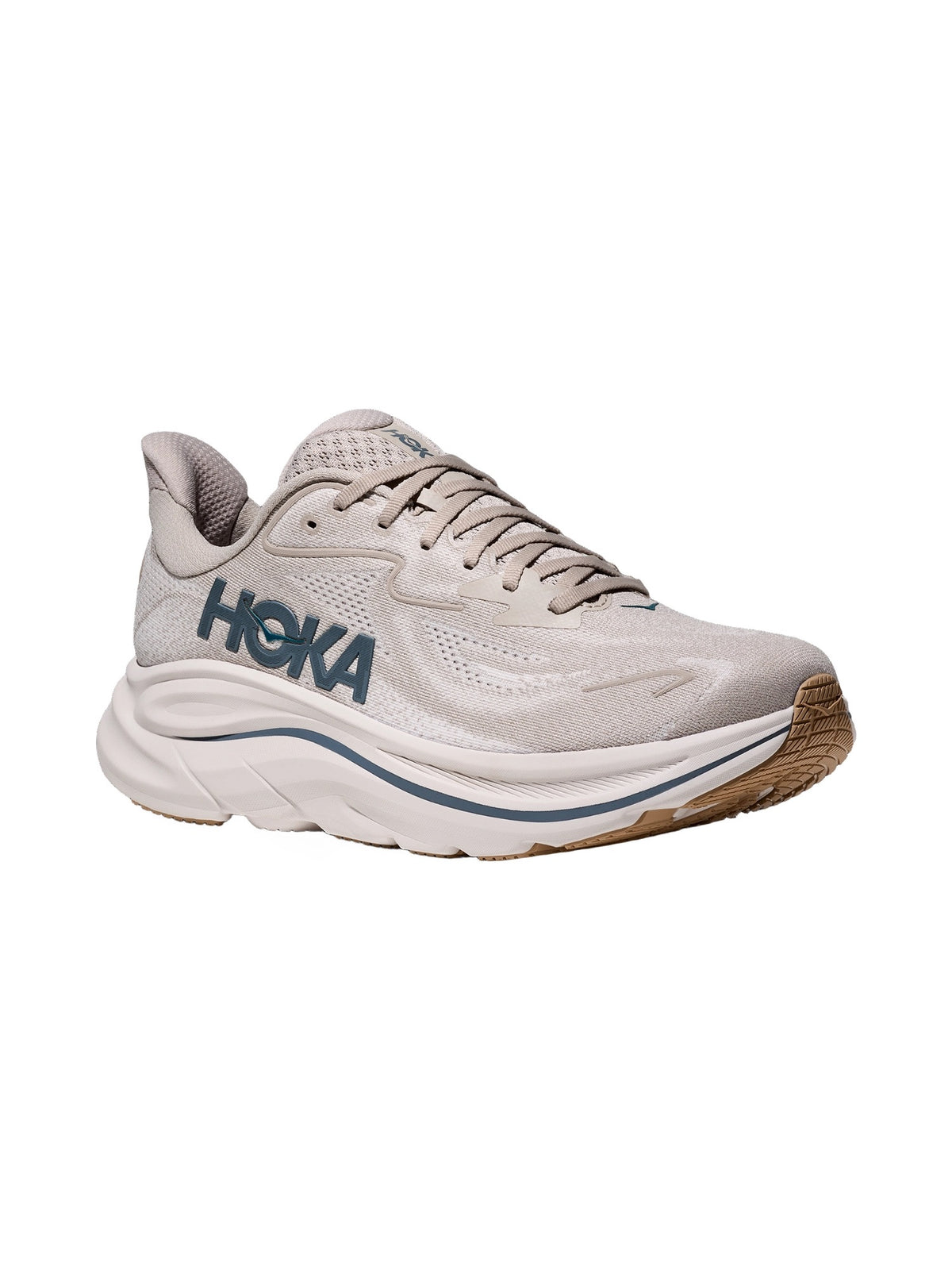
03Vom Laufweg zum Bergpfad
Which way are you taking today?
Choosing HOKA Shoes by Terrain
With HOKA, the highly visible midsole is often the first thing that stands out. However, for the right choice, it's more important what surface you intend to use the shoe on. Asphalt, a mixed path with gravel sections, and a technical trail place different demands on the sole and upper material. A shoe for winter leisure paths also has its own purpose. Therefore, start with your typical route and planned pace before choosing a specific color or a familiar model family.
The HOKA selection at FREUDENHAUS combines running, trail, and outdoor styles. You can choose a shoe with a clear focus or consider a version that covers a specific transition between surfaces. A name that sounds as versatile as possible is no substitute for concrete classification. Consider where you primarily spend your time and which sections only occur occasionally. This weighting is more helpful than expecting the same properties from every shoe for every conceivable route.
Four Families as a Guide in the HOKA World
Bondi, Challenger, and Speedgoat place different emphases within the running segment. The Kaha world leans more towards hiking and corresponding outdoor styles. These names help with initial sorting but do not replace a comparison of the respective generation and version. Additions like GTX or a special shaft shape can alter the construction. Therefore, pay attention to the full model name if you are looking for a familiar shoe again or want to try a different variant of the same family.
Bondi: A Starting Point for Roads and Daily Paths
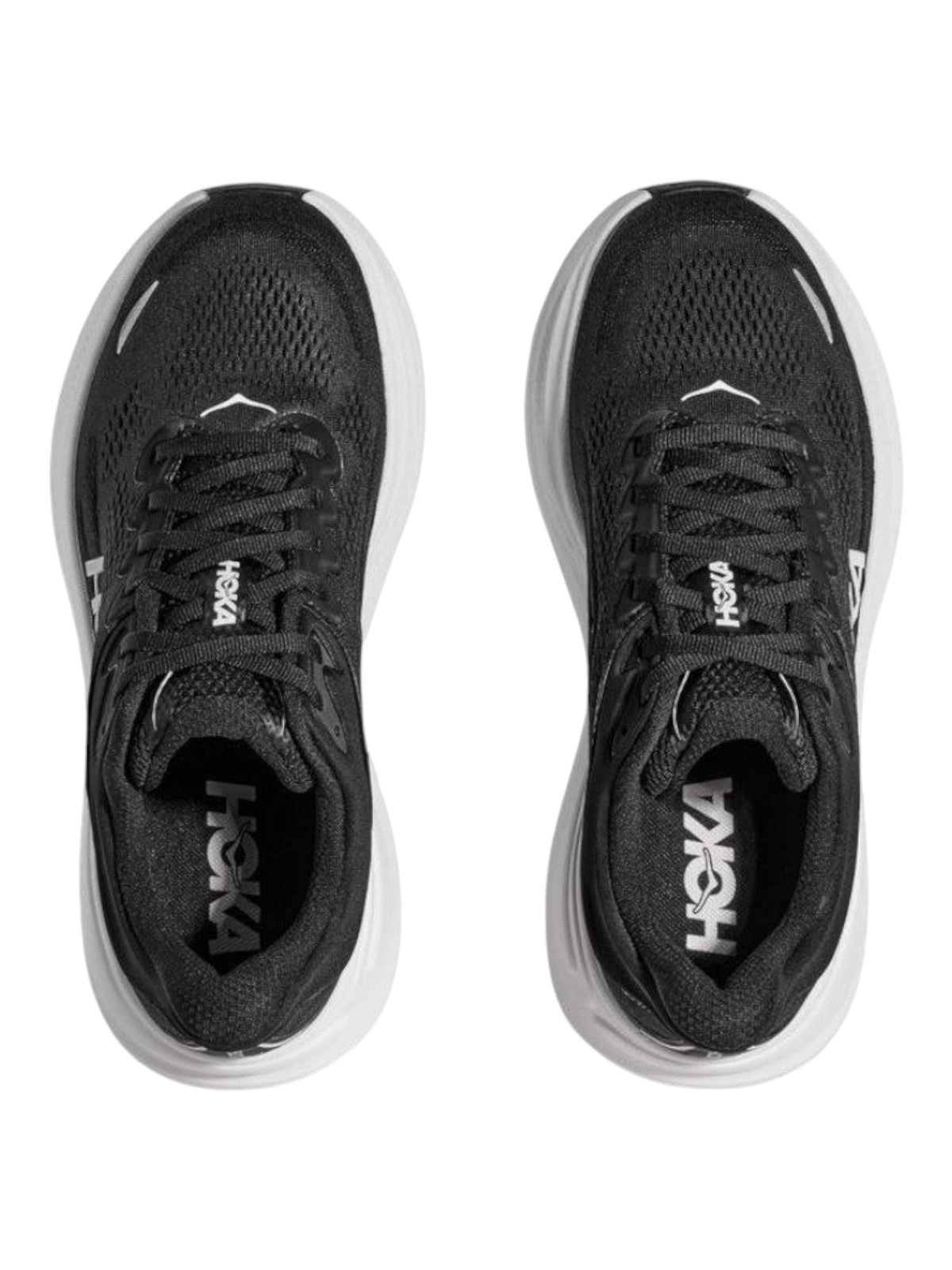
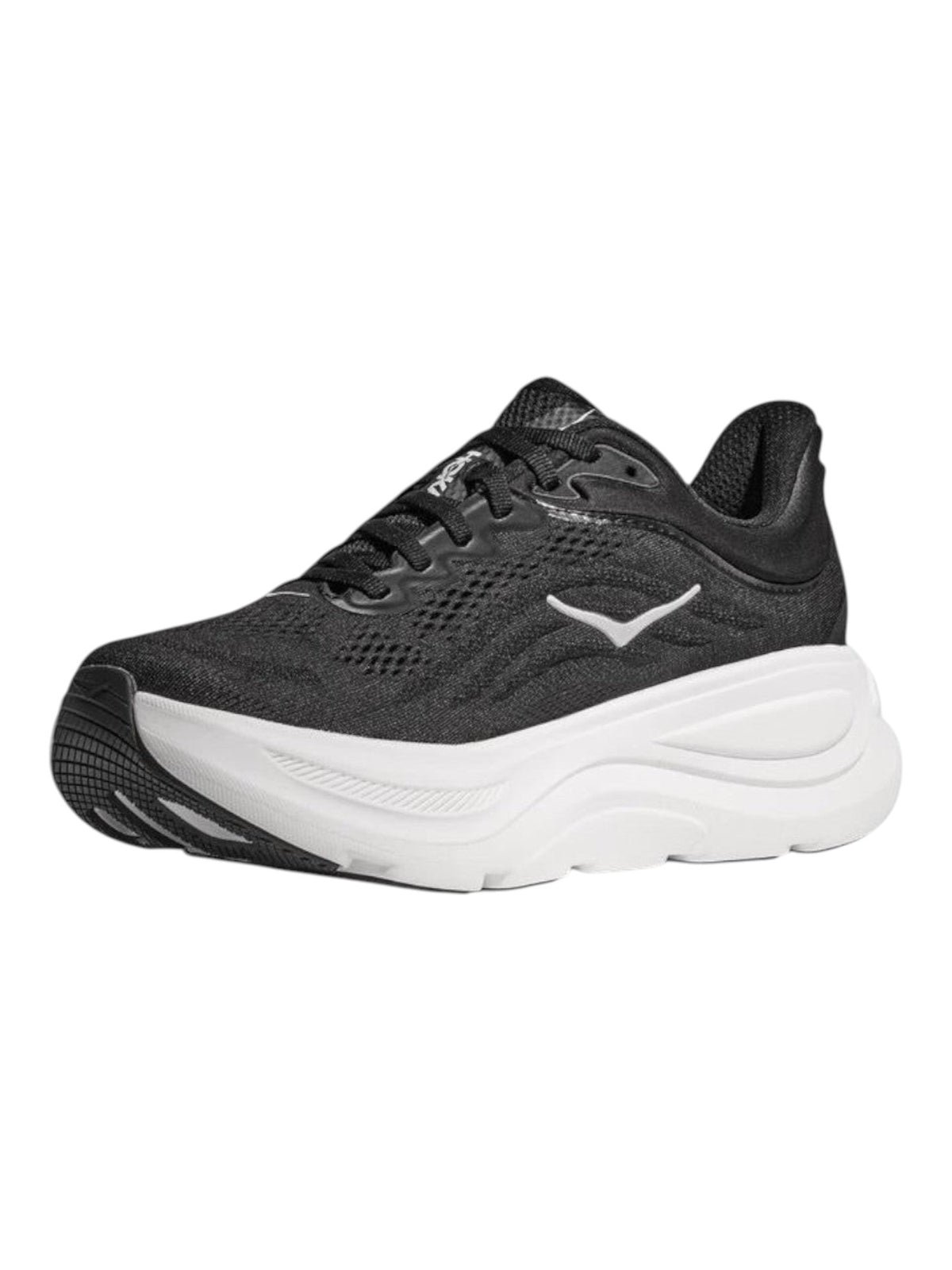
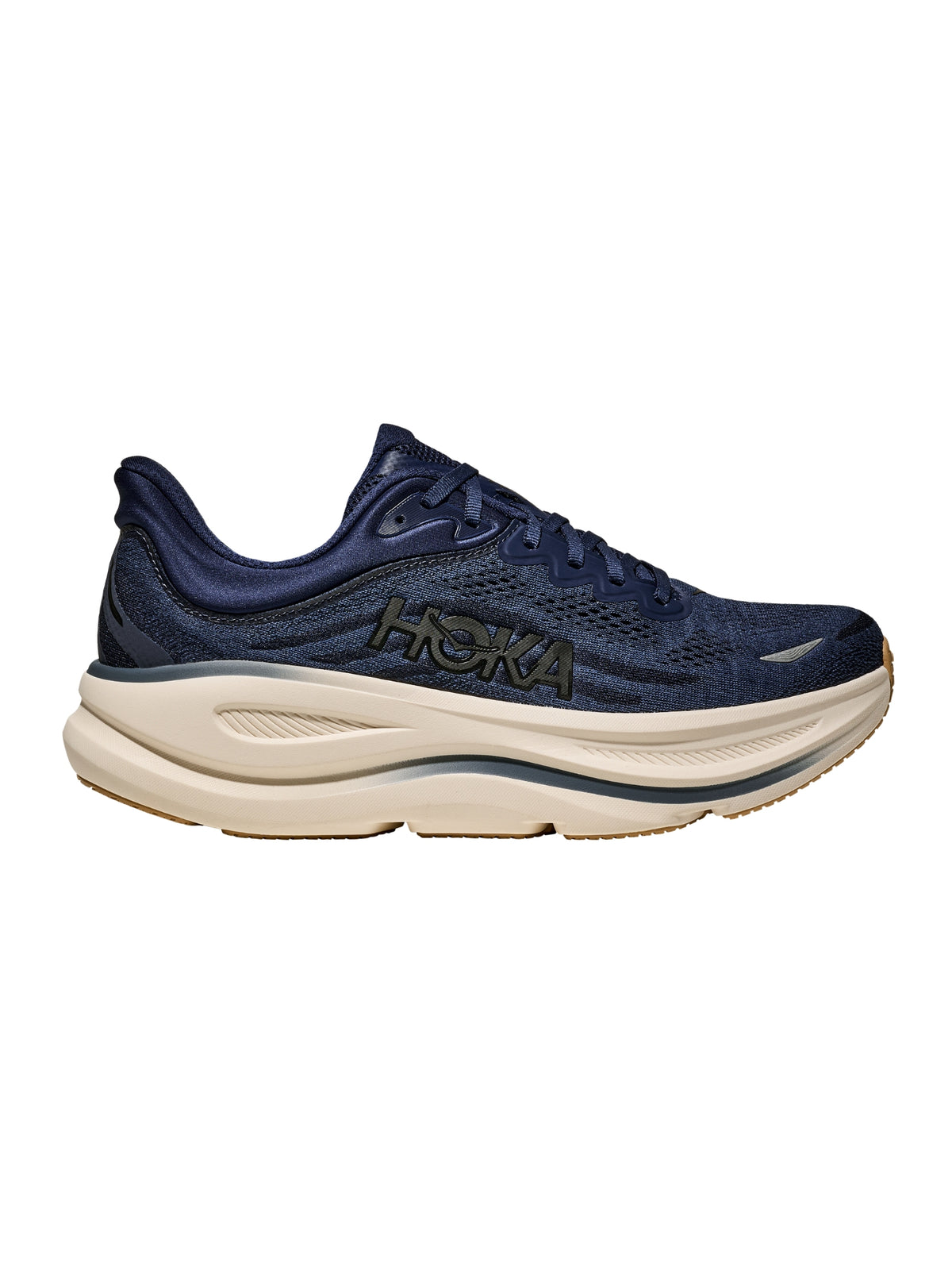
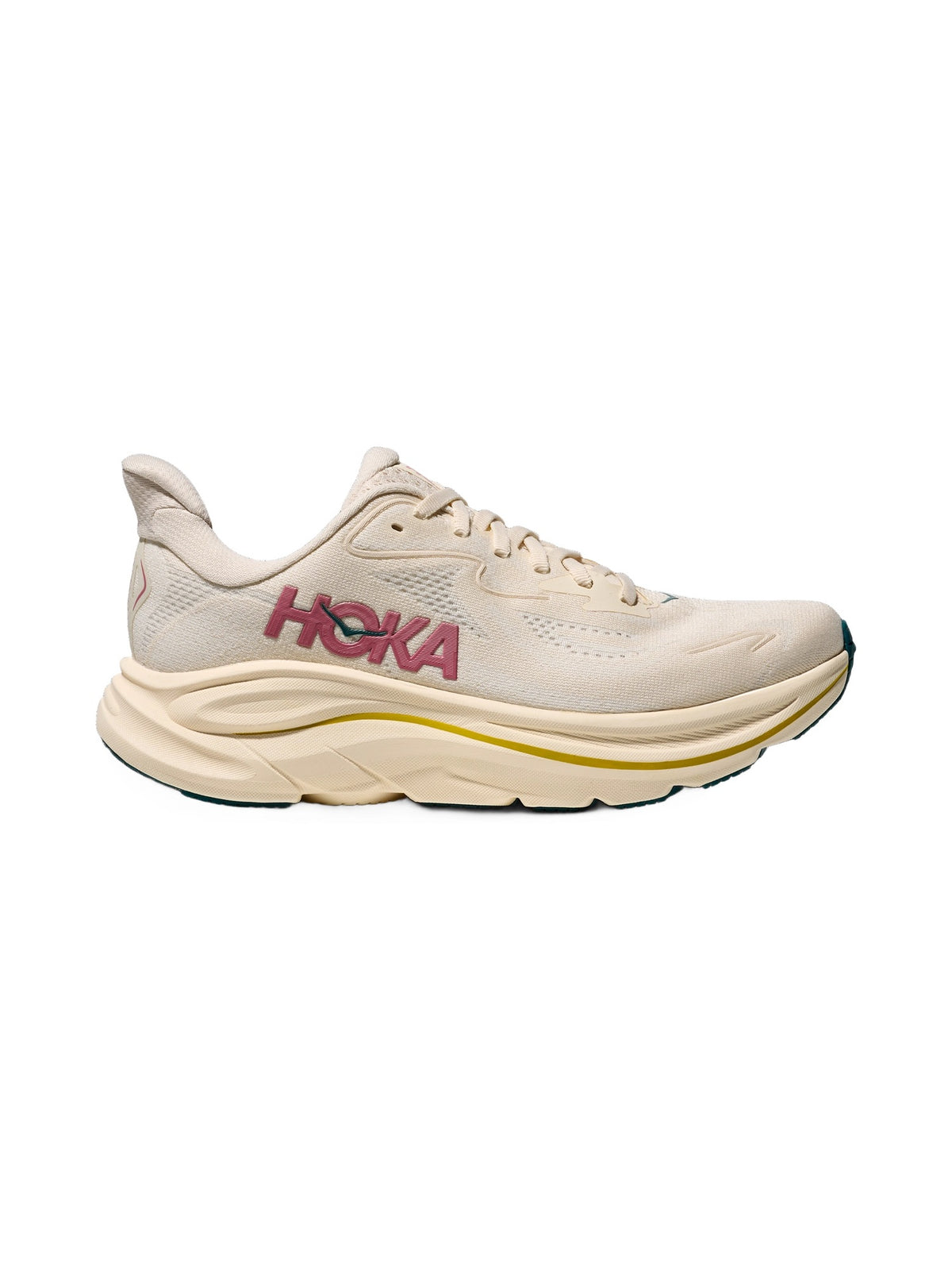
HOKA classifies the Bondi 9 for road running and describes its pronounced cushioning. The official model page also lists walking and lifestyle as areas of use. This makes the Bondi an interesting option if you are looking for a shoe for regular walks on firm surfaces and prefer a distinctly cushioned feel. Whether you personally like it will be revealed during a fitting. A large midsole alone guarantees neither a suitable fit nor a specific sensation with every step.
Don't just judge such a shoe while standing. Take a few steps and pay attention to how your foot rolls and how your heel moves in the shoe. A soft feel upon impact and a precisely perceived hold are different impressions. Both deserve attention. If you also want to wear the Bondi with everyday clothing, you can then match the color and volume with your preferred trousers, without losing sight of its original classification as a road running model.
Challenger: For the Connection Between Road and Trail
HOKA describes the Challenger 8 as a model at the interface between road and trail. This orientation can be interesting if your route regularly switches from asphalt to firmer natural or gravel paths. The actual proportion of different surfaces is crucial. A mixed loop around your home is a different task than a long, demanding mountain trail. The family can therefore be considered its own transitional category and not a blanket replacement for every specialized trail shoe.
When comparing, consider what characteristics you perceive on your usual route. How much tread do you want on unpaved sections, and how should the sole feel on the firm paths in between? Also, look at the upper material and the desired version. A GTX addition changes the weather construction and is a separate decision from the terrain. This way, you can specifically evaluate the Challenger direction instead of just choosing based on a general idea of versatility.
Speedgoat: Focus on the Trail
The Speedgoat belongs to the HOKA trail world. For the Speedgoat 7, the official product description mentions, among other things, a Vibram Megagrip outsole with Traction Lug and a lug pattern adapted for mixed terrain. These features show a different focus than pure road running. However, they are no guarantee of grip on every surface. Moisture, loose stones, and the specific surface continue to change how a step feels and how you move on the path.
For a trail shoe, the fit of the upper deserves special attention. The foot should be noticeably secure in the shoe when walking and changing direction. Too much movement inside will not be compensated for by a pronounced outer tread alone. Also, check the space in the forefoot and the shape at the heel. If you are already familiar with an older Speedgoat model, consciously compare the new generation; a familiar family name does not mean that every detail has remained unchanged.
Kaha and Winter Outdoor Styles
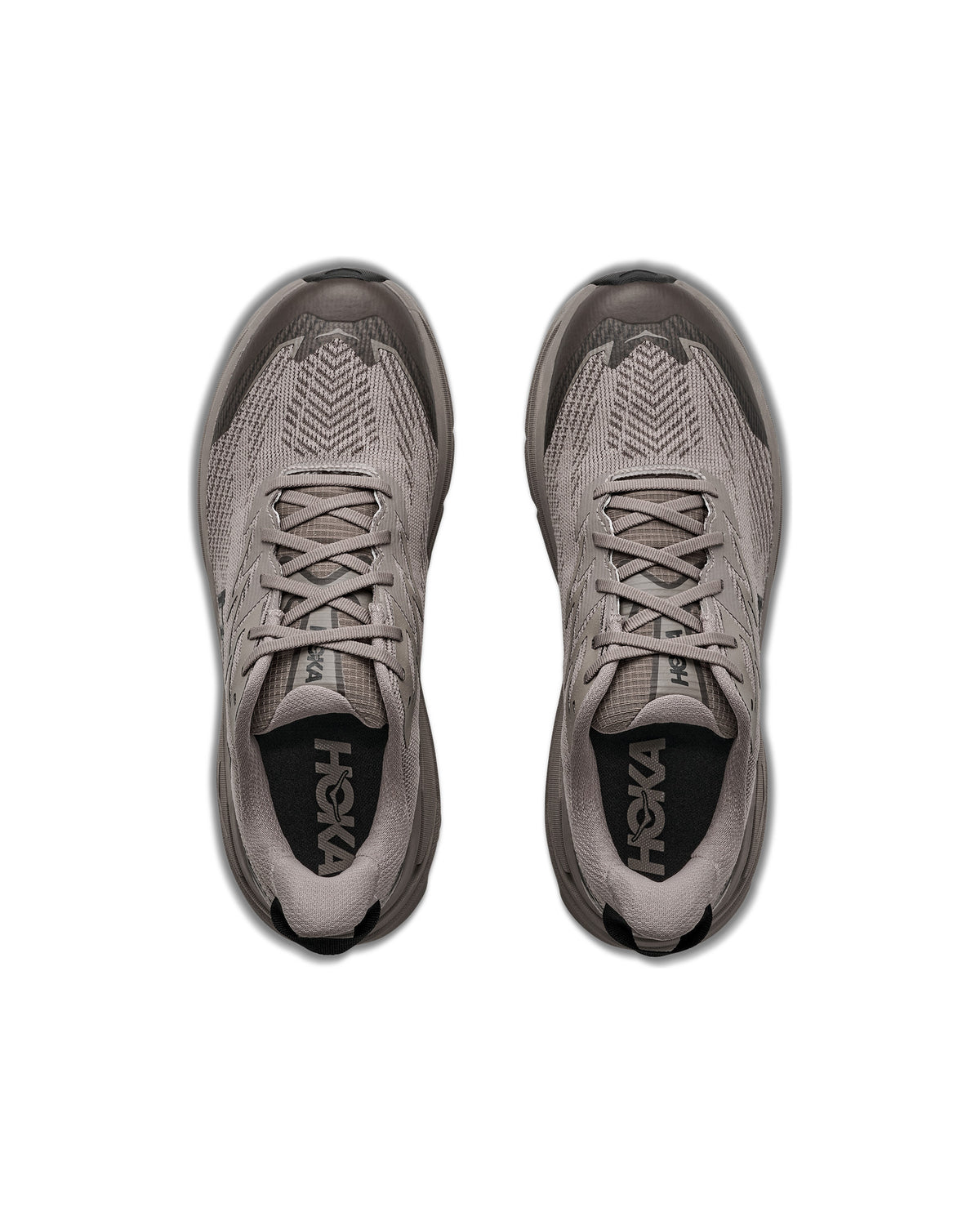
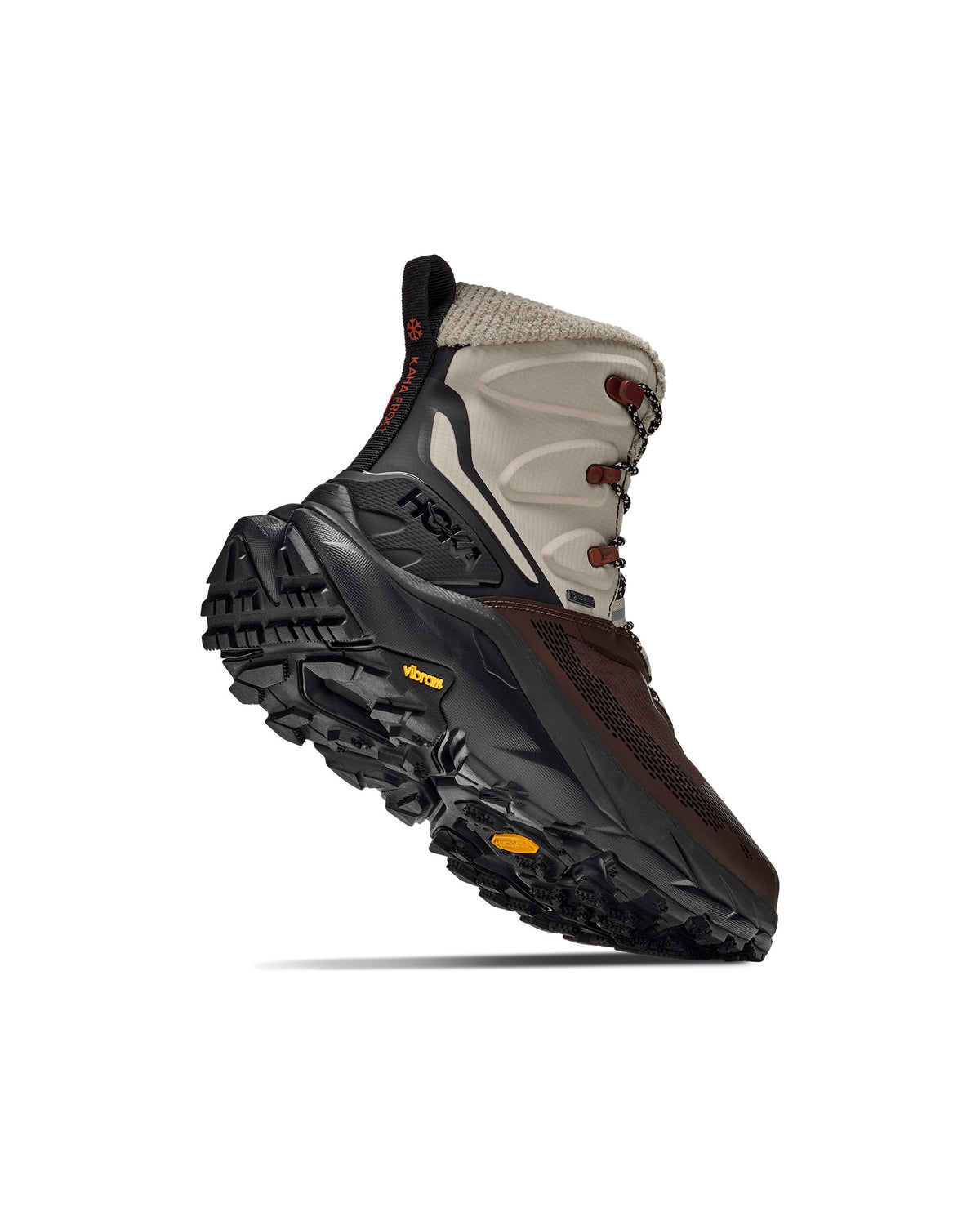
The Kaha world at HOKA is positioned in the hiking and outdoor sector. Frost versions within this environment create their own reference to colder conditions. Here, consider the shaft, entry, and internal construction as well as the sole. A shoe for winter paths is chosen differently than a model in which you plan a running session. The similar brand aesthetic does not automatically make these styles interchangeable, even if a clearly built-up midsole is visible in both.
If you are looking for a shoe for walking around town, strolls, or other leisure paths, define this task as precisely as possible. How long do you walk, how often do you go indoors, and what socks do you want to wear? A higher or more heavily lined construction can feel different from a low-cut running model. Further options for this selection can be found under Women's Winter Shoes and Men's Winter Shoes.
Perceiving Cushioning, Roll-Off, and Support Separately
Cushioning describes part of the feeling underfoot. In addition, there is the shape of the sole, its flex, and the fit of the upper. A shoe can feel soft on initial impact but still seem different when rolling off than you prefer. Therefore, take your time for several steps and changes of direction. Don't just ask yourself if the sole feels comfortable, but also whether the heel and forefoot are consistently supported during movement.
A significant sole height is not a general promise of performance. Nor can it be translated in isolation into a recommendation for every person. Instead, compare two suitable candidates for the same purpose and describe the difference concretely: perceived softer or firmer, more or less space in the forefoot, a different movement at the heel. This makes the selection understandable without deriving a universal answer from a single technical feature.
Carefully Select Size and Width
Refer to the size chart for the specific version and measure both feet. For comparison, both length and width are important. A shoe that leaves enough room at the toes can still fit differently in the midfoot than desired. When trying them on, pay attention to the areas where the upper material makes contact and to the heel hold. The lacing supports the intended fit but should not correct a fundamentally ill-fitting shape with excessive tension.
HOKA offers different widths in parts of its model range. If such versions are available, a suitable width is often a more precise comparison question than simply increasing the length. Check the actual assignment to the model, as not every family and variant has the same options. Women's and men's designations are also initially a guide. The suitable shoe shape results from your feet and the specific construction, not exclusively from the target group category.
The Planned Socks Belong to the Fitting
A thin running sock changes the interior differently than a thicker winter sock. Therefore, try on HOKA shoes with the type of sock that matches the intended use. Also, pay attention to seams or folds that can affect the feel in one spot. If you want to continue using an existing insole, the specific combination must also be evaluated. A shoe should be selected with the actually intended components and not just as an empty shell.
Consciously Choose GTX Based on Weather and Use
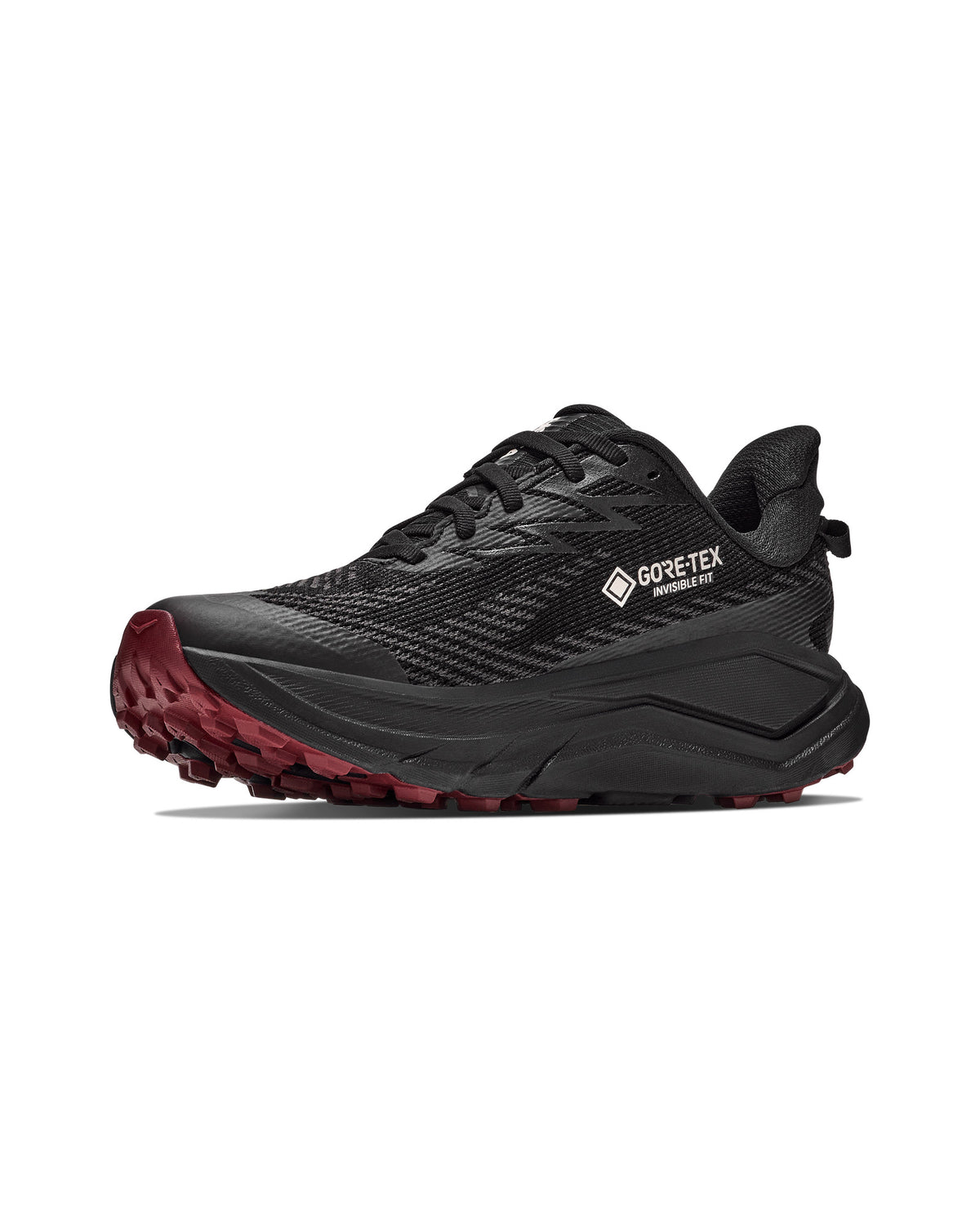
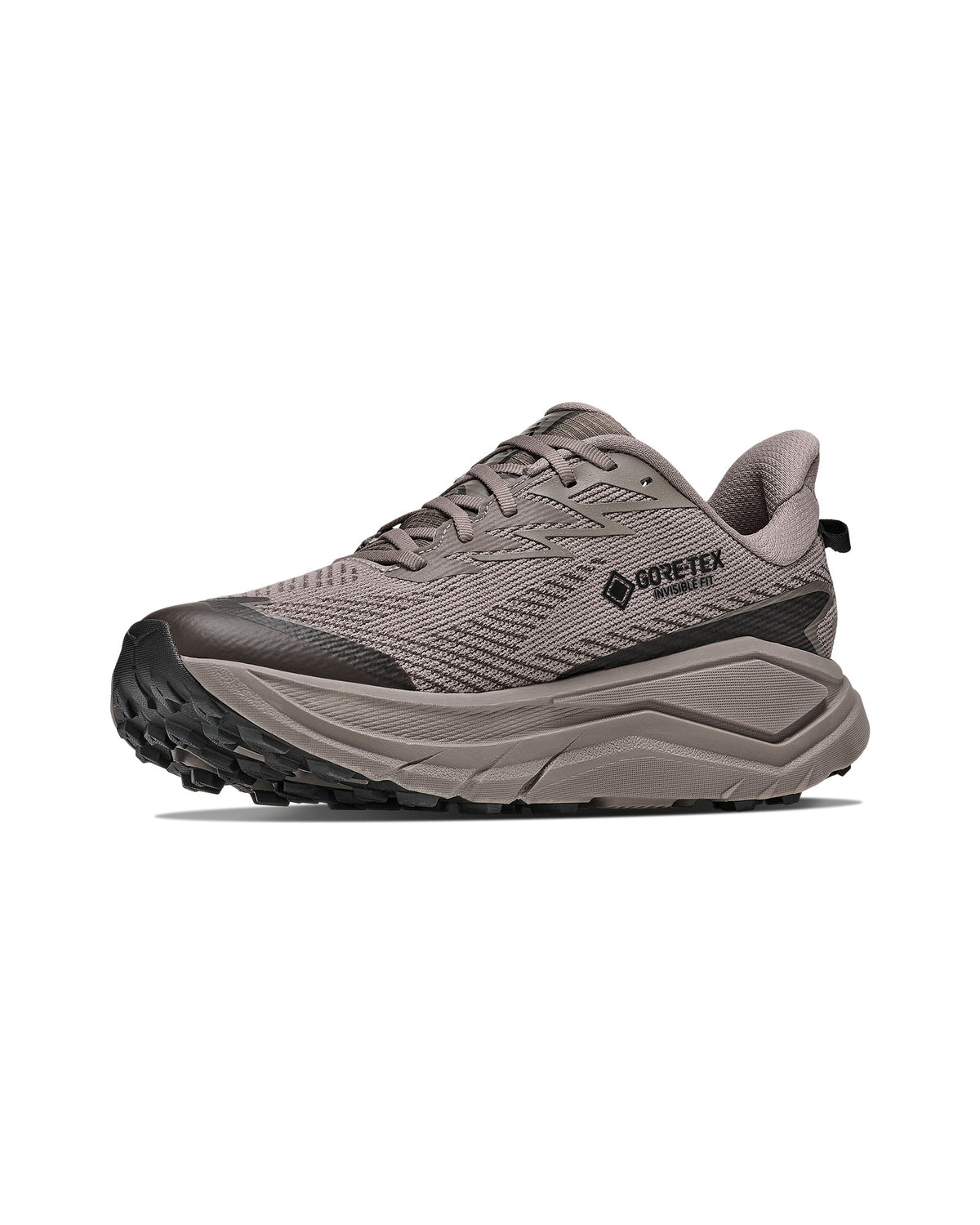
GTX in appropriately equipped HOKA models indicates a GORE-TEX construction. This addition is a separate weather decision and does not make every variant the same shoe. Therefore, always compare the complete designation and the described properties. For predominantly dry use, a differently constructed upper material can be another option; for frequently wet conditions, a designated weather protection construction can become interesting. What matters is what task you actually want to cover in everyday life.
Even with a shoe described as waterproof, entry and use remain relevant. An open shaft edge is not closed protection over the entire leg. Therefore, choose the shoe to match your paths and complementary clothing. A GTX addition also does not automatically imply additional winter insulation. Weather protection, internal thermal volume, and outsole profile are separate features that you can then combine for a suitable version.
Running Shoe or Sporty Everyday Companion?
If you primarily want to wear your HOKA in everyday life, the walking feel may be more central than a specific training intention. Nevertheless, check the original model suitability. A pronounced trail profile comes with a different construction than a road-oriented sole. Decide first based on your paths and then based on the combination with clothing. A subdued color can easily integrate into several outfits, while a high-contrast version makes the shoe a more visible accent.
For sporty comparisons, the collections Women's Sports Shoes and Men's Sports Shoes provide further options. Then use the HOKA brand overview to combine the desired surface with a suitable family. If you want to cover several very different purposes, it can be helpful to name them separately first. This way, you can recognize where a transitional model makes sense and where you need a clearer focus.
Make the Final Comparison with a Clear Order
Narrow down your candidates by terrain, then compare fit and roll-off feel, and then decide on weather version and design. For later cleaning, follow the instructions for the specific model, especially with different upper materials and membranes. A color or a familiar name can facilitate getting started, but should not replace the previous decisions. This way, you will find a HOKA shoe whose construction you understand and whose purpose suits your own paths.
04This brand at FREUDENHAUS
05Questions about the brand