








Women's Sports Shoes: Choosing the Right Surface, Fit, and Model
When choosing women's athletic shoes, consider the activity, terrain, and how the shoe actually fits. Compare road running, mixed terrain, and trail concepts based on the specific model details. Fit, cushioning feel, and possible membrane features all go together so you can find a pair for your intended use and personal requirements.


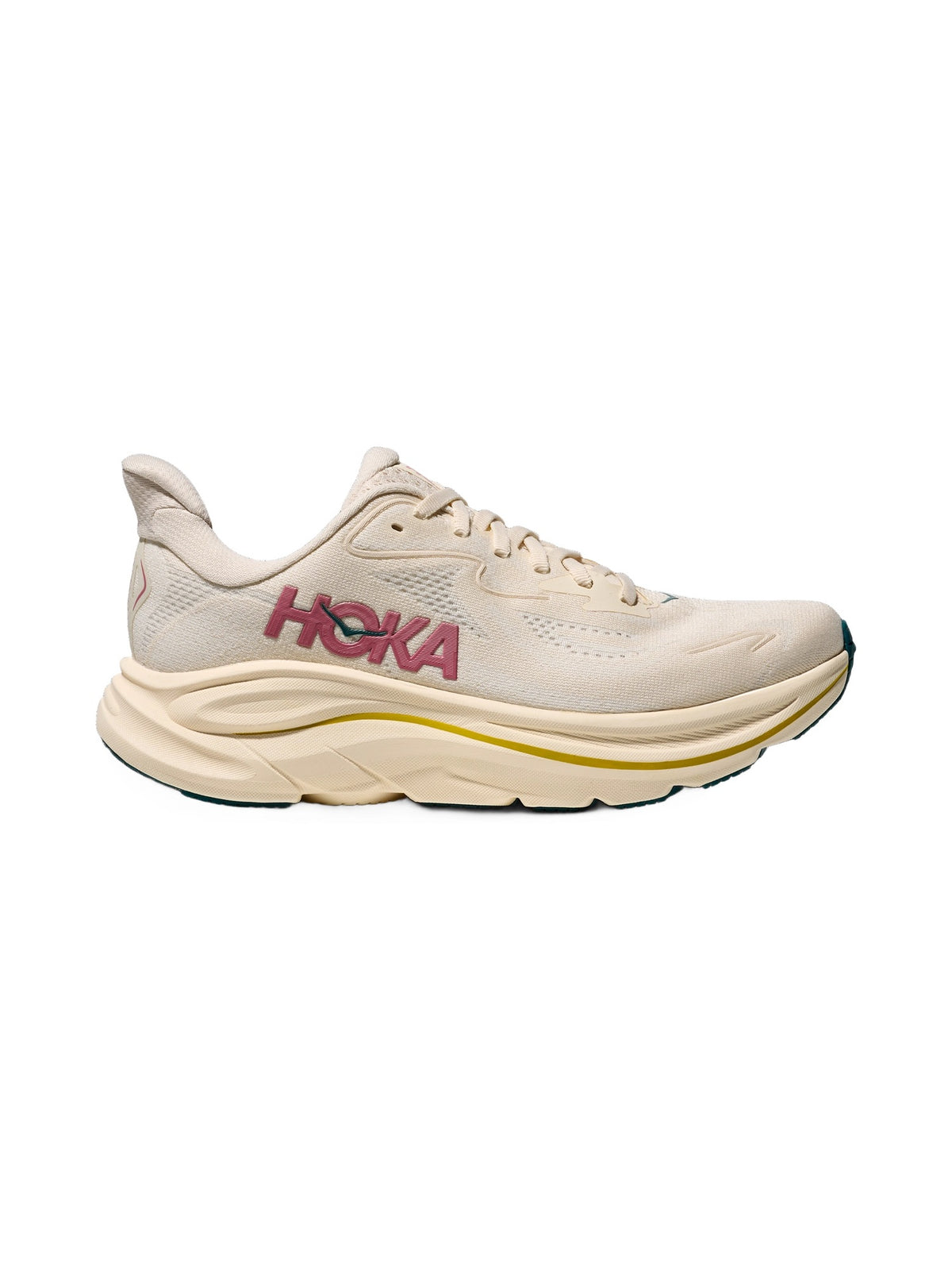
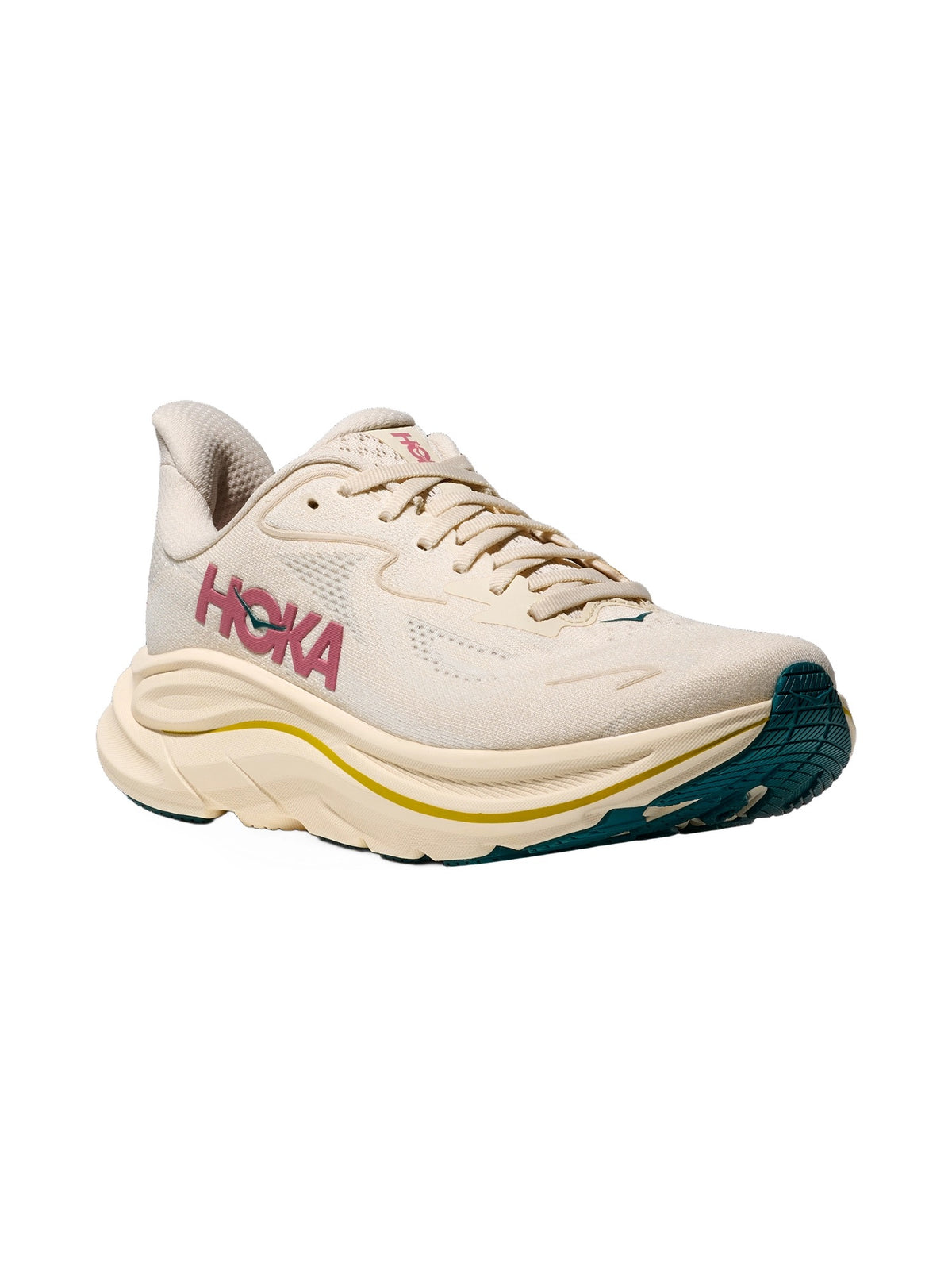
Choosing Women's Athletic Shoes Based on Activity and Terrain
An athletic shoe should suit the activity for which you primarily wear it. Therefore, start by considering your path: do you mostly run on paved surfaces, do you switch between roads and unpaved trails, or are you looking for a model with a clearly defined trail purpose? These situations place different demands. A sporty look and a sturdy sole alone are not enough to judge suitability. The specific construction and intended use are decisive.
Also, determine whether the pair is primarily intended for running or mainly for everyday walking. Some models are classified by the manufacturer for multiple uses, but this is not a general characteristic of all athletic shoes. Choose based on your actual priority and then check the fit. This way, you avoid buying a pair just because of a well-known model family, even though its specific design serves a different purpose than what you are currently looking for.
Distinguishing Between Road Running, Mixed Trails, and Trail Running
A model described for road running is selected based on its performance on corresponding paths. For trail construction, the intended terrain, tread, and other equipment details come more into focus. Between these roles can be models for changing paths. Check the manufacturer's description and consider the sole as part of the overall construction. A coarse tread appearance alone is no guarantee of comfortable use on any terrain.
For mixed routes, consider the actual proportion of different paths. A short unpaved section on an otherwise paved loop is a different starting point than a predominantly challenging trail. Decide based on this realistic distribution and the intended model role. An athletic shoe does not have to cover all terrains equally well. A clear priority helps to narrow down the selection and meaningfully weigh the characteristics of the favorites against each other.
Comparing HOKA Models as Different Concepts
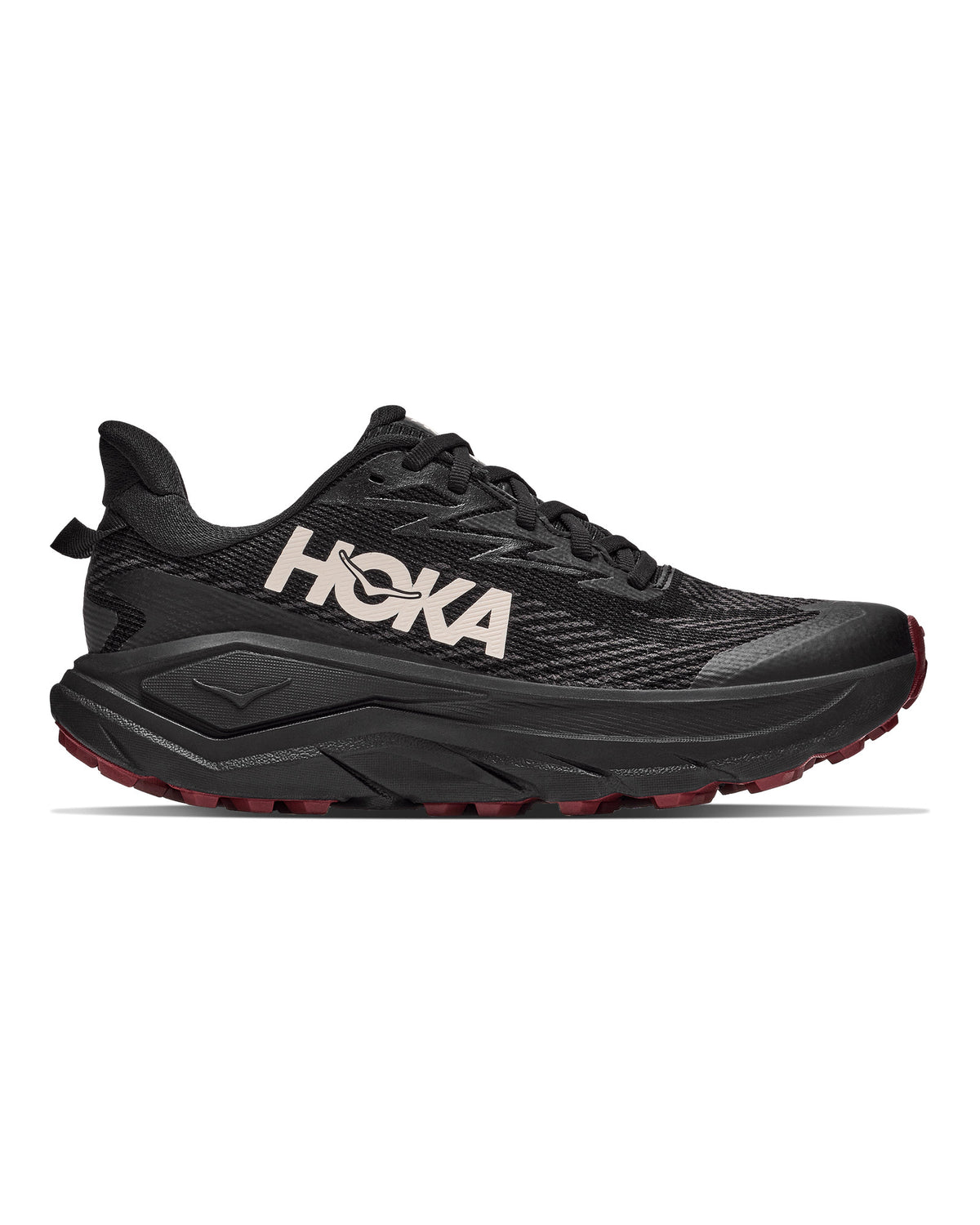
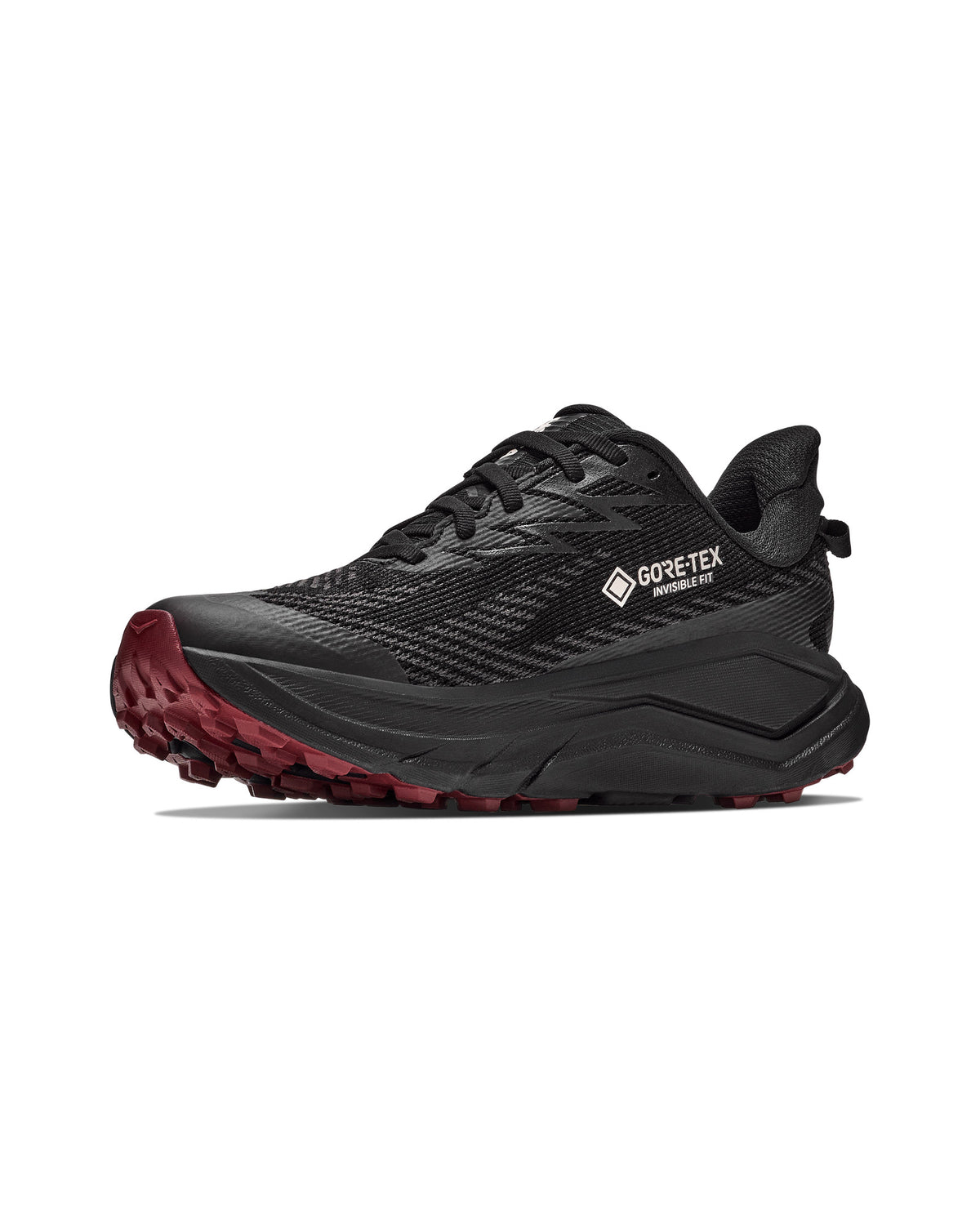
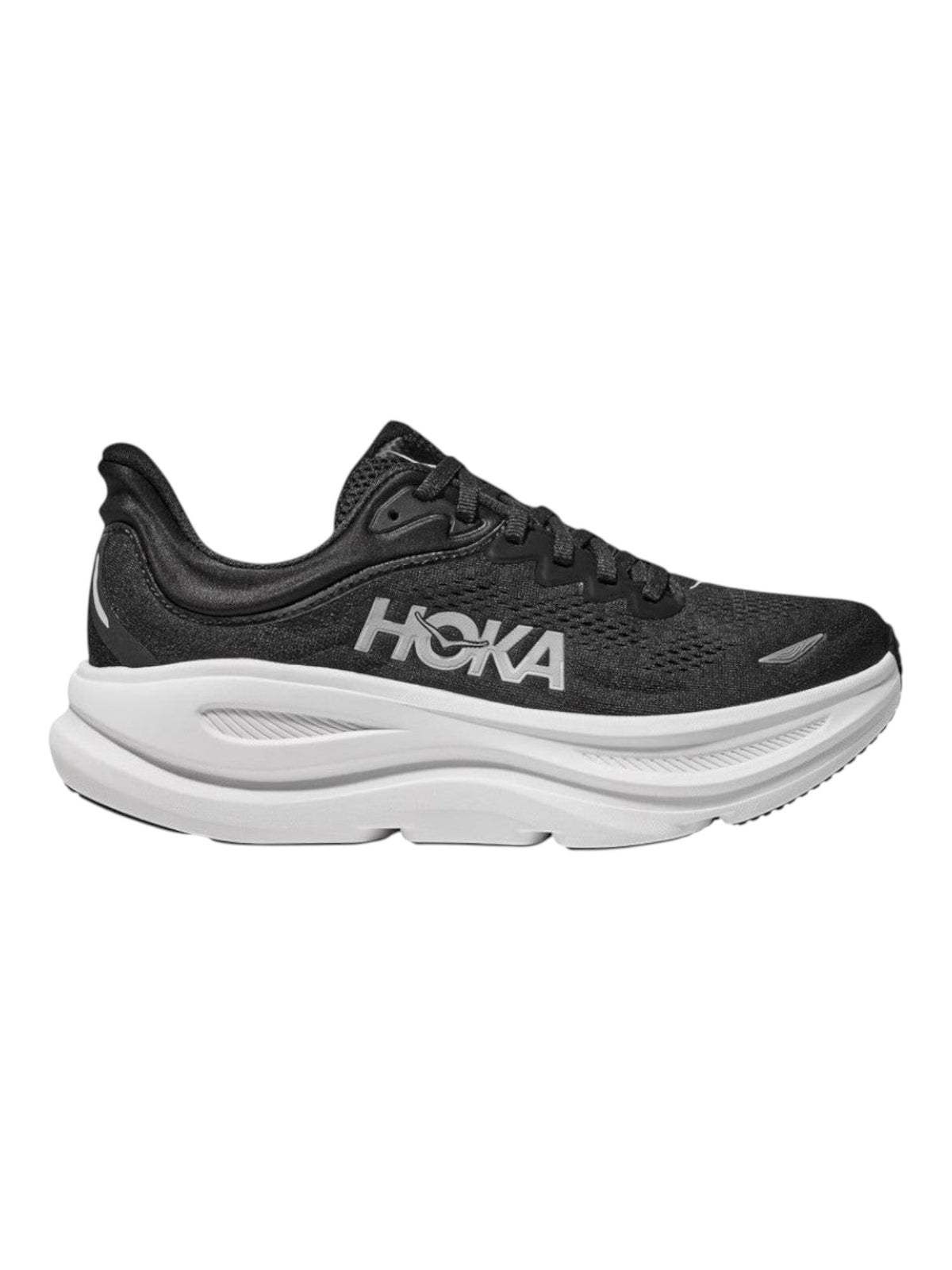
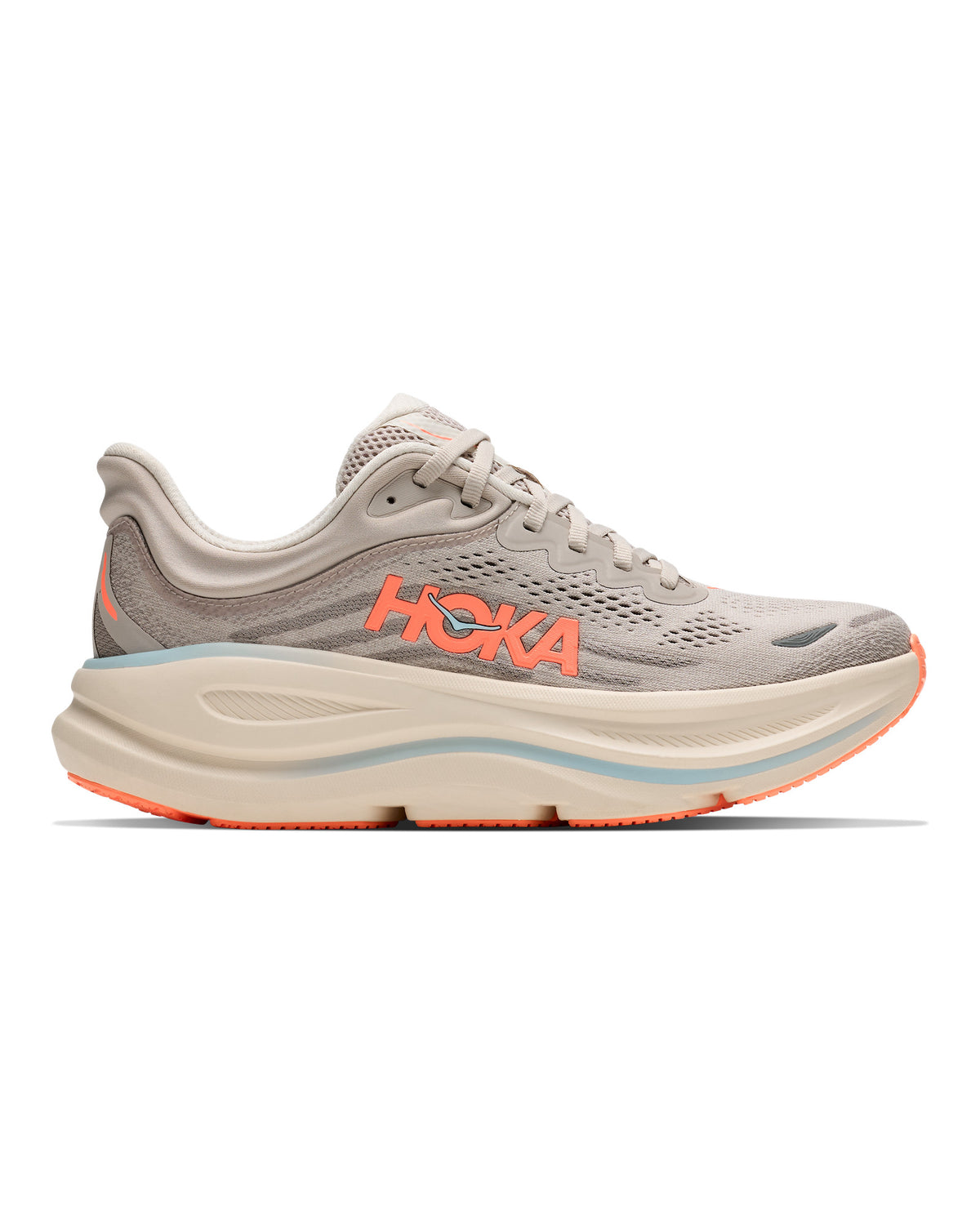
HOKA classifies the Bondi 9, among others, for daily running and walking and describes a highly cushioned construction. The Challenger 8 GTX, on the other hand, is described as a concept for switching between paved and unpaved paths and features a GORE-TEX Invisible Fit membrane in this version. These examples show different product roles. They are not a statement that every line of the same brand has the same construction or suitability.
In the selection of HOKA, you can compare the specific models offered based on these differences. Pay attention to the complete model name and any additions. A variant with a membrane is not simply the same design in a different color. Likewise, generations of a model family can change in construction and fit. Use familiar names as a starting point and then carefully examine the pair you actually choose.
Length, Width, and Instep as a Unified Fit
Shoe size does not describe all dimensions of a model. In addition to length, there is the space in the forefoot, the height over the instep, and the shape at the heel. A shoe can offer enough length in the front and still pinch uncomfortably on the sides. A larger size simultaneously changes the support and the position of the foot. Therefore, compare the entire shape instead of trying to solve every fit question with more length.
Try on both shoes with the socks you actually intend to use for your activity. Lace them evenly and walk a few steps. Pay attention to whether your foot is comfortably guided and whether individual areas feel uncomfortably constricted. The intended fit should be discernible during the try-on. Do not rely on a noticeably uncomfortable fit automatically becoming suitable with longer wear.
If you already know a well-fitting athletic shoe model, use this experience as a comparison. Note not only its size, but also which areas feel comfortable to you. A new shoe may fit differently at the same size. Targeted observation of the forefoot, instep, and heel helps you to find the right shape again or consciously change it. This turns size selection into an examination of the specific model and not just a mere habit.
Heel Hold and Lacing Without Excessive Pressure
The shoe should guide the foot in its intended construction. Check at the heel whether you inadvertently slip out or whether the cuff is uncomfortably tight. The lacing can influence the fit, but it cannot arbitrarily turn an ill-fitting basic shape into a suitable model. If you only get enough support by lacing very tightly, causing pressure on the instep, it is worth comparing a different cut or volume.
Also pay attention to the tongue. It should distribute itself sensibly when closed and not lie as a disturbing fold under the laces. Then walk a few steps again and observe whether the position changes. A comprehensible closure is just as important in everyday life as the material description. Decide based on the complete fit and avoid a selection that is permanently dependent on extreme adjustments.
Individually Assessing Cushioning and Roll-Off Feel
The cushioning of an athletic shoe describes a part of its construction and is not automatically associated with a specific health effect. A voluminous midsole can feel different depending on how the entire model is built. Therefore, assess walking and the movement intended for your use with the specific pair. A soft first impression is a characteristic, but it should be evaluated together with the fit and the desired use.
Compare how the transition from landing to rolling off feels. A pronounced sole shape can feel different from that of your previous shoe. This is not a general ranking of better or worse. The decisive factor is whether you can use the construction in a comprehensible and comfortable way. Do not choose solely the highest or softest-feeling sole, but the model whose overall feel matches your requirements and your intended movement.
Realistically Classifying Sole Profile and Wetness
The profile shape and material of the outsole belong to the intended terrain. Check which areas of use the manufacturer specifies for the particular model. A visible lug structure does not automatically mean secure grip on every wet or slippery surface. Different surfaces and conditions remain relevant. The selection should therefore be based on comprehensible product properties and not create the expectation that a shoe will make the ground unproblematic regardless of its nature.
If you frequently switch between different surfaces, the actual distribution of the route is important. Consider whether you need more of a focus or a concept explicitly described for mixed trails. Also compare the walking feel on the surface where you can reasonably assess the pair before use. A distinctive profile may be visually appealing, but it must suit the task for which you primarily want to buy the athletic shoe.
Consciously Choosing Membrane Variants
A membrane is a specific feature and should be chosen based on your conditions. HOKA describes a corresponding waterproof membrane construction for the Challenger 8 GTX. This statement applies to the named version and not automatically to every variant of the family or the entire brand. Therefore, check the model suffix and product description. A similar-looking shoe without the same designation should not be equated with the same properties without careful checking.
Consider whether you explicitly expect wet conditions and what role the pair plays in everyday life in addition to that. A membrane alone does not answer questions about winter warmth, shaft height, or every possible water ingress. If you are primarily looking for shoes for cold winter days, women's winter shoes are the complementary starting point. An athletic shoe with weather protection does not automatically have to fulfill the same task as a winter model designed for that purpose.
Distinguishing Between Sporty Everyday Use and Sneaker Look
A running shoe can also be described for walking or everyday use, depending on the model. However, this does not mean that every everyday sneaker, conversely, was developed for a specific athletic use. Therefore, first decide which function you need. If you primarily want to compare shape, color, and combination with casual clothing, the selection of women's sneakers will help. For a specific activity, the explicit information on the athletic shoe remains decisive.
You can consciously wear a sporty shoe as a visible accent. A bold sole shape changes the drape of wide trousers and looks different with cropped bottoms than with a long silhouette. This style decision is independent of technical suitability. Choose the function according to your intention and then the design according to your taste. This way, the difference between a sporty appearance and an explicitly intended use remains clear.
Matching Socks and Trouser Cuffs to Movement
Socks influence the space and contact within the shoe. Therefore, do not just try on the pair with a random everyday variant if you prefer a different thickness for use. Pay attention to a smooth lay and whether seams or cuffs are comfortable at your typical contact points. A thicker fabric is not a general solution for an ill-fitting shoe shape. The combination should make sensible use of the available space without unnecessarily constricting the foot.
The trouser cuff is also part of the complete selection. Wide trousers should not get caught under the sole; a narrow shape should not be uncomfortably compressed at the shoe. In the women's sports trousers, you can add suitable leg cuts. Test the combination in motion and check whether you constantly have to readjust at individual points. Well-chosen individual items should also be comfortable to wear together.
Care and Condition After Use
Shoes with different upper materials and features may require different care. Follow the instructions for the specific model and choose cleaning and drying accordingly. General machine washing or strong heat is not a blanket solution for athletic shoes. Allow sufficient time for the intended drying and treat membrane variants according to the appropriate manufacturer's instructions. Care should take into account the material structure rather than treating it according to an arbitrary routine.
With regular use, observe the condition of the upper material, sole, and closures. Visible wear and tear and a changed wearing sensation are reasons to evaluate the pair more closely. A fixed number of kilometers or months does not describe the same condition for every shoe and every use. Decide based on the specific product and manufacturer's instructions. If a model no longer functions as intended, the next selection should again start with use and fit.
Focusing the Right Choice on a Few Criteria
Finally, compare your favorites based on the same questions: intended terrain, actual fit, desired running or walking feel, and, if applicable, weather protection. The broad overview of women's shoes helps to classify this role against other shoe types. A new color or a familiar name can then be the deciding factor, but it should not replace the functional and personal fit criteria.
A suitable women's athletic shoe does not need a blanket performance or health guarantee. It should be described for your intended activity and combine sensibly with your foot and your other clothing. If you clarify these basics first, the selection becomes clearer: you know why a model is interesting for you, which differences really matter, and where you would like to compare more closely with a different design.
04At FREUDENHAUS
05Questions about the category