





Men's overshirts as a versatile shirt layer
An overshirt adds an extra dimension to a simple outfit and can be worn open or closed. Discover men's overshirts at FREUDENHAUS Obertauern and compare fabric, width, length, and details. Consider your T-shirt, trousers, and a potential jacket at the same time, so that the new shirt layer fits meaningfully into your wardrobe.
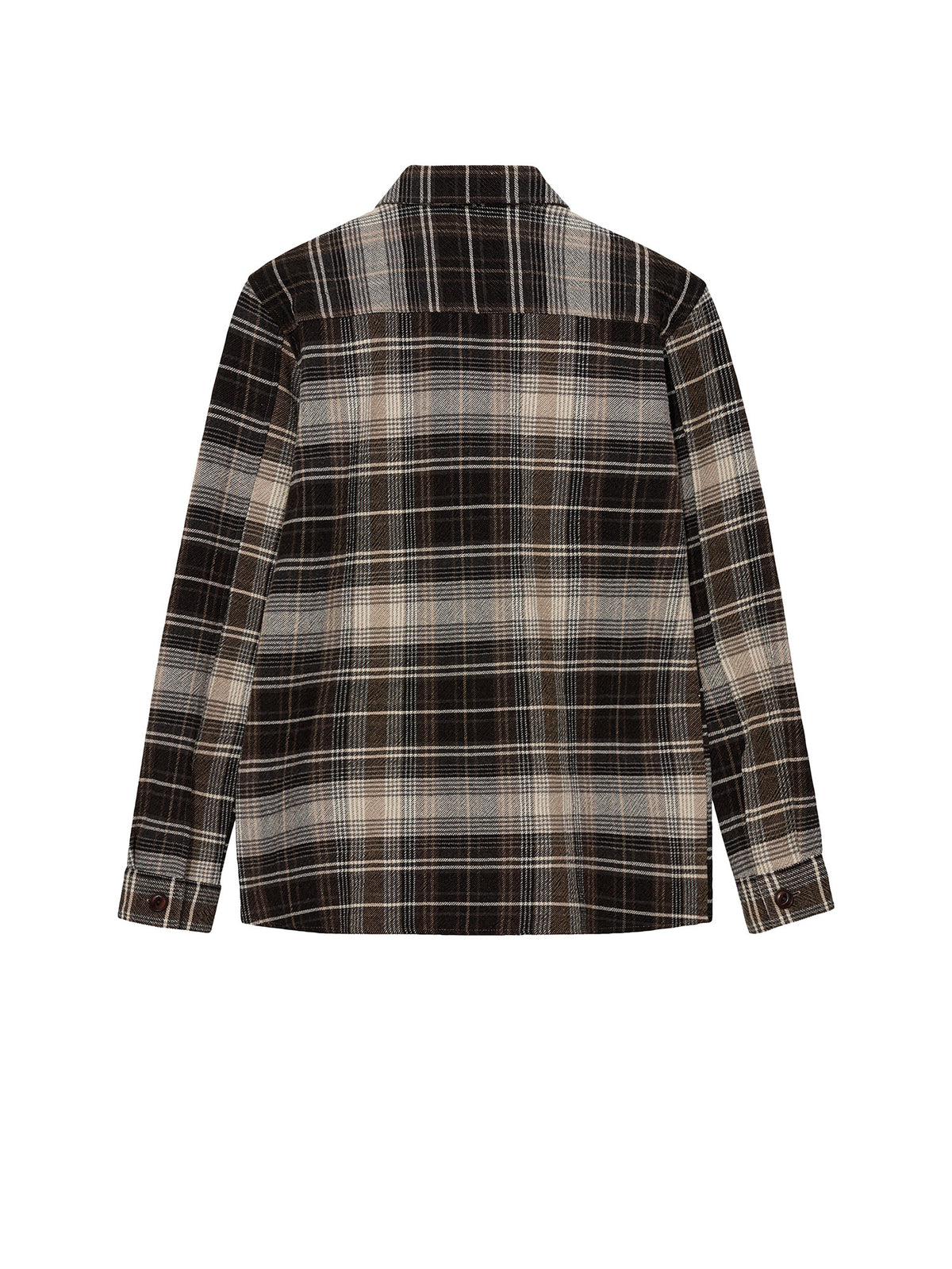


The overshirt as an additional shirt layer
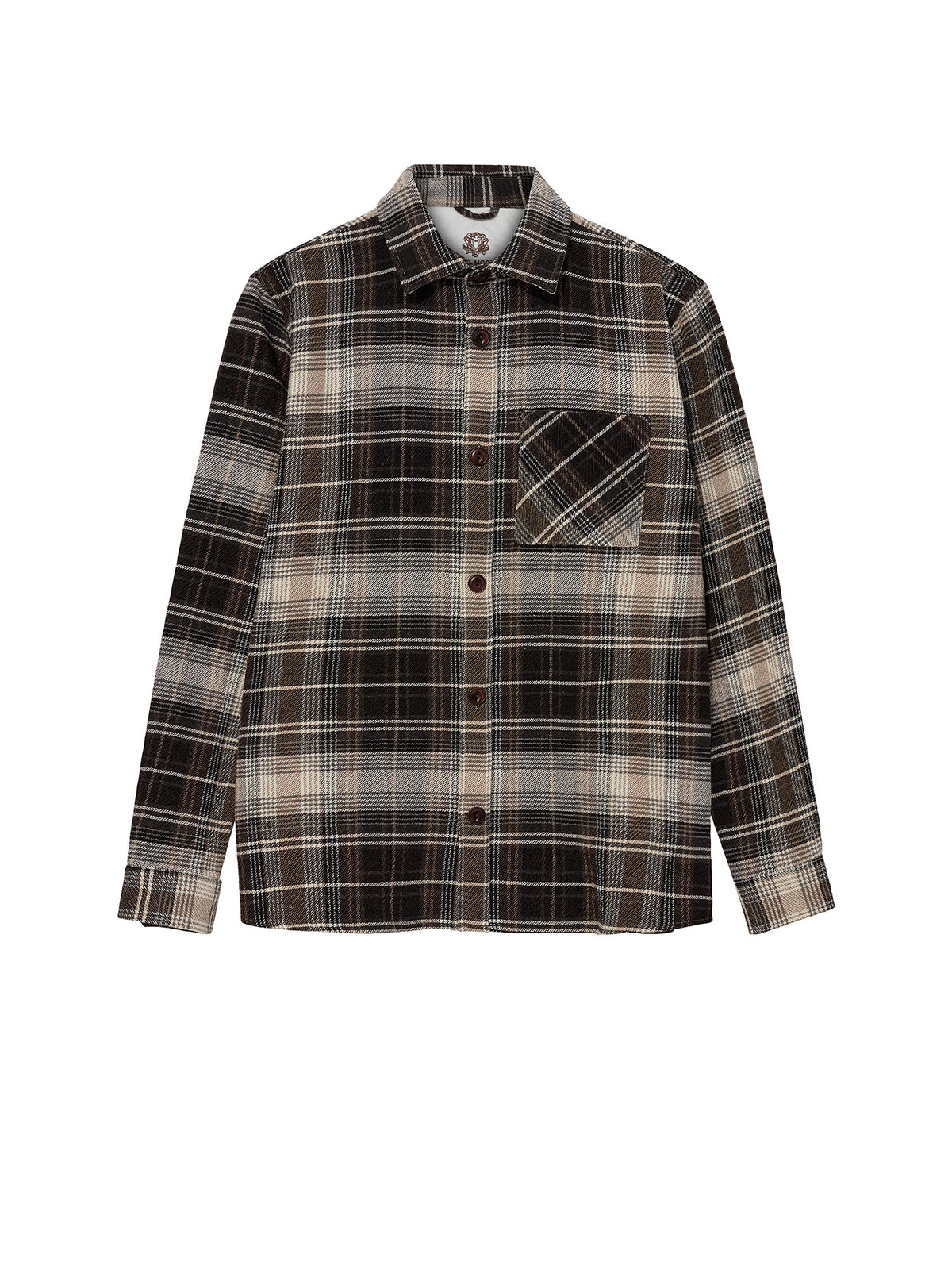
An overshirt is conceptually positioned between a shirt and an outer layer of clothing. It can be worn over a T-shirt, structure a simple combination, and fit under another jacket if needed. Its specific role is determined by its cut, material, and workmanship. At FREUDENHAUS Obertauern, you can compare men's overshirts based on how you want to integrate them into your existing wardrobe.
The crucial question is not just whether you like the item on its own. Consider what top you want to wear underneath and how much room you need for it. A simple shirt creates less bulk than a thicker sweater. At the same time, the trousers influence whether the overall combination appears compact or deliberately spacious. An overshirt is therefore particularly well-chosen if you have several specific wearing options in mind.
What distinguishes an overshirt, a shirt, and a jacket?
A classic men's shirt can be worn buttoned as a standalone top, creating a comparatively clear transition to the trousers. An overshirt is more intended as an additional layer. This can be reflected in its width, fabric volume, pockets, or other details. The boundaries are fluid in design; not every model is equally thick or designed for the same use.
A jacket, in turn, can have a different construction, a different lining, or explicitly stated weather properties. An overshirt does not automatically replace such features. If you primarily want an outer layer for certain weather conditions, compare the specific features or go to the men's jackets. For a layered casual outfit, on the other hand, the overshirt focuses on proportions and a comfortable interplay.
Realistically planning space for the bottom layer
When trying it on, wear the top that you intend to wear underneath most often. Close the overshirt and stretch your arms forward. The additional layer should allow sufficient room at the shoulders and back. If it only feels comfortable when open, but is noticeably tight when closed, a different cut may be better suited for your intended use.
Also pay attention to the upper arm and armpit area. More fabric than expected can quickly accumulate there with multiple layers. A well-chosen width can improve wearing comfort without making the entire silhouette too bulky. Therefore, do not buy solely with the idea of creating as much space as possible. Check where you actually need it and how the sleeves and hem change as a result.
Choosing fabric, structure, and drape
The surface accounts for a large part of the overshirt's look. A smoother fabric creates a different impression than a clearly visible structure; a firmer shape outlines different lines than a softer drape. These differences influence whether the piece quietly complements or forms the focal point of your outfit. Compare the open and closed views, as far as they are shown, and read the details about the specific material blend.
The full effect cannot be derived from a single fiber designation. Workmanship, fabric thickness, and cut interact. A material name is also not a general weather guarantee. If you want to wear the overshirt outdoors, check its explicitly described properties and the conditions of your use. For short distances with an additional layer underneath, something else may be pleasant for you than for longer stays outdoors.
Collar and closure shape the front
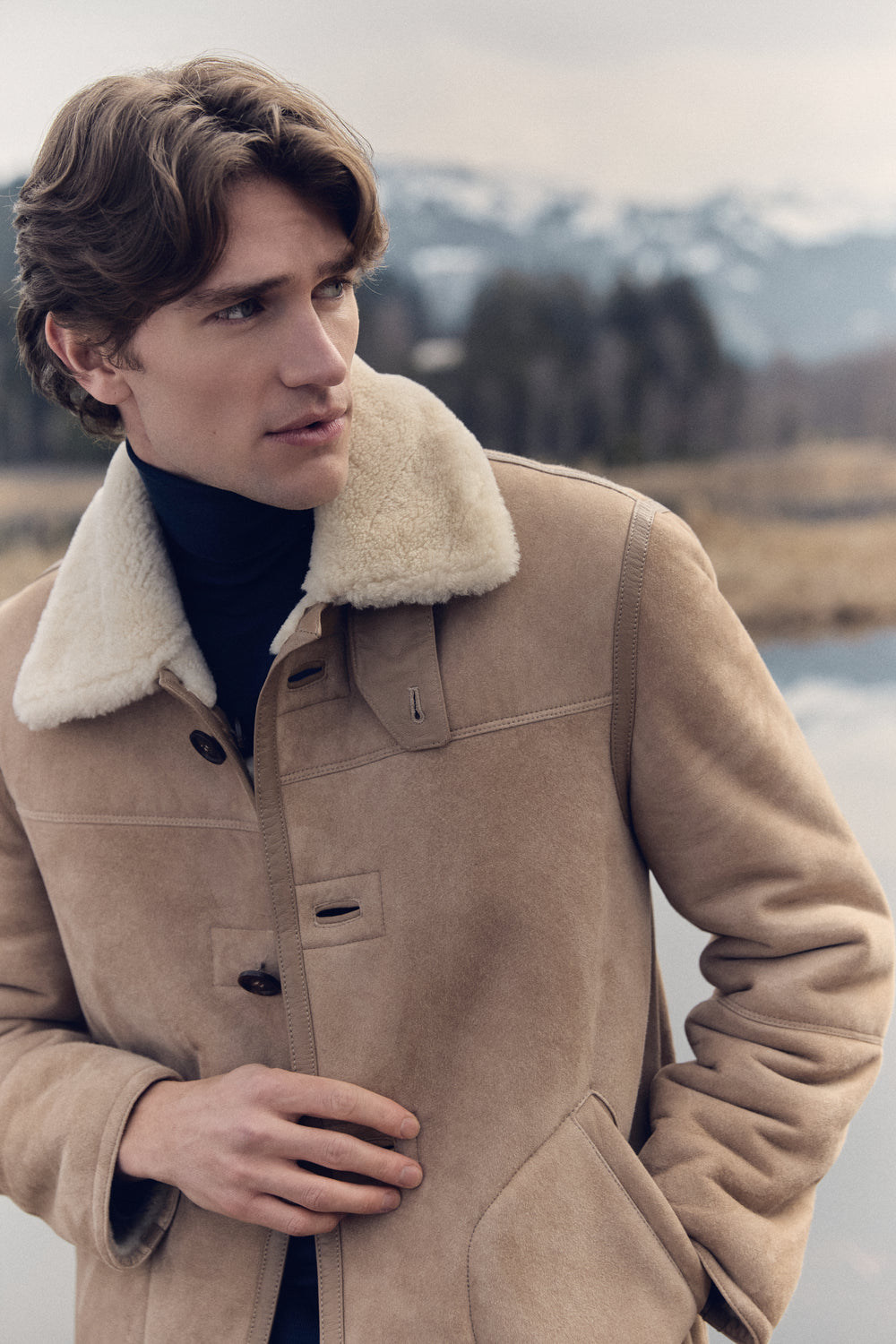
An overshirt is often worn open, but the closed state is also part of the comparison. The collar then frames the neck differently, and the front forms a continuous surface. Try both ways, as you would use them in everyday life. Pay attention to whether the neck area allows enough space and how the collar interacts with a neckline underneath.
Buttons, snaps, or other closures are not just optical details. They influence how easily the item can be opened and at which points the front is connected. Consider whether you frequently switch between indoors and outdoors and want to adjust the overshirt accordingly. A striking closure can emphasize the design; a restrained version allows the fabric and cut to have a stronger effect.
Consider pockets with and without contents
Chest or side pockets can give an overshirt a distinctive shape. Their position changes the front even if you don't use them. If you actually want to carry small items in them, assess the access and usable size. A decorative detail does not automatically have to offer the arrangement suitable for your everyday life.
Also consider the fabric drape with contents. A key or another small object can visibly affect the surface and disturb movement. For more extensive items, a separate bag is often the more suitable addition. Therefore, do not choose the overshirt solely by the number of visible pockets, but by how design and actual use go together.
Creating a clear proportion with a T-shirt and trousers
A T-shirt can form a calm center under the open overshirt. Choose the color so that it complements the outer layer or creates a deliberate contrast. A distinct pattern on the overshirt, for example, can be combined with a simple undershirt. With a plain outer layer, on the other hand, the visible base can stand out more.
Pay particular attention to the hem lengths. If the shirt ends significantly below the overshirt, an additional horizontal line is created. This can be intentional, but should match your trousers and the desired overall look. A short outer layer over a longer base looks different from a consistently similar length. View the combination when sitting and from the side, not just head-on in front of the mirror.
Wearing under a jacket or over knitwear
If you want to wear a jacket over it, it needs enough room at the shoulders and sleeves. Try on the entire combination, because three individually fitting tops do not automatically sit comfortably together. Several collars can also create more volume at the neck than desired. Decide which layer should visibly lead and which should recede.
Over a thinner knit piece, the overshirt can have a different effect than over a shirt. The additional surface and volume change its drape. This combination is therefore not automatically suitable for every cut. If you want to wear it frequently, make it the starting point for the size decision, instead of trying to force it into a narrowly chosen model later.
Choosing colors for multiple combinations
An overshirt can be particularly versatile if it harmonizes with several existing trousers and shoes. To do this, mentally place two or three frequently worn outfits next to it. A calm color can facilitate the connection; a stronger color sets a deliberate focus. Versatility does not necessarily mean that every piece has to look neutral.
You can also combine by surfaces. Visible structure on top and calmer trousers create a different impression than two similarly textured fabrics. Decide how much vibrancy you like and which component should be the focus. Men's casual fashion provides the broader context if you want to use your overshirt as a starting point for a new combination.
Care and everyday suitability before deciding
The appropriate care depends on the material and workmanship. Therefore, observe the instructions for the specific model, especially if several materials or special surfaces are combined. Do not adopt a washing or drying procedure solely from another shirt. The desired shape and structure are just as important as the effort you want to put into maintaining them in everyday life.
Finally, check it open and closed, with the intended bottom layer and, if applicable, your jacket over it. If the transitions at the neck, wrists, and hem are right, the overshirt will have a clear purpose in your wardrobe. This way, you choose an additional layer that expands your existing combinations and can be adapted to your preferred way of wearing it.
04At FREUDENHAUS
05Questions about the category