









Men's Vests for Layering and Smart Combinations
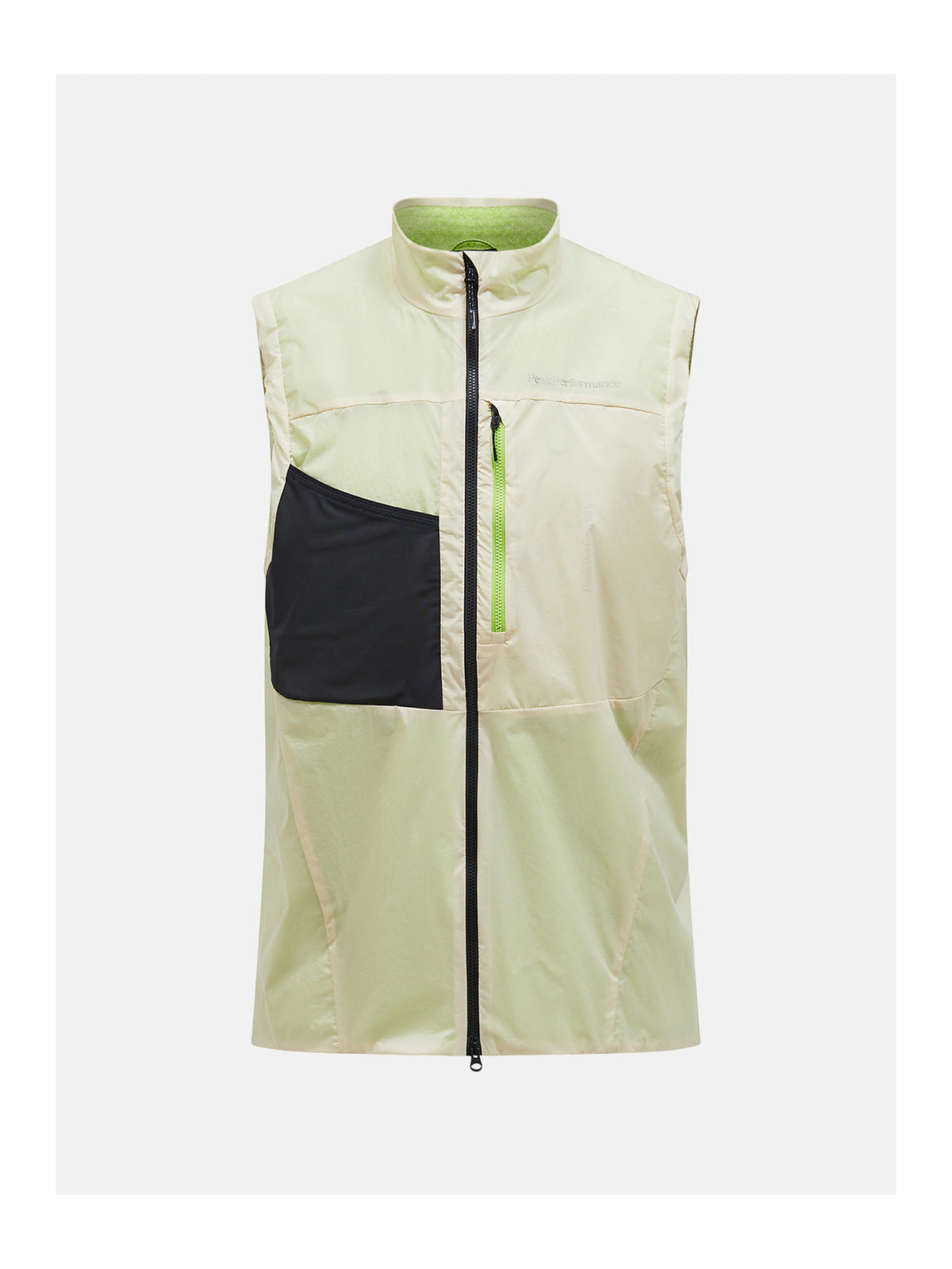
Men's vests add an extra layer to your torso while leaving your arms free. Choose based on where it fits in your outfit: visible over a sweater or hoodie, as part of a sporty combination, or under a jacket. Compare the filling, length, and armhole to ensure the vest fulfills its purpose and moves with you.


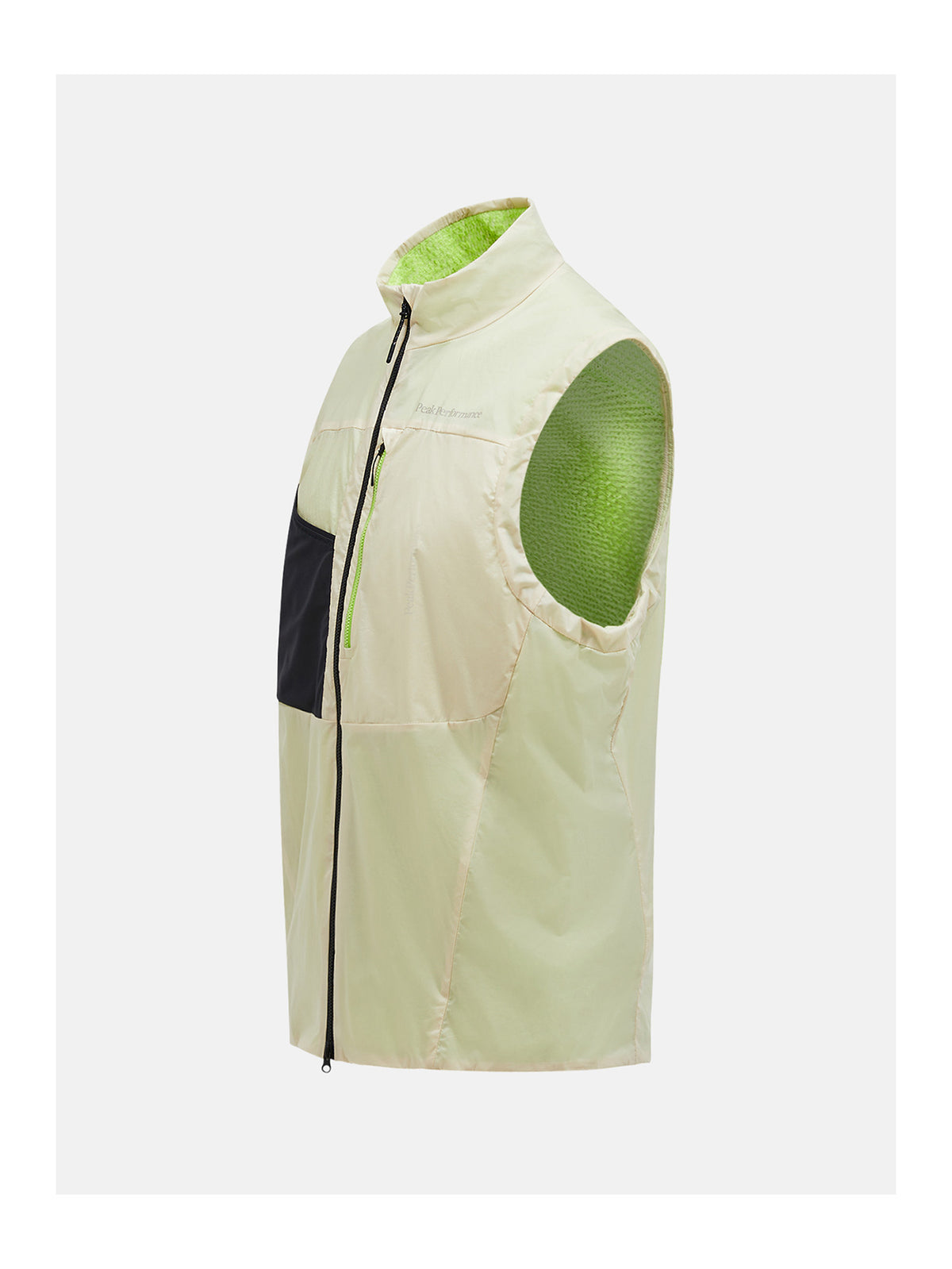
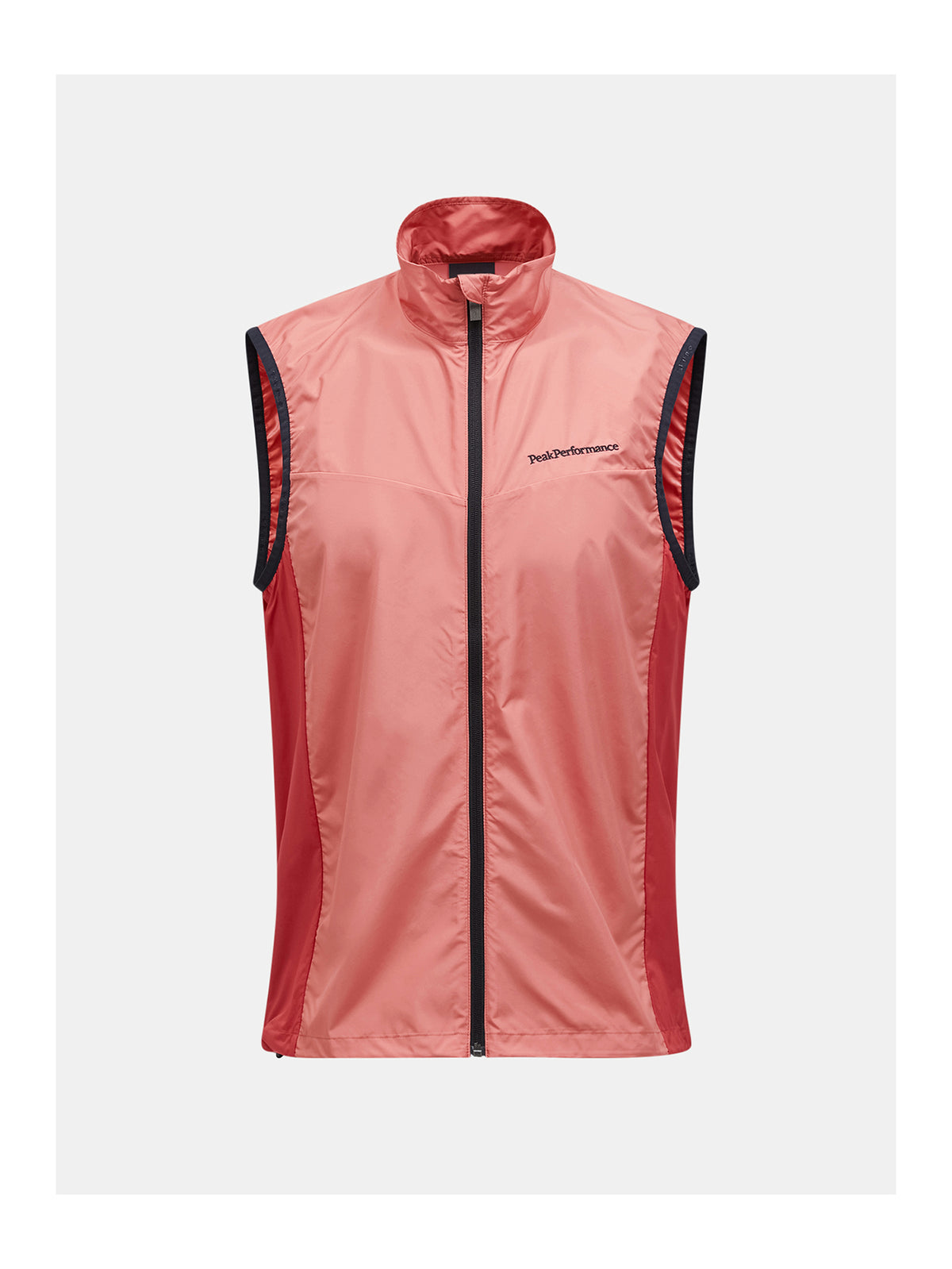


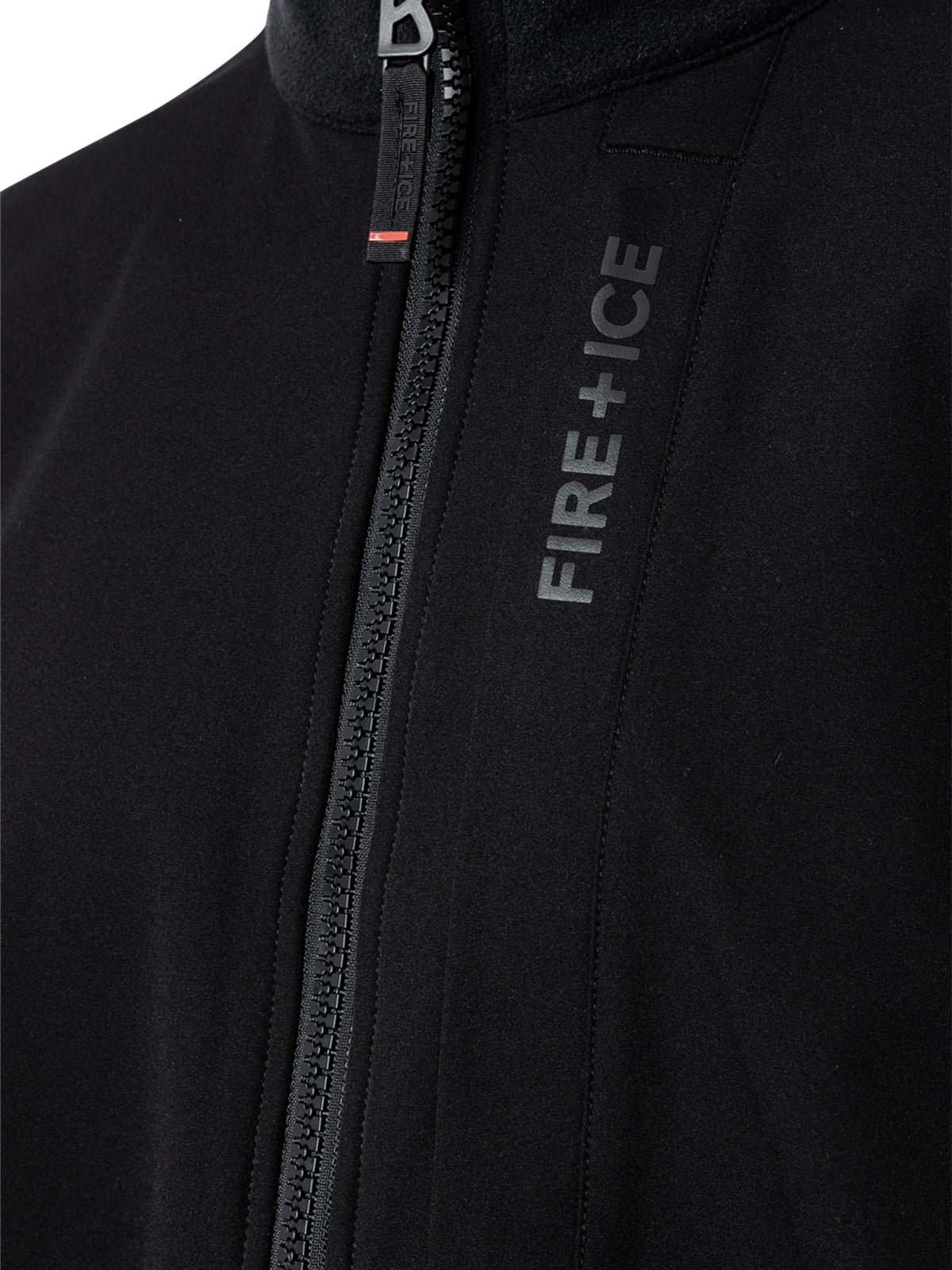


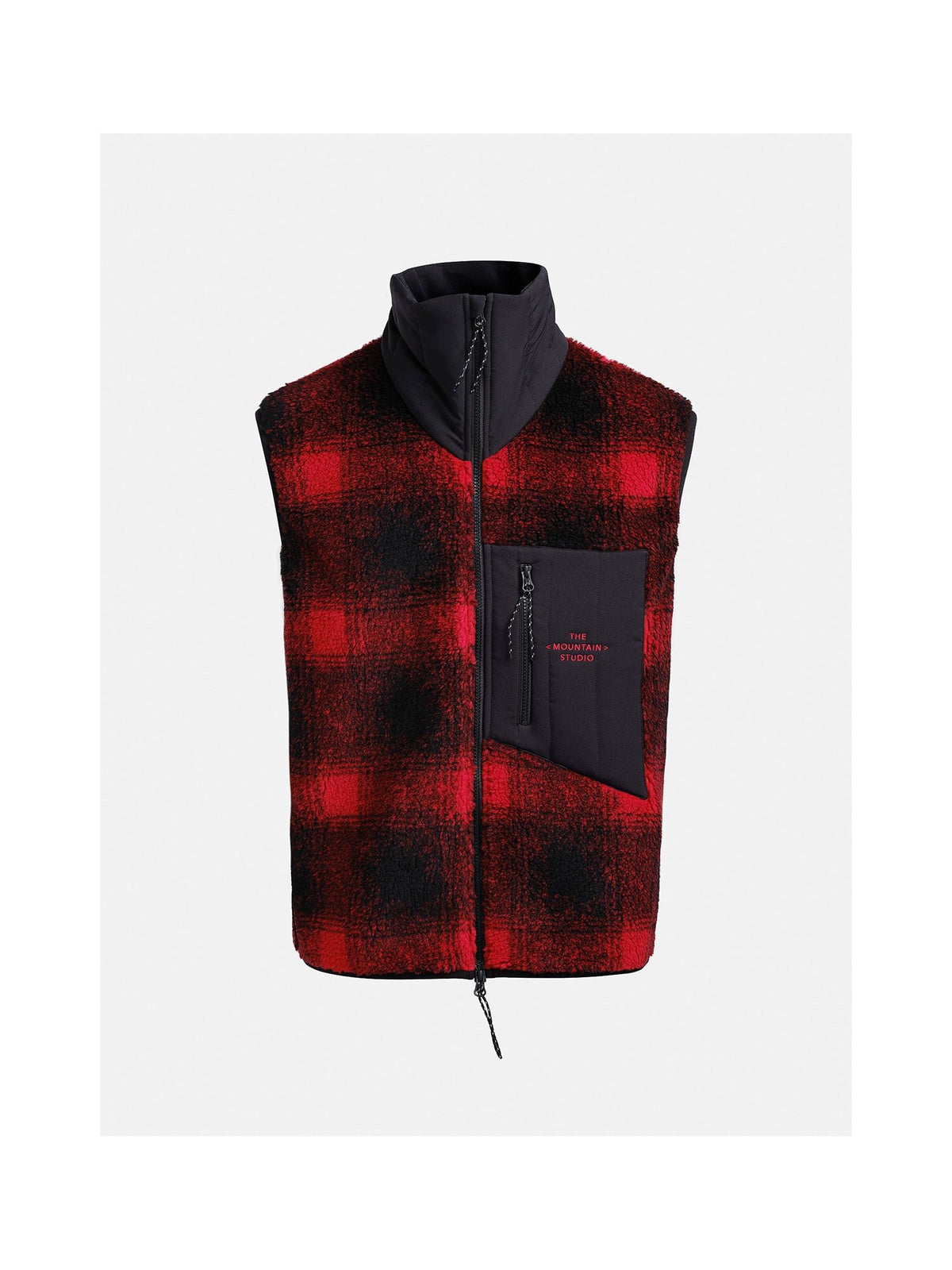

Men's Vests: A Unique Role in Layering
A vest adds an extra layer where you want it on your torso while keeping your arms free. This can be useful in everyday life, during fluctuating temperatures, or as part of a sporty combination. The crucial factor is its position in the outfit: do you wear it visibly over a top or under another jacket? This question influences volume, length, and the significance of pockets or collars more than color alone.
Men's vests can come in many different forms. A slim, lightweight model behaves differently than a heavily filled vest or a softly structured casual version. The lack of sleeves doesn't mean all models offer the same warmth. Compare the construction and cut according to your actual use. Those who only see a vest as a smaller jacket often overlook the very differences that make it a suitable addition.
Worn on the Outside or Under a Jacket?
As a visible outer layer, a vest shapes the silhouette. Its hem meets trousers or the top underneath; the armhole and shoulder line remain clearly visible. A slightly more robust construction can look good over a hoodie, but requires enough space for its sleeve seams. Over a thin long-sleeved shirt, the same vest can appear much looser. Therefore, plan for the most common companion when choosing the size.
Under a men's jacket, a different construction is needed. Too much volume at the chest and collar can make the outer layer tighter. Large external pockets or prominent finishes can also add bulk. A slimmer vest can integrate more easily, provided its material and the jacket's fit are compatible. The goal isn't to stack as many layers as possible, but for each layer to maintain its place and not impede movement.
The transition between both positions is possible with some models, but should not be assumed. A conspicuously cut casual vest does not automatically have to be an ideal technical mid-layer. Conversely, a functionally reduced vest can be perfect when you are looking for an inconspicuous addition under a jacket. Decide based on the task you actually need more often, and use a second way of wearing it as a possible extra.
Understanding Filling, Surface, and Volume
For filled vests, the outer material and filling are separate pieces of information. The filling can contribute to warmth; the surface determines part of the look and the described weather function. A down filling does not automatically make the entire vest waterproof. A smooth or shiny exterior alone also says little about its insulation. Therefore, compare the complete construction instead of just a familiar material term.
Synthetic-filled and down-filled models can each have different strengths and constructions. A general ranking is therefore of little help. What's interesting are weight, packability, and the specifically described use. If you frequently take off and carry the vest, a smaller pack size can be important. For a visible everyday look, on the other hand, a certain shape or surface texture can be decisive. Both are understandable, but different priorities.
Unfilled or softly structured variants may place a different emphasis. They can form an additional textile layer without having the same voluminous silhouette as a more insulated vest. Evaluate such models based on material and cut, rather than deriving a fixed thermal performance from the word "vest." The combination with the fabric worn underneath also changes the feel and overall impression.
Check Fit at Shoulder and Armhole
A vest's shoulder should match its intended shape. A deliberately wide cut looks different from a slim-fitting model. The armhole is particularly important: it needs room for movement and the clothing underneath, but should not stand out arbitrarily wide. Over a thick hoodie or sweatshirt, more volume is created than over a thin top. Therefore, check the combination instead of judging the vest solely over a T-shirt.
Mentally zip up the vest and bring your arms forward. If the vest pulls across your back or chest, the interaction between cut and layer may not be right. A larger size can help, but it also changes the shoulder, length, and armhole. Sometimes a different cut is the better solution. The right fit is evident when the vest maintains its shape without unnecessarily restricting movement.
The hem length also deserves attention. A shorter vest allows more of the top to be visible, while a longer model creates a different transition to the trousers. If the hem lies heavily over an underlying waistband, several closures can accumulate. Consider this area both closed and open. Especially with changing layers, a harmonious look is created more by suitable proportions than by the greatest possible number of details.
Deliberately Choose Collar, Closure, and Pockets
A high collar can be comfortable if you want more coverage at the neck. However, it should not clash with the collar of the top or an overlying jacket. Multiple zippers directly on top of each other can become noticeable when moving. A lower finish looks more subtle and gives the underlying part more room. Decide based on your typical combination, not solely on an isolated product image.
Pockets are useful when they are located where you can reach them. Under a jacket, external vest pockets can be difficult to access. As the outermost layer, however, they can provide precisely the additional storage space you are looking for. Pay attention to closures and how filled pockets change the silhouette. Heavy items can pull a lightweight vest down differently than a more sturdily constructed model.
Vest with Knitwear, Shirt, or Sporty Top
Over men's knitwear, a vest can emphasize the upper body while keeping the sleeve structure visible. A smooth vest creates a different contrast than an equally heavily textured surface. Over a shirt, the collar and button placket also contribute to the design. Choose colors and patterns so that a clear focus remains if you want a calm look.
For active days, a vest can be compared to suitable tops from men's sportswear. Freedom of arm movement is an advantage of the sleeveless design, but it does not replace a suitable size or appropriate weather equipment. For rain or strong wind on the arms, you may need a different outer layer. The vest complements a system instead of automatically taking on all the tasks of a jacket.
Care and Selection Based on a Clear Need
When caring for the garment, pay attention to the specific material and any possible filling. Different constructions may require different washing and drying procedures. Empty pockets and follow the label, rather than automatically treating the vest like the sweatshirt worn underneath. Even a similar outer fabric does not mean that the entire garment can withstand the same care. For longer storage, the vest should be clean and dry according to its specifications.
Finally, consider what gap you want to fill: an additional layer under a jacket, a visible companion over knitwear, or a flexible piece for changing days. Then compare the armhole, length, and construction with your existing clothing. A well-chosen vest expands several combinations because its purpose for your personal everyday life is clear. This also makes it easier to recognize when a complete jacket or another top would be a more sensible addition.
04At FREUDENHAUS
05Questions about the category