





Choosing Women's Blouses by Silhouette and Combination
Women's blouses make different statements through collars, sleeves, and fabric drape. Choose a crisp shirt style or a looser silhouette to match your trousers and the layers worn over them. This selection guide shows you what's important when it comes to button plackets, length, and combination, so that the blouse looks just as good in everyday wear as it does in a complete outfit.






Choosing a Women's Blouse to Suit Your Everyday Life
A blouse can add more definition to a casual look or create a relaxed combination as a loose top. The cut, neckline, sleeves, and drape of the fabric are all crucial. Start with the occasion for which you intend to wear it most often. Are you looking for a simple top for your favorite pants, a visible layer under a jacket, or a style that defines the look on its own? This task will help you narrow down your selection.
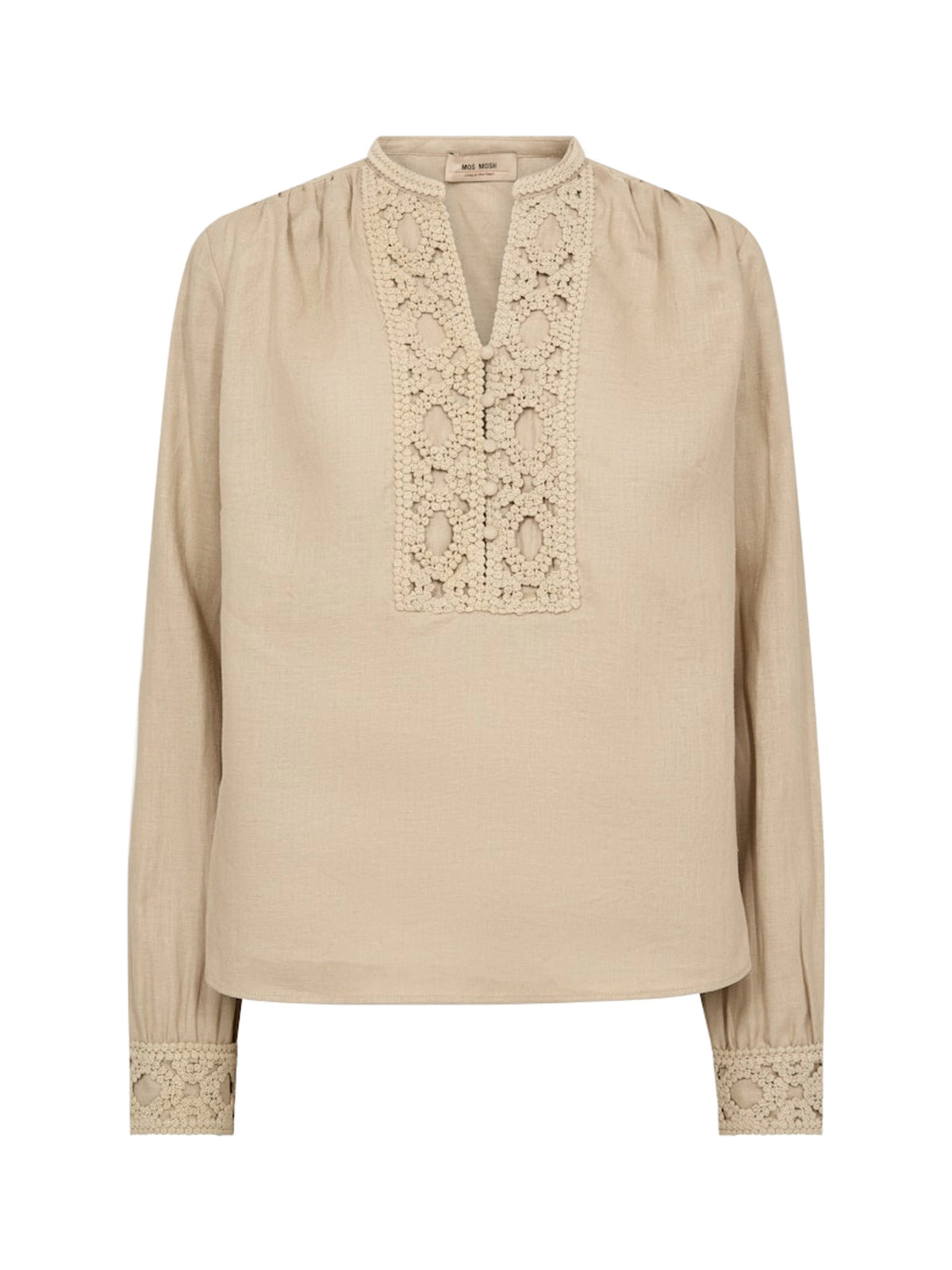
The term blouse does not refer to a single shape. A straight-cut shirt blouse looks different from a flowing version with an open neckline or a style with emphasized sleeves. The type of closure also changes how it's handled. Therefore, compare the silhouette first, and then individual details. A similar color does not make two differently constructed blouses interchangeable additions to your wardrobe.
Choosing Collar and Neckline as a Visible Frame
The neck area determines how the blouse frames your face and the upper part of your outfit. A shirt collar creates a different line than a stand-up collar or an open neckline. Pay attention to how the neckline sits when you move and whether you like to wear it as intended. The appropriate opening is a personal decision that should suit the occasion and the other layers.
If you often wear a jacket over it, check the collars together. A strong blouse collar can bulk up under a tight jacket opening. A more open style reveals more of the underlying top, if you're combining one. Jewelry can also change the area. Therefore, don't just look at the blouse closed in a product image, but in the arrangement you actually intend to use later.
Checking Shoulders, Bust, and Button Placket Together
The shoulder line influences the fit of the entire blouse. For a clearly cut shape, it should match the intended structure; for a loose blouse, it can deliberately sit further out. The key is whether you achieve the desired silhouette and can move comfortably. Especially check moving your arms forward, as this reveals additional needs in the back and bust area.
A button placket should lie smoothly in your chosen wearing style. If there's significant tension between the buttons, you should compare a different size or cut. A larger size can help, but it might also change the shoulder and length. Therefore, consider the overall fit. An ill-fitting area doesn't become unimportant just because the blouse is partially covered by a jacket.
Sleeves as Design and Practical Decision
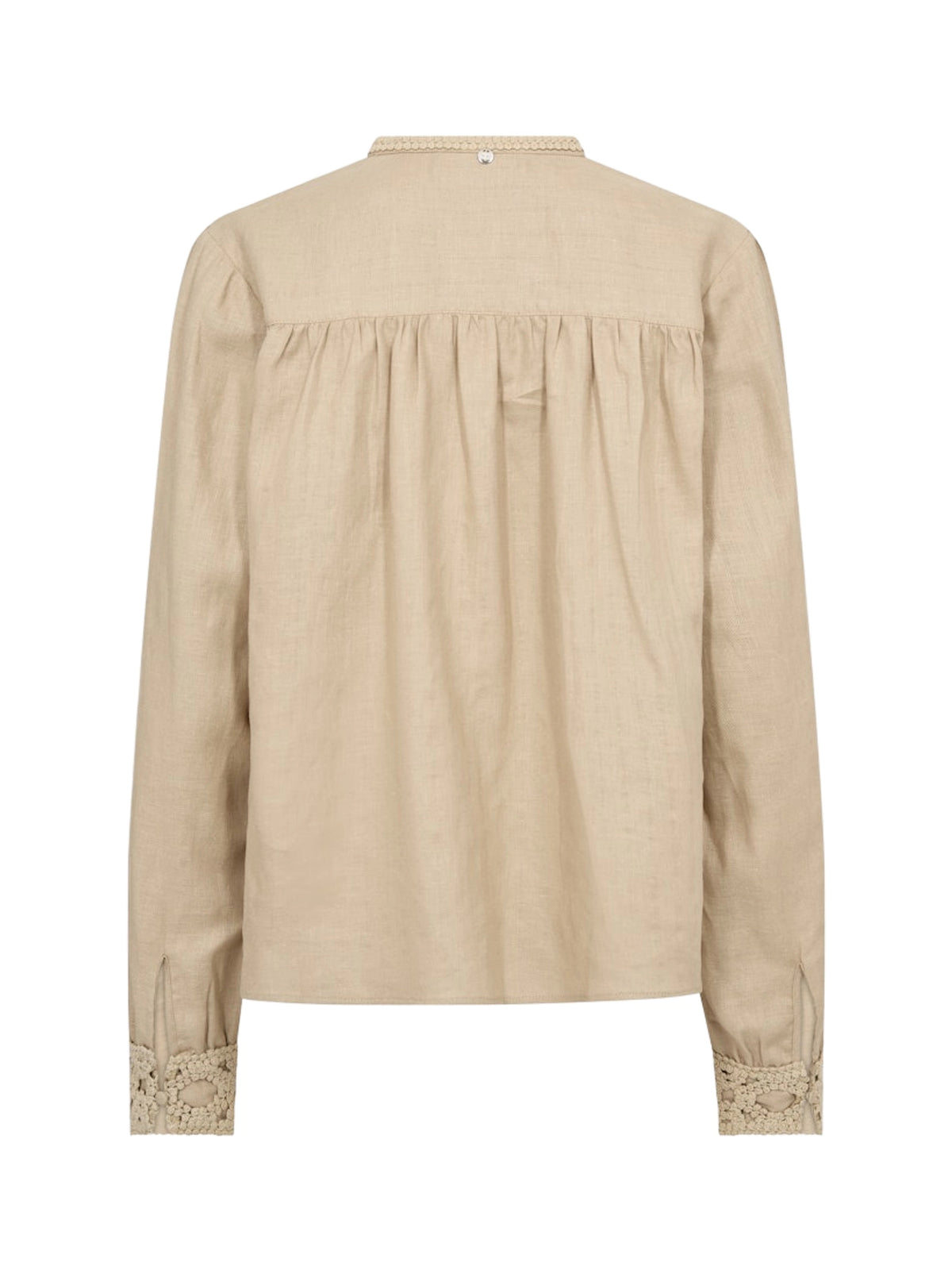
Sleeves can keep a blouse simple or define its character. More volume at the upper arm or cuff creates different accents than a narrow, straight shape. Consider whether the sleeve fits under your usual jacket and how it behaves when sitting or working at a table. A striking cuff should suit your everyday movements and not just look good in a single pose.
The sleeve length is part of the overall silhouette. A shorter sleeve makes the wrist and accessories more visible, while a longer one creates a different finish. Cuffs should be easy to operate as intended and fit comfortably. If you often push up your sleeves, check if the specific shape allows for this. This possibility depends on the model and is not a general feature of every blouse.
Matching Length and Hem to Pants
A blouse can be worn untucked, fully tucked in, or only loosely tucked in at the front. Which option works well depends on the length, fabric drape, and hem shape. A sturdy fabric can create more volume when tucked in, while a softer shape drapes differently. Therefore, try the planned wearing style with the specific pants and not just with a similar-looking alternative.
With women's casual pants, you can complement different waist heights and leg lines. Wide pants can achieve clear segmentation with a shorter or tucked-in blouse. A longer, open silhouette looks more generous. Both approaches can be consciously designed. The key is where you want to place the visual separation between the upper and lower body.
Distinguishing Fabric Drape and Visible Surface
A blouse can be smooth, textured, matte, or have a visible sheen. This effect influences how it fits with knitwear, pants, and a jacket. The material composition provides additional information, but it doesn't solely explain the finished drape. Processing, cut, and fabric construction are also part of it. Therefore, avoid the assumption that all blouses made of the same fiber will feel the same or have identical care instructions.
For light or fine-looking fabrics, you should assess the visual opacity in your intended combination. A specific color does not guarantee an opaque finish. If you want to wear a base layer, pay attention to its neckline and contours. The women's tops category might be interesting for suitable sleeveless complements, provided the cut and material of the specific model fit this role.
Using Patterns and Colors in an Outfit
A patterned blouse can become the focal point of the look. Then choose pants based on a color or a calm surface that complements the pattern. You don't have to repeat all the tones. A single connection can be sufficient. With a solid-colored blouse, the collar, sleeves, and material structure stand out more and can be combined with more striking pants or a special accessory.
Also consider patterns in the planned wearing style. Under an open jacket, only a narrow area of the front may be visible; when tucked in, part of the hem disappears. A large design can therefore look different than on the laid-out product. Choose based on the visible result in your outfit, not exclusively on the full area in a single image.
Combining a Blouse with Knitwear and Jackets
Under a sweater, collars, cuffs, and hems can remain visible intentionally. For this, the blouse should have enough room in the arms and shoulders without gathering unnecessary fabric under the knitwear. A very voluminous sleeve and a narrow sweater can hinder each other. With women's knitwear, you can choose suitable outer shapes based on the neckline and width.
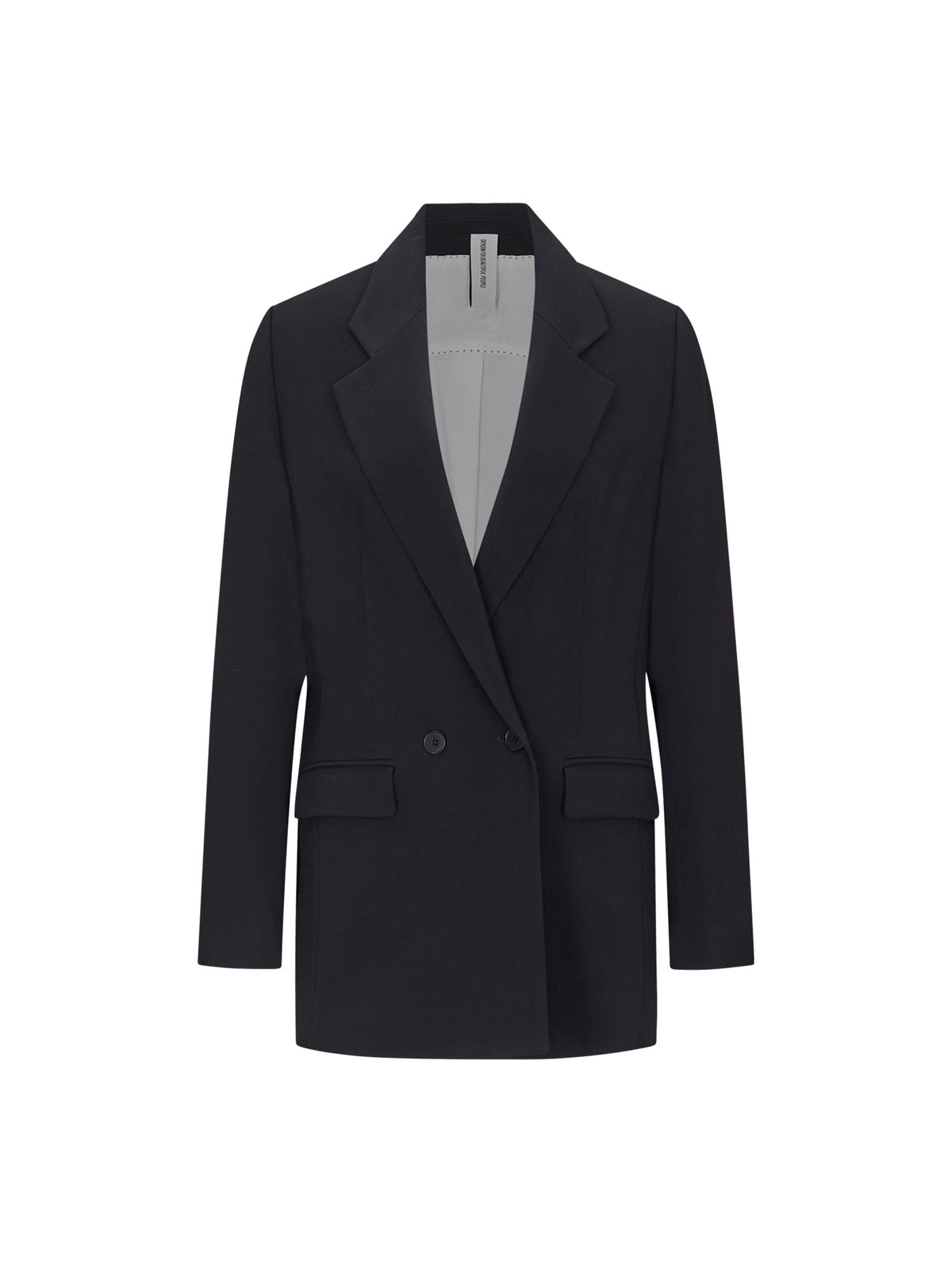
If you wear the blouse under a jacket, check the combination when closed. The inner layer should not only be comfortable when viewed openly. Pay particular attention to the button placket, pockets, and collar. Several visible details can deliberately create an interesting effect but require space. A suitable layering maintains the shape of both garments and allows you to move your arms without constant adjustments.
Combining Care and Selection Sensibly
A blouse you want to wear frequently should match your care habits. Pay attention to the labeling of the specific item, especially for embellishments, fine surfaces, and different material parts. The general term blouse does not justify uniform washing or ironing instructions. Clear handling of the model is part of the decision, as is the question of how you store it when traveling and how you want to combine it interchangeably with the clothes you've already packed.
For further combinations, women's casual fashion provides a suitable overview. Finally, choose based on the features that determine your use: a comfortable neck area, suitable shoulders, practical sleeves, and a length that works with your pants. Only within this suitable selection should pattern and color be the deciding factor. This way, your blouse becomes a consciously chosen component of your personal look.
04At FREUDENHAUS
05Questions about the category