






Women's Jackets and Coats: Matching Length, Warmth, and Style
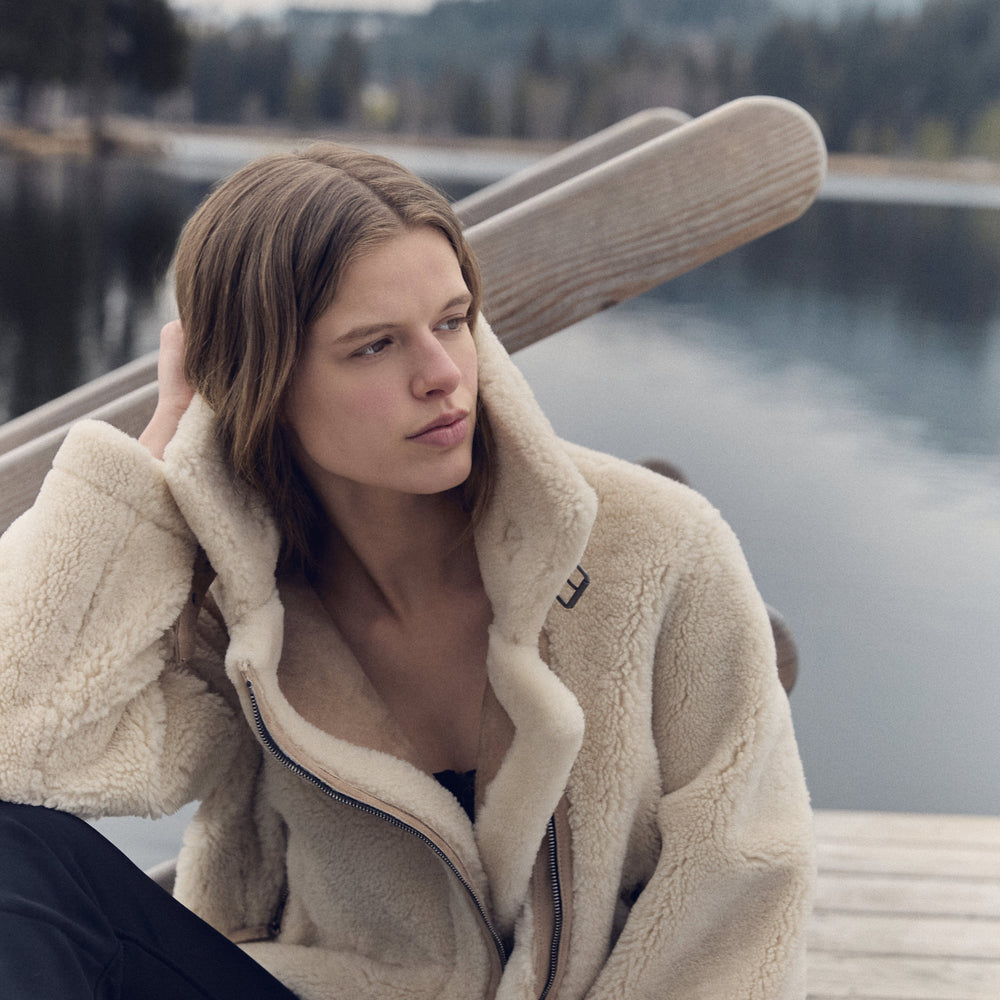
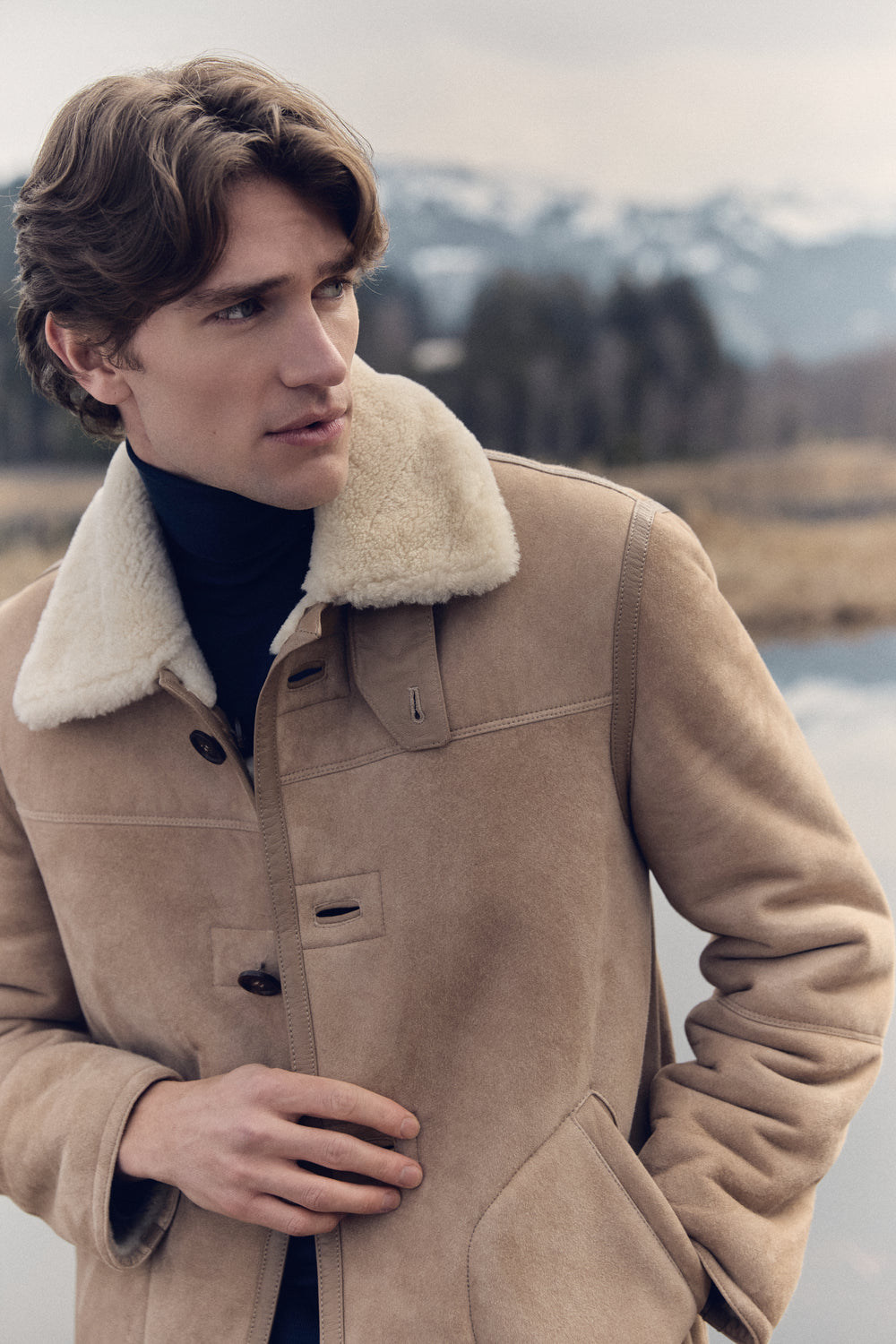
Women's jackets and coats give your outfit shape and accompany you through various everyday situations. Compare length, warmth, and freedom of movement together with your undergarments. Whether it's a short cut or a longer silhouette: what matters is a jacket whose features, fit, and effect suit your activities and favorite combinations.




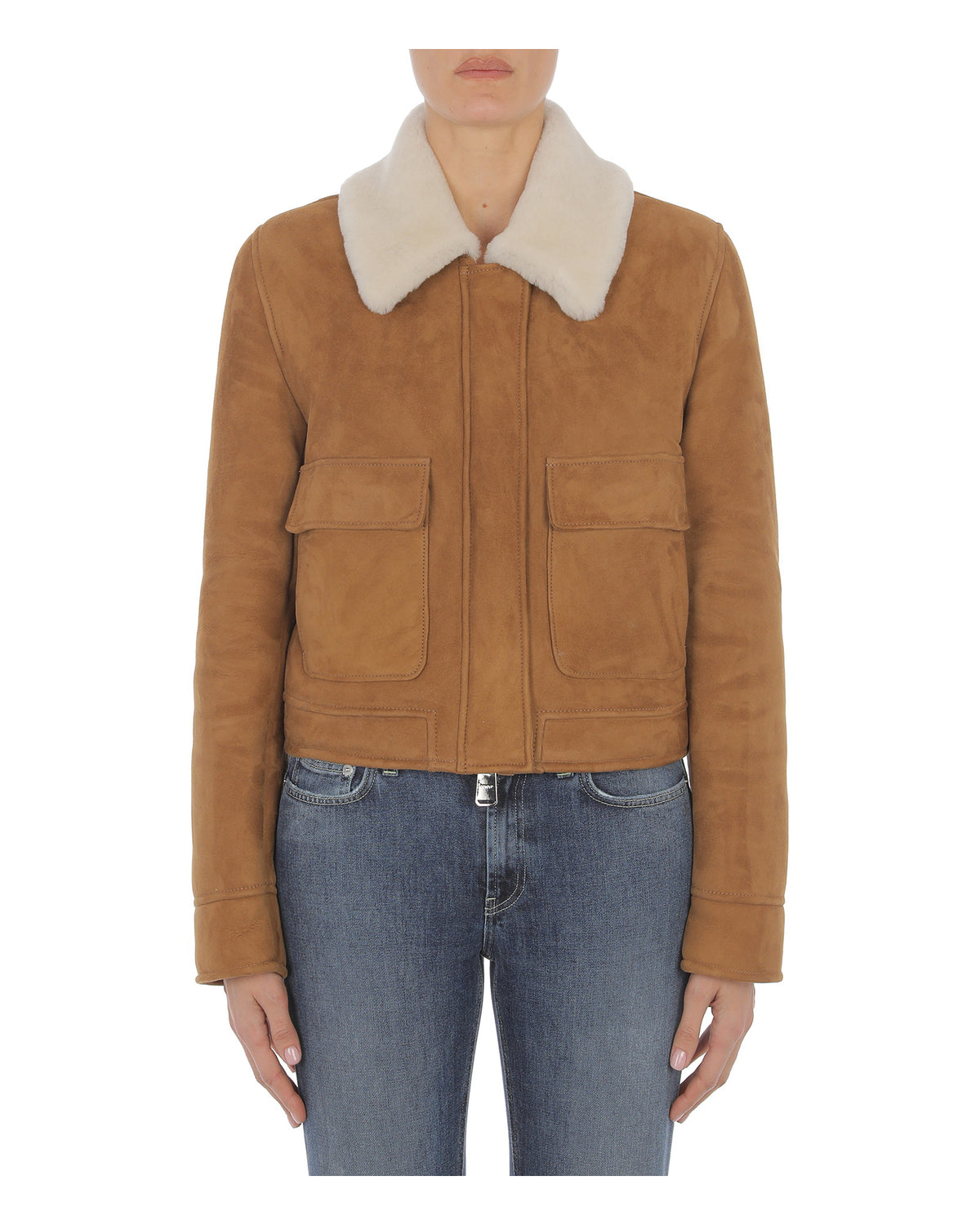

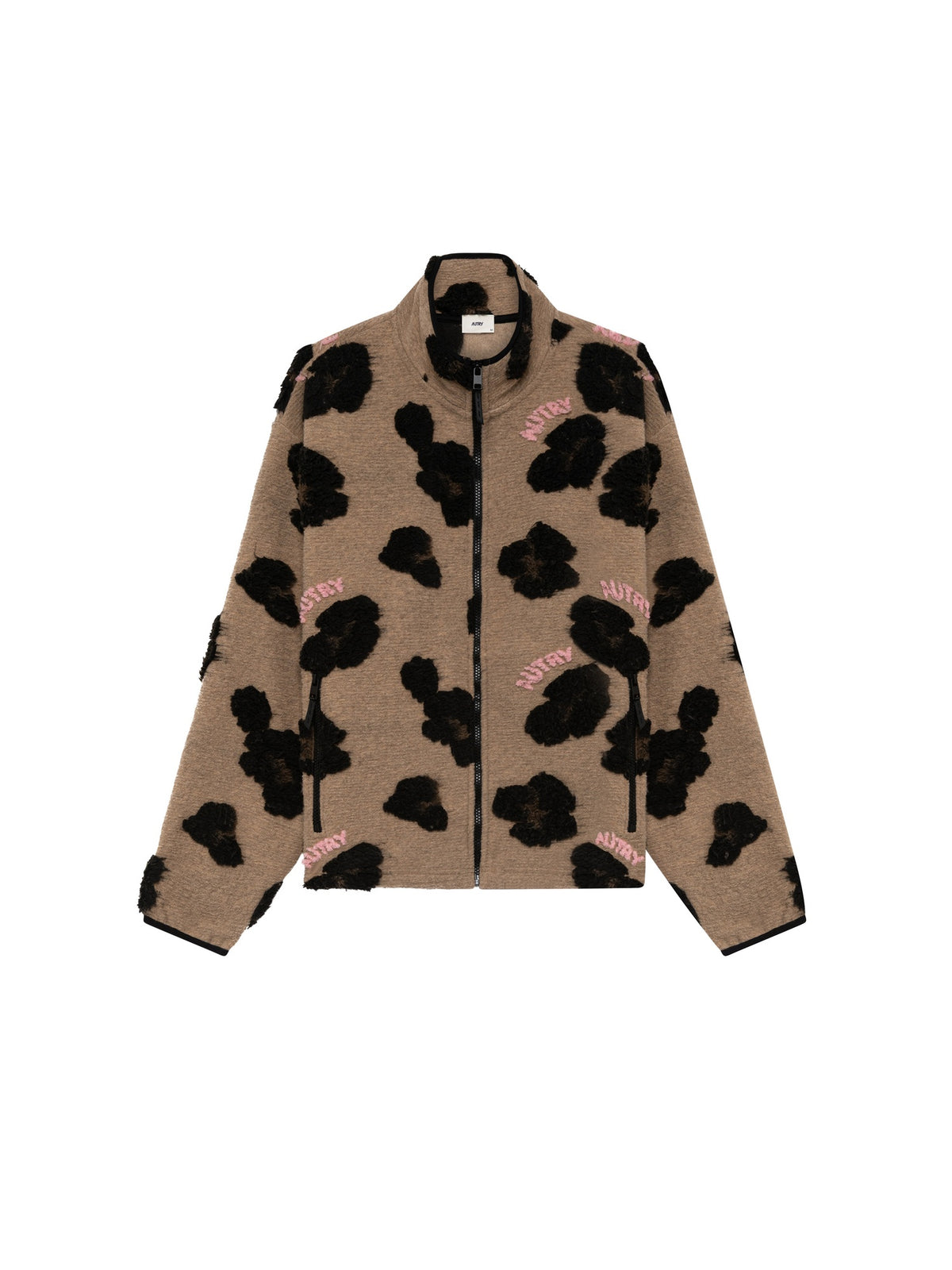


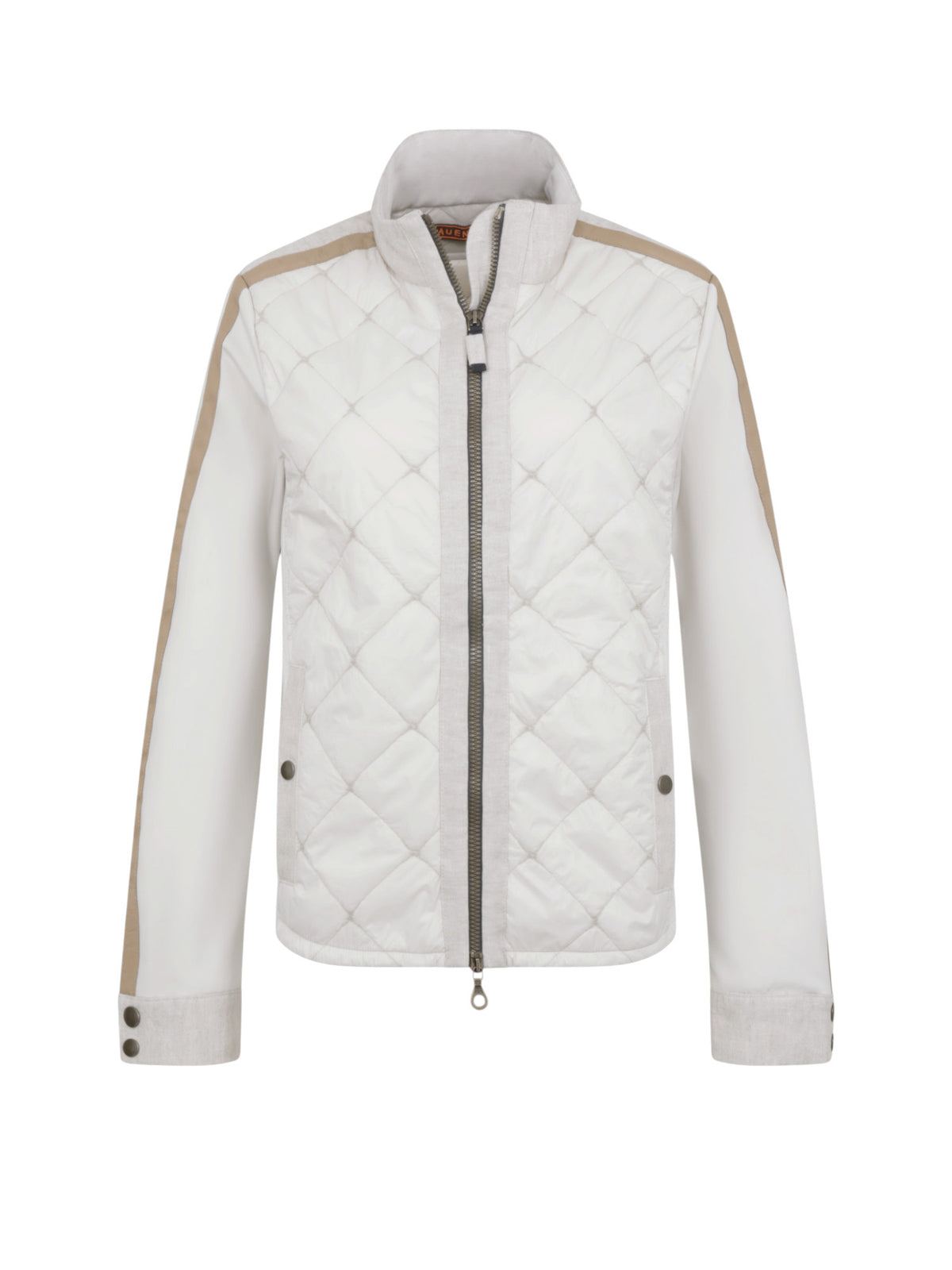
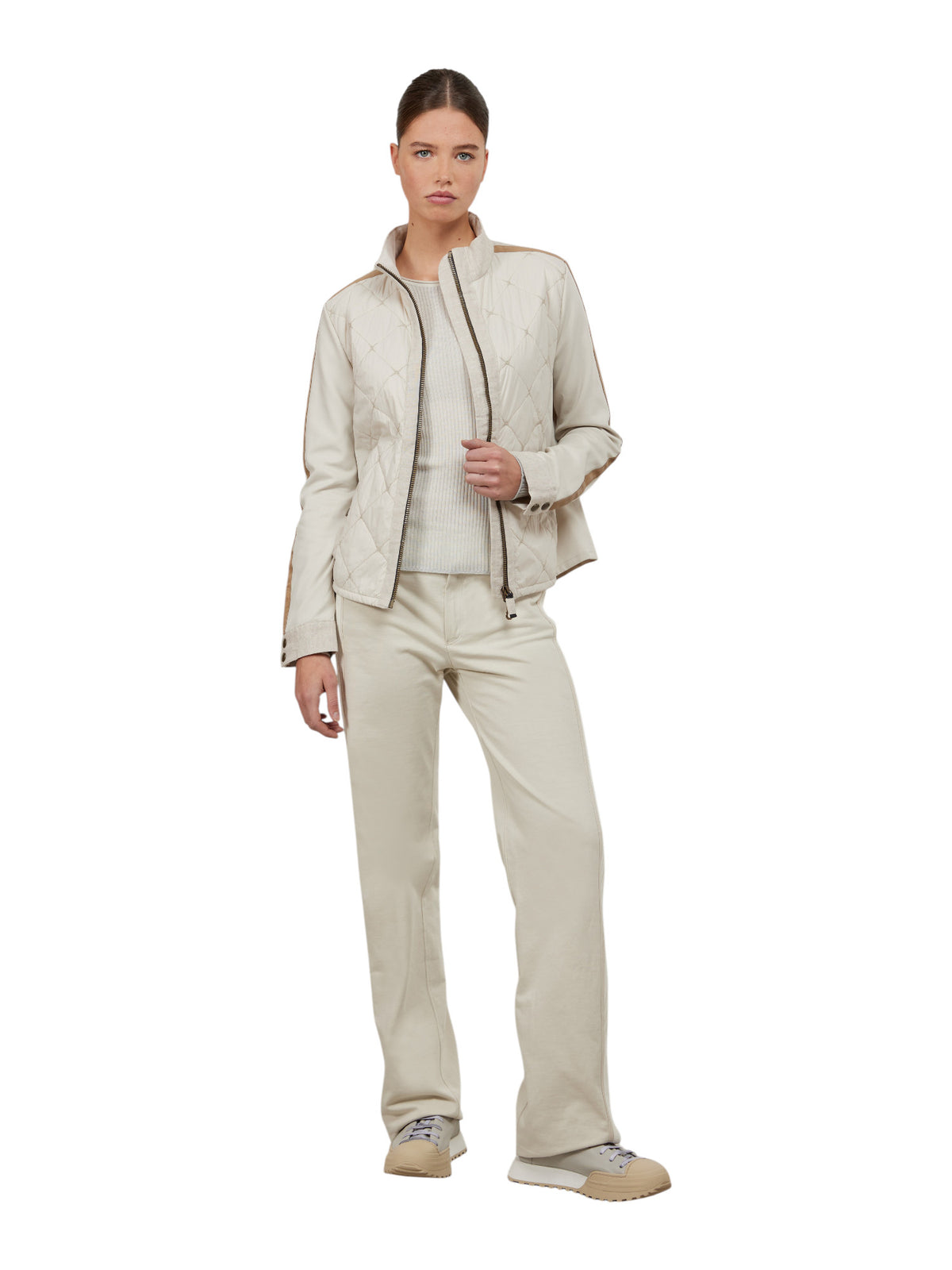


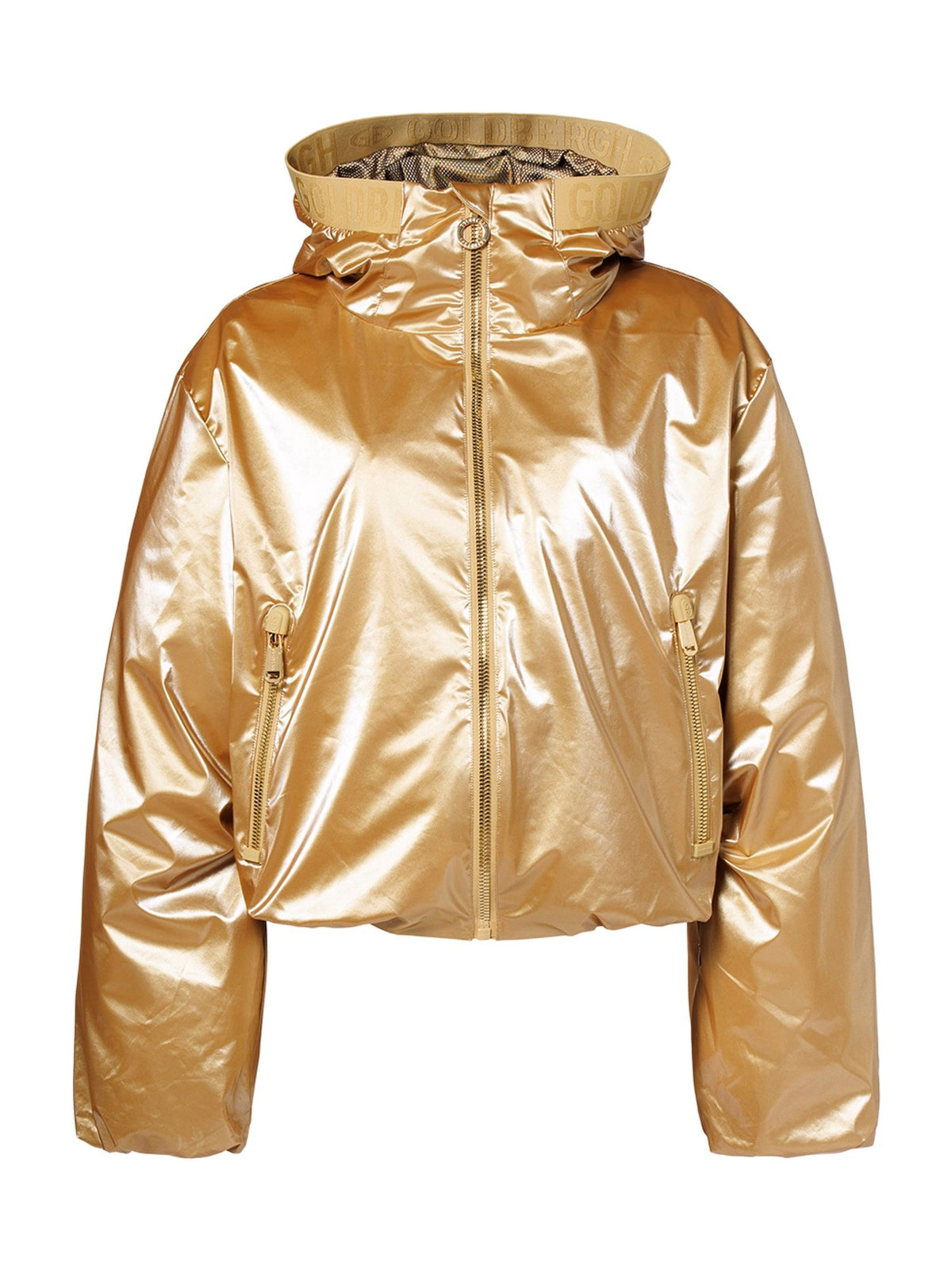
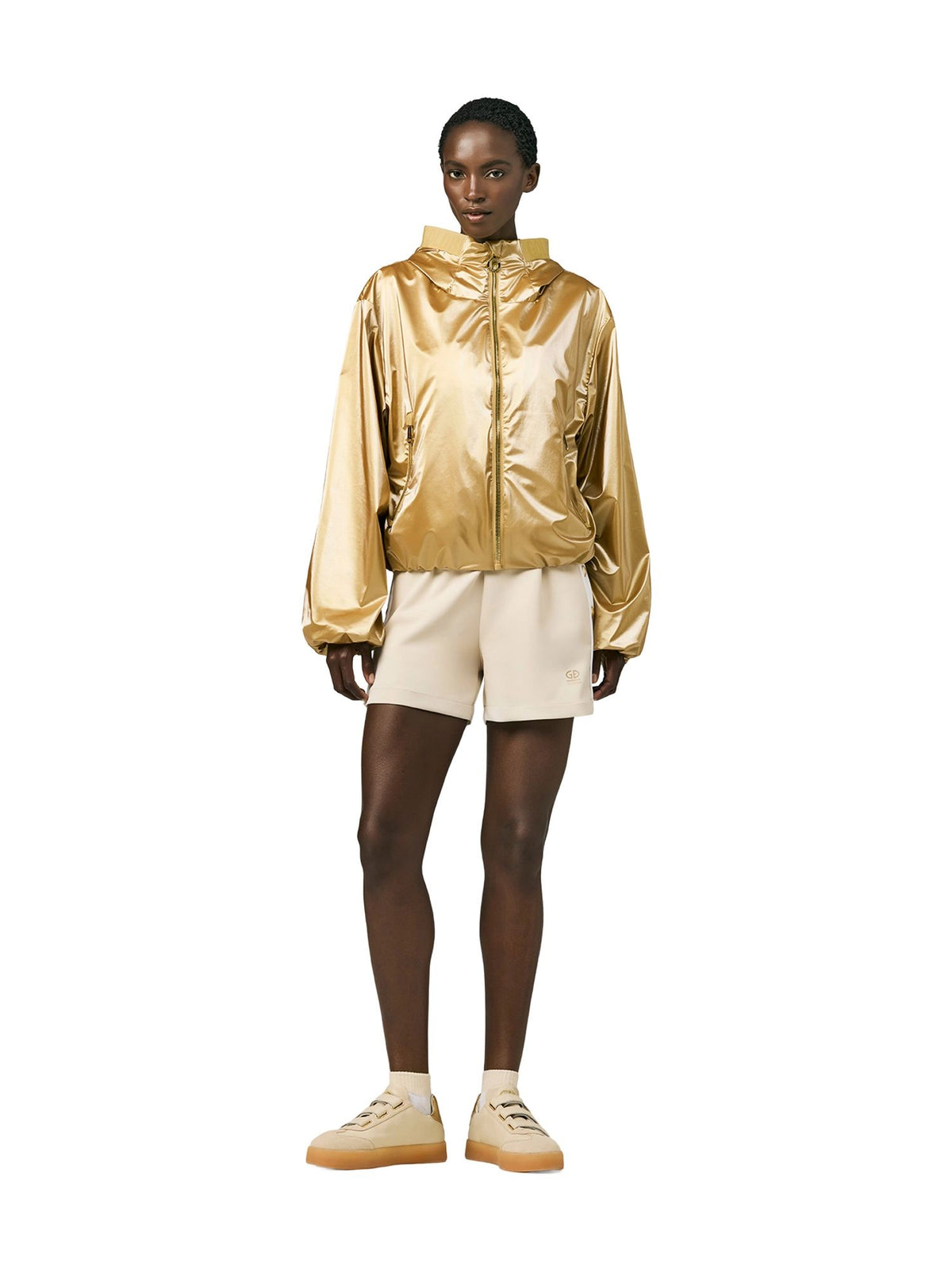


How to choose women's jackets and coats for your everyday life
A jacket or coat often accompanies many different outfits. Therefore, it's worth first determining its most frequent use: Are you looking for an outer layer for trips around town, a jacket for travel, or a style that fits comfortably over chunky knitwear? The right choice depends on how long you'll be outside, how much you move, and what clothing you'll wear underneath. A beautiful silhouette is important, but it should also meet these requirements.
Don't consider your selection solely under the heading of "winter jacket." Jackets and coats differ in material construction, lining, and intended season. A lightweight jacket and a more insulated style serve different purposes. Therefore, start with the described use case and then compare cut, length, and details. This way, you'll find a garment that seamlessly integrates into your daily life, rather than inferring a certain warmth or weather resistance solely from its appearance.
Consciously decide on jacket length and coat shape
Short jackets show more of your pants or skirt and can create a clean line at the waist. A longer coat, on the other hand, frames a larger part of the outfit. Decide on the length in conjunction with the garments you intend to wear frequently. A long sweater can deliberately peek out from under a short jacket; if you don't like this effect, the hemlines should be coordinated differently. Consider the combination both open and closed.
Length also influences how it feels to wear when sitting. A longer hem can rest on your thighs or spread out on the seat, while a short jacket allows more freedom of movement at the bottom. Check which shape is comfortable for your daily activities. For a coat, it's also relevant whether you can comfortably take larger strides. An elegant standing view says little about how a narrow lower cut feels in motion.
Compare straight, tailored, and loose fits
A straight cut drapes differently over your clothes than a style with a defined waist. For a tailored jacket, it's worth looking at the position of the narrowest point: it should match your proportions without unnecessarily straining the fabric across the bust or hips. An adjustable belt can alter the effect but cannot replace a suitable basic shape. First, check the fit without significant cinching and then assess the desired silhouette.
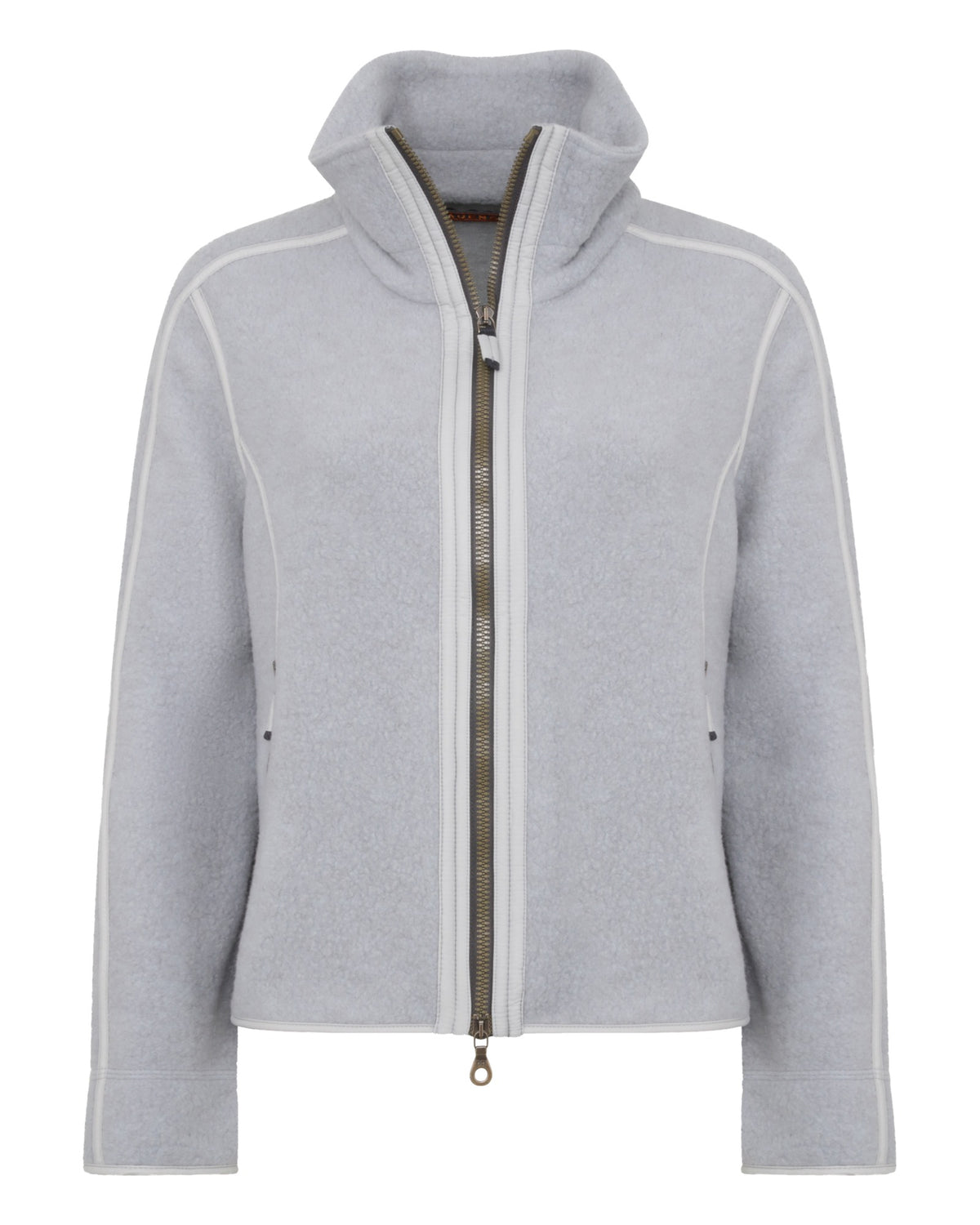
Loose styles offer room for different undergarments but still require appropriate shoulder and sleeve lengths. If sleeves fall far over the hands or the collar constantly slips, more volume is not automatically an advantage. Oversize describes an intentional design. Compare the intended fit of the style instead of choosing a random jacket several sizes larger. This way, the shape remains controllable, and you can decide how casual the look should actually appear.
Plan warmth for the entire outfit
Whether a jacket seems warm enough depends on its construction and your other layers. Filling, lining, and outer fabric perform different tasks. A voluminous appearance does not provide a reliable temperature limit. Therefore, consider in which situations you want to wear the jacket most often and whether you prefer a thin top or a chunky sweater underneath. This combination is the practical starting point for your comparison.
Also plan for transitions between outdoors and indoors. A very substantial outfit can be comfortable outdoors and have a different effect when shopping or on public transport. A jacket that can be easily opened or taken off might suit your daily routine better than a combination with many tightly layered collars. Don't decide on warmth solely based on additional thickness. The handling of your clothes is also part of it when you wear them frequently in changing situations.
For suitable mid-layers, you'll find knitwear for women. Try on the jacket with a similar fabric thickness if possible. A sweater with voluminous sleeves takes up space differently than smooth, slim-fitting knitwear. If you want to wear both variants, the jacket must be able to accommodate this difference. Pay particular attention to the armpits, upper arms, and the area between the shoulder blades when reaching your arms forward.
Categorize surfaces and material effects
Glossy, matte, smooth, or distinctly textured surfaces change the character of a jacket. A similar color can appear sportier, calmer, or more striking as a result. Consider what role the garment should play in your outfit. If you want to wear it daily with different pants, a well-combinable surface is helpful. If you are deliberately looking for a special piece, a striking texture can set the focus, while the rest of the clothing remains more subdued.
The material composition describes only a part of the product. Workmanship, lining, and cut also shape the wearing comfort. Do not deduce properties such as waterproofing, special robustness, or a specific origin from the brand or price. Such information belongs to the specific model. For sensitive-looking surfaces, it is also worth taking a look at the care instructions and at places where pockets, straps, or other garments will regularly rest.
Check weather protection appropriate for your travels
An everyday jacket doesn't automatically become a rain jacket just because it has a hood. Similarly, a water-repellent outer fabric is not the same as an explicitly described waterproof construction. Decide what weather requirements are actually important for your use, and compare the corresponding model specifications. For short journeys, different features may be sufficient than for long stays outdoors. A blanket statement for all jackets and coats would therefore be of little help.
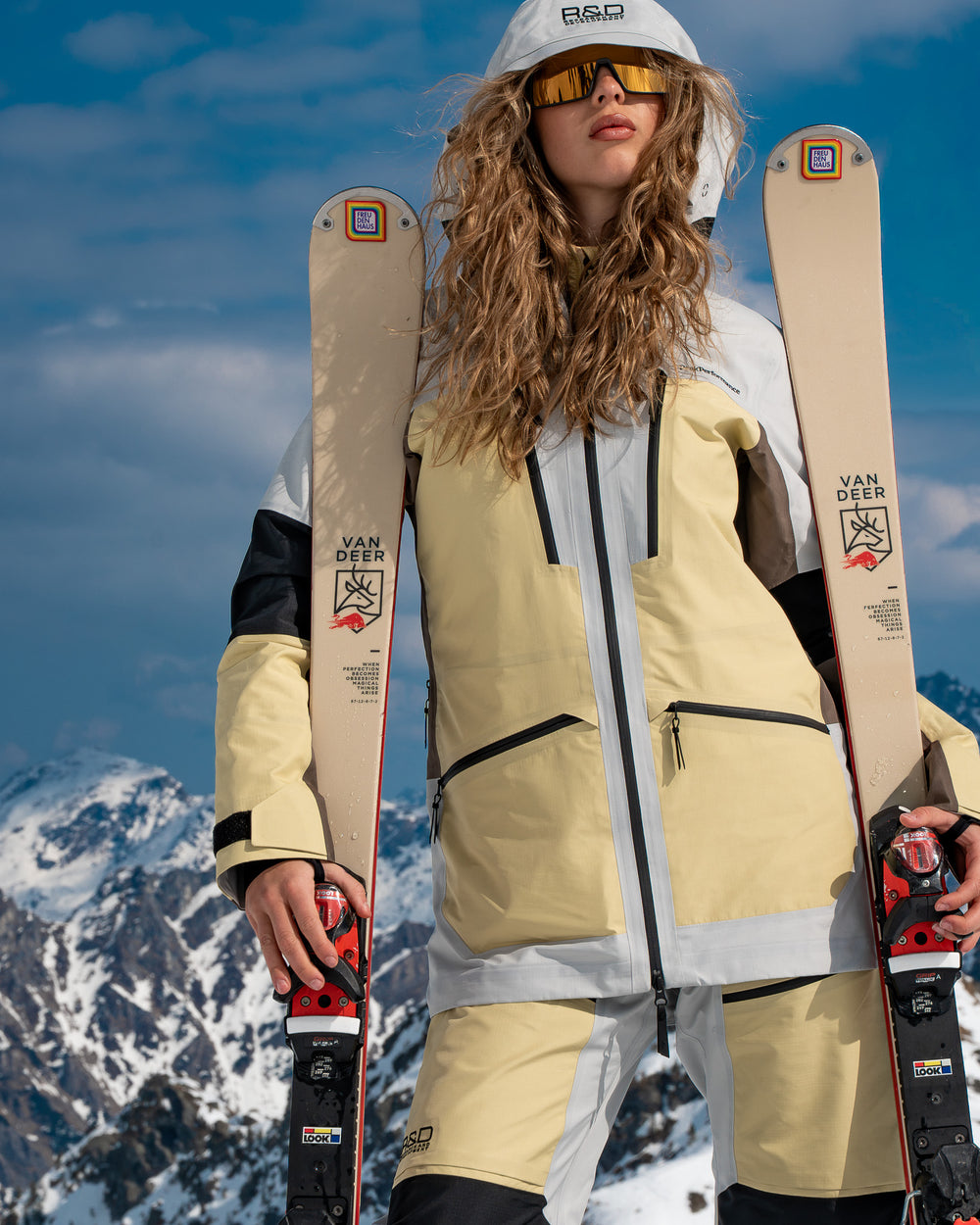
If you're looking for an outer layer with a technical focus, the selection of women's hardshell jackets offers targeted material and feature advice. For the slopes, women's ski jackets are the right starting point. A fashionable winter jacket doesn't need to possess their specific details. This distinction helps you combine the desired style with the required use, without assuming functions that are not specified for the item.
Try on collar, hood, and scarf together
The area around the neck and chin greatly determines daily wearing comfort. Close the jacket completely and move your head. A high collar should lie comfortably without bothering you when looking to the side. If you frequently wear a scarf, factor in its volume. Several high finishes on top of each other can shift each other. Sometimes a simpler neckline under the jacket is a more comfortable combination than an additional thick turtleneck.
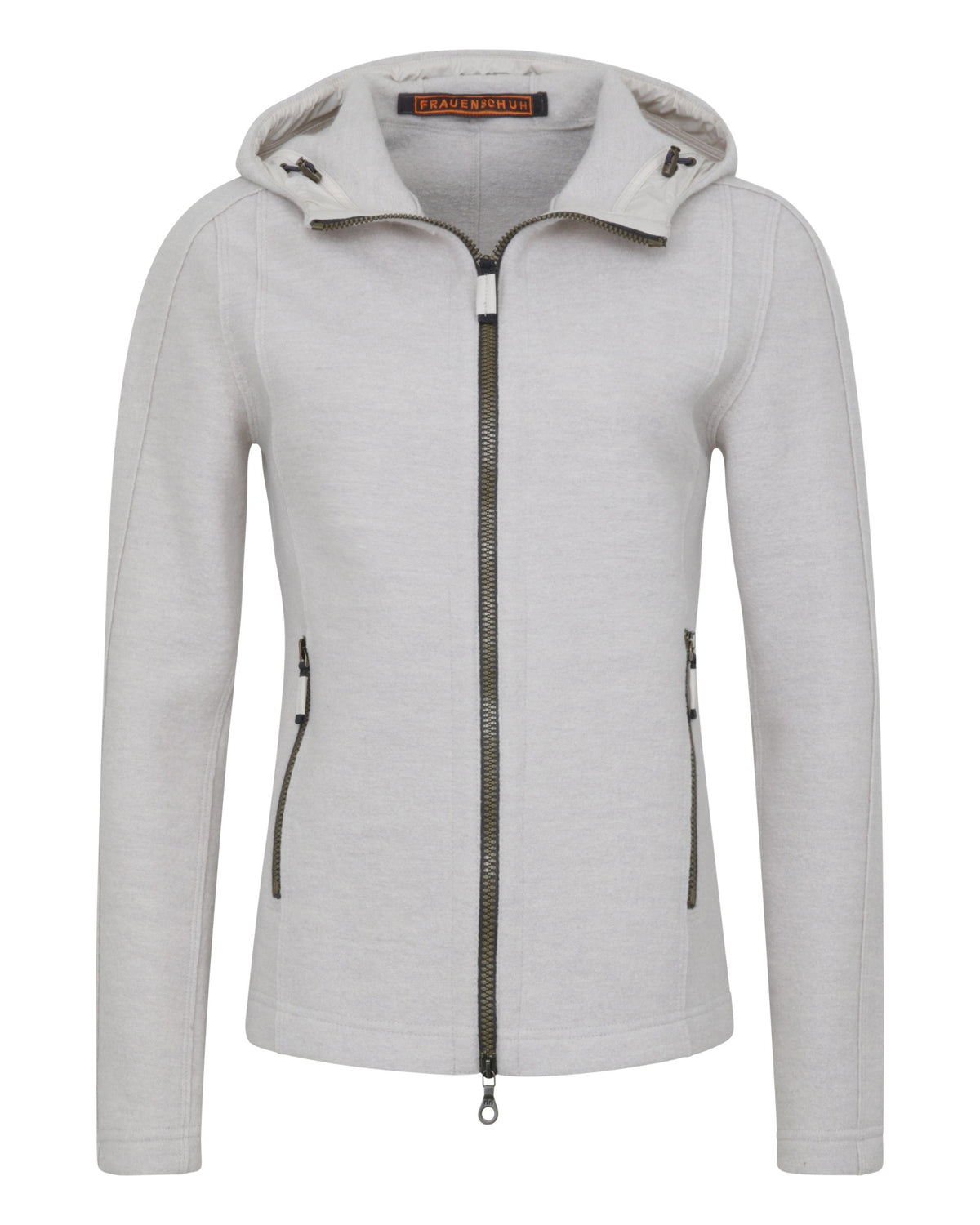
A hood changes the jacket even if you don't wear it up. It rests on your neck and can meet with a hooded top. Therefore, check both states. If an adjustment or removal is provided, the handling should suit your use. The decisive factor is not being able to adjust as many variants as possible, but whether the desired shape can be created easily and whether you actually like the jacket in this shape.
Choose pockets and closures according to your habits
Consider what items you typically want to have close at hand. Pockets not only need to be present but also appropriately positioned and large enough. A low-sitting pocket might be comfortably accessible while walking, while a different cut might better accommodate your preferred hand position. Also, check the contents of the pocket: a larger phone can visibly pull the fabric down or be uncomfortable when sitting. The shape of the jacket should align with your realistic use.
When it comes to closures, ease of use is key. Are buttons, snap fasteners, or zippers easy to grip? Does a concealed placket lie flat when the jacket is closed? If a two-way zipper is present, it can allow for additional wearing options, but it must also be easy for you to operate. Try opening and closing it several times and then observe how the fabric drapes. Details that appear subtle in a photo often become significantly more important in daily use.
Carefully check sleeves and range of motion
The sleeve length is best assessed with arms outstretched. When standing, a cuff may appear appropriate, but it can ride up significantly during movement. Conversely, the sleeve should not constantly slide over the back of the hand. Pay attention to the shape of the cuff and the clothing underneath. A soft sweater sleeve can distribute differently than a thicker fabric with its own cuff. The combination should be easy to put on without tedious pulling.
Also, perform a movement where your arms come together in front of your body. If the back area becomes significantly strained, a different cut is worthwhile. While a larger size can create more width, it simultaneously changes the collar, length, and shoulders. Therefore, look for an overall suitable shape. Especially for jackets that you wear closed frequently, a comfortable distribution of freedom of movement is more valuable than an exclusively slim appearance when standing still.
Consider color and bottoms as an overall look
A jacket that matches several pairs of trousers can accompany your outfit for a long time. Therefore, compare it with the colors you already wear frequently. A dark basic shade looks different over light bottoms than over equally dark trousers. A strong color can become a recurring accent. Pay additional attention to the length of the visible trousers and the shoe shape. These proportions also determine whether a coat appears light or more closed.
The women's casual pants offer suitable additions for various leg styles. If you want to develop a complete look, you'll find more combinations in women's casual fashion. Don't choose the jacket based on just one product image. Consider how it can be combined with your existing clothing and what new combination you would actually enjoy wearing.
Include care and frequency of wear in your decision
Before purchasing, it's worth taking a look at the care label. Outer fabric, filling, trims, and embellishments can have different requirements. There is no general rule for all winter jackets or all coats. Therefore, decide whether the intended care suits your daily life. For a frequently worn item, this point is just as practical as pockets or closures. Always follow the instructions on the specific garment for care later on.
For the final decision, compare your favorites using the same combination: same undergarments, similar movements, and the shoes you actually intend to wear. First, assess comfort and use, then the optical subtleties. This way, you'll recognize which jacket or coat plays the right role in your wardrobe. The goal is an outer layer that combines with your habits and style, and that you therefore enjoy wearing again and again.
04At FREUDENHAUS
05Questions about the category