





POC: How to perfectly combine ski helmet, goggles, and lens
At POC, ski helmets, ski goggles, and matching replacement lenses come together. Your selection depends not only on the model name and color: head shape, face, lighting conditions, and the combination of the individual parts also play a role. Here you can find out how to specifically compare classic helmet-goggle combinations, a visor helmet, and different lenses.
02Discover
Categories.




03Fit to head and face
Helmet and goggles.
Select together.
POC Equipment as a Cohesive Selection
A POC ski helmet and POC ski goggles perform different tasks, but are worn together on the slopes. The helmet must fit your head, and the goggles must fit your face. At the forehead, the two shapes meet. This is where it becomes clear whether the combination fits comfortably, or whether an otherwise well-fitting individual item is displaced by the other.
Therefore, start with the basic construction type. If you want to choose a helmet and goggles separately, you can put together both components individually. A visor helmet combines head protection with a lens attached to the helmet. For both approaches, it's worth trying them on together with the equipment you already use. The preferred color can then be added.
POC Ski Helmets: Comparing Model Families Correctly
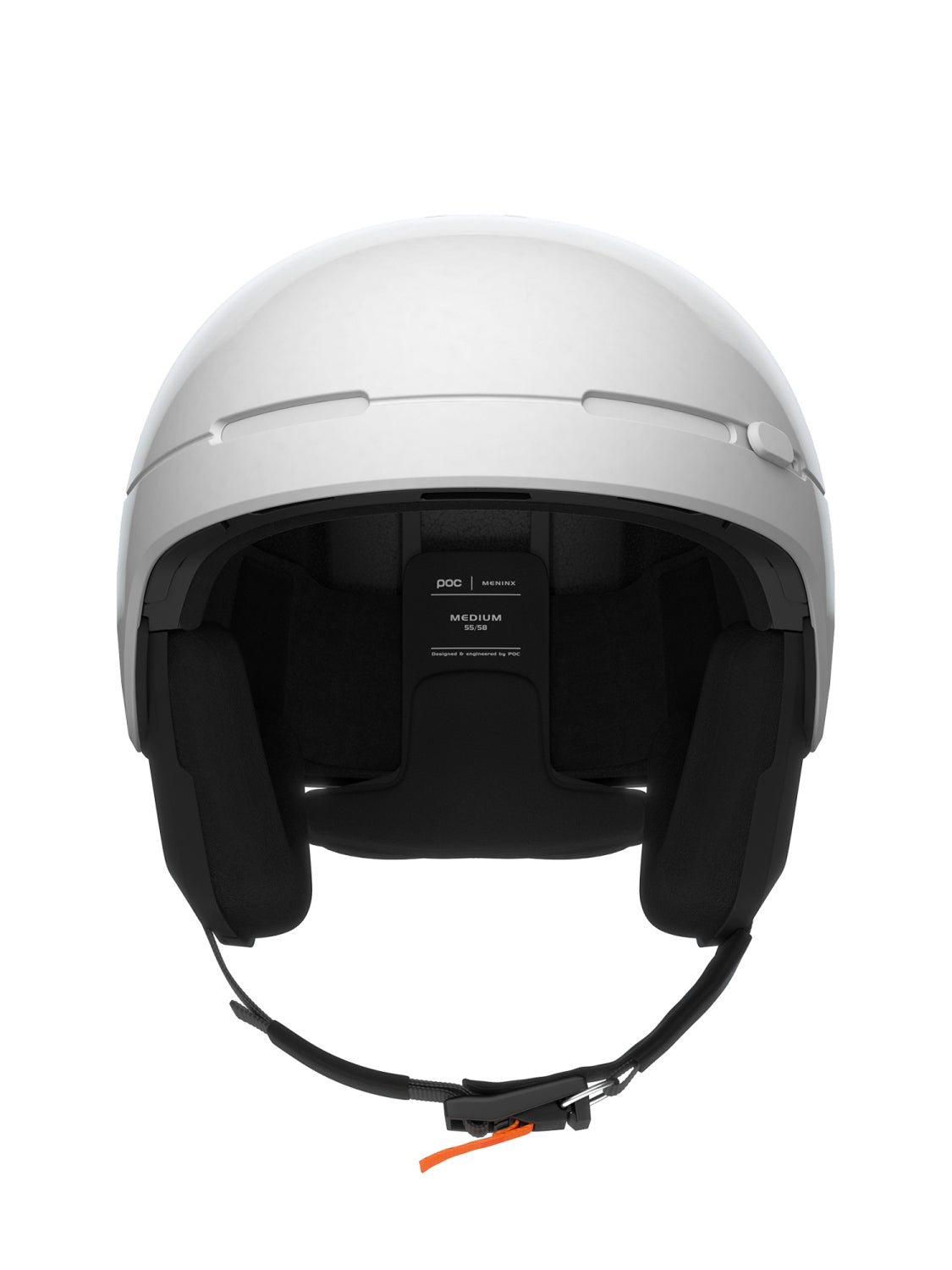
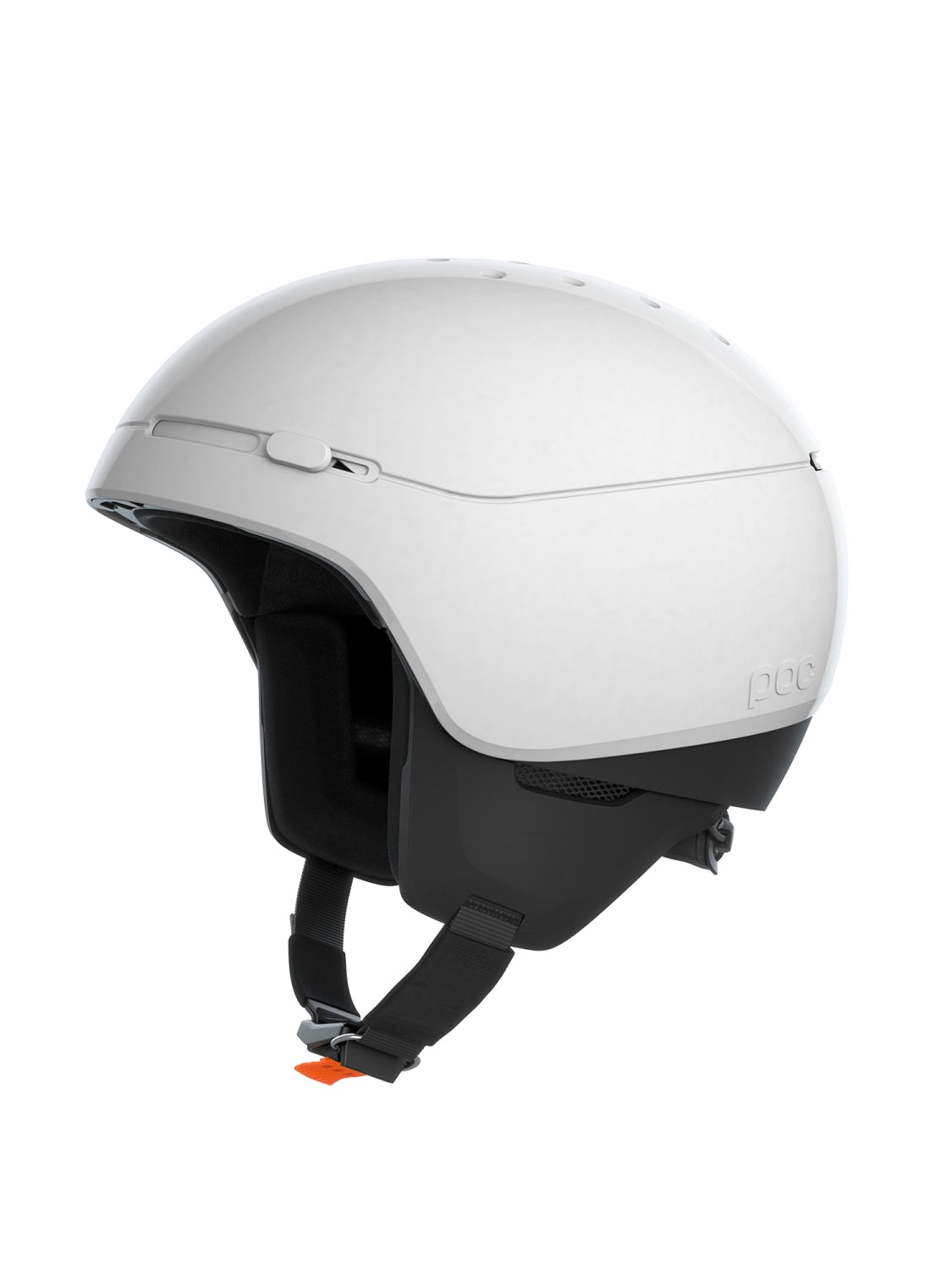
Meninx, Fornix BC, and Levator show different approaches within the POC brand world. The Meninx is externally based on classic ski helmets. In the official manufacturer's example, an ABS outer shell, an inner construction of different foam materials, and adjustable ventilation are part of the features. For the purchase decision, these features, along with fit and handling, are interesting, not as a sole ranking of the models.
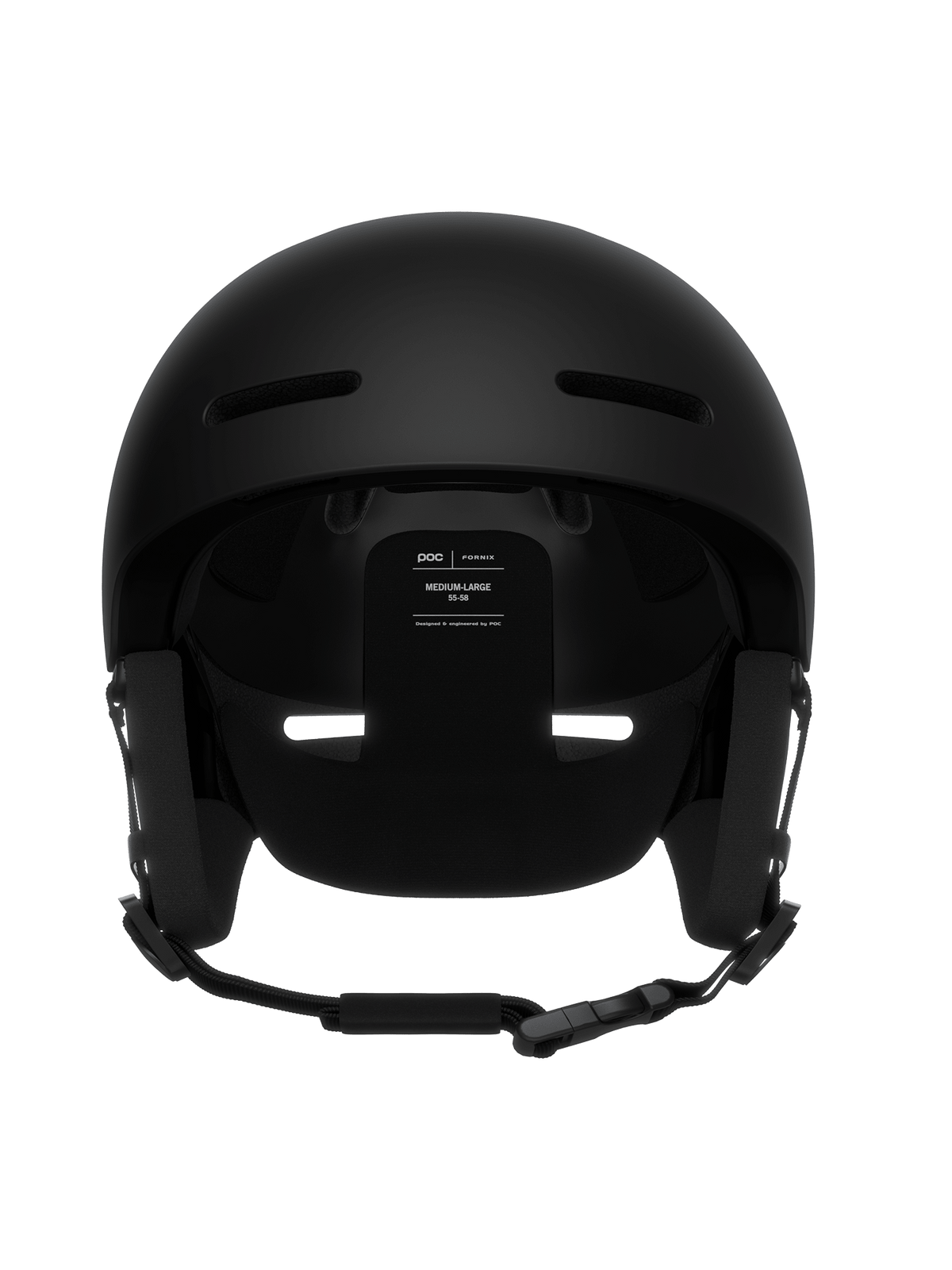
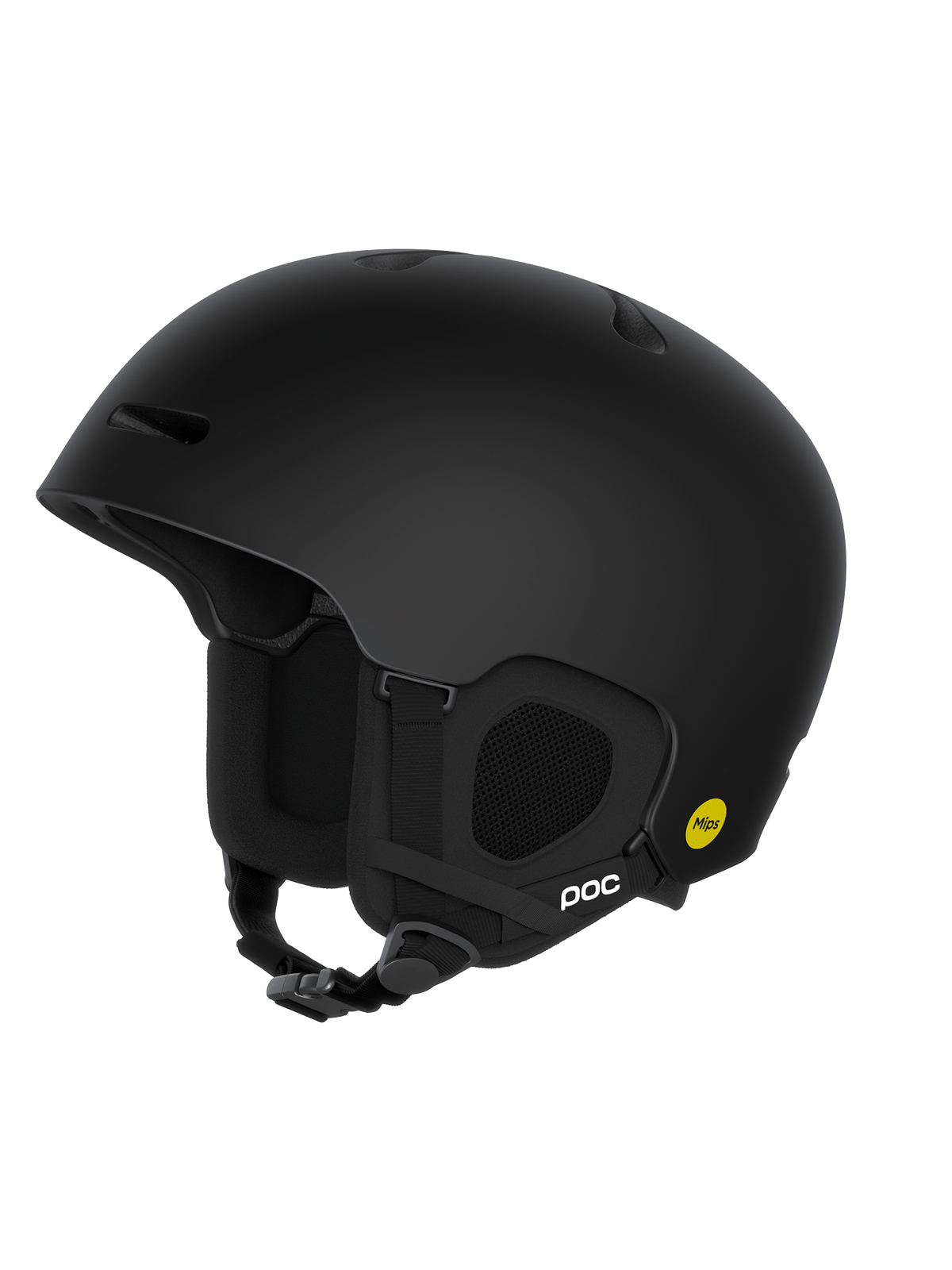
Fornix BC is recognizable as its own version. For the current manufacturer's example, POC describes, among other things, Mips, a RECCO reflector, and a Twiceme NFC Medical ID. Such additions each have their own tasks and can differ between generations. Therefore, check the complete product description instead of transferring features from a current manufacturer's image to every older Fornix model.
The Right Helmet Size Starts with Head Circumference
Measure your head circumference according to the manufacturer's instructions and compare it with the size range of the specific helmet. A size range is initially a guide. Head shape and internal construction also influence the fit. Put the helmet on straight and adjust it according to the instructions. It should fit snugly without uncomfortable pressure points.
A very large model cannot be made into a suitable helmet simply by tightening the adjustment system significantly. Pay attention to even contact and whether the helmet stays in position when you move your head. Goggles, ear pads, and chin strap should then be assessed together. If one area is bothersome, a different helmet shape may be more sensible than a different color of the same model.
For comparison, you will find more ski helmets. Compare models with a similar intended use and consider the specific labeling. A bicycle helmet and a ski helmet are different product types; the intended use cannot be derived from the brand or a similar external shape.
Assessing Features by Their Benefit
Adjustable ventilation helps you adapt the openings to changing conditions. Check how you can reach the adjuster and whether its operation remains clear with your gloves. The same applies to the clasp. A detail is helpful during a ski day if you can operate it correctly and it fits with your other equipment.
Mips is a model-dependent additional technology designed for rotational movements in certain oblique impact situations. It replaces neither a proper fit nor use according to the manufacturer's instructions. A RECCO reflector also performs its own function and does not replace complete avalanche equipment. Choose the helmet based on its actual features and your use, without understanding individual terms as a comprehensive safety promise.
Levator: The Alternative with an Integrated Visor
The Levator MIPS is a POC visor helmet. Instead of a separate pair of ski goggles, the helmet features an integrated lens. For the manufacturer's example, POC describes a lens changing mechanism and an additional lens for lower light conditions. Before choosing, check the specific design and the stated scope of delivery. Accessories from a manufacturer's configuration are not necessarily included with every offer.
A visor changes the daily operation. You move it on the helmet instead of loosening a goggle strap. When opening and closing, check how it sits on your nose and cheeks and whether there is enough space for prescription glasses worn underneath, if applicable. The actual combination is crucial; the design alone does not guarantee a fit with every pair of optical glasses.
If you already own well-fitting ski goggles, a classic helmet can offer a simpler connection. Those who prefer an integrated solution should evaluate the entire visor helmet. There is no universally better option here. The sensible choice arises from your face, handling, and the ability to use suitable lenses for your typical light conditions.
POC Ski Goggles: Face Fit Before Frame Size
Fovea and Zonula are examples of POC ski goggle families. A large-looking lens can provide an open field of vision, but the frame must still fit your nose and cheeks. A smaller face does not automatically need the smallest possible goggles; conversely, a large frame should not press on the bridge of the nose or be pushed down by the helmet.
Put on the goggles with the intended helmet and adjust the strap. The foam should fit evenly. Pay attention to open areas next to the nose and pressure below the eyes. Look sideways and down without completely turning your head each time. This is how you assess the practical vision in your own combination.
Depending on the family, POC also includes additions like Mid or Wide Fit. Such terms distinguish certain fits and are more helpful for selection than an exclusive division into women's or men's. Compare the product details carefully. The ski goggles also allow you to look at other frame shapes with the same planned use.
Clarity and the Choice for Your Lighting Conditions
POC uses Clarity for its lens technology, which is optimized for perceiving snow. For the specific selection, light transmission and intended conditions remain central. A heavily mirrored appearance alone does not tell you how much light the lens lets through. Therefore, read the specifications for the lens and not just the name of the frame color.
The VLT value describes the percentage of visible light that passes through the lens. A higher value allows more light through, a lower value less. Consider whether you primarily ski in bright sunshine, frequently in overcast conditions, or in highly variable conditions. This question leads more precisely to the right lens than searching for a single color for every ski day.
With a pair of lenses, you can cover different light ranges. Check whether the two lenses complement each other meaningfully and fit the exact frame. Two similarly dark variants expand the selection differently than a combination of sun and bad weather lenses. Don't be guided solely by additional accessories, but by their actual benefit.
Replacement Lenses are Separate Items
Names like Vitrea Lens or Zonula Race Lens refer to lenses and must be distinguished from a complete pair of ski goggles. To purchase a replacement lens, you first need the exact name of your existing goggles. Supplementary additions, size, and generation are important. A similar shape or the same brand name does not justify interchangeability.
POC explicitly names compatible families for replacement lenses, for example, Zonula/Zonula Race. Such information is more helpful than a mere visual comparison. Do not transfer it to other models such as Vitrea or Fovea. If you are looking for a complete pair of goggles, check the item description and scope of delivery to ensure that the frame, strap, and lens are indeed part of the chosen product.
POCito: Choosing Ski Goggles for Children
POCito Opsin belongs to POC's children's line. Here too, the actual fit takes precedence over color. Check the goggles together with the children's helmet and pay particular attention to the nose area. An adult model that is too large will not become a suitable children's goggle simply by having a shorter strap. The frame and foam must fit the face.
Involve the child in the fitting: Is anything uncomfortable? Are the goggles easy to put on? Is the view clear? For additional equipment, children's accessories offer more targeted guidance. A familiar, comfortably fitting setup helps with daily handling, while lens selection and manufacturer's specifications must still match the intended use.
Finding Your POC Combination Step by Step
First, choose between a visor helmet and a separate system. Then compare size and fit, followed by the lens for your usual conditions. Finally, check operation and accessories. This order prevents a preferred color from prematurely limiting the selection to an unsuitable design. A coordinated set results from suitable individual decisions. Keep model names and article numbers if you want to add accessories later or specifically re-purchase individual components.
Before concluding, compare the complete model designations. This is especially true when re-purchasing a lens or switching between generations of a helmet series. Follow the instructions of the specific product for assembly, use, and care. This way, the selection remains comprehensible, and you know what task each part of your POC equipment fulfills.
04This brand at FREUDENHAUS
05Questions about the brand