



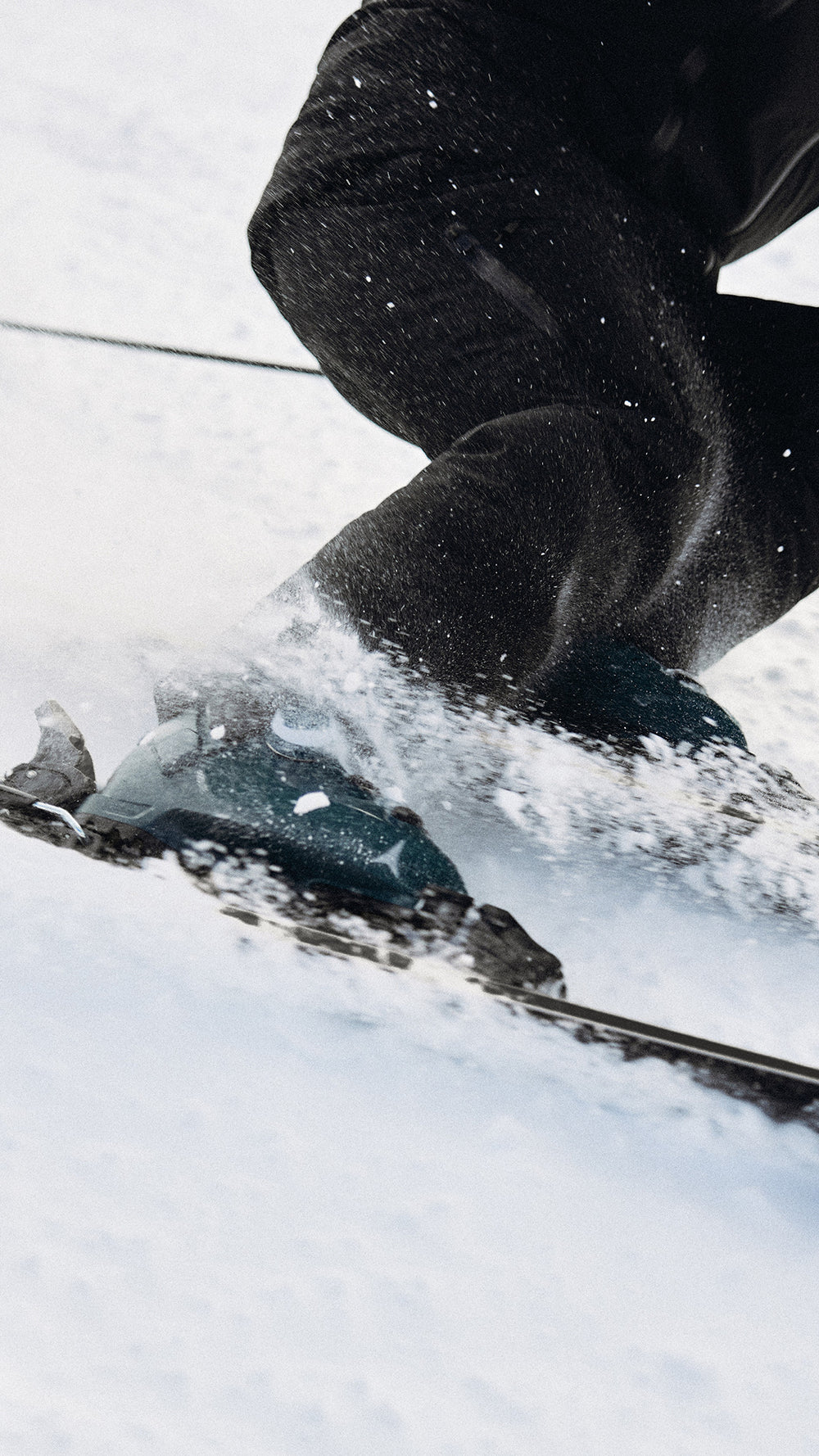




Kids' Outlet with a Focus on Fit and Winter Essentials
The Kids Outlet offers a dedicated entry point for specially selected items. Compare the size, version, and displayed price with the child's actual needs. Here you'll find guidance on fit, growth, and how to combine items with existing winter clothing, so that an interesting offer can fulfill a concrete, suitable purpose.
02Discover
Subcategories.


Children's Outlet: Carefully Selecting the Right Winter Items
When it comes to children's clothing, the first priority is whether the item fits its intended use and body size. An interesting outlet item becomes useful when it allows for movement, is easy to combine, and fills a specific gap. Therefore, start with the existing wardrobe. Is a jacket, pants, or a suitable addition for winter missing? This task is a better starting point than the desire to simply grab any offer.
In the children's outlet, the details of each item are assessed individually. The category alone is not proof of a fixed discount, a complete size selection, or the same season for all products. The specific design and the displayed price are decisive. Compare this information with the child's actual needs. This way, the selection remains comprehensible, even if several outwardly similar items have different properties or size ranges.
Planning for Growth Without Losing Fit
Children grow, but significantly oversized clothing is not automatically the better long-term choice. Sleeves that are too long can cover hands, a loose waistband can slip, and excess fabric on the leg can alter movement. Choose a size that suits the intended use and takes into account the leeway described by the manufacturer. Arbitrary extra length and width cannot replace a specific fit.
Orient yourself by body measurements and the brand's size chart. Age specifications are an additional guide, but children of the same age can vary in size. Consider the shoulder, back length, and the fit of the pants together. The general children's section helps to categorize the available items. In the outlet, the correct size remains the central criterion, even if another version initially seems particularly attractive in terms of price.
Using Existing Clothing as a Practical Basis
Lay out the items with which the new item is to be worn. A new jacket must fit over the planned layers; pants should form a sensible transition with shoes and a top. Don't just check the color. Sleeve length, hem, and waistband determine whether the combination functions comfortably in everyday life. A beautiful individual piece can be less helpful than a targeted addition to existing favorites.
Children can participate in the comparison by raising their arms, squatting, or taking a few steps. This reveals different areas than standing still. Clothing should allow these usual movements without constantly needing to be pulled into place. An outlet price does not change these requirements. The appropriate handling and fit remain more important than whether a model optically comes particularly close to the desired ideal.
Assessing Skiwear as a Complete System
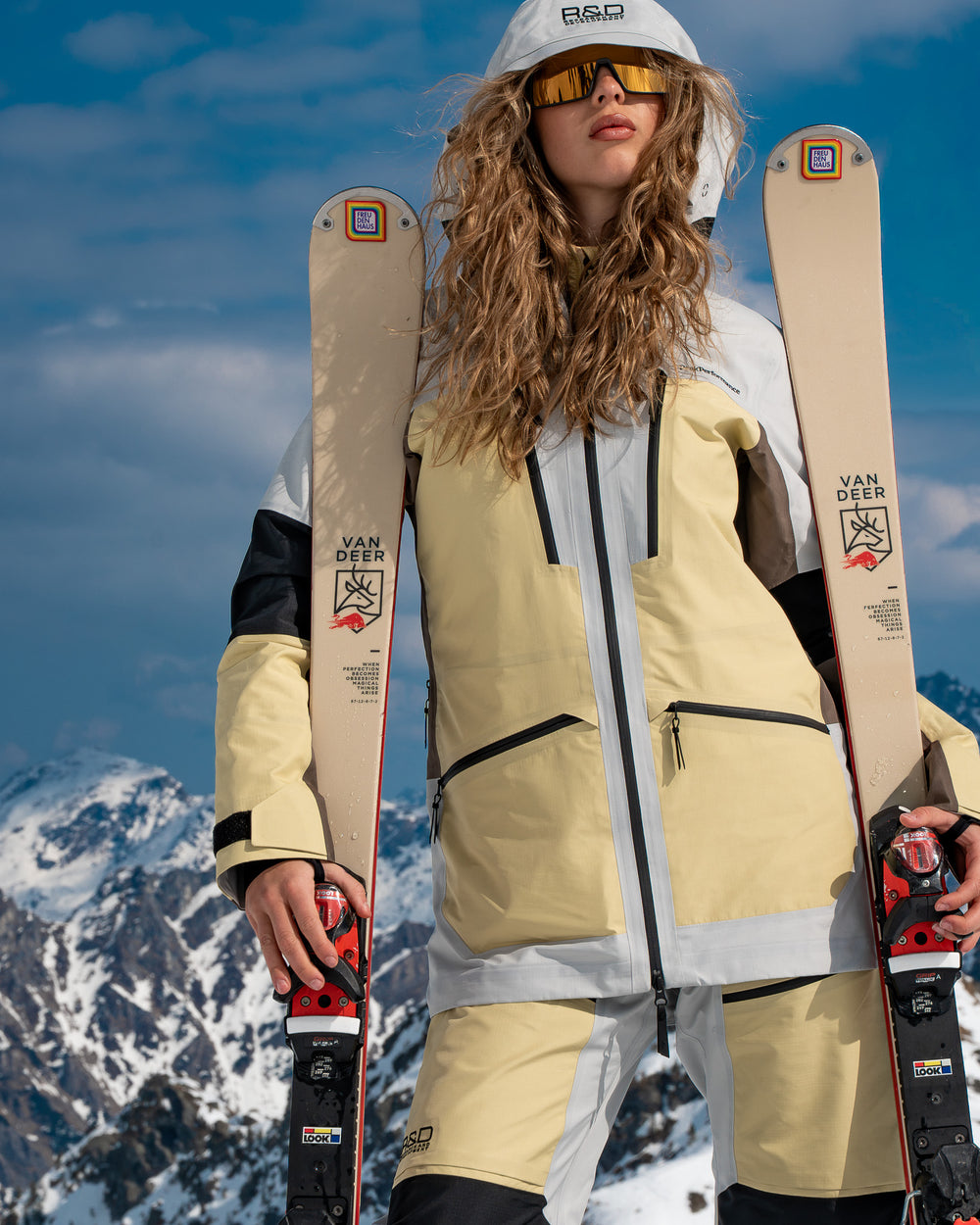
For children's skiwear, the base layer, additional warmth, and outer clothing are considered as a cohesive system. A new jacket should offer sufficient room without becoming unnecessarily wide. Pants must fit correctly when the knees are bent and at the cuff around the boot. Compare these transitions with the existing equipment, rather than evaluating only the jacket or pants in isolation on a product image.
Features such as powder skirts, adjustments, or additional pockets are only included in models that are explicitly described with them. A well-known brand name or a typical ski look is not sufficient proof. Warmth and moisture protection are also separate properties. Choose based on the actual winter use and the specific construction. An item can be suitable for its purpose without possessing every conceivable technical detail.
Putting On and Operating Are Part of the Selection Process
An easily accessible zipper or an intuitive fastener can make a difference in everyday life. Consider which actions the child should be able to perform independently and where assistance is common. Elaborate features are not automatically more practical if they are difficult to operate. Pockets and adjustments should match the actual use. This applies to everyday commutes as well as preparing for a ski day.
Also, consider the connection to gloves and shoes. A sleeve cuff should not constantly sit awkwardly over or under the glove. On the leg, there should not be a large accumulation of fabric. Children's accessories complement these transitions with their own functions. A suitable accessory can be a useful addition but does not replace an unsuitable length or size of the actual clothing.
Do Not Improvise Shoes and Equipment for Growth
If you are looking for shoes, the foot size must be matched with the respective model. A significantly larger size is not an automatic solution for longer use. Too much room can alter stability, while a shoe that is too tight is also unsuitable. For everyday shoes, the children's shoes category will guide you to a more targeted selection. Check the fit with the intended socks and for the actual use.
For technical equipment, an age-based assumption is particularly unhelpful. Ski boots and compatible components must be selected according to their specific requirements, and necessary adjustments must be professionally checked. An attractive price does not justify an improvised combination. The outlet section is an opportunity to find suitable items; it changes neither the purpose of the equipment nor the requirements for size, use, and necessary professional inspection.
Clearly Compare Prices, Variants, and Product Scope
Relate price information to the actually selected size, color, and version. A similar product name may encompass other variants. Also, check which components are included with the item. Accessories, inner layers, or supplementary parts are not automatically included just because they might be conceivable in a general combination. A comprehensible comparison requires a clear idea of exactly what is being selected and what purpose it serves.
No general reason for classification can be derived from the word "outlet." It does not automatically describe a certain quality, age, or identical discount. Adhere to the specific information. If a price advantage is indicated on the item, it can supplement the decision. However, it should not lead you to accept an unsuitable size, an inappropriate cut, or a missing necessary function.
Consider Care and Use in Everyday Family Life
Children's clothing is often moved, taken off, and put away frequently, depending on its use. The appropriate care should therefore be considered during selection. Pay attention to the material and label, especially for technical surfaces or fillings. A similar color does not mean that two items require the same washing and drying process. Choose according to the actual specifications and plan the handling so that the item fits sensibly into everyday life.
Finally, decide based on need, size, and connection to existing equipment. an alternative color can be a good solution if the function and fit are correct. A significantly wrong cut is a different compromise. The children's outlet thus becomes a targeted selection option: You are looking for a specifically suitable item and then assess the displayed price. This way, the item receives a clear purpose for the child and the intended winter season.
04At FREUDENHAUS
05Questions about the category