





Women's skiwear for a coordinated ski outfit
Women's ski apparel is selected as a complete system: jacket or suit, matching pants, and appropriately coordinated layers underneath. Compare the pieces by movement, construction, and personal warmth preference. This creates a ski outfit where fit and features work together, and colors and silhouette match your personal style.
02Discover
Subcategories.


Planning a complete ski outfit for women
A ski outfit works through the interplay of its parts. The jacket, together with pants, base layer, and mid-layer, forms a system that you can adapt to your movements and conditions. Therefore, don't start with the thickest possible outer jacket, but with your typical ski day. How intensely do you move, how quickly do you feel the cold, and what breaks do you take? These questions help in selecting the individual layers appropriately.
Existing clothing also provides a good foundation. Perhaps the jacket and pants already fit, while a more adjustable mid-layer is missing. Or you might want to combine new pants with a proven jacket. A complete outfit doesn't have to be bought entirely new. What matters is what task each piece performs and whether you can move comfortably in the entire combination. Color and style are built upon this suitable basic structure.
For a clear preliminary selection, you can distinguish between three needs: protection against external conditions, additional warmth for the body, and a comfortable structure directly on the skin. Individual garments can combine several tasks, while others are deliberately focused on a specific function. Therefore, comparing their construction is worthwhile. The category designation or a sporty design alone do not explain how a product is built.
Choosing the outer jacket to match the layering system
For women's ski jackets, different shapes and features are key. A jacket with its own insulation combines outer protection and a thermal layer. A shell, on the other hand, is primarily chosen as an outer layer and requires a coordinated layering system underneath. Neither option is inherently better. It changes how you put your outfit together and adjust it throughout the day.
If you choose an insulated jacket, check how much additional layer can comfortably fit underneath. An already voluminous construction can become too tight with a very thick mid-layer. For a lighter outer layer, the choice of clothing underneath is correspondingly more important. Always compare the fit when closed. Shoulders, armpits, and sleeves should remain comfortable even with arms extended forward.
The length influences the connection to the pants. A shorter jacket requires a different finish than a longer model, especially when sitting and bending. Also, pay attention to the collar, hood, and pocket positions. Which details you need depends on your equipment and habits. A long list of extras is less helpful than a few well-fitting features that you actually use during your ski day.
Selecting ski pants based on movement and closure
A pair of women's ski pants must fit well at the waist, seat, and thighs. A narrower cut can create a clean silhouette but requires the intended freedom of movement. A wider cut model offers a different shape and cannot be judged solely by the same size designation. When trying them on, do a slight squat and sit down to check for tension at the waist or hips.
The leg length should be considered with ski boots. The hem will lie differently over them than over normal everyday shoes. The leg cuff itself also matters: it must be suitable for the intended connection and should not unnecessarily complicate handling. Pants that are too long cannot simply be solved by a different waist position. Waist position, crotch, and leg cut are all part of the overall fit.
Also, consider how you want to combine the jacket and pants. A high waist can work differently with a shorter jacket than a lower waist. Suspenders, if provided, affect putting on and taking off, as well as the layers over them. Check such details in the complete outfit. You shouldn't find out after making your selection that two individually comfortable pieces interfere with each other in the stomach or back area.
Ski suit or combination of jacket and pants
A ski suit combines a top and bottom into a continuous silhouette. This can look very clean and at the same time changes the size selection. Torso length, shoulder area, waist, and leg length must all fit together in a single cut. With a jacket and pants combination, you can select both pieces separately. This difference is particularly relevant if you often need different sizes for your upper and lower body.
For ski suits and ski overalls, you can compare the one-piece form more closely. When trying it on, pay attention to sitting, bending, and raising your arms. The fabric should not pull on the upper body solely because of a suitable leg length. Conversely, sufficient torso length cannot be compensated for by an inappropriately wide waist. The continuous form requires a consideration of all areas together.
Handling is also part of the decision. Consider how you operate the zipper, what layers are underneath, and how you wear the outfit during a longer break. Those who like to combine tops and pants independently prioritize differently than someone who prefers a closed silhouette. Both options can be styled tastefully; the decisive factor is the form that meets your requirements.
Coordinating base layer and mid-layer
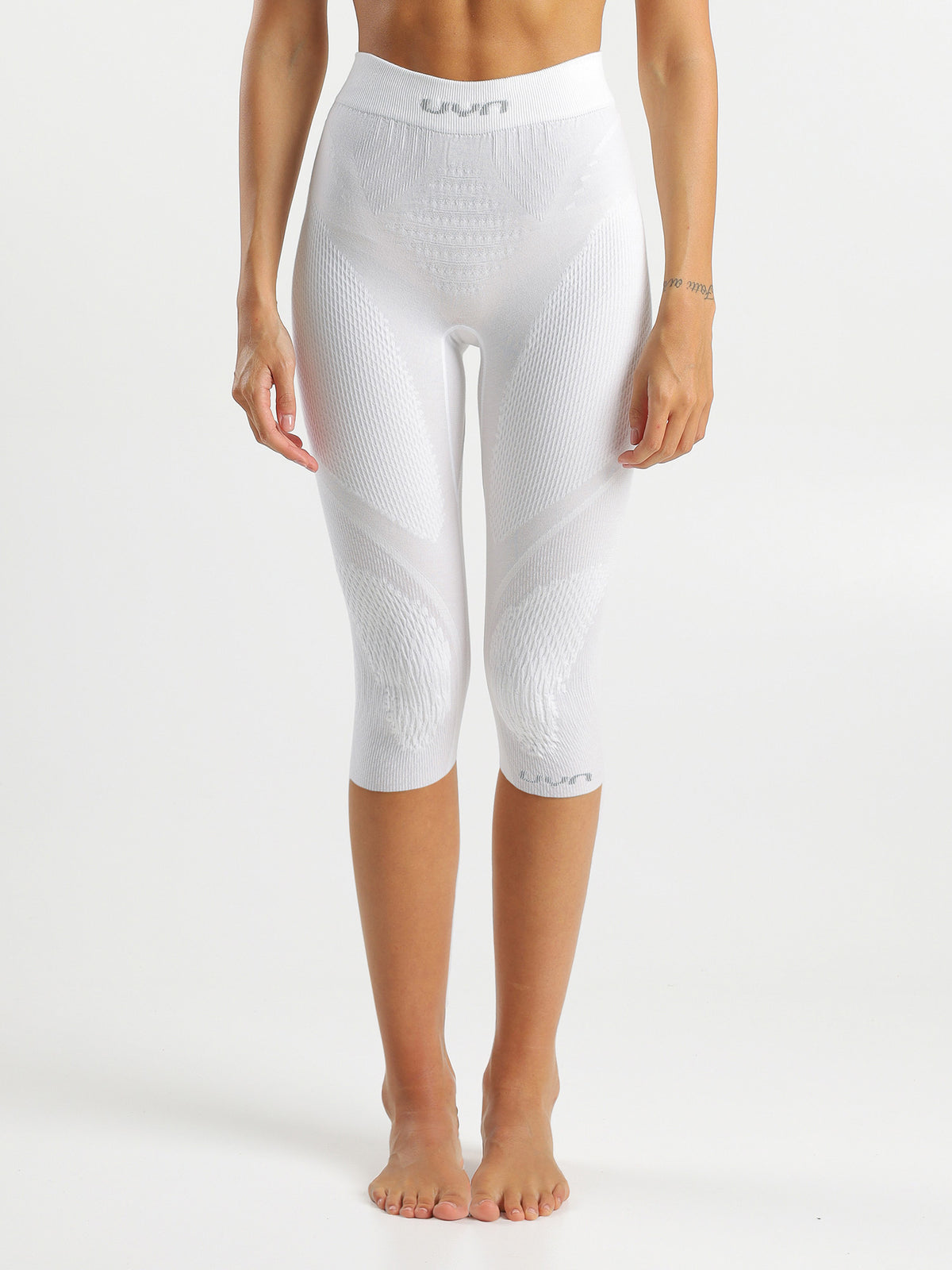
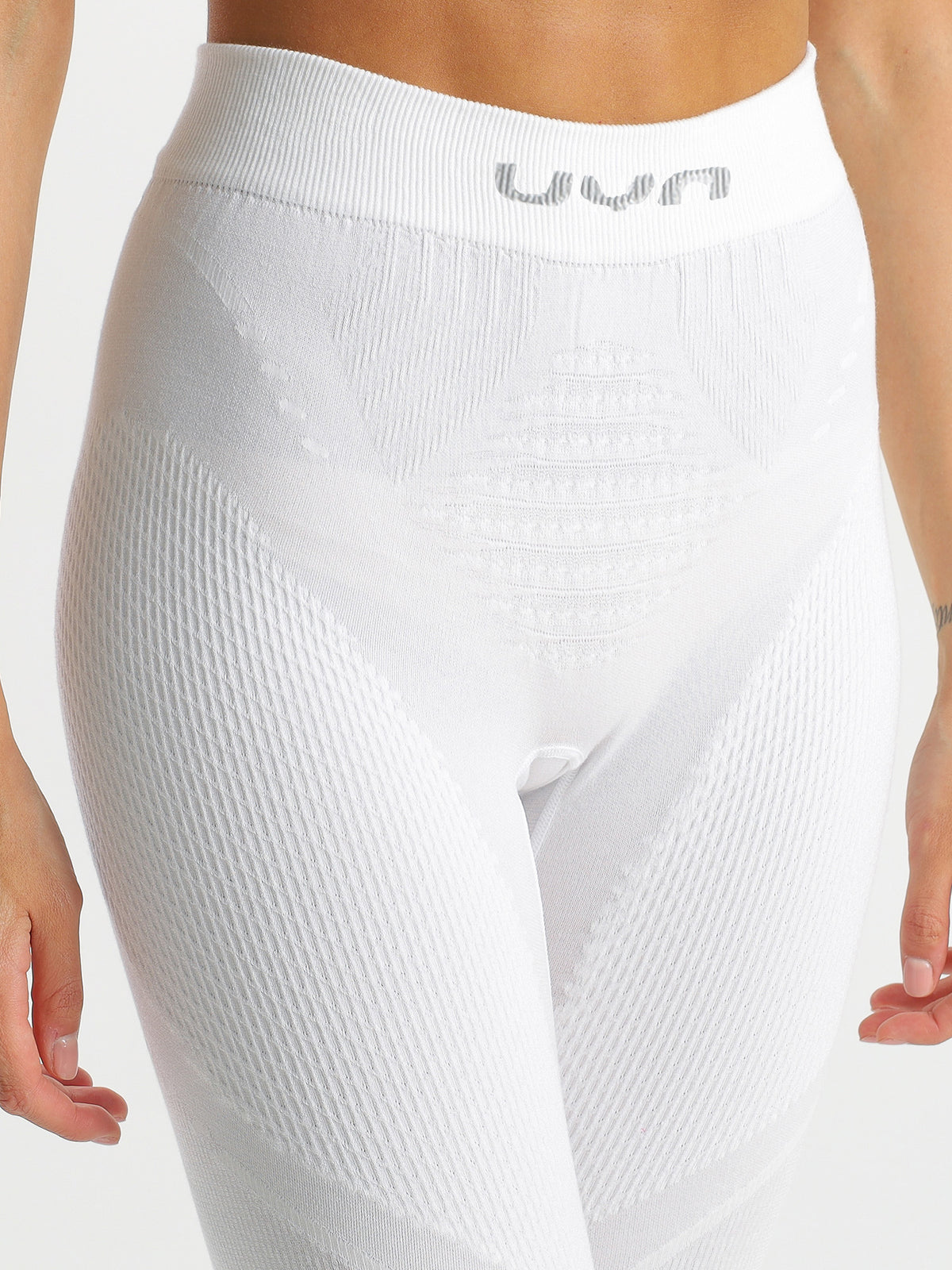
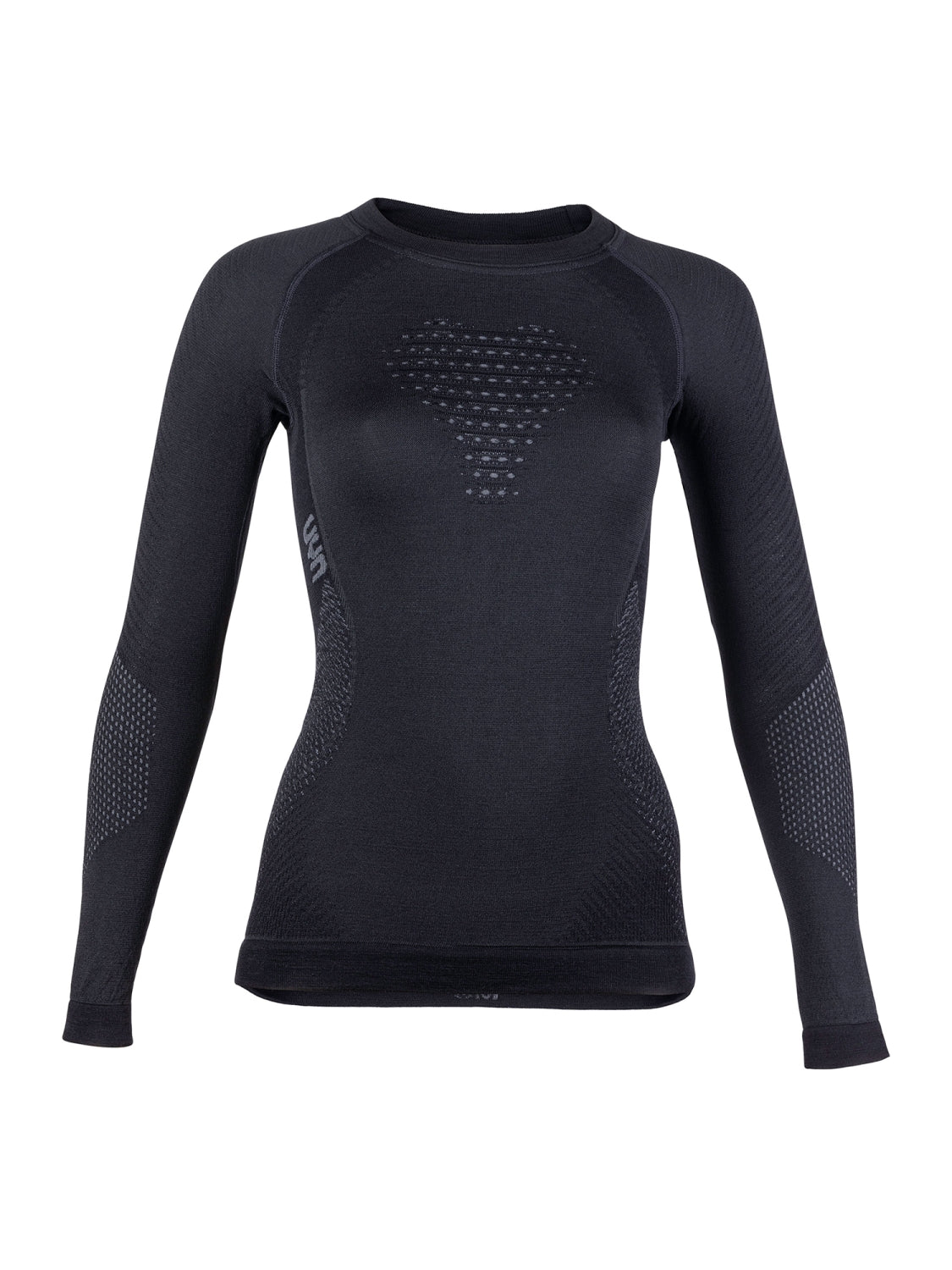
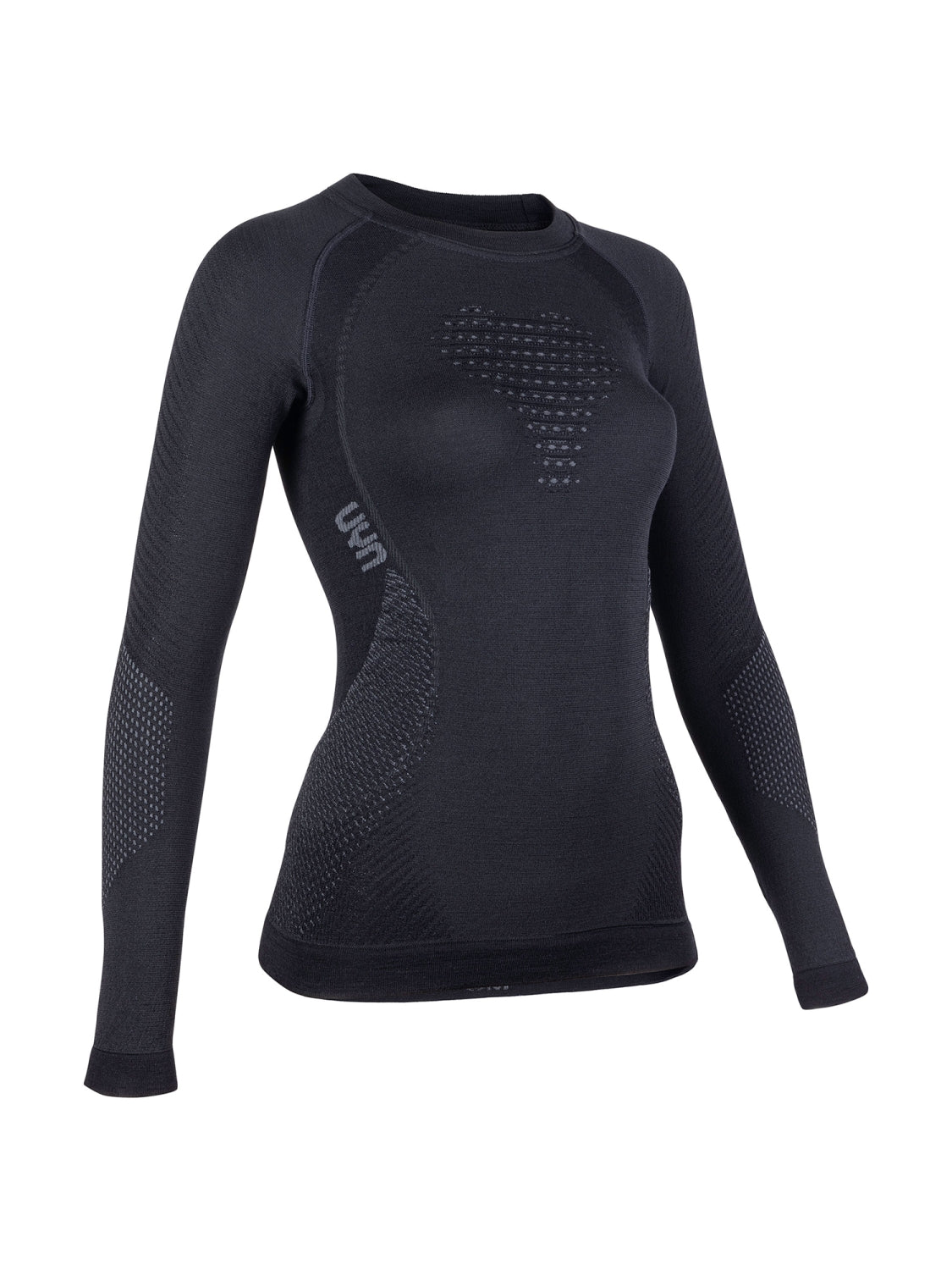
The skin-hugging layer and the mid-layer fulfill different roles. Women's functional underwear is the right starting point if you are looking for a first layer directly on the body. Its cut should fit well with movement and additional layers. Pay attention to the course of seams, cuffs, and finishes, especially where the clothing will later lie under the waistband or in the area of the ski boot shaft.
A women's mid-layer complements the system above it. Its thickness alone does not explain whether it is suitable for you. More important is how much additional layer you need under your outer jacket and how you want to regulate it. A full-length zipper can be opened or taken off differently than a closed pullover. Collars and sleeves influence whether the combination lies smoothly at the neck and under the arms.
Plan the layers together rather than making adjustments one after another. Two high collars, several hoods, or overlapping cuffs can create more bulk than you expect. A sporty jacket doesn't automatically get better if you wear as many layers as possible underneath. Look for a logical structure where you know which layer to open when you're moving more or want to add during a longer break.
Incorporating functional specifications correctly into the selection
Water-repellent surface, waterproof construction, and insulating structure describe different properties. Do not derive them from a common brand name or the term winter jacket. Even a visible quilting alone says nothing about the type of filling. For comparison, the specific details of the model are relevant. Keep your needs in mind, rather than treating individual terms as a blanket quality ranking.
For a technical jacket, the outer material, seams, closures, and intended care are all part of the overall construction. For example, the outer water-repellent treatment is not synonymous with an underlying waterproof membrane. Such differences help to correctly classify a product without deriving universal performance from a single feature. You don't need to collect the longest possible technical lists; what's more important are the specifications that actually answer your specific purchasing decision.
Also compare how functions can be operated. Can you easily reach intended openings? Does the collar fit with a helmet and neck gaiter? Are pockets comfortably positioned even with your other layers? These practical questions connect the features with your daily life on skis. A detail is particularly useful if it works where you need it.
Combining colors and silhouettes into a ski look
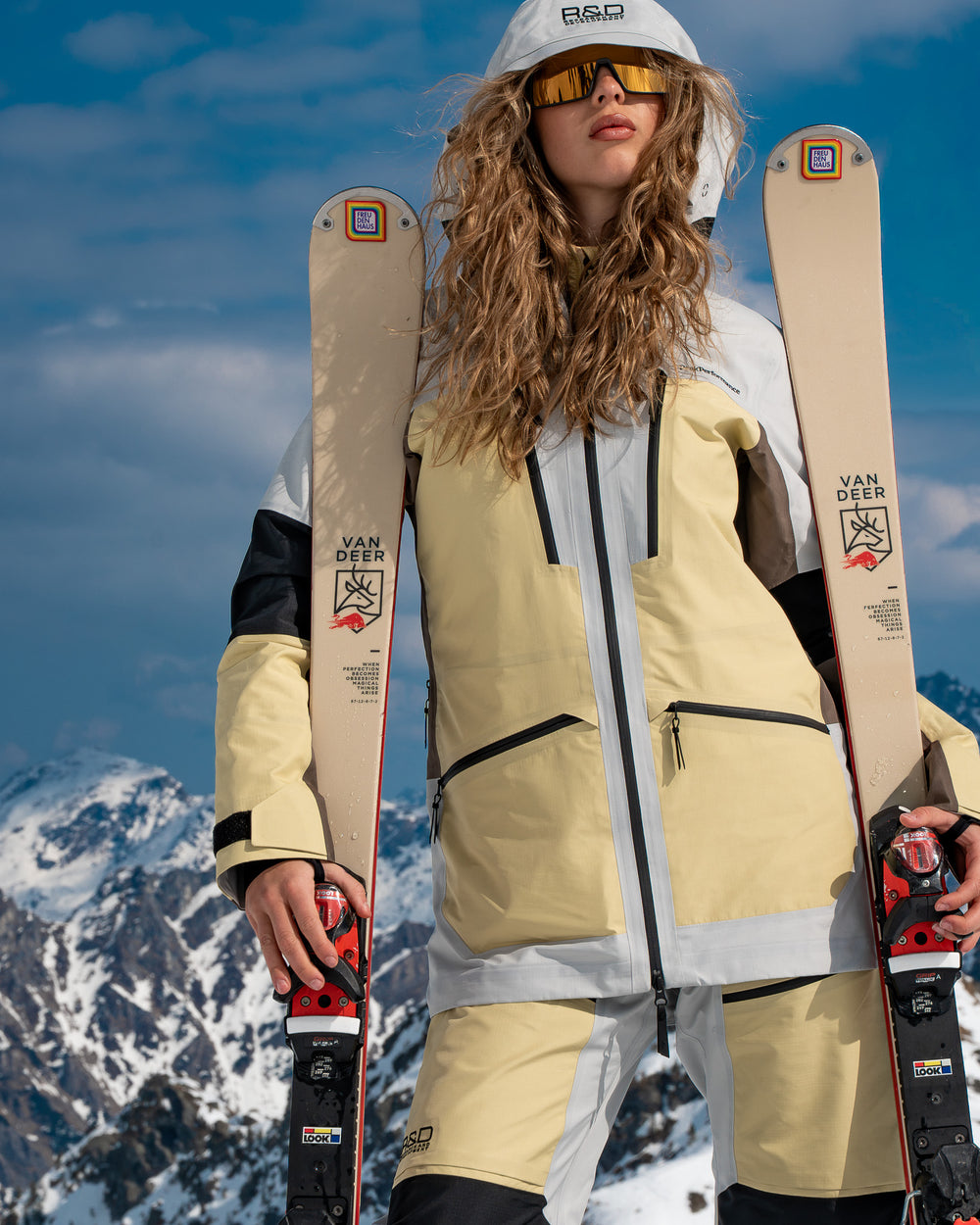
A ski outfit can appear calm with a continuous color scheme or set a clear focal point. A striking jacket can be combined with subtle pants; distinctive pants can work under a simple top. First, choose which piece should define the look. This makes the combination clearer, without the jacket and pants having to come from the same model series.
Proportion is as important as color. A voluminous jacket over narrower pants creates a different accent than a generous overall silhouette. With a short jacket, more of the waistband remains visible, while a longer shape connects the two parts differently. View the outfit with a helmet, goggles, and ski boots, as these elements change the visible structure. A pure clothing comparison only shows part of the later effect.
You can deliberately repeat details. A color shade on the goggle strap, a calm glove, or a matching collar finish can connect the look without creating a completely identical set. Technical suitability and fit remain the foundation. The desired design should emerge within suitable products and not displace essential requirements for movement or equipment.
Pay attention to transitions at hands, neck, and shoes
At the extremities, clothing and equipment meet directly. For example, compare whether you want to wear the glove cuff over or under the designated jacket sleeve. The sleeve must be able to close appropriately without bunching up unnecessary fabric. At the neck, the collar and other coverings should interact with the helmet. At the bottom, the pant cuff forms the connection to the ski boot. These areas deserve a closer look during fitting: they can feel different when worn than the generous areas of the torso and legs. If you clearly know there which part is inside or outside, the entire combination becomes easier to assess.
Check the entire system before making a decision
Put on the planned layers together and close the jacket or overall completely. Sit down, bend your knees, and extend your arms forward. Pay attention to the area between the jacket hem and waistband, as well as the neck, armpits, and wrists. This check shows whether the individual forms work together in motion. A comfortable individual piece can lose its advantage in a too-tight combination.
Finally, consider care and storage. Different materials, fillings, and trims may have their own requirements; the labeling of each garment is decisive. Choose a system whose parts you can use and care for understandably. Then your ski clothing will consist of clear, coordinated decisions: a suitable outer layer, the right complements underneath, and a silhouette in which you can look forward to your ski day.
04At FREUDENHAUS
05Questions about the category