





Men's Ski Pants: Targeted Selection of Waist, Leg Length, and Warmth
Men's ski pants must fit at the waist, hips, and knees and be compatible with ski boots and jacket. Compare insulation, leg length, and features with your complete outfit. When trying them on, wear underwear and ski boots to ensure the pants provide adequate coverage and sufficient room for movement.


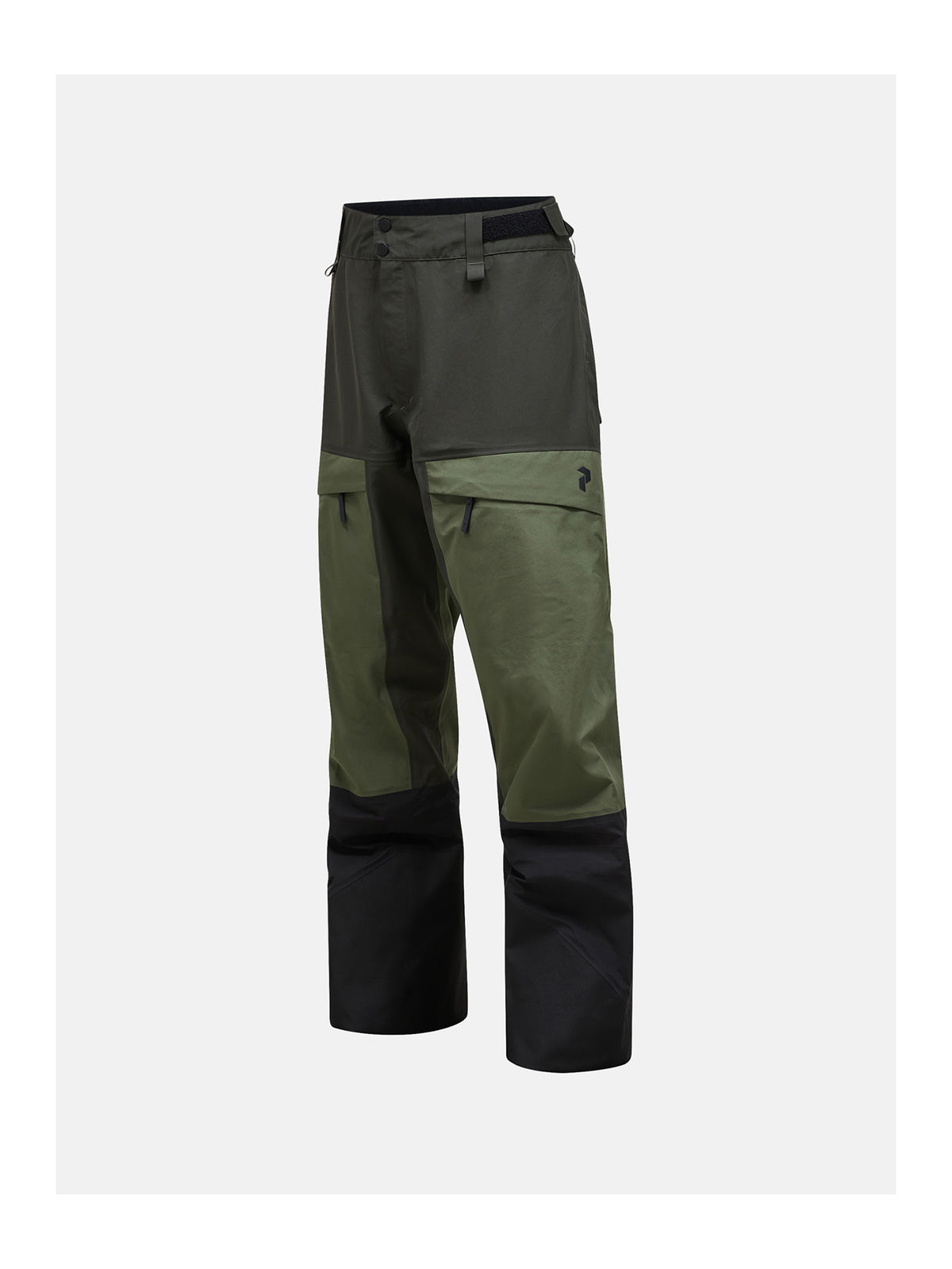


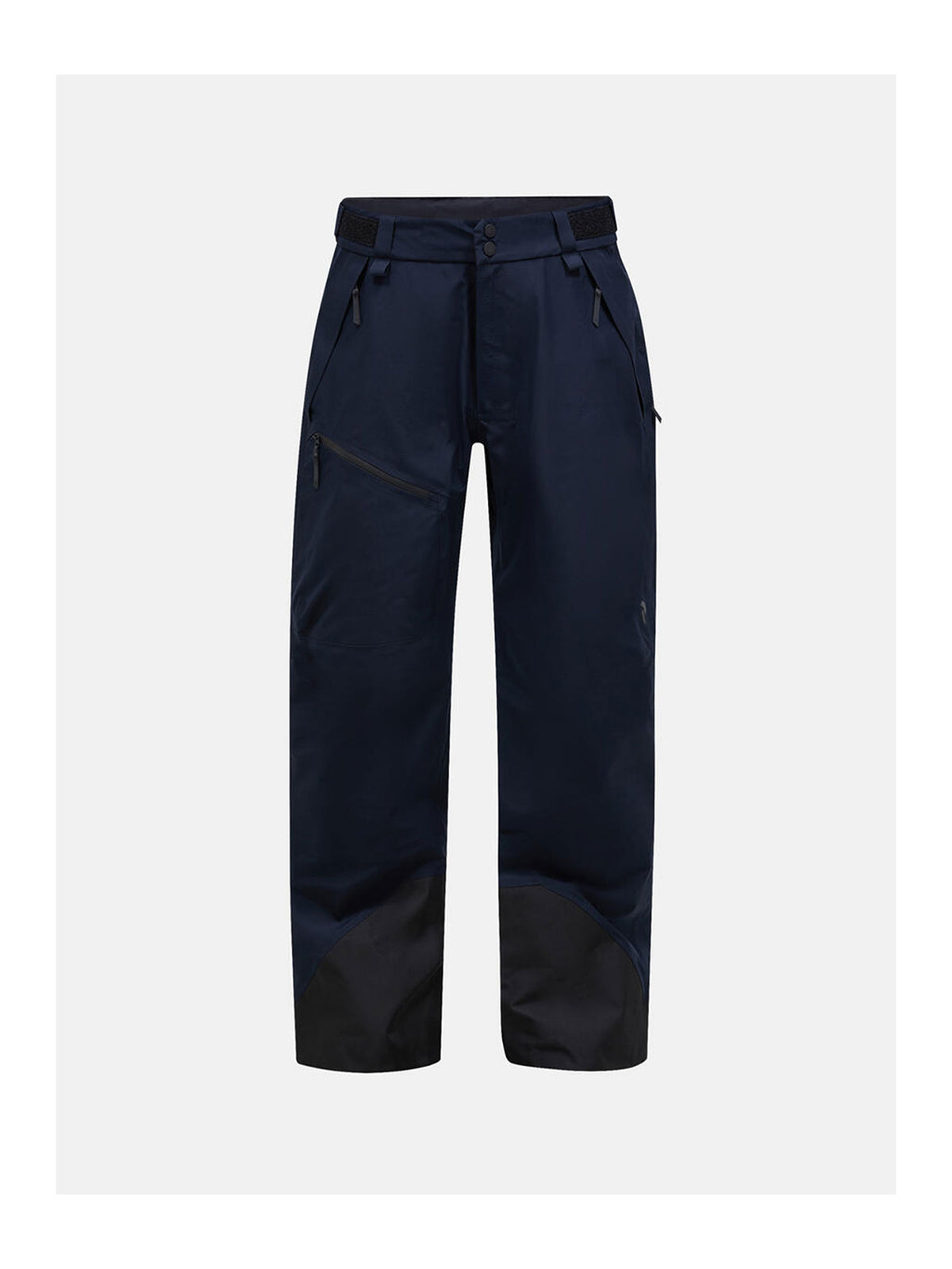
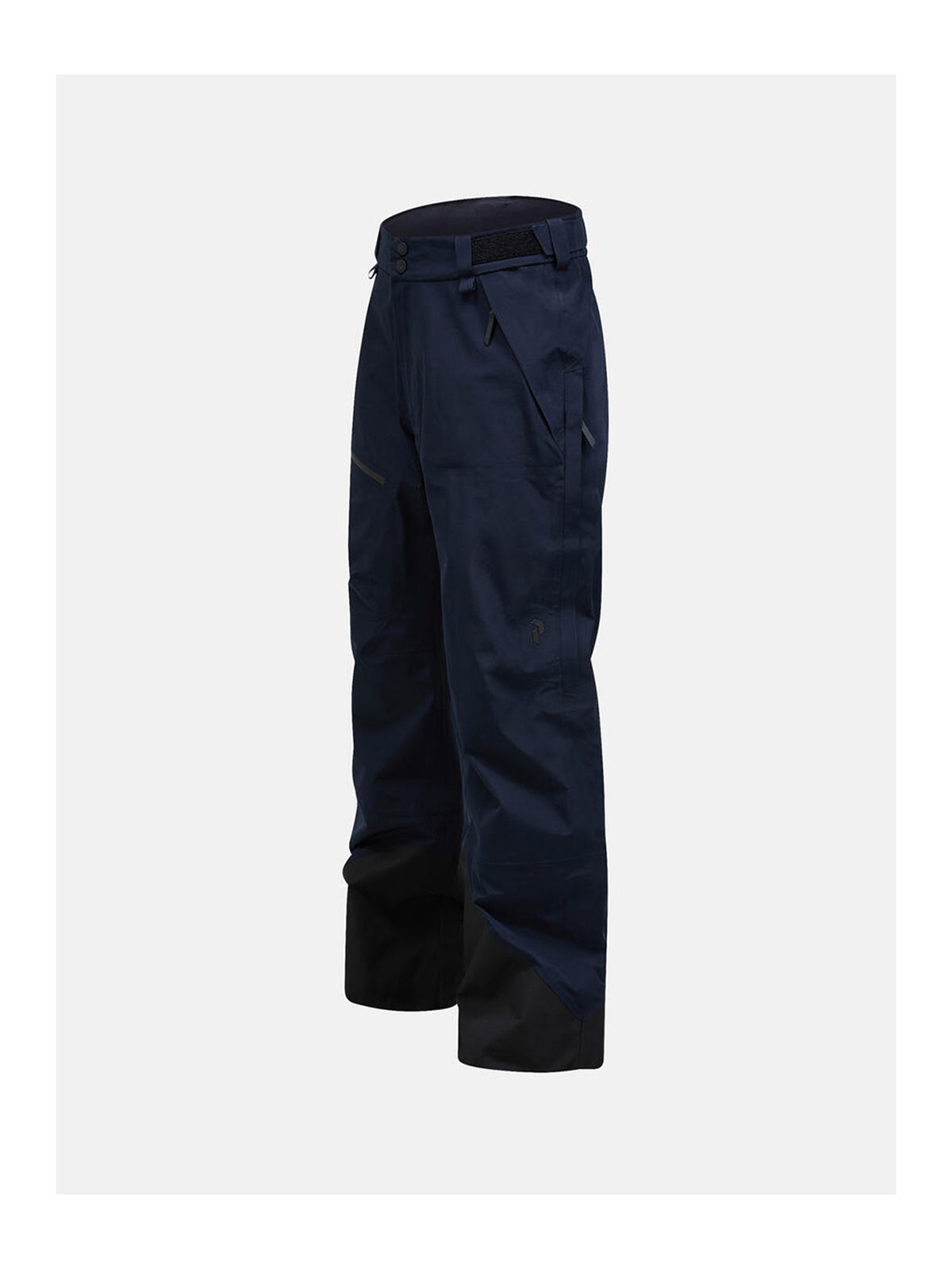
Choosing Men's Ski Pants for Movement and Equipment
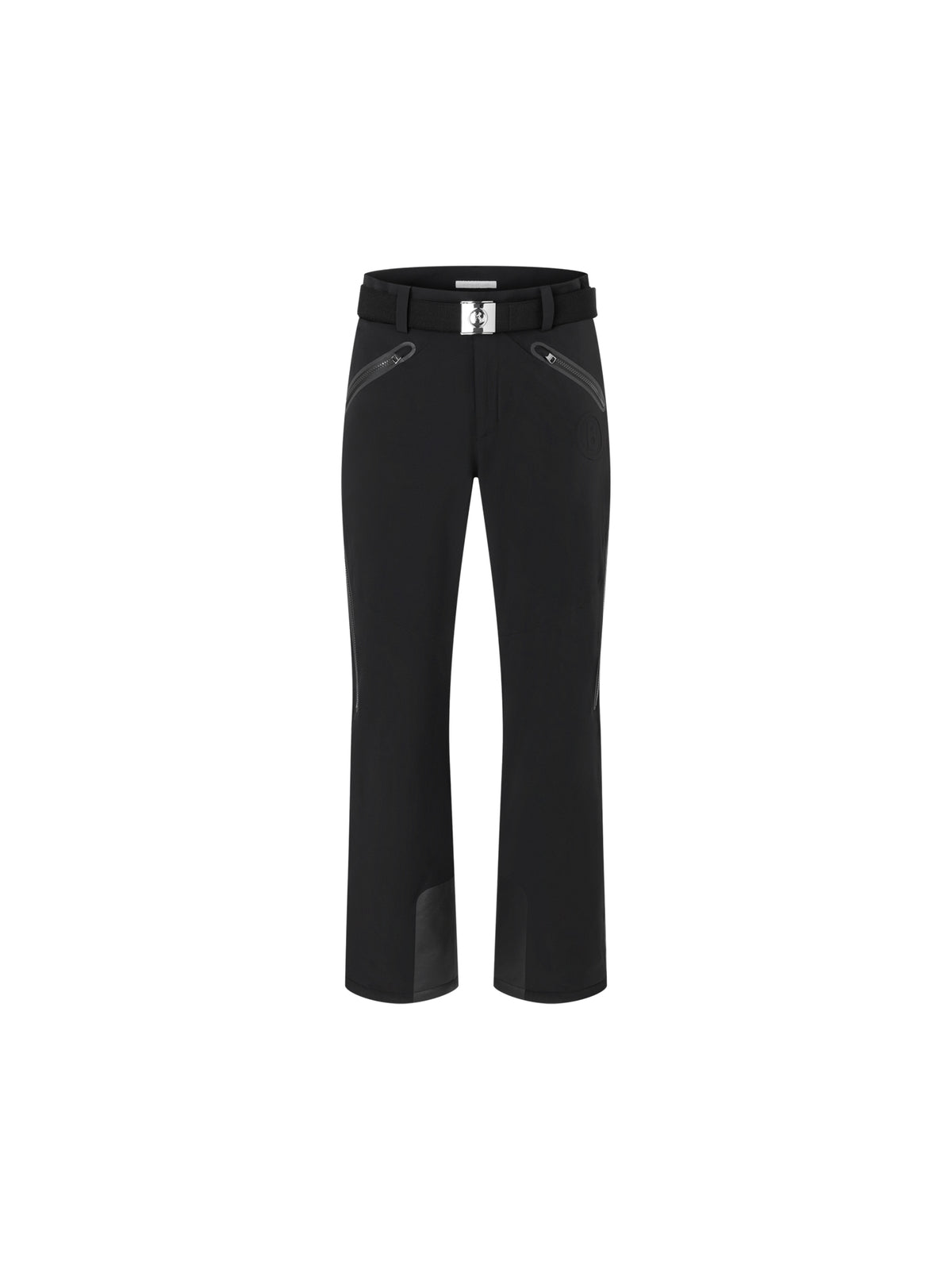
Ski pants need to allow movement at the hips and knees while also connecting with ski boots and a jacket. Therefore, start with your actual outfit. What base layers do you wear, how high do your ski boots sit, and what jacket length do you want to combine? These points influence the appropriate fit. Pants that look good when standing might fit differently when bent over. For your decision, the complete combination in motion counts.
Also, consider how you want to regulate your warmth. Lined pants and a less insulated concept are complemented differently with undergarments. The category name does not yet indicate the existing construction. Check the specific design and then choose the fit and features. This way, you compare men's ski pants based on a clear purpose, rather than using a high material count or a certain silhouette as a general quality judgment.
Assessing Waistband Width and Rise Together
The waistband should maintain its position comfortably without pressing when sitting. However, its width is only part of the fit. Rise, hip shape, and crotch space also determine how the pants sit during movement. When you bend forward, they should not pull uncomfortably or slide down so much that you constantly have to readjust. Therefore, test several movements before deciding on the appropriate size based solely on the closed waistband.
An adjustment can help tailor the intended width. However, it does not compensate for an ill-fitting basic shape. If you have to pull the waistband very tightly and a lot of fabric gathers, the pants might be cut differently at the hips and seat than you need. A belt or drawstring is not a universal solution. If necessary, compare a different cut and pay attention to whether the width sits where you actually need it.
Understanding Suspenders and Bib Forms
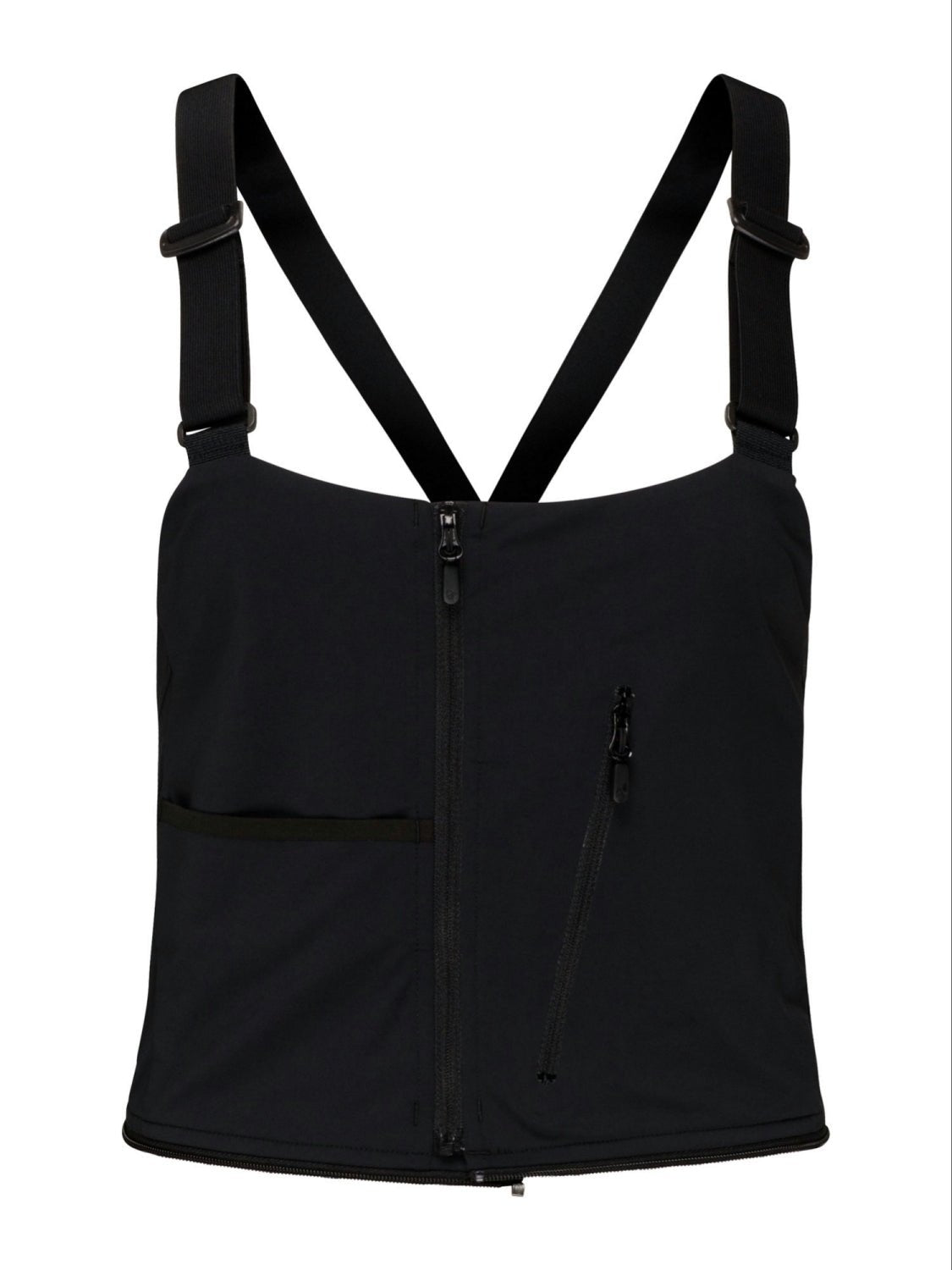
Suspenders and a high-cut bib construction are different details. Suspenders can be attached to classic waist pants without additional fabric covering the torso. A bib, on the other hand, extends further up and is held by suspenders. Helly Hansen describes this distinction as a separate selection topic. Therefore, decide based on the specific design whether you primarily need an additional holding option or more coverage on the upper body.
If a model has suspenders, check their length and position with your base layers. They should be adjustable without pulling the crotch up. For a bib form, handling during dressing and breaks is also part of the decision. It differs from simple waist pants. Such a construction might suit your habits, but should not be chosen solely for its technical effect. Fit and actual use are decisive.
Testing Thighs and Knees in Skiing Position
When trying them on, bend your knees slightly and lean your upper body forward. The pants should allow this posture without excessive tension across the thighs or buttocks. Pay attention to how the fabric distributes around the knee. A pre-shaped area can be part of the construction but does not replace a suitable fit. If the knee area is significantly above or below your movement, the proportion of the model might be unsuitable.
Then take a larger step and sit down. Check if pockets or seams are bothersome in these positions. An elastic material can add freedom of movement, but stretch is no excuse for pants that are too small or ill-fitting. Conversely, excessive width can create unwanted wrinkles. The appropriate fit distributes space where needed and remains comfortable even when switching between standing and sitting.
Assessing Pant Length with Ski Boots, Not Barefoot
The length of ski pants should be checked with the intended ski boots. Their shaft changes how the fabric drapes and where the outer hem ends. Pants might appear long barefoot and sit differently over the boot. Look at the finish at the front, side, and back. It should provide the intended coverage without accidentally getting under the sole or bunching up significantly at closures.
Bend your knees again and observe if the pant leg moves significantly upward. Leg length and freedom of movement are related. A larger clothing size is therefore not automatically the best solution for a hem that is too short, because it simultaneously alters the waistband and hips. Use the specific measurements and compare the shape. In the selection of ski boots, you will find additional guidance for the boot; the pants must then integrate into this equipment.
Distinguishing Inner Cuffs and Edge Protection
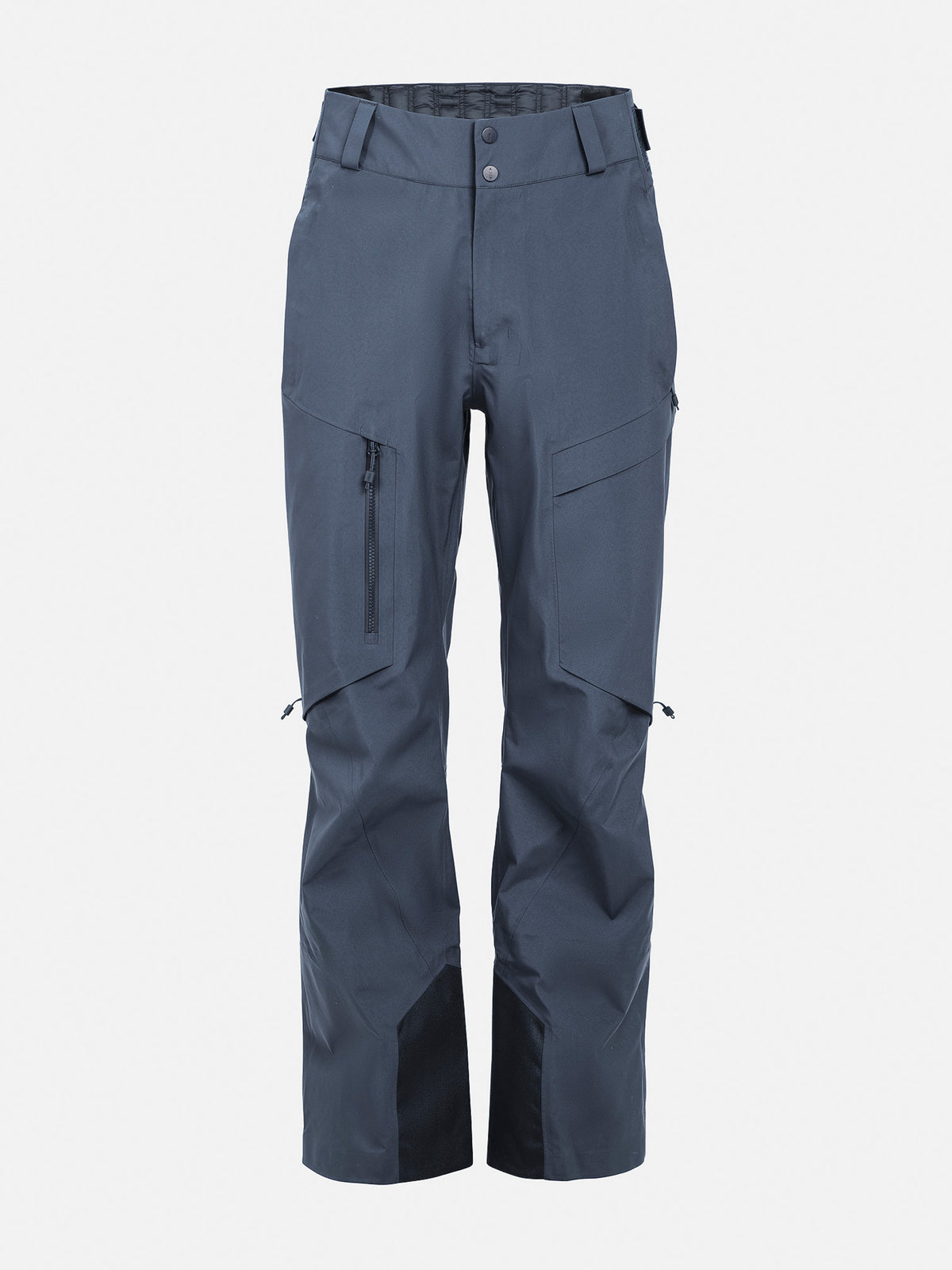
At the bottom of the leg, several elements can come together: outer hem, an inner cuff, and additional reinforcements. They fulfill different tasks. Check how the inner cuff is positioned on the ski boot according to the design and whether you can operate it comfortably. It should not sit as a thick fabric ring in an annoying spot. The outer pants must retain sufficient space above it so that the combination does not pull against each other during movement.
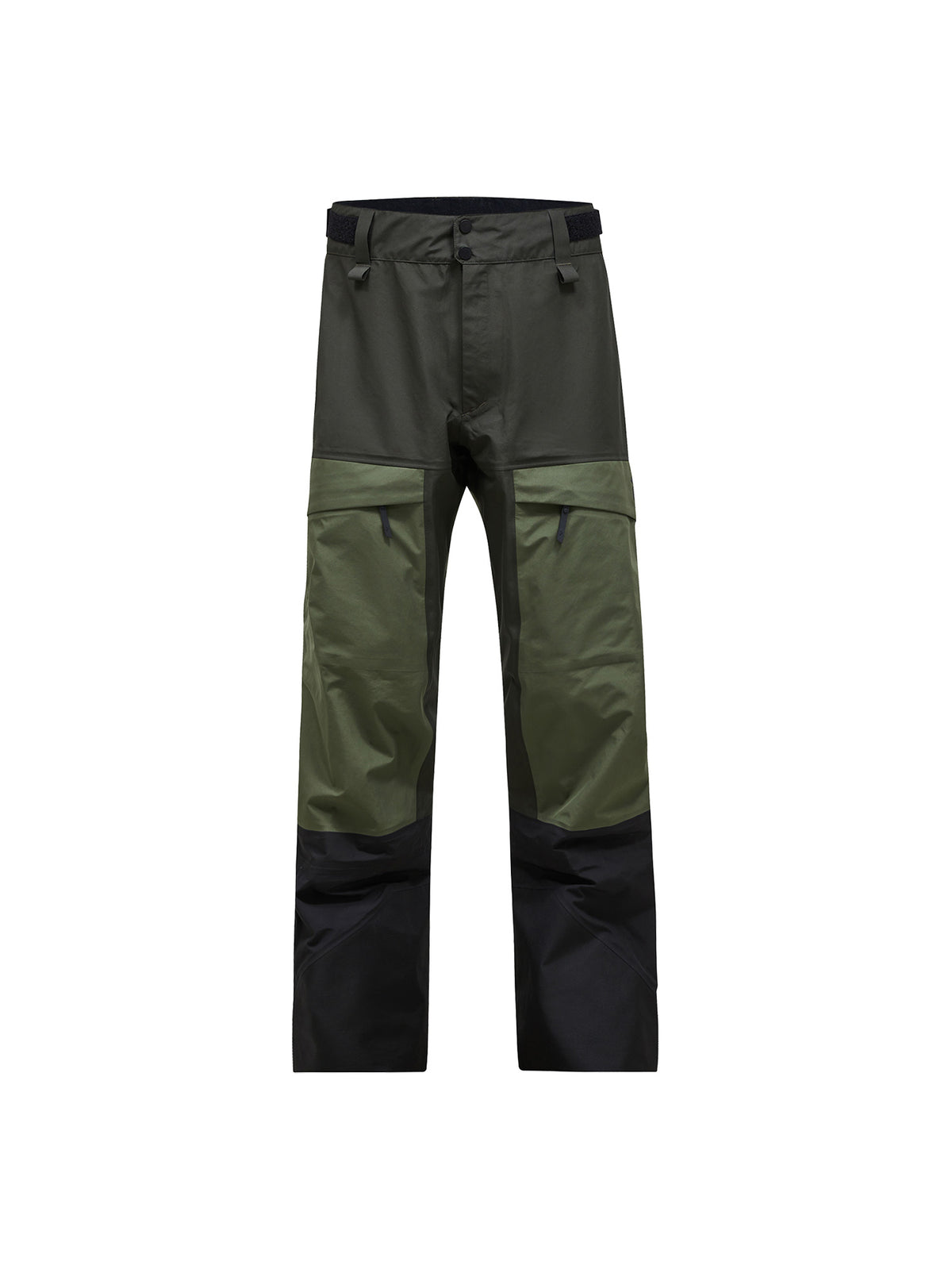
A reinforcement at the bottom of the leg can supplement particularly stressed areas, but it is not a promise of unlimited durability. Consider its position and specific design. It should match the place where your equipment actually comes into contact with the fabric. Do not derive a general protective effect for the entire garment from a visible insert. Here too, the sensible question remains as to what purpose the detail serves on the selected model.
Lining and Underwear as a Joint Warmth Decision
Lined ski pants provide additional insulation in the outer layer. A less insulated construction can be complemented more with the layers underneath. Decide based on the described construction, your activity, and your sensation of warmth. A lot of fabric is not automatically sensible if it restricts knees and hips. Try on the pants with the base layers you actually intend to wear on the planned days.
Men's functional underwear complements this first layer. Pay attention to how its waistband sits under the outer waistband and where the legs end. Several strong cuffs at the same spot can be bothersome when sitting or in ski boots. Also decide on the underwear length together with the ski socks. A smooth connection is more helpful than additional bulk that creates unwanted wrinkles in the complete outfit.
Reading Weather Protection and Material Information in Context
Water-repellent surface, waterproof construction, and breathability describe different properties. GORE-TEX explains, for example, that the water-repellent effect of the outer fabric and the function of a membrane must be considered separately. For selection, this means: a single term or value does not yet describe every seam, every closure, and the entire construction of a pair of pants. Compare the information on the specific model and include the intended use.
Furthermore, a breathable description does not guarantee that no moisture will form under all conditions. Your entire clothing and activity remain relevant. Consider whether you want to combine the pants with different layers of clothing and what adjustment options are available. A technical data sheet helps with classification, but does not replace a practical fit. Material function and freedom of movement must fit together so that you can meaningfully use the stated properties in your intended outfit.
Choosing Pockets by Contents and Carrying Position
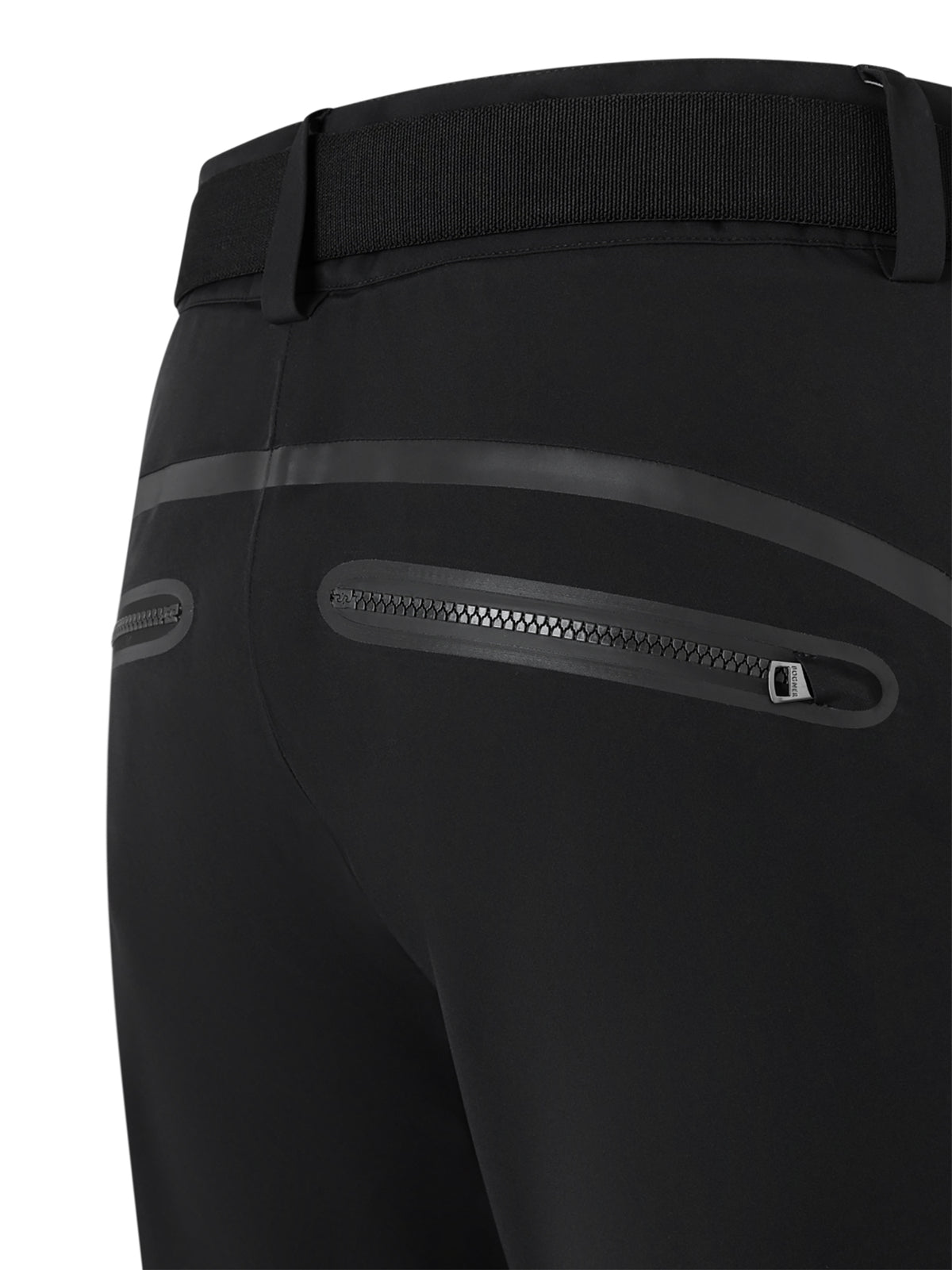
Pockets can be located at the hips, thighs, or other places. Decide what items you actually want to carry in them. A phone, a key, or a small cloth will alter the contact with the pants differently. Test the position with realistic contents and sit down. A compartment that is easily accessible when standing can press when bending or affect freedom of movement at the thigh. Therefore, the number of pockets alone says little about their utility.
Operating the closures is also part of the decision. Can zippers be gripped with your intended handwear? Is a closure positioned so that it is not covered by the jacket? Pay attention to whether the pocket distorts significantly when opened. A clear, suitable pocket solution can be more comfortable than many details whose contents you constantly feel. Choose features based on your habits and avoid unnecessarily filled areas in high-movement zones.
Assessing Ventilation and Openings Practically
Some ski pants have additional ventilation openings. If you want to use this function, check their location and operation with your other clothing. A strap, the jacket, or an unfavorable pocket position can alter access. Open and close the intended areas calmly during the fitting. The detail should be manageable and not just appear interesting on a features list.
In changing conditions, it is also important how you adjust the entire combination. A ventilation opening does not replace suitably chosen undergarments and appropriate warmth planning. Consider whether you frequently switch between active descents and longer breaks and what setting is practical for you. The best solution is one that works in your actual outfit. Additional technology should fulfill a specific task, rather than having to compensate for a fundamentally unsuitable construction.
Checking Jacket and Pants as a Combined Outfit
The transition to the jacket determines coverage and silhouette. A short jacket meets the pant waistband differently than a longer back. Try on both pieces fastened and in a bent position. The jacket should maintain the desired position while the pants sit comfortably at the waist. If a connection between the parts is intended, it must fit the specific combination. Similar closures are not general proof of an approved connection.
In the men's ski jackets, you can compare suitable warmth and cut concepts. Then also consider the color coordination with helmet and gloves. A contrasting bottom part sets a different accent than a similar color to the jacket. The desired effect can be consciously chosen after fit and features are determined. This way, the design remains part of a suitable equipment and does not override practical requirements.
Care and Final Selection
Care depends on the specific material construction and the labeling in the garment. Linings, membranes, coatings, or trimmings can have different requirements. Therefore, do not apply a general washing temperature or treatment to every pair of ski pants. GORE-TEX also differentiates in its instructions according to construction. Plan the intended handling already during selection, so that the pants can be properly cared for even after frequent use.
Finally, compare all favorites with the same underwear and ski boots. Check waistband, rise, knee movement, hem, and pockets in this order. The overview of men's ski clothing helps you put together the complete outfit. Suitable ski pants combine a comfortable fit with a comprehensible warmth and features concept. Once these basics are right, color and small details can make the final decision.
04At FREUDENHAUS
05Questions about the category