







Choose ski socks according to cushioning and boot fit
Choose ski socks that fit your ski boots and the space provided by their liners. Compare size, padding, and shaft height together, rather than automatically opting for the thickest version. The fit at the heel and calf, as well as the transitions to your underwear, are crucial. This way, the sock becomes a targeted addition to your equipment.


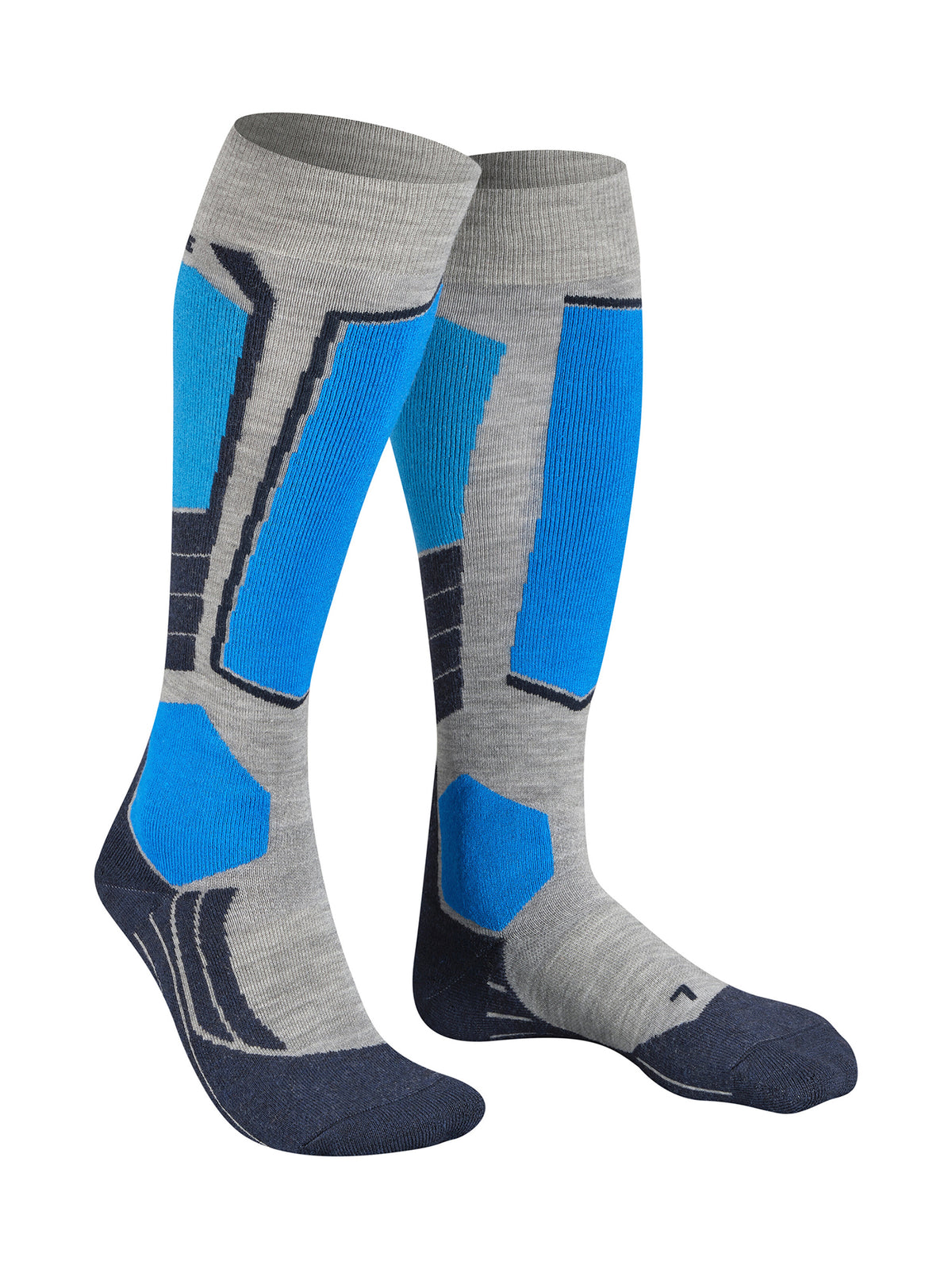
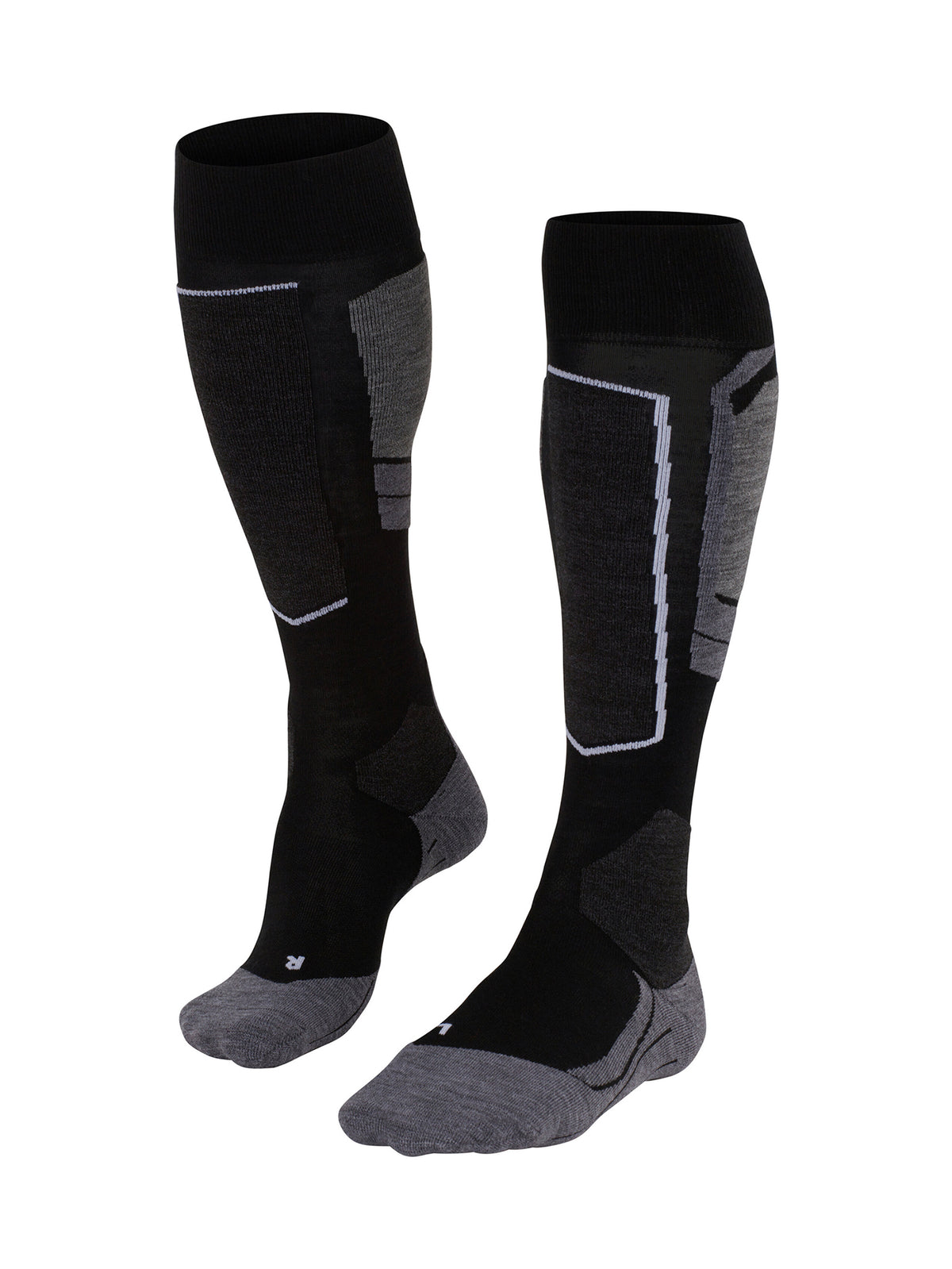
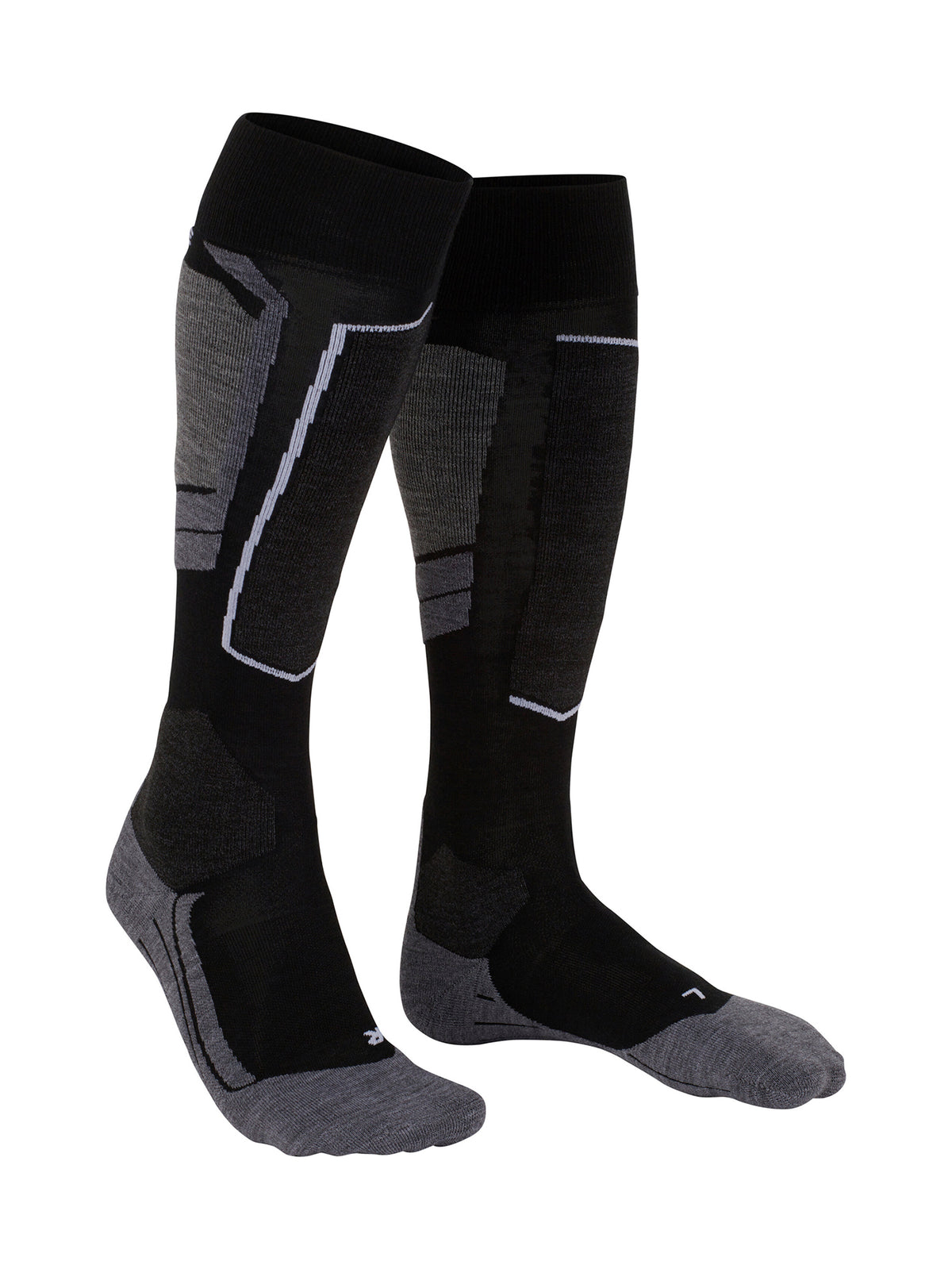
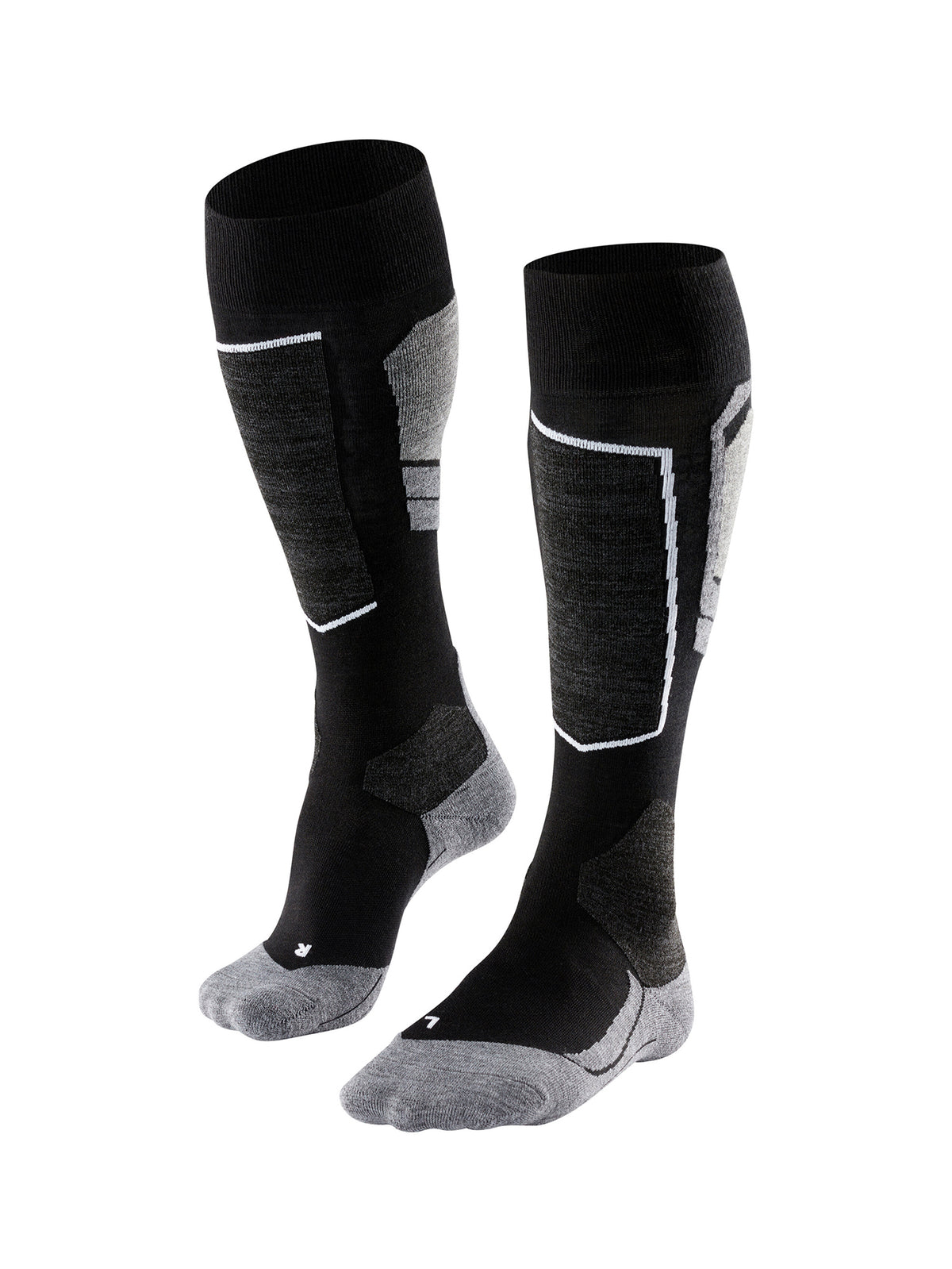
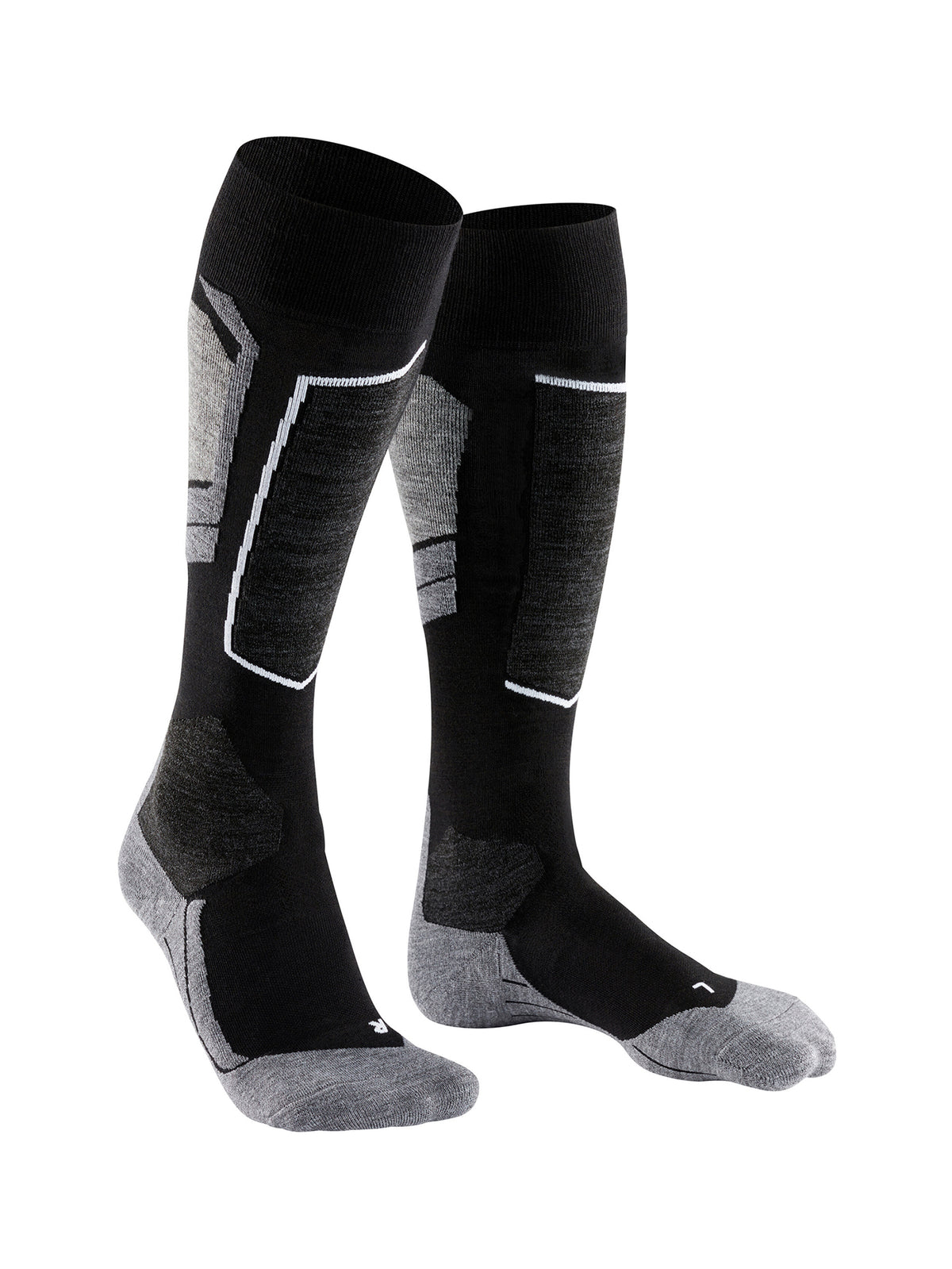


Choosing ski socks together with ski boots
Ski socks sit between your foot and the liner, thus affecting the available space in the boot. Therefore, do not choose them independently of your equipment. A very snug-fitting ski boot may require a different sock construction than a model with more space. The right combination results from size, padding, and shape. More material is not automatically more comfortable if it unnecessarily reduces the available space.
Start with your previous experience. Do you need different padding, does a crease bother you, or do you want to feel more direct contact with the boot? Such specific questions help with comparison. A sock can usefully complement a suitable ski boot, but it cannot replace a fundamentally ill-fitting shell. If the boot itself does not fit well, the solution should not be sought solely in increasingly thicker or thinner socks.
Choose padding according to space and desired contact
Ski socks can be more or less padded in certain areas. What matters is where this material is located and how it interacts with the liner. Additional padding on the shin plays a different role than more volume on the foot. Therefore, compare the described construction instead of simply categorizing a sock as generally thick or thin. The overall fit also remains important.
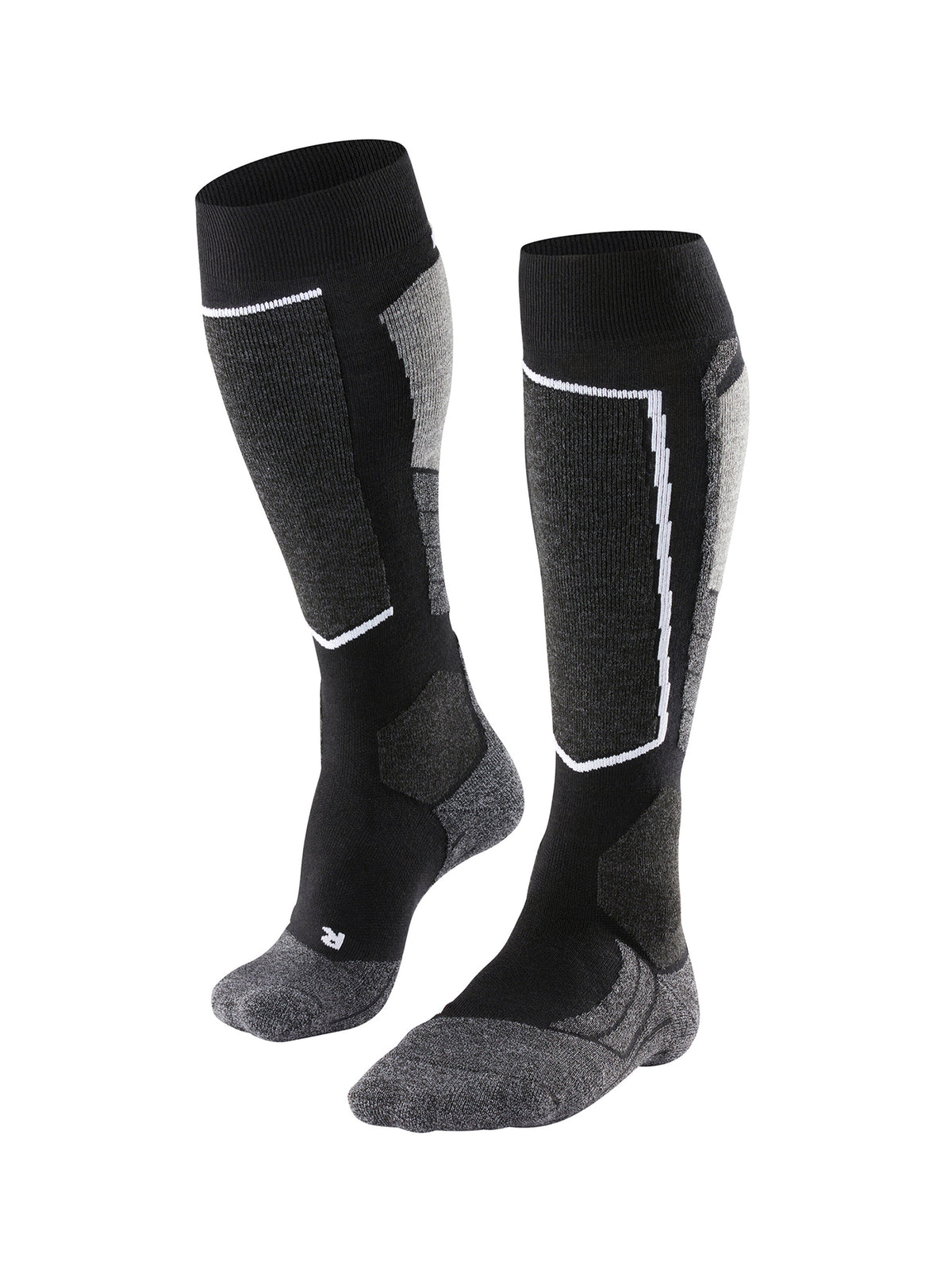
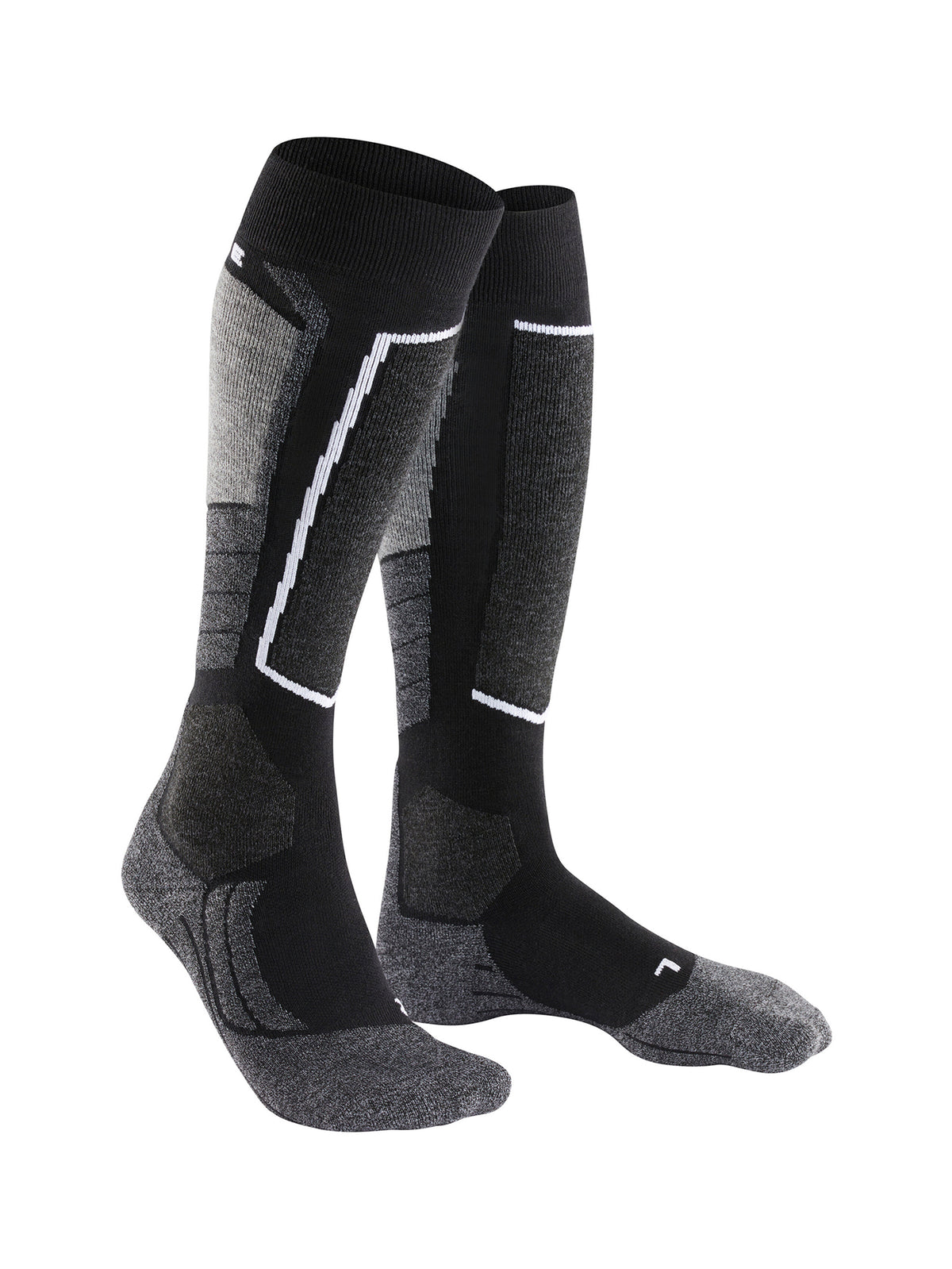
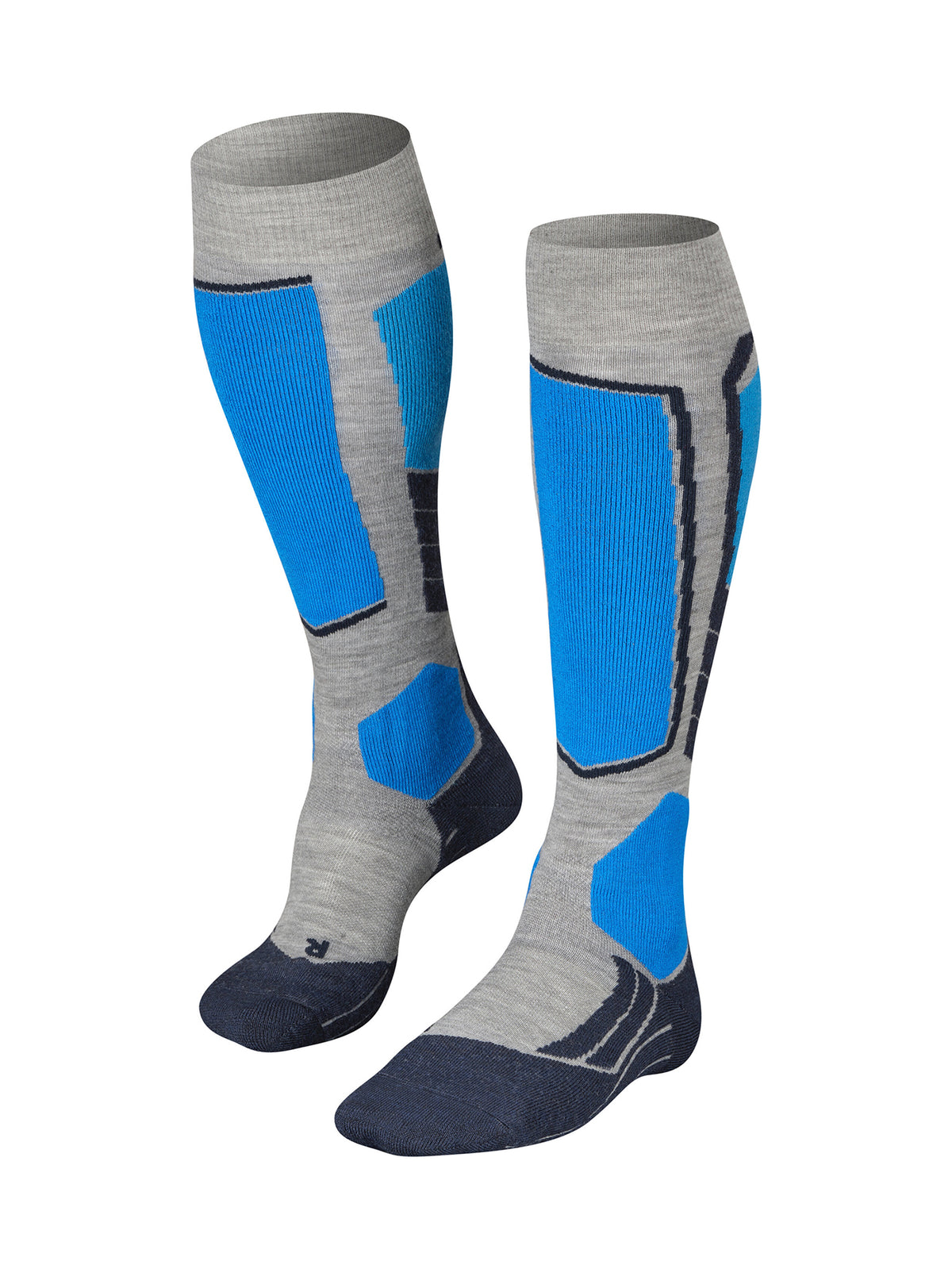
FALKE, for example, distinguishes different padding levels within its ski range: SK1 with a stronger focus on comfort, SK2 with medium, and SK4 with reduced padding. This system shows that no single sock thickness is intended for every boot combination. With FALKE, you can further categorize the brand world. The specific properties always belong to the selected version, not generally to every similarly named model.
Check heel size and position
A well-fitting sock should be put on so that its intended areas sit in the correct places. If the heel shape is clearly too high or material bunches in the toe area, the size or cut may be unsuitable. Put the sock on carefully and first observe the fit without the boot. An unfavorable wrinkle will not automatically disappear simply because the liner is closed over it.
Also pay attention to any left-right markings. These belong to the intended shape of the specific model and should be considered when putting them on. Not every sock is constructed identically. Compare the toe area, heel, and shaft as a coherent fit. A suitable size range is a starting point, but the actual position on the foot determines whether the construction is worn as intended.
Harmonize shaft height with calf and boot cuff
The shaft of many ski socks extends beyond the upper part of the ski boot. Check the specific length in conjunction with your equipment. The cuff should not inadvertently sit exactly where a sturdy boot cuff already rests. A shaft that is too long, on the other hand, can bunch up if you push it down. Choose a version that can be worn in its intended shape.
The calf circumference is also part of the selection. A shaft should fit without you constantly wanting to adjust it or accepting uncomfortable tension as a necessary characteristic. For particularly snug constructions, the manufacturer's specifications are decisive. Do not derive a medical effect from a firm fit. For normal purchasing advice, it is crucial that the shape, circumference, and height match your personal build.
Underwear and sock without unnecessary overlap
On the lower leg, socks, underwear, and ski boots meet. Multiple cuffs or wrinkles can create additional material there. Therefore, consider what length your lower clothing should have and where its ends lie. Shorter functional pants can leave the shaft area freer than a version reaching to the ankle. The right combination depends on the actual garments.
With ski underwear, you can supplement the rest of the layering. Check it together and avoid compensating for overlapping layers of fabric only by tightening the ski boot more. A clear arrangement of the layers makes it easier to identify the cause of an uncomfortable area. This way, you don't compare a new sock under completely different conditions than your previous version.
Classify material composition specifically
Ski socks can combine different fibers. A Merino designation, for example, does not mean that the entire product consists exclusively of this fiber. Read the specific composition and the described construction. Padding zones, elastic areas, and overall thickness also belong to the classification. A single percentage does not fully explain how the sock feels in your ski boot or what shape it takes on your foot.
If you already like a certain material feel, it can serve as a starting point. Nevertheless, compare the finished product. A light sock with a certain blend and a heavily padded version can fulfill different tasks despite related materials. Therefore, decide based on the interaction with your boot. General promises of always warm or completely dry feet would be too broad for this.
Combine trying on with suitable ski boots
Put on the intended socks and then check the boot as described by the manufacturer. Pay attention to whether the feeling at the heel, instep, and shin changes compared to your previous combination. Note these differences specifically. If you are choosing a new boot at the same time, the same type of sock should be used for comparisons. Otherwise, additional material thickness can distort the impression of the boot fit.
The category ski boots deepens the selection of basic shape and support. A suitable sock is part of this construction, not an independent substitute for an expert fit assessment. If there are significant discomforts or an unclear fit, the entire combination should be checked. Trying to circumvent a fundamental problem by constantly changing socks does not necessarily lead to a suitable solution.
Compare several pairs according to the same standard
If you want to try different ski socks, ideally only change one feature at a time. For example, first compare a different padding level with a similar size and shape. This will reveal what is causing the difference. Two completely different constructions can feel significantly different, but make it less clear whether shaft height, material, or padding is the decisive factor.
Also note the exact model designation. A familiar brand name or the same color is not a sufficient substitute for this information. If a combination works well, you can find its properties more specifically. This is particularly helpful when different versions are offered within a model family. The specific construction remains the basis, even if several products are similarly named.
Consider care and daily preparation
Align cleaning and drying with the care label of each pair. Different fiber blends and constructions can have different requirements. A uniform instruction for all ski socks would therefore be too rough. Before wearing, check that the socks are dry and can be put on without wrinkles. Pay particular attention to the area around the heel and toes before the boot is closed and the sock is no longer visible. Preparation is part of a comprehensible setup, as is the appropriate arrangement of the other layers.
Finally, choose based on size, padding, shaft height, and the actual feel in the boot. An optically interesting pattern may then play a role, but should not supersede functional fit. The right ski sock is the version that makes sensible use of your available space and combines with your foot, liner, and clothing to form a harmonious combination.
04At FREUDENHAUS
05Questions about the category