







FALKE Ski Socks – Choose cushioning to match your ski boot
The right ski sock starts with the space in your ski boot. FALKE differentiates its models based on padding and material construction, among other things. Here you will find guidance on SK2 and SK4, size, and anatomical fit – so you can specifically choose ski socks for women or men and assess them together with your boot.
02Discover
Categories.
03Socks as part of the equipment
Socks and ski boots.
Designed as a unit.
FALKE Ski Socks as Part of Your Ski Equipment
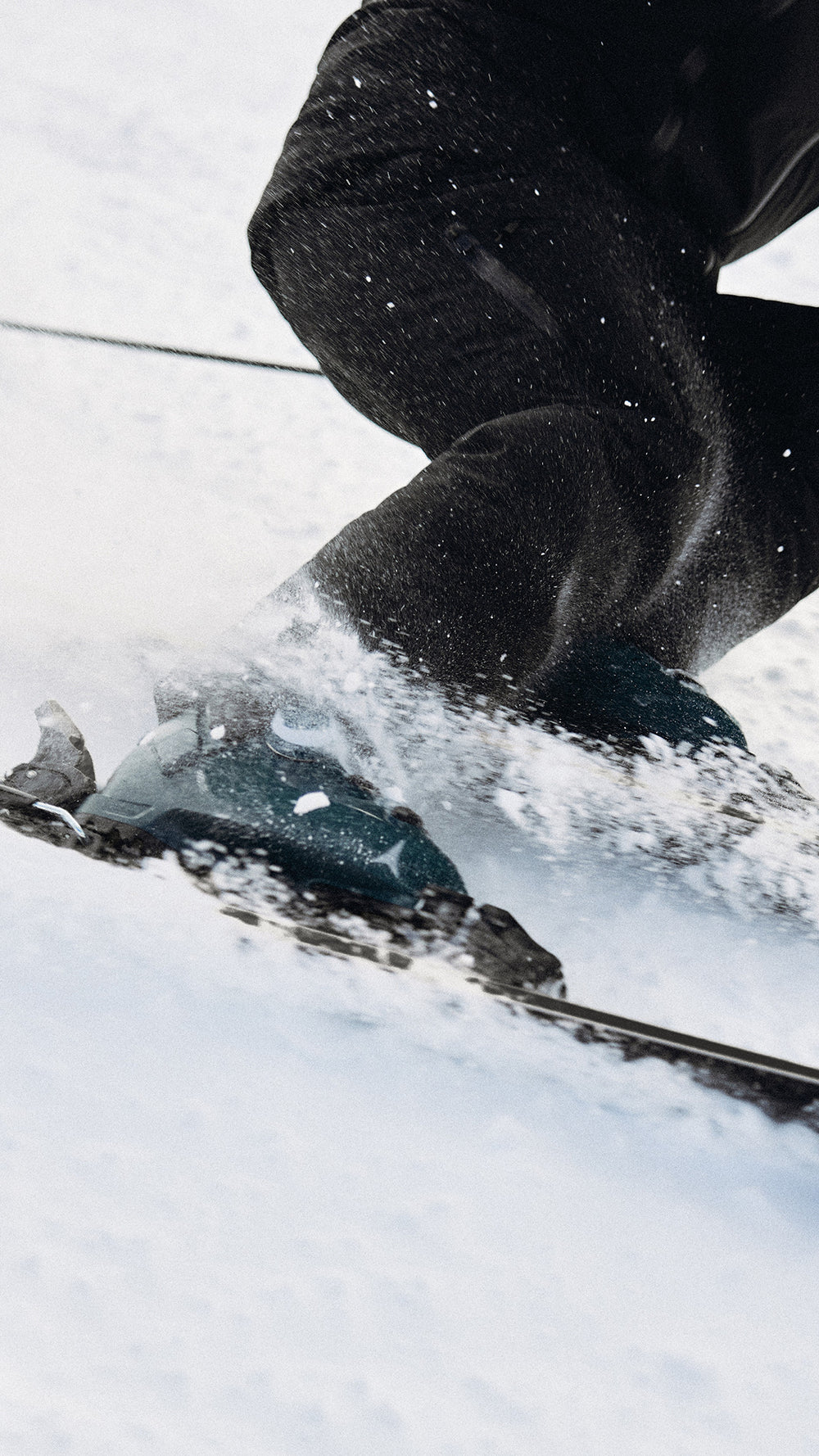
A ski sock is located directly between your foot and the inner boot. Therefore, its shape influences how you perceive the boot: at the toes and heel, over the instep, and on the lower leg. When selecting FALKE ski socks, it’s not simply about having as much or as little material as possible. The crucial factor is which amount of fabric at which point suits your boot and your foot. A well-chosen pair complements the existing fit, rather than trying to compensate for an ill-fitting boot.
Start with how your current ski boot feels. If it is overall snug and precisely cut, a lighter padded sock deserves attention. If it offers a bit more room and you desire more distinct textile padding, a different model might be suitable. However, the decision is made during the joint fitting. For an overview of other variants, you can use the Ski Socks collection; here, the classification of the FALKE model world is central.
SK2 and SK4: two different focuses
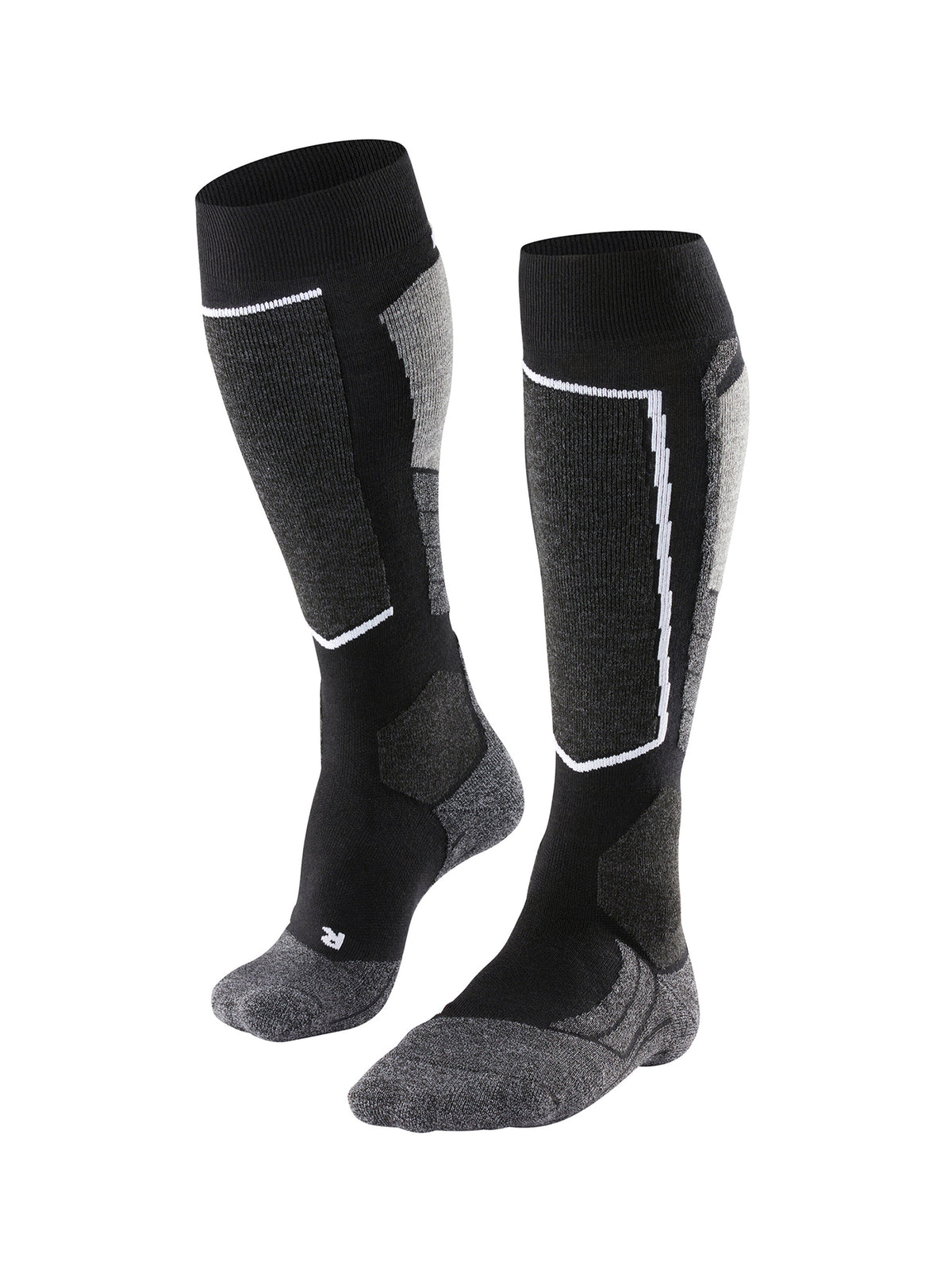
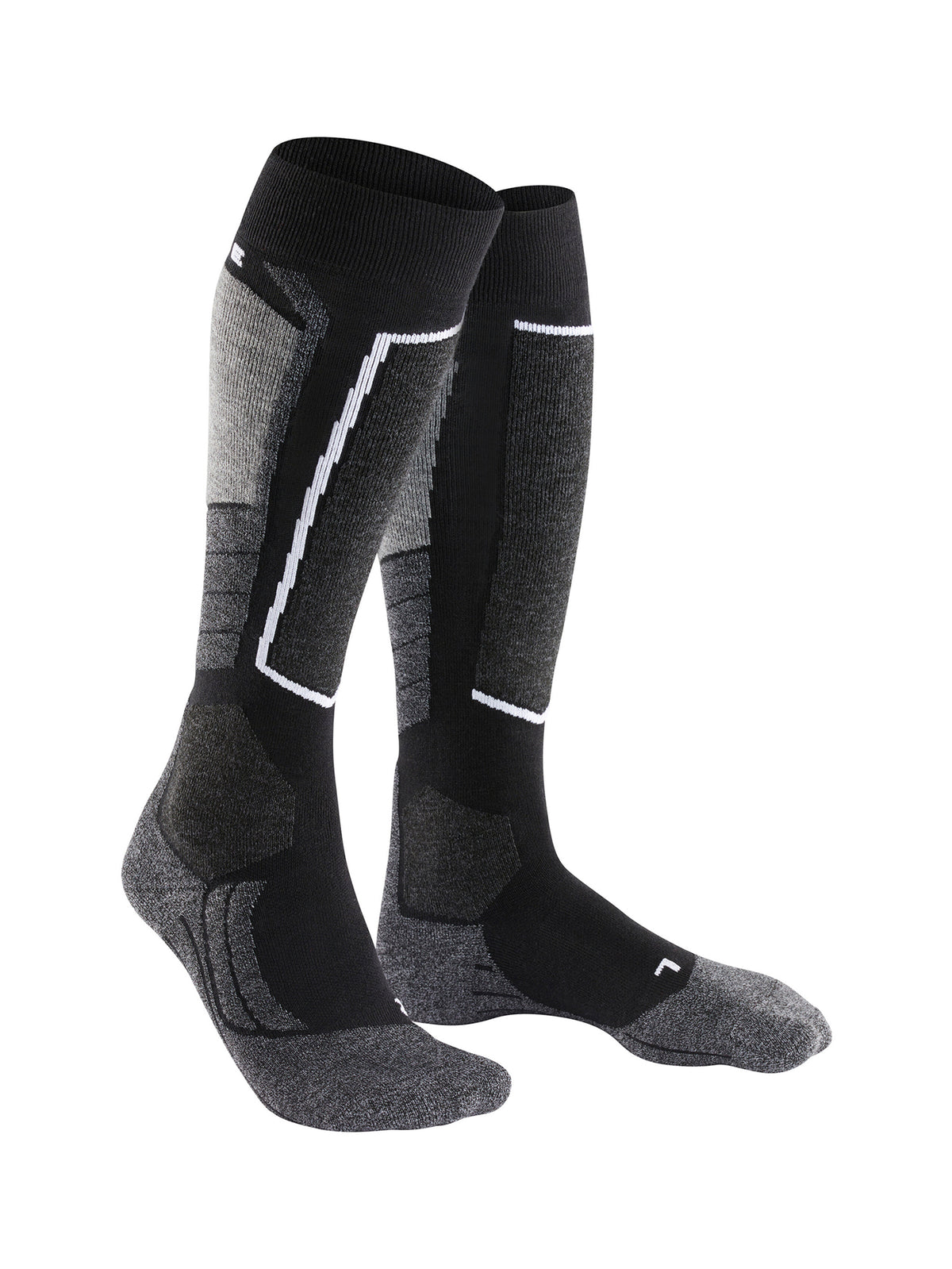
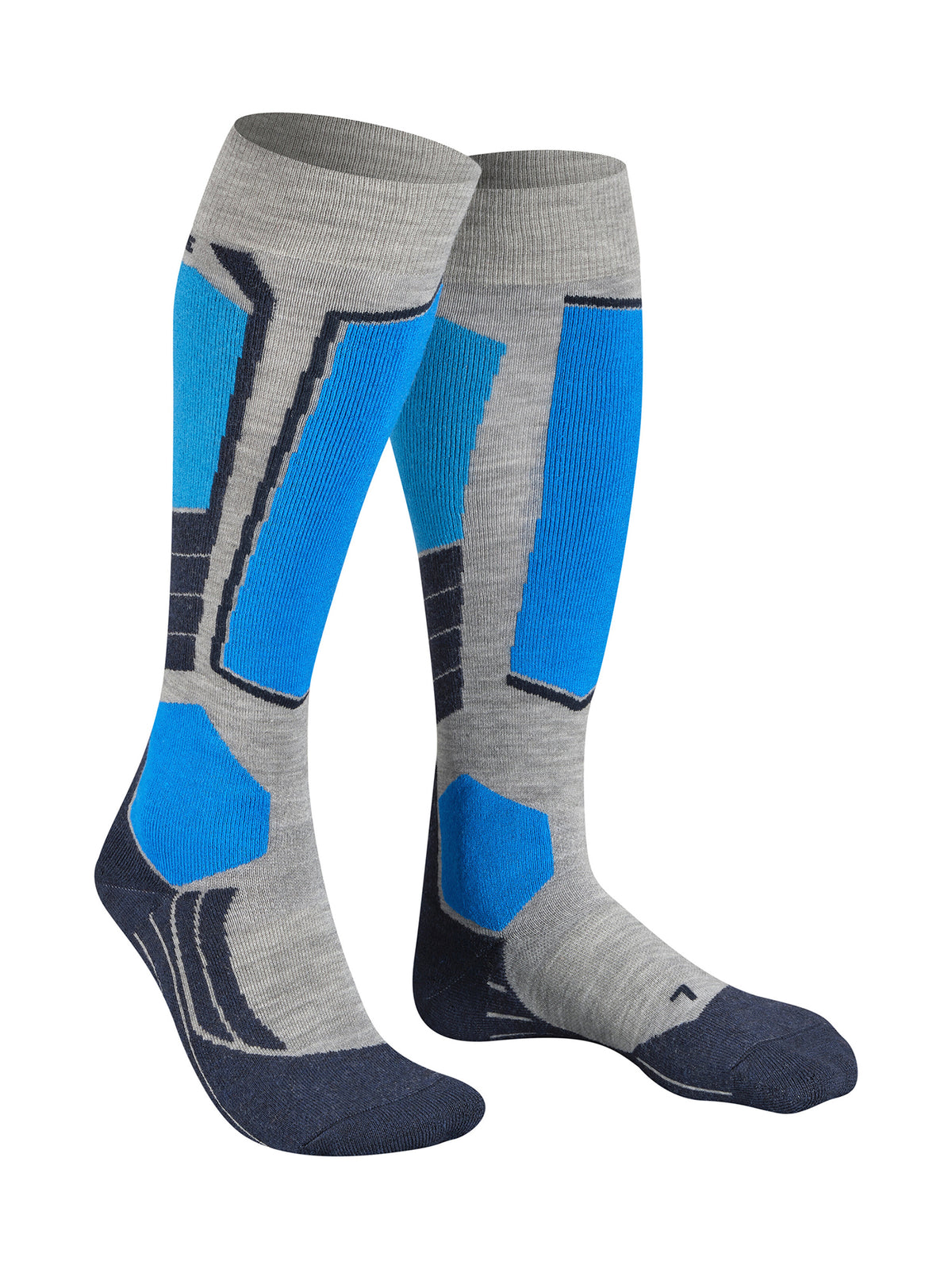
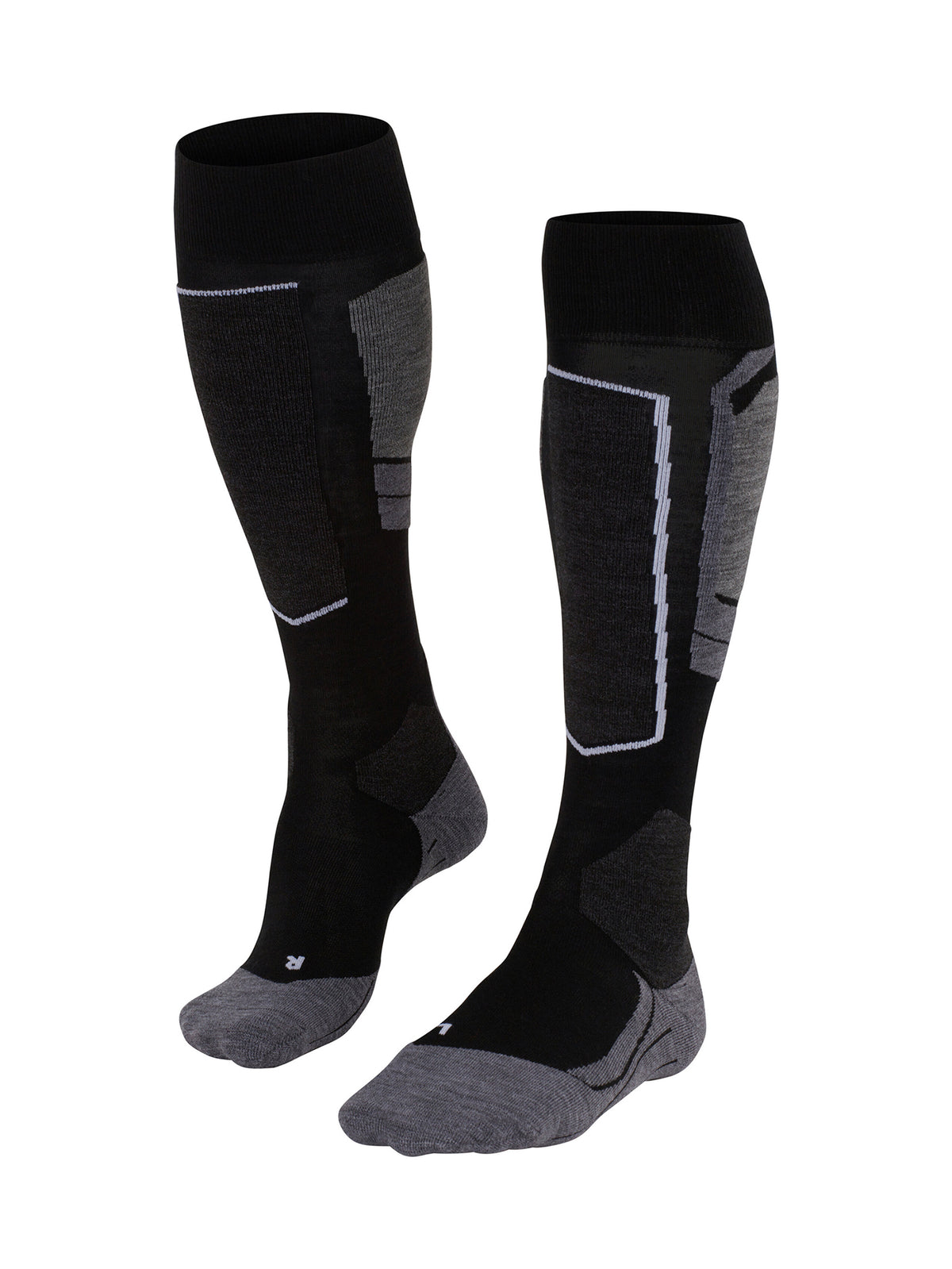
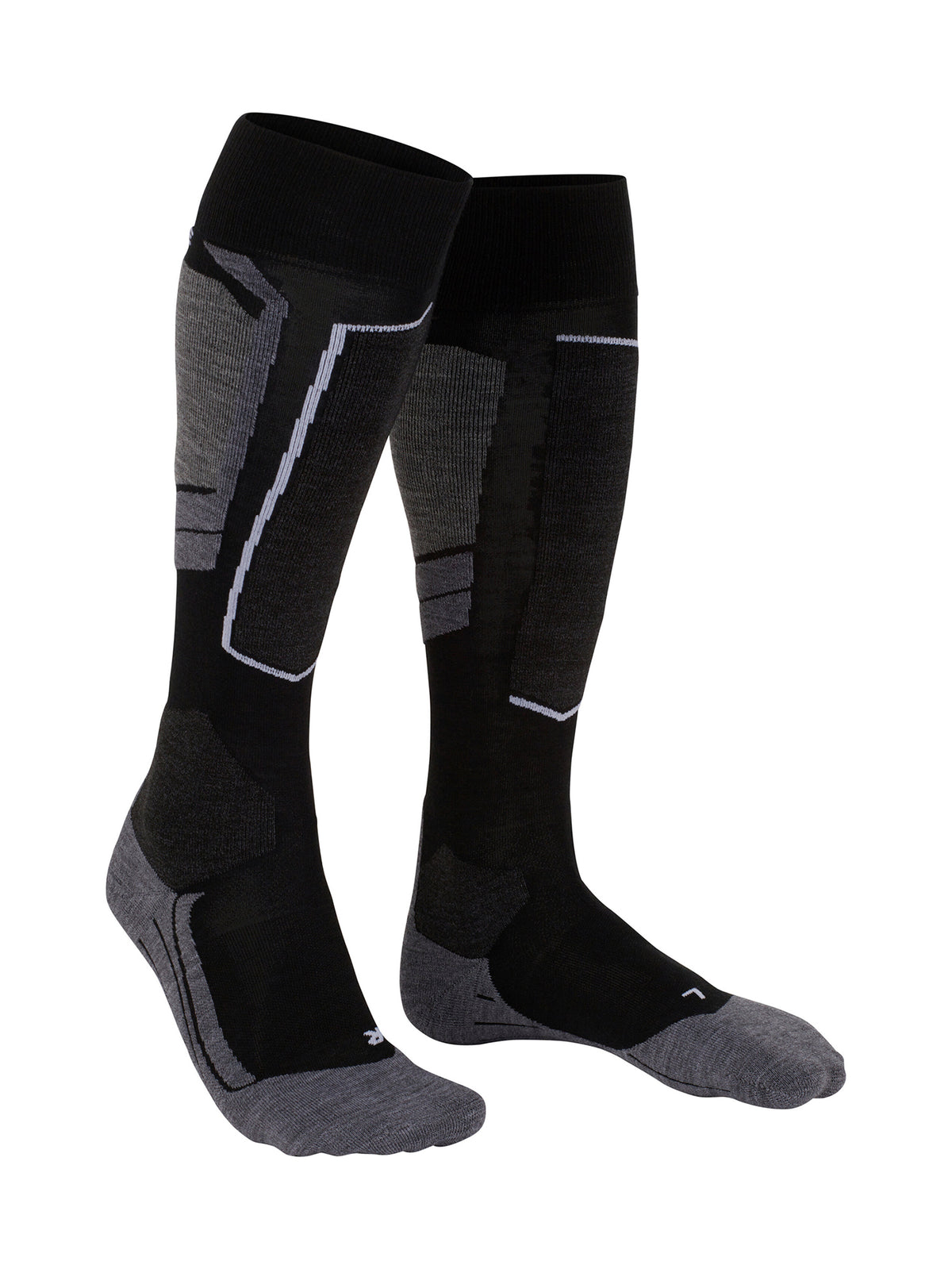
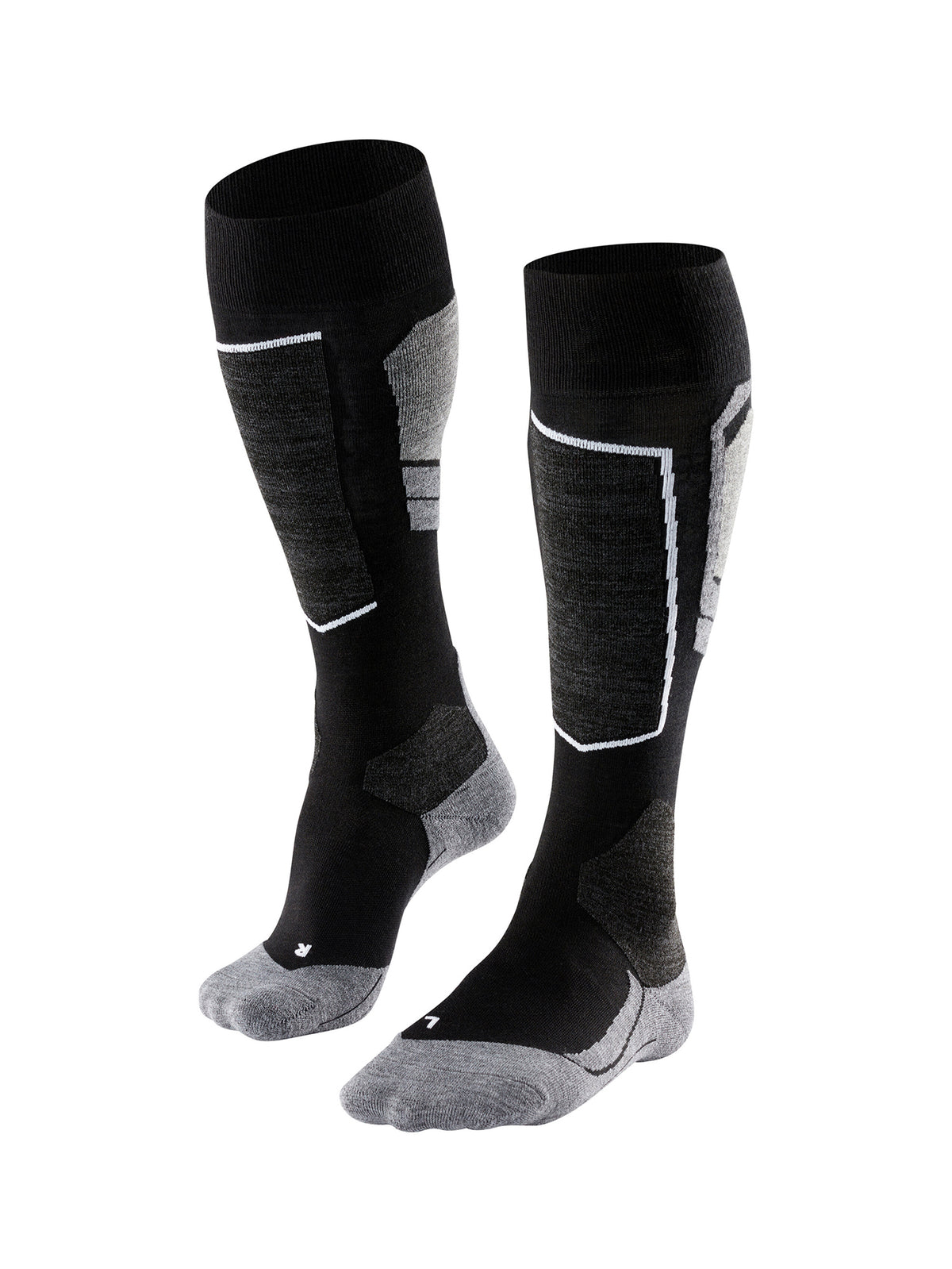
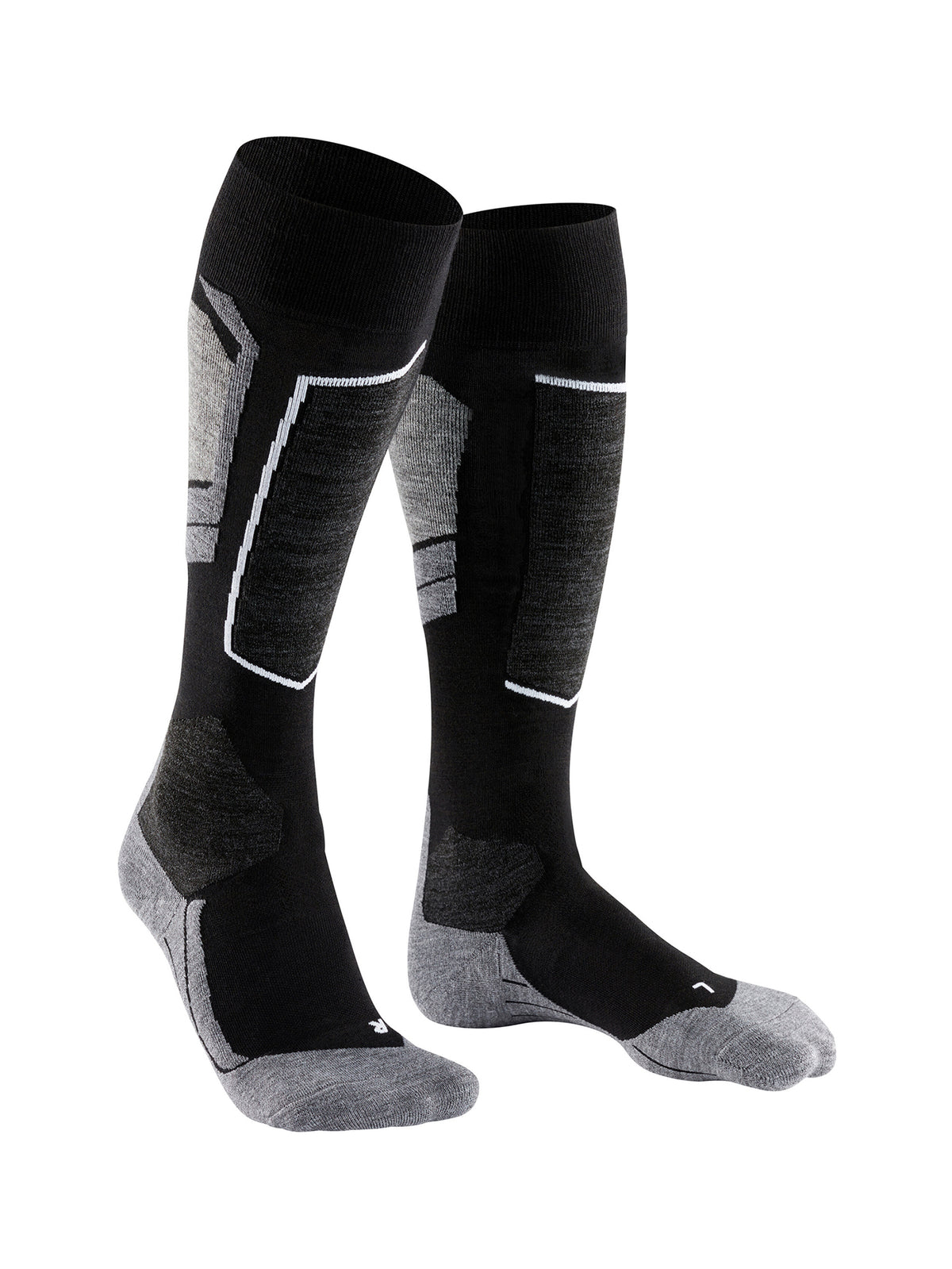
FALKE classifies the SK2 Intermediate as an all-rounder for recreational skiers and describes medium padding. The SK4 Advanced is aimed more at athletic skiers and uses reduced padding. This distinction is more tangible for selection than a general statement about comfort. It shows how much textile layering the models provide. Whether that suits you then depends on how much space your specific ski boot allows.
The number is not a simple ranking where a higher value always means a better sock. FALKE also offers other families for different focuses. For your purchase, however, the largest possible number is not important, but rather a suitable model. If a medium-padded sock feels right in your own boot, there is no reason to switch to significantly less material just because of a sportier-sounding designation. Conversely, a tight boot does not automatically need additional thickness.
When medium padding can be interesting
Medium padding brings more textile substance to the designated zones than a lighter alternative. With the SK2, FALKE describes this construction as a combination of padding and boot contact. Pay particular attention to the areas where the sock and inner boot meet. The ski boot should not have to be tightened excessively just to hold it in place, causing excess material to gather elsewhere. The padding is a feature of the sock, not a substitute for the correct boot shape.
When selecting, you can distinguish between two situations: you want to supplement your proven combination with a comparable pair, or you want to try a different material thickness. In the first case, the full model designation and size of your previous pair will help. In the second case, a conscious comparison under as similar conditions as possible is worthwhile. If you change the boot, insole, and sock at the same time, it becomes more difficult to determine which part is causing the changed wearing sensation.
When reduced padding comes into focus
A lighter padded version like the SK4 leaves less textile layering between the foot and the inner boot. This can be an interesting direction for a tightly fitting ski boot. However, the practical comparison remains more important than a general promise of performance. Pay attention to whether the heel, toes, and instep fit well in the combination. A thinner sock is not automatically more comfortable for every foot shape, just as a thicker one does not fundamentally offer more comfort.
If you ski athletically frequently, your preferred boot contact is a useful selection point. Describe it as concretely as possible: Do you want less fabric on your foot because the inner boot leaves little room, or are you primarily looking for a different padding distribution on the shaft? These questions lead more precisely to the right model than merely classifying yourself as a beginner or expert. Riding style, boot, and personal sensation belong together; none of these characteristics alone determines the right ski sock.
Pay attention to size and left-right assignment
The size range of a ski sock should correspond to your actual foot size. An intentionally generous size can cause the designated heel zone to not be where your heel sits. A too-tightly chosen version, in turn, can become unpleasantly stretched. Carefully align the sock when putting it on and check whether the toe and heel areas are in the intended position. This is particularly important before you step into the ski boot, as it will be difficult to correct the fabric afterward.
FALKE describes its anatomical ski socks with an assignment for the left and right foot. Pay attention to the labeling on each pair. It helps to align the knitted shape correctly. Then, smooth out the fabric instead of pushing it together under the boot. The shaft should be worn without additional folds, unless the product information specifies otherwise. A neatly aligned pair is the basis for being able to properly assess its padding in the intended areas.
Selecting FALKE Ski Socks for Women and Men
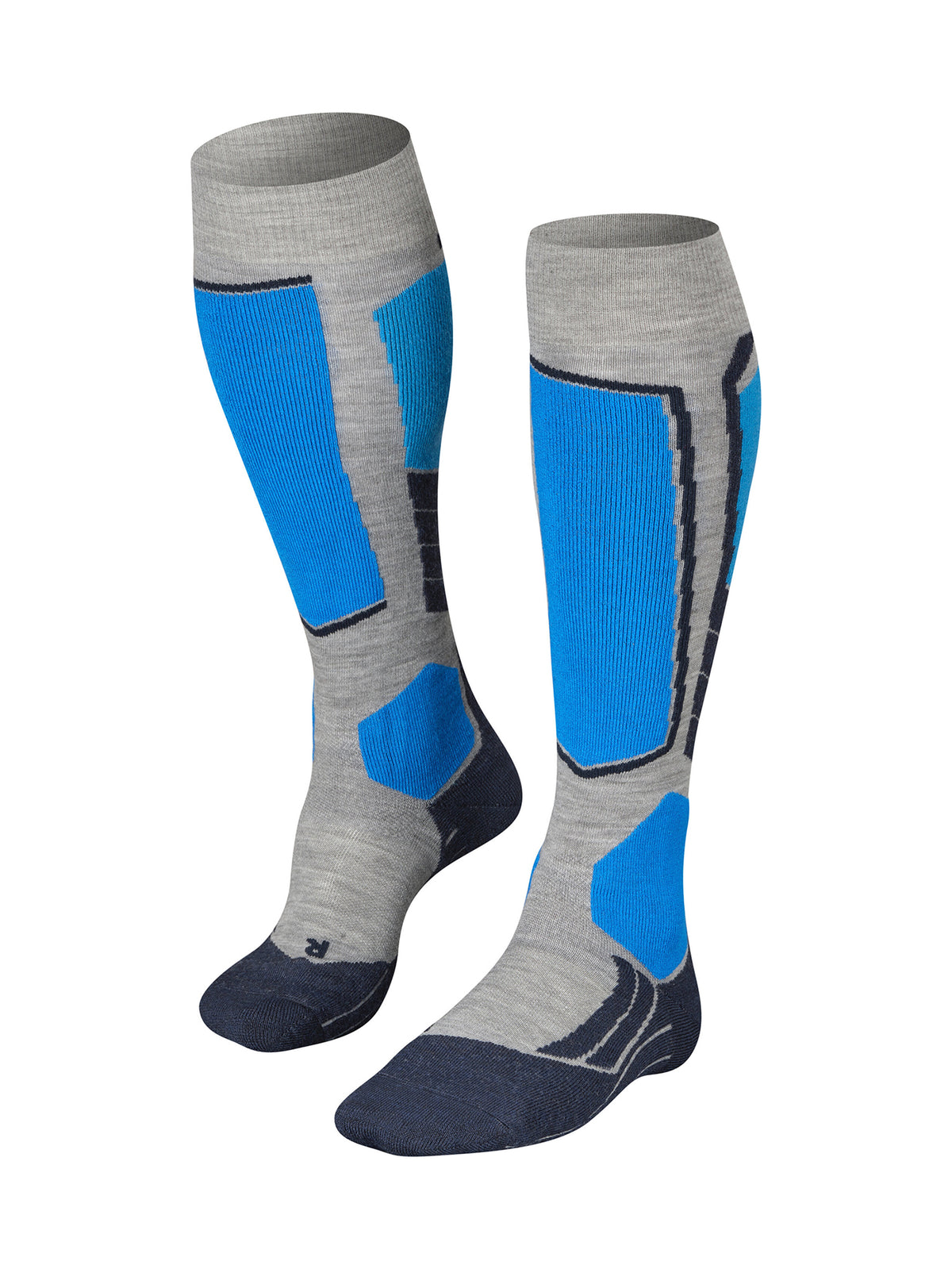
Women's and men's designations provide an initial orientation within the product world. For the specific choice, however, foot size, shape, and the offered size range remain decisive. Do not choose solely based on color or on the assumption that a particular target group automatically needs more warmth. Even within the same model family, designs and size ranges can vary. The complete article designation makes the comparison more accurate than a picture or a shortened model number. This includes, if applicable, additions regarding the material variant and the printed size range.
If you are undecided between two versions, consider the foot part and the shaft together. The sock must not only fit at the toes but also sit comfortably on the lower leg. A cuff should hold without you constantly having to reposition it. When trying them on, pay attention to whether the material remains smooth when you move your foot. This way, the actual fit takes the place of a mere decision based on a women's or men's label.
Consider material and warmth separately
FALKE uses different material blends for its ski socks. Some SK2 versions, for example, contain wool along with other fibers; there are also explicitly designated variants like SK2 Wool. The complete composition is therefore more important than assuming that every sock from a brand is constructed the same way. A material name alone also does not describe the entire construction. Knitting density, padding zones, and fabric quantity all contribute to how the sock feels in the boot.
For cold days, more thickness is not automatically the most sensible solution. Additional fabric requires space and alters the fit of the combination. Therefore, start with a suitable size and a smooth layer in the boot. If your foot already feels uncomfortably constricted in the chosen sock and boot, you should not simply add even more material. A careful selection considers warmth requirements and available space together, rather than ignoring one of these issues.
Coordinate the sock with the rest of the first layer
At the transition from ski sock to base layer, multiple fabric layers can meet. Consider where the underwear ends and whether there is a hem or fold in the ski boot at that point. An appropriately chosen length of underwear can make this transition clearer. The sock itself should still sit smoothly. In the Ski Underwear collection, you will find the complementary first layer; its material volume should not inadvertently compete with the sock shaft.
Also bring your planned socks with you when trying on new ski boots. A boot that was evaluated with a very thin pair will feel different with significantly more padding. Conversely, switching to less material can change the available space. The combination of foot, sock, and inner boot is therefore the appropriate unit for your comparison, even if you later only replace one of these parts.
Practical planning for care and spare pair
Care depends on the specific material blend and the labeling of your pair. Therefore, do not automatically apply the washing habits of an everyday sock to a ski sock. Also, check after drying whether the foot and shaft still retain their shape and can be smoothly aligned. A pair that is severely distorted or appears significantly worn in certain areas cannot be meaningfully assessed solely by its original model designation.
04This brand at FREUDENHAUS
05Questions about the brand