





Men's Ski Jackets: Matching Warmth and Features
Your men's ski jacket should match your base layers, pants, and equipment. Compare warmth, shoulder room, hood, and pockets based on your typical ski day. By trying on the jacket in a skiing posture, you can see which jacket offers enough freedom of movement and fits well into your outfit at the collar, sleeves, and hem.


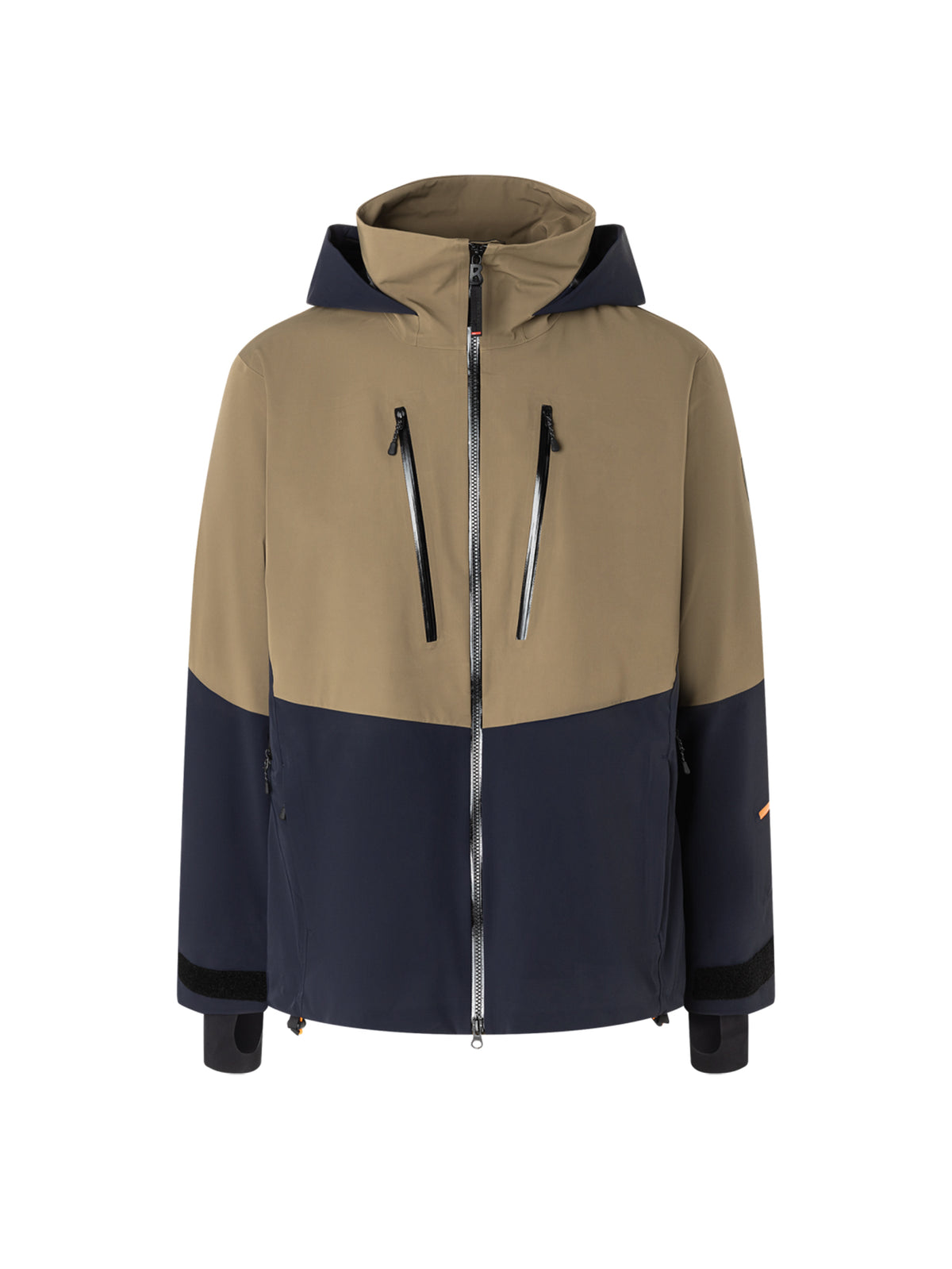


Choosing the Men's Ski Jacket as Part of Your Piste Equipment
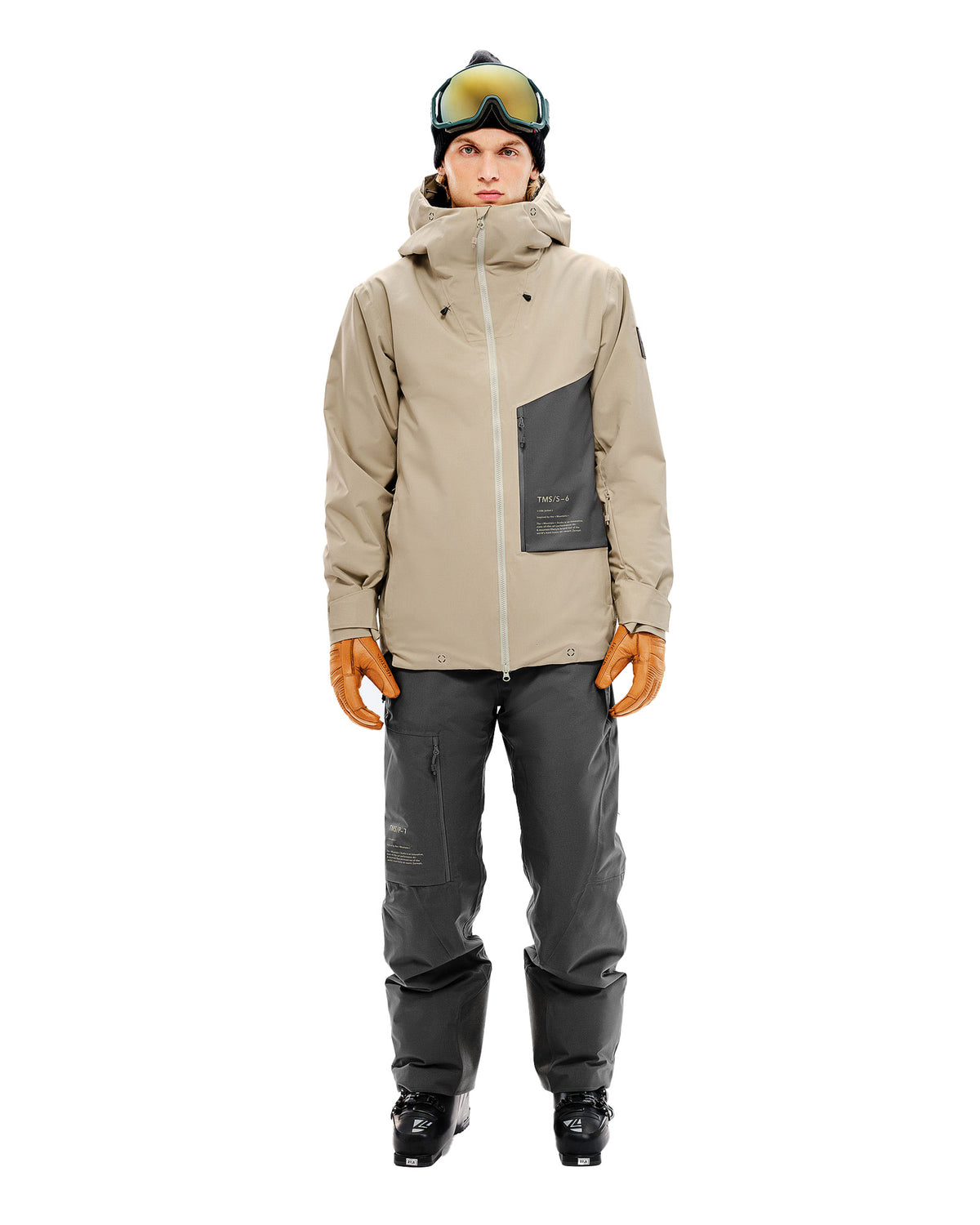
A men's ski jacket must harmonize with your movements and the other layers. Therefore, start with your typical ski day: Do you ski with frequent breaks, prefer a lighter outfit, or want a lot of warmth already in the jacket? Your answers will determine which construction is interesting. Then compare shoulder room, back length, and the connection to pants, helmet, and gloves. The right jacket emerges from these relationships, not from a single material value.
For selection, set two or three clear priorities. Perhaps you need more space for a sturdy midlayer, easily accessible pockets, or a hood that works with your intended equipment. If you already know a jacket, describe specifically what bothers you about it. Sleeves that are too short, tight upper arms, or an unfavorable collar are different problems. These observations help to find the right cut instead of just looking for a larger size.
Comparing Insulated Jackets and Flexible Layers
With an insulated ski jacket, additional insulation is part of the construction. A less or non-insulated outer layer, on the other hand, is more closely matched to the clothing underneath. Both concepts can be suitable for piste use if the specific model is designed for it. Decide whether you prefer to largely concentrate warmth in one jacket or adjust it via different mid-layers. The term "ski jacket" alone does not yet indicate how much insulation is present.
For an often similarly structured outfit, integrated insulation can be straightforward. If you want to combine different layers depending on the conditions, you need sufficient space for these variations. Then test the jacket with both a thinner and your strongest realistic combination. It should not feel uncomfortably tight in one variation, nor so loose in the other that sleeves or collar constantly slip.
A particularly voluminous appearance is not a reliable temperature indication. Filling, material construction, activity, and your personal perception of warmth all interact. Therefore, do not decide solely based on visible thickness or a single material designation. A ski day also includes lift rides and indoor stays. Handling when opening and taking off is part of the warmth decision if you want to frequently adapt your clothing to changing situations.
Assessing Weather Protection on the Complete Model
When describing materials, you will encounter terms such as waterproof, water-repellent, and breathable. They answer different questions. GORE-TEX, for example, explains the difference between a water-repellent finish on the outer fabric and the function of an underlying membrane. A diminishing beading effect therefore does not automatically mean a leaky membrane. For purchasing, this means: A reference to the surface is not yet a complete description of a jacket's weather construction.
Consider material, seams, and closures in conjunction with the intended use. A single value is not a substitute for this overall consideration. Likewise, a breathable description does not mean that you will stay dry under all conditions. The outfit must match your warmth requirements and, if necessary, allow for sensible opening. Compare your favorites based on the same specifications so that a striking number does not overshadow all practical questions about cut and features.
Checking Shoulders, Back, and Upper Arms in Skiing Posture
When trying on, wear the tops you actually intend to wear under the jacket. Close it completely and bring your arms forward as if holding poles. The back area should allow movement without significant tension. At the same time, pay attention to whether the hem shifts significantly upwards. A well-fitting jacket provides space where needed, without having to accept excessive width everywhere at the shoulders and sleeves.
Then bend your knees slightly and rotate your upper body. Check the transition between chest, waist, and hips. A narrow cut can be comfortable if it accommodates your movement; a generous shape is not automatically better if it bunches up in the wrong places. Use the size chart as a starting point and then evaluate the entire shape. A general size jump changes length, collar, and sleeves simultaneously and can exacerbate a local problem elsewhere.
Realistically Planning Undergarments and Protectors
For the base layer close to the body, you will find men's functional underwear; the selection of men's mid-layers complements the warming layer. Pay attention to how their sleeves and collar lie under the jacket. A thick fleece or a voluminous top requires different space than a slim ski turtleneck. Decide on the jacket with this actual combination and not solely over a thin everyday shirt.
If you wear a back protector, it also belongs to the fit check. Its intended position and size remain a separate task; the jacket must be wearable over it properly. A too-tight back area should not be resolved by the protector sitting differently than intended. Also, check whether pockets or closures of the undergarments overlap. The complete equipment more reliably shows which jacket shape suits you than each individual garment alone.
Considering Hood, Collar, and Helmet as a Unified Form
A hood can be wide, high, or adjustable. If you intend to use it over your ski helmet, pay attention to explicitly designated features and check the specific combination. Close the collar and turn your head. The hood should allow movement without uncomfortably pulling the jacket upwards or unnecessarily restricting your view. A general helmet compatibility statement does not replace a fit check with your own model.
Even with the hood down, its volume at the neck matters. A hooded mid-layer underneath can further fill this area. Therefore, consider which layer truly needs a hood. The collar should lie comfortably against the neck and chin when closed. If multiple zipper ends overlap, check their contact. A calm, suitable construction can be more practical than too many high closures that you constantly have to reposition during your ski day.
Coordinating Cuffs and Gloves
The jacket sleeve must remain long enough when you stretch your arms forward. At the same time, it should not uncomfortably slide over your palms when standing. Check the available adjustment options together with your gloves. A longer glove cuff can be connected to the jacket cuff differently than a shorter style. It is crucial that both closures can overlap as intended and that no uncomfortable fabric bunches are created.
Ski gloves offer complementary selection assistance. If your jacket has inner cuffs or other closures, test their position with the glove. Multiple tight edges are not automatically more comfortable. Grip a pole and move your wrist to assess the actual fit. The appropriate connection results from the jacket sleeve and glove shape together; it cannot be derived solely from the size of either part.
Checking Hem, Powder Skirt, and Ski Pants Together
At the lower edge of the jacket, length, waistband, and movement come together. A longer back can offer more coverage, while there must be enough room in the front for sitting. Try on the closed jacket over your intended pants and assume a slightly bent posture. The hem should maintain the desired position. If an adjustment is present, check if it sensibly changes the shape or merely pulls the jacket upwards.
A powder skirt or a possible connection to the pants is a model-dependent feature. If you want to use this detail, it must fit the specific combination. Similar buttons or loops are not general proof of an intended connection. In men's ski pants, you can additionally choose waistband height and leg cut. Decide on both parts together so that overlap and freedom of movement match your complete piste outfit.
Selecting Pocket Position Based on Actual Use
Consider what items you need readily accessible on the piste. A ski pass places different demands on position and size than a phone or a small cloth. Check if the pockets remain accessible with your usual equipment. A backpack strap can partially cover a compartment, while a different pocket angle can be uncomfortable when sitting. The number of pockets is therefore less indicative than their position and the items you actually want to carry in them.
Also, test the fit with realistic contents. An overfilled chest pocket can distort the front; a heavy item in a deep pocket can pull the hem down. Consciously decide what belongs in the jacket and what you want to store differently. Closures should be easily graspable with your handwear. A practical pocket solution works in the real wearing position and not only when you hold the jacket in front of you without additional equipment.
Operating Ventilation and Closures in a Complete Outfit
Additional openings can provide a way to adapt clothing during varying exertion. Whether they are present and how they are designed depends on the model. Check if you can reach them in your usual posture and if other clothing or straps lie over them. A detail that sounds theoretically helpful is of little use if its operation is cumbersome in your outfit. Therefore, evaluate function and handling together.
The main closure also deserves a careful try-on. Does it run in the intended shape without you having to pull the fabric strongly into place? Does it lie comfortably at the chin, and does a possible two-way opening suit your habits? Test opening and closing with your planned undergarments. If the jacket visibly distorts as a result, this may indicate an ill-fitting cut or too much volume underneath. Operation is part of the fit check.
Coordinating Colors and Brand Style with Equipment
Color and lines give your outfit a personal character. First, decide which pants you will primarily wear the jacket with, and then check the helmet and gloves. A strong jacket color can set a clear accent; a calmer design allows other parts more attention. Consider the combination closed and in its actual skiing silhouette. Individual product images only partially show the eventual effect.
Within a brand, different lines can offer different features. Therefore, do not transfer characteristics from a known jacket to every other model. The overview of men's ski clothing helps to combine the outer jacket with the other parts. Brand and style choice remain a sensible starting point, while cut, warmth construction, and specific functional details should underpin the final decision.
Concluding Care and Selection for the Next Ski Day
Technical materials, fillings, and trims may require different care. GORE-TEX, for example, points out model-dependent differences in cleaning and drying. The labeling on your jacket remains decisive. Do not apply a general washing temperature or waterproofing method to all designs. Consider this handling before purchasing, especially if you plan to use the garment frequently and care for it regularly. Appropriate care is part of sensible product handling.
For the final decision, test your favorites with identical undergarments and the same movements. Compare shoulders, back, collar, sleeves, and hem in this order. If the connection to pants and gloves also fits, you can finally weigh color and small details. This way, you will find a men's ski jacket whose construction suits your preferred way of skiing and whose functions you can actually use in your complete outfit.
04At FREUDENHAUS
05Questions about the category