





Choosing Men's Sportswear by Activity and Layers
Men's sportswear should match your movements and the conditions on the go. Compare functional tops, pants, and additional layers based on fit, material, and specific purpose. Here you'll find guidance for active leisure and running-oriented combinations, ensuring that clothing and equipment complement each other effectively and that a sporty look isn't mistaken for every conceivable function.
02Discover
Subcategories.
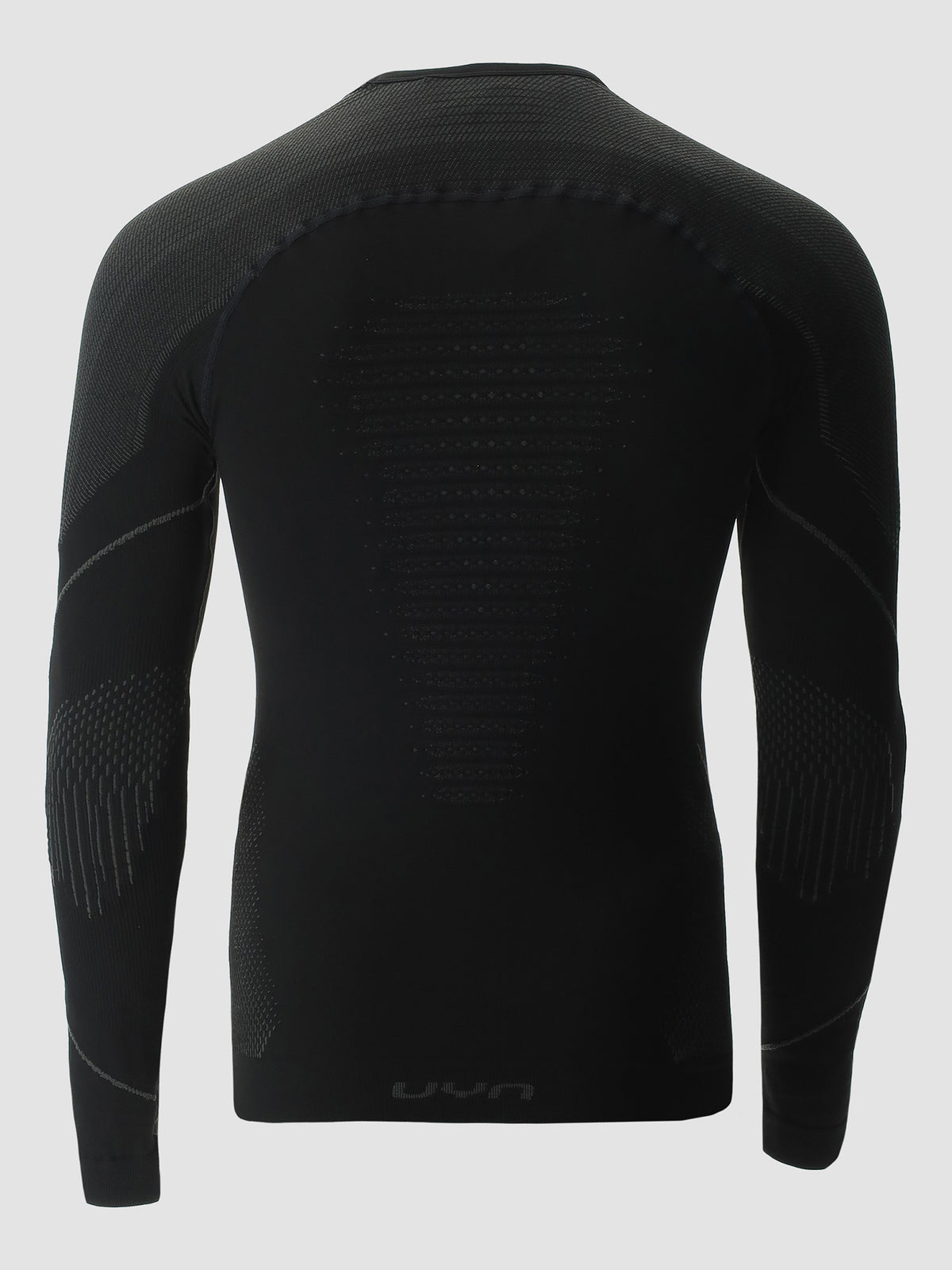


Men's sportswear starts with your movement
Sportswear should match the activity you choose it for. A running-focused session, a longer hike, and an active day with changing conditions place different demands on cut and layers. Therefore, start with movement, duration, and environment. A sporty look is not full proof of functionality. The specific construction determines whether a piece belongs in your gear as a base layer, for additional warmth, or as outerwear.
This category provides an introduction to men's sportswear with a focus on functional tops, pants, and a comprehensible layering system. It does not assume a complete range for every conceivable training or indoor sport. For coordinated clothing on the slopes, men's ski clothing will guide you more specifically. Here, the focus is on selecting items for movement and active leisure, where you combine individual pieces according to their actual function.
Consider activity, intensity, and duration together
A sport alone does not describe how warm you will get. Pace, breaks, and personal perception can differ significantly. Someone running briskly may need a different setup than someone on a leisurely path with longer stops. Therefore, consider what your most frequent use actually looks like. A precise description helps more than a general search for clothing that is supposed to be ideal for every temperature and exertion at the same time.
The duration also changes priorities. For a short round, an uncomplicated combination may suffice. On longer routes, changing conditions, carrying additional layers, and the handling of pockets become more important. Don't automatically choose more gear, but rather the details you actually use. An additional pocket or adjustment is only helpful if it is positioned correctly and does not interfere with your movement.
Choose your top based on skin contact
A sports shirt can be worn alone or as a layer underneath. For this, the neckline, back length, and the shape at the shoulder and arm are important. A close-fitting cut offers a different contact than a looser fit. No variant is generally better for every activity. The crucial factor is whether the fabric moves as you need it to for your use, and whether unnecessary wrinkles form under other layers.
Men's sports T-shirts allow a targeted comparison of short-sleeved and, if applicable, other shirt styles. Pay attention to the actual item: A sporty polo has a different collar construction than a minimalist functional shirt. Material and cut should match the intended use. The term T-shirt or polo does not yet explain what function the specific top offers and how it behaves under another layer.
Clearly distinguish between functional underwear and mid-layers
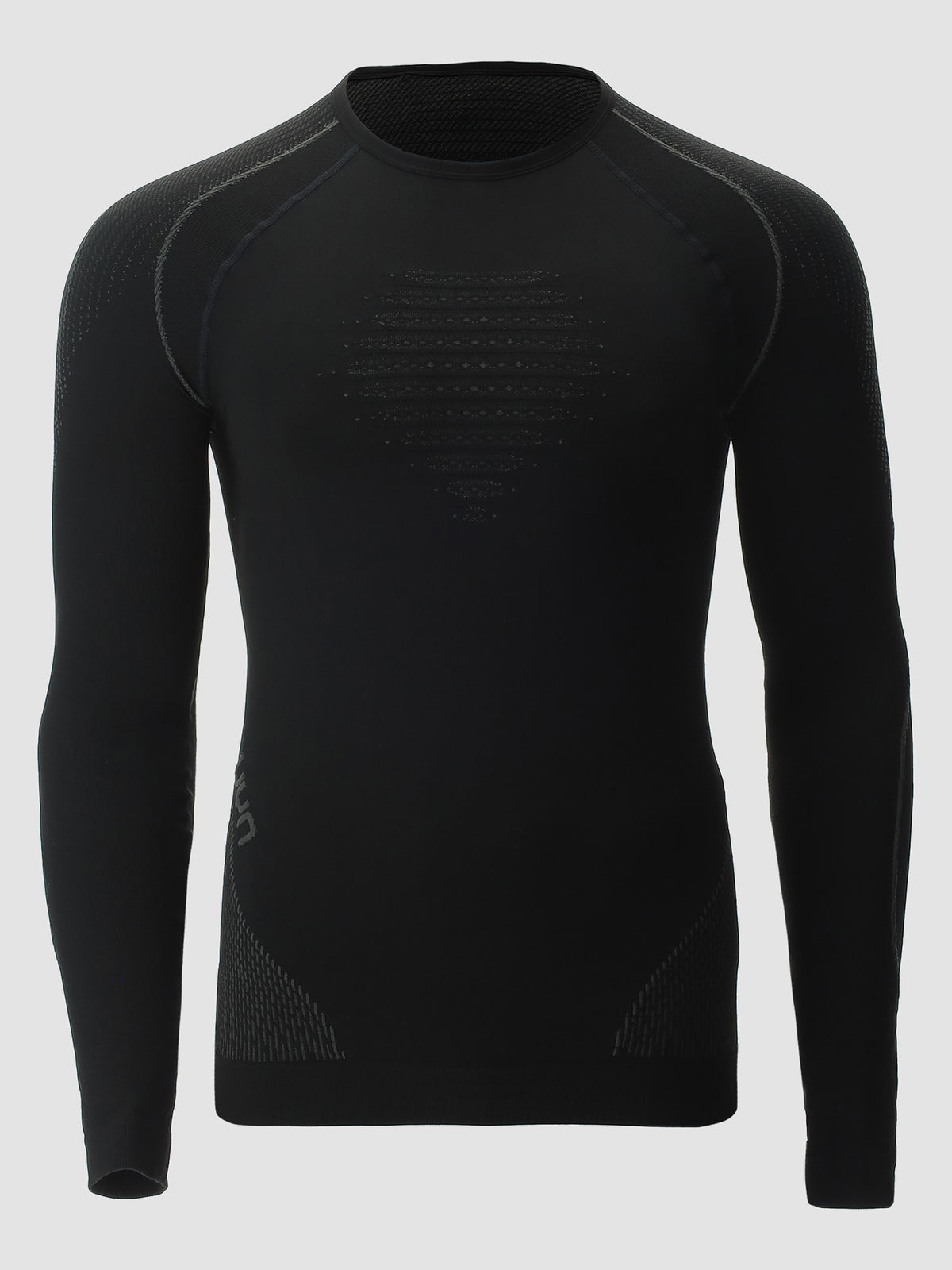
The first layer lies directly on the skin. An additional layer over it can add warmth or other coverage. These roles should remain clear when purchasing, even if different tops look similar. A fleece or a close-fitting ski turtleneck is not automatically equivalent to thin underwear. The actual use of the product is more helpful than an imprecise equation of all items that can be worn under a jacket.
In men's functional underwear, you can select the base layer by material, thickness, and length. For a supplementary layer on top, it also matters how much space remains in the outer clothing. A thicker top requires more space in the upper arm and chest area. Also plan collars and closures together. Several stiff closures at the neck can become noticeable, even if each piece individually feels comfortable.
Translate material specifications into practical questions
A fiber list provides information about the composition, but not a complete description of the feel. Knit or weave, thickness, and cut also play a role. A wool blend can turn out differently depending on the construction than another wool blend. A synthetic fiber can be processed differently in a smooth shirt than in a more structured pair of pants. Therefore, compare specific properties and construction, instead of making a single material term a general ranking.
When moisture management or quick drying are described, this information should belong to the respective model. This does not mean that you will not perceive any moisture under all conditions. Strain, additional layers, and the environment change the situation. What is helpful is how the item fits into your system and what task it performs. A long list of technical terms does not replace a suitable fit and sensible coordination with your most frequent use.
Elastic components can influence the movement of the material. Nevertheless, the cut remains crucial. Trousers that are too tight will not automatically become suitable just because the fabric gives way. Conversely, a more generously designed shape without strong stretch can offer sufficient freedom of movement. Therefore, check the combination of material and shape. The more comfortable choice is the one that noticeably supports your movement, not the one with the largest single proportion of a known fiber.
Select sports pants based on freedom of movement and leg cuffs
For men's sports pants, the hips, knees, and waistband are particularly important. Bend your legs and think about the movement for which you are choosing the pants. A model may appear suitable when standing, but fit differently with larger strides. Pockets and seams should not be uncomfortably bulky. A sporty shape must also function with the contents you actually want to carry in the pockets.
The bottom cuff connects pants and shoe. A narrower hem can remain compact, while a wider opening lies differently over the shoe. Zippers or adjustments are only practical if they suit your use. Constantly pulling up pants that are too long is not a clean fit solution. Compare length, leg width, and the intended shoes as a joint decision.
Shorts for warm or intense movement
Shorts significantly change coverage and the feeling of movement. For men's shorts, it's worth looking at leg length, opening, and waistband. A short cut is not automatically more suitable for every athletic movement. The crucial factor is whether the fabric allows enough room for larger strides and whether the shorts stay in place. A very wide hem can feel different than a more compact shape.
Inner layers or integrated constructions must explicitly belong to the model. Do not assume a specific internal construction solely based on the sporty name. Pockets also differ: A flat pocket can hold small items, while a large side pocket swings more during movement. Choose according to actual contents and activity. This way, the shorts become a targeted addition and not just the shortest available option.
An outer layer for changing conditions
When weather plays an important role, outerwear belongs in the comparison. A light layer for short, changeable periods may have different priorities than an explicitly waterproof shell. Water-repellent, windproof, and waterproof are different specifications. They should not be used interchangeably. Evaluate the complete construction of the model, including seams and closures, if a specific weather function is crucial for your use.
An outer protective layer is also not automatically a warm insulating layer. The warmth can be generated more by the clothing underneath. This offers different combination possibilities but requires a suitable cut. Pay attention to whether the planned tops can be worn flexibly underneath. If you frequently carry an additional layer in your backpack, you can consider pack size and weight. These criteria may need to be weighted differently for clothing worn continuously.
Check fit with actual movement
Bring your arms forward and up, take a larger step, and bend your knees. Such positions show whether the clothing offers room in the right places. A top should not immediately slide far over the waistband, nor should pants pull tightly with every movement. This does not mean that all sportswear must be loose-fitting. Close-fitting constructions can function effectively if chosen appropriately.
Also consider contact points with other equipment. A backpack strap lies on the shoulder and chest, a waistband in a different place than an additional pocket. Seams and material changes can feel different there than without equipment. A flat seam construction is information, not a guarantee of complete freedom from rubbing on every body. The right combination takes into account multiple pieces and their transitions.
Categorize visible details and practical features
Reflective elements can be a product feature, but they do not replace a complete visibility concept for every environment. Their position and the rest of the clothing play a role. Zippers, thumb loops, or additional adjustments should also be evaluated according to use. A detail is not valuable simply because it appears technical. Ask yourself when and how you actually want to use it and whether it harmonizes with the other pieces.
Colors and design are allowed to please you and create a personal line. A calm tone can connect several layers, a clear contrast can highlight a specific piece. This decision complements the function. It should not lead you to choose an unsuitable size or a different type of item. The most suitable sportswear combines your practical task with a design that you enjoy wearing and combine effectively.
Consider care and dry storage
Depending on the material, sportswear may require different care. Follow the label and manufacturer's instructions, especially for membranes, wool blends, or special surfaces. A general routine for all functional items is not very helpful. Even similar colors do not mean that all garments can withstand the same washing and drying process. Sort according to the actual requirements of the product and not solely by the sport category.
Allow damp clothing to dry according to its specifications before storing it closed for a longer period. When cleaning, pay attention to closures and the use of suitable agents. Additional treatment should only be carried out if it is intended for the model. Good care is a continuation of the selection decision: You know the function of the item and treat it so that the material and construction retain their described purpose as much as possible according to the specifications.
Complement your gear with a clear focus
Use your most frequent activity as a starting point and put together a clear combination from it. A suitable top, appropriate pants, and if necessary, an additional layer are sufficient as a conceptual framework. Then compare the individual details. For connection to the ground, men's sports shoes are an independent component, selected according to terrain and foot shape. Clothing and shoes should support the same use without taking on identical tasks.
If you already own functional items, look for specific additions: a different length, more freedom of movement, a lighter layer, or a construction for different conditions. This keeps the selection comprehensible. A new piece of clothing does not have to cover all activities. It should fulfill a clearly defined role and be able to be sensibly combined with existing pieces. This results in sportswear that accompanies your actual active daily life.
04At FREUDENHAUS
05Questions about the category