










How to choose the right hardshell jacket for men
Men's hardshell jackets form the outer weather layer of your clothing system. Discover suitable models at FREUDENHAUS Obertauern and compare construction, hood, ventilation, and freedom of movement. It's crucial where you'll be using the jacket and what layers you'll be wearing underneath. This way, you can choose features that effectively support your actual routes and activities.
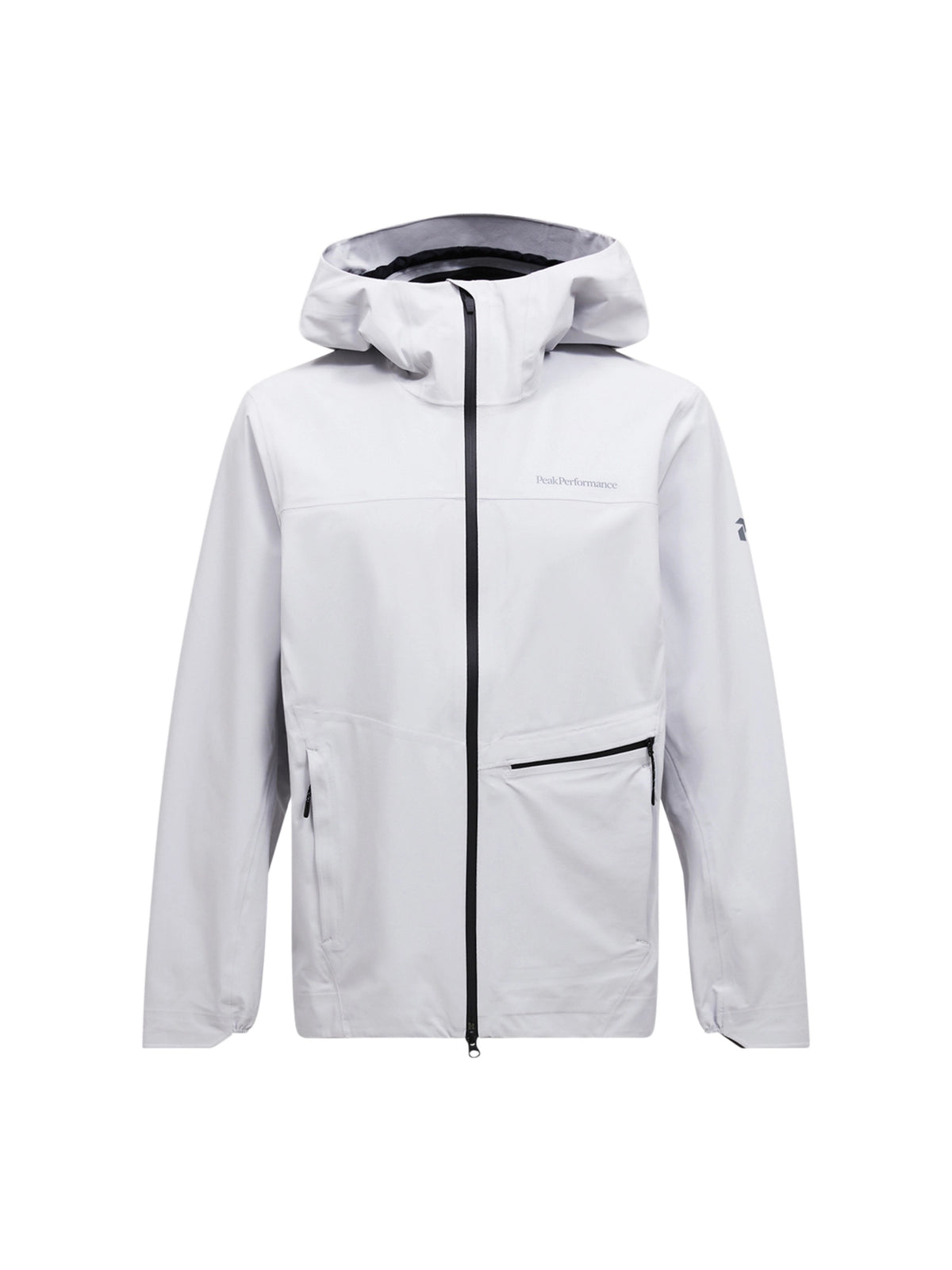
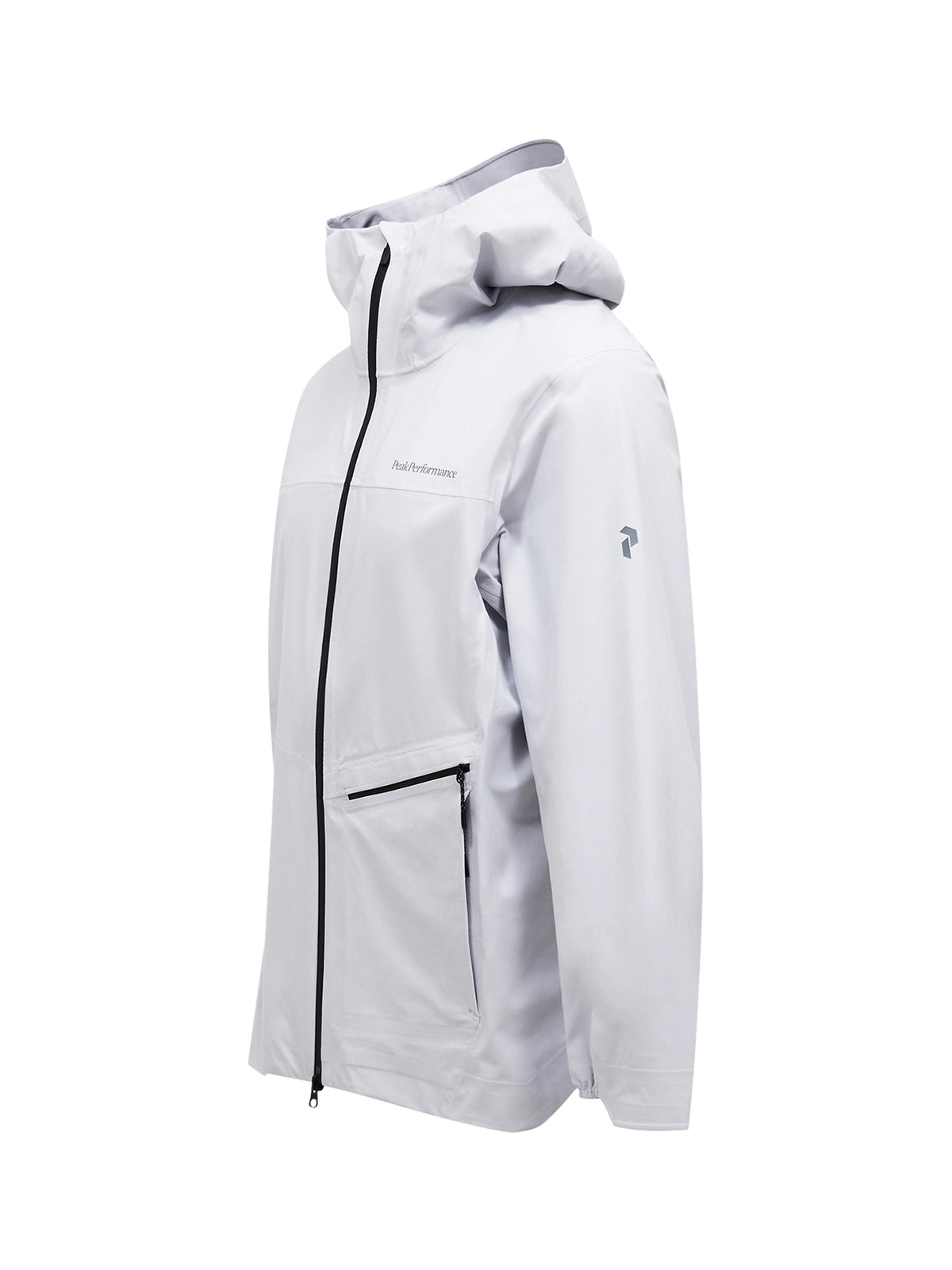


Choosing Men's Hardshell Jackets for Your Needs
A hardshell jacket primarily serves as the outer weather layer in a clothing system. Therefore, your selection begins with the conditions you'll encounter and the clothing you'll wear underneath. Are you looking for a jacket for changeable weather on your daily commutes, for active days outdoors, or for a specific use in the snow? These situations can overlap but don't automatically require the same features. At FREUDENHAUS Obertauern, you can compare men's hardshells based on these differences.
First, consider how long you typically wear the jacket and how intensely you move. A regularly used outer layer is chosen based on different priorities than an item primarily kept in your backpack as a reserve. Existing clothing also plays a role: if you already own suitable insulating layers, the new shell should offer enough room over them. The functional name alone doesn't answer what cut and details are right for you.
Consider Weather Protection and Warmth as Separate Tasks
An outer shell and an insulating layer address different tasks. The shell forms the outer barrier against the specified weather conditions; you create warmth additionally through its specific construction and the clothing underneath. Therefore, a jacket with plenty of room for layers is not automatically heavily insulated itself. Look at what role the chosen model actually plays.
This separation can help you adapt your clothing. You can add or remove an insulating layer without necessarily changing the entire outer jacket. Whether this flexibility suits your everyday life depends on your usage. If you prefer a more integrated solution, it's worth comparing it with the respective men's jackets and their described insulation. The better choice is the one whose construction suits your most frequent situations.
What Does a Two- or Three-Layer Construction Mean?
The number of layers in a laminate describes the material construction and should not be confused with multiple worn garments. GORE-TEX, for example, describes a three-layer construction as a combination of a textile outer material, a membrane, and an inner textile layer. In a two-layer construction, the outer material and membrane are bonded; other parts of the finished jacket belong to the respective design. The number is thus primarily a construction specification.
From this alone, no complete ranking for every use follows. A jacket must also fit you in terms of cut, features, and comfort. Those who primarily compare the designation easily overlook practical differences in the hood, pockets, or ventilation. Use the construction as one building block of your decision and then classify how the complete model functions in your clothing system.
Thinking About Membrane, Seams, and Finished Jacket Together
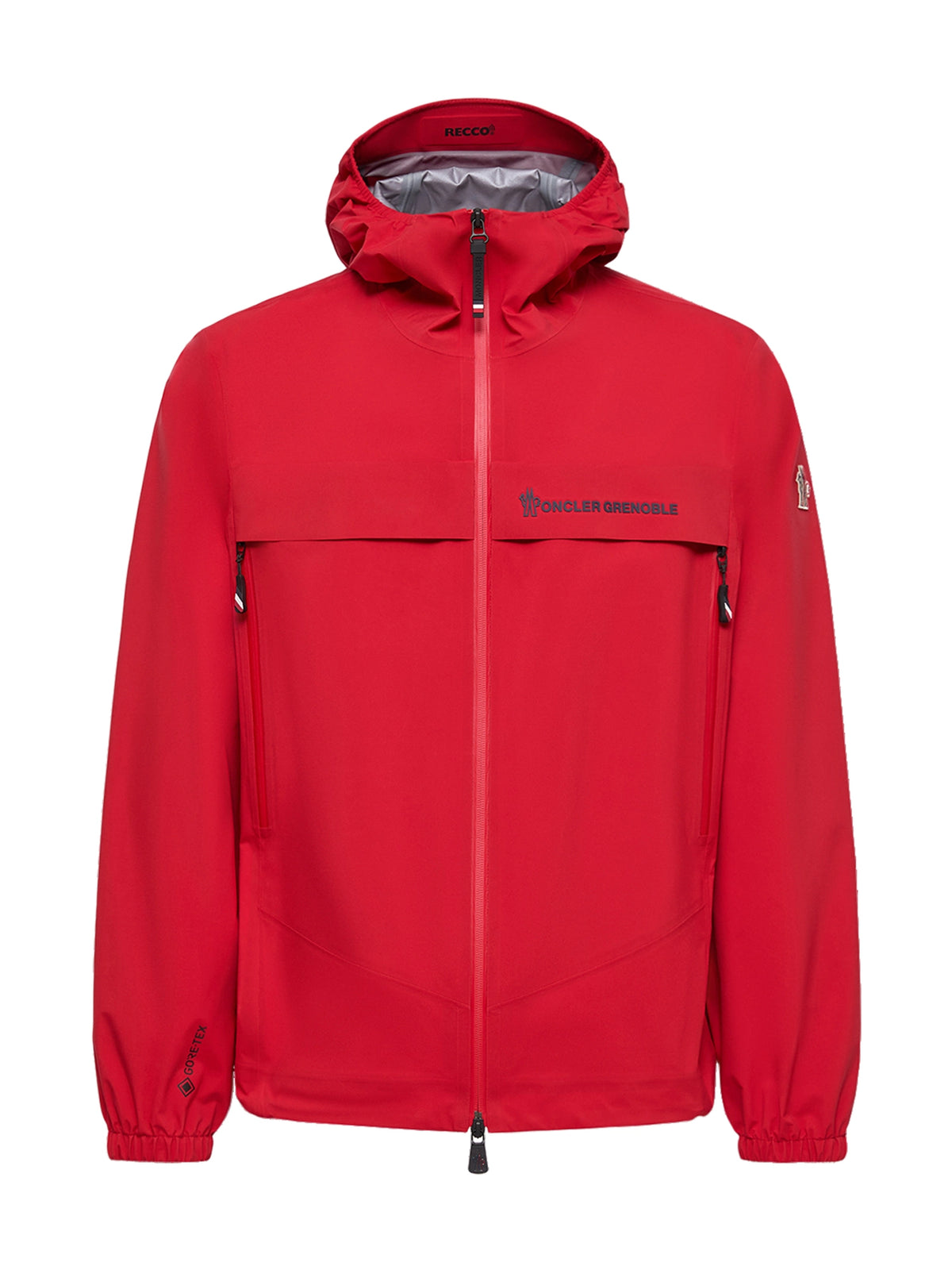
Waterproofness cannot be reduced to a single material term alone. For its corresponding products, GORE also explains the importance of seam sealing, other components, and overall manufacturing. For your selection, this means: the decisive factor is the declared property of the finished jacket. A logo or similar product name is not a substitute for the specific classification of the model.
Also, note that a brand world can encompass various technologies. For example, GORE's waterproof GORE-TEX constructions and WINDSTOPPER products belong to different functional areas. The same overarching origin does not make them identical. Therefore, compare the complete technology designation and the stated use instead of combining terms from multiple product lines into a general promise.
Distinguishing Water-Repellent Surface and Membrane
The water-repellent finish of the outer fabric, often called DWR, is designed to make water bead up on the surface. It is a different level than the waterproof membrane. GORE explains that a soaked outer fabric can feel clammy, even though the underlying membrane continues to do its job. A changed beading effect should therefore be evaluated in the context of care and condition.
For purchasing decisions, this distinction is useful because it sorts two common terms. Water-repellent does not automatically describe the same performance as a complete construction declared waterproof. At the same time, a single drop of water on the outer fabric does not yet explain the overall condition of a jacket. Refer to the specific product description and care instructions that belong to the respective material construction.
Realistically Assessing Breathability and Ventilation
When you move, heat is generated, and your moisture output changes with speed and intensity. Therefore, a construction described as breathable is not a guarantee that you will stay completely dry during every exertion. The clothing underneath, external conditions, and your personal feeling also play a role. Choose the system as a whole, instead of holding a single jacket feature responsible for all situations.
Practical ventilation options can offer an additional form of adjustment if the model has them. Pay attention to where openings are located and whether you can comfortably reach them with your usual equipment. Underarm openings, front closures, or other details each have a different handling. Consider whether you frequently change pace and how you actually want to regulate your clothing. An easily accessible detail can be more useful than a feature that remains difficult to access in your combination.
Checking Fit with Intended Layers
When trying on, wear the clothes you frequently plan to use under the shell. Depending on the use, this may include a base layer and another top. Close the jacket, extend your arms forward, and lift them. Check if the shoulders and back have enough room and how the hem and sleeves move. A suitable shell should function with the layers without being chosen unnecessarily wide.
Pay special attention to the area under the arms and the chest closure. When multiple layers of fabric come together there, the volume changes. A larger size doesn't automatically solve every fit issue; a different cut may fit better. For the base layer, men's functional underwear leads to a separate selection. The shell remains the outer component and should not impair its fit by excessive pressure.
Choosing the Hood Appropriately for Actual Use
A hood is one of the details you should definitely consider in its intended use. Check how it sits on your head, how far you can see to the side, and what adjustments are provided. A larger shape may be intended for specific helmet use but should not be classified solely by its volume. The expressly described compatibility of the model is decisive.
If you plan a helmet combination approved for it, try both components together. Move your head and check if the collar and hood move comfortably with it. Without a helmet, the same hood may sit differently; this condition can also be relevant for your everyday life. The correct adjustment follows the manufacturer's instructions. Color and shape on a static product image only partially show this difference.
Testing Pockets, Sleeves, and Hem in Everyday Life
The placement of the pockets should match your equipment. If you use a backpack, straps or a hip belt can change access. Therefore, check not only the number of compartments but their accessibility in your typical combination. A small compartment is practical for frequently needed items if you can operate it well. A seemingly large storage space is less useful if its opening is obscured during use.
Sleeve cuffs must fit with the intended gloves. A long glove cuff places different demands on the transition than a short one. At the bottom hem, it's about how the jacket lies against the pants during movement and what adjustments are provided. Test these areas with closures fastened, because the open impression can differ significantly from the actual worn combination.
Hardshell for Ski Days or Other Activities?
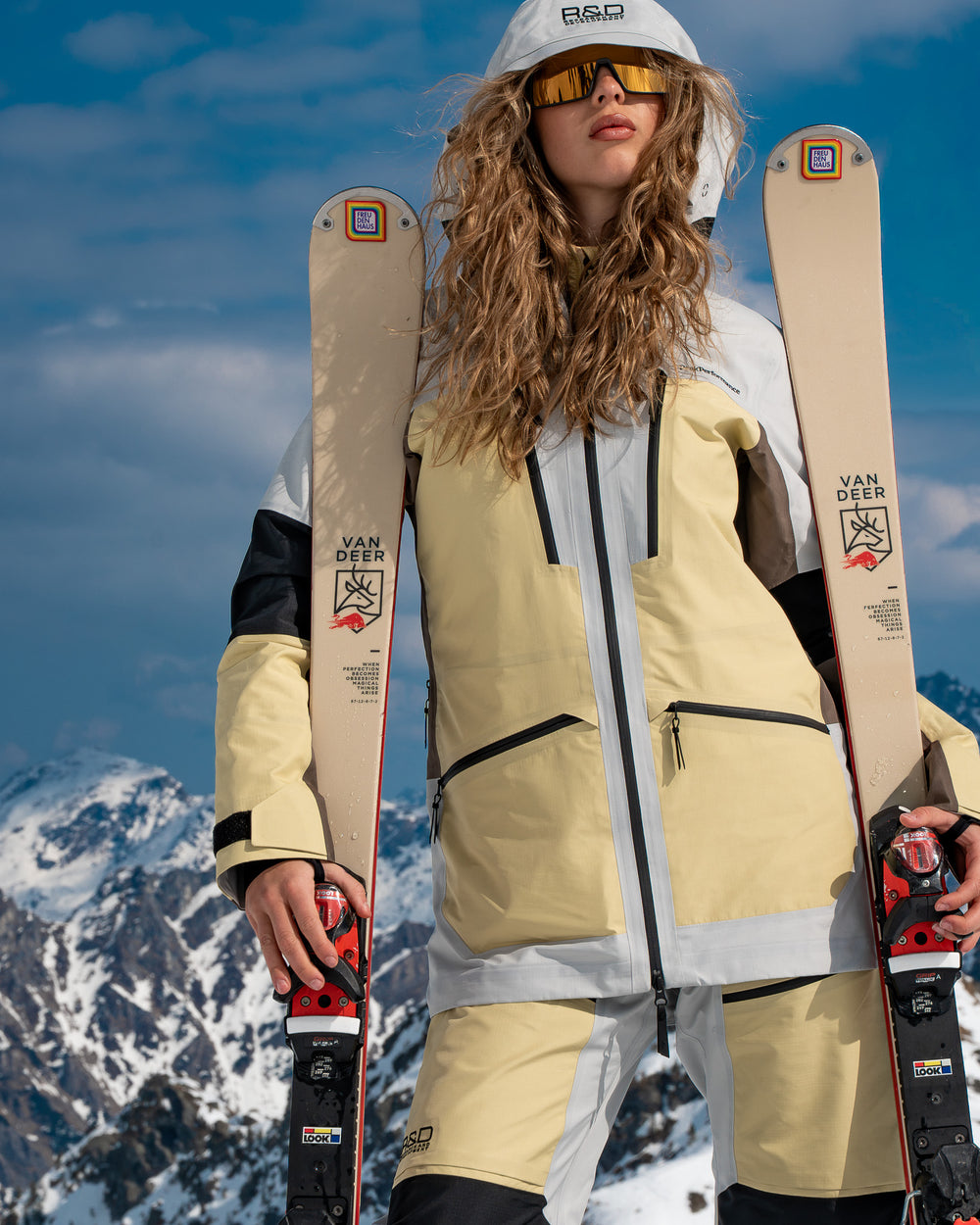
If the jacket is to be used for skiing, suitable details and explicit suitability for use are part of the decision. Consider the combination with pants, helmet, and the other layers. A shell for other outdoor activities does not automatically have the same intended transitions or pocket solutions. You can further compare the requirements in the context of a ski outfit via men's ski clothing.
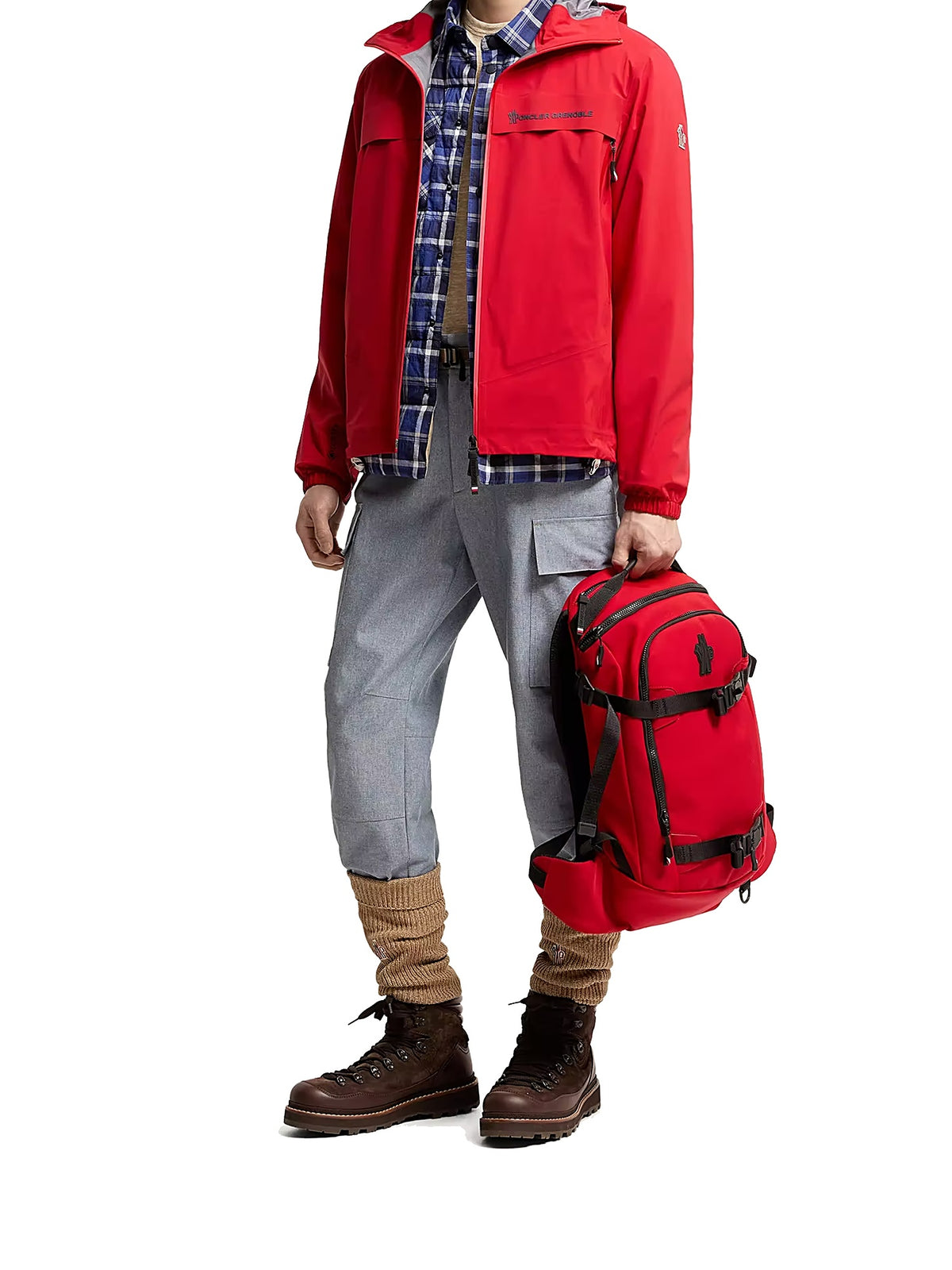
For everyday life, other priorities may become stronger: a suitable length over your usual clothing, easily accessible pockets, and a collar that you often wear comfortably. Here too, a realistic look at your habits is worthwhile. A very specialized equipment is of little use if you never benefit from its advantages and it tends to complicate daily handling. Therefore, choose based on your needs and not on the longest list of features.
Understanding Care as Part of Use
For technical outer layers, care is part of the functional handling of the product. GORE names washing, suitable drying, and if necessary, refreshing the water-repellent finish as important steps for corresponding clothing. However, the exact treatment depends on the model. Special constructions may have different rules, which is why a uniform washing temperature or heat treatment for all shells would not be sensible.
First, read the care label on the jacket and the associated manufacturer's instructions. Use only the appropriate procedures and products. If the surface reacts differently than usual, classify this based on these instructions and the condition of the jacket. This way, care remains connected to the actual construction, instead of relying on assumptions about a general functional term.
Comparing Your Hardshell in a Logical Order
First, determine the primary use and existing layers. Then, check the declared weather properties, construction, and fit. This is followed by the hood, pockets, ventilation, and the transitions to gloves and pants. With this order, you compare two jackets based on the same questions and more quickly recognize which version makes a concrete difference in your everyday life.
Finally, choose the color and variant within the models that meet these requirements. A shell should integrate well with your clothing and your movements. If you understand its construction and evaluate it in the complete combination, the decision becomes comprehensible: You will find an outer layer whose described properties, cut, and operation match your planned activities.
04At FREUDENHAUS
05Questions about the category