






Baselayers, ski turtlenecks, and underlayer tops for men
Are you looking for a top directly on your skin or an additional layer under your ski jacket? This selection combines base layers, ski turtlenecks, and other underlayer styles for men. Compare the specific product description, material thickness, and collar shape at FREUDENHAUS Obertauern so that the chosen item fulfills the appropriate role in your outfit.




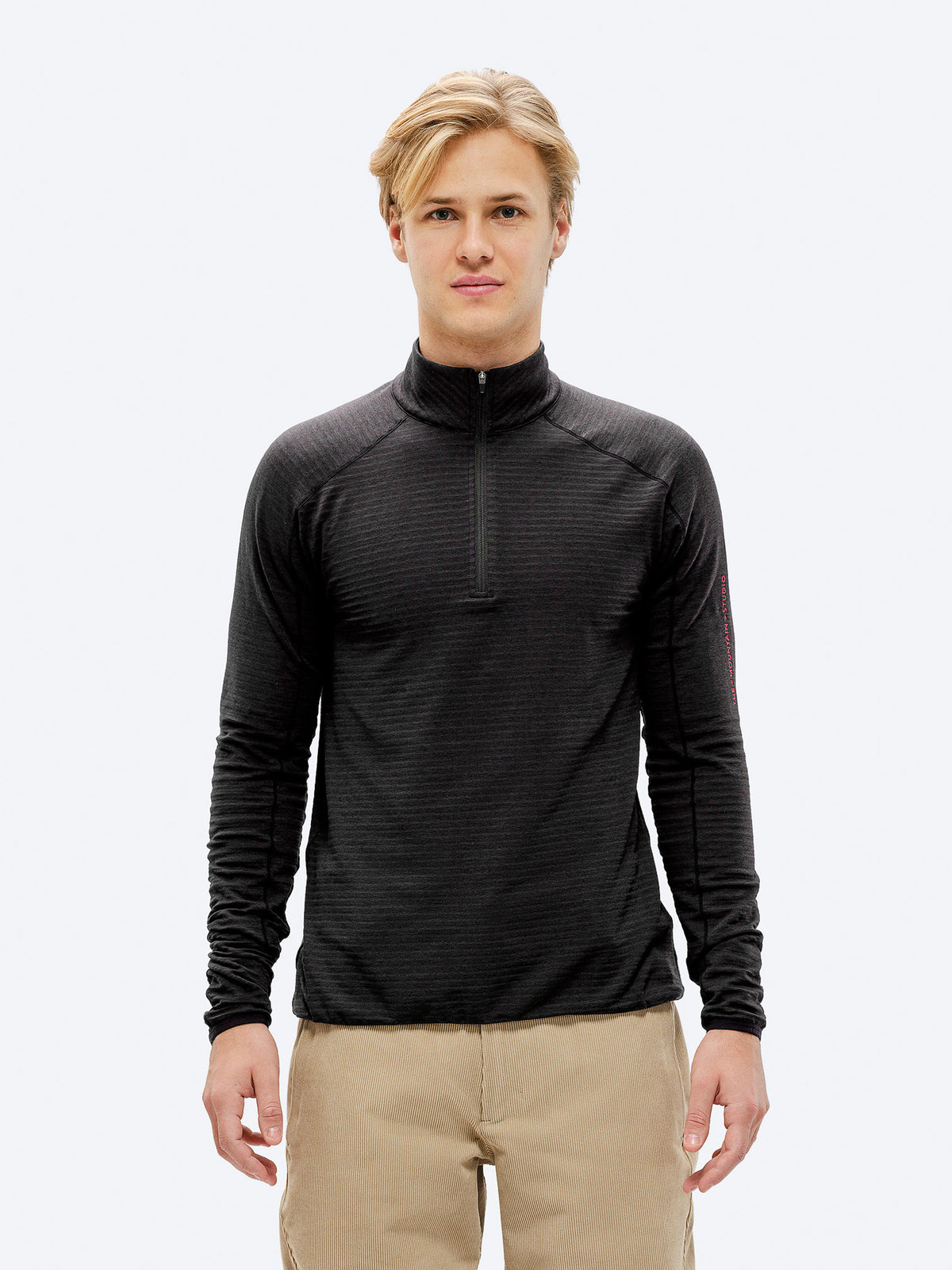


Baselayer and Ski Turtleneck: First, Find the Right Role
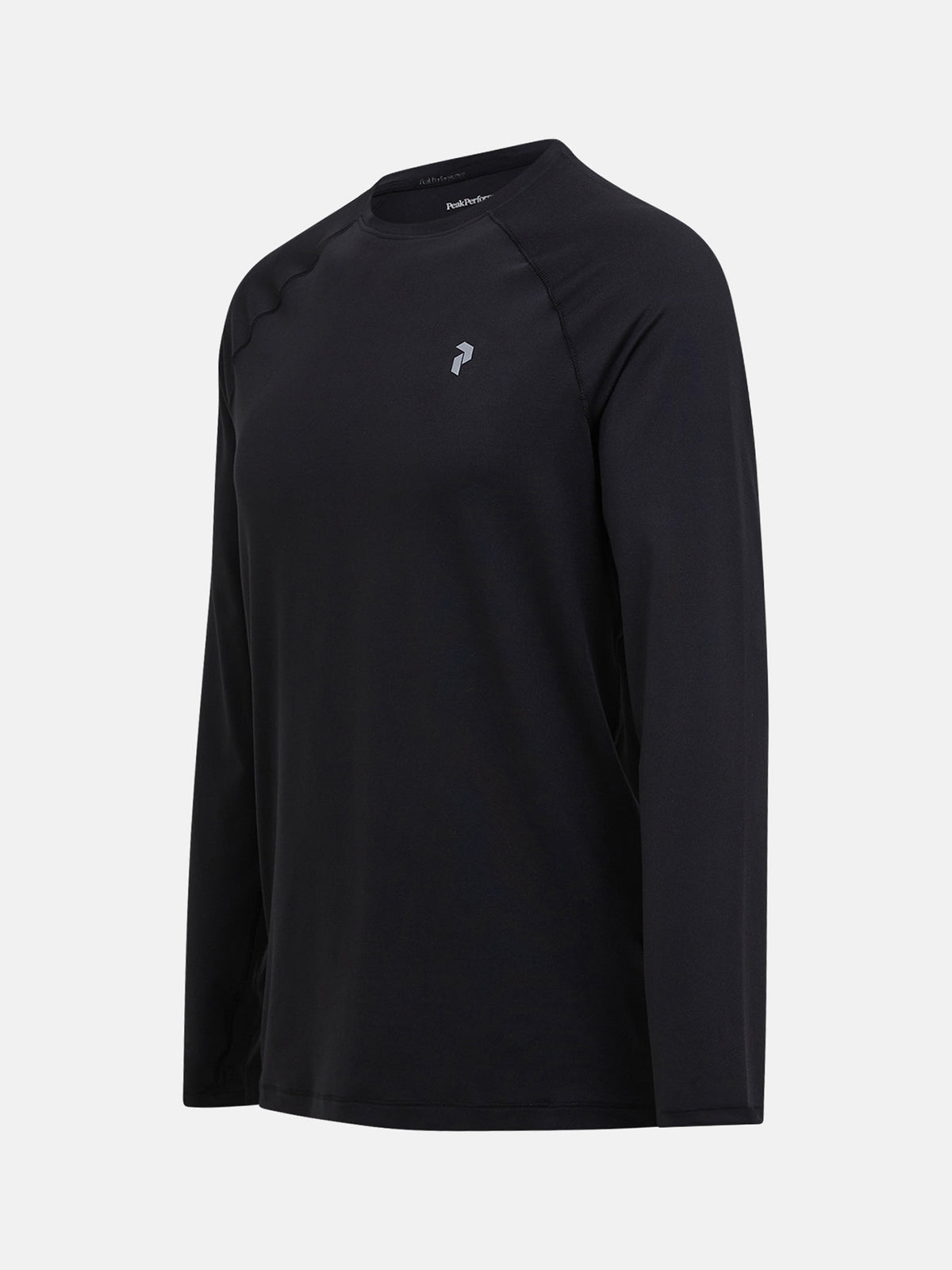
In the classic layering system, a baselayer is the first layer directly against the body. A ski turtleneck, on the other hand, primarily describes a top with a higher collar and can be used differently depending on the material and construction. Therefore, the two terms are not automatically synonymous. In this selection, you will find several undershirt styles for men. The crucial factor is whether you are looking for direct skin contact, additional warmth, or a specific finish under your jacket. Start with this task before comparing colors and brands.
A thicker fleece top, a hoodie, or an additional jacket should not be considered thin functional underwear solely due to a generic name. Read the description of the specific item and consciously assess its role. If you are specifically looking for the first layer for sports, men's functional underwear offers a dedicated entry point. The baselayers, turtlenecks, and undershirts gathered here will also help you choose other styles you might want to wear under an outer jacket.
Three Questions Before Comparing
First, consider whether the new top should lie directly on your skin. If so, the intended fabric, a comfortable feel, and the right cut are particularly important. If it is to be worn over another item, you need enough space for this combination. Second: What jacket will go over it? An already insulating ski jacket may create a different need than an unlined shell. Third: What should improve compared to your current outfit – warmth, collar, mobility, or handling?
These questions can be answered specifically. Perhaps you want less material around your neck or are looking for a zipper that you can open on the go. Perhaps an existing top fits well but is too warm for certain activities. Such observations help in choosing the right next style. You don't have to replace every layer at once. A deliberately chosen undershirt can complement an existing combination if it is clear what role it should fulfill and what tasks are already covered.
Assessing Materials for Intended Skin Contact
For a true first layer, the actual material composition and its processing matter. A soft feel alone doesn't tell the whole story about its use during activity. Seams, surface structure, and how the item lies on the body also influence comfort. Check the manufacturer's specifications for the specific design. A well-known material family does not automatically mean that all products are equally thick, equally elastic, or intended for the same activity. The finished garment is the relevant point of comparison.
For a top worn over a first layer, other questions arise. Does it bulk up under the jacket, does the sleeve slide easily over the layer underneath, and does the combination remain stable? A brushed or thicker material can behave differently from a smooth, flat fabric. Therefore, don't just decide based on the visible exterior. For immediate contact and the interplay of multiple layers, the interior is often just as relevant. The item's description should clarify its construction.
Checking the Ski Turtleneck at the Neck and Shoulders
A higher collar can offer pleasant coverage, but it must suit your personal preference. Make sure it fits comfortably when closed and doesn't shift annoyingly when you turn your head. A tight closure is not automatically more functional. If you find the collar uncomfortable when trying it on, another style is worthwhile. The right choice depends on the desired coverage and the combination with a scarf, neck warmer, or outer jacket collar.
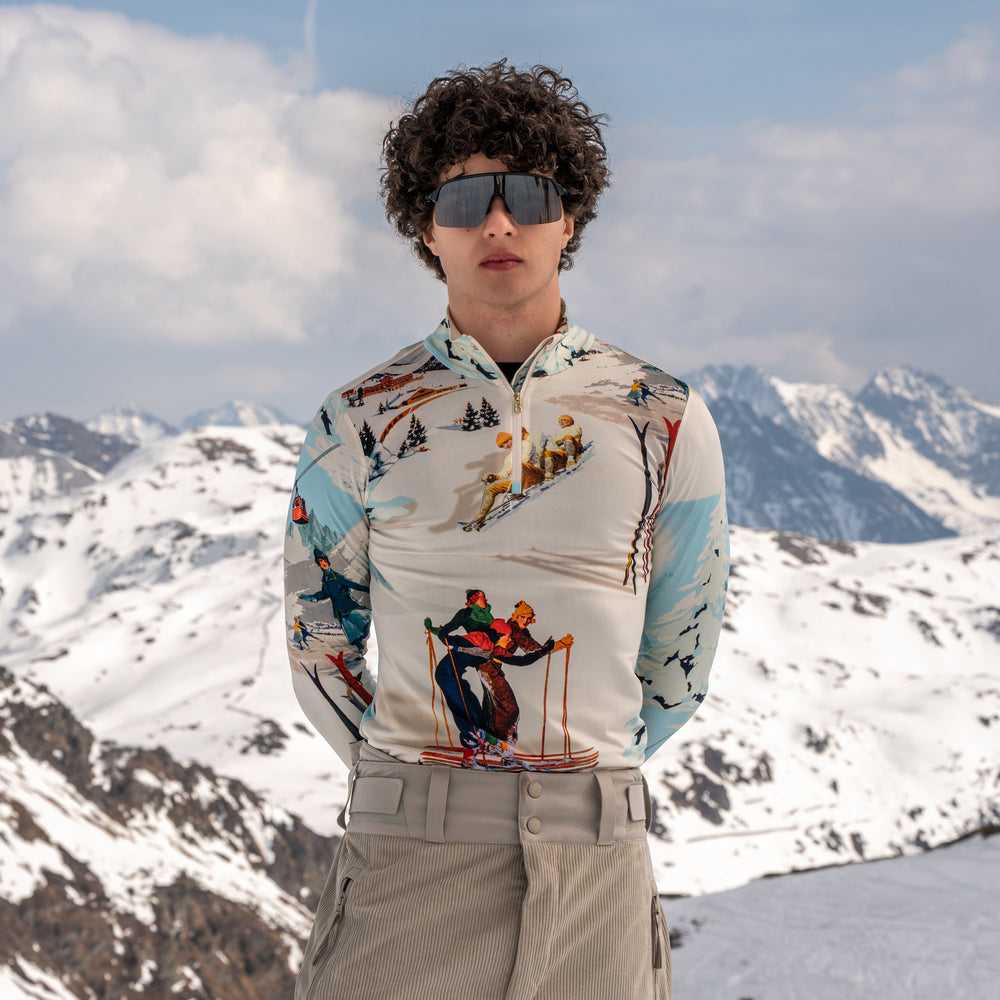
At the shoulders, the top should follow your movements. Raise both arms and reach forward. A ski turtleneck that pulls noticeably at the neck when doing so can become even more bothersome in the complete outfit. Also, check how the sleeves lie under the next layer. A high collar is a design and practical feature, but it does not confirm a specific thermal performance. Material thickness and other clothing remain crucial for this. Consider form and function together, rather than inferring suitable use solely from a winter-looking cutout.
Half-Zip and Full-Zip Change Handling
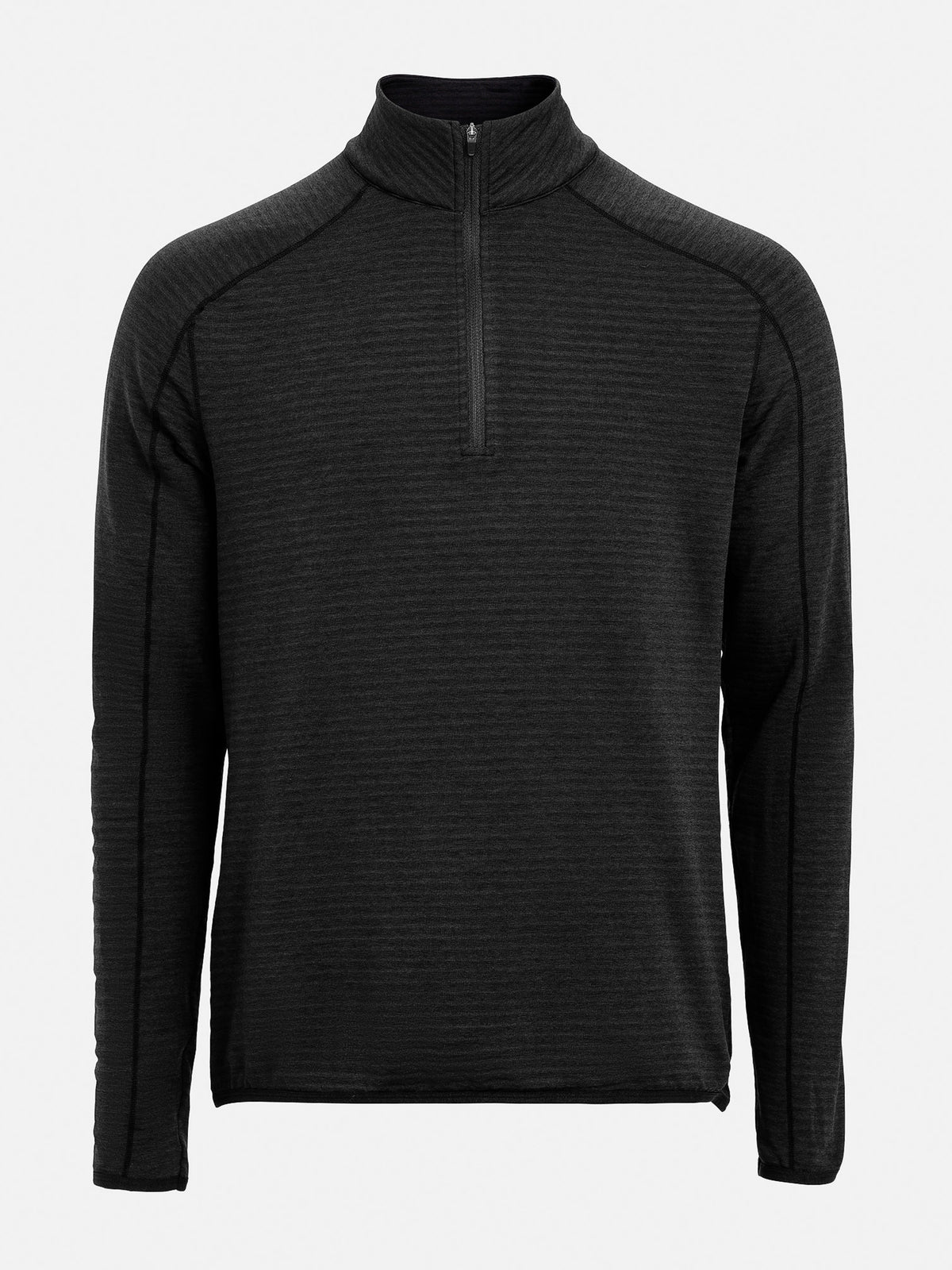
A short zipper opens the area at the neck and upper torso. A full-length zipper, on the other hand, can be fully opened and may make it easier to take off. Which solution you prefer depends on your daily routine. If you often want to remove an entire layer on the go, this handling is important. If you primarily wear the top fully closed, a different closure may be suitable. Also, pay attention to how the closure rests against your chin and whether you can easily reach it in the planned combination.
Multiple zippers on top of each other can also be noticeable. Try the undershirt with the ski jacket and, if necessary, another layer. The neck area should still be comfortable even when all zippers are closed. A small difference in collar height can already change a lot. Therefore, don't just decide based on a single product photo. Practical operation and contact in the complete outfit are the more conclusive criteria if you want to specifically improve an existing combination.
Categorizing Hoodies and Thicker Tops Separately
A hood needs space. Under a jacket with its own hood, it can bunch up at the nape of the neck or form an additional shape that you should consciously consider. Therefore, a full try-on is particularly worthwhile for an undershirt hoodie. Check where the hood lies when you are not wearing it. A comfortable casual feel alone does not confirm that the item can be comfortably used under every ski jacket. The cut and other garments determine the interplay.
In the existing brand world, for example, Peak Performance Rider Zip Hood or thicker pile versions show that an undershirt can have a different role than a form-fitting functional shirt. The respective construction is crucial. Even with The Mountain Studio, the manufacturer explicitly describes a Techno Stretch Mid T-Neck as a mid-layer. Use such information to correctly classify the product. The dedicated section Men's Mid-Layers deepens the selection of additional thermal layers without equating all undershirt styles with classic functional underwear.
Comparing Manufacturers and Model Names Specifically
The selection includes various undershirt models from brands such as Toni Sailer, BOGNER, FIRE & ICE, Peak Performance, and The Mountain Studio. Names like Robert, Giorgio, Pascal, or Spirit Crew help to locate specific items. However, they are not universal functional descriptions. Compare the complete designation, material, and cut of the offered version. A proven name can also appear across multiple generations. Previous experience is a helpful starting point but should be reconciled with the actual current specifications.
If you already own a suitable top, note its model number and size. Also, consider what works well for you: the collar finish, the length, or the fit under the jacket. These specific features are easier to compare in a new item than a general brand preference. The selection from Toni Sailer, for example, offers its own brand entry. Nevertheless, choose the individual garment based on its intended role in your outfit and not solely because you like other products from the brand.
Two Useful Combinations for Different Needs
If your ski jacket already provides additional warmth and you move a lot, a dedicated flat baselayer can be the appropriate foundation. Whether you need another undershirt on top of that depends on your feeling and the conditions. First, test the simple combination and only add what you actually need. A higher collar or a different sleeve length can make the desired difference, without automatically requiring a thick hoodie as an additional layer.
Under an unlined outer jacket, on the other hand, a first layer can be combined with a suitable ski turtleneck or another mid-layer. Make sure that both items fulfill their own tasks and do not unnecessarily duplicate volume. The turtleneck must be suitable for its intended use; its name alone is not enough. You can classify the outer selection via men's ski jackets. This creates a system of consciously chosen pieces and not just a long list of layered clothing.
Assessing Size and Length While Sitting and Moving
An undershirt should stay in place during movement and lie comfortably under other clothing. Therefore, check the length at the back and the mobility of the sleeves. Sit down, bend forward, and raise your arms. The hem should not constantly slip out of its intended position. Too much excess fabric, on the other hand, can gather at the waist or sleeves. The right size results from body measurements, cut, and the other layers with which you want to combine the item.
A model worn directly on the skin is intended to have a different fit than a top worn over functional underwear. Close-fitting does not necessarily mean constricting. If you are debating between two sizes, check the item's chart and its desired role. A larger-sized close-fitting cut will not automatically become a well-fitting mid-layer. Likewise, an already loose top can bulk up under a narrower jacket. Decide based on the complete combination and not solely on a familiar clothing size.
Consciously Planning Tops for Travel and Everyday Life
Some ski turtlenecks or undershirt styles can also be worn as visible tops, provided the material and design match your intended use. Consider whether this additional option is important to you. A simple collar can look different under a casual jacket than a hood with sporty details. Therefore, the selection for travel and everyday life may prioritize different aspects. However, such use does not, conversely, confirm that every casual top would be suitable for strenuous sports. The intended use remains the crucial basis.
If you are planning a compact winter wardrobe, compatible colors and well-matched lengths can be helpful. An existing favorite piece does not have to be replaced if only a suitable addition is missing. Check which tops you use frequently and which combinations actually work in everyday life. From this, the next purchase can be derived more specifically. The goal is a selection that you can wear regularly and meaningfully, rather than owning several similarly named layers whose different tasks ultimately remain unclear to you.
Keeping Care and Selection Comprehensible
Care depends on the material and construction of the individual item. A technical functional shirt, a thicker fleece hoodie, and a wool-based top may have different requirements. Observe washing temperature, drying, and suitable detergents on the label. General instructions for baselayers cannot be automatically applied to all undershirt styles. Keep the model specifications and, when repurchasing, check if the composition is unchanged. This way, you avoid applying a familiar treatment to another garment without checking.
For your selection at FREUDENHAUS Obertauern, it's best to go from the role to the cut and then to the specific features. Direct skin contact, a higher collar, or an additional mid-layer are different needs. If you clearly define them, the men's baselayers and ski turtlenecks on offer can be specifically compared. The product description provides the details for the individual version. Together with a try-on of the planned combination, this results in an undershirt that meaningfully complements your existing clothing.
04At FREUDENHAUS
05Questions about the category