





Women's Sportswear: Build Your Outfit After Your Workout
Women's sportswear should match your activity and work as a complete outfit. Choose tops, pants, and additional layers based on freedom of movement, desired coverage, and intended use. This selection guide explains the different roles of sports shirts, functional underwear, mid-layers, and outer jackets, and shows you how to coordinate them effectively.
02Discover
Subcategories.


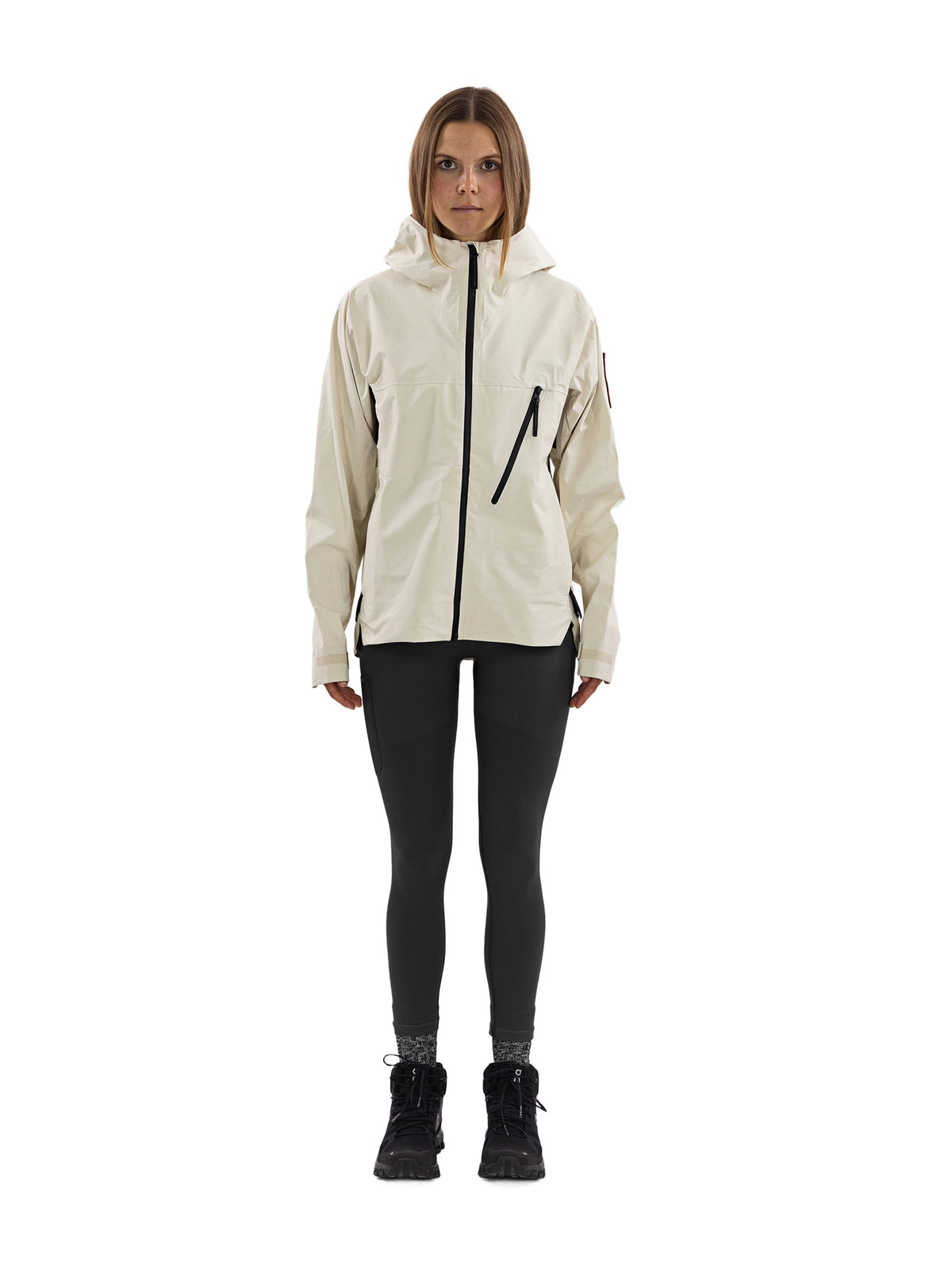


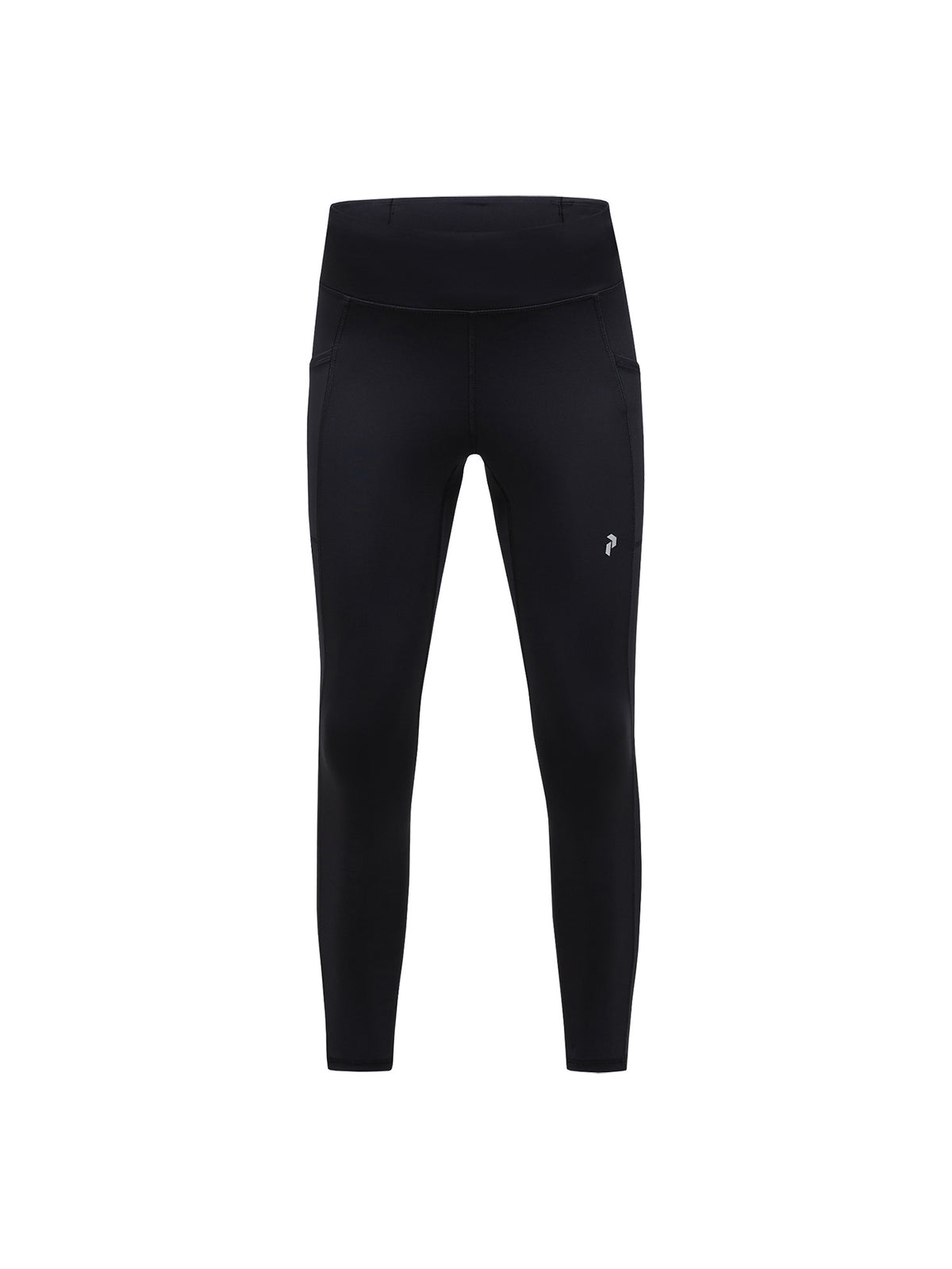
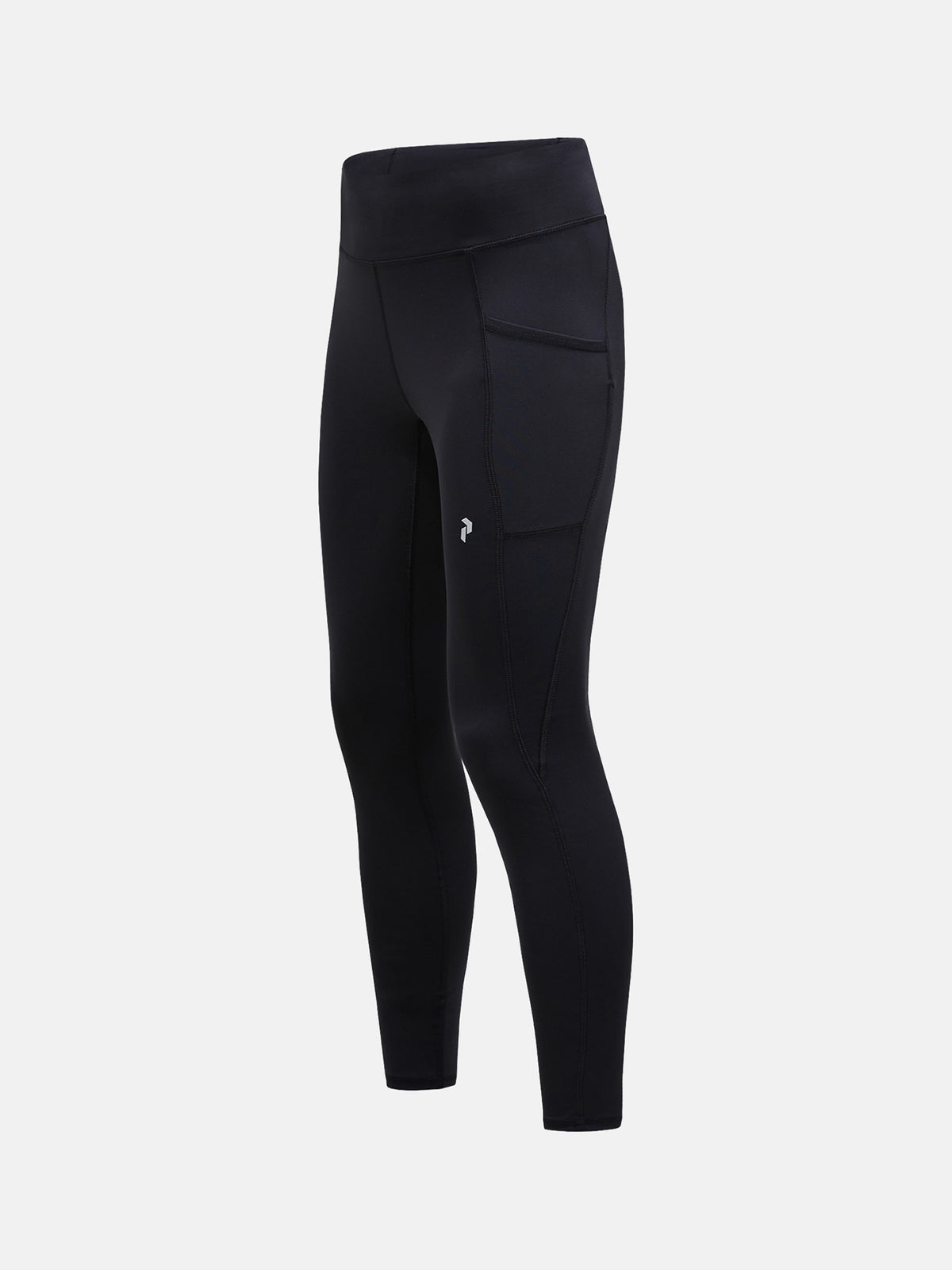


Women's Sportswear Starts with Your Activity
A sports outfit should match the movements for which you choose it. That's why the intended use is the best starting point: How much do you move, which body parts should be covered, and will you wear additional layers over it? A shirt for an active leisure outfit, close-fitting base layers, and a technical outer jacket each serve different purposes. The sporty design of a garment alone does not yet tell you for what kind of stress it was developed.
First, decide whether you want to add a single item or put together a complete combination. If you're adding an item, your existing outfit is the benchmark. New clothing must match its length, width, and material volume. For a new combination, you work from the inside out and decide the function of each layer. This makes the selection clearer, without you having to consider every sportily named garment as an interchangeable solution.
Movement Profile Instead of General Performance Promises
Consider what movements your clothing should allow. Frequent bending requires different attention than long walks or activities with many arm movements. For a top, the neckline, shoulders, and hem length become important; for trousers, the waistband, knees, and leg cuffs are in the foreground. Specifically try out these movements. A comfortable impression when standing is a good start, but not yet a complete statement about the fit during your activity.
The transitions between movement and pause are also part of the use. If you switch between outdoors and indoors, the ability to open or remove a layer can be important. Don't just plan for the most strenuous moment. Also consider how you want to wear your clothes on the way to and from your activity. This results in concrete selection guidance that is more helpful than searching for an outfit that is as generally powerful as possible.
Distinguishing Between First Layer and Visible Sports Top
A close-fitting first layer is part of a multi-piece clothing system. A visible sports shirt, on the other hand, is also chosen based on neckline, sleeve effect, and desired coverage. Both roles can overlap in individual models, but they don't have to. Decide based on the described function how you want to use the garment. A tight top is not automatically ski underwear, and a loose-fitting shirt does not fundamentally lose all athletic applicability due to its shape.
For close-fitting base layers, you'll find women's functional underwear. The focus there is on the fit under additional layers. If you're looking for a short-sleeved top for your visible outfit, the selection of women's sports T-shirts guides you on neckline, sleeves, and length. This distinction helps you compare different product roles instead of just deciding based on similar material or a sporty color.
Categorizing Sports Trousers, Tights, and Leggings
For bottoms, the distinction between independently worn trousers and a base layer is particularly important. A close-fitting shape can occur in both. Therefore, check the role described on the specific model and how opacity, waistband, and seams fit with it. Tights are not automatically compressive; a compression function would be a separate product feature. The desired function is not created by buying trousers that are particularly small or tight.
In women's sports trousers, you can compare close-fitting and loose shapes according to range of motion. Test squats, larger steps, and sitting. The waistband should comfortably stay in position, while the fabric at the hips and knees should not pull unnecessarily. Also pay attention to where pockets and their contents are located. A well-fitting pair of trousers complements your activity without you having to constantly adjust them during movement.
Evaluating Material Functions Concretely Instead of Generally
Material specifications help with pre-selection but must be read in conjunction with processing and cut. The same fiber can be found in fabrics of different strengths and constructions. Therefore, do not derive properties such as quick drying, high abrasion resistance, or a specific temperature effect from a single material name. For technical functions, the specific manufacturer's information counts. For your personal comfort, it is also important how the surface lies on the skin at the intended contact points.
Consider how much stretch your clothing needs and where. An elastic fabric can increase range of motion, but it does not replace a suitable fit. Shoulders that are too tight or an unsuitable rise will not automatically become comfortable just because stretch is indicated. Also check the thickness of the fabrics in your combination. Several bulky layers can bunch up at the armpits, waistband, or knees, thereby negating an advantage that each individual piece offers on its own.
If you are sensitive to seams or certain surfaces, include your usual contact points in the fitting. Straps, belts, and backpack straps change where fabric lies. A smooth shirt without additional gear can behave differently underneath. Use these habits as a starting point for comparison. This turns a general material description into a concrete decision for your body and your actually intended use.
Controlling Warmth with a Suitable Mid-Layer
An additional layer between the close-fitting base layer and the outer jacket has a different purpose than a thin sports shirt. Depending on the model, it can offer additional warmth and various opening options. Decide how much bulk you want to allow for it. A very thick mid-layer requires a correspondingly cut jacket. A narrower shape can be combined differently, but must still offer the necessary freedom of movement in the torso.
The women's mid-layers are the supplementary entry for this role. Pay attention to collar height, fastener, and whether a hood fits your outer jacket. Several high collars can shift against each other at the neck. Therefore, try on the complete outfit with fasteners closed. A sensibly coordinated layering combination should be adjustable and remain comfortable in the intended wearing style.
Choosing the Outer Jacket Based on Weather and Movement
An outer layer is chosen based on different criteria than underwear or a shirt. Here, factors such as described weather protection, space for the clothing underneath, and accessibility of pockets count. A hood or a smooth outer fabric does not prove specific waterproofing. Similarly, a technical jacket is not automatically lined. Choose the construction based on the use that the specific model supports and on your overall clothing combination.
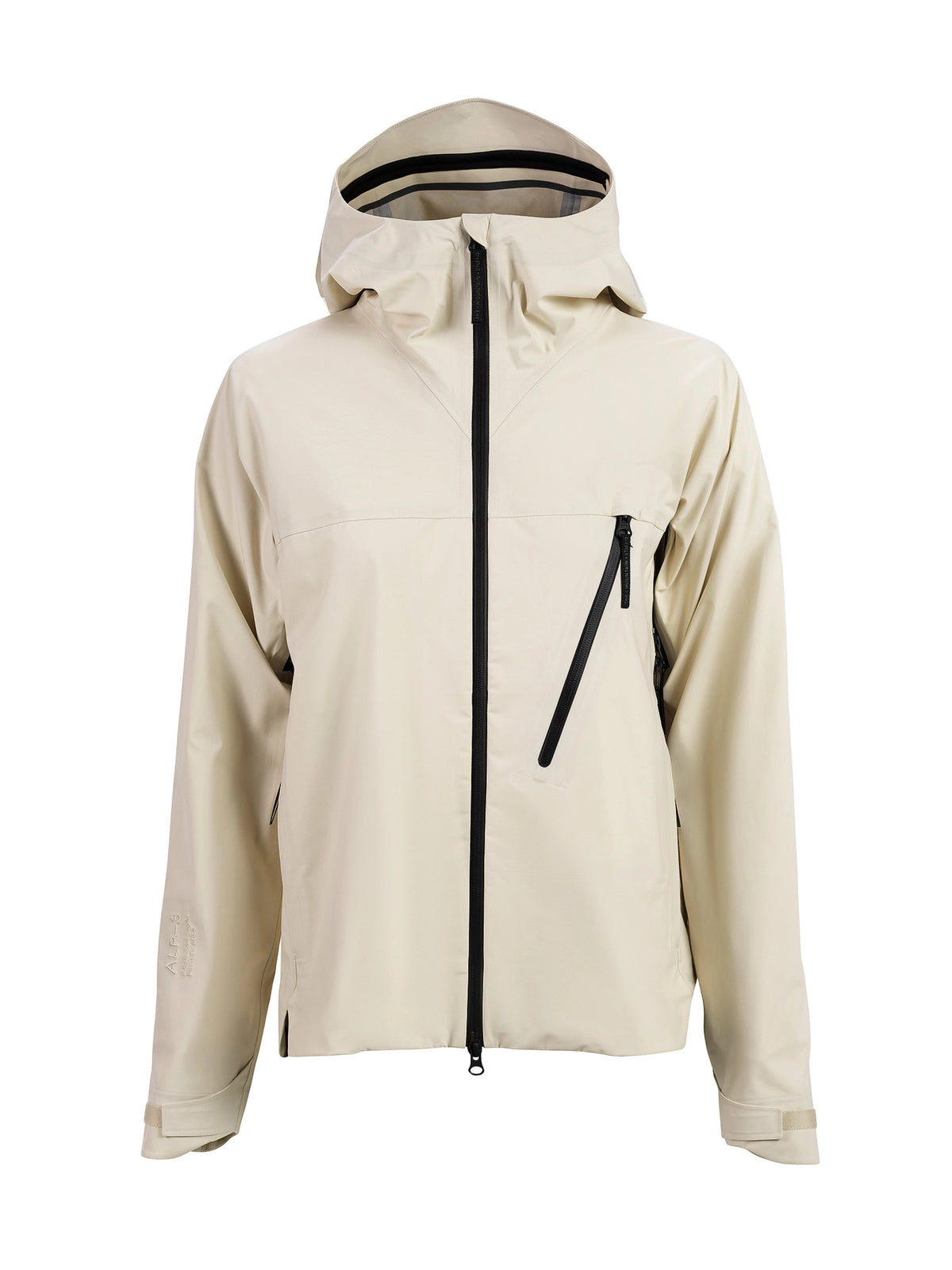
For an outer weather layer, you'll find women's hardshell jackets. Check their range of motion with your planned base layers and tops. If you want to carry a backpack, straps and, if applicable, hip belt must fit with pockets and fasteners. It is crucial whether the details remain accessible with your realistic equipment. A long list of features is less helpful than a few properties that you can actually use meaningfully.
Practically Adjusting the Proportions of the Sports Outfit
Waist height and top length go together. A shorter shirt can offer sufficient coverage over a higher-cut pair of trousers and leave significantly more skin exposed with a different waistband. Test the combination with raised arms and when bending forward. A longer top should not get caught at the hip so much that you constantly have to pull it down. The desired silhouette should also remain in motion and not just in a carefully aligned standing position.
With multiple layers, sleeve shape is also important. A wide T-shirt sleeve can bunch up under a narrow mid-layer, while two tight cuffs on top of each other can become uncomfortable on the upper arm. Put on the combination completely and distribute the fabric as you would in everyday life. If a lot of readjustment is needed, a different combination is worthwhile. Good individual pieces do not automatically result in a well-fitting overall system.
Deciding on Sporty Appearance and Technical Suitability Separately
Color, logos, and embellishments can personalize your sports outfit. However, they are not proof of specific material functions. An eye-catching garment can be exactly right for an active leisure outfit and yet fulfill a different purpose than an explicitly technical layer. Therefore, decide on the use first and then the design. This way, you can consciously incorporate your style without inferring properties from a certain look that are not described.
Even a garment with a sporty silhouette does not have to be suitable for all activities. If the focus is on leisure, the selection may have different priorities than for a clearly defined sports use. This distinction does not restrict the design. Rather, it helps to set expectations correctly and wear the item in the appropriate role. Your outfit can look sporty and at the same time be very consciously put together for a relaxed everyday life.
Considering Ski Clothing as a Separate System of Use
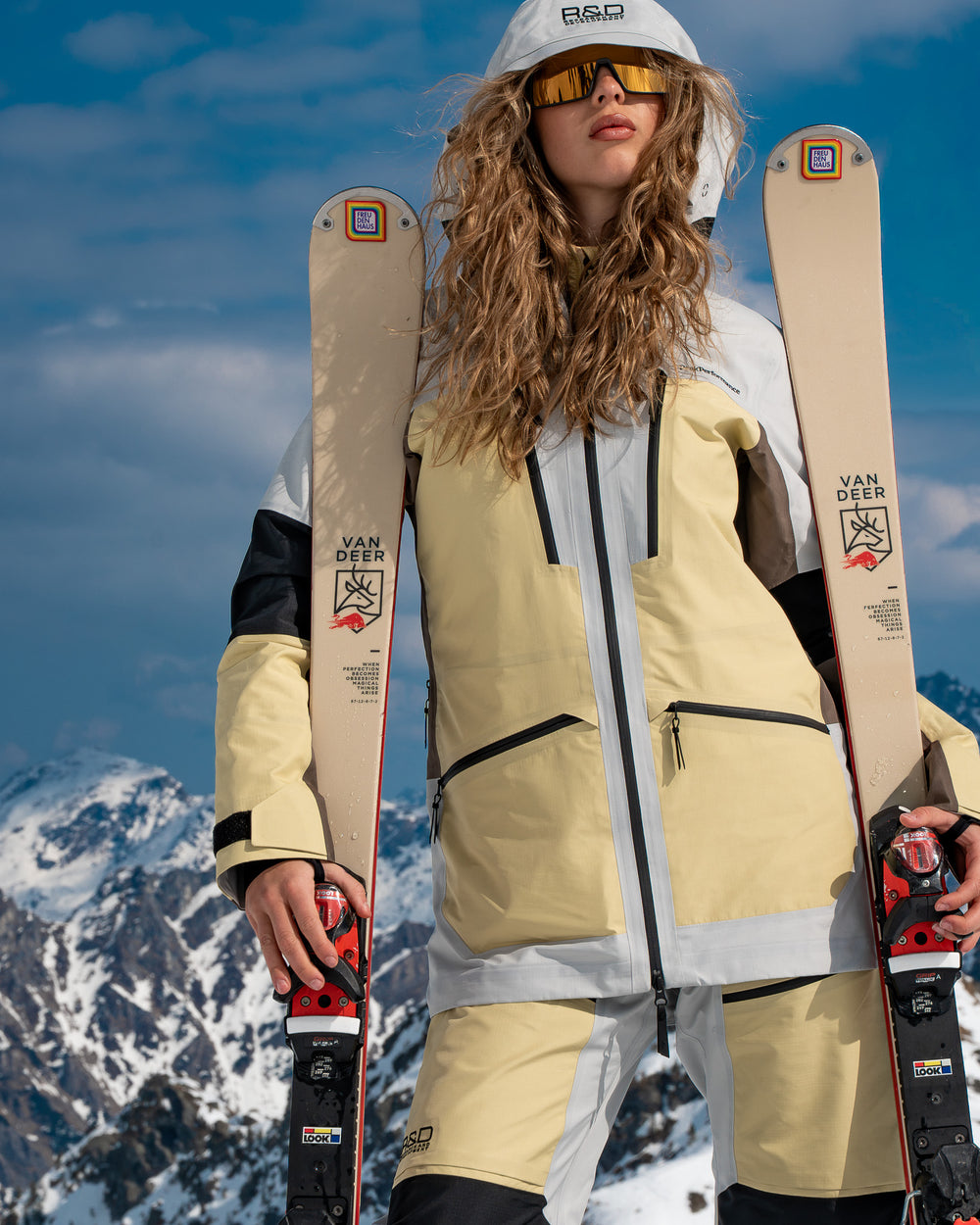
For the slopes, outer clothing, warming layers, and equipment come together in a special way. Ski trousers, for example, must be able to connect with ski boots, while jacket, helmet, and gloves must fit together at their transitions. A general sports outfit does not automatically handle these tasks. If your goal is a day of skiing, therefore, start with women's ski clothing and build the combination based on these requirements.
Individual garments can be usable in multiple contexts if their specific design allows it. However, this does not mean that every pair of sports trousers becomes ski trousers or every shirt becomes ski underwear. Check the intended use of each piece. This clear assignment also facilitates later additions: You know which task is already covered and where you still lack a suitable layer or a different shape.
Planning for Care and Regular Use
Sportswear is often worn in recurring combinations. Therefore, it's worth asking whether care and drying fit your rhythm. The instructions on the respective garment are decisive. Material blends, prints, or special finishes can have different requirements. Do not transfer a washing temperature solely based on a general sports designation. Choose the treatment as it is intended for exactly this model, so you do not unnecessarily interfere with the fabric or processing.
Finally, put your favorites together as a complete combination. Check movement, coverage, contact points, and handling in the same order. Only then decide between colors or small details. This way you'll find women's sportswear whose described function matches your intentions and whose parts also fit comfortably together. A well-thought-out outfit arises from suitable tasks for each layer and a realistic idea of how you want to move in it.
04At FREUDENHAUS
05Questions about the category