

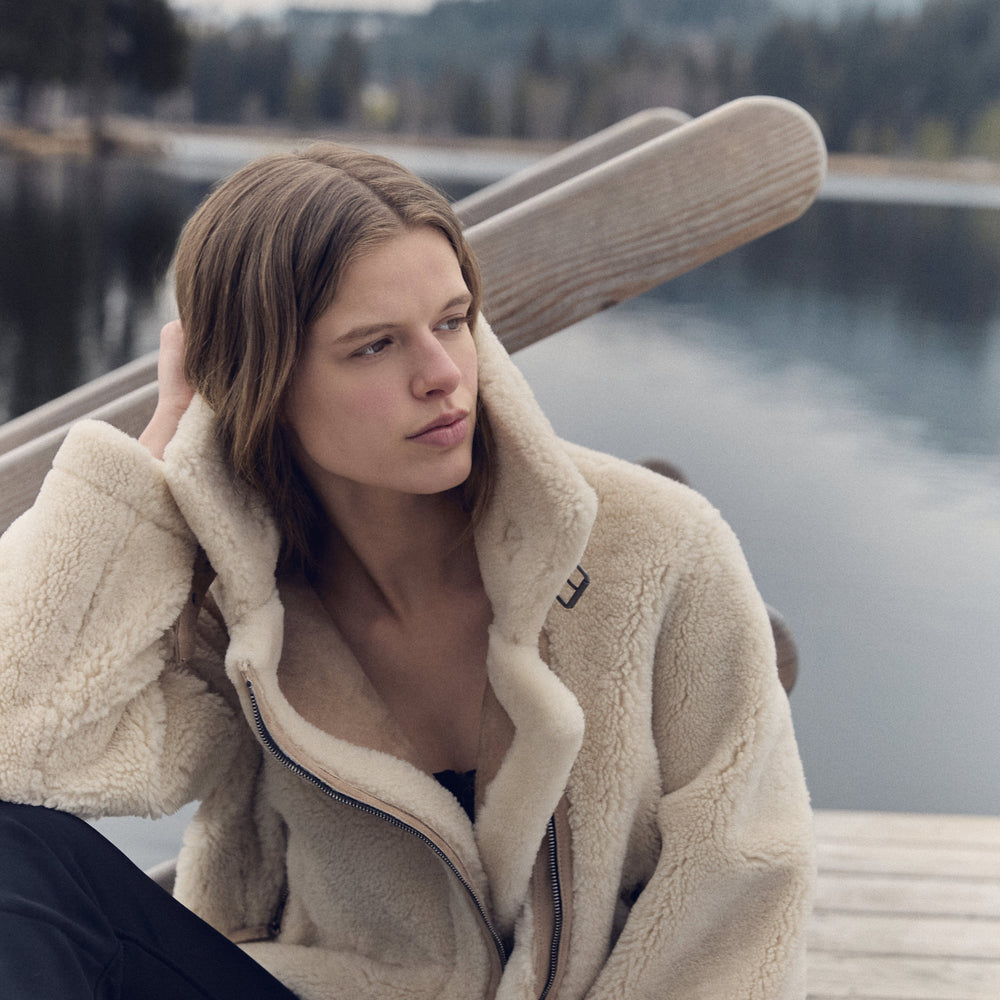





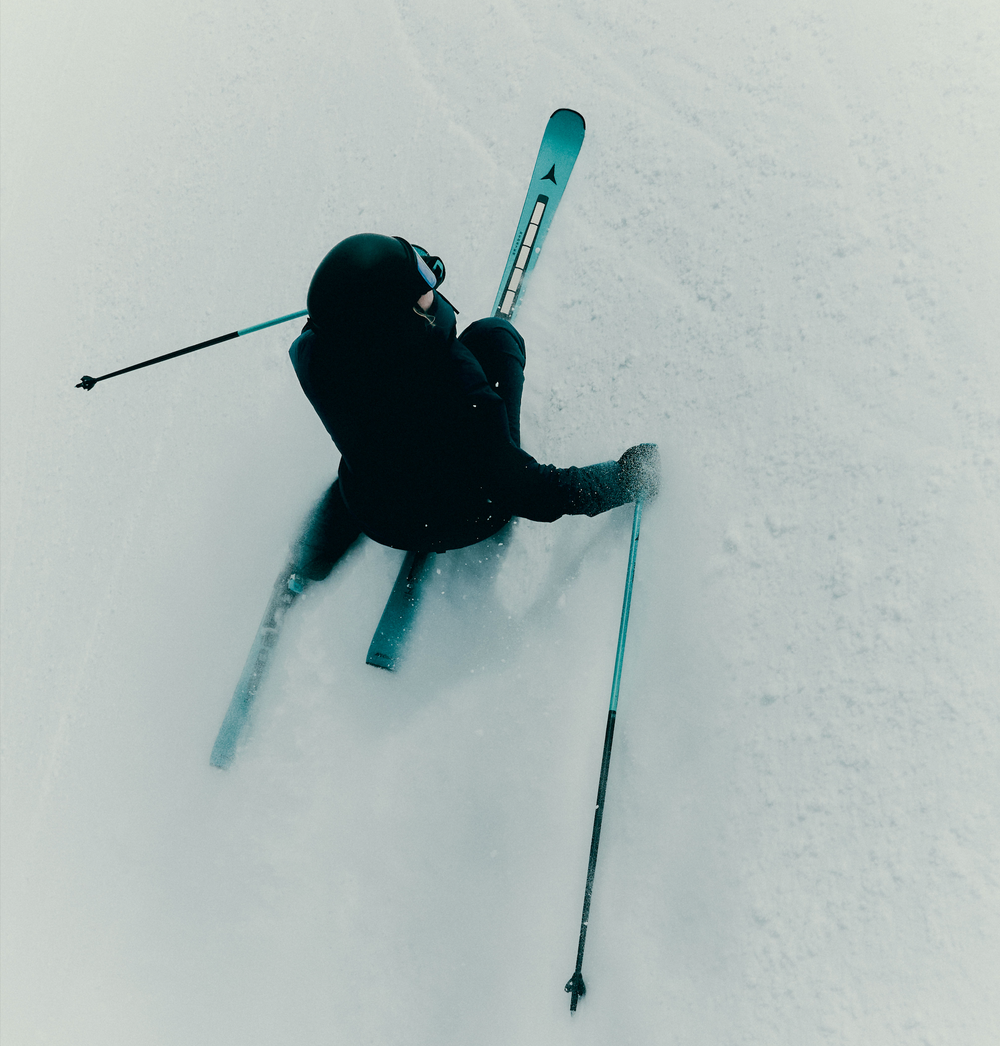

Women's Mid-layer for a suitable layering system
A women's mid-layer complements the layer between underwear and ski jacket. Choose according to what your setup is missing: additional coverage, a different collar, or a layer that is easier to regulate. Always compare fleece, smoother constructions, and other intended shapes together with your outer jacket to ensure freedom of movement and ease of handling.


Choosing a women's mid-layer as a targeted intermediate layer
A mid-layer sits between your base layer clothing and your outer jacket. Its purpose is to sensibly complement the existing setup. It can provide additional warmth and another option for regulation, but it must match the other layers. Therefore, don't start with the thickest version, but with the question of what is missing from your current combination. This specific gap determines the appropriate direction of selection.
Perhaps you want a layer that is easier to open and remove, provides more coverage on the torso, or has a different collar to wear under the jacket. Your activity level and personal warmth perception also play a role. A model for frequent movement can be chosen differently than an additional layer for longer breaks. The term mid-layer describes its position in the layering system, but not a uniform material thickness or identical features for all products.
Starting with the existing outer jacket
The outer jacket sets the framework for your mid-layer. An already heavily insulated jacket may require a different complement than a pure outer shell. Crucial is how much space is available at the shoulders, upper arms, and torso. A bulky mid-layer can bunch up there and alter the fit of the jacket. Therefore, test both parts together from the beginning, instead of buying the mid-layer in isolation first.
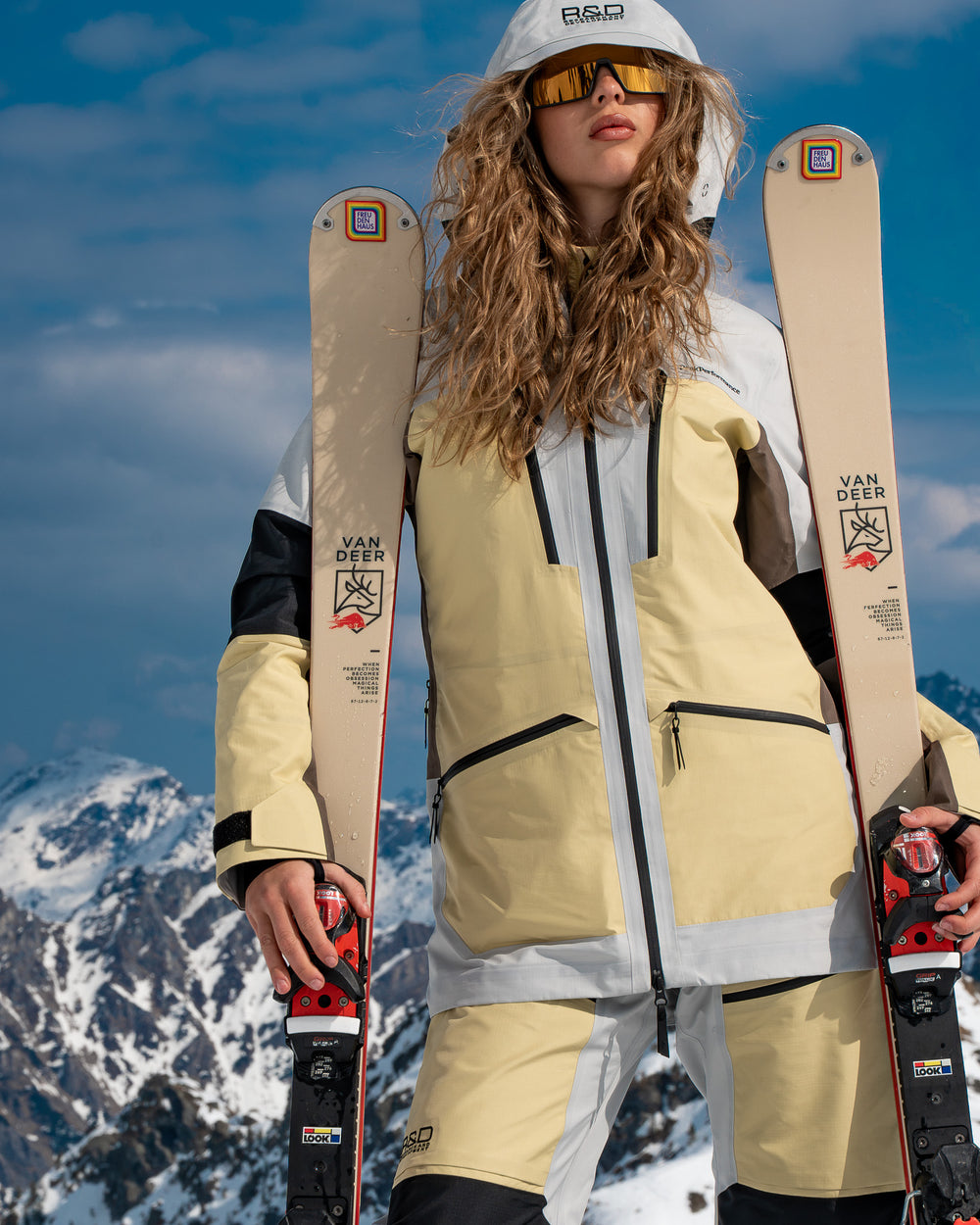
With women's ski jackets, you can compare different outer constructions. If you have a tried-and-tested jacket, use it as a starting point. Describe what already works well underneath and what change you are looking for. A suitable new mid-layer doesn't have to perform better everywhere. Often, a different closure solution, a flatter collar, or less volume in the arms is the more targeted addition.
For a winter holiday in Obertauern, the same setup can accompany different parts of the day: moving on skis, a break, and the way back to accommodation. Consider which layer you wear or take off at each point. This practical consideration helps to choose the garment according to its actual task, without turning a single material name into a universal all-rounder.
Categorizing fleece and smoother mid-layers
Fleece is a possible construction for a mid-layer. Its surface and volume can vary greatly. A thicker pile works differently than a flatter finish; the exact composition is specific to each product. Compare how much space the material takes up under your jacket and how it feels over the base layer. The term fleece alone does not explain every functional property.
A smoother surface can move differently under the outer jacket when putting it on and taking it off. A more structured design may appear as a visible top, but it might require more space. These differences are practical selection points, not a blanket ranking. Evaluate the specific model and its intended use. A finer material is not automatically better, nor is a larger volume automatically necessary for your needs.