






Matching women's base layers and ski turtlenecks
Women's base layers and ski turtlenecks are chosen based on their specific role in the outfit. A close-fitting base layer is constructed differently from a light top worn over it. Compare the neckline, closure, material feel, and length with your jacket and lower layers. This way, you'll find the right shape for a logical layering system and comfortable movement.


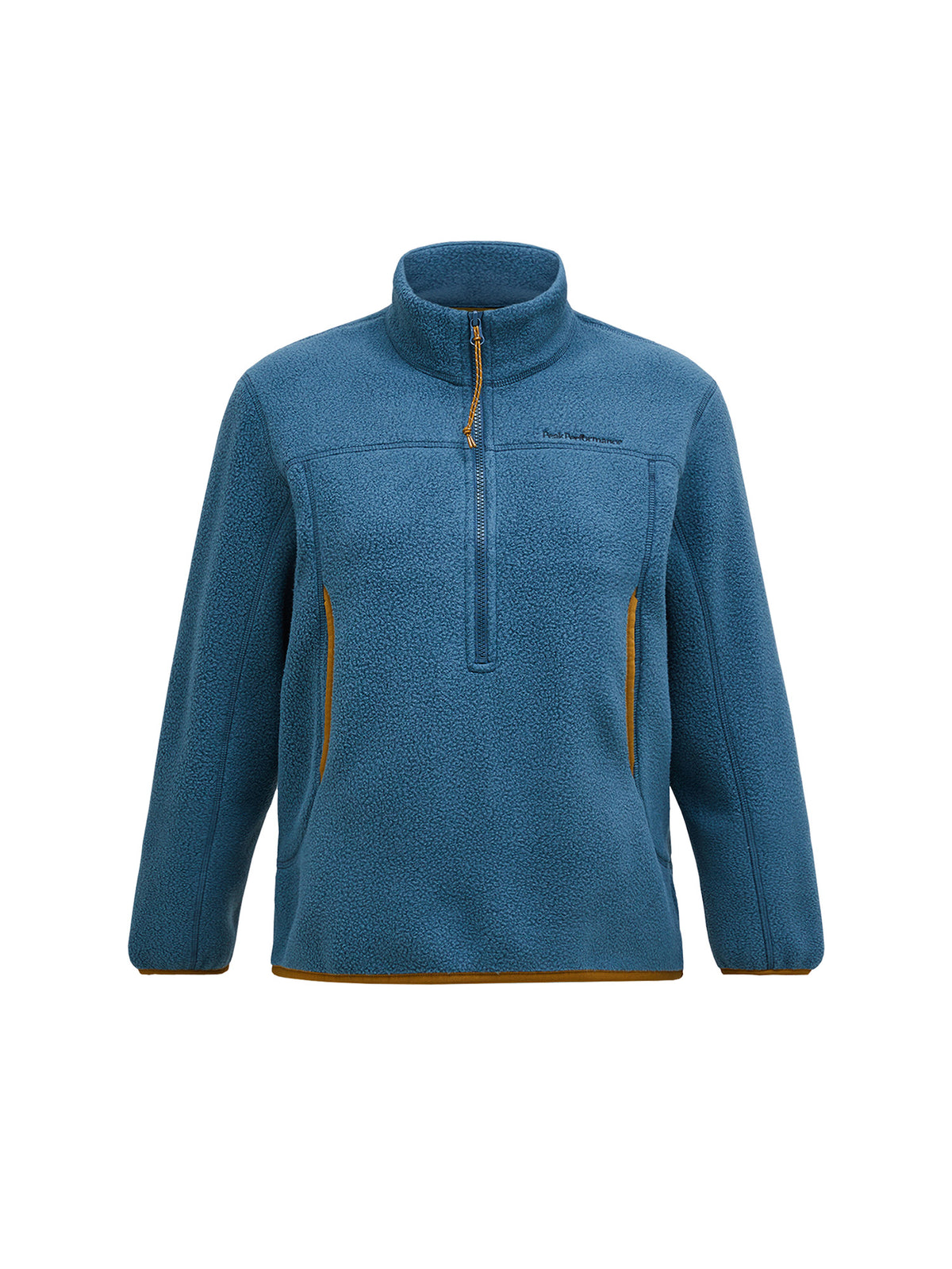
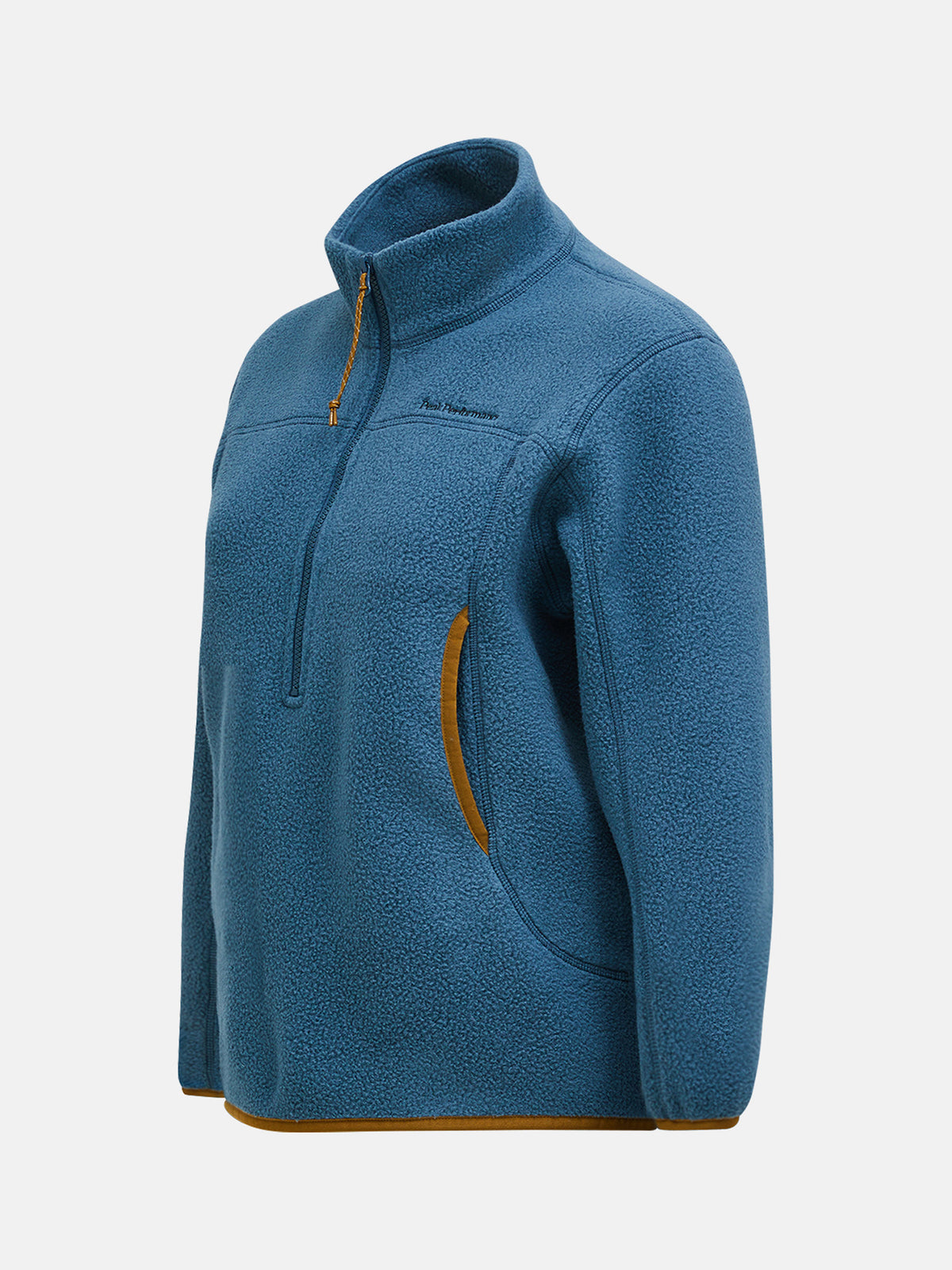
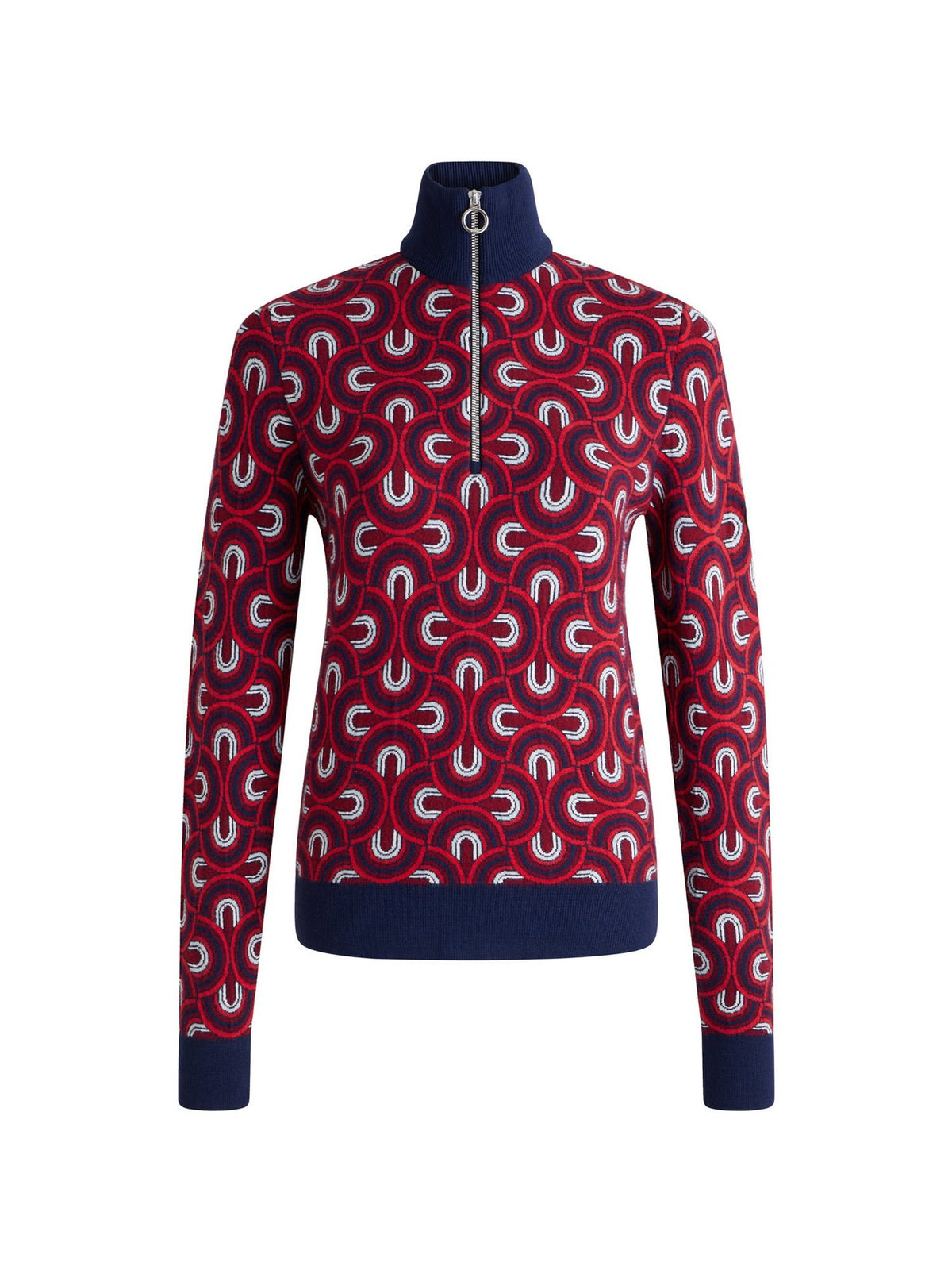
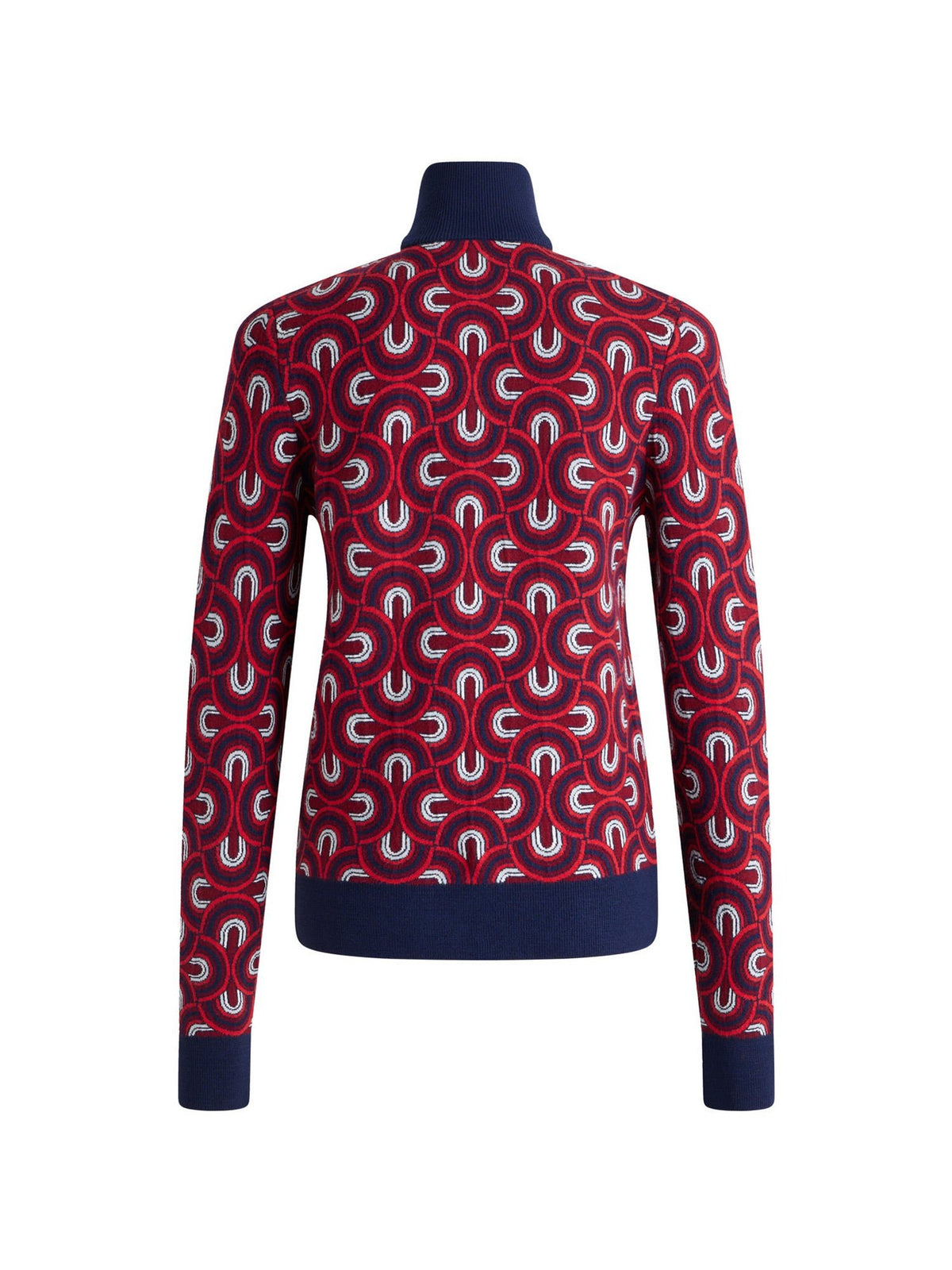
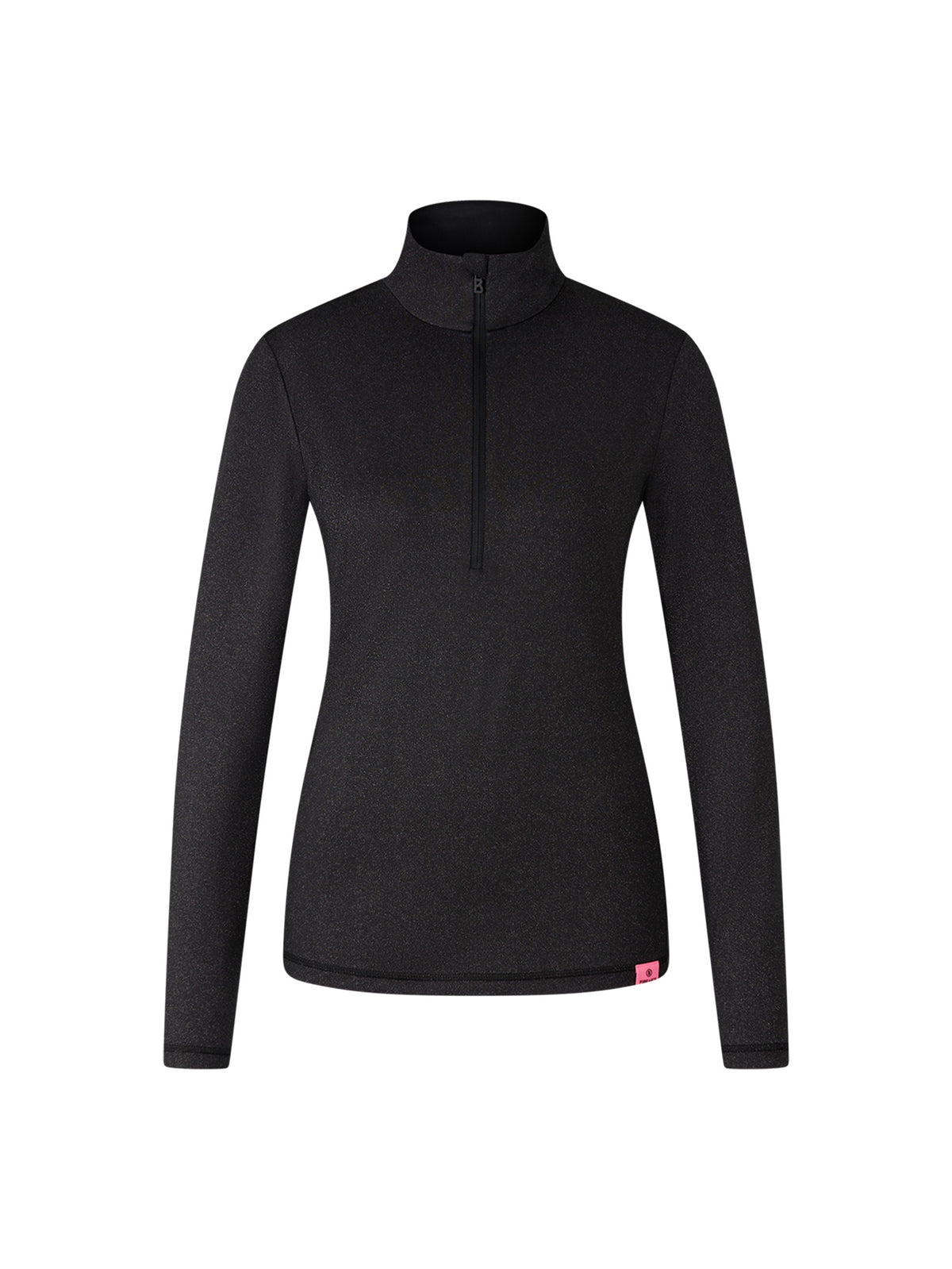
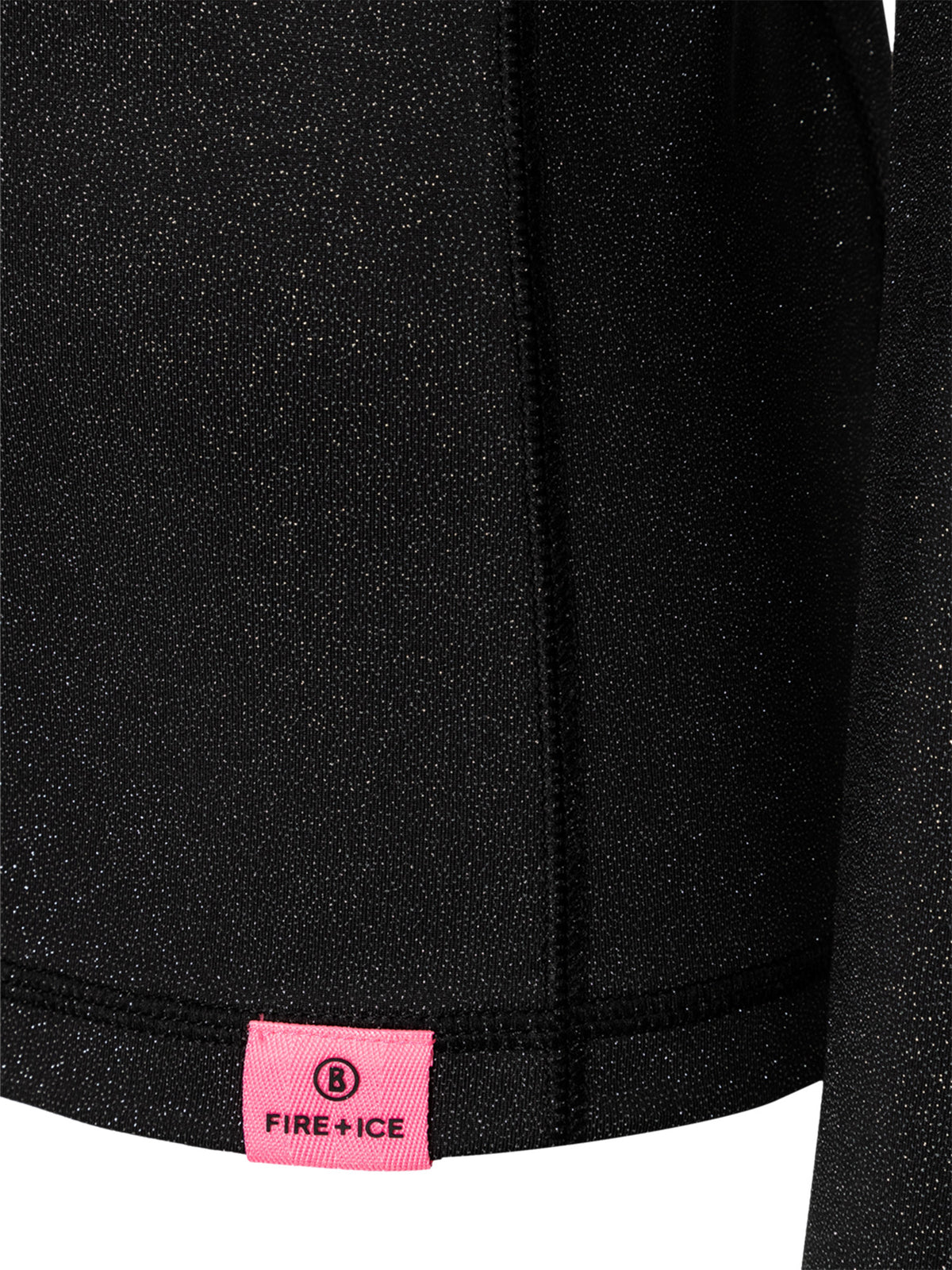


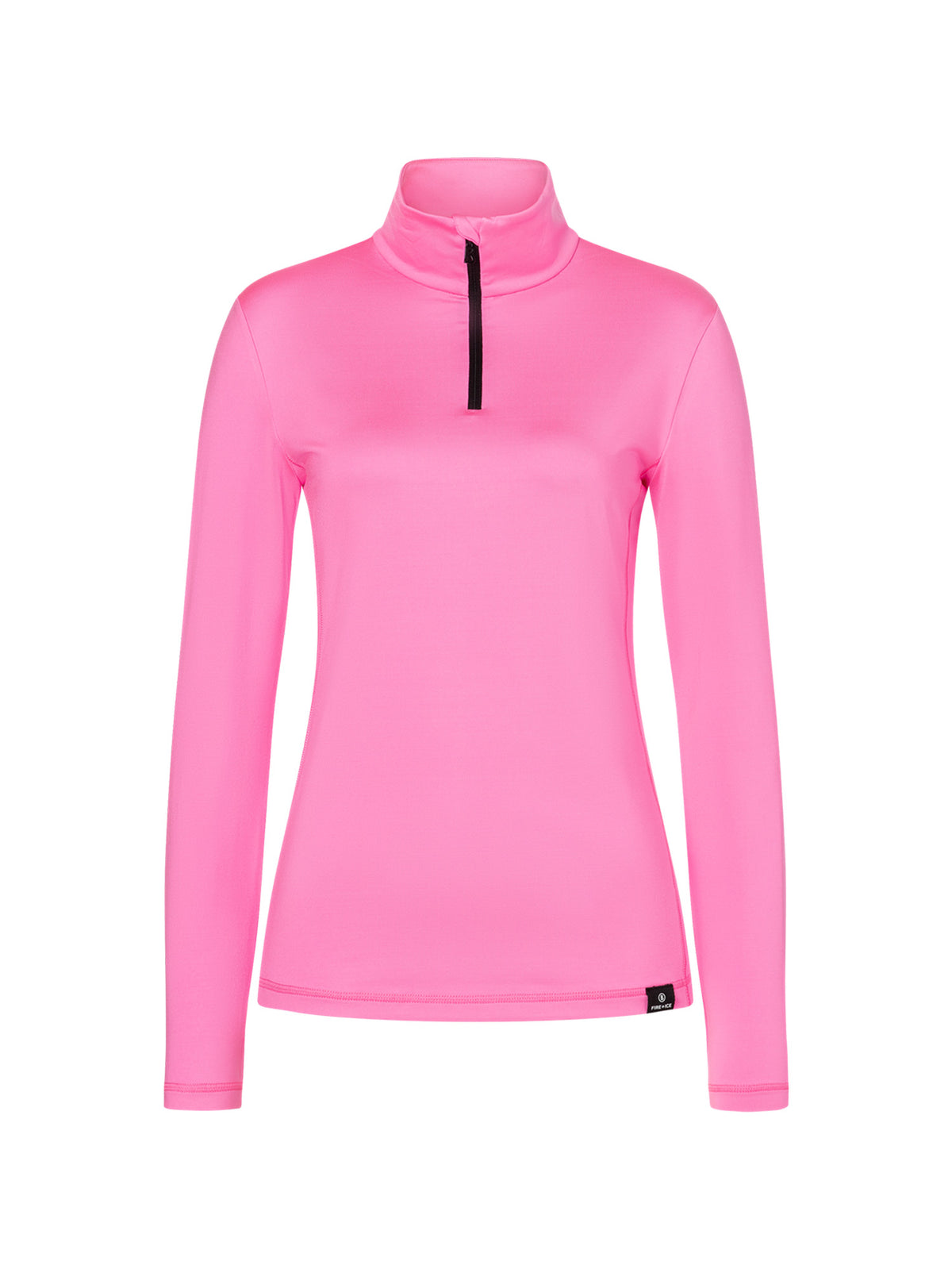
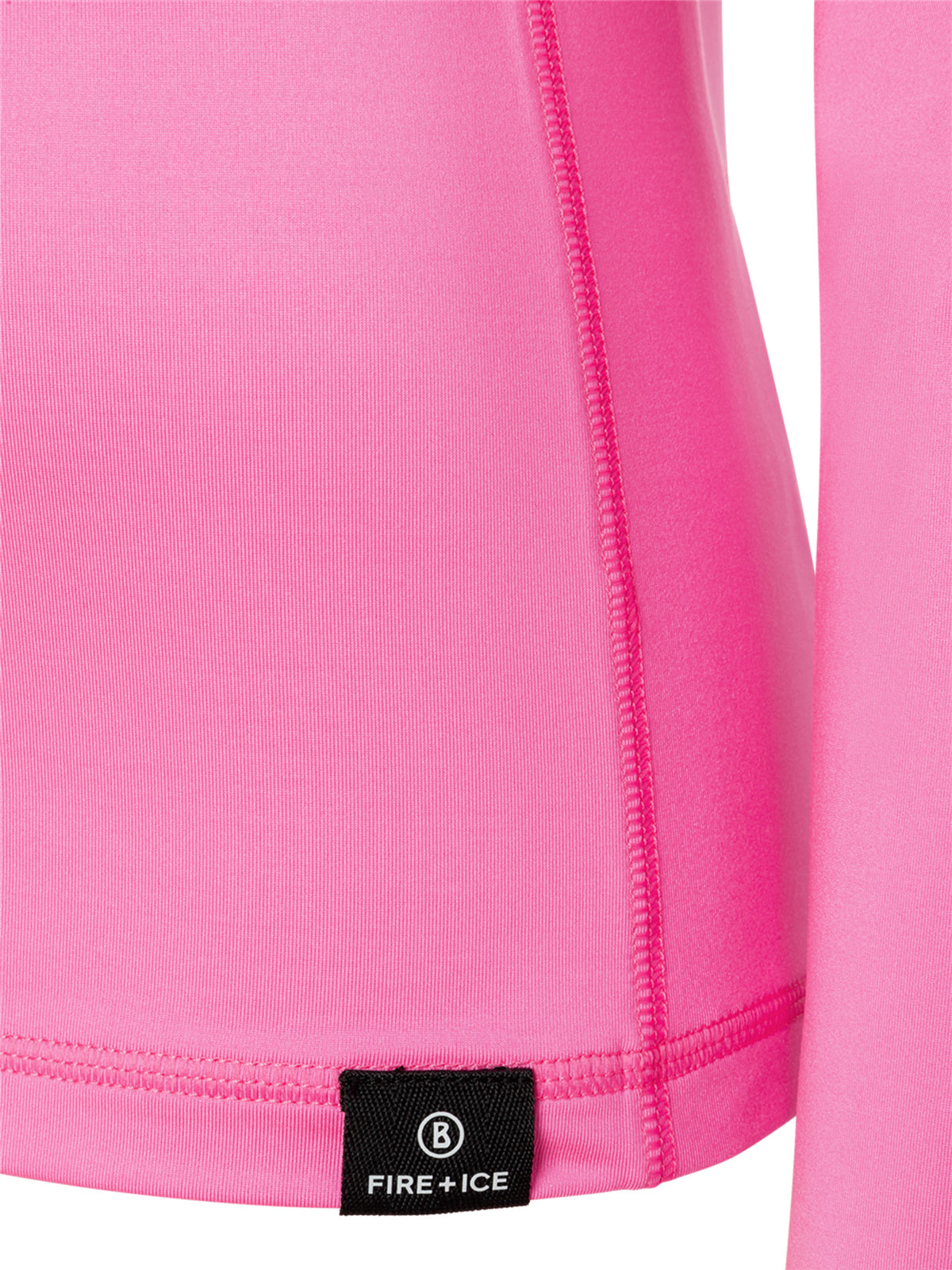


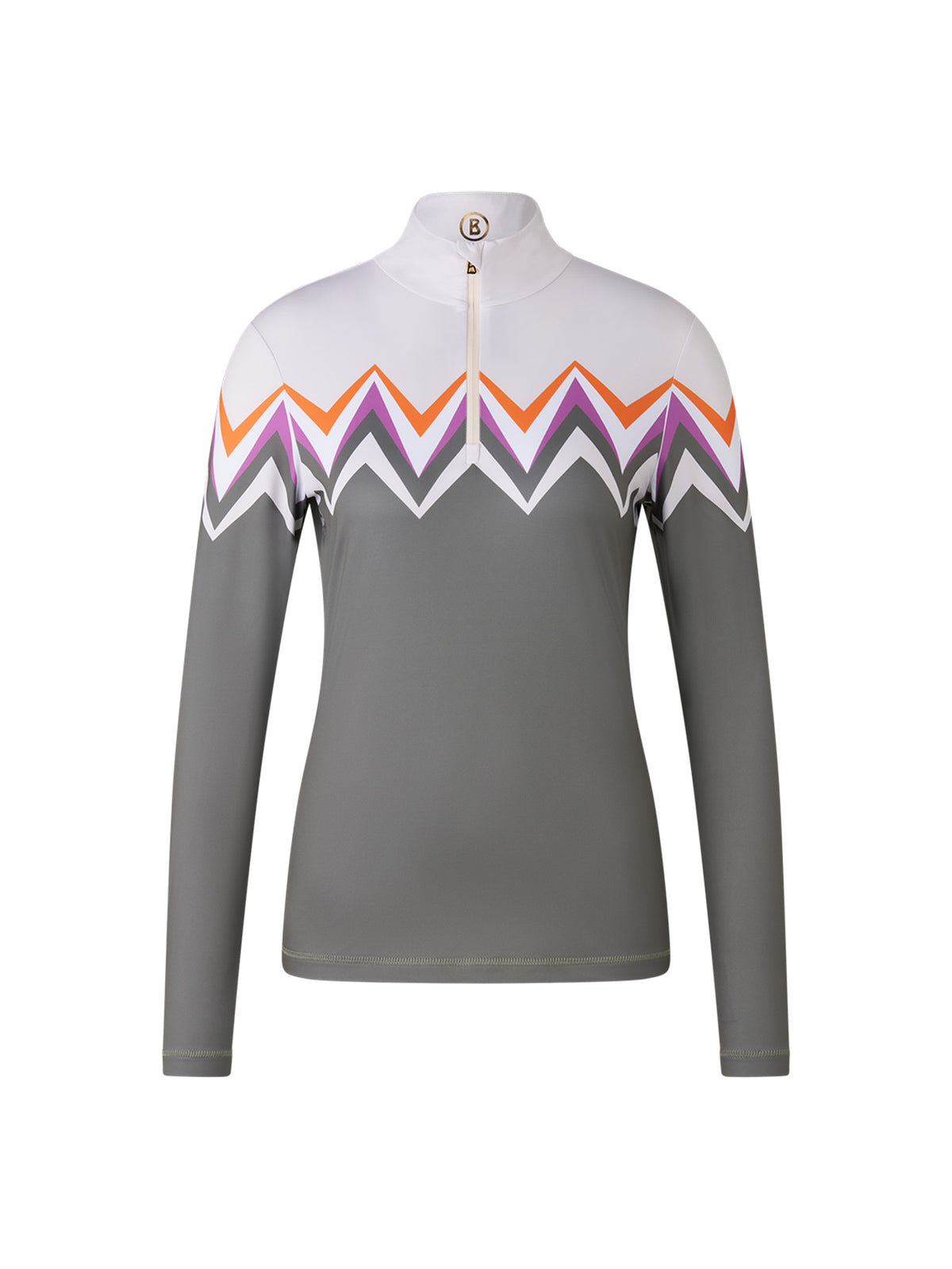
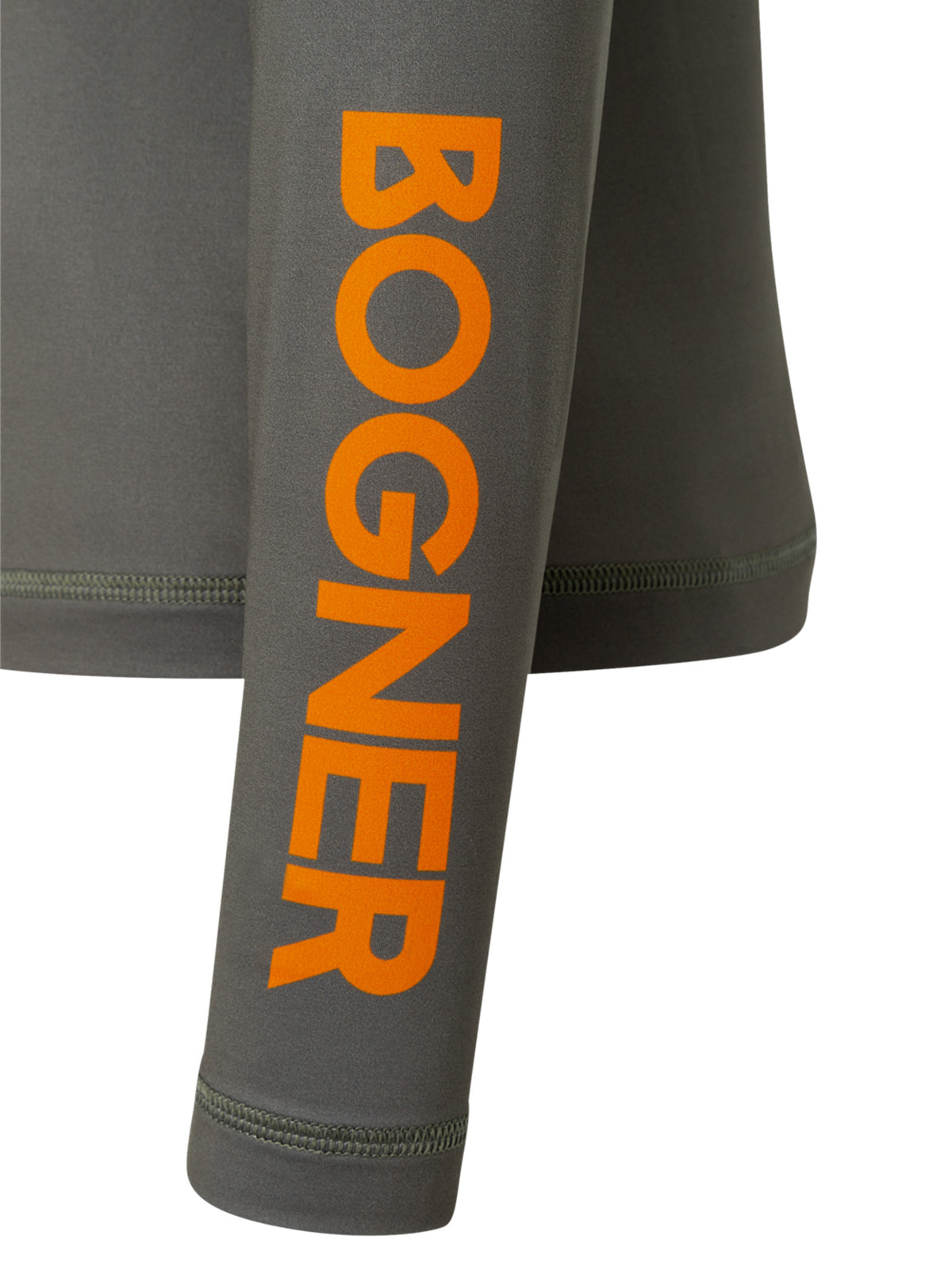


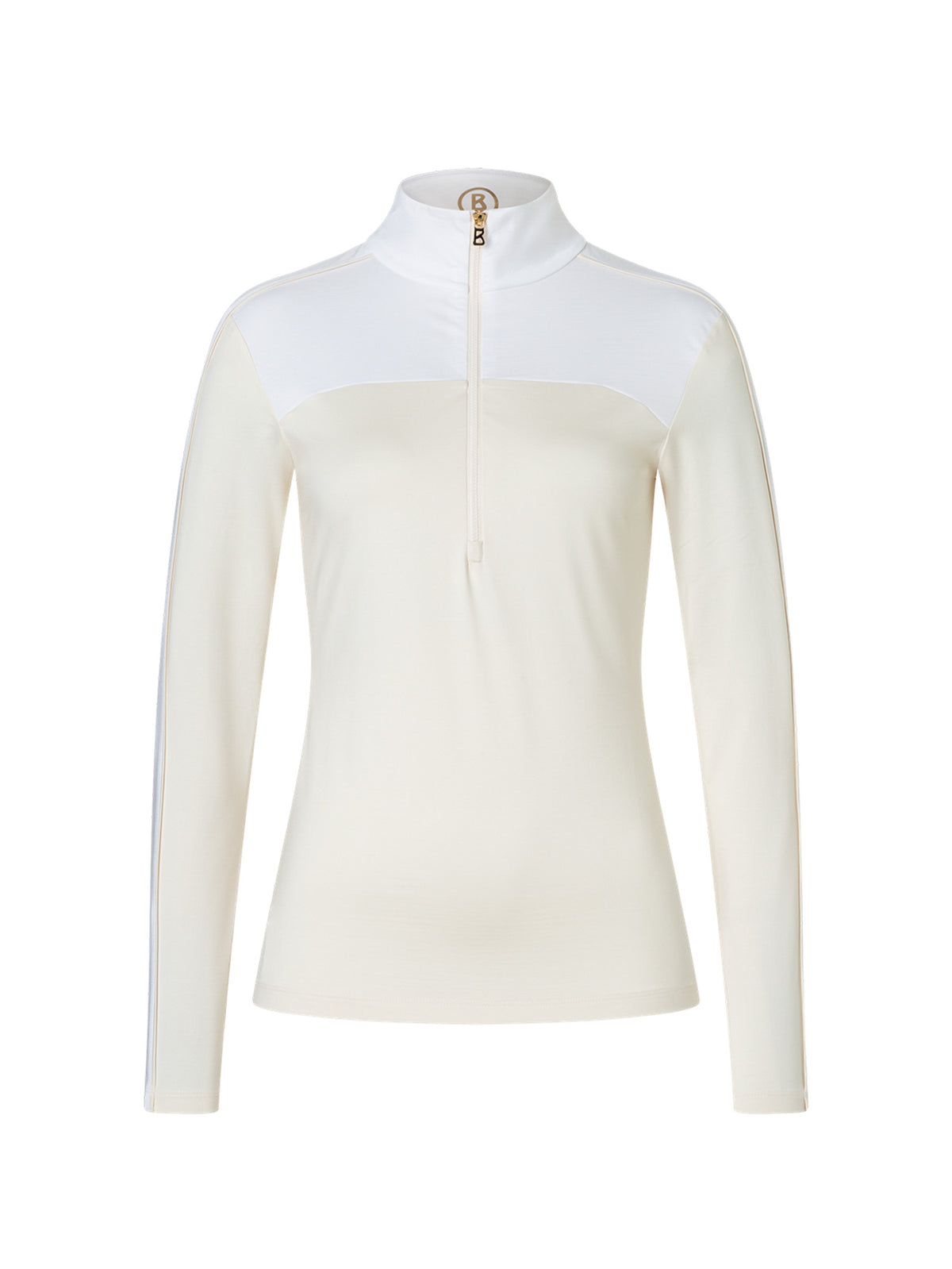
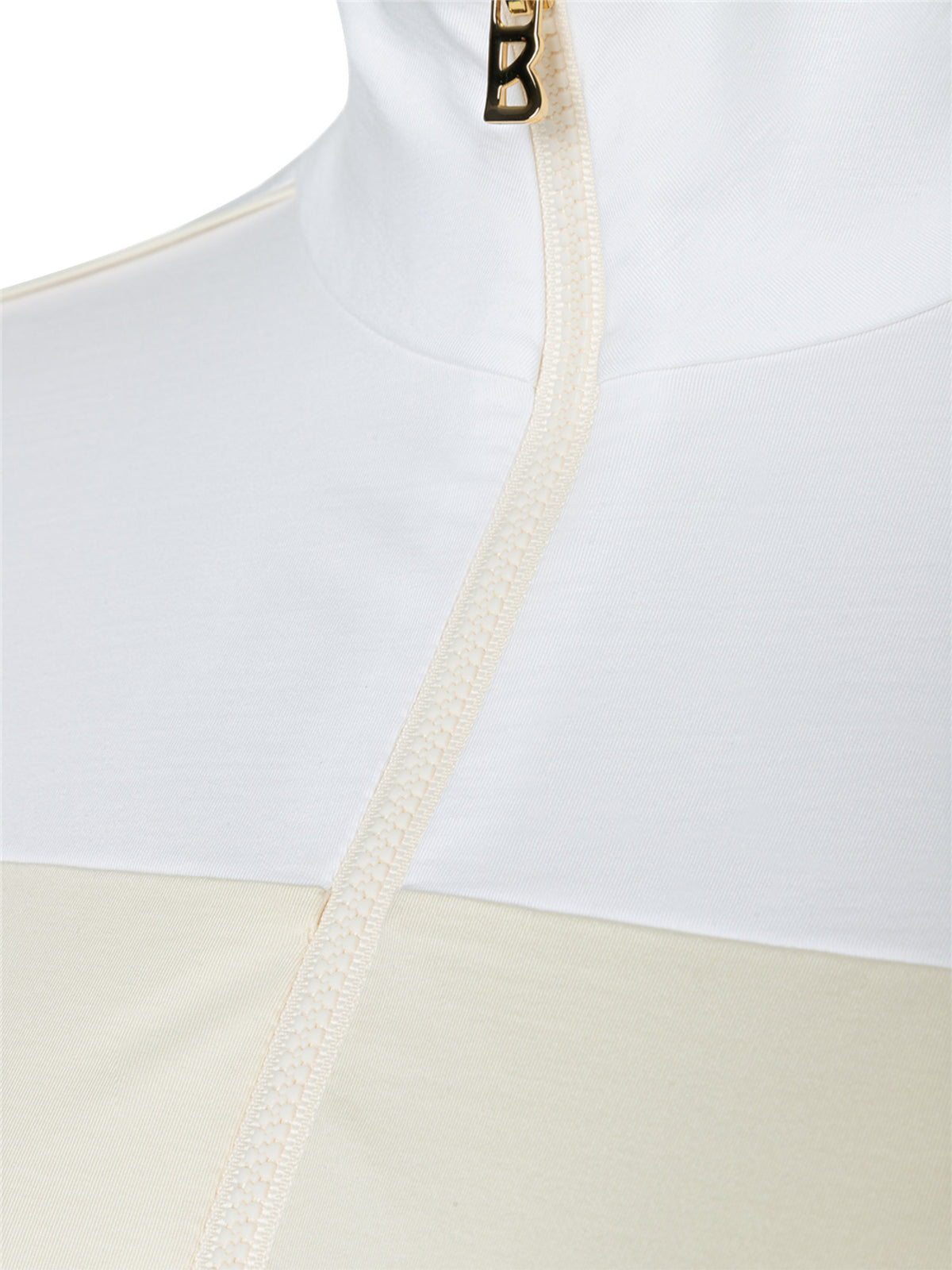
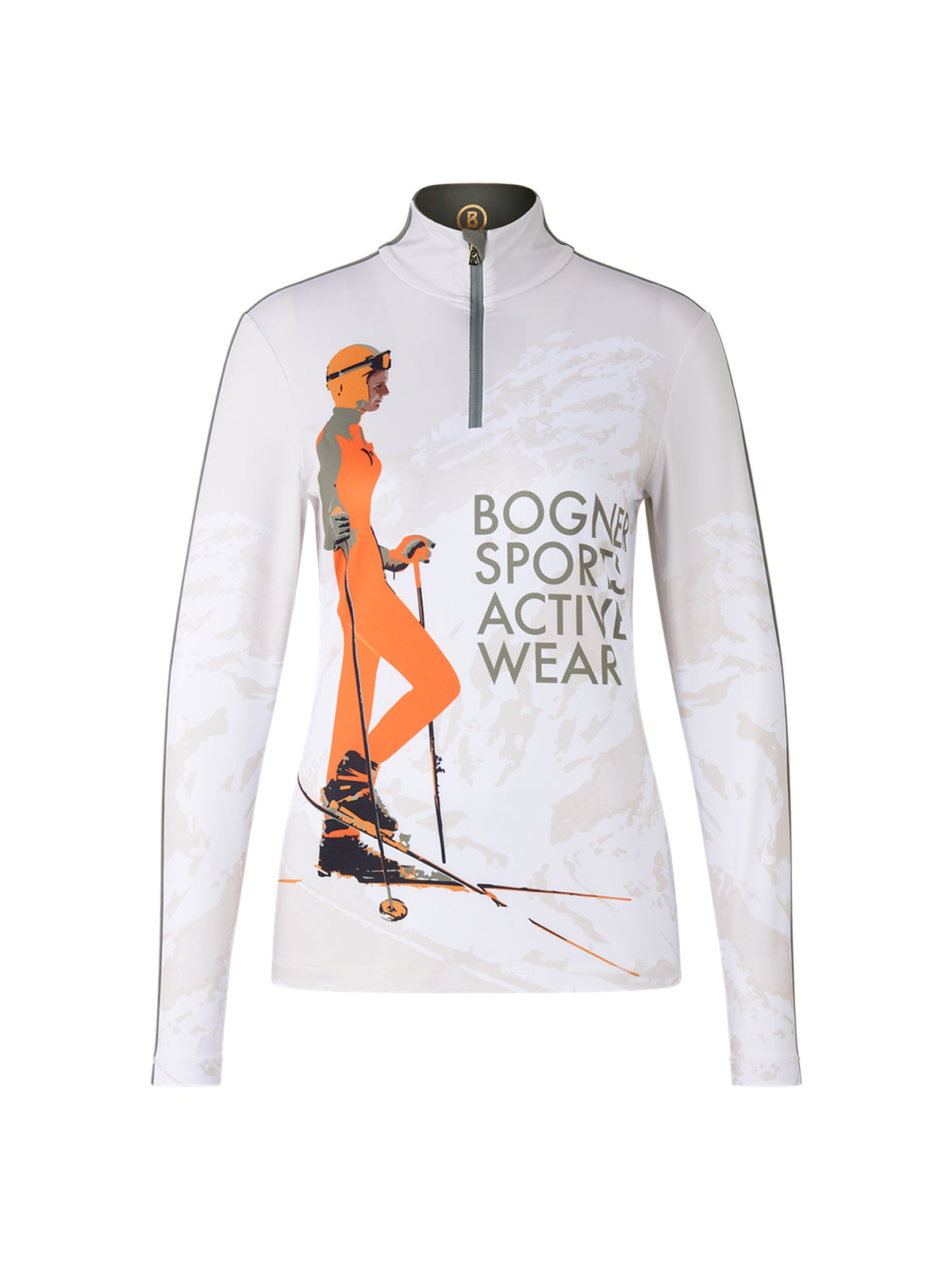
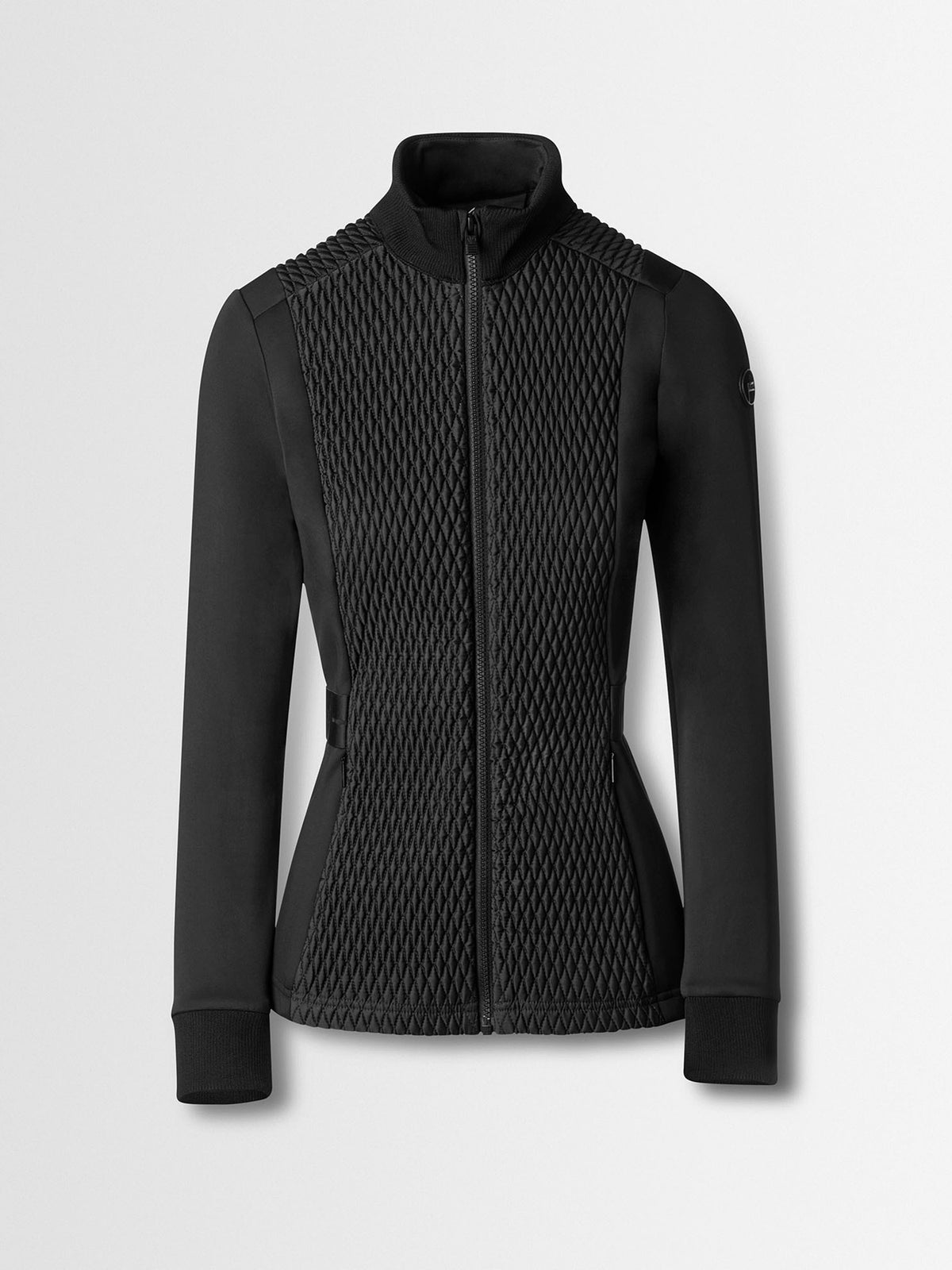
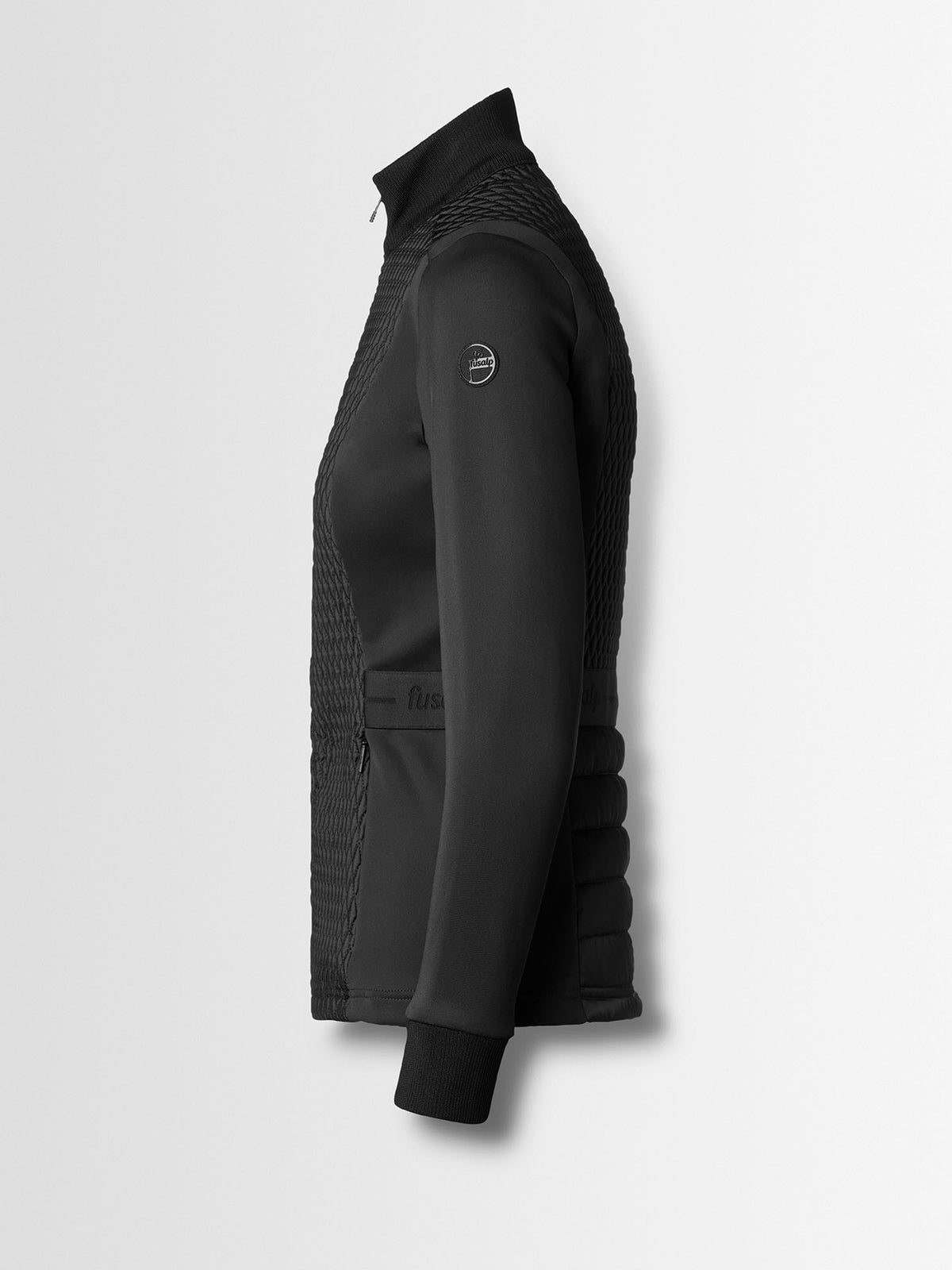
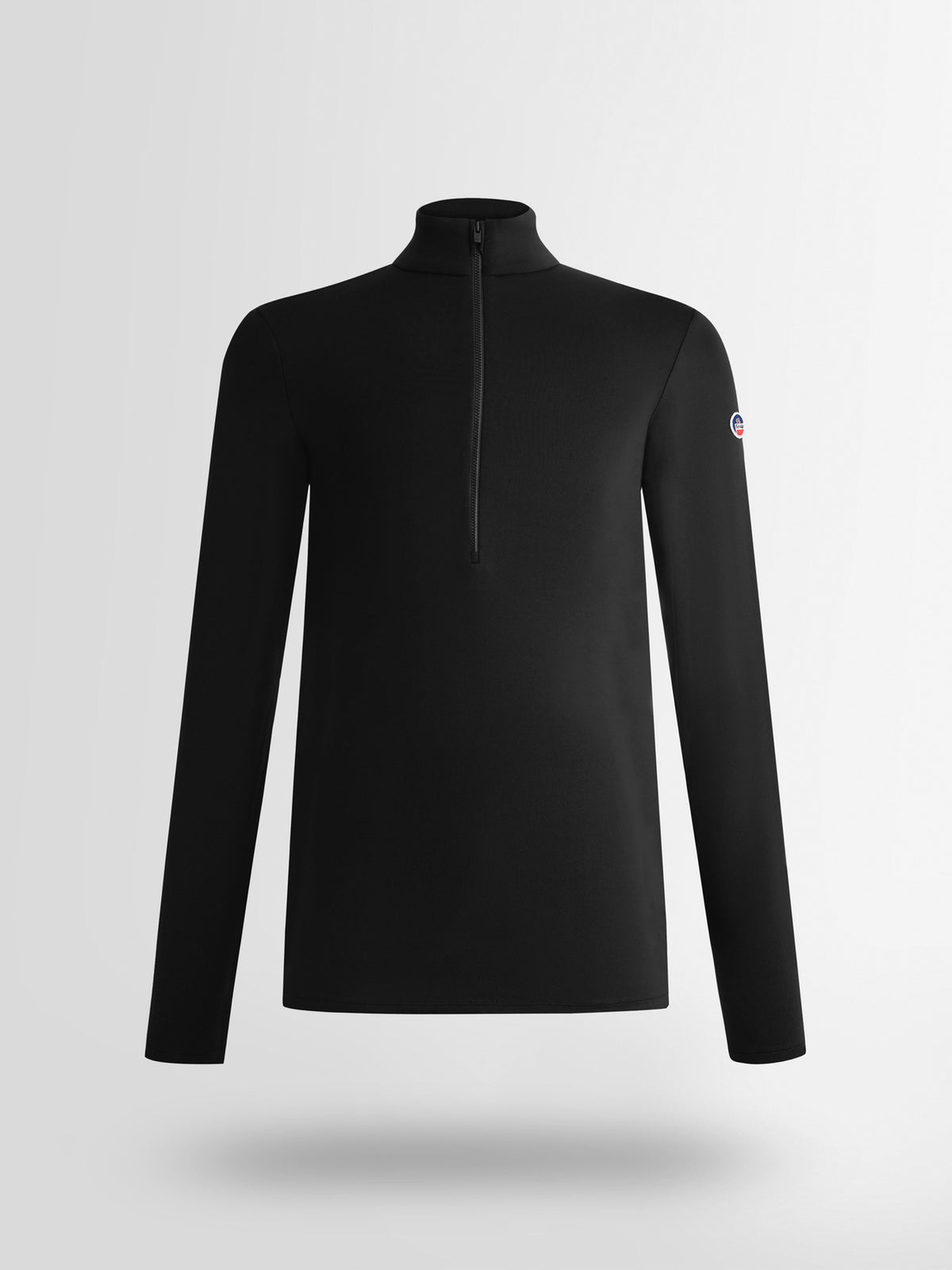
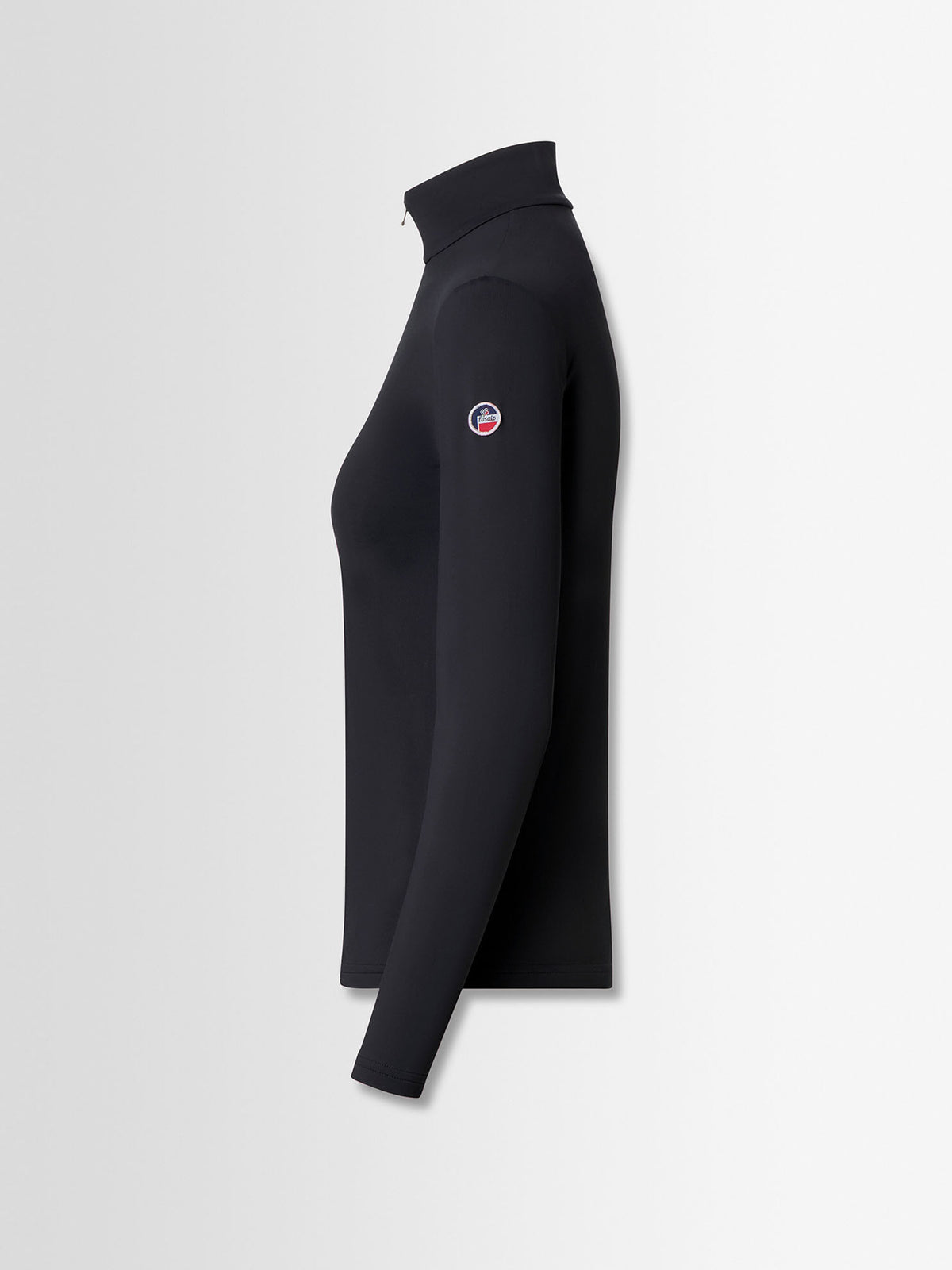


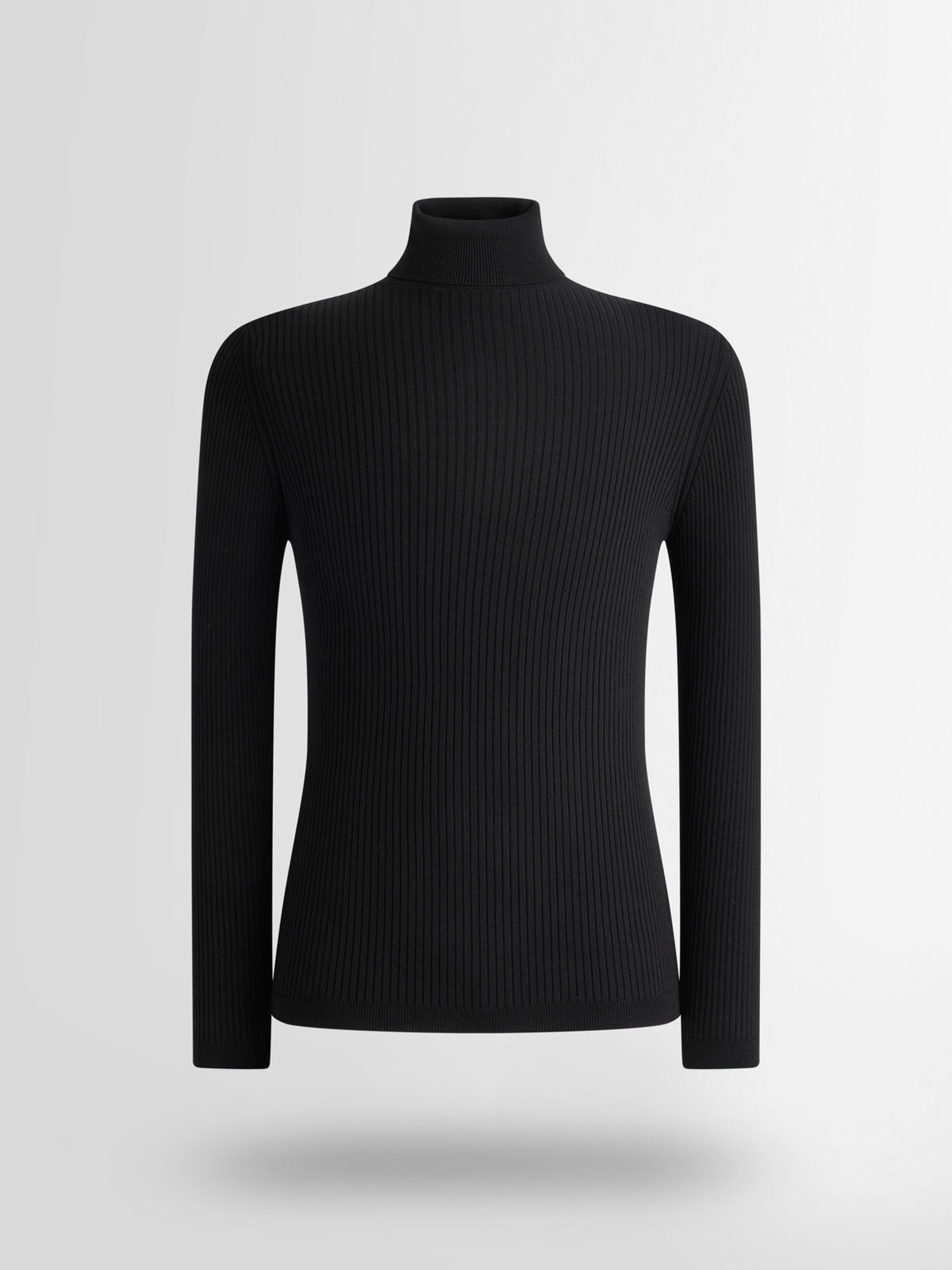
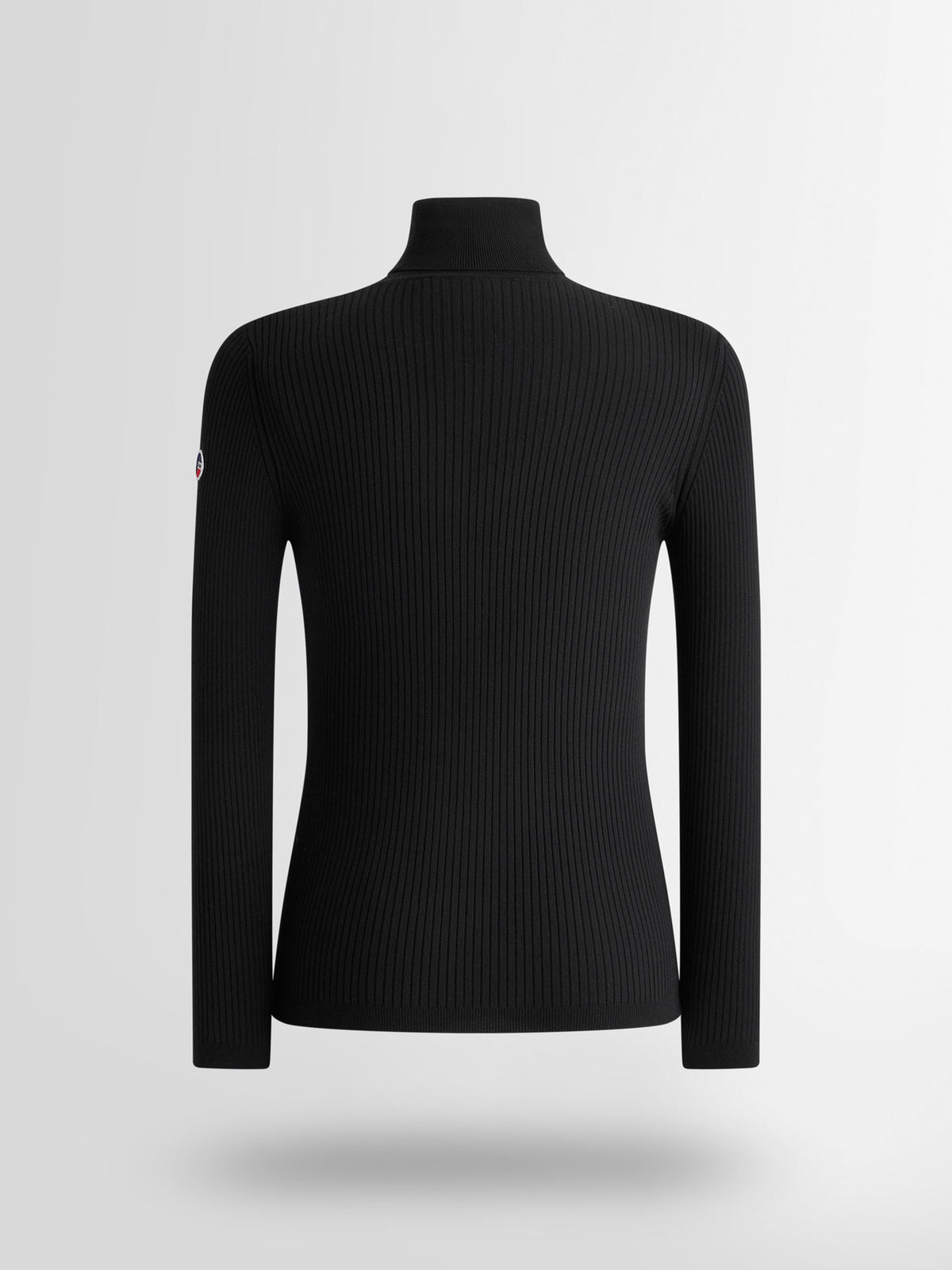
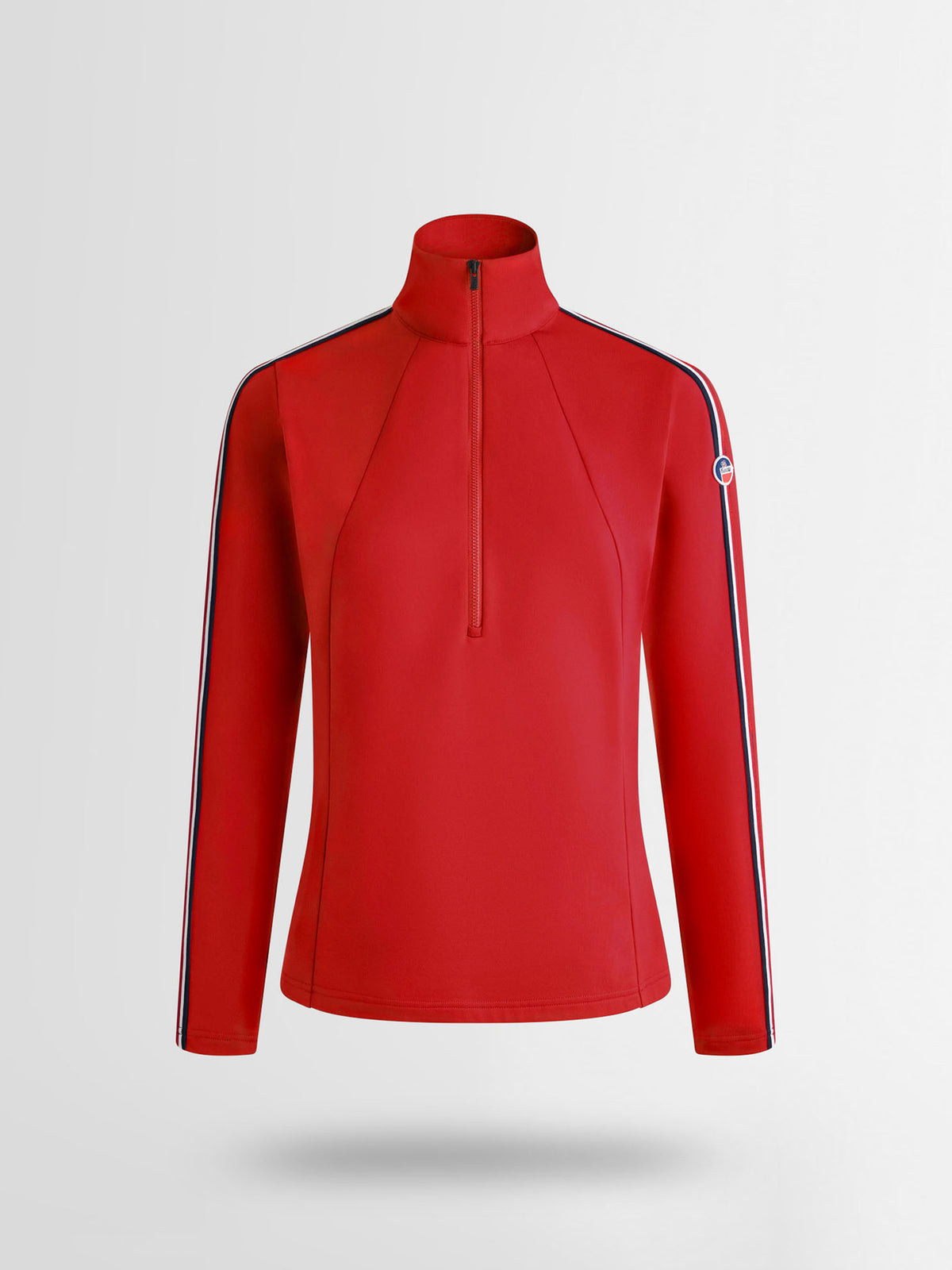


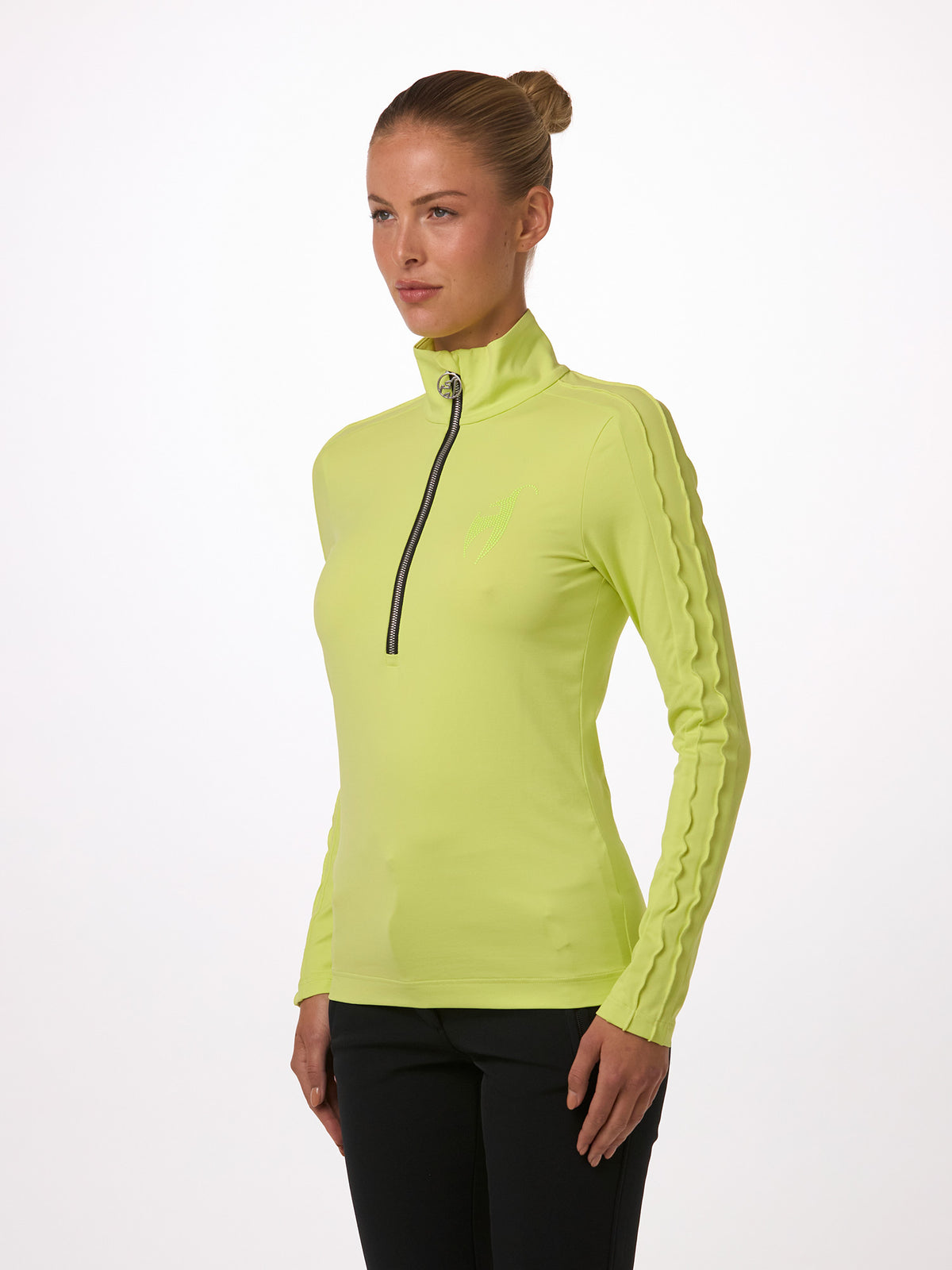
Choose women's base layers and ski turtlenecks by their role
When it comes to a ski outfit, not every thin-looking top is the same type of layer. A base layer, in the true sense, is worn next to the skin and forms the foundation of the outfit. A ski turtleneck, a light fleece, or another athletic top layer, however, can play a different role. The specific construction of the model is decisive. Therefore, first choose the task the new top should fulfill in your outfit.
Are you looking for the first layer directly on the body, a slightly thicker visible layer, or a high collar under your ski jacket? These requirements lead to different forms. For expressly close-fitting underwear, women's functional underwear offers a separate entry point. Here, the comparison of base layer and ski turtleneck forms with their necklines, closures, and combinations is the focus.
The designation alone does not explain whether additional clothing is intended under a top. A close-fitting functional shirt and a loose ski turtleneck can have different constructions despite a similar appearance. Read the cut and material description together and then integrate the model into your existing outfit. This way, you avoid choosing several items with the same function or replacing a necessary layer based only on its name.
Determine your needs under your jacket
Start with the jacket you intend to wear the top with. Does it already provide significant insulation on its own, or is it primarily used as an outer layer? How much room is left at the shoulders, arms, and torso? An additional top must fit into this structure. More material thickness is not automatically more suitable if it causes the clothing to bunch up in important places or restricts movement.
Your personal routine also helps with the selection. Do you move intensely, do you frequently switch between activity and breaks, or do you want to wear the top visibly after skiing? A high, adjustable collar can serve a different purpose than a simple crew neck. Decide based on these specific situations, rather than looking for a generally as warm as possible or as thin as possible version.
If an additional mid-layer is needed, you can compare further in women's mid-layers. A base layer and a mid-layer are not arbitrarily interchangeable terms. Their roles in the layering system should remain comprehensible, even if individual products have fluid transitions. The specific use results from the described model and your complete combination.
Distinguishing between close-fitting and looser tops
A close-fitting style should fit the body well without uncomfortable pulling at the shoulder, chest, or back. It should not be equated with being as tight as possible. If a top is worn under another layer, excessive folds can, on the other hand, create additional bulk. Therefore, compare the intended fit and pay attention to whether it allows for your movements. A size designation alone does not fully describe this characteristic.
A looser ski turtleneck can deliberately provide more volume. This cannot always be transformed into the same shape as a tight functional shirt simply by choosing a smaller size. Sleeves, torso length, and collar also change in the process. First, choose the appropriate cut, and then the suitable size. This way, you can see what silhouette the top itself dictates and what effect only comes from an inappropriate change in size.
Try on your favorites with the intended underlayer. If a model is meant to be worn directly on the skin, this feeling is relevant. If you plan to wear your own shirt underneath, it belongs in the comparison. Do not assume both cases are identical in use without trying them. The additional fabric can make a noticeable difference at the collar, armpits, and hem.
High collar or more open neckline
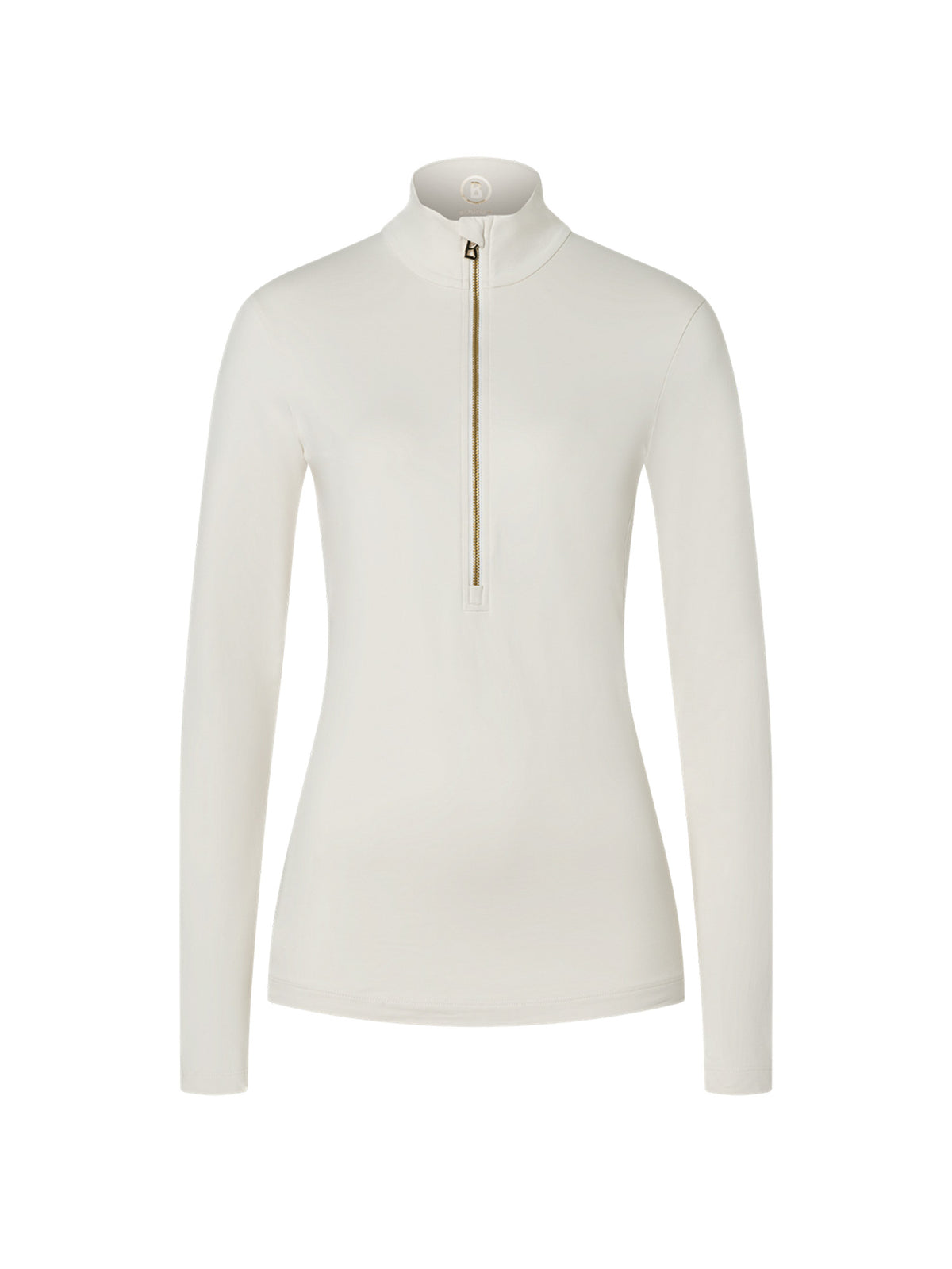
A ski turtleneck with a high collar covers the neck differently than a crew-neck top. The crucial factor is how the closure fits and how it interacts with your jacket. A firmer collar can maintain a clear shape, while a softer version may fall differently. Try it on in the intended position and move your head. The material should feel comfortable not only when the jacket zipper is open.
If the collar is adjusted with a short zipper, its drape changes when opened. Check whether the closure lies smoothly then and whether it remains comfortable at the chin when closed. This handling is an important difference from a fully closed turtleneck. Choose according to your needs: do you want to frequently change the neck opening during the day, or do you prefer a consistently uniform construction?
Multiple high closures can bunch up at the neck and under the chin. If you also use a scarf, neck gaiter, or a high jacket collar, the entire combination should be assessed. A single top may fit well, but still create too much volume in a layered system. The right solution is then a suitable coordination of the shapes, not automatically a larger outer jacket.
Zipper length as a practical decision
A short zipper allows for different handling than a full-length zipper. A closed top must be pulled over the head when putting it on and taking it off, while a fully openable design can be removed differently. Consider how often you want to change the layer during the day. The closure solution should support this process and not just be a visual detail.
Also, check where the zipper lies under the jacket. Multiple zippers on top of each other can feel different than a smooth construction. Contact at the neck and freedom of movement in the chest area should therefore be considered during fitting. A particularly long or short opening is not a general quality feature. The crucial factor is the function you expect from this specific top.
Material construction and surface feel classification
A smooth functional shirt, a brushed inner surface, and a light fleece are different constructions. The visible outer surface only shows a part of the product. Check the specific composition and the description of the processing. A soft graphic does not prove a specific fiber, and the mention of merino does not automatically mean that a top consists exclusively of it.
For the base layer, synthetic materials, wool, and blends are used, among others. Which version suits your needs depends on the finished product and your use. A blanket superiority of a single fiber would be too simplistic. Pay attention to whether the model is intended as a next-to-skin layer or as an overlayer, and what properties are actually described for it.
Assess the personal material feel where contact occurs: at the neck, in the armpit area, and at the wrists. Different seams or inserts can make themselves felt differently under a jacket. The finished top is the unit of comparison, not just its composition. A material you know from another garment may drape or fit differently in a new processing.
Sleeves and shoulders to complete the outfit
When trying it on, extend your arms forward and raise them to their natural extent. Pay attention to any pulling across the back and whether the torso is pulled up significantly. A comfortable neckline is not enough if the shoulder shape restricts movement. Conversely, a lot of torso width cannot automatically compensate for an overly tight armpit area. The areas must fit together.
Check the sleeves under the intended outer jacket. A sturdy cuff can overlap with the jacket's cuffs, while a long sleeve creates additional folds. If a special opening or thumbhole is present, it should be usable as described. Such details are model-dependent and should not be transferred to every version of the same brand.
With women's ski jackets, you can complement the appropriate outer frame. Shoulder room, sleeve width, and collar together are crucial. The same size on two labels does not guarantee a suitable layering. Try on the combination closed and then assess whether you actually have the intended space where your top needs it.
Connecting torso length and waistband
A longer hem can create more overlap with the waistband, while a shorter top finishes differently. Check this connection while sitting and bending. The preferred way of wearing it should remain comfortable even when moving. If you tuck the top in, not too much material should accumulate in the waistband. If you wear it over, the hem should match the jacket length and the desired silhouette.
The women's ski pants category helps with the selection of the lower structure. Waist height and top length work together. A well-fitting pair of pants can set the standard for the new upper layer. This way, you don't choose an abstractly correct length, but a shape that creates a comprehensible finish in your actual equipment.
Visible ski turtleneck and casual appeal
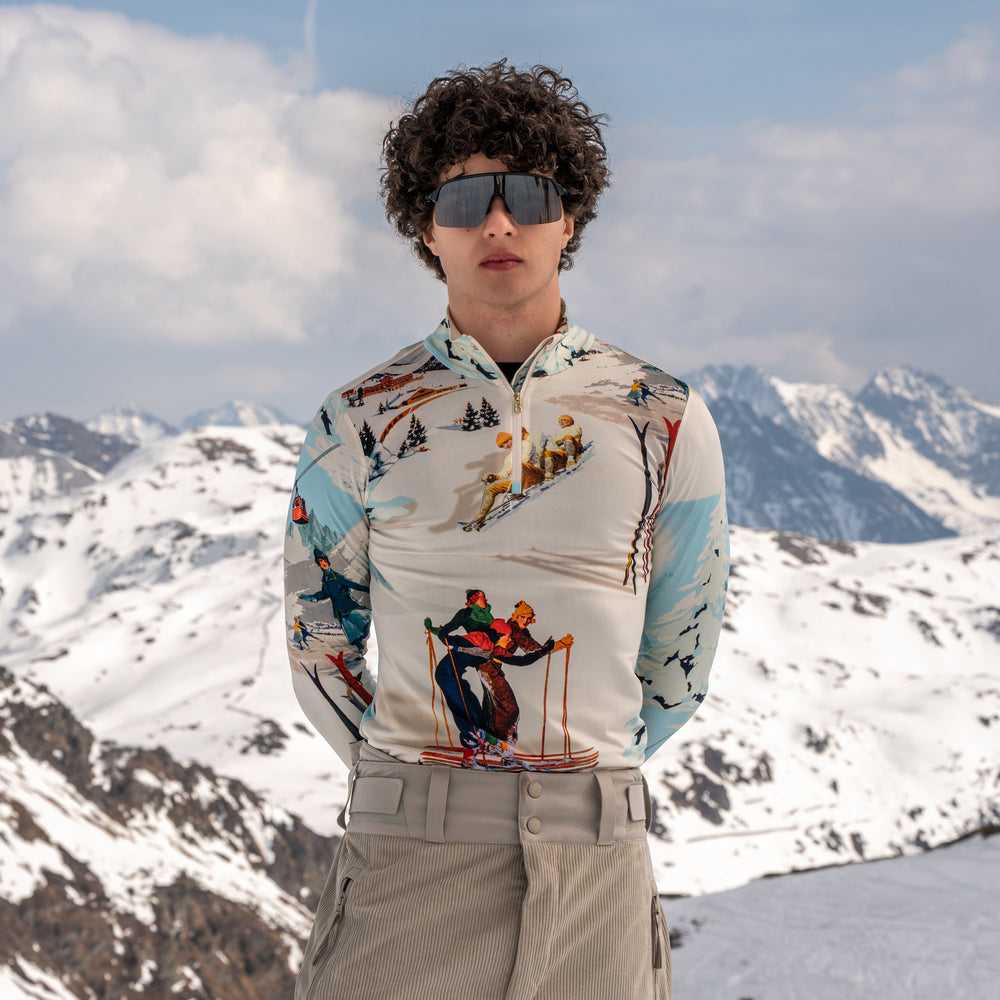
If you wear the top during a break without a jacket, the neckline, cut, and design become fully visible. A subtle tone can easily integrate into different combinations, while a print or a special texture can become the focal point. Decide whether this visible role is important or whether the model primarily remains within the functional layering system. Both can be a suitable task.
However, a fashionable effect does not replace a classification of the intended use. A sportily designed sweater is not a technical first layer just because of its design. Conversely, a suitable functional top does not have to be considered only as invisible underwear. Choose according to the specific construction and combine its design features within this clear purpose.
Care and final personal selection
Orient cleaning and drying according to the labeling of the individual model. Fiber composition, zippers, trims, and different inserts can have their own requirements. A uniform temperature or dryer recommendation for all base layers and ski turtlenecks would be too general. Proper handling is part of the use, especially if the top frequently becomes part of your layering system.
Finally, compare the role in the outfit, neckline solution, shoulder movement, and torso length. If these points are correct, you can decide on the desired color and visible design. This way, you will find a women's top whose construction you can understand and which sensibly complements your existing layers, instead of just adding another similar name to your selection.
04At FREUDENHAUS
05Questions about the category