





Women's Ski Underwear: Coordinating Fit, Length, and Transitions
Women's functional underwear should fit snugly at the shoulders, waist, and hips and move with you under your ski clothing. Compare the top length, collar, waistband, and leg cuffs with your actual gear. This way, you'll find ski underwear that serves as a close-fitting base layer, matching your warmth needs and other layers.




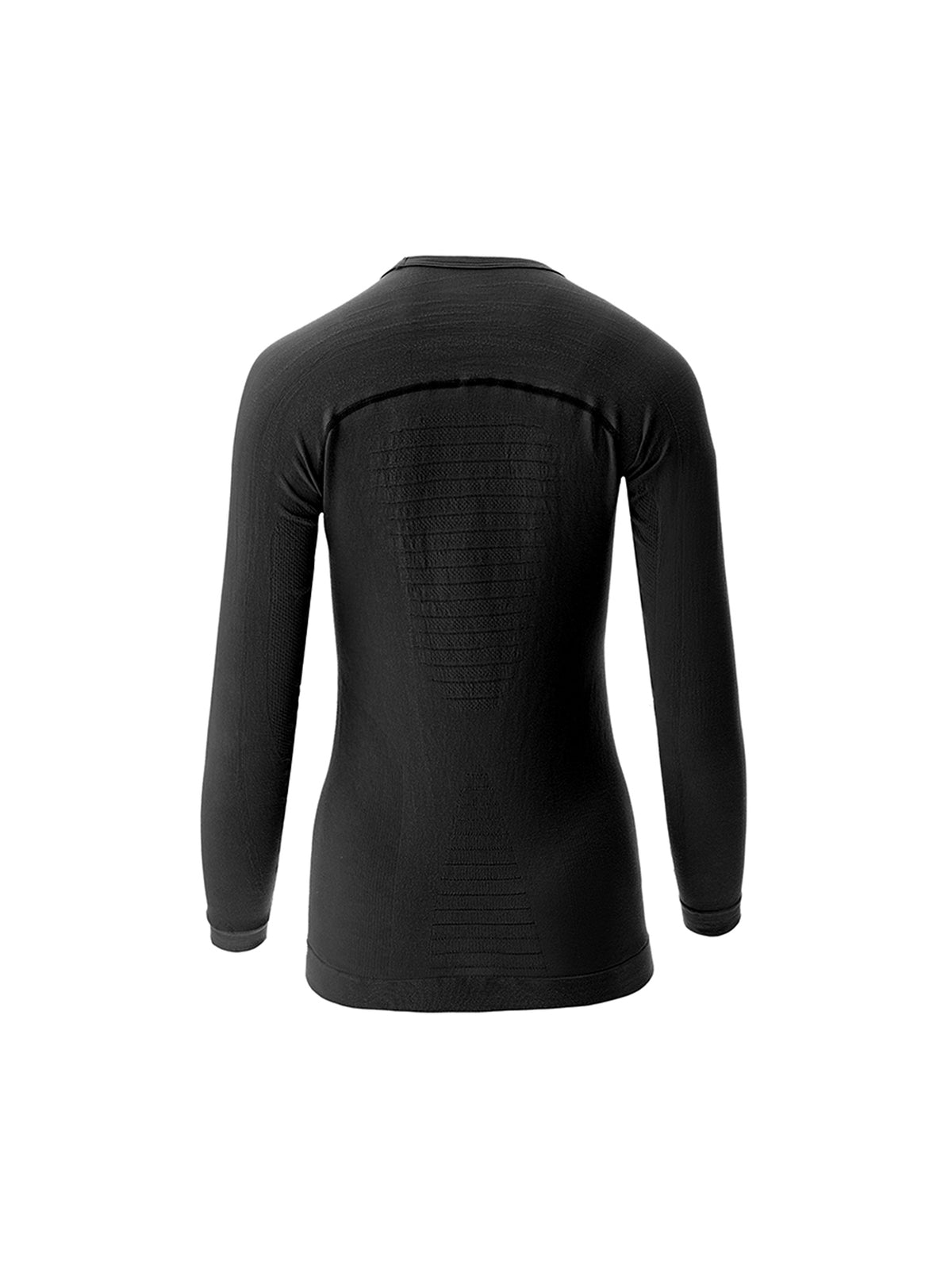


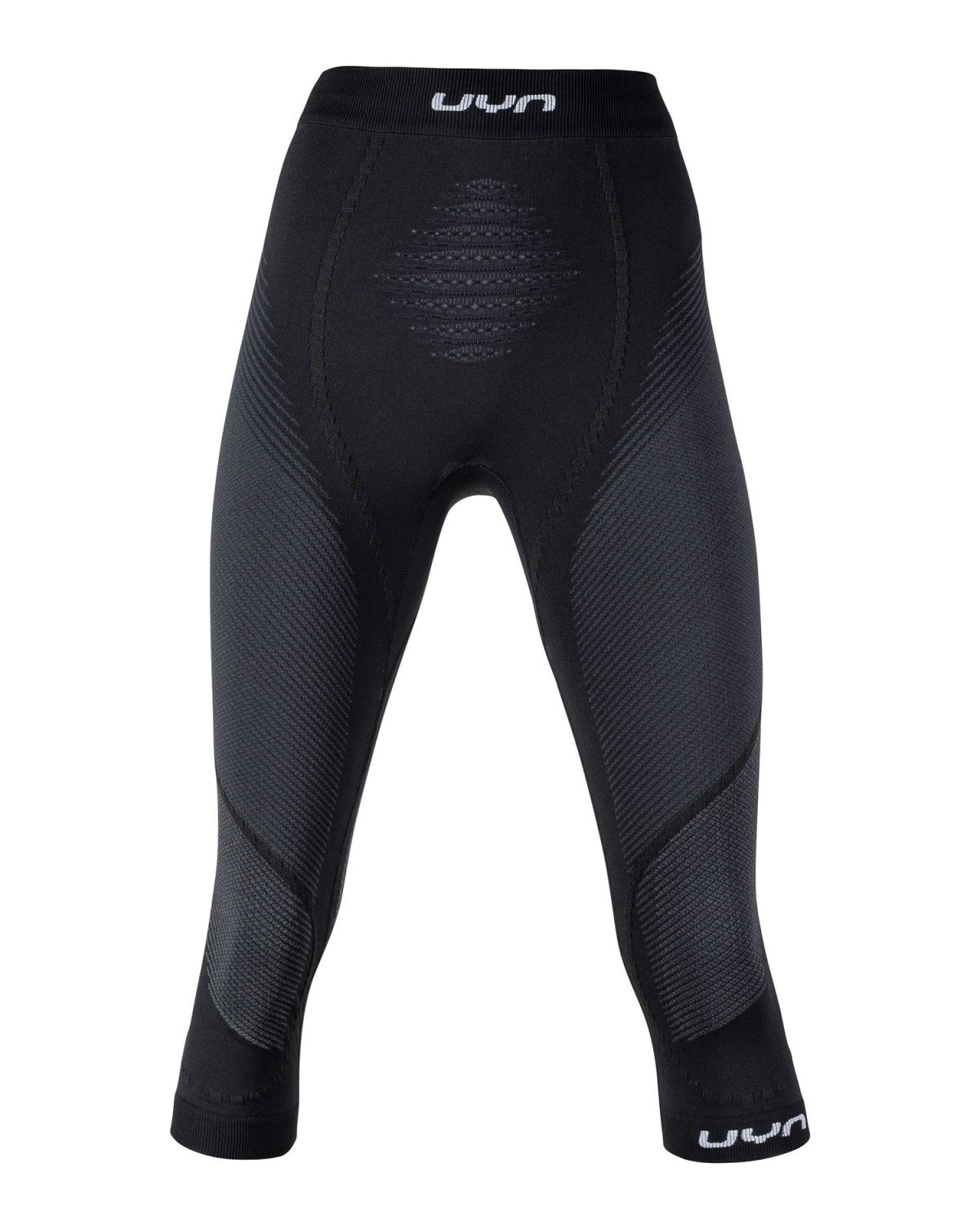
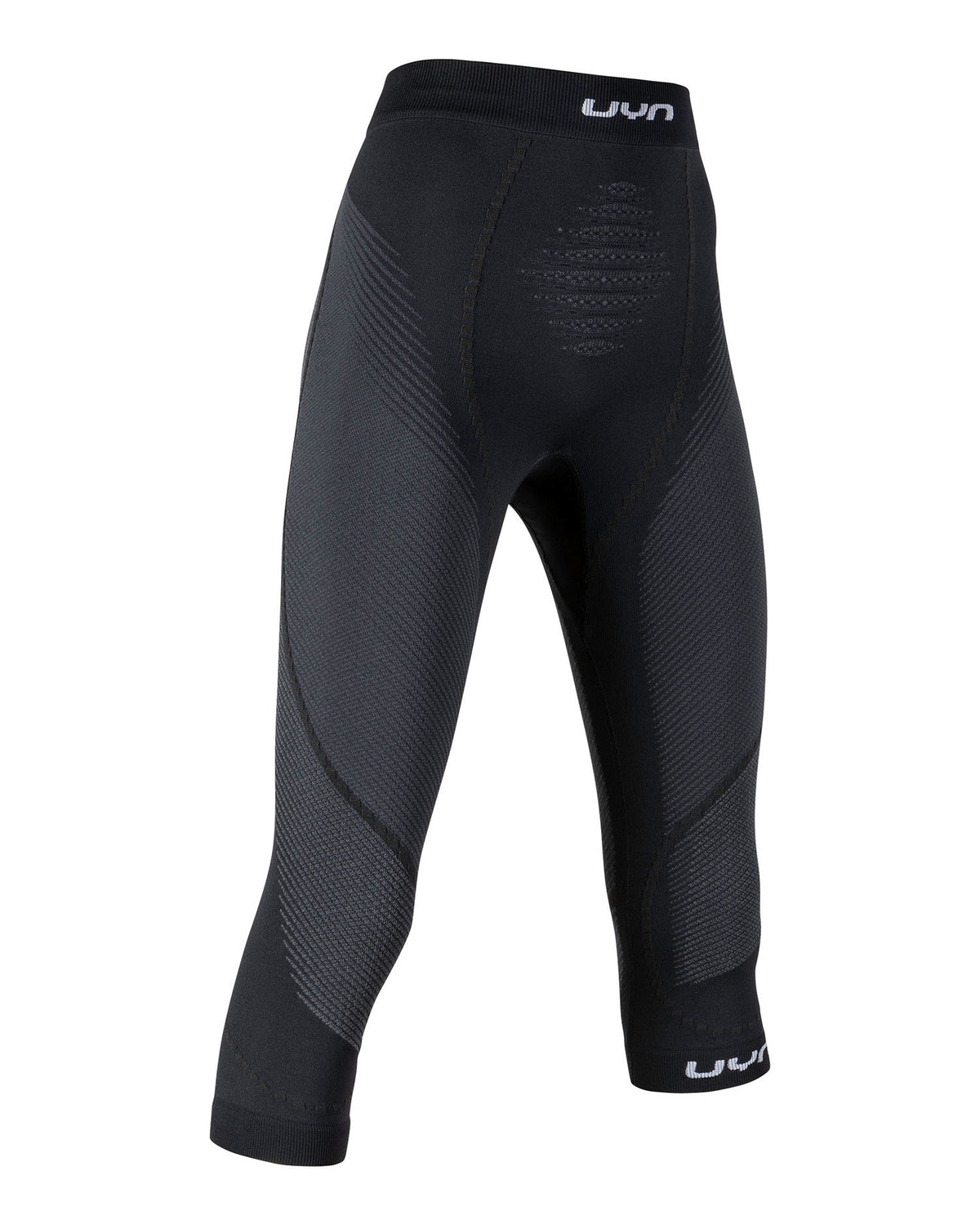


Choosing women's ski underwear according to your fit
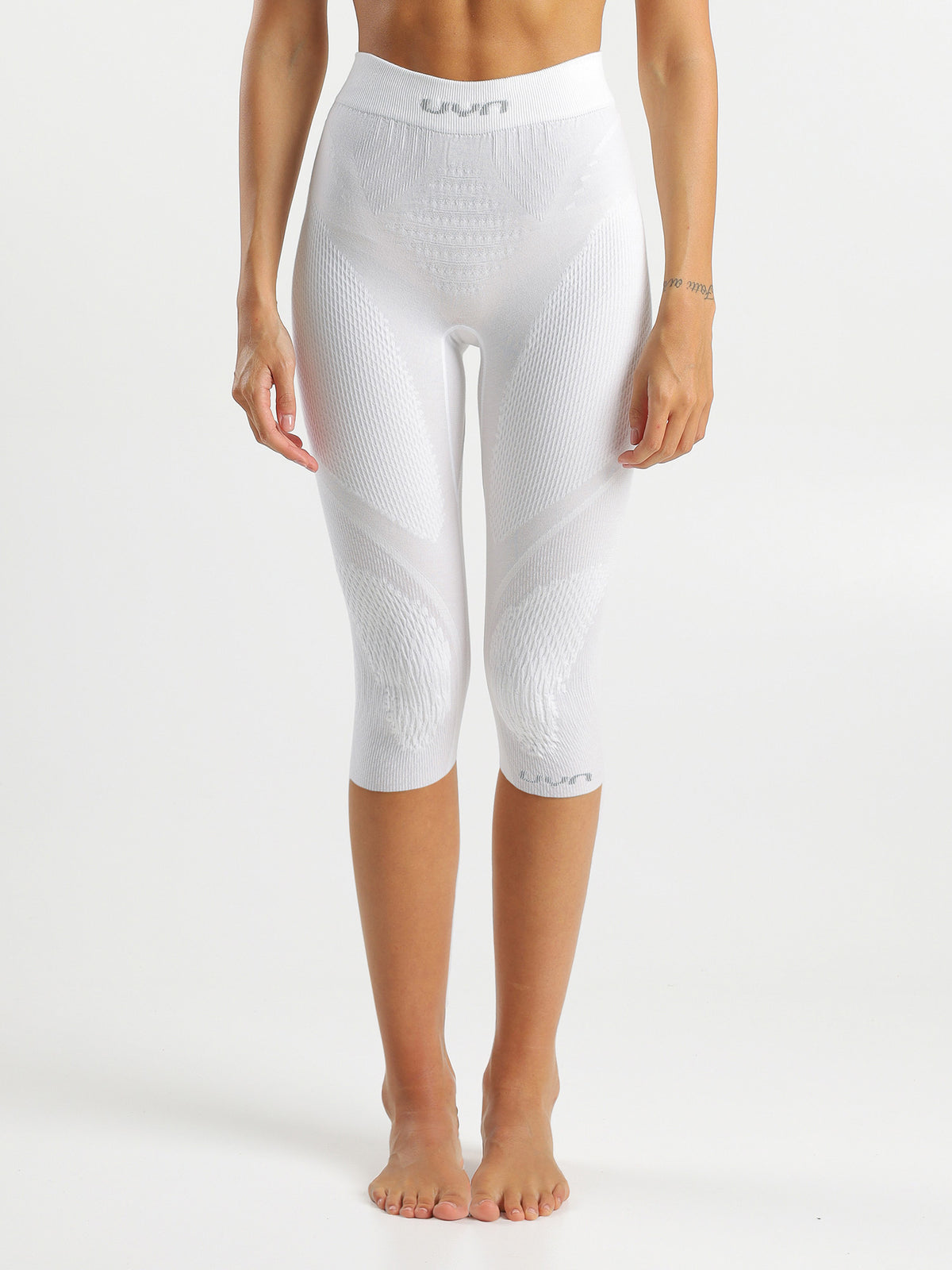
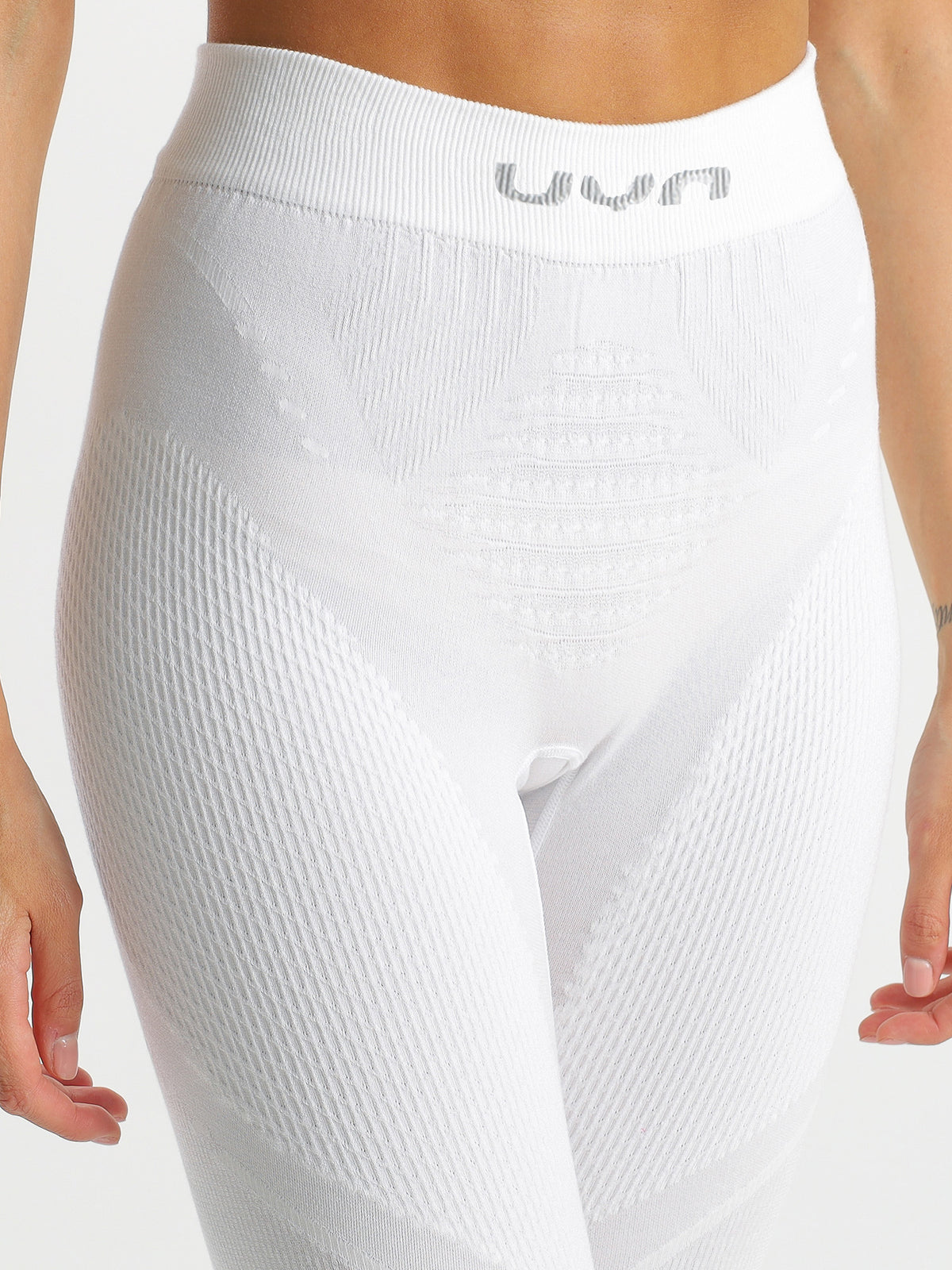
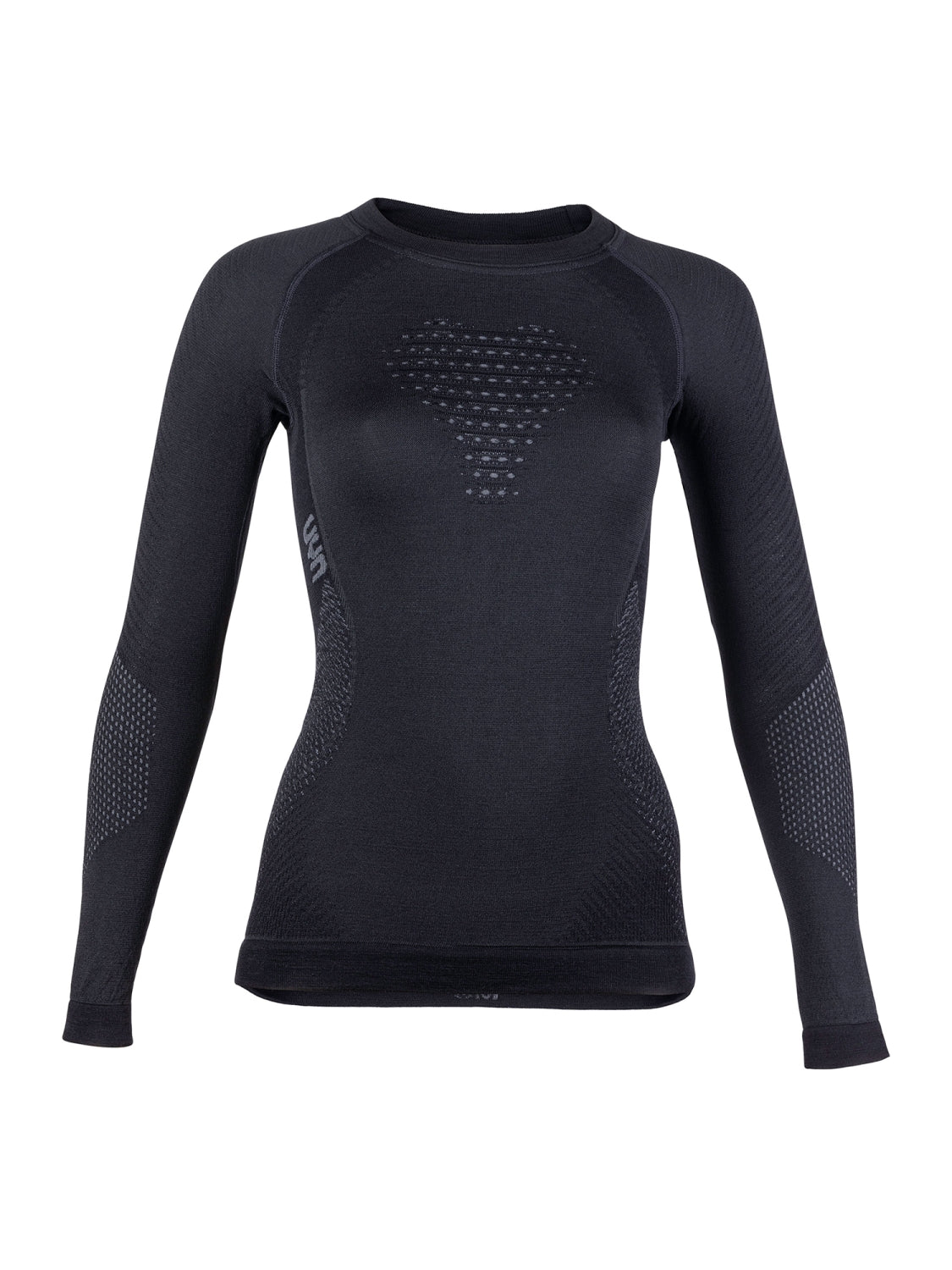
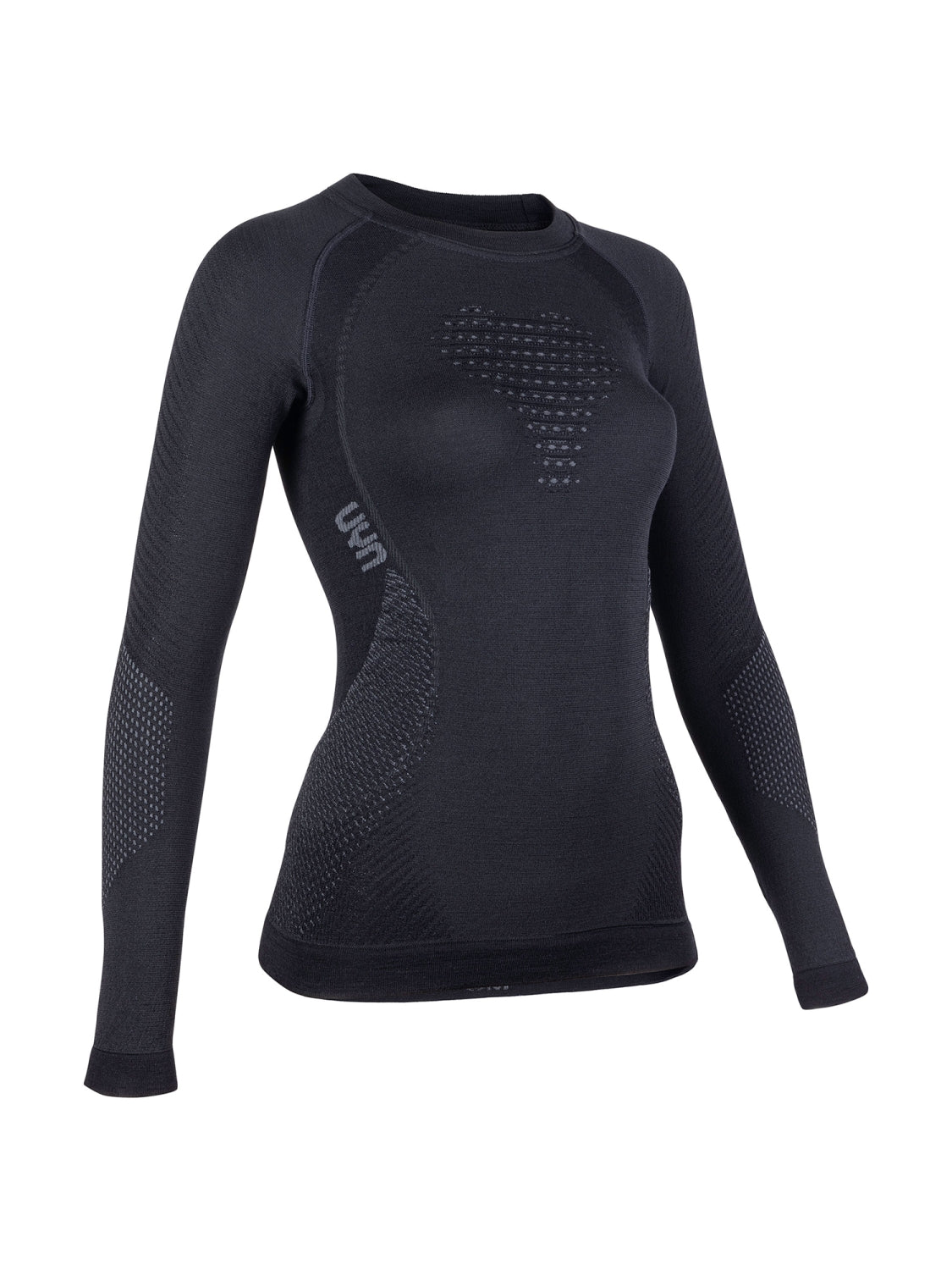
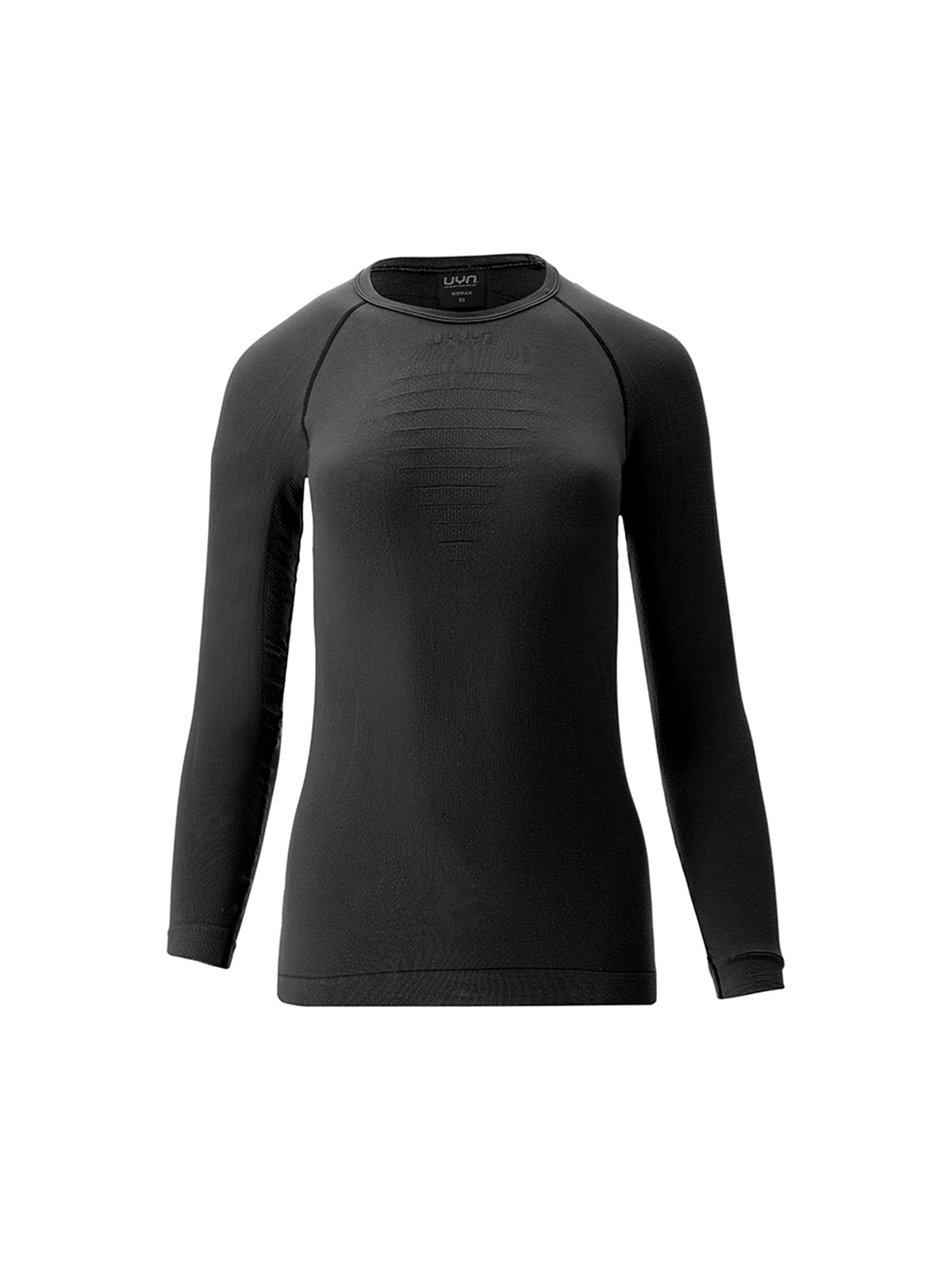
Women's functional underwear is worn under the other layers of your ski outfit. This makes its fit particularly important: a top should fit comfortably across the shoulders, chest, and waist, while the trousers must work with your movements at the waistband, hips, and knees. Start with these body areas and the clothing worn over them. A suitable first layer is not characterized by being as tight as possible, but by lying comfortably in your actual combination.
Before comparing, consider which item you want to add. If an existing pair of underwear trousers fits well, a new top must match its waistband height and material volume. If you select both new, you can also choose the top and trousers according to different needs. More warmth in the torso does not automatically mean that you need the same fabric thickness for your legs. The appropriate layering results from your perception of warmth and the rest of your ski clothing.
Don't just consider top and bottom as a visual set
Similarly designed underwear pieces can form a harmonious set, but they don't necessarily have to fit best in the same size. Shoulder width, waistline, and hip proportions vary individually. Therefore, check each piece independently and then both together. A well-fitting top will not compensate for an ill-fitting rise on the trousers. Conversely, a comfortable pair of trousers should not lead you to accept uncomfortable tension in the top just to maintain the same size.
During a combined fitting, the overlap at the waistband is crucial. The top should retain sufficient length during your typical movements without bunching up into a thick fabric package. Sit down and bend forward. Pay attention to whether the waistband changes position or the hem significantly slips out. A well-thought-out combination can be worn comfortably under your ski trousers and does not need to be readjusted before every movement.
Check shoulder and chest area in motion
A close-fitting top needs enough room across the chest and shoulders. Bring your arms forward, raise them to the sides, and stretch them over your head. Observe whether the fabric pulls tightly in one spot and how the hem moves. The correct fit may change with movement, but it should not restrict your posture. An elastic fabric complements the cut; it does not replace a suitable size and shape choice.
Also check the position of the seams and inserts. Straps or other clothing may lie on the shoulders later. Under the arms, movement changes contact with the skin. If you are sensitive here, pay particular attention to the position of the construction. A flat seam can be comfortable, but its placement must still suit you. Decide based on the actual feel when worn and not solely on a general description of the seam technology.
Plan base layers as part of the combination
The clothing worn directly under a functional top changes its fit. Straps, fasteners, and edges can feel different under the underwear and later under additional layers. Therefore, try on the underwear you actually intend to wear for skiing. A top does not automatically assume the supportive function of other garments. Its purpose and the function of your other underwear must be considered separately and then combined effectively.
Pay attention to the area between the armpit and chest, as well as the back, when you bring your arms forward. Multiple edges should not lie uncomfortably on top of each other there. The neckline shape also plays a role: a wide neckline allows other parts to be visible, while a higher one can cover more area. Decide this combination based on comfort and desired coverage. A test with casually worn everyday underwear may only incompletely represent your future ski outfit.
Match waist length and hem to your ski trousers
The overall length of an underwear top varies depending on body proportions. A model described as long may still end differently on you than expected. The crucial factor is whether the hem maintains the desired overlap when bent. For this, try on your intended ski trousers. Their waistband height influences where the first layer sits and how much fabric you might want to tuck in. Assess the connection when sitting and standing.
The women's ski trousers will help you plan this outer combination appropriately. A different top length may be comfortable under a higher waistband than under a lower-sitting style. Avoid thick folds exactly where several closures meet. A longer piece of underwear is not automatically better if its extra fabric is constantly bunched up. Look for a length that serves its purpose and can be distributed well within the complete outfit.