











Smith Eyewear and Helmets: from Sunglasses to Ski Outfits
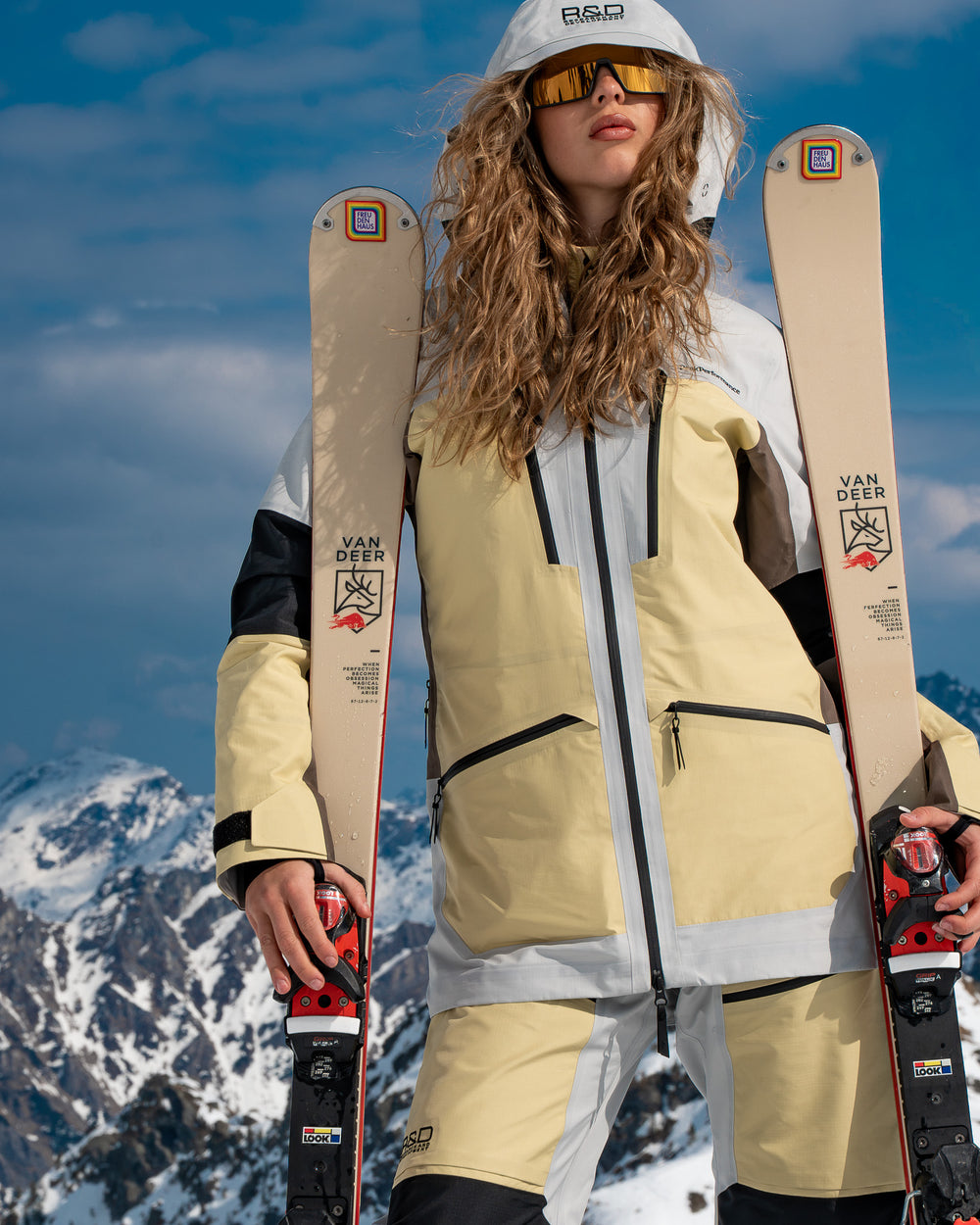
In this brand overview, Smith connects sunglasses with ski goggles and ski helmets. Start with your intentions and then compare frames, fit, and specific lens designs. At FREUDENHAUS Obertauern, you'll find both an introduction to everyday eyewear and a connection to the dedicated SMITH SNOW world for your day in the snow.
02Discover
Categories.






03More than a lens insert
Another day.
Another look.
Smith as a Brand Overview for Various Needs
Sunglasses for everyday use, ski goggles, and a ski helmet are chosen based on different criteria. Smith connects these product areas without them being interchangeable. The brand overview at FREUDENHAUS Obertauern helps you find the right starting point. For sunglasses, frame effect, dimensions, and lens design are particularly relevant. For ski goggles, facial fit and interaction with the helmet are added considerations. A helmet, in turn, must fit you as an independent protective product in the intended size and design.
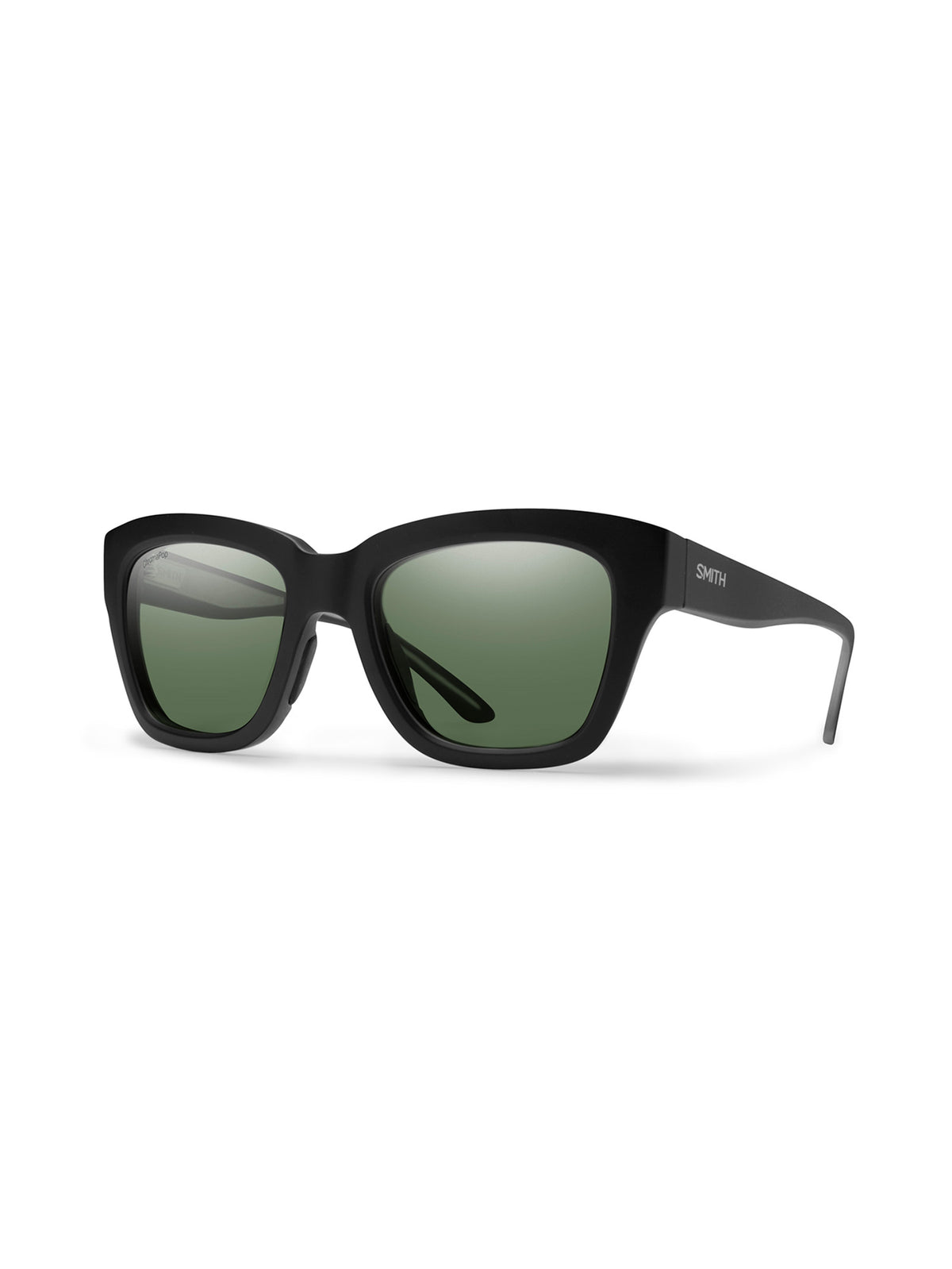
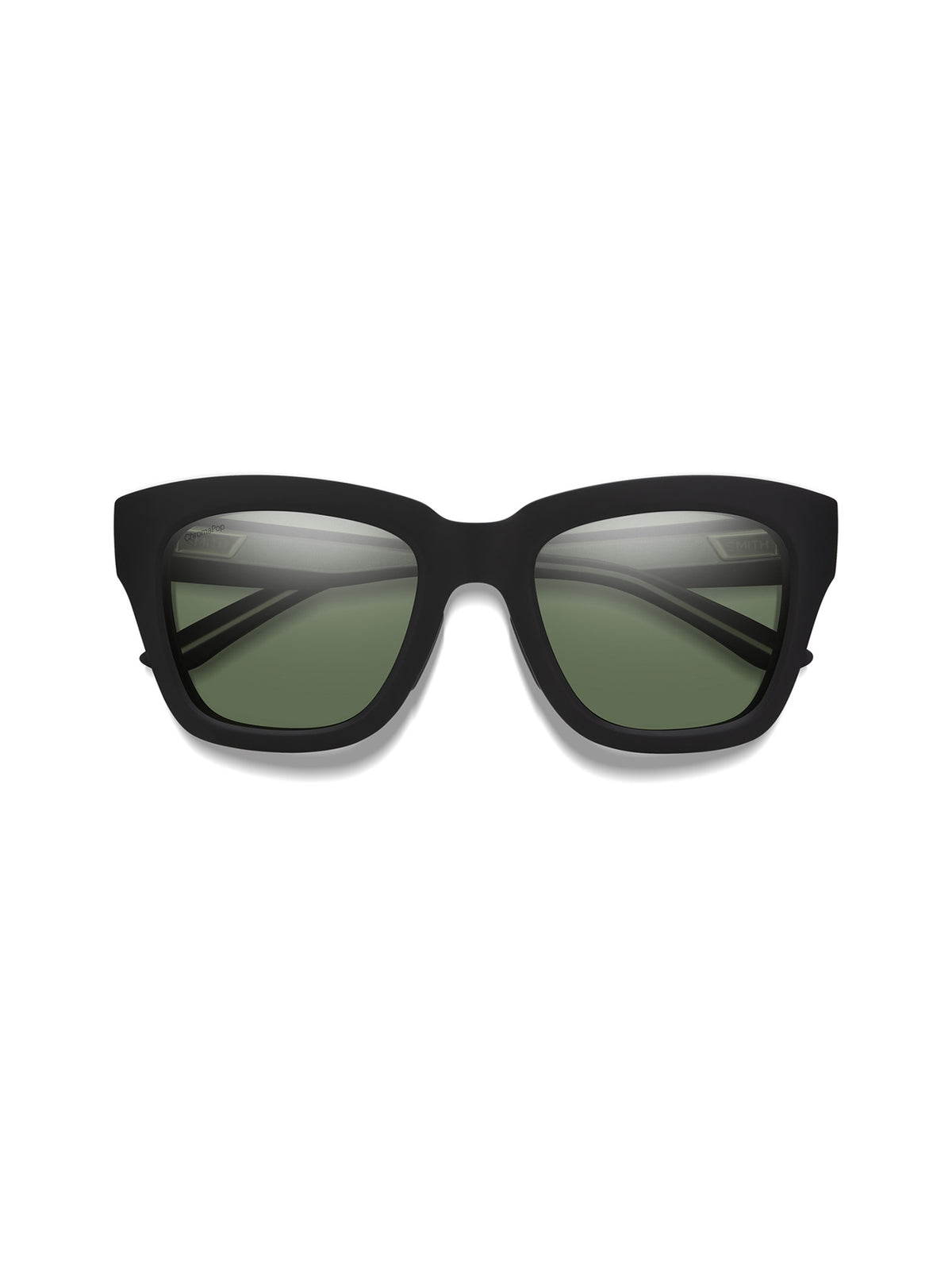
The selection thus includes more than just snow sports equipment. A Smith Sway sunglass, for example, complements the brand world for other everyday situations. For a targeted look at ski goggles and ski helmets, the dedicated SMITH-SNOW selection provides further options. First, decide which type of product you are looking for. This allows you to weigh the relevant features meaningfully, rather than making a particularly striking technology the most important purchase criterion across all application areas. The specific item description shows which features are actually present.
Smith Sunglasses: consciously choose the frame shape
For sunglasses, the contour, strength, and size of the frame influence the expression. Smith, for example, describes the Sway as a more generous cat-eye shape with a stronger frame. Such a silhouette looks different from a narrow, inconspicuous frame. The deciding factor is whether you like this presence and how the glasses sit on your face. A fashionable shape does not have to be chosen based on a rigid assignment to specific face types. Try out whether you prefer a visible accent or a more subtle addition to your wardrobe.
The appropriate overall width and fit at the nose area remain important regardless of the style. For the Sway model under consideration, Smith mentions soft nose pads and adjustable temple cores, among other features. Such details belong to this specific model and do not replace an individual fit check. A frame described as a medium fit can also have greater coverage. The visible lens size alone therefore does not reliably indicate for which face width a pair of glasses is intended. Compare measurements and actual contact on the face together.
An existing, well-fitting pair of glasses can serve as a reference. Note the lens width, bridge, and temple length, and also pay attention to the curvature. With a different frame, identical measurements can still lead to a different fit. Pay attention to whether the glasses slip during normal movements or press against your temples. The overall selection of sunglasses offers further shapes for comparison. Only when the frame fits is it worthwhile to make a more precise decision between different lenses and colors.
Distinguishing ChromaPop, Polarization, and Photochromatic Lenses
ChromaPop is a lens technology by Smith that aims to influence color and contrast perception. Polarization serves a different purpose: it can reduce certain reflections from surfaces. Both features can occur together in an explicitly described version. However, this does not mean that every ChromaPop lens is automatically polarized. Read the complete lens description of the item. A short brand or technology note alone does not contain all the information you need for comparison.
Photochromatic lenses, in turn, change their tint under the intended light conditions. This distinguishes them from both a fixed tint and polarization. When choosing between several Smith variants, keep these properties separate. First, ask which function is helpful for your use, and then check whether the specific lens possesses it. A striking mirror coating is not a reliable proof of any of the technologies mentioned. Similar colors can also denote different designs and light transmission levels.
Light Transmission as a Practical Guide
Light transmission is often indicated as VLT. A higher value means that more visible light passes through the lens; a lower value means less. This allows a lens to be better related to the described light conditions. However, the number alone does not represent all protection or quality features. Compare it together with the intended use and further manufacturer specifications. A dark lens is not automatically suitable for every day, especially if your routes frequently alternate between brighter and shadier areas.
For lens color, your personal perception also comes into play. How you perceive the environment through a certain tint can only be assessed to a limited extent based on a product photo. Use the indicated application description as a guide and avoid making a decision based solely on the external appearance. For glasses that you wear regularly in everyday life, the combination of frame and lens should suit your most frequent situations. A rare exceptional situation does not automatically have to dictate the entire selection.
Categorizing Ski Goggle Families within the Smith World
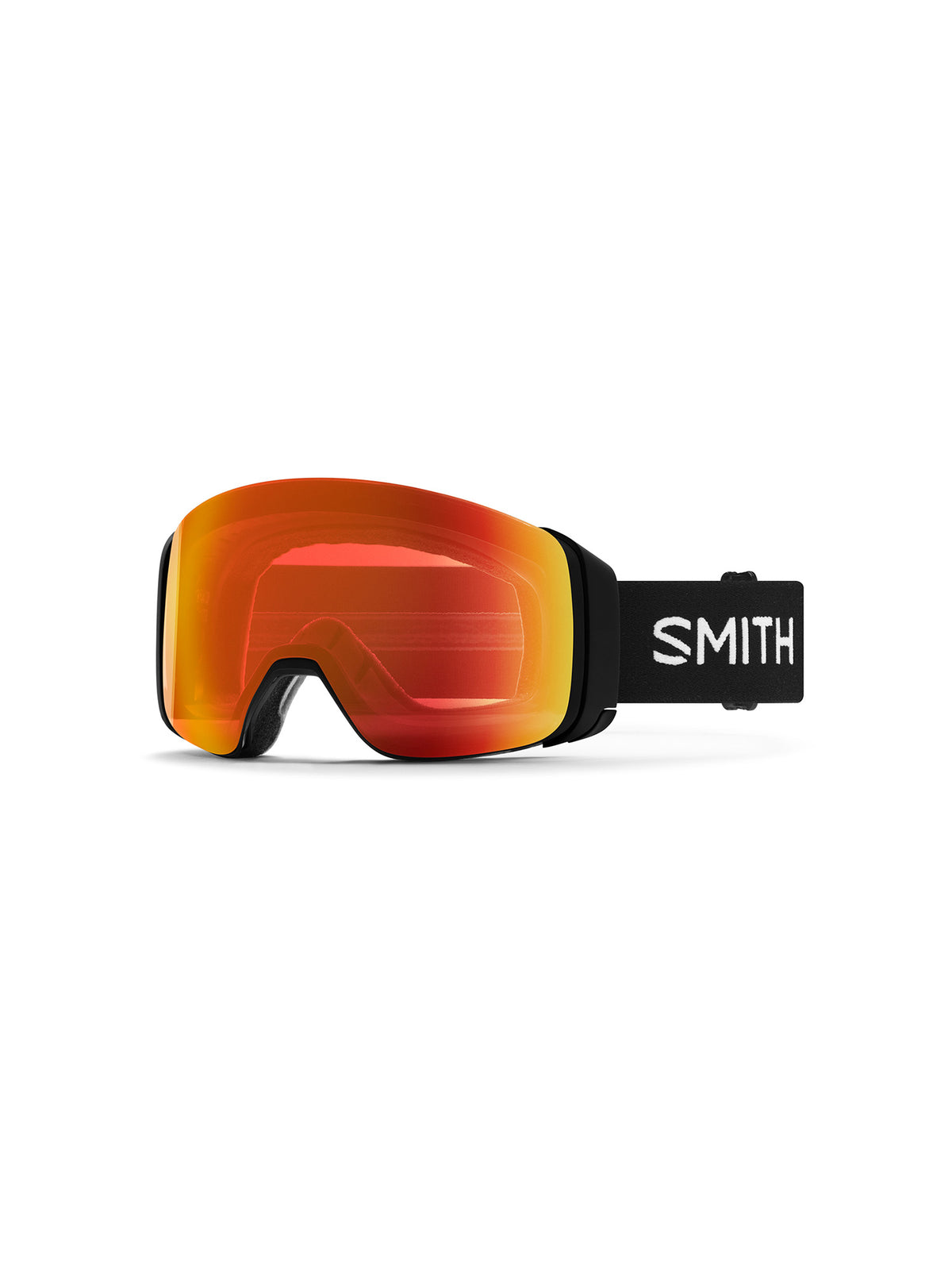
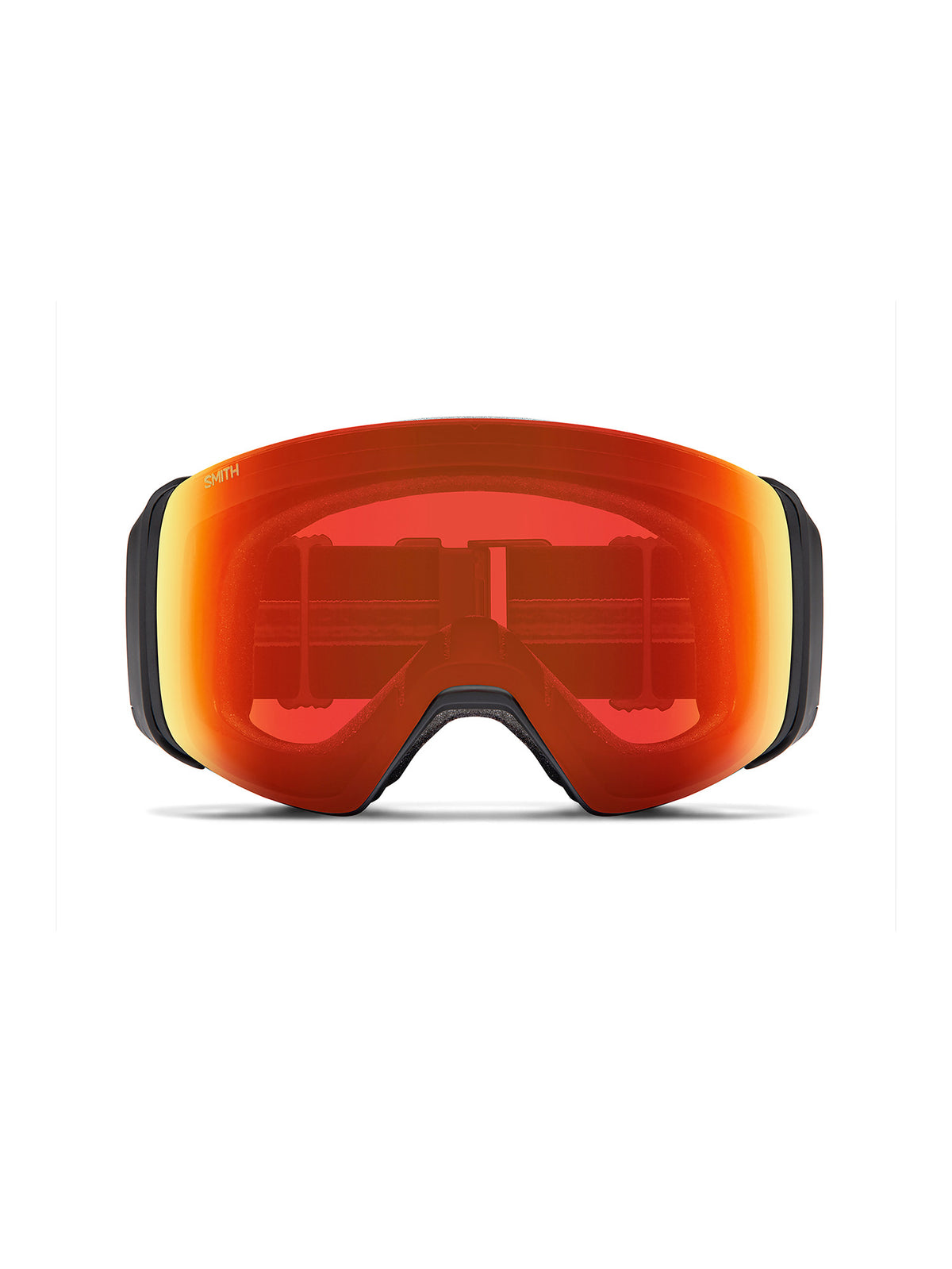
The existing selection also includes names like Proxy, Squad, and 4D MAG. These designate different ski goggle models and designs. For the 4D MAG, Smith describes, for example, a magnetically supported lens change system and BirdsEye Vision as a special design of the field of view. These properties are tied to the specific model. They should not be transferred to a Squad or Proxy simply because of the same brand name. Therefore, compare the full name, the intended fit, and the actual lens supplied.
Size or fit additions are also relevant. A 4D MAG S and a 4D MAG are not identical simply due to a similar frontal appearance. If you are looking for replacement lenses, exact compatibility must be confirmed. An approximately suitable shape is not enough. For this, keep the complete model designation ready. In the ski goggles category, you can classify various product families; the selection of a specific lens is then made for exactly the model you actually own or wish to purchase.
Try on Helmet and Ski Goggles Together
Ski goggles fit differently on the face than sunglasses. Their padding should sit evenly and not press uncomfortably on the nose area. The transition to the helmet is therefore part of the fitting. Check the combination in a natural posture and with the intended strap adjustment. A common manufacturer can be a sensible starting point for coordination, but it does not guarantee that every size and every combination will fit you equally well. The individual fit remains crucial.
For Smith ski helmets, the appropriate size and the intended model are paramount. Designations such as Vida, Vantage, Rodeo, or Level represent different designs whose features must be checked. An additional technology cannot be assumed solely from the family name. Choose according to manufacturer's specifications and personal fit. The overarching selection of ski helmets offers a further comparison for this. A helmet should not be chosen simply because its color matches the already selected goggles.
Do not assume scope of delivery and accessories
For ski goggles, additional lenses, a pouch, or a case may be included in the offer. For sunglasses, the scope of delivery may look different. Check this information for the selected item instead of adopting a manufacturer's description of another version. Even a depicted second lens must be confirmed as part of the description. If you specifically want to equip yourself for different light conditions, this point is particularly important. Only then will you know whether you are already receiving a suitable addition or if you need to compare it separately.
For spare parts, it is worth keeping the model, version, and possibly size. This facilitates later questions about compatible lenses or other explicitly offered additions. A switch within the same brand can involve different fastenings or dimensions. Similar names are therefore not a sufficient selection criterion. Treat accessories as technically associated individual parts with their own description. This way, you avoid concluding compatibility from an optical similarity that is not confirmed for the actual combination.
If necessary, photograph the model identification as long as it is legible. This way, it remains available for a later accessory comparison even after prolonged use.
Cleaning and Storage by Product Type
Sunglasses and ski goggles can have different coatings and care requirements. Therefore, observe the instructions for the specific model. Remove dirt gently and avoid rubbing dry particles across the surface. For a fogged or damp pair of ski goggles, especially the treatment of the inside according to the manufacturer's instructions is important. Do not place delicate lenses face down unprotected. A coated lens is not automatically impervious to every form of abrasion or unsuitable cleaning agents.
Allow damp equipment to dry completely before prolonged enclosed storage. For transport, the goggles should be protected so that other objects do not press against or rub on the lens. Check the condition of the frame, strap, and other parts. Proper care depends on the product, not generally on the Smith logo. With a clear assignment of use, model, and lens design, you will find a comprehensible selection for everyday life and snow sports in the brand overview.
04This brand at FREUDENHAUS
05Questions about the brand