

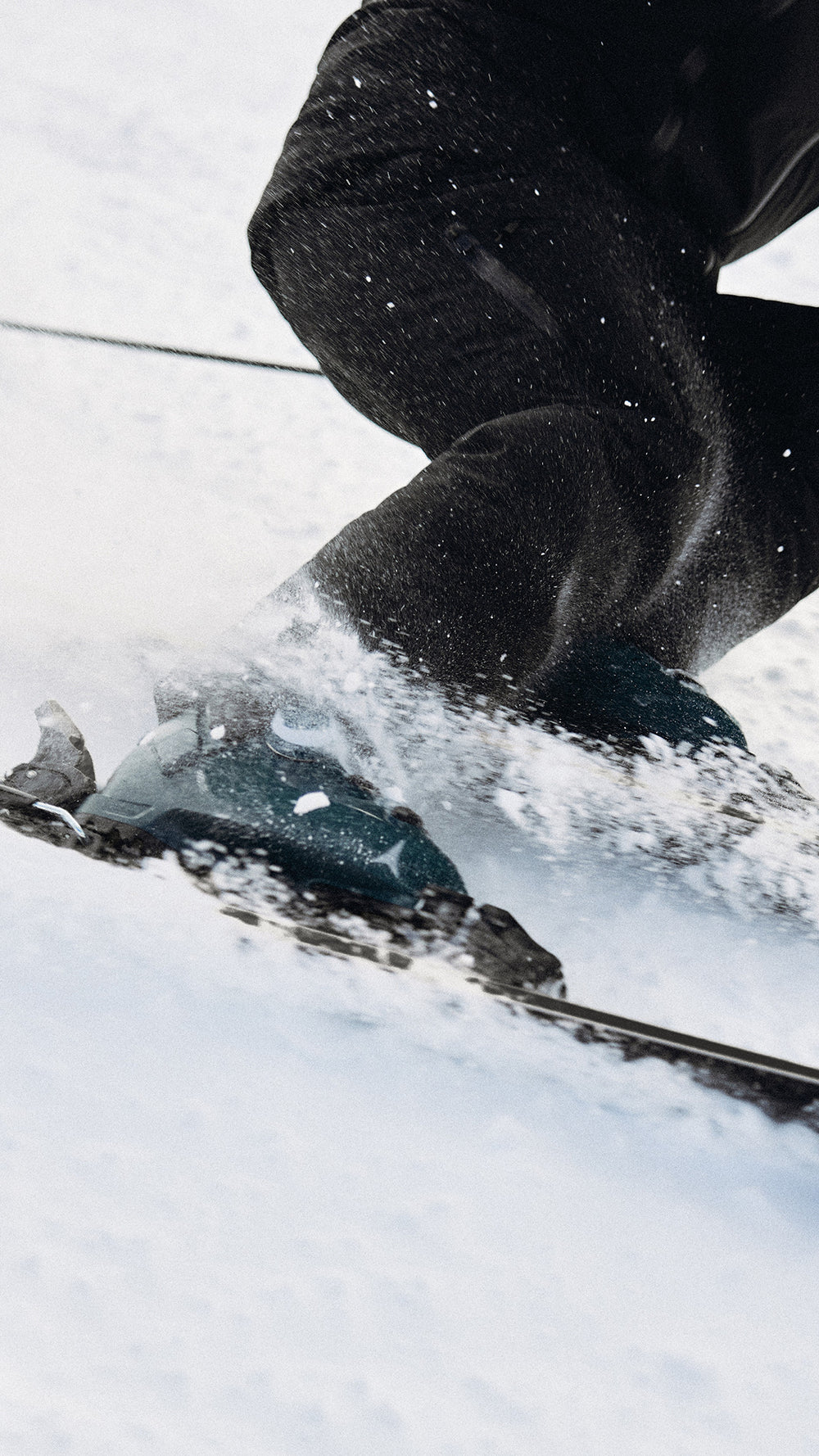


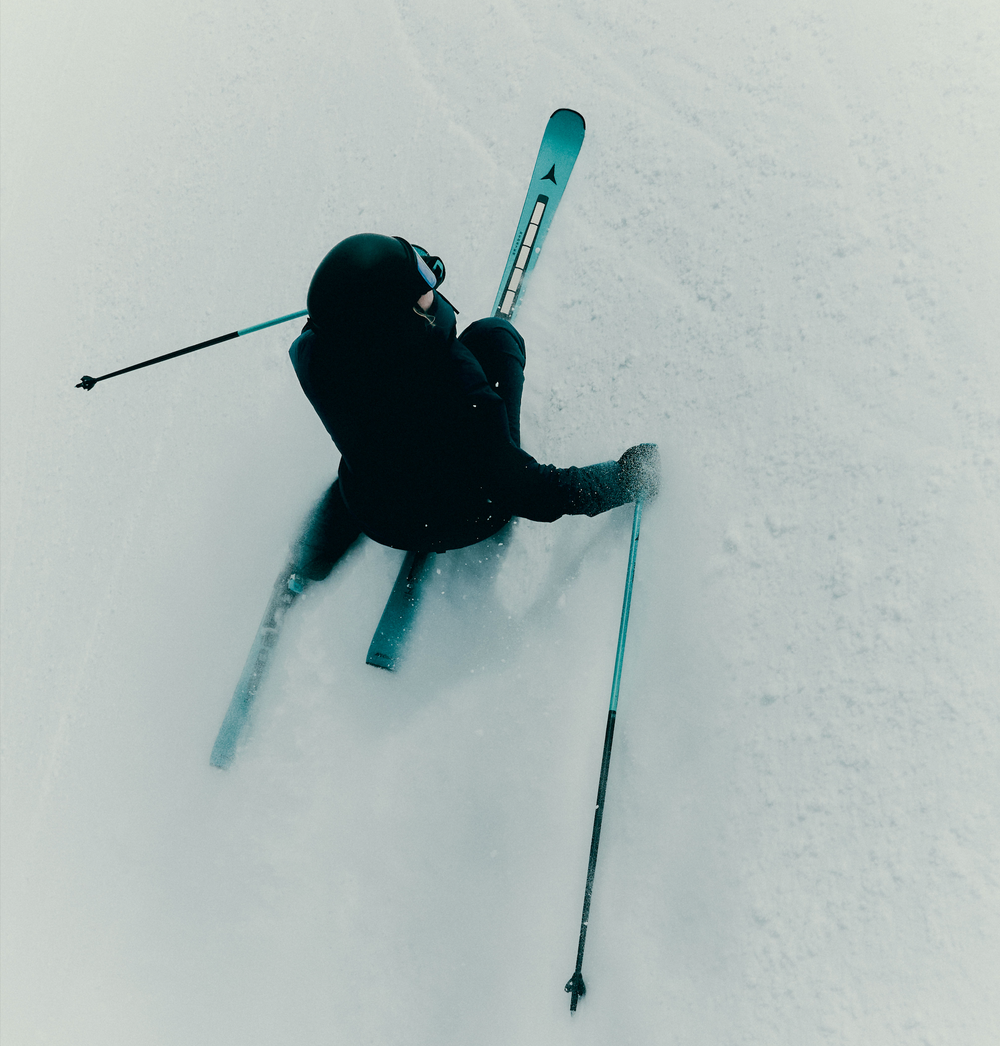

Do you know that feeling? The cold seeps under your ski jacket – but why exactly? And what can you do about it?
You stand in front of your wardrobe in the morning, outside it’s -8°C. Your head says: “Layers!” – your sense of style says: “But make it sexy.” And somewhere on the internet, someone claimed that for skiing, you should just “dress warmly.” Thanks for nothing. Because this is precisely the problem: many seem well-bundled – yet still freeze. The cold doesn't just come from outside; it often originates where you least expect it. The right ski clothing determines whether you stay warm and dry – or sit shivering in the hut after two hours. Here, you get the truly correct answer: understandable, practical, and with enough humor to keep you from falling asleep while reading.
The Right Skiwear: Why It Makes or Breaks Your Ski Day
You stand in front of your closet in the morning, it's -8°C outside. Your head says "Layers!", your sense of style says "But make it sexy, please." And somewhere on the internet, someone claimed that for skiing, you should just "dress warmly." Thanks for nothing. Because the truth is: the right ski clothing determines whether you get through your ski day warm, dry, and relaxed – or if you're sitting in the hut freezing after two hours. It's not just about warmth, but about the perfect interplay of function, comfort, and freedom of movement. In short: if you don't want to freeze or sweat while skiing, you need a well-thought-out layering system – and that's exactly what we're going to look at now.
The Layering Principle for Skiing, Simply Explained
The right ski clothing is always based on a simple principle: multiple layers that work together. This so-called onion principle ensures that your body can regulate its temperature – whether you're sitting in the lift or speeding down the slope. The right ski clothing consists of three layers: base layer, mid-layer, and outer layer. Each of them has a clear task. And if one of them doesn't work, you'll notice it immediately. Why is this so important? Because your body constantly fluctuates between cold and warm when skiing. Without a system, this quickly becomes an uncomfortable back and forth. With a system: simply a great day on the mountain.
The base layer - staying dry starts on the skin
The first layer of your ski clothing lies directly against your skin – and it’s precisely here that it’s decided whether your day will be pleasant or not. Good functional underwear wicks moisture away from the body and keeps you dry, even when you start to sweat. Materials like merino wool or synthetic fibers are the best choice here because they are specifically designed for this purpose. Cotton, on the other hand, seems comfortable at first but quickly becomes a problem: it absorbs moisture, stays wet, and causes you to get cold. The right ski clothing, therefore, doesn't start with the jacket, but with the underwear. If this layer doesn't work, you can put on whatever you want on top – it won't get any better.

The Mid-Layer – Warmth Without Overheating
The second layer of your ski clothing is there to keep you warm. But not maximally warm – just right. Because if you wear too many layers, you'll sweat quickly and then feel twice as cold. This is where materials like fleece, light down, or softshell come into play. They insulate heat without restricting you or causing you to overheat. This balance makes the difference between comfortably warm and uncomfortably sweaty. The right ski clothing adapts to your body – not the other way around. And that's exactly why the mid-layer is often the underestimated key to a really good day of skiing.
The Outer Layer – Protection from Wind, Snow, and Wet Weather
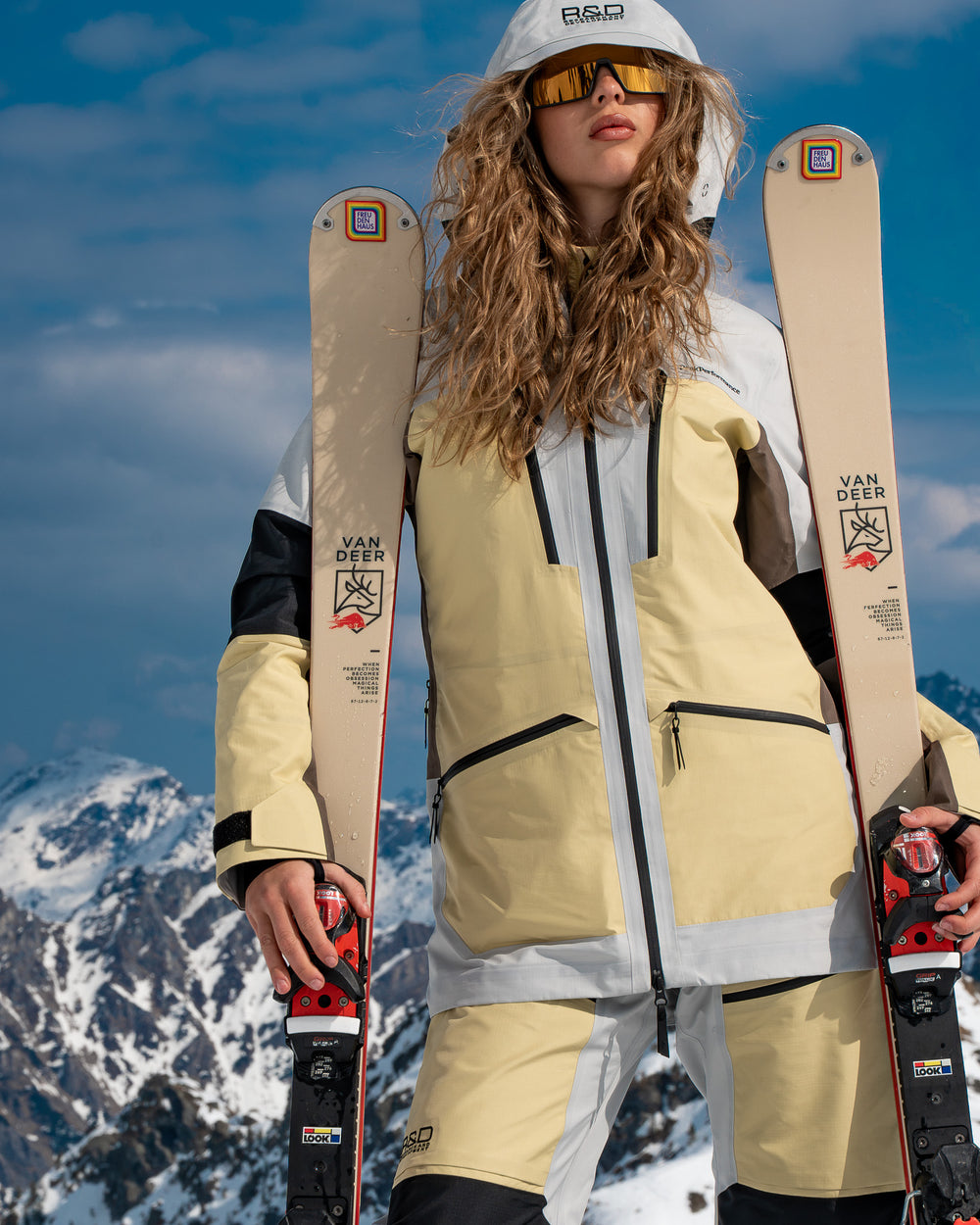
The outer layer is what most people see first – but it's only one part of the system. Its purpose is clear: to protect you from the conditions on the mountain. A good ski jacket and ski pants are waterproof, breathable, and robust enough to keep wind and snow out. At the same time, they must allow moisture to escape from the inside out so you don't get sweaty. Details like ventilation zippers or a well-fitting powder skirt often make all the difference here. Because the right ski clothing only works perfectly when all layers work together – and seal properly.
The details that change everything
Besides the three layers, there are a few inconspicuous items that determine your comfort. Ski socks, for example, should be thin, functional, and perfectly fitted. Thick socks might sound warmer, but they often impair circulation and make your feet colder faster. Gloves also need to strike the right balance: warm enough to protect you, but flexible enough for you to still grip. And when it comes to helmets and ski goggles, they must fit together perfectly. Even small gaps lead to drafts and become noticeable faster than you'd like. The right ski clothing often reveals itself in the details. And that's precisely where good equipment separates itself from truly excellent equipment.