



Many athletes ask themselves the same question every year: Is expensive ski clothing really necessary – or will a cheap, no-name product do the job?
If you look honestly, you quickly realize: The answer is not that simple. And it starts at a completely different point than many think.
It doesn't start with the jacket
Many start their search with the outer layer – jacket, pants, perhaps even the color. But what truly determines your skiing experience is much closer to your body. The first layer – as a base layer and socks – decides whether your body stays warm and dry. Products from manufacturers like UYN or ODLO are designed to actively wick away moisture. Socks, for example from Falke, affect your sense of warmth more directly than one might suspect. Because if moisture remains on the skin, something inevitable happens: you get cold. And this means very specifically: even the best and most expensive ski jacket cannot compensate for this effect. Anyone who invests here is not investing in comfort – but in the foundation for everything that comes on top.


When differences really become noticeable
On a perfect ski day, with sunshine and little wind, many products perform remarkably similarly. This is precisely why it often seems that brand or no-name makes little difference. However, reality reveals itself in less-than-perfect moments: when the snow gets wet, the wind blows stronger, or the ski day lasts longer than planned. This is where quality quietly begins to show. Not in a sudden "aha!" moment – but in consistency. High-quality materials remain waterproof longer, wick away moisture more reliably, and don't lose their function as quickly. While cheaper products often perform well at first, they tend to degrade over the course of the day. And that's exactly what you feel: not immediately, but with every subsequent run.
Durability is more than just a selling point
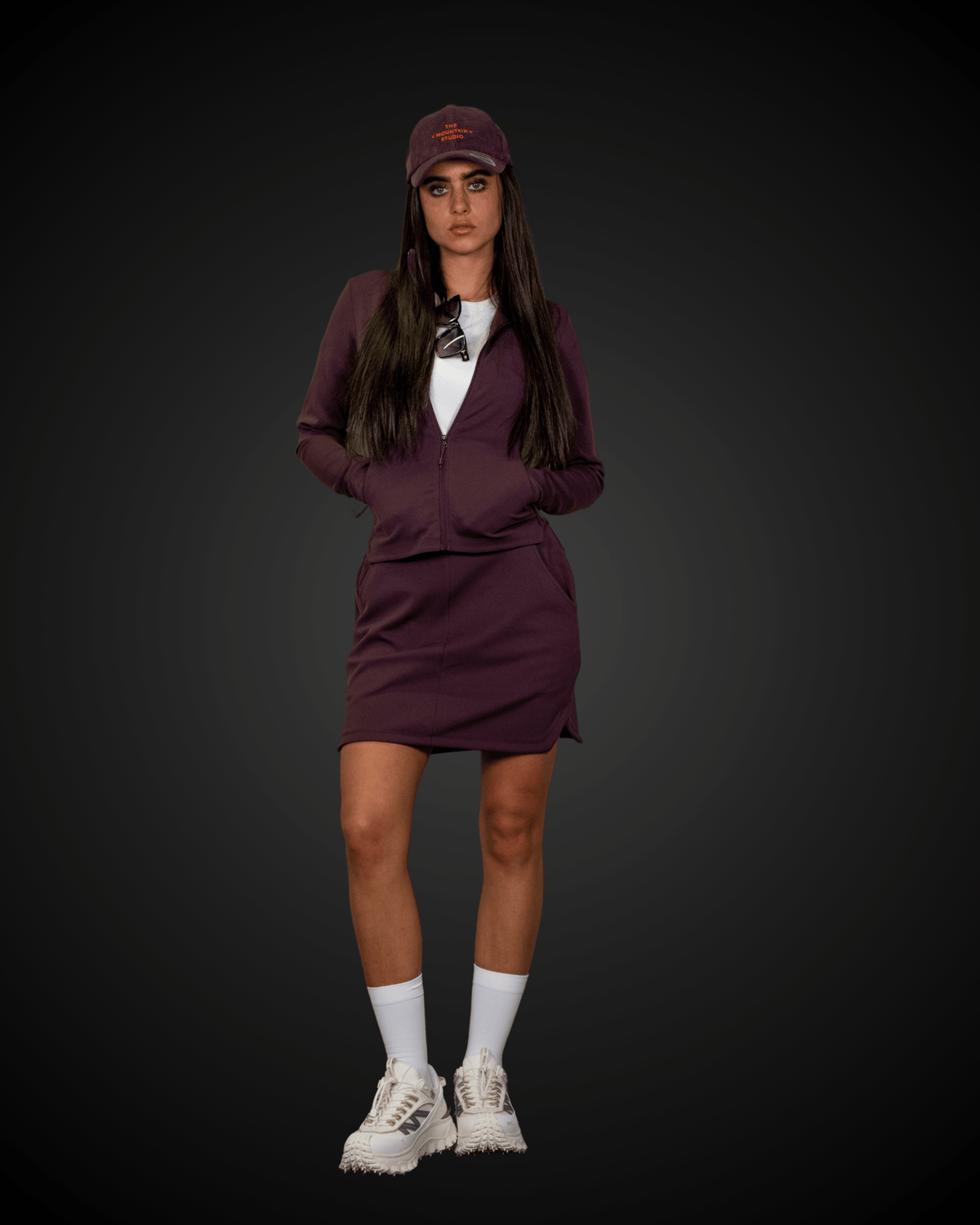
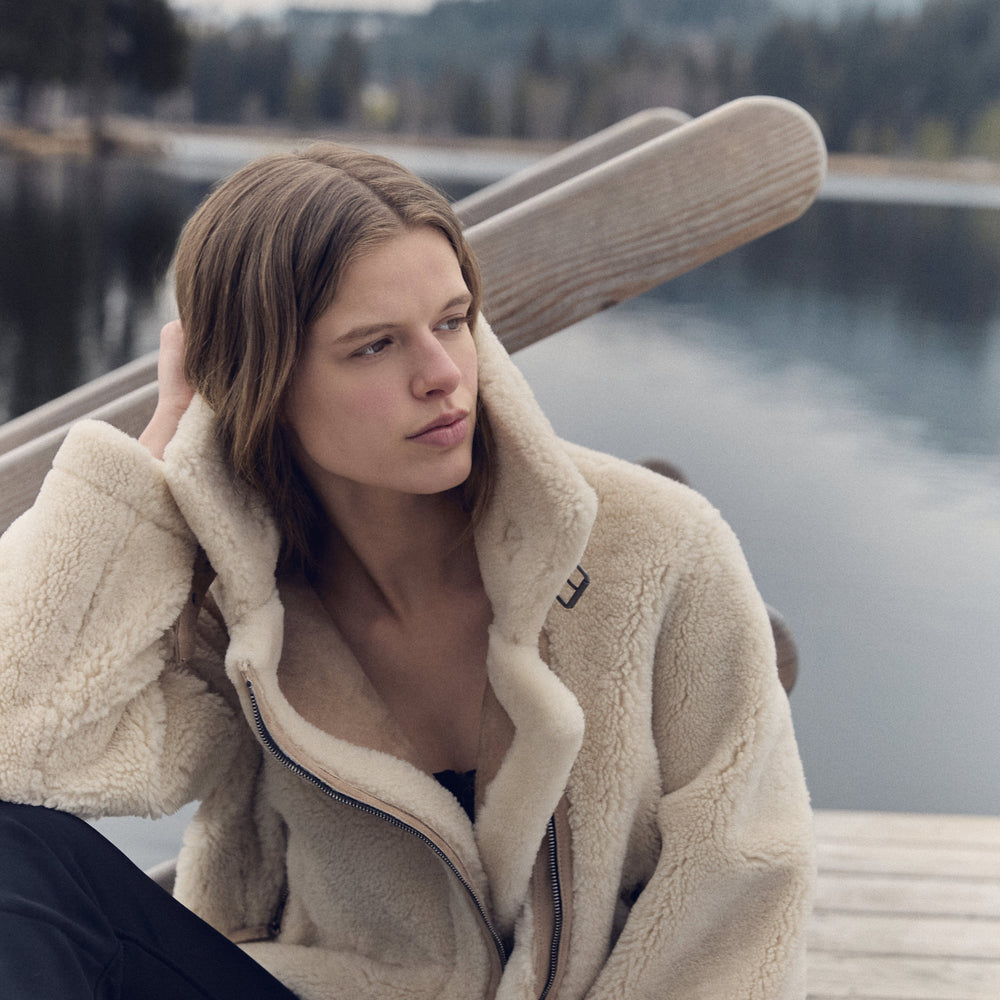
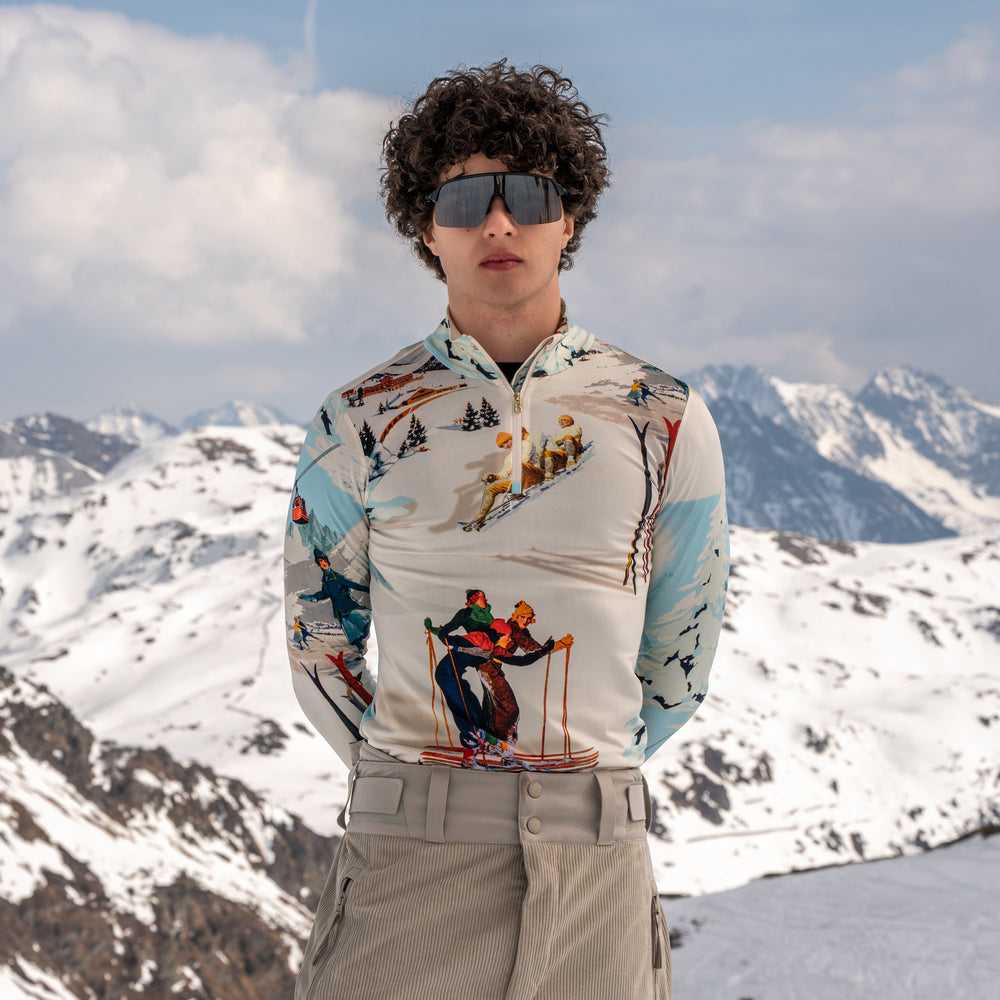
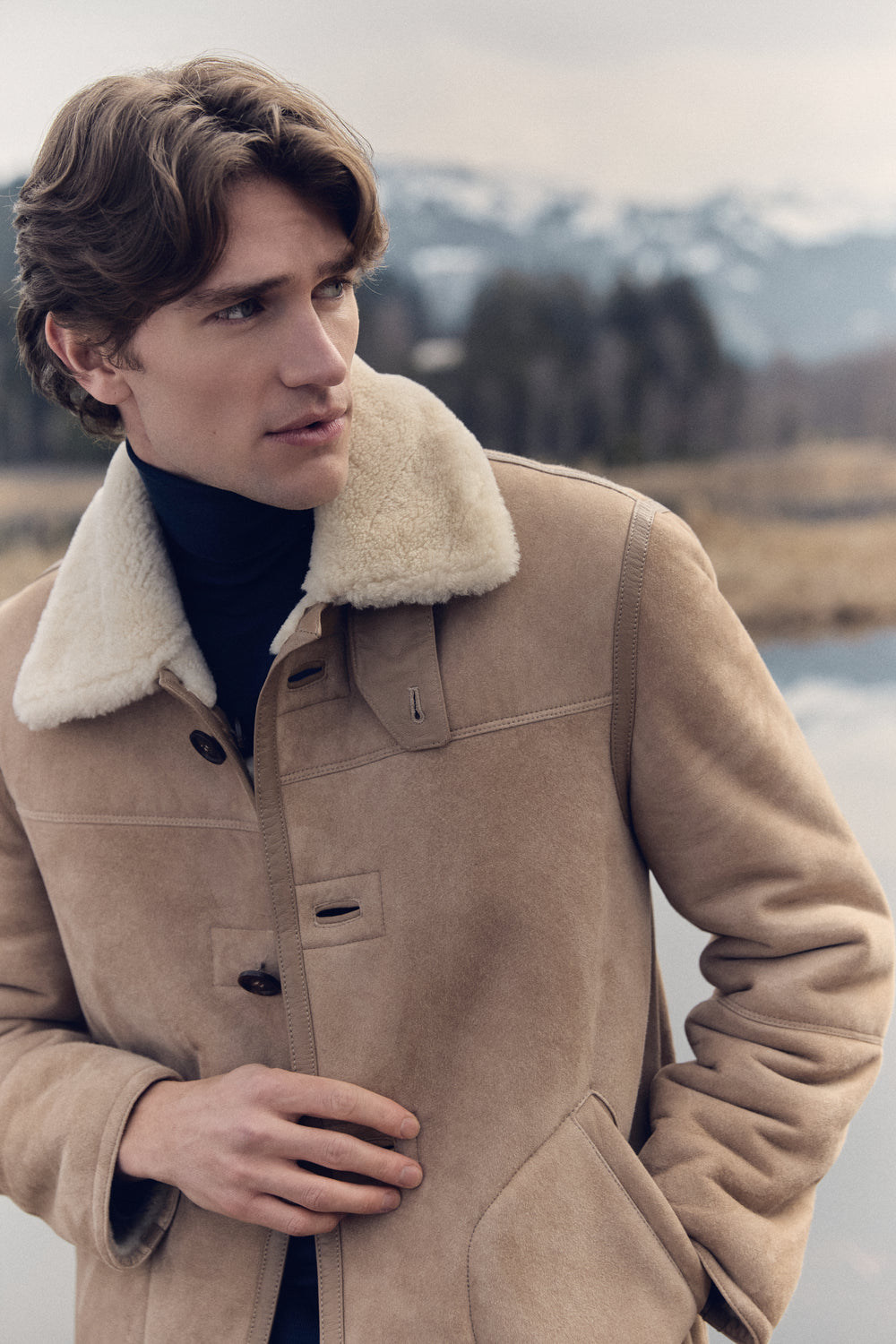
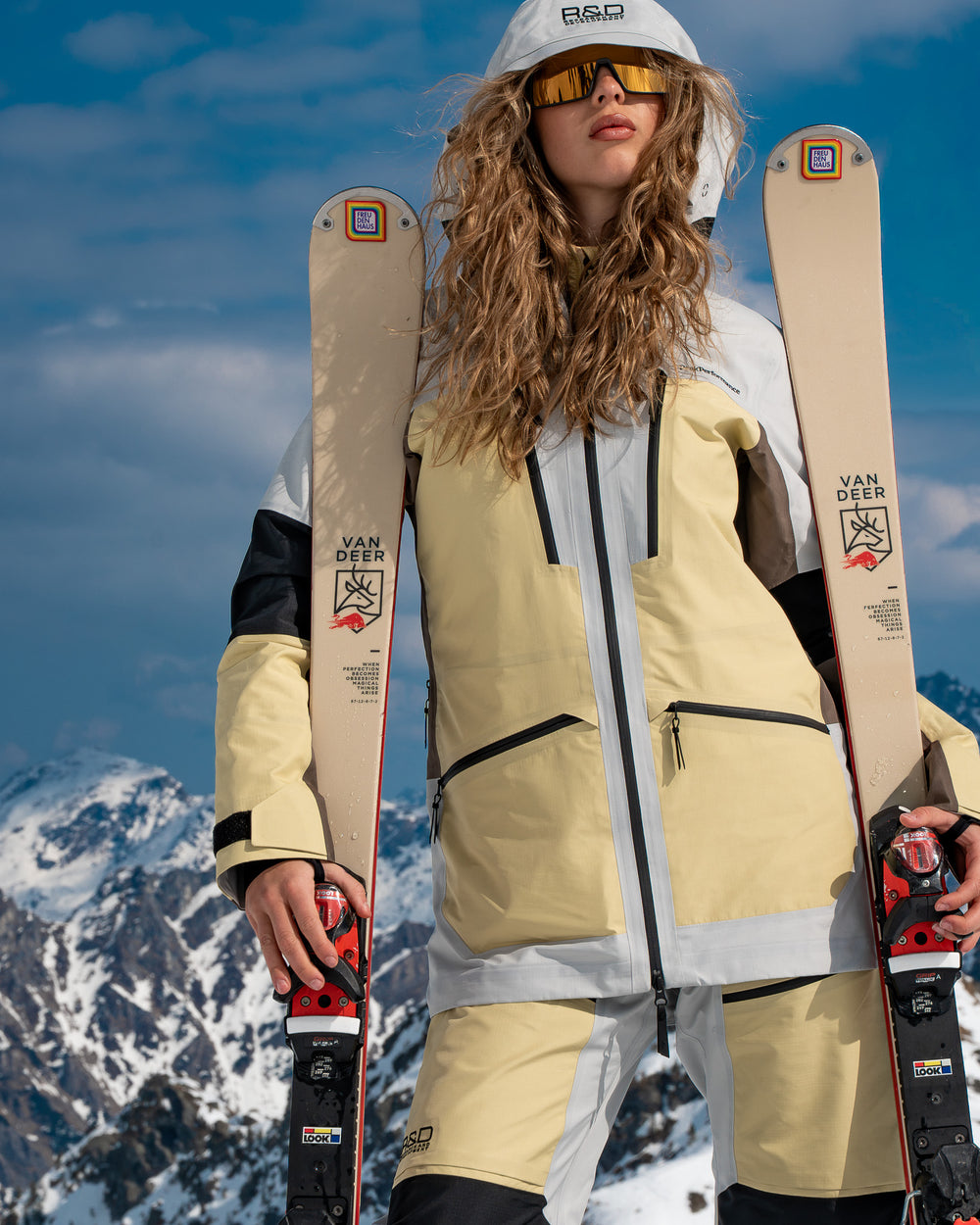
An inexpensive product can fulfill its purpose, no question. But it often loses performance more quickly: the waterproofing wears off, materials become more susceptible, and functionality decreases. High-quality ski clothing, on the other hand, is designed to remain consistently good for longer. It withstands stress better, is more robustly manufactured, and still functions reliably after many uses. This is particularly evident with brands that have focused heavily on workmanship, material development, and detail quality for years – such as labels like Moncler, Bogner, Toni Sailer, Peak Performance, The Mountain Studio, Frauenschuh, or Goldbergh. What connects them is less their style or positioning, but rather their commitment to developing products that not only look good but also perform over time. This doesn't mean that every single item is automatically more durable. But the probability is higher that more effort has gone into the cut, material selection, and workmanship here – precisely the factors that make the difference over the years. At the same time, one point remains crucial: even the best ski clothing is only as durable as how it is handled. Care, proper washing, and regular waterproofing play a central role. In the end, the perspective shifts: away from a one-time purchase – towards a conscious decision for something that can accompany you for many seasons.

The underestimated factor: your driving experience
One aspect that often only becomes apparent on the slopes is the influence of clothing on your feeling of movement. If a jacket restricts you, trousers don't fit properly, or the climate feels uncomfortable, it saps your energy. You'll tire faster, lose focus, and ultimately lose control. Good ski clothing works in the background. It adapts to your movements, remains comfortable, and ensures you can concentrate on what matters. This is not a luxury – but a real difference in the experience. However, quality is not only reflected in the riding experience – but also in what's inside your clothing.
Pollutant exposure: What's in your ski clothing
An aspect that often takes a back seat when buying is the question of what ski clothing is actually treated with. To protect you from rain, snow, and wind, it is technically upgraded with water-repellent impregnations, breathable membranes, and intensive dyeing processes. For a long time, so-called PFCs or PFAS were often used – substances that are very durable but can also accumulate in the environment and sometimes in the human body. Much has changed since then. Many manufacturers are now opting for PFC-free alternatives and having their products certified according to standards such as OEKO-TEX or bluesign. These provide at least some guidance on pollutant limits and production conditions. Nevertheless, it is worth taking a closer look. Because neither is every brand automatically "clean," nor is every no-name product problematic. The difference often lies in transparency: higher-quality manufacturers usually communicate materials and processes more clearly – while information is sometimes simply missing for cheaper products. For you, this means: If this topic is important to you, you should specifically pay attention to material specifications, certifications, and manufacturer information. Because in the end, it's not just about what keeps you warm – but also about what you wear directly on your skin for an extended period.
Between disposable product and companion
At a time when many things are bought quickly and replaced just as quickly, it's worth taking a different look at ski clothing. What seems cheap at first glance often isn't in the long run. If materials wear out faster, functions deteriorate, or parts need to be replaced sooner, the costs add up over time. Multiple re-purchases quickly turn a seemingly cheap decision into a more expensive one. Quality, on the other hand, takes a different approach. It's not made to last one season – but many. And that's the crucial difference: you're not just buying for the moment, but investing in a companion that will reliably support you for years – functionally, consistently, and often more economically sensible. Do you want to know which brand and model really suits you? Just stop by FREUDENHAUS – we'll help you make the right decision.