





Choosing the Right Socks for Everyday Wear and Exercise
Socks accompany you from sneakers in everyday life to sturdy shoes on longer journeys. Choose by size, height, and cushioning to ensure your foot and shoe fit together perfectly. Here you'll find guidance on unisex socks, material blends, and different uses – with a clear distinction from ski socks for ski boots.




Choosing socks: Your shoes play a role
A good sock is barely noticeable in everyday life: It stays in place, doesn't add unnecessary bulk, and fits your shoe. Nevertheless, a detailed comparison is worthwhile. A thin sock in a sneaker, a padded model in a hiking boot, and a high ski sock serve different purposes. Therefore, start with the intended use before choosing the color or pattern. Ask yourself how long you will wear the shoes, how snug they fit, and whether the sock cuff should remain visible.
This unisex selection offers an entry point regardless of whether it's for men or women. Your size range, shape, and desired height are crucial. Unisex does not mean a single size or an automatically suitable width. Someone with a narrow foot needs a wrinkle-free fit just as much as someone with a wide forefoot. A wide size range is practical but doesn't replace comparing foot length, heel, and elastic cuff.
Everyday, Hiking, or Skiing: three different tasks
Socks for sneakers and leisure
For sneakers, material thickness and shaft height are often the most important decisions. Low socks allow the shoe to stand out visually; higher models create a visible cuff above the shaft. Choose the cuff so that it does not lie exactly under a hard shoe edge. For flat sneakers, a very short cut may be suitable, while a higher-cut shoe requires more coverage at the heel. Also, pay attention to how much space remains in the toe area after putting them on.
In everyday life, a pleasant balance between a soft feel, a stable fit, and uncomplicated combining is important. A striking sports sock can deliberately be part of the outfit. A discreet, finer model, on the other hand, disappears more easily under long trousers. Both are a style decision; the visible brand labeling does not yet say anything about whether the sock is designed for prolonged athletic exertion.
Socks for longer walks and athletic activity
With a lot of movement, friction, moisture, and the connection between foot and shoe become more important. Padding can be constructed differently at the heel or under the forefoot than at the instep. This changes the wearing sensation and the required space. Heavily padded socks are therefore not automatically more comfortable for every shoe. In an already snug-fitting shoe, less material may be the more sensible choice.
Hiking and sports socks also differ within the same brand. FALKE, for example, describes various padding thicknesses for different requirements. Use such information to compare models by use and shoe volume. For a short walk in light shoes, other priorities are plausible than for a long day in sturdy footwear. You can also find a specific selection for active days among the men's sports shoes.
Ski socks for ski boots
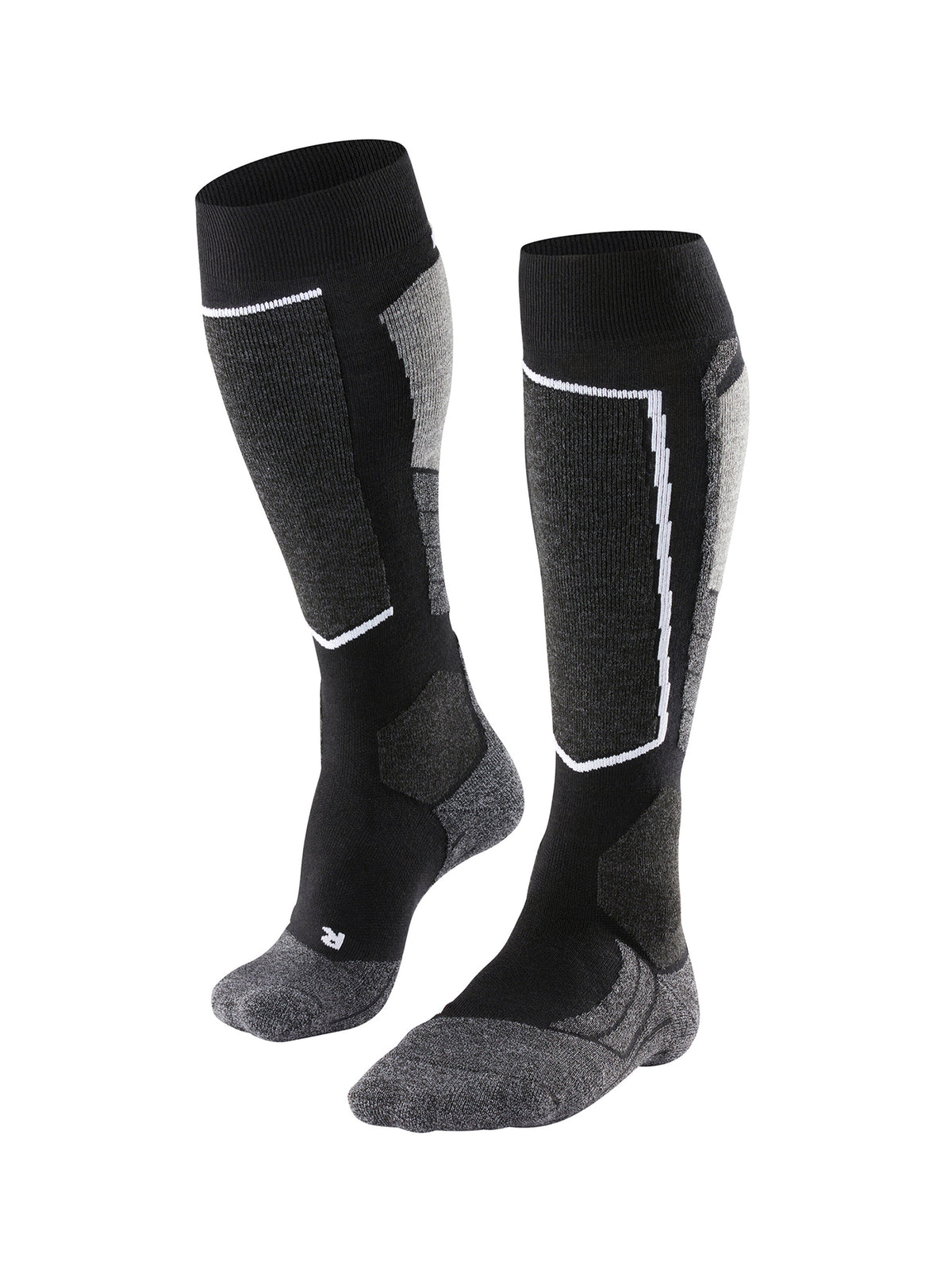
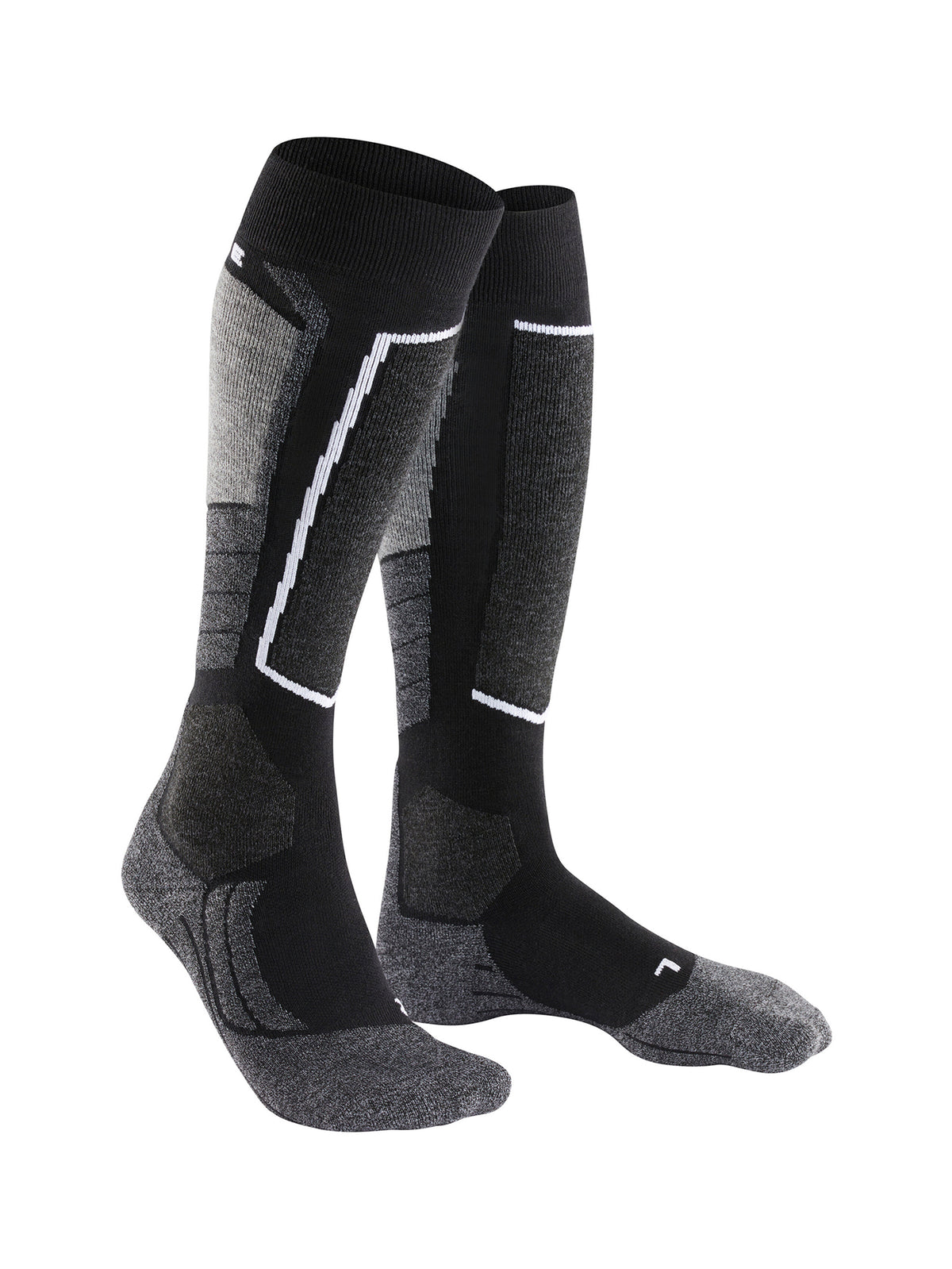
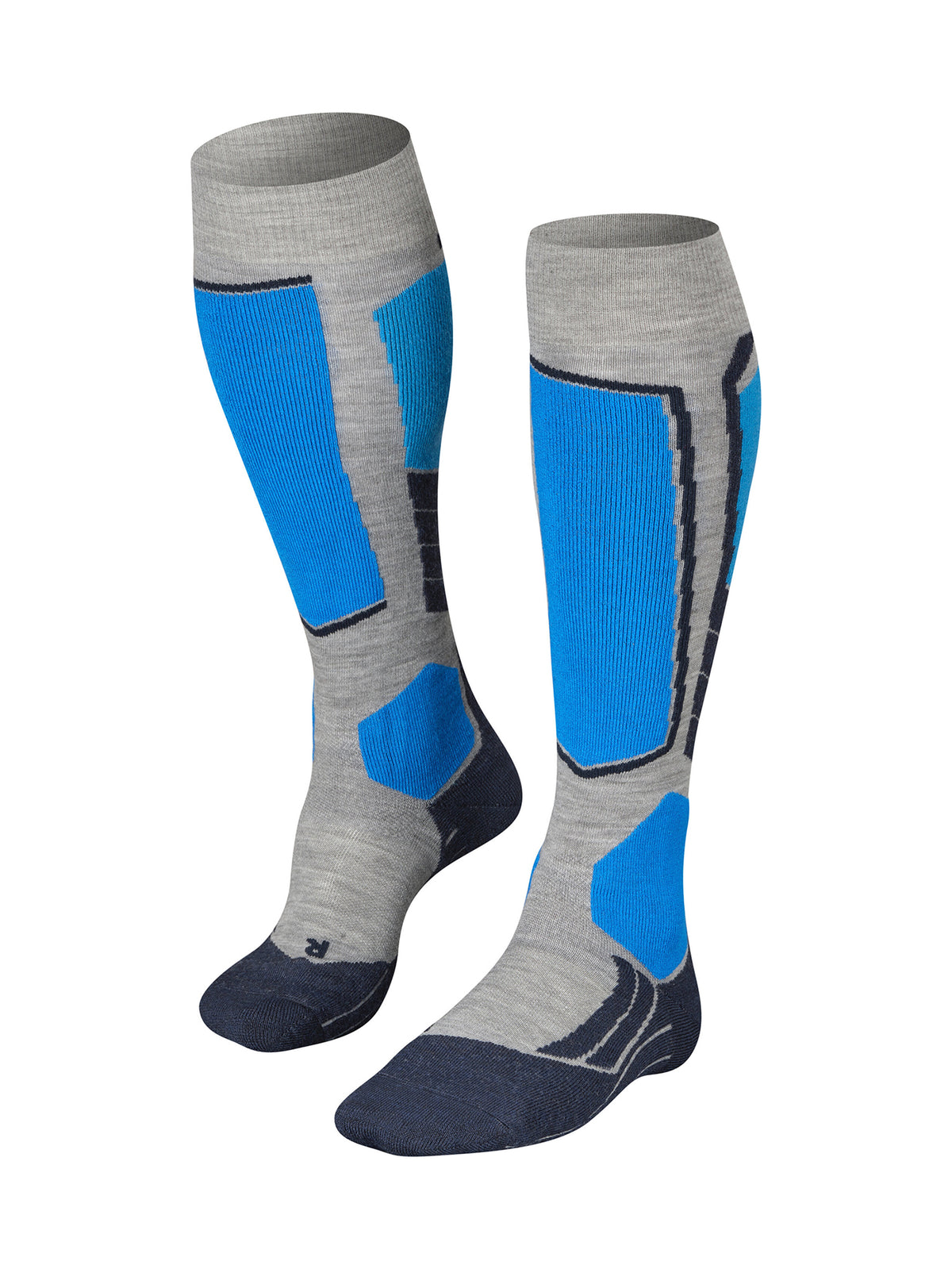
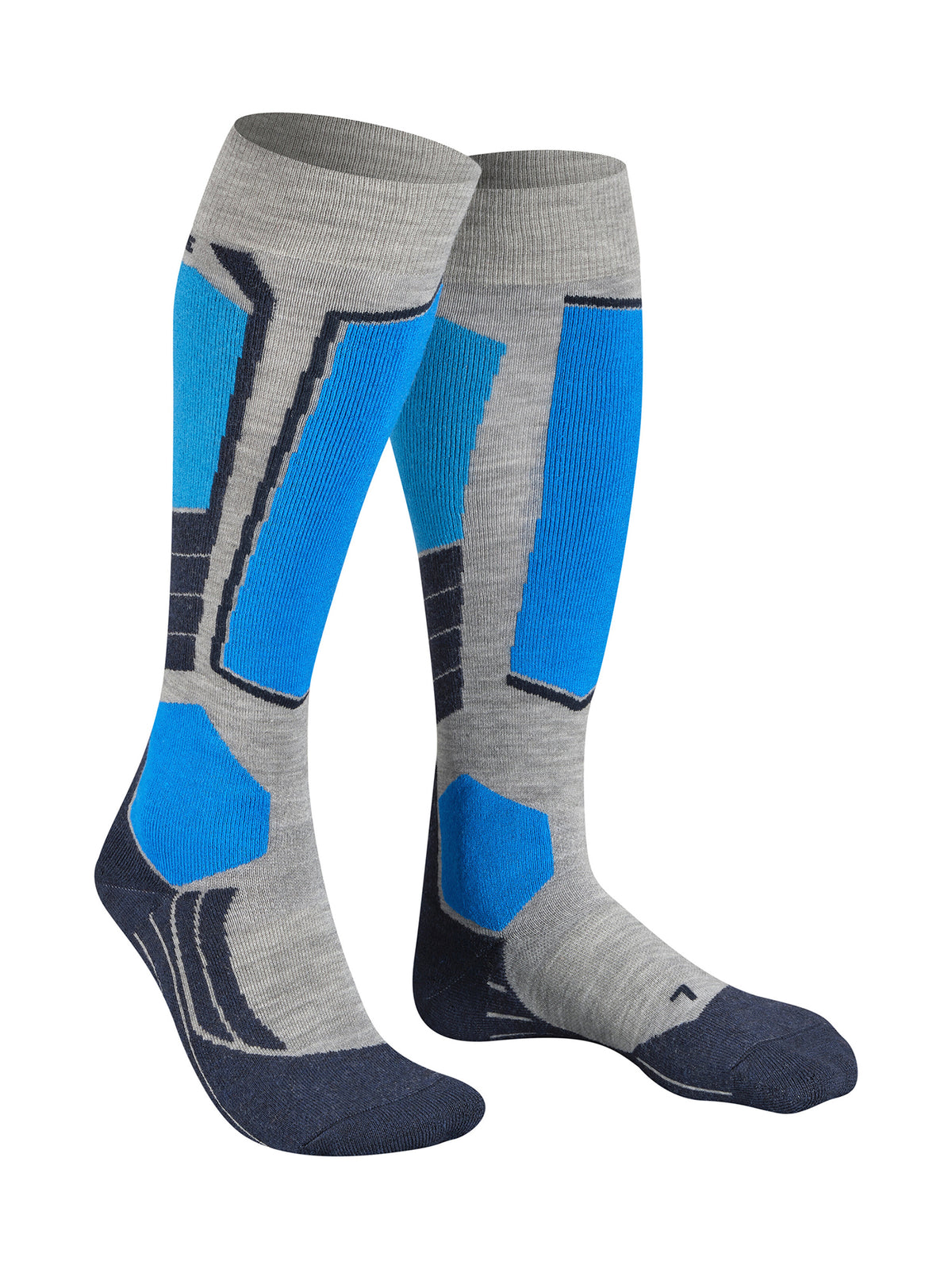
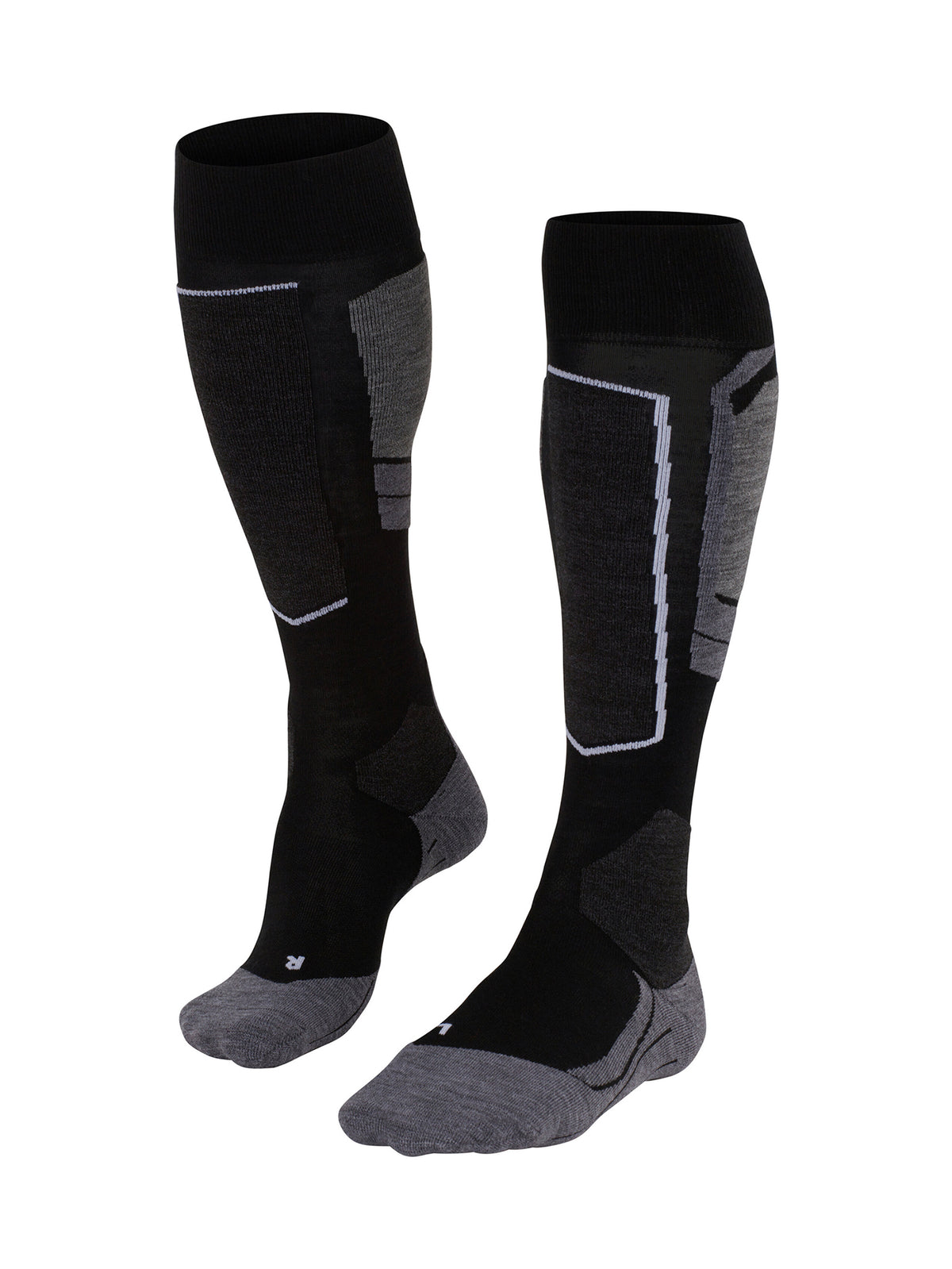
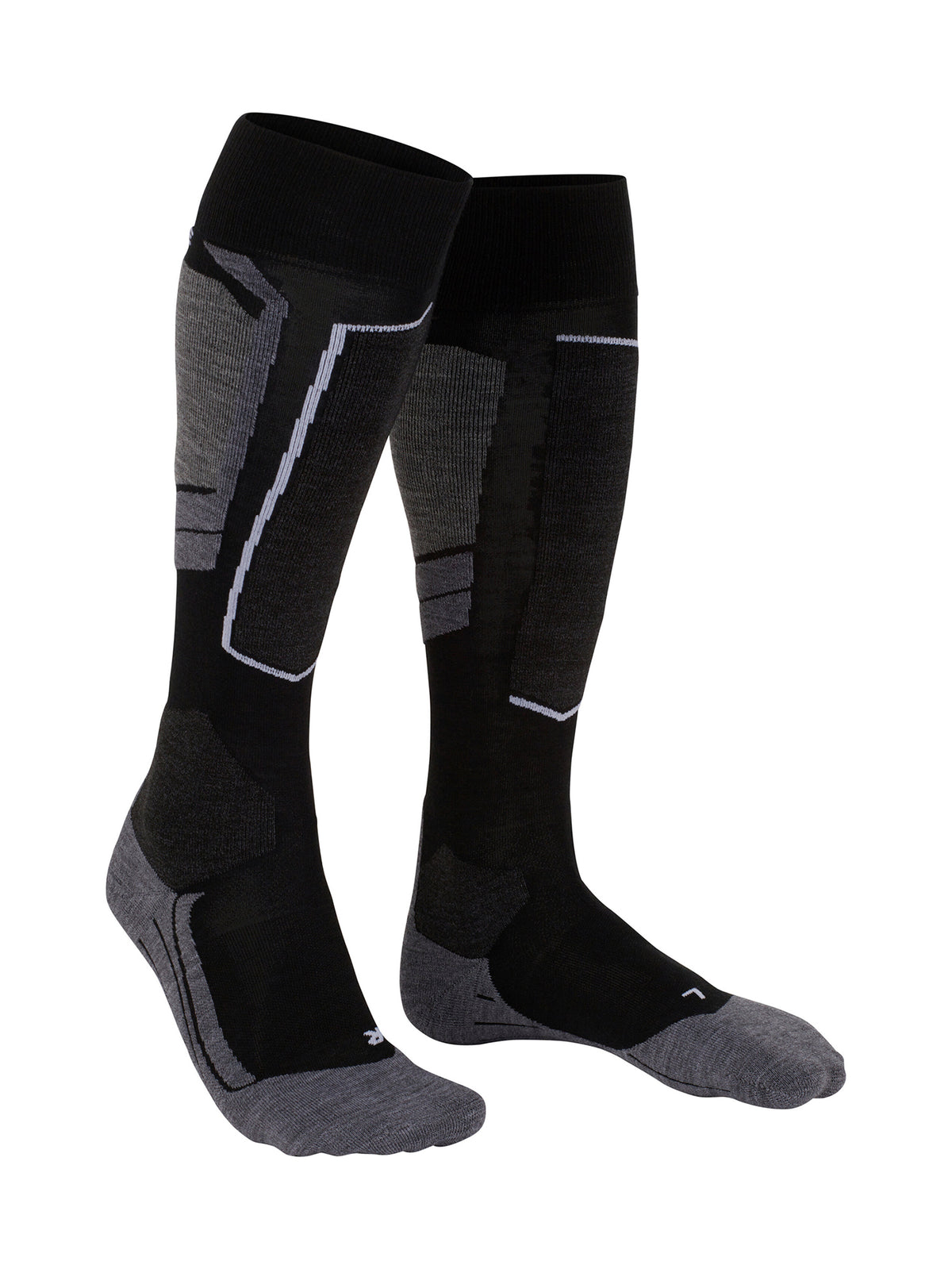
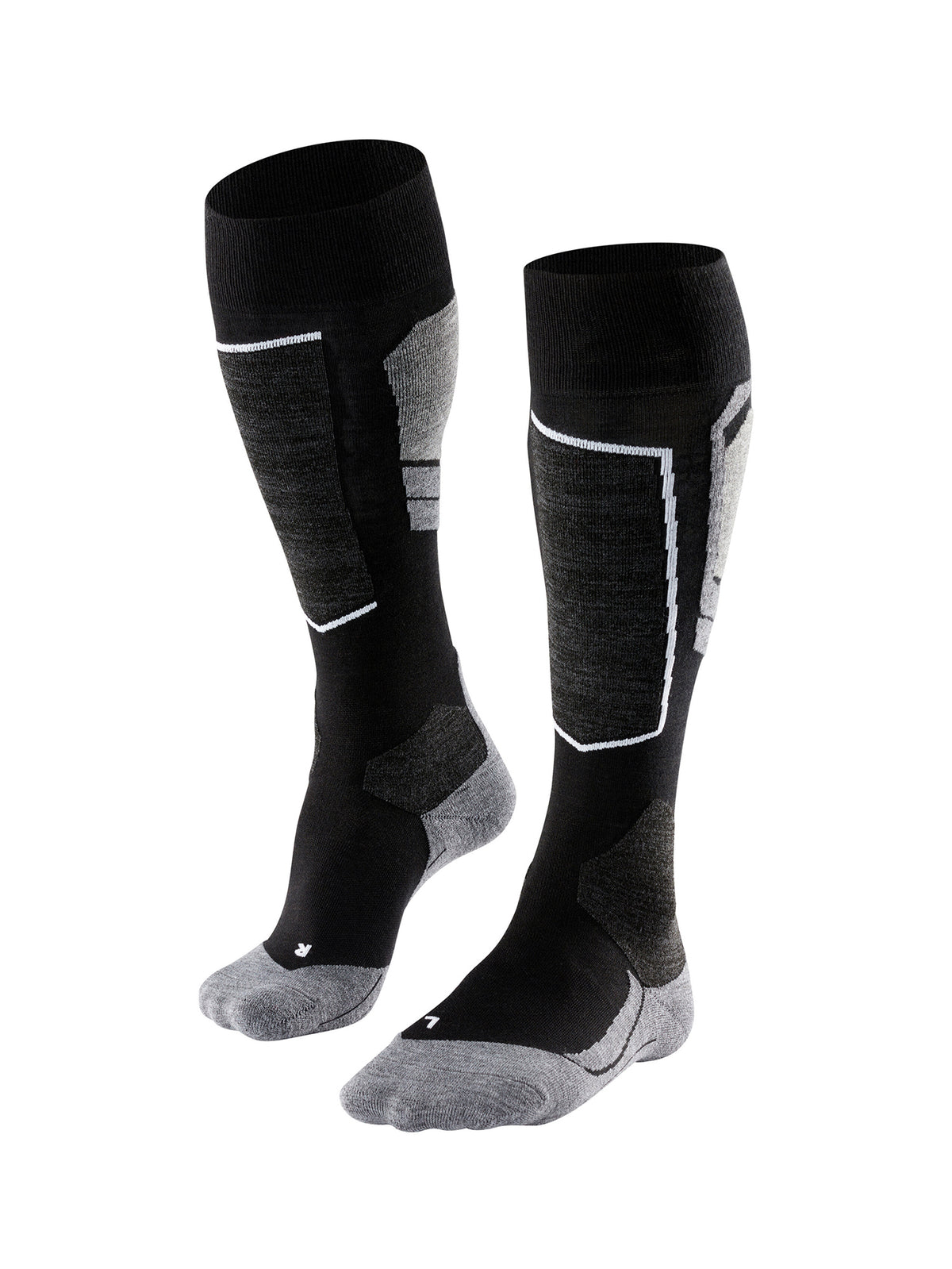
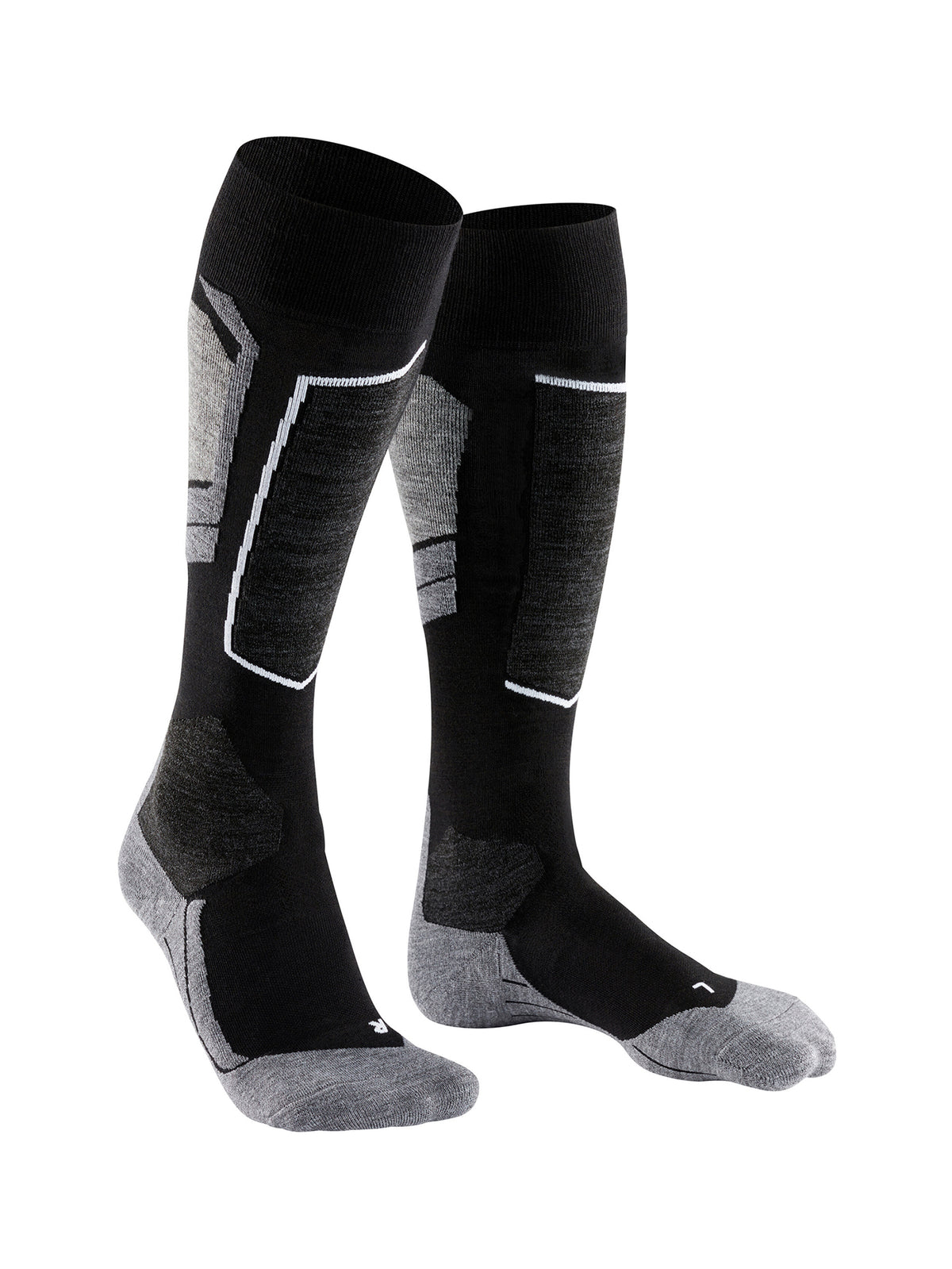
A ski boot encloses the foot and lower leg much more tightly than a leisure shoe. The height of the sock, the position of the padding, and a clean fit on the shin are therefore particularly relevant. Two socks pulled over each other are not a sensible substitute for a suitable single ski sock: additional layers change the available space and can form wrinkles. For selection based on padding and contact feeling, the dedicated category ski socks will guide you more specifically.
Understanding material blends by their purpose
The material list helps, but should be read in conjunction with the construction. A wool content, a synthetic fiber, or elastane initially describes a component. Only the interplay of yarn, knitting method, thickness, and shape results in the actual wearing comfort. For example, a thinly knitted wool blend model can feel completely different from a heavily padded sock with a similar fiber content. Therefore, do not compare percentages exclusively.
Cotton-containing socks can be interesting for everyday wear if you like their feel and the thickness suits your shoe. For athletic models, information on moisture management and reinforced zones is helpful. Merino wool is a search term for a specific fiber, but not a complete functional description. A merino blend can contain additional fibers for elasticity, stability, or other properties, depending on the model. Neither a specific thermal performance nor suitability for every sport results from the material designation alone.
Elastic components help a sock maintain its shape on the foot. Nevertheless, a cuff can fit differently depending on its circumference. If you are wavering between two models, consider material, cut, and size grading together. A soft first impression when unworn does not yet answer the fit question. For later everyday wear, it is crucial whether the sock remains smooth even in a closed shoe.
The correct size is evident at the heel and toes
First, orient yourself by your shoe size and the corresponding brand range. Then, the position of the heel is important: It should lie where your heel actually sits. If a shaped heel area slides significantly upwards, the model may be too large or not fit the shape. If the sock pulls tightly over the toes, it may be too short. Excessive pulling will not solve this problem permanently.
Smooth the fabric before slipping it on, especially on the sole of the foot and over the instep. Anatomically marked left and right socks belong on the corresponding side. Such constructions can arrange different zones to fit the respective foot. If there is no marking, this is not a general quality defect; not every model requires the same shaping. The decisive factor remains whether the specific sock fits your foot and the intended shoe.
A cuff should hold without constantly slipping down. At the same time, strong pressure points are not a desired feature. For high socks, also consider the circumference of the calf. Those accustomed to wide size ranges should not automatically expect the same effect when switching to a more shaped sports sock. The fit is part of the product and can differ significantly between everyday, trekking, and ski use.
Consciously coordinating padding and height
More padding not only changes the softness but also the volume in the shoe. First, choose the existing shoe fit and then add a suitable sock. Trying to compensate for a too-large shoe with increasingly thick socks often leads to an unclear fit. Conversely, a very snug-fitting shoe can suddenly become uncomfortable with a thicker model. Therefore, try new socks with the shoe for which you are choosing them.
For height, a simple guideline helps: The sock should cover the contact areas where the edge of the shoe meets the leg. Beyond that, warmth and style are decisive. A visible high sock can emphasize a sporty look. For winter shoes, a higher shaft may be useful, as long as the cuff does not unfavorably coincide with the shoe's top edge. However, winter use does not automatically make a sock a ski sock.
Care, pairing, and a well-thought-out selection
Wash socks according to their care label. Different material blends can have different requirements; a blanket temperature for all models would be unhelpful. Ensure that Velcro fasteners on other garments are closed and that delicate surfaces are not unnecessarily stressed. Left and right marked models can be put back together as a pair directly after drying. This keeps the assignment clear even with similar colors.
For a clear sock selection, clearly defined roles are sufficient: a suitable model for frequently worn everyday shoes, one for active days, and, if necessary, an independent solution for ski boots. First compare size, height, and thickness, then material and design. This way, you buy according to actual use and can more easily recognize when a second model offers a meaningful difference. The next color then complements an already suitable concept.
04At FREUDENHAUS
05Questions about the category