








Ski Essentials for a Perfectly Supplemented Kit
Ski essentials complement your gear with clear functions: helmet and goggles, gloves and socks, and suitable accessories are selected according to size and connection. Here you'll find guidance to specifically complete existing equipment and to clearly distinguish between complete products, spare parts, and accessories before color or additional details become a factor.
02Discover
Subcategories.


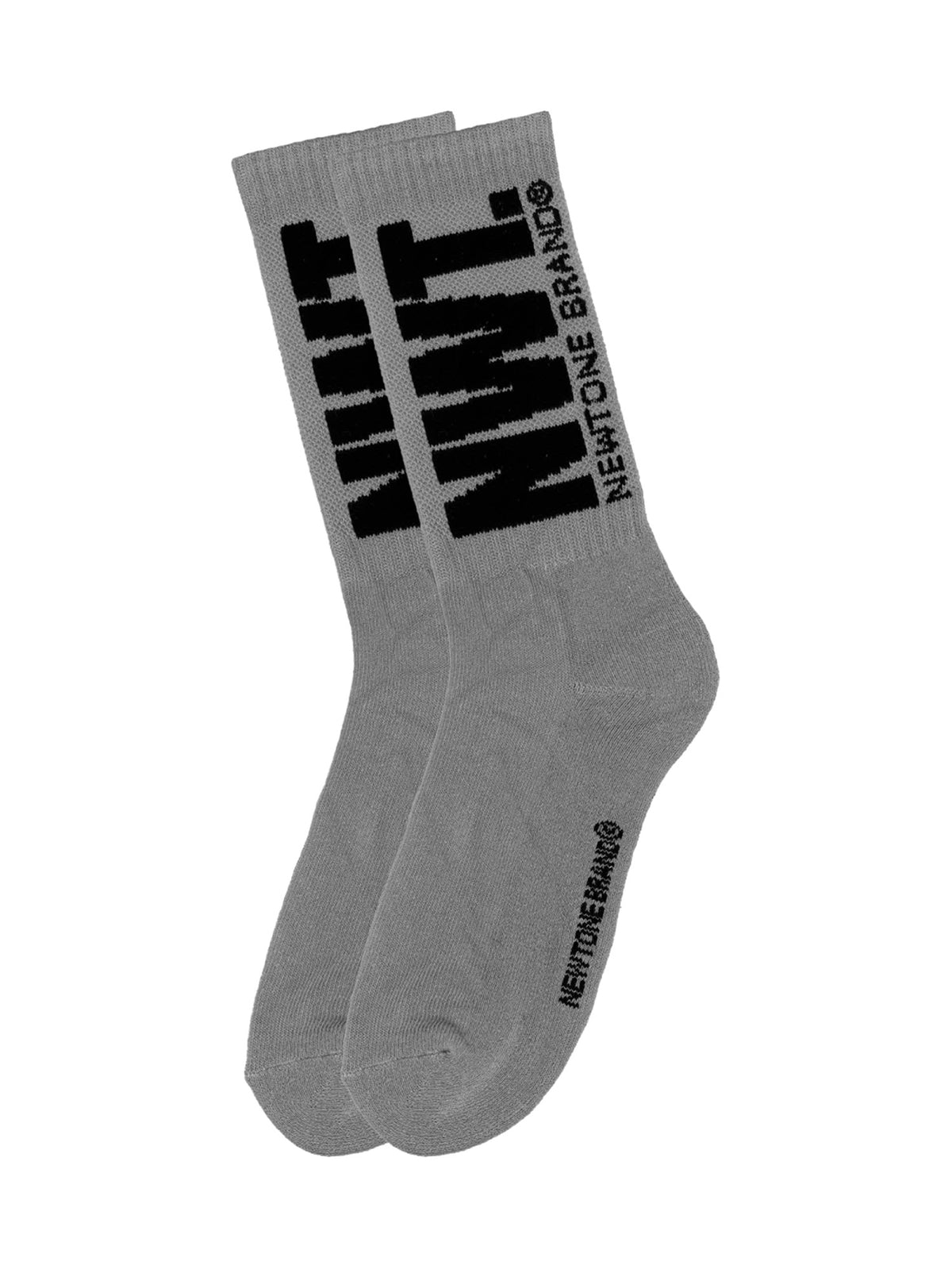


Ski Essentials: Supplementing Equipment Based on Its Function
A day of skiing is about more than just skis, boots, and outerwear. Helmets, goggles, gloves, and suitable socks each have their own functions and must integrate with the other components. The "Essentials" selection helps you consider these additions specifically. Start with what you already have and identify the specific gap. A different pair of goggles, a suitable sock, or a spare part each requires a different decision.
Here, "Essentials" serves as an introduction to accessories and supplementary equipment. The term does not describe a complete mandatory list or guarantee that every conceivable item is included. Likewise, "unisex" does not mean that all sizes and shapes will fit everyone equally. Compare the specific item based on body measurements, compatibility, and intended use. A sensible addition fulfills its purpose within the entire system, rather than merely being an extra product in the shopping cart. For replacements or model-dependent additions, note the exact designation of existing main components.
Helmet and Goggles Form a Connection
A ski helmet must be selected and adjusted according to the manufacturer's specifications. Head circumference is a starting point, but the actual shape and fit are equally important. An adjustment mechanism does not replace a fundamentally suitable size. Additional clothing worn under the helmet should not arbitrarily alter its intended fit. Therefore, choose the appropriate construction and check its connection to other equipment before design or additional details become the deciding factor.
The ski goggles should fit both the face and the helmet. Frame shape and strap routing influence how the two parts sit together. A similar brand or color does not guarantee this connection. Pay particular attention to the contact with the face and the transition to the helmet, avoiding uncomfortable pressure or forced compression. The right combination arises from specific shapes that work together, not solely from an optically coordinated selection.
Choose Lens Features Based on Intended Conditions
For goggles, tint and described lens properties are independent pieces of information. A dark appearance alone does not explain UV protection. Suitability for specific light conditions should also be assessed based on the specific model. If different lenses or versions are offered, compare their complete designations. A common frame name does not automatically mean that every lens variant serves the same purpose.
A replacement lens must explicitly match the existing model. Shape, attachment, and version are relevant here. A roughly similar size is not sufficient. The same applies to other goggle accessories. Check the actual item scope and compatibility before selecting an addition. This clarifies whether you are purchasing a complete pair of goggles, an additional lens, or another accessory, and what function can be expected from it.
Gloves Connect to the Jacket
The choice between finger gloves, mittens, and other forms changes handling. Grip, insulation, and the fit of the specific model are crucial. A thick construction is not a universal solution for every activity, and a thin form is not an automatic replacement for a full ski glove. Men's gloves offer a targeted comparison of these different roles; the appropriate size and design remain important regardless of stylistic categorization.
Consider the transition to the jacket sleeve. A short cuff sits differently than a long gauntlet, and multiple adjustments should not create uncomfortable pressure when layered. Accessories such as wrist leashes also have their own function. They are not automatically included with every glove and require suitable attachment points. An accessory does not replace a glove and does not inherently change its warmth or water protection. Therefore, compare the scope of delivery as carefully as the visible shape.
Ski Socks Belong with Ski Boots
Ski socks are selected by size, height, and padding. They form a single, as smooth as possible layer within the boot. More material is not automatically more comfortable because ski boots enclose the foot much more tightly than everyday shoes. Thicker padding requires additional space. Therefore, choose it in conjunction with the existing boot and the desired feel, rather than solely based on a general expectation of warmth.
Pay attention to the transition to the base layer on the lower leg. Thick cuffs or several randomly overlapping layers can alter the fit. The heel of the sock should sit in the intended place, and the fabric should not form large wrinkles. If a model is marked for left and right feet, it should be worn accordingly. The sock is a specific part of the fit and not a means to arbitrarily compensate for an unsuitable shoe size.
Consider Protectors as Stand-Alone Equipment
A back protector is selected based on its described use, size, and construction. It is not to be equated with an ordinary additional layer of clothing. Observe the manufacturer's instructions regarding position and fit. If a protector is integrated into a vest, the entire shape must fit the body. A known clothing size alone does not automatically explain how the protective surface sits in the intended place.
This equipment also needs appropriate space under a jacket. The outer clothing should not unfavorably alter the fit or unnecessarily restrict movement. Check the combination with the actually planned layers. An optically inconspicuous form does not imply a universal promise of protection for all risks. The specific product description and manufacturer's instructions are the basis, while clothing and other equipment retain their own functions.
Precisely Assign Spare Parts and Additions
For accessories, the exact model version is often more important than for a purely design-oriented item. A replacement lining, a lens, or an attachment may be intended for specific products. Compare the designation, size, and explicitly described compatibility. A similar brand name or matching color is not sufficient. Even within a product family, different generations and shapes may exist that cannot be arbitrarily combined.
Furthermore, check whether an offer includes a complete product or only a component. A low price or a compact image does not reliably explain the scope. The specific item description should answer this question. This distinction prevents unnecessary duplicate purchases and makes your addition understandable. You choose exactly the part that is missing from your existing equipment or is intended to be replaced accordingly.
A Packing Selection with Clear Responsibilities
Organize equipment by body contact and connection: helmet and goggles, hands and sleeves, socks and boots, additional equipment and clothing. This makes it clear which parts need to be checked together. A long list of individual products is less helpful if their transitions remain unclear. Start with the appropriate main components and then add accessories that actually serve a purpose. This keeps the selection clear and practical.
For a complete winter setup, men's ski clothing combines clothing layers with these additions. The same principle applies even with a different fit or style assignment: each part is chosen specifically. Essentials does not mean taking as much as possible. It's about a harmonious outfit where the size, handling, and connection to existing parts are clear, and additional items have a tangible benefit.
Care and Inspection Before Next Use
Helmets, goggles, leather gloves, and textile socks require different treatment. Always observe the intended care and use instructions. Shared use on the slopes does not mean that all parts can be cleaned, dried, or stored in the same way. Check for visible changes and observe manufacturer-specific guidelines after stress or damage. Accessories should not only be present but used and maintained according to their described construction.
04At FREUDENHAUS
05Questions about the category