








Ski Goggles: Selecting Lenses, Fit, and Helmet Together
Choose your ski goggles based on light conditions, face shape, and how they combine with your helmet. VLT, lens type, and interchangeability are separate selection questions. Here you will find guidance on fit, OTG, and care, so that the frame and lens, as a complete product, match your equipment and intended use.
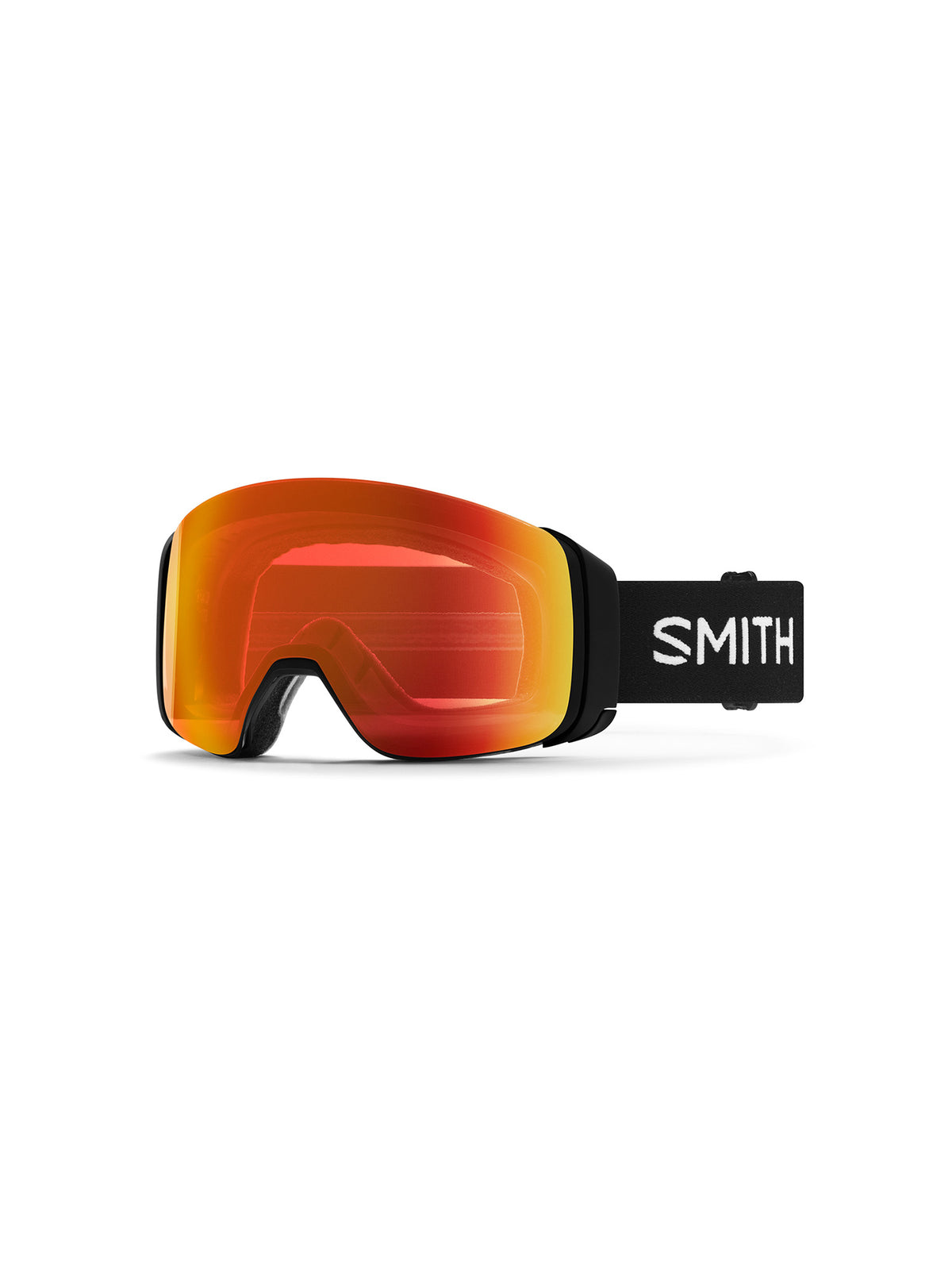
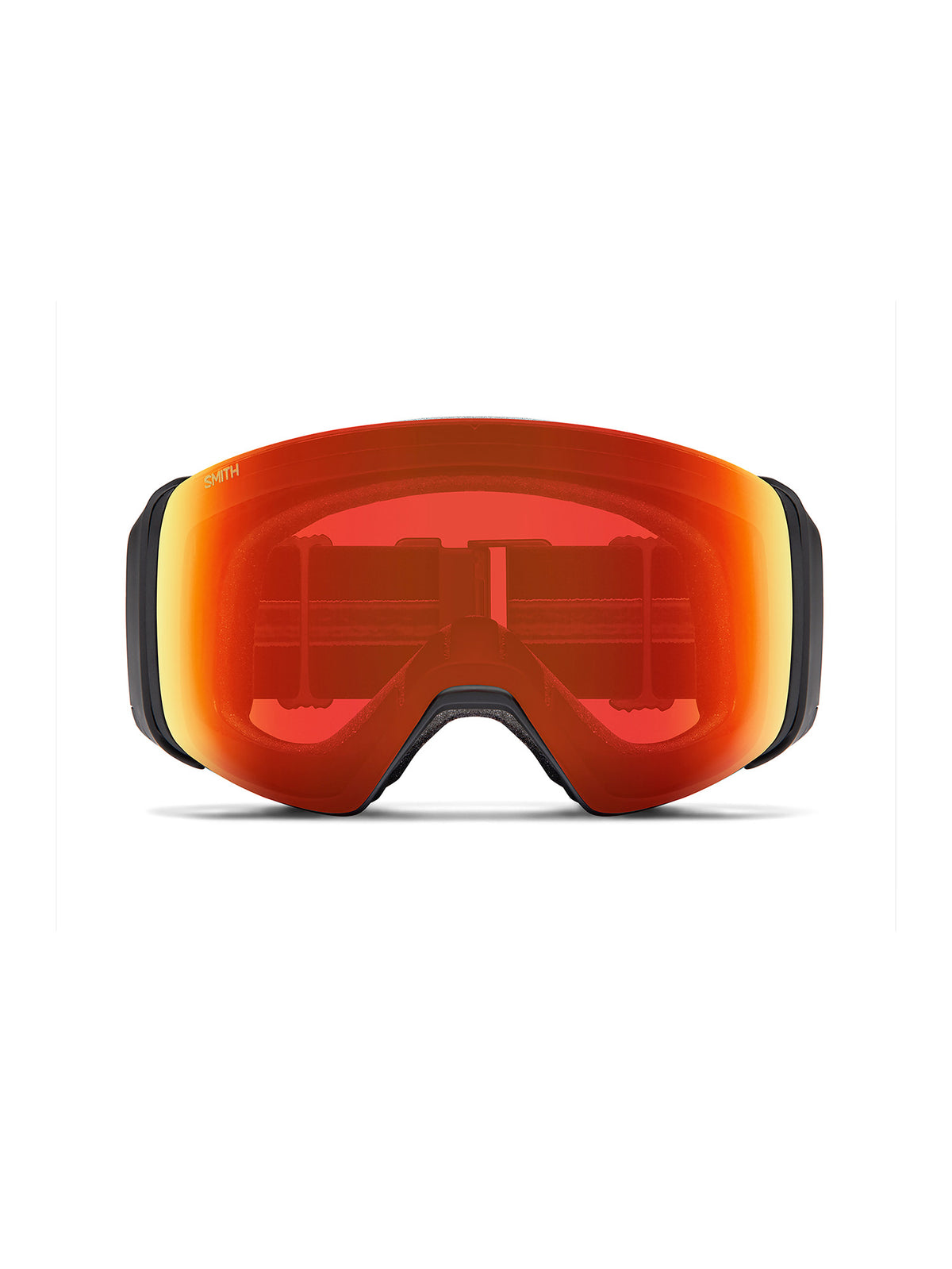


The right ski goggle combines lens, frame, and helmet
With ski goggles, three areas work together: the lens must match the light conditions, the frame must fit your face, and the entire goggle must fit your helmet. Therefore, don't start by just looking at a striking lens color. Consider the conditions you usually ride in and whether you want to switch between different lenses. Then check the fit with your actual intended equipment. A good individual feature does not automatically compensate for an unsuitable combination.
A ski goggle is selected as a complete product. The frame, padding, strap, and lens work together and cannot be arbitrarily replaced with similar-looking parts. If you already own a model, note the exact designation and version for additions. This is particularly helpful for replacement lenses. The same brand name or a similar frame shape is not sufficient as proof of compatibility. The specific approval for the respective model remains crucial.
VLT: Reading light transmission clearly
VLT stands for Visible Light Transmission. A higher VLT value means that more visible light passes through the lens; a lower value lets less pass through. Smith assigns brighter versions to duller conditions and darker versions to brighter conditions accordingly. This information helps to compare lenses according to their intended light range. It is a different question than UV protection and should not be guessed solely from the outwardly visible color.
When making your selection, consider what conditions you actually want to cover. If you frequently ride in changing brightness, a different concept is interesting than for predominantly very bright or predominantly dull days. A single fixed tint does not automatically cover every situation equally well. Compare the expressly described use of the lens and decide whether one version is sufficient for you or if you find additional adjustment options useful.
Consider lens categories and specific design together
Filter categories classify lenses according to their light transmission. Oakley explains corresponding markings in its product information and indicates the light and dark states of variable lenses. The category helps with comparison, but it does not replace the complete model description. Therefore, check which lens belongs to the exact selected variant. Two offers of the same frame can be equipped with different lenses and thus be intended for different light ranges.
Also pay attention to the difference between visible reflection and the view through the lens. The external appearance is a design element, but not a complete functional description. A similar mirror color does not necessarily mean the same VLT value or the same filter structure. For your decision, the specifications for the specific lens are more reliable than a color name alone. This allows you to consciously select based on viewing conditions and then add the desired aesthetics.
Distinguishing contrast filters, self-tinting, and interchangeable lenses
Contrast-related filter technologies and self-tinting lenses describe different functions. A contrast concept changes the filtering of certain light components, while a photochromic lens adjusts its tint within a specified range. One designation does not necessarily exclude the other, but it also does not prove it. Therefore, compare each feature individually. A well-known technology term is not a general promise to get the same view in every weather condition.
Oakley explains its own concept for influencing color and contrast under the name Prizm. Smith also describes a targeted filter approach for certain ChromaPop versions. The existing features depend on the respective lens. Do not decide only based on the name of a technology, but on its specific design, light range, and the fit of the associated frame. The manufacturer's terms are helpful for orientation within their product range and are not a universal scale for all brands.
Choosing an interchangeable lens system based on handling
An interchangeable lens system allows a suitable lens to be inserted into the same designated frame. This can be interesting if you want to cover different light conditions with separate versions. Check how the system works and which parts are actually included. A shown replacement lens does not automatically come with every offer. The scope of delivery and the approval of the specific product determine what you receive together and what you can add later.
For magnetic systems, in addition to the quick impression, the intended securing and correct positioning are also important. Follow the manufacturer's instructions for changing. For example, Smith explicitly mentions compatibility restrictions for different lens generations with the I/O MAG. This shows why a similar model name is not sufficient for spare parts. Compare the exact version and do not modify any mounts to fit an unsuitable lens. A suitable addition must be intended for the specific frame.
Categorizing lens shape and visible volume
Cylindrical lenses are curved horizontally, while spherical lenses are also curved vertically. These basic shapes change the spatial design of a ski goggle. In addition, there are manufacturer-specific versions with further shape details. However, the design alone does not determine which goggle fits you better. Frame height, distance to the face, and the combination with your helmet remain equally important. Therefore, consider the shape as part of the overall product and not as an isolated quality ranking.
Try on the goggles and consciously move your gaze in different directions. Pay attention to how you perceive the frame and padding and whether the goggles rest comfortably on your face. A large outer surface does not automatically mean the same usable vision for everyone. If the frame sits too low or is pushed by the helmet, the impression can change. Decide based on the specific combination you will actually wear on the slopes.
Checking frame height, nose area, and cheeks
The padding should fit comfortably to your face at the intended points. Check whether the frame presses on your nose or rests unevenly on your cheeks. A different frame height or nose bridge shape can do more here than just more strap tension. When you smile or turn your head, the goggles should maintain their usable position. Constant shifting indicates that you should compare the fit more closely.
Some manufacturers offer special fit variants. Smith, for example, describes Low Bridge Fit for certain nose and cheek proportions. This is a specific cut option and not a blanket feature of all women's or men's goggles. Women's ski goggles complement the selection of suitable shapes. Decide here as there, based on your actual proportions. A category designation helps with getting started, but it does not replace an individual fit check with the equipment.
Trying on helmet and goggles as a combination
When trying on, put on your intended helmet. Check how the upper edge of the goggles connects to its shape and whether the helmet pushes the goggles down. The strap should be able to be positioned according to the intended guide. Well-fitting goggles without a helmet may sit differently in the complete combination. Conversely, the helmet position should not have to be changed just to make room for an ill-fitting goggle frame.
In the selection of ski helmets, you will find additional orientation. When combining, also pay attention to the intended ventilation areas. POC explains the combined fit of helmet and goggles as a separate selection point. The same manufacturer can offer helpful model concepts, but does not guarantee every conceivable size combination. Check the actual parts together and evaluate head movement, face padding, and strap guidance in a complete fit check.
Selecting OTG ski goggles for your prescription glasses
OTG means that ski goggles are designed to be worn over prescription glasses. Smith describes additional interior space and areas that accommodate the temples. Nevertheless, your specific prescription glasses must fit inside. Check the width, height, and the course of the temples, rather than just relying on the OTG designation. The ski goggles should not press the underlying frame uncomfortably on your nose or temples.
Try on both pairs of glasses together with the helmet. Pay attention to whether the lenses have sufficient distance from each other and whether the prescription glasses shift when you put them on. A model that offers enough space without a helmet may sit differently with full equipment. The right OTG selection is therefore a specific combination of several parts. Choose based on this fit and the suitable lens, not just on the largest possible outer frame.
Fogging: Ventilation and handling are important
An anti-fog treatment is part of the goggle concept and not a guarantee that moisture is excluded under all circumstances. Smith points out that the combination with the helmet and the handling of the goggles remain important. Putting them on a damp forehead can bring heat and moisture into the interior. Therefore, also plan where you put down or position the goggles during breaks according to the manufacturer's instructions.
Above all, check whether your other clothing unnecessarily covers the intended airways. High face coverings and collars are part of the complete combination. The goggles should sit in their intended place and not be pushed by other equipment. If you repeatedly notice problems, consider fit, ventilation, and handling together. An additional spray is not an automatic solution and may be unsuitable or unnecessary for already treated lenses according to the manufacturer.
Gently caring for and drying lens surfaces
The inside of a ski goggle lens can be treated differently from the outside. Smith warns against rubbing a wet or foggy inside; Oakley also points out the careful handling of the anti-fog surface. Therefore, follow the instructions for the specific model and use only the designated products. Any random spectacle cleaning cloth or cleaning agent is not automatically suitable for every treated surface.
After use, let the goggles dry completely according to the manufacturer's instructions and protect them from contact with other equipment during transport. Damp padding and lenses should not simply be stored unchanged for the next day. Also check for damage and what spare parts are approved for the specific model. Care supports the intended use of the product; it cannot arbitrarily restore a damaged or ill-fitting lens.
Comparing your ski goggles specifically
Finally, compare the same points for all your favorites: intended light conditions, specific lens, frame fit, helmet interaction, and handling. In the brand selections from Smith and Oakley, you can classify different concepts according to these criteria. The brand choice is a starting point; the features of the exact variant you choose remain decisive.
Once the lens and fit are determined, you can choose the color and strap design to match your outfit. This gives aesthetics their place without overshadowing functional questions. A suitable ski goggle combines a comprehensible lens choice with a comfortable shape and your other equipment. This combination is the sensible basis for a purchase that you can evaluate based on specific features and your actual use.
04At FREUDENHAUS
05Questions about the category