

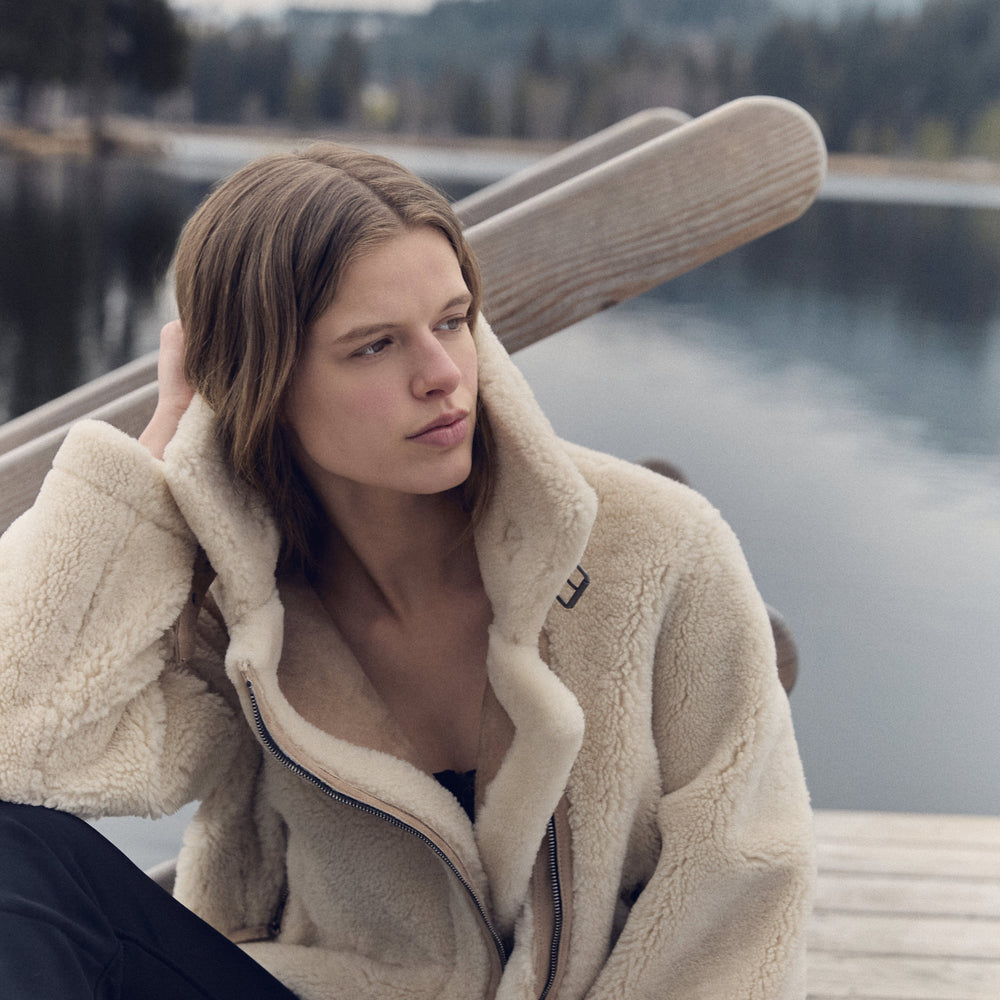
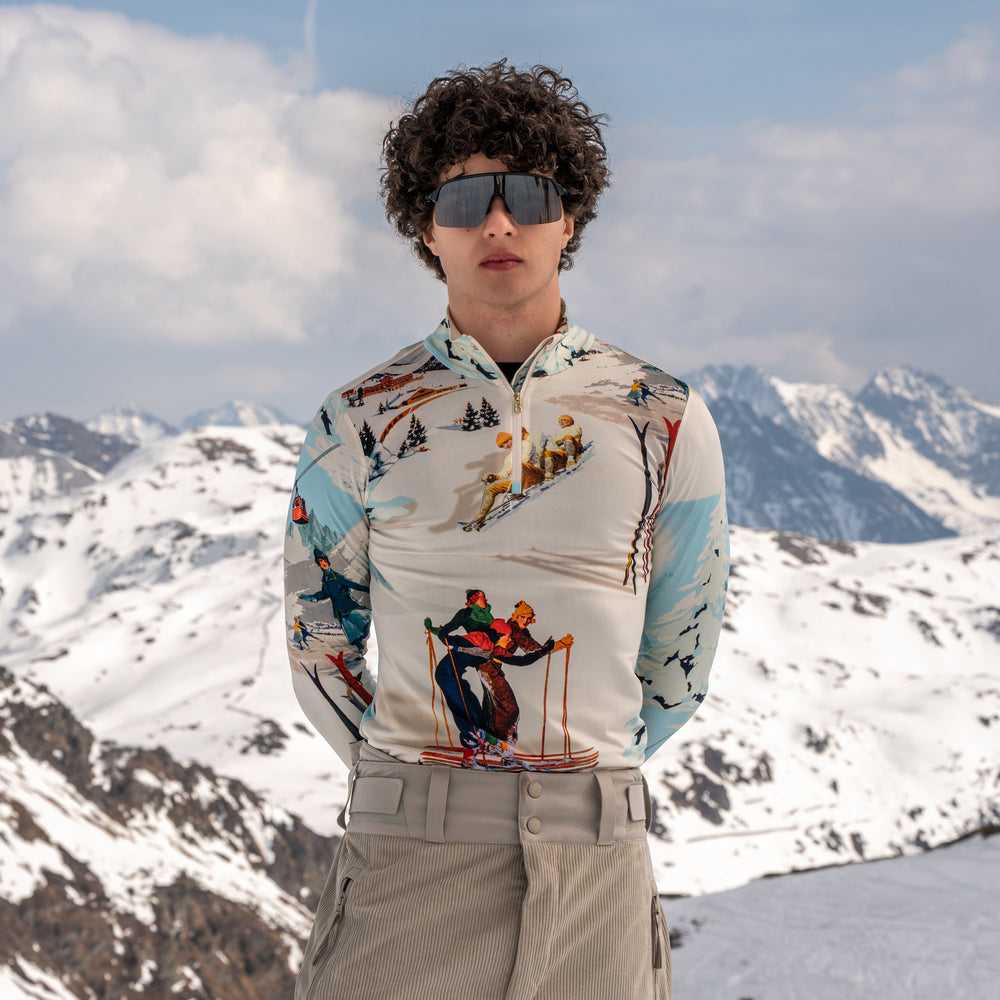
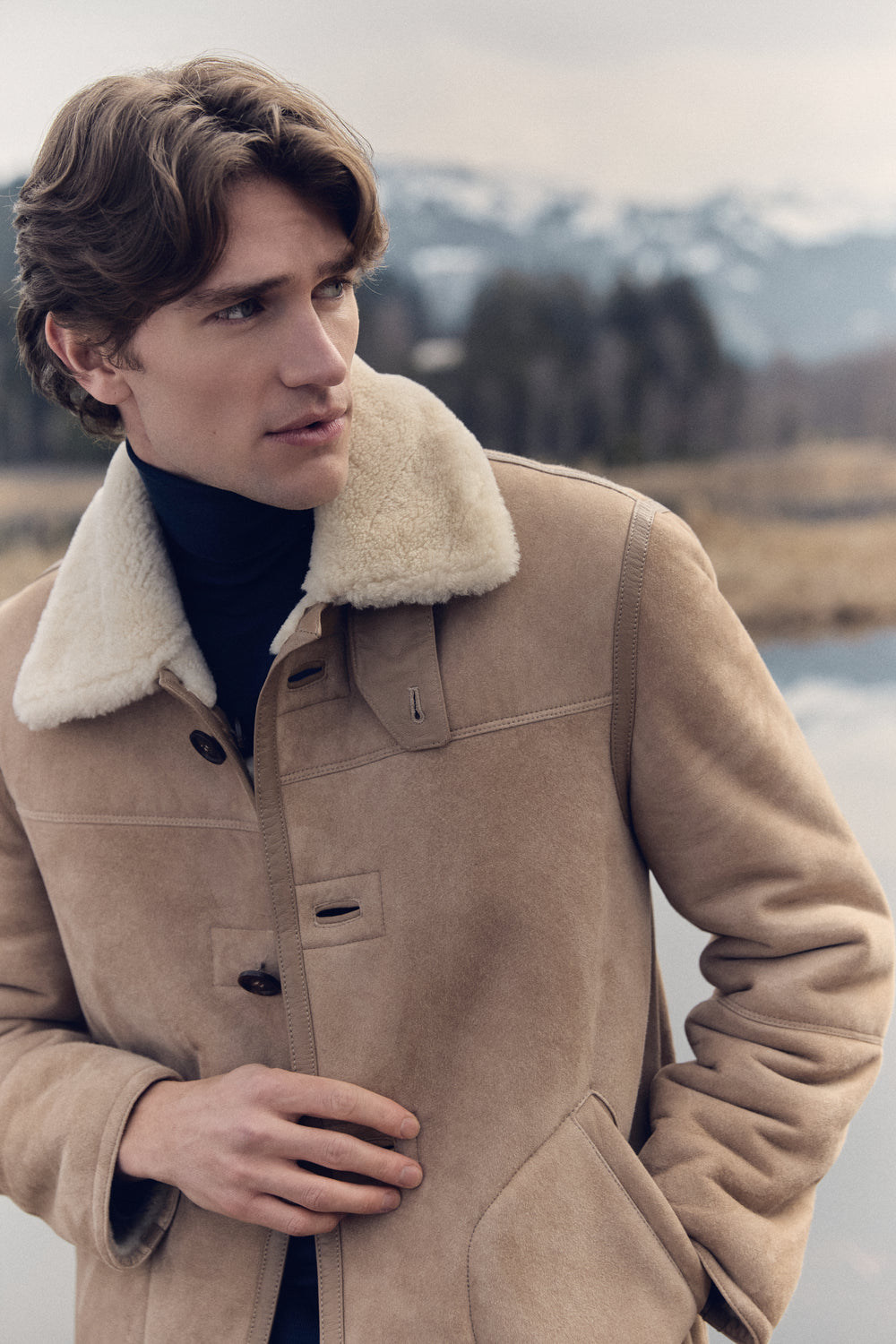

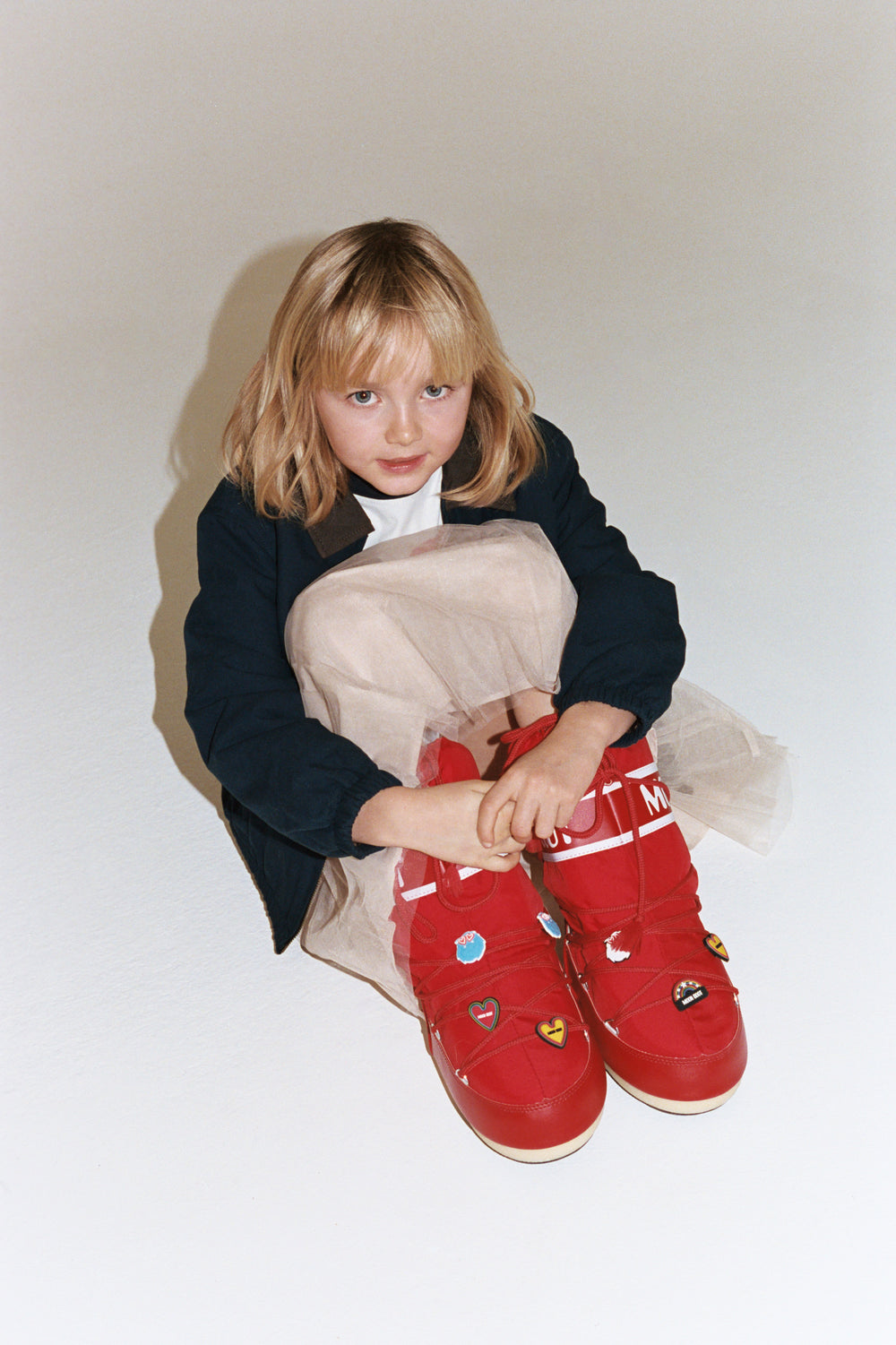



Winter collection for women, from fashion to ski equipment
The women's winter collection combines personal winter looks with skiwear, shoes and seasonal equipment. Choose according to your daily schedule and organize everyday life, exercise, and ski days as separate tasks. Here you will find guidance on thermal layering, proportions, and suitable transitions, so that clothing and technology can be selected according to the right criteria.




Women's Winter Collection: Considering Your Whole Day
Winter clothing often accompanies several situations: the commute outdoors, staying indoors, active leisure, and possibly time on the slopes. A suitable selection takes these transitions into account. Therefore, start with your daily routine and the items you already like to wear. What combination should be warmer, more flexible, or designed differently? A concrete answer leads to a clearer selection than the general desire for the thickest possible winter fashion.
The women's winter collection combines clothing and shoes with other seasonal areas, including ski equipment. These products fulfill different tasks. A coat is judged differently than a ski boot, and glasses differently than a knitted item. Use the common entry point to find the right direction, and then compare the specific form and function. The winter assignment alone does not explain a certain thermal performance or universal suitability for every activity.
Three Situations Help with Orientation
For everyday commutes, suitable clothing, shoes, and practical handling are key. A look should integrate with the most frequent companions and cover the desired outdoor phases. For active movement, the structure changes: cut, stress, and additional layers gain more importance. For ski days, technical equipment and its specific requirements are added. This separation makes the selection clear without limiting your personal style to just one direction.
Individual items can accompany multiple situations if their construction allows it. A knitted item, for example, can complement various leisure combinations without taking on a technical function on the slopes. A sports jacket is not intended for every weather condition just because of its appearance. Name the actual task of each item. This way, you can recognize when a versatile favorite makes sense and when a targeted second solution offers a clear difference.
Creating Winter Looks Through Proportions
In women's leisure fashion, the combination of tops, bottoms, and personal accents is central. For winter, the volume often changes due to thicker fabrics and additional layers. Therefore, pay attention to how shoulders, hem, and pant or skirt length interact. A compact outer shape emphasizes a different aspect than a longer silhouette. Both can be harmonious if the accompanying pieces are chosen appropriately.
A loose cut is not the same as an arbitrarily larger size. It can provide volume in certain places and keep other areas controlled. If you simply choose a larger size, sleeves or shoulders may change in an undesirable direction. Compare the intended shape with your body and the clothes underneath. A good winter outfit should not only look good but also allow for comfortable sitting, walking, and usual arm movements.
Choosing Jackets and Coats by Length and Construction
Jackets and coats offer a dedicated area for outdoor everyday situations. More length covers a larger area and changes movement when sitting or walking. A shorter shape appears more compact and allows the bottom to be more visible. Decide which proportion and everyday use suit you. A long jacket is not automatically warmer than every short one; material, insulation, and the layers underneath also play a role.
Consider collars, hoods, and pockets according to their use. A high closure can be comfortable but must fit with a scarf or another layer. A large pocket is only practical if its position and opening function in everyday life. More details do not automatically mean more utility. Choose the features you want to use regularly and combine them with the desired silhouette rather than with the longest possible list of features.
Do Not Confuse Thermal Construction and Weather Function
A filling or a soft inner material describes part of the thermal construction. This does not automatically imply waterproofing. For an outer weather function, material and construction are jointly relevant, such as seams and closures. Water-repellent and waterproof are different specifications. Compare them according to the specific model description. A winter look or a well-known technical brand name alone is not sufficient proof for a specific function.
The personal feeling of warmth also depends on several factors. Movement, breaks, and additional clothing change how an item feels. Deriving a rigid temperature expectation from visible thickness would be unhelpful. First, choose the construction for your most frequent use. If you switch between indoors and outdoors, an adaptable combination may be more sensible than a single very warm layer that is to be worn unchanged in every situation.
Textures and Colors for a Personal Winter Look
Knit, smooth surfaces, and different fabric thicknesses can also appear varied in a calm color scheme. You can create a material contrast without combining many patterns. A bold top looks different next to plain pants than next to a similarly heavily textured surface. Decide which part should be in the foreground. A subtle companion can give a favorite piece space instead of competing with it for attention.
Colors don't have to be exactly the same to create a connection. Recurring tones in shoes, bags, or tops can already be enough. A striking coat can emphasize a different aspect than a distinctive hat. Consider the entire combination, including the outer layer. In winter, this is often a large visible part of the look and should work with the proportions planned underneath.
Building Ski Clothing as a Separate Combination
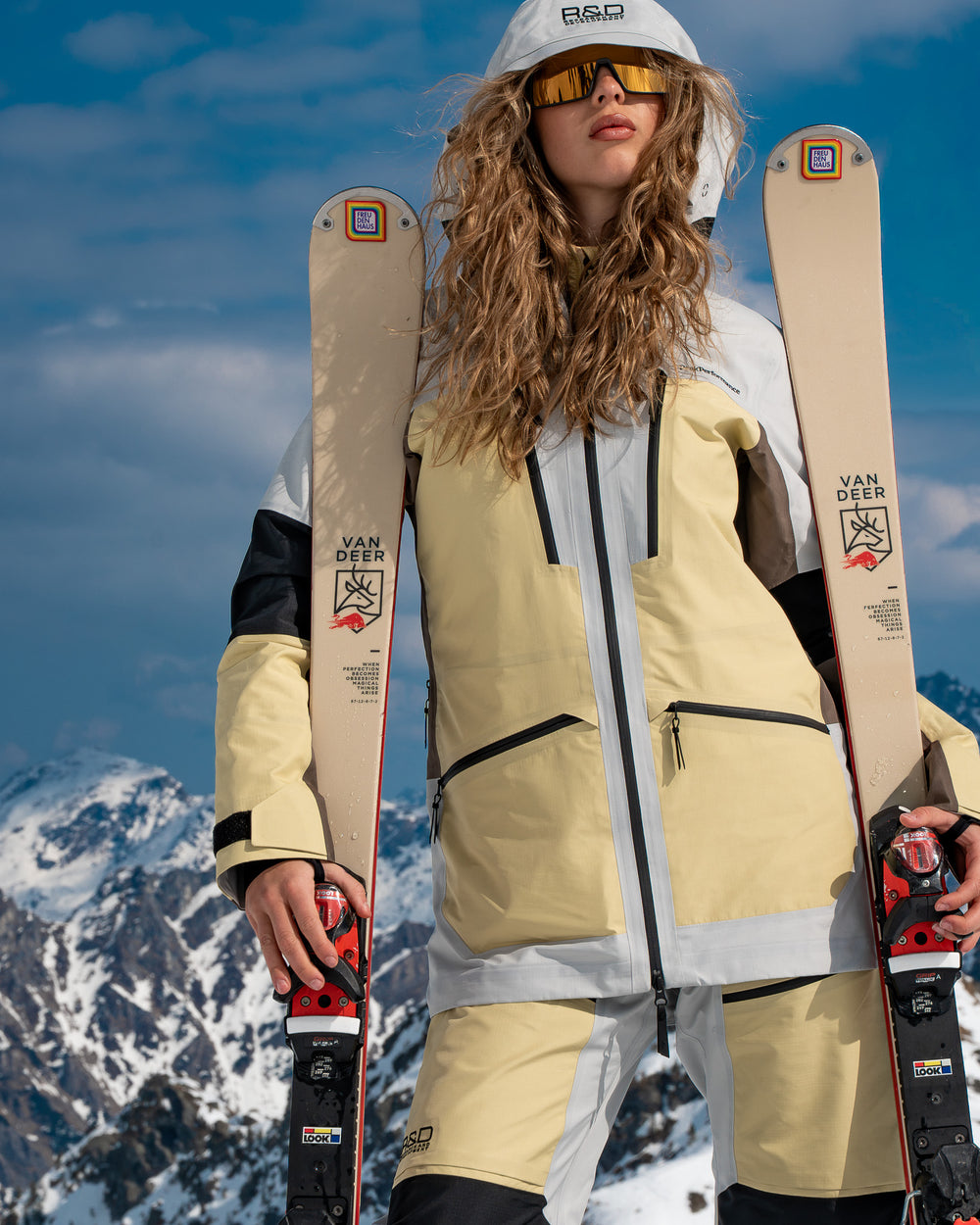
For women's ski clothing, the first skin layer, additional warmth, and outer clothing must be planned together. Suitable underwear should fit comfortably against the body and not form unnecessary wrinkles. An intermediate layer complements the thermal needs, while the jacket and pants fulfill their described functions. More fabric in each layer is not automatically the best solution. Movement and actual conditions determine which combination is sensible.
Test jackets and pants in a more active posture. Arms forward, bent knees, and sitting show different contact points than standing still. Shoulders, hips, and upper arms need sufficient space without the cut losing its desired shape. A close-fitting ski look can be compatible with mobility if the construction allows for it. A smaller size just for a slimmer silhouette, however, is not a technical selection strategy.
Pay Attention to Closures on Hands, Neck, and Shoes
A ski outfit must function at the transitions. The glove meets the jacket sleeve, the pants meet the ski boot, and several layers may meet at the neck. Check whether adjustments and collars fit well and can be operated. A visually coordinated combination can still be unsuitable at these points. Therefore, a common color or brand does not replace a concrete comparison of shapes.
Helmets and goggles also require their own fit check according to the manufacturer's instructions. Additional clothing must not arbitrarily change the intended fit. A large hood is not helmet-compatible solely due to its size. If a corresponding function is important, it must belong to the model and fit the actual equipment. Clothing complements this connection, while protective products retain their own requirements.
Winter Shoes for Leisure and Post-Sport Commutes
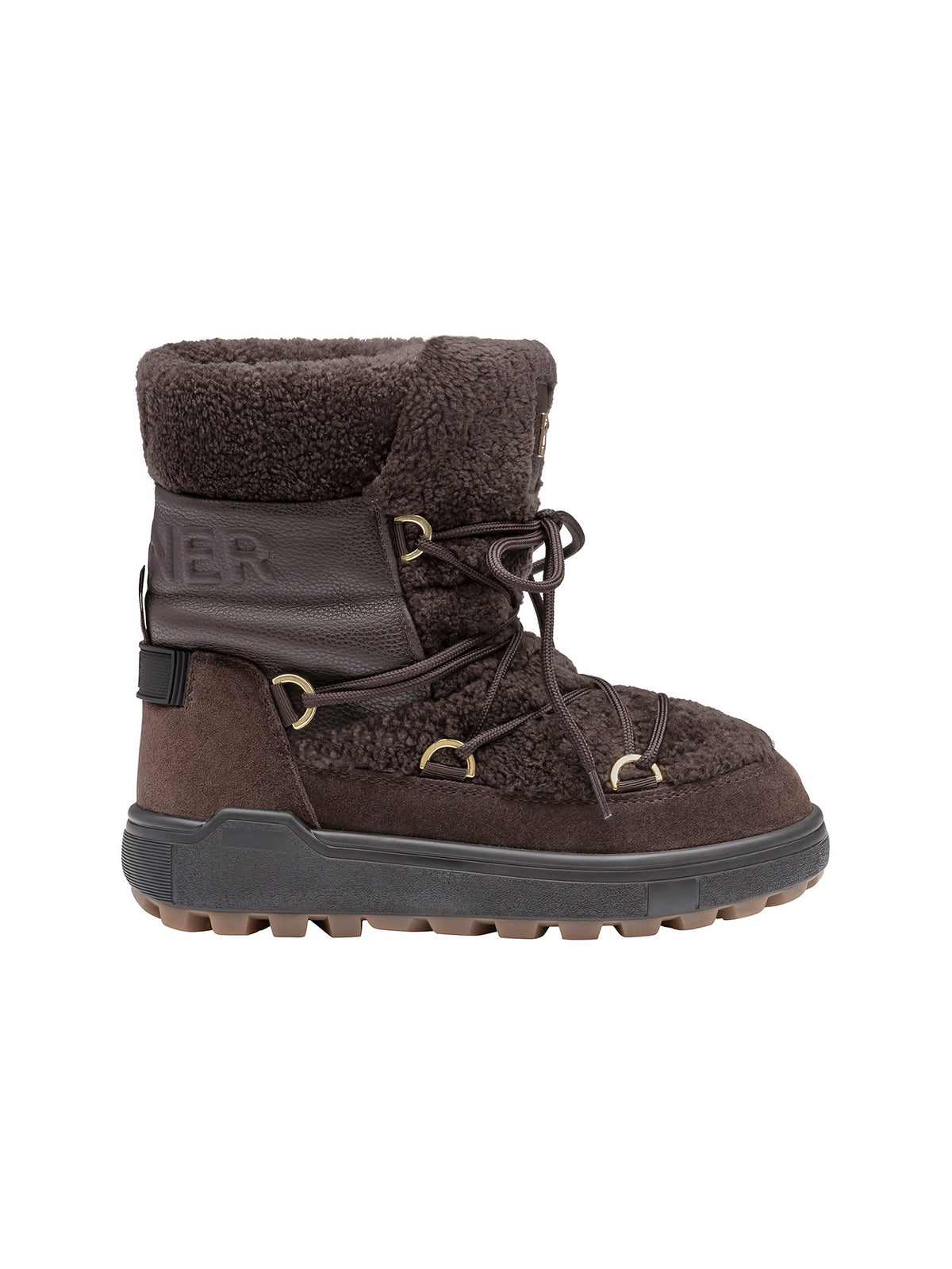
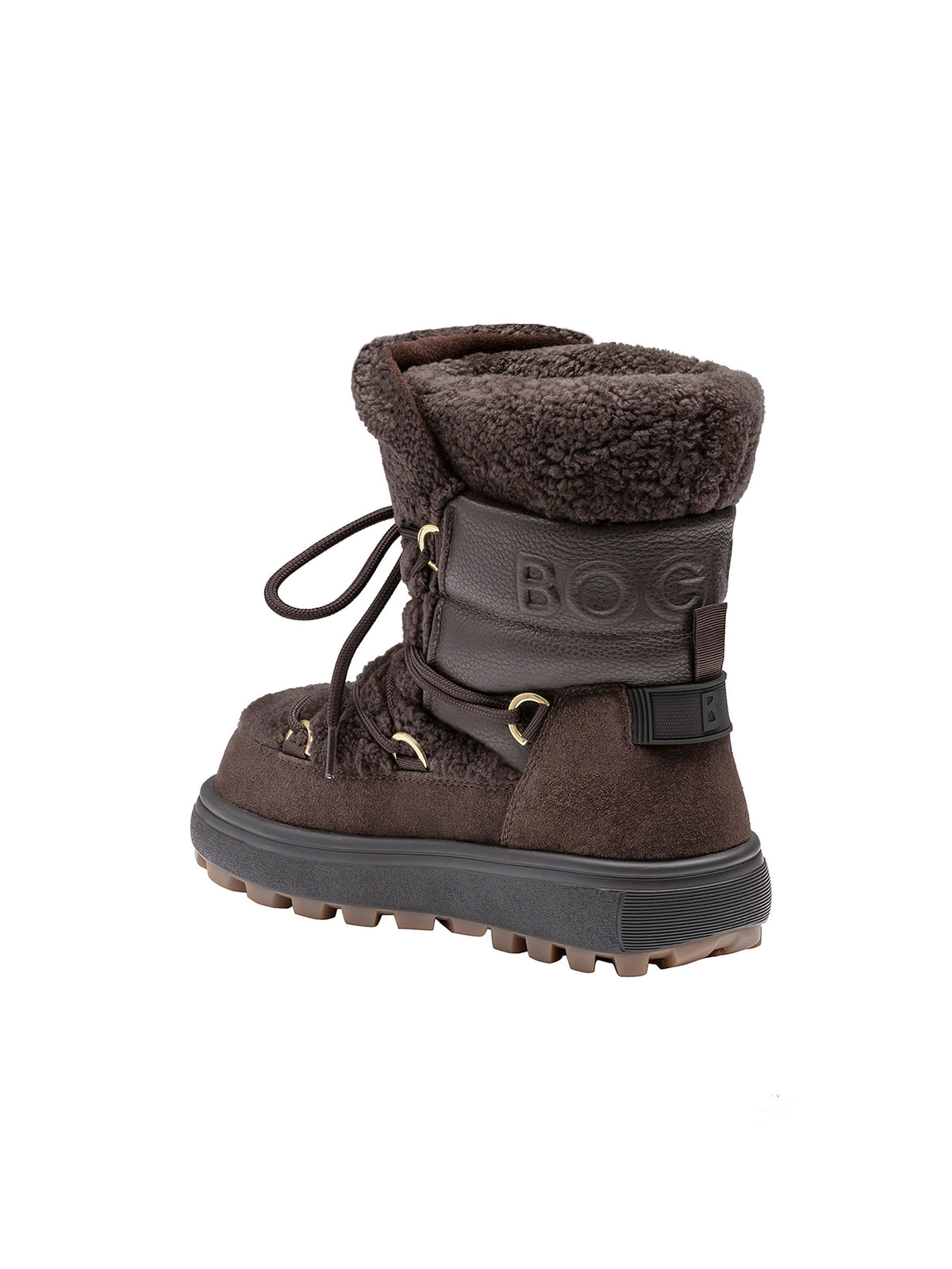
Women's winter shoes are chosen according to foot shape, ground, and desired winter construction. A soft inner area can contribute to wearing comfort, a higher shaft can cover more, and a specific sole can fulfill its own task. These features should not be arbitrarily equated. A strong tread does not guarantee grip on every icy surface, and a warm impression does not guarantee waterproofing. Choose based on the specifically described properties and your most frequent routes.
Plan for the intended socks in the sizing. A larger shoe size is not automatically the right winter solution. Length, width, and instep volume must fit together. If a sock is very thick, it takes up more space and can change the fit. A good leisure boot complements time outside of ski boots with its own role. It does not have to simultaneously take on all sporting or alpine tasks.
Assessing Ski Boots by Foot Shape and Skiing Intent
For women's ski boots, foot length, volume, shaft shape, and intended use are central. The design classification alone is no guarantee of fit. A narrow foot and a wider forefoot require different considerations; a greater length does not automatically solve an ill-fitting last meaningfully. A flex rating should also be evaluated in the context of the person and model, rather than being read as a general quality ranking.
The connection to the binding must be specifically suitable. Sole type, design, and technical requirements must not be derived from a common brand logo. Required mounting, adjustment, and checks belong in expert hands. The winter collection provides an entry point to this equipment but does not replace a technical check. Choose the boot according to the foot and then consider it as part of an explicitly compatible combination.
Categorizing Skis and Complementary Equipment Specifically
A ski is chosen according to skiing intent, experience, and preferred use. A predominantly groomed slope places different demands than a more terrain-oriented concept. Length, radius, and construction belong together in the comparison. A gender assignment or a specific design alone does not explain personal suitability. First, name the actual task, and then compare the specific execution with its described properties.
The Ski Essentials section assists with complementary equipment and accessories. Here, it is important whether you are looking for a complete product or a suitable component. A replacement lens, a liner, or an attachment must belong to the existing model. Similar color or shape is not sufficient proof. Accessories should close a named gap and not just create an additional design connection to the clothing.
Care and a Clear Selection for the Winter Season
Different materials and equipment types require different care. Observe the respective manufacturer's instructions for knitwear, fillings, technical surfaces, shoes, and protective products. Common winter use does not mean identical treatment. Technical maintenance and required checks are also different from ordinary cleaning. Consciously plan for these differences instead of treating all items according to a single daily routine.
Finally, arrange the planned combinations side by side: everyday life, active use, and possibly ski day. Name which part is missing in each case and which features are indispensable. Then, design and brand character can be specifically complemented. The women's winter collection connects these directions into an overview, while each individual selection retains its own basis. This creates suitable winter looks and a comprehensible equipment for your actual needs.
04At FREUDENHAUS
05Questions about the category