






Scarves to match collars, material feel, and style
Scarves combine the feel of material, color, and a personal wearing style. Compare length, width, and volume to match your collar, your sweater, and the desired effect. Whether draped loosely, worn compactly, or as a visible accent: The right shape complements your outfit without adding unnecessary bulk around your neck or under your jacket.






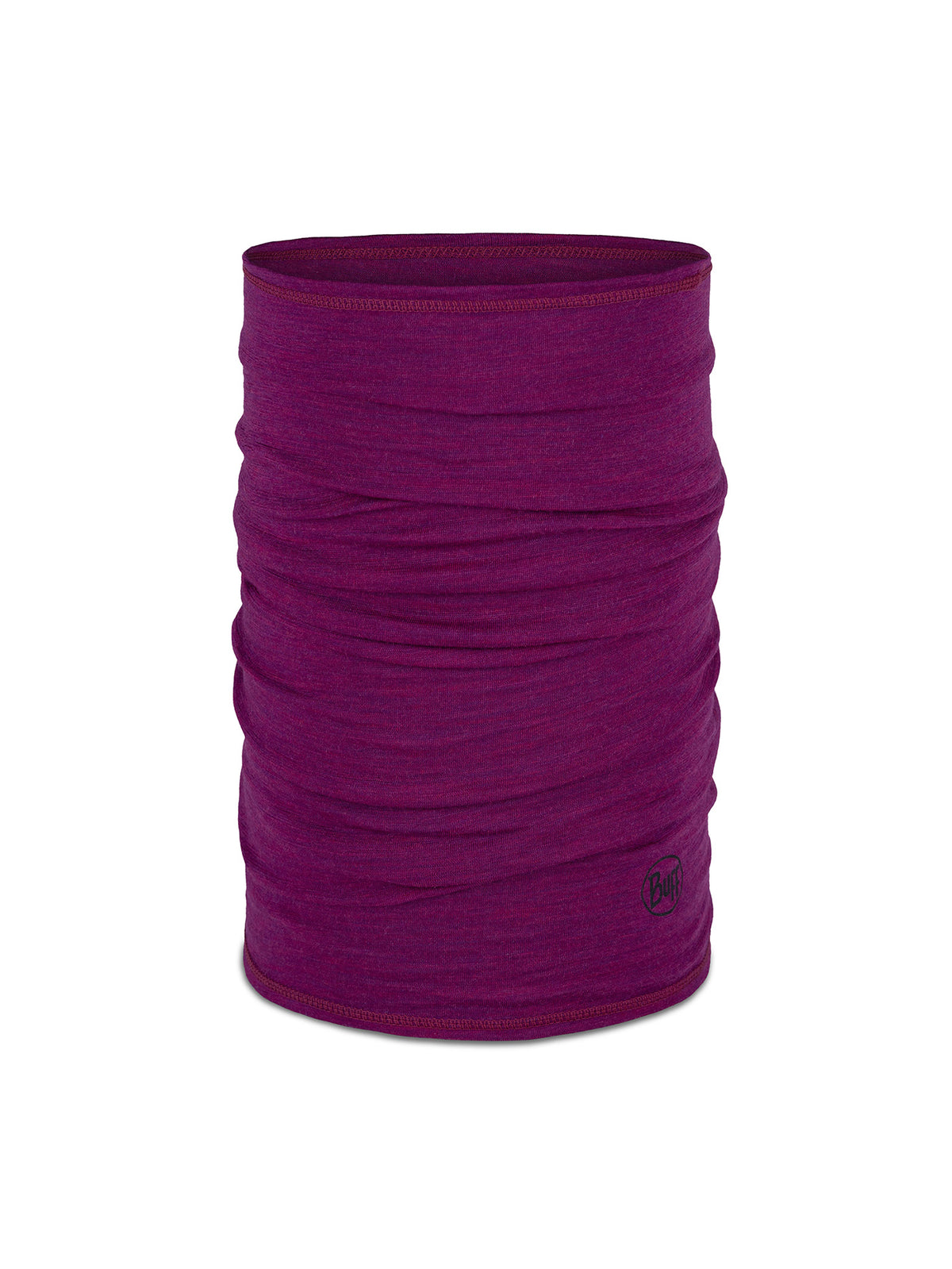


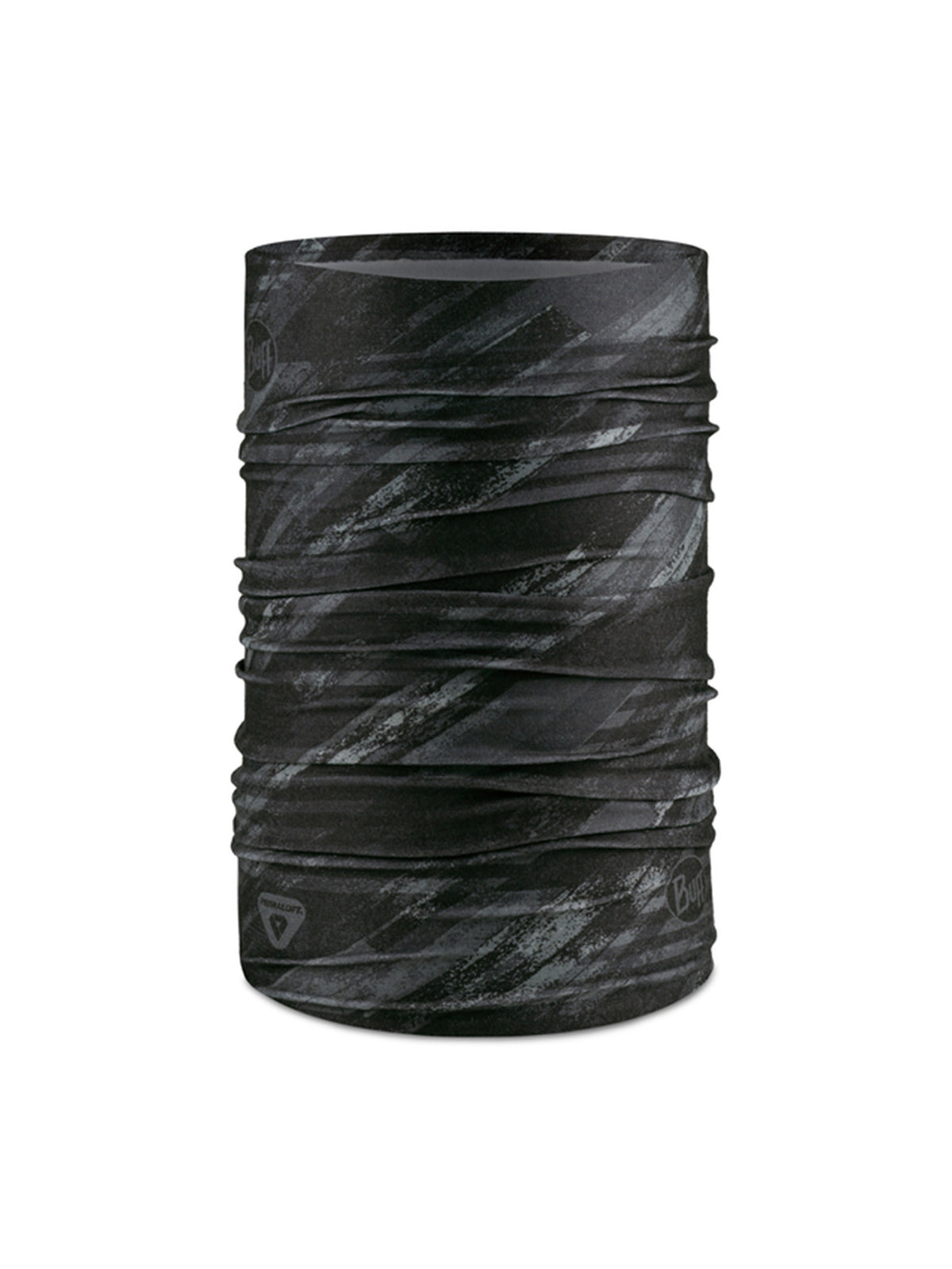


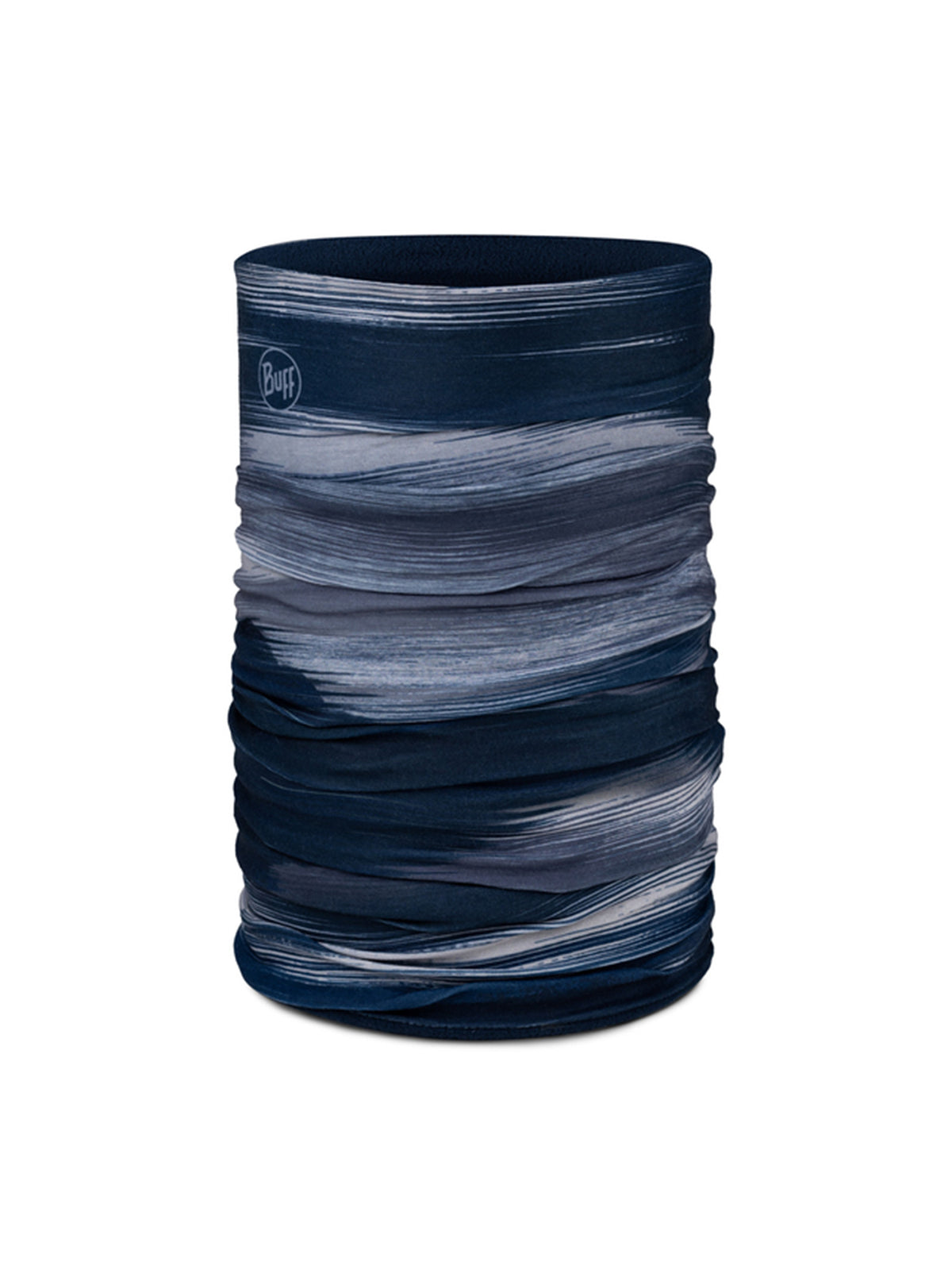


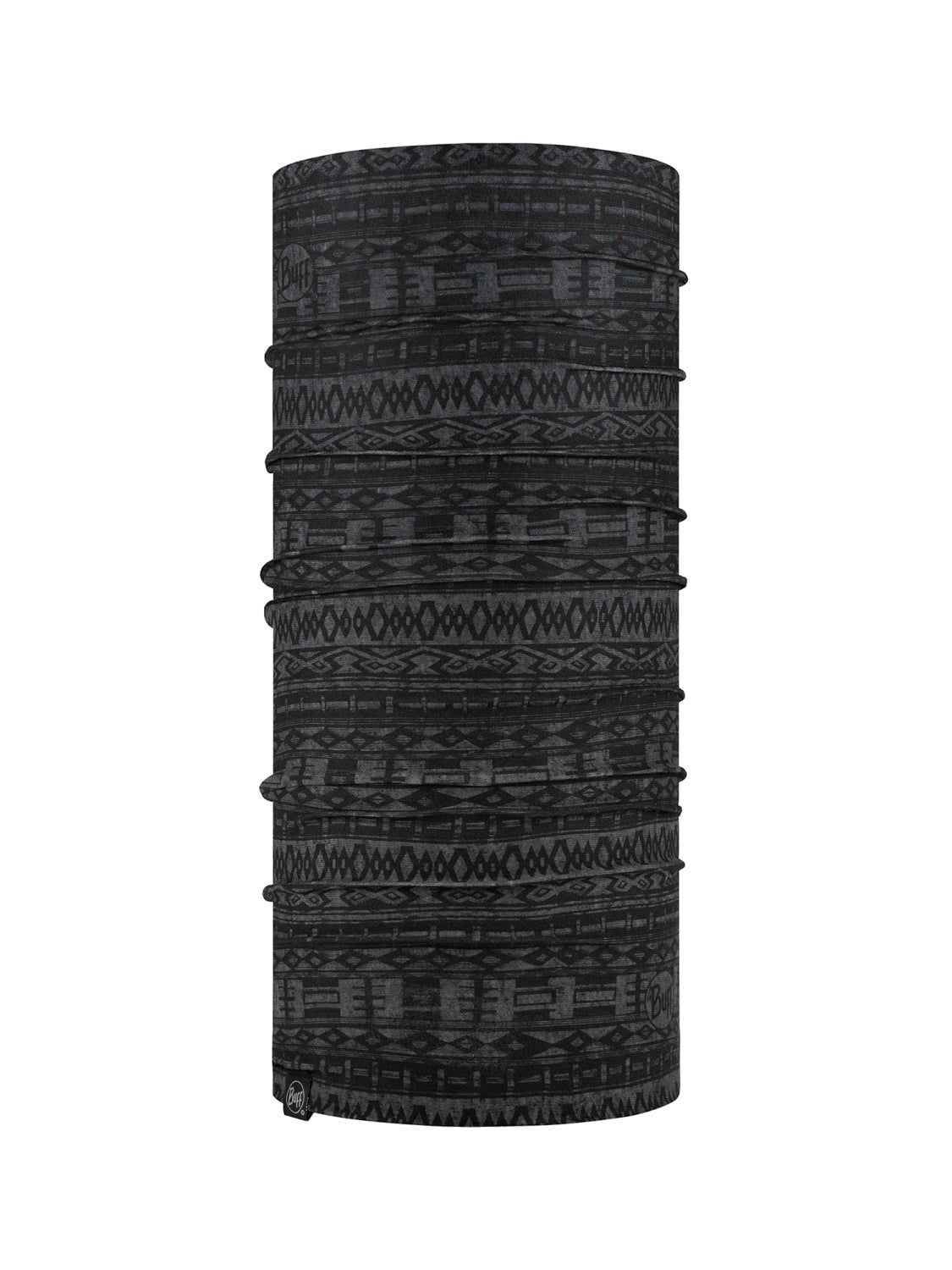
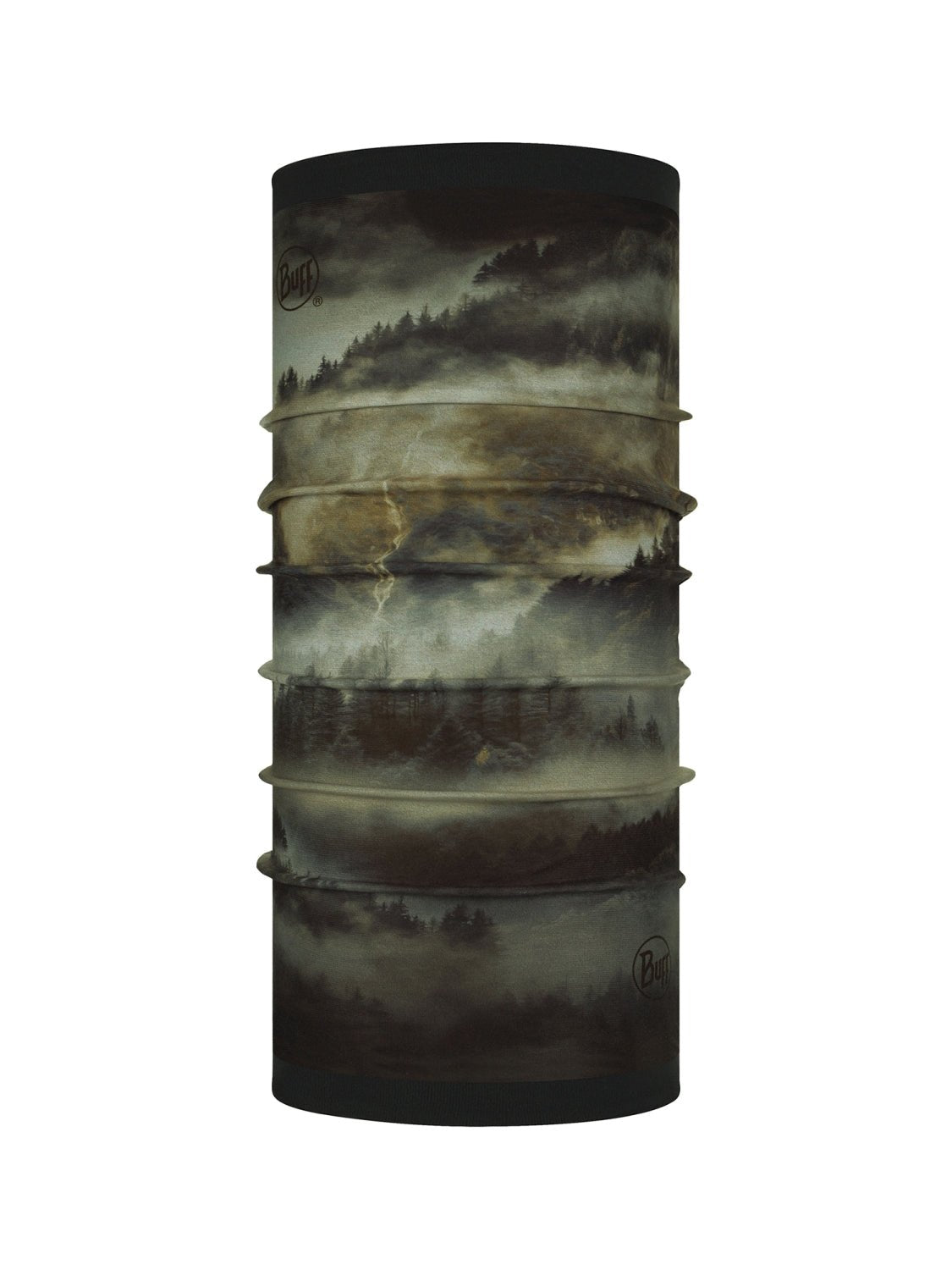
Choosing a scarf based on how you wear it
A scarf sits close to your face and changes the neckline of your outfit. It can hang loosely over a jacket, be tucked into a coat, or worn as a compact finishing touch. Therefore, the right shape doesn't solely depend on pattern and color. First, consider how much volume you want around your neck and what you'll be combining the scarf with. A generous wrap serves a different purpose than a narrow scarf.
Your daily routine also plays a role. If you frequently move between outdoors and indoors, you might want a scarf that's easy to remove and store. If you primarily wear it as a visible part of a coat look, length and drape might be more important. A single style doesn't have to fulfill all these tasks at once. A specific way of wearing it helps you to sensibly compare shape and material effect.
Distinguishing between scarves, wraps, and snoods
A long scarf can be styled in various ways and often shows two visible ends. A wider wrap offers more surface area and can frame the upper body more prominently. A closed snood has no free-hanging ends and is put on differently. In everyday use, these terms are not always strictly separated. Therefore, the actual shape of the product, and not just its name, is decisive.
When comparing, consider width and length together. A very wide style can appear more compact when folded, but it brings together more layers of material. A narrow style remains more subtle but cannot be draped over the shoulders in the same way. Consider whether you are looking for a single preferred way of wearing it or intentionally want to switch between several variations.
Matching length and volume to the collar
A high jacket collar leaves a different space around the neck than an open lapel. If you want to tuck a scarf into a closed jacket, the bulk should not be uncomfortably constricting or hinder the closure. A voluminous scarf can create a distinct shape when worn outside, while a flatter style lies more easily within the collar. Try the desired combination with the jacket closed, not just in front of the mirror with it open.
For women's jackets and coats, you can compare suitable outer shapes. The scarf doesn't have to be the same length or width as an existing model. What's important is which surface area and finish suit the new collar. If you wear different jackets, imagine the desired position of the scarf for each one and then choose its versatility accordingly.
Taking material feel around the neck seriously
A scarf often touches sensitive areas on the neck and under the chin. Therefore, evaluate the personal feel and not just the visible surface. A fluffy impression in the product image is no guarantee of how the specific material will feel to you. Composition, processing, and structure go together. Even within the same fiber group, different styles can create a different wearing sensation.
If you already enjoy wearing certain materials, they can provide a starting point. Nevertheless, compare the exact finish. A dense knit, a loosely woven fabric, and a light wrap drape differently around the neck. Don't choose additional thickness solely as a supposed quality feature. The right volume must match your jacket, how you wear it, and your personal comfort.
Using color purposefully near the face
A scarf brings color directly to the top of an outfit. This can give a subtle coat a distinct accent. You can pick up a tone from a hat, sweater, or bag without creating a completely identical set. Related colors have a different effect than strong contrasts. Decide whether the scarf should connect or deliberately stand out before combining several striking elements.
Examine the color in suitable daylight and together with the jacket. In a single product image, a shade can appear different next to a warm or cool base tone of your clothing. The surface area also counts: a widely worn scarf shows a lot of color, while a loosely tucked narrow style creates more of a line. The desired effect arises from this combination of color and wearing style.
Bringing patterns and textures together
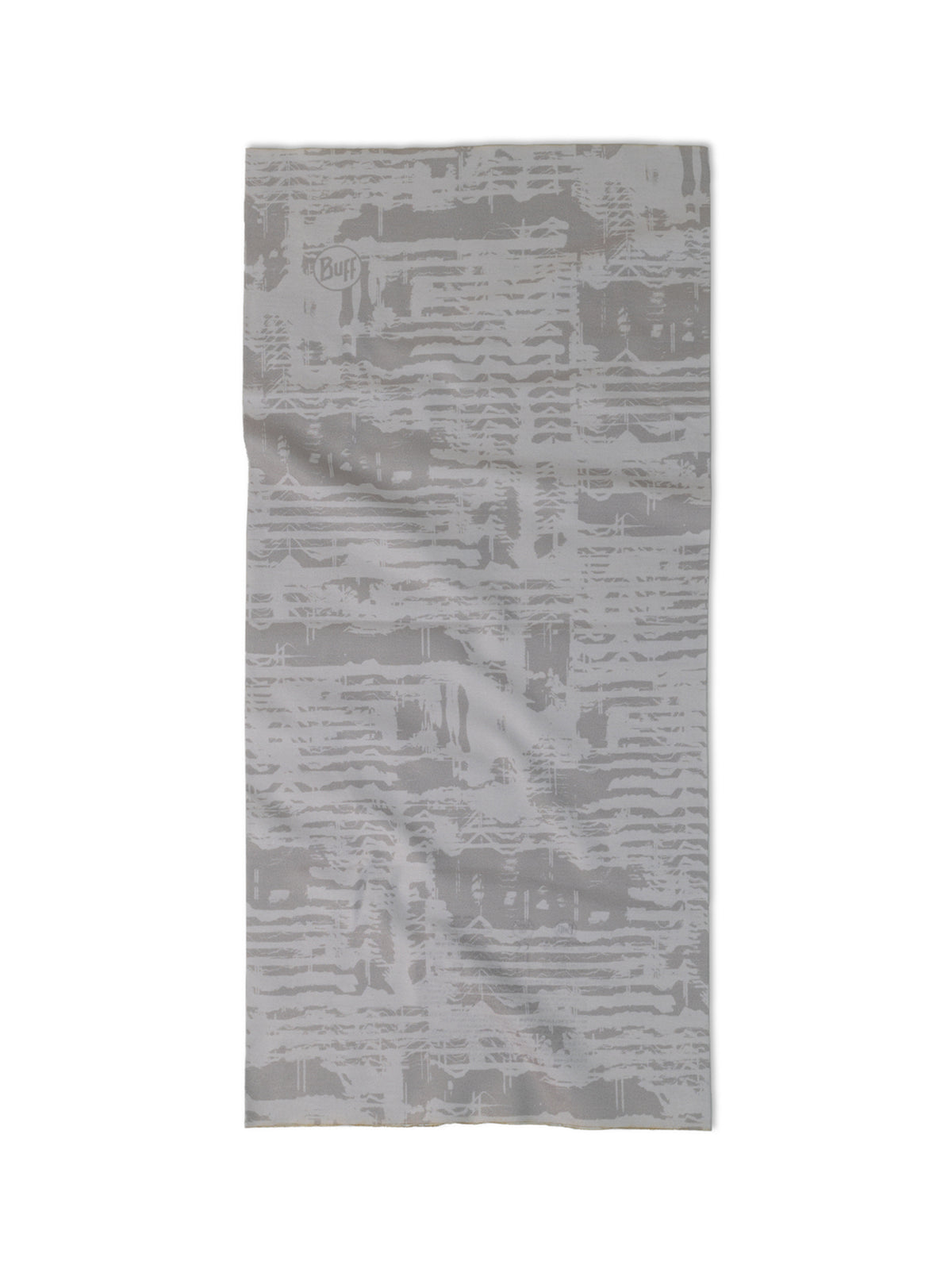
Plaids, stripes, and other patterns can enliven a calm look. Consider which part of the pattern will actually be visible in your preferred fold. A generous design looks different if only a narrow end peeks out from the jacket. A small pattern can appear almost like a solid surface from a greater distance. Therefore, choose not only based on the unfolded scarf, but also on its final shape.
With a highly structured jacket, a smoother scarf can provide a clear contrast. Conversely, a scarf with visible texture can complement a simple coat. If you want to mix patterns, a common color helps to connect them. You don't need a rigid rule for every combination; what's more important is which part of the outfit should attract attention and which pieces support this effect.
Combining with hats and knitwear
Scarves, hats, and sweaters visually come together in the upper body area. Different textures can look interesting, but they must allow for space when worn. A chunky turtleneck and a voluminous scarf together build up more material around the neck than a crew-neck top with a flat wrap. Try the combination as you would actually use it outdoors.
For women's hats and women's knitwear, you can find suitable additions based on shape and surface. A recurring color is often enough to connect different materials. A completely matching set can also work, but it shouldn't be chosen solely for visual unity. Each component must be comfortable for you to wear.
Leisure accessory and sporty neck warmer
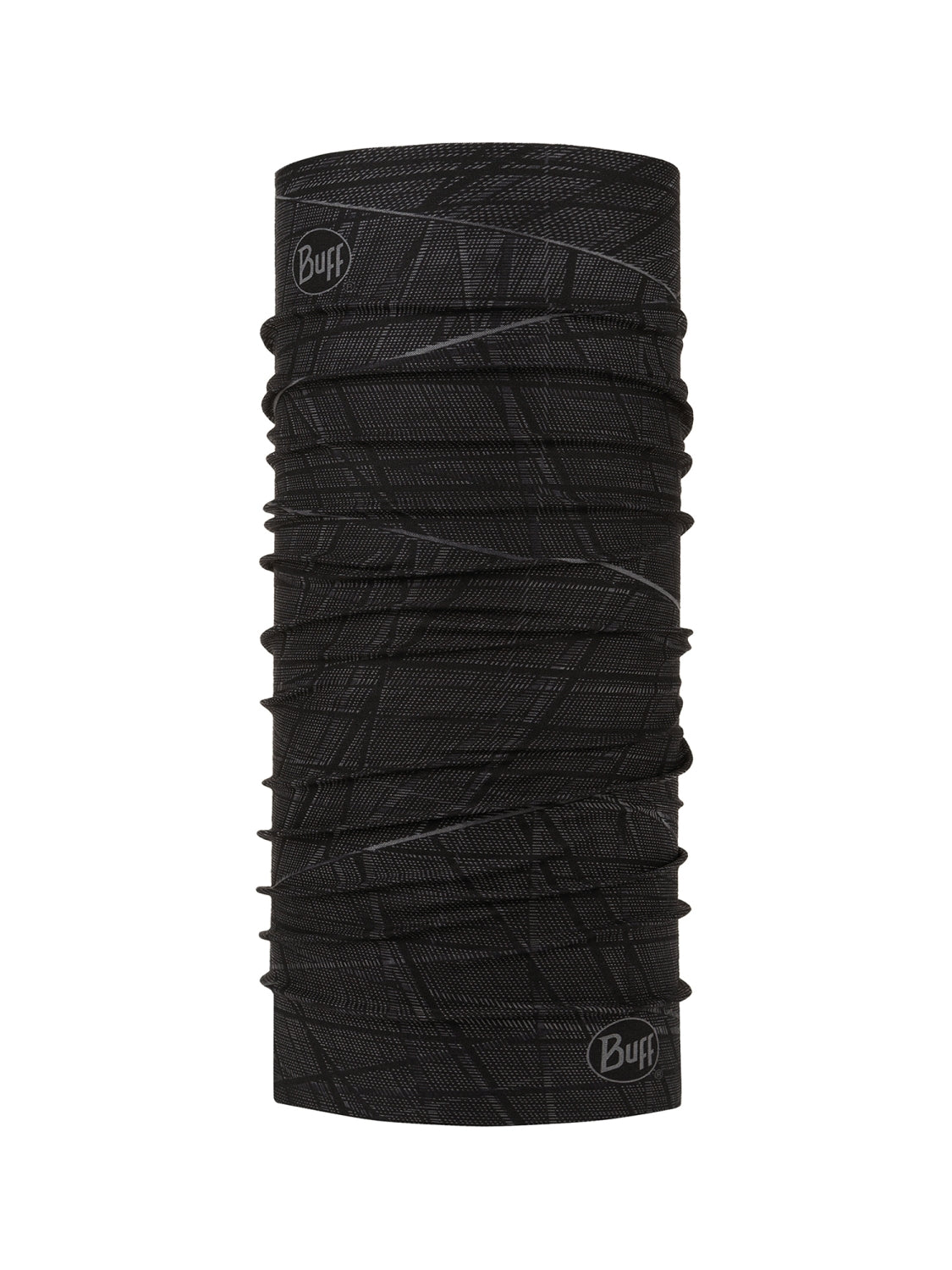
A long fashion scarf and a neck gaiter designed for a specific activity are not automatically interchangeable. Their shape, fit, and intended use differ. If you're looking for a neck warmer for sports, pay attention to the specific product description and how it combines with your layers. A loose, free-hanging end serves a different purpose than a compact, purpose-built construction.
For a casual look, you can work more with visible lengths and surfaces. When sitting, getting in and out of a car, or carrying a bag, you'll notice if the chosen shape suits your everyday life. Also, consider where the scarf lies when you take it off. Practical storage is part of the selection if you frequently switch between different temperatures and indoor spaces.
Care without sweeping material promises
A scarf can combine various fibers, trims, or embellishments. Therefore, align cleaning and drying with its specific care label. A uniform treatment for all knitted and woven scarves would be too crude. Especially with delicate surfaces, it's worth knowing the intended steps before regularly wearing the item. When storing, loops, fringes, or details should also not be unnecessarily subjected to tension.
Finally, choose between your favorites based on a complete combination: close the jacket, arrange the scarf in the desired shape, and move your neck naturally. Pay attention to the feel, volume, and visible ends, as well as the space under your chin. If these points are right, the color can be the deciding factor. This way, you'll find a scarf that complements your look and whose shape suits your personal way of wearing it.
04At FREUDENHAUS
05Questions about the category