









Choosing women's hats by shape, fit, and feel
Women's beanies combine a personal shape with color and material feel. Compare the cuff, height, and fit based on how you prefer to wear your beanie and how you combine it with a scarf, glasses, or hood. A suitable choice will fit comfortably and complement your outfit, so you don't constantly have to adjust its position or the rest of your ensemble.


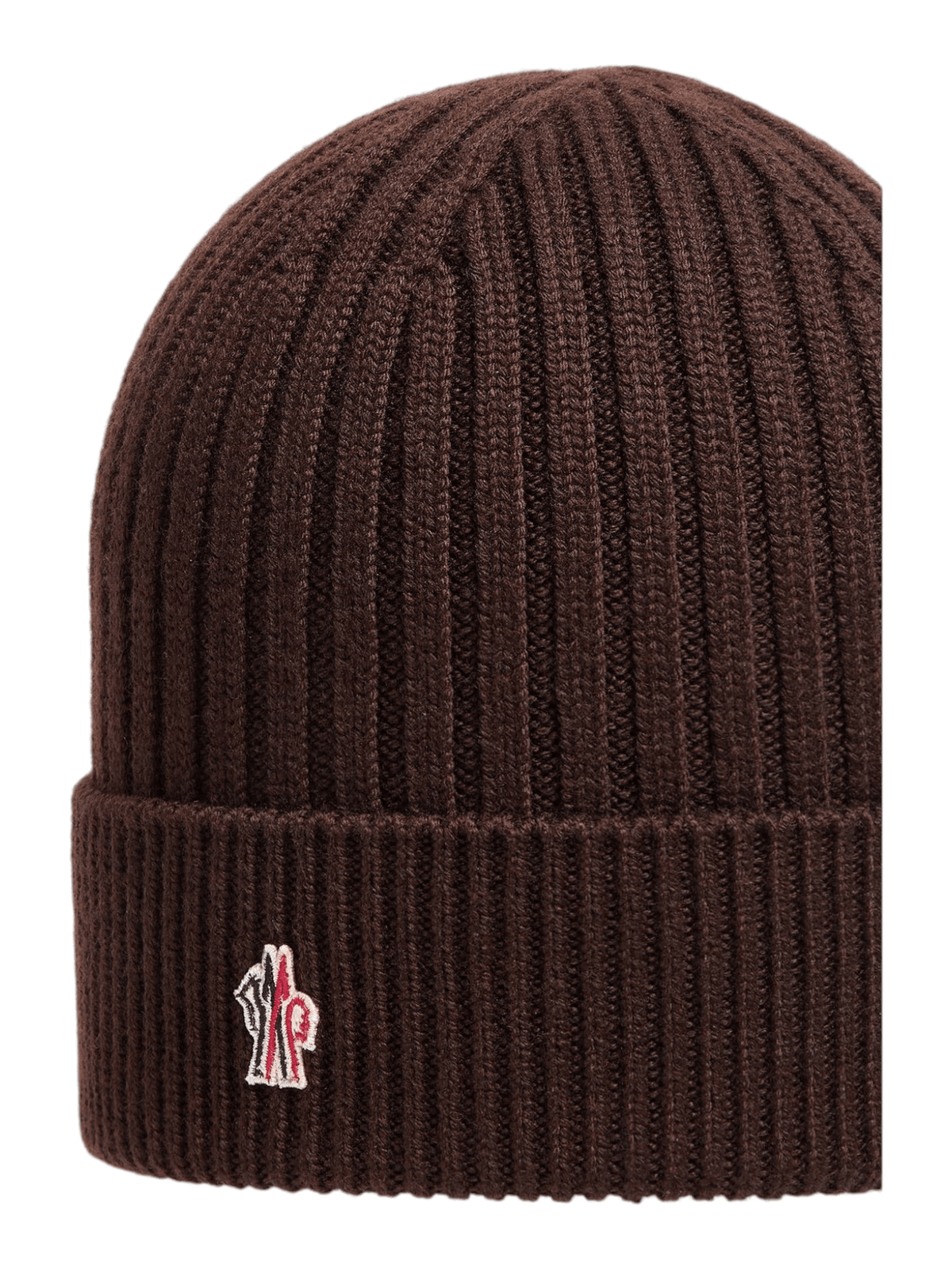


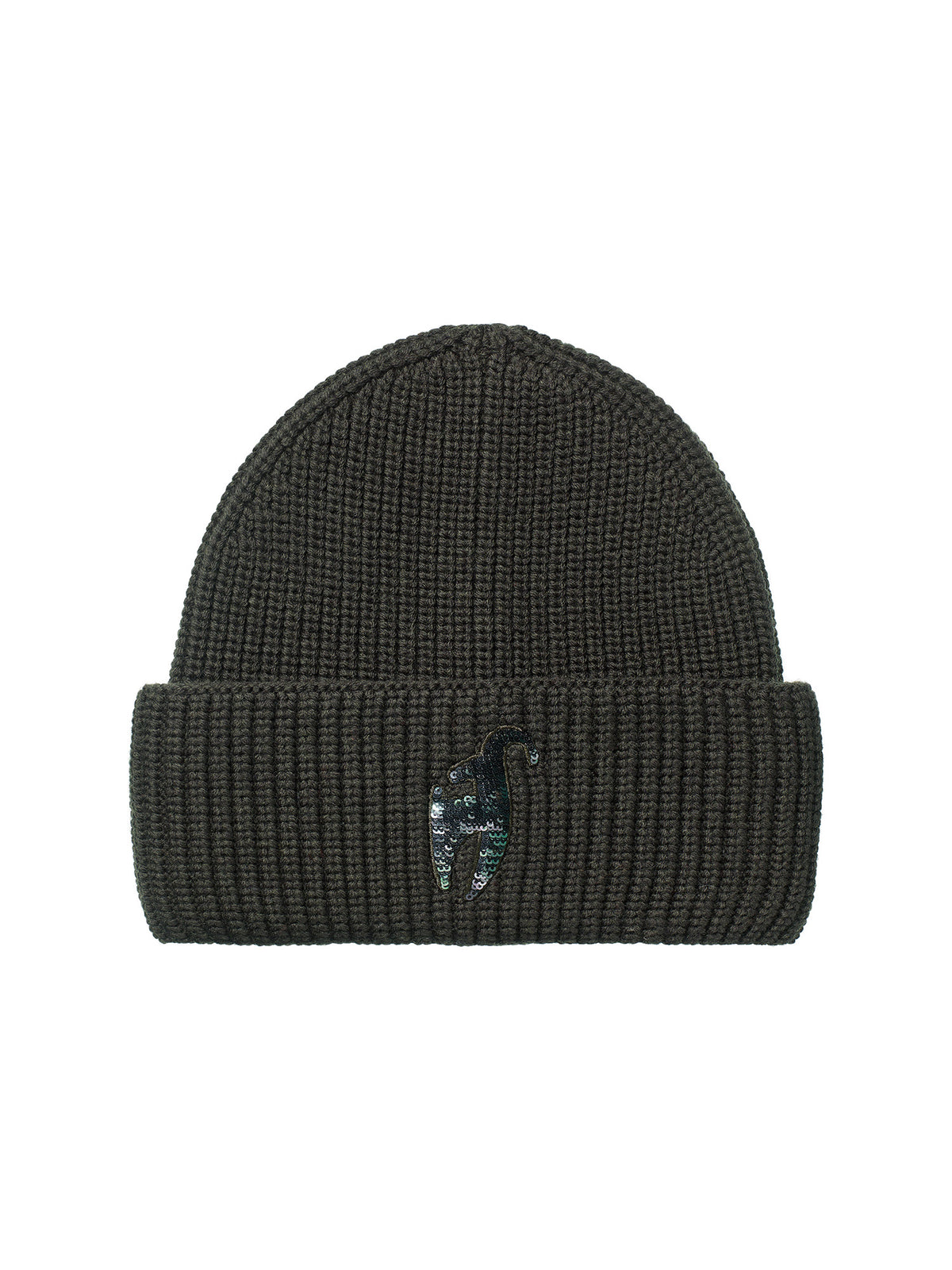


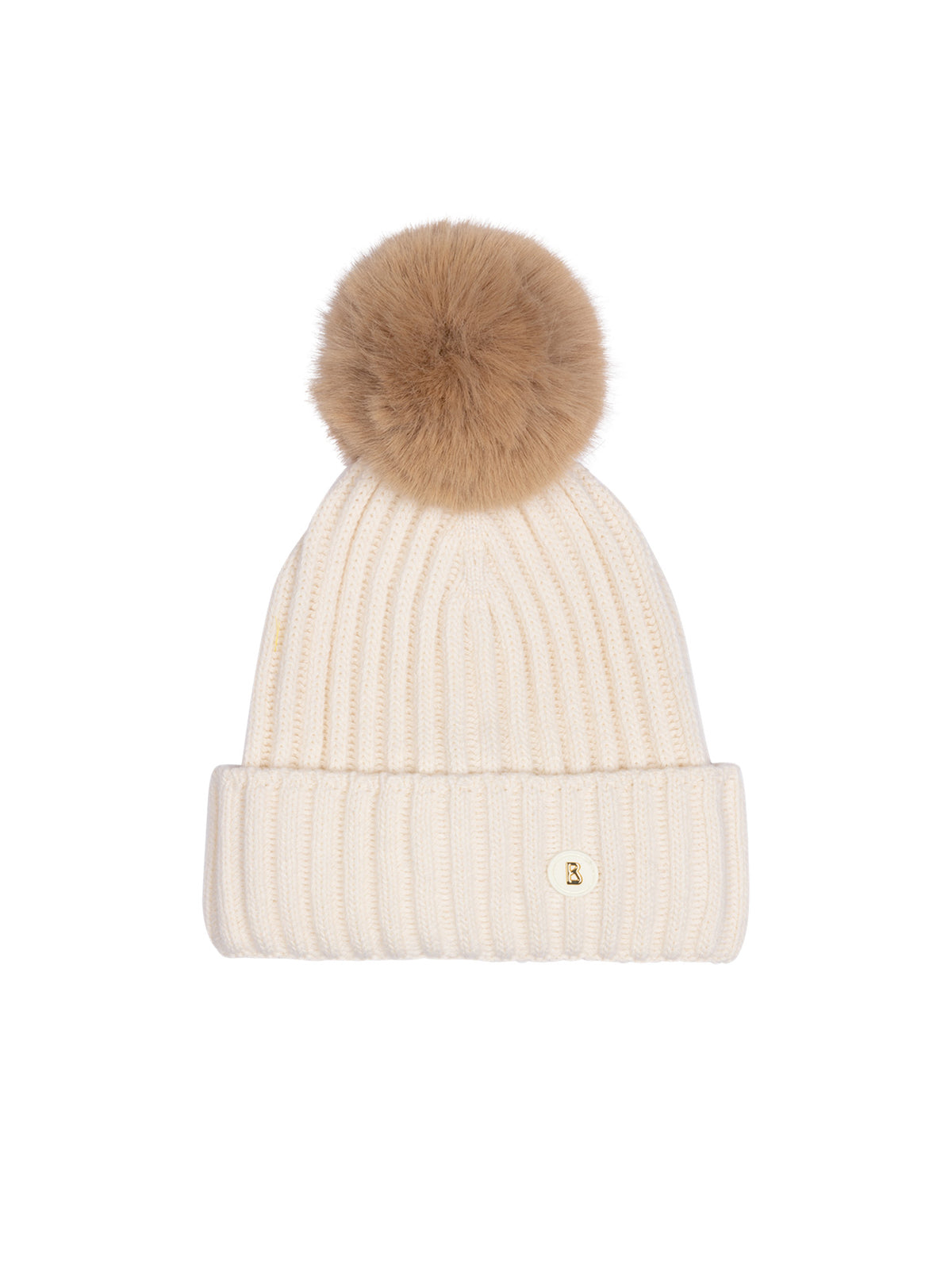


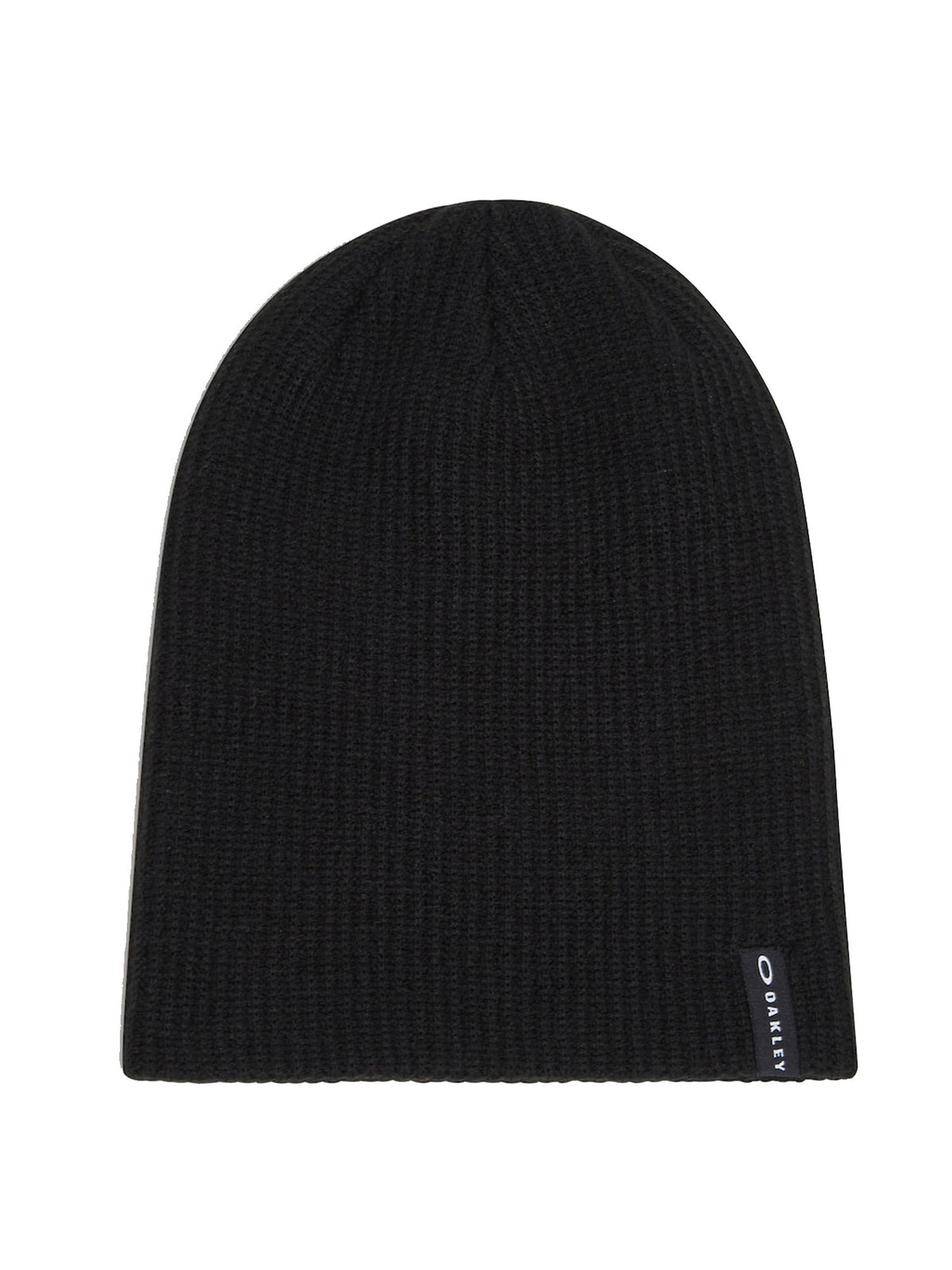
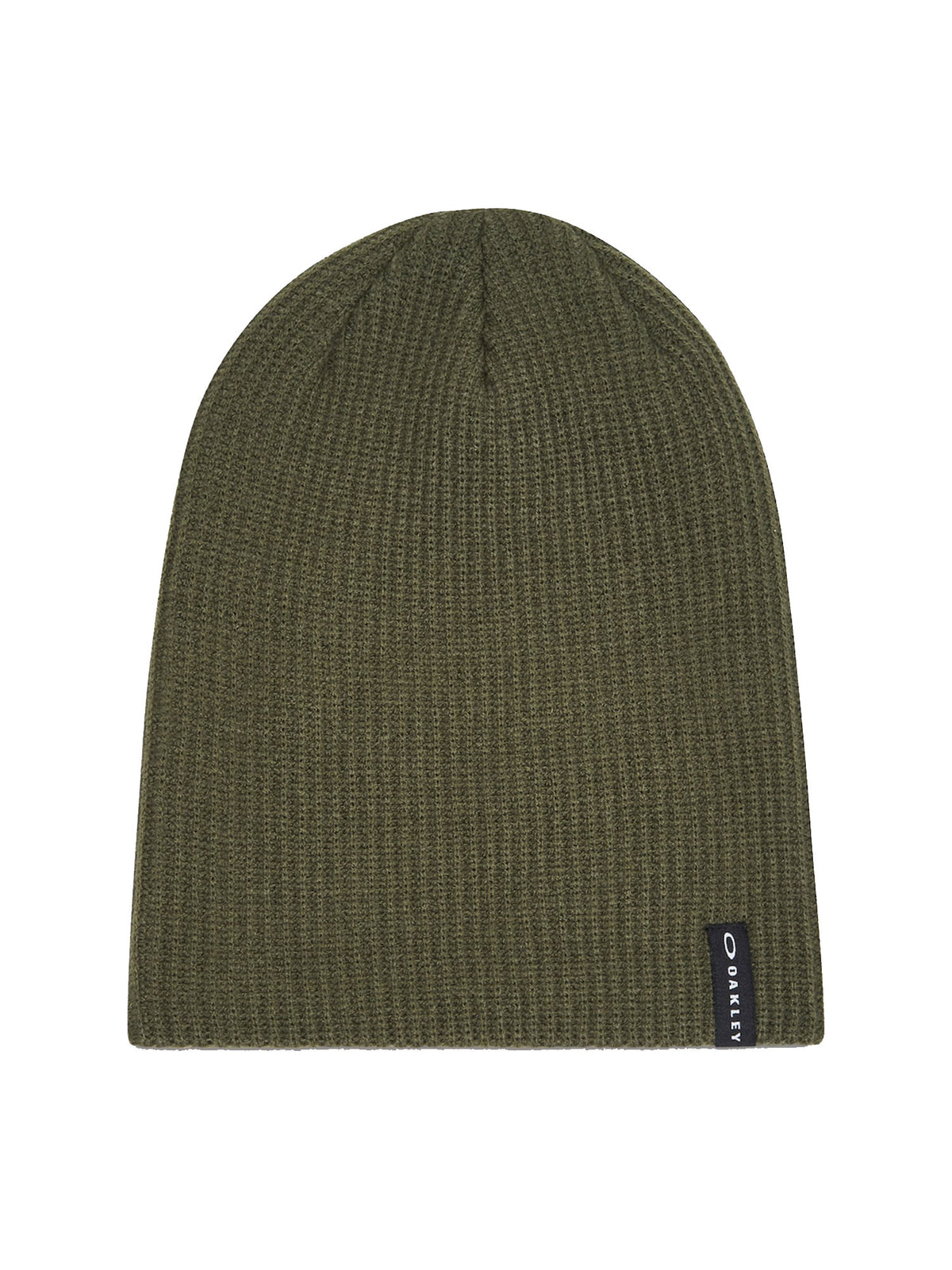


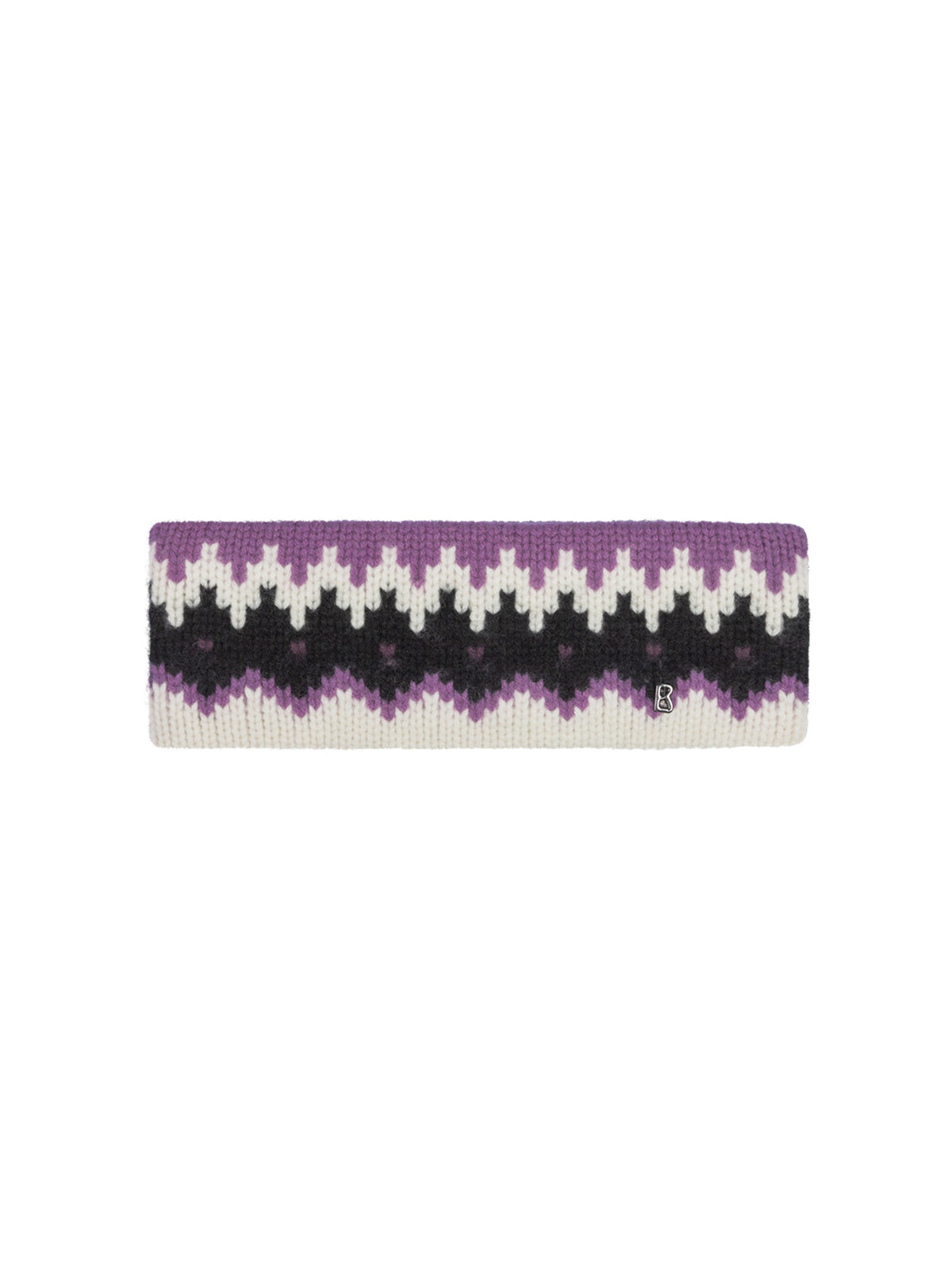


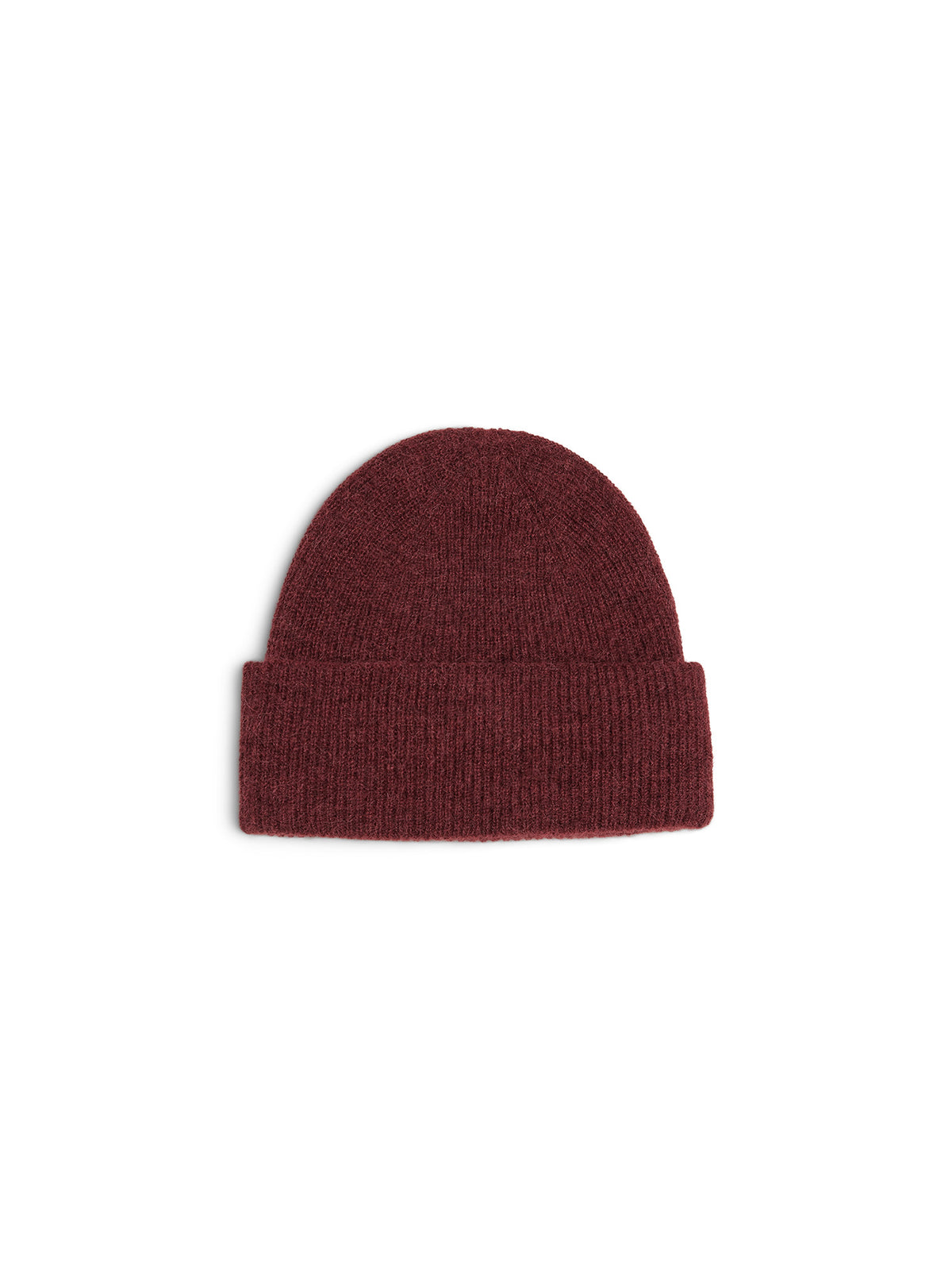


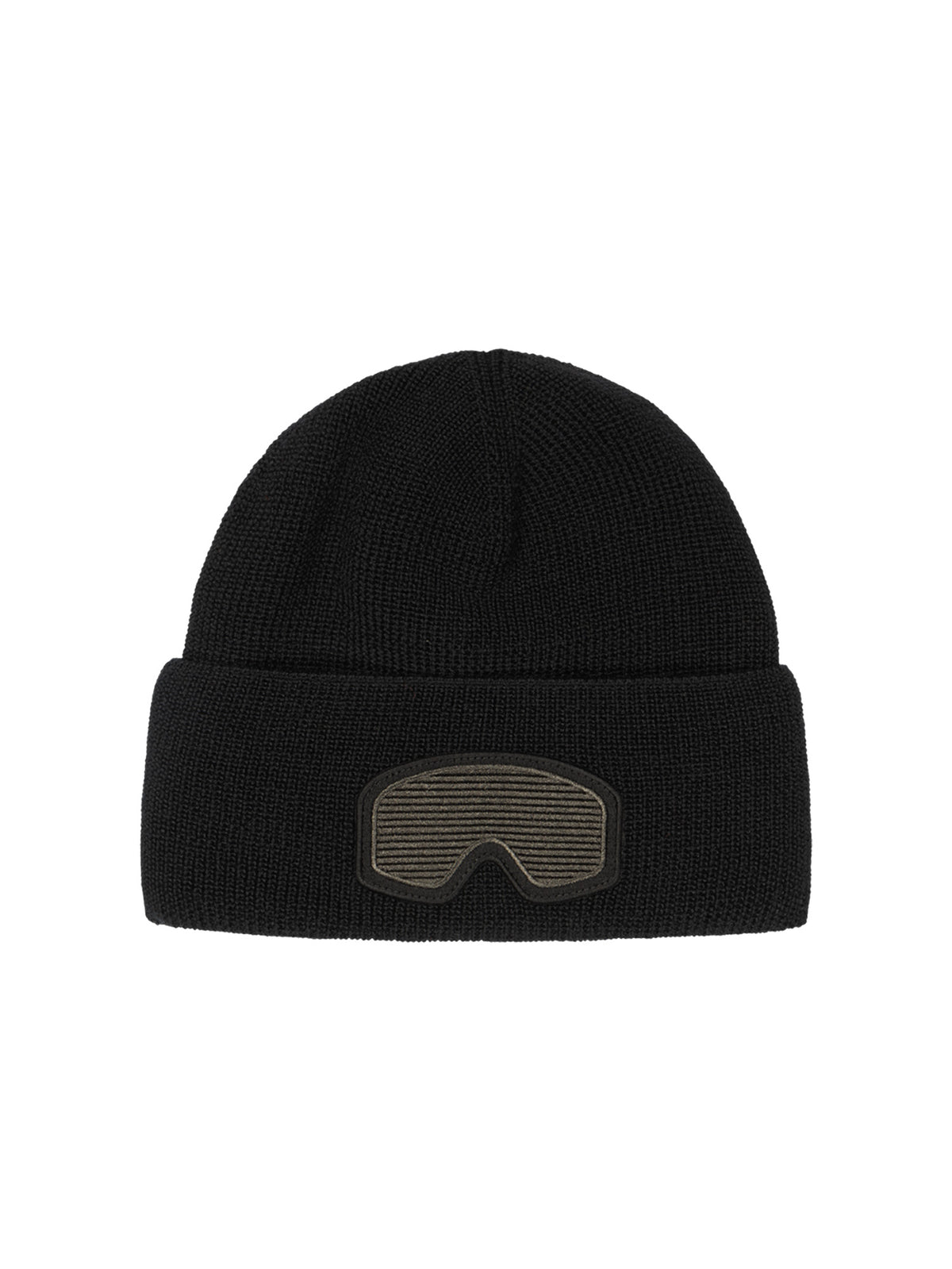


Choosing a women's beanie based on shape and feel
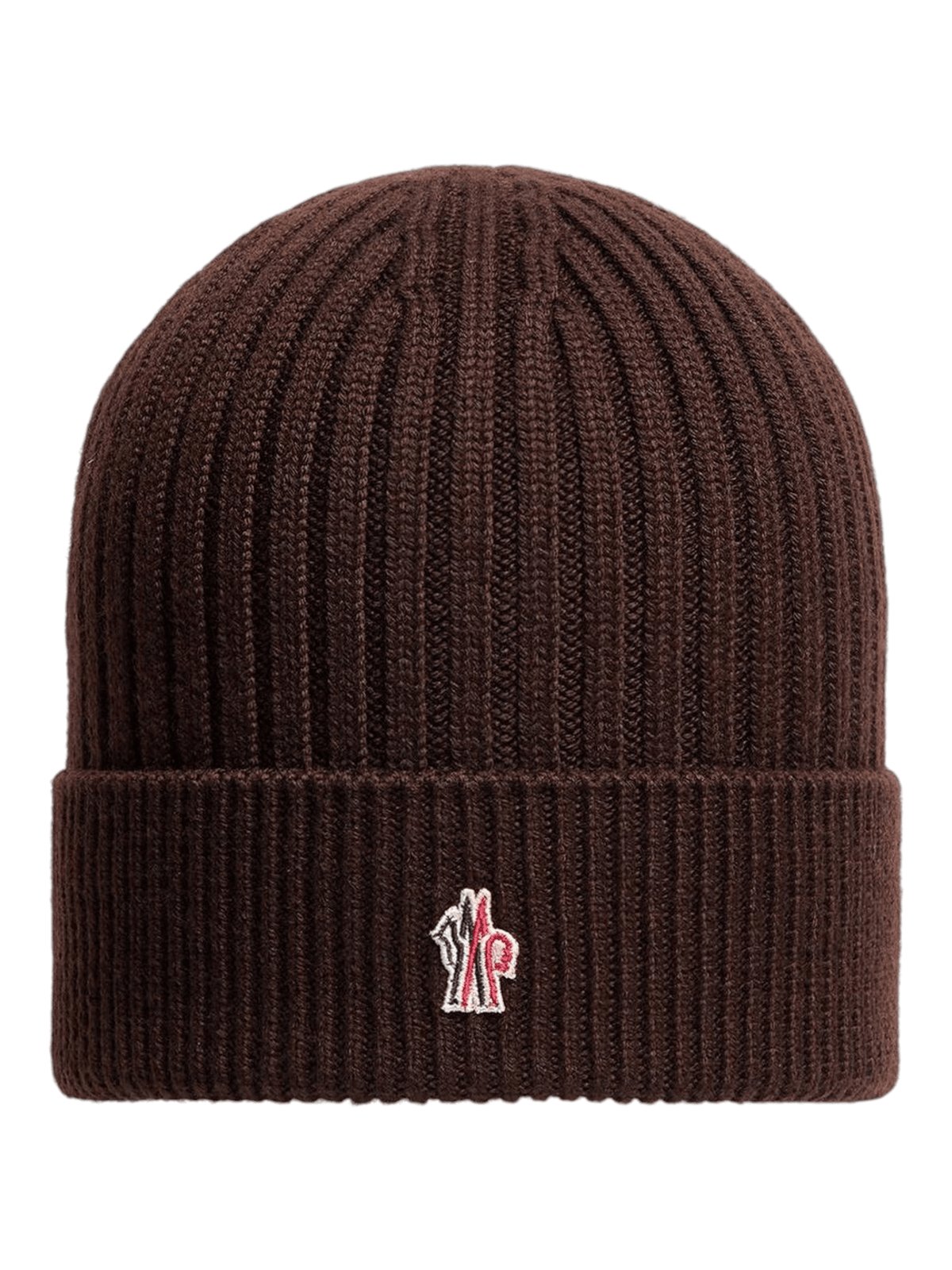
A beanie sits close to the face and forms the top of your winter look. Its effect comes from its height, width, cuff, and material structure. Start with the shape you like to wear. Should the beanie lie close to the head or show more volume? Do you want a prominent cuff or a smoother line? These questions help compare models more precisely than just by color or brand name.
The intended use also plays a role. A beanie for walking through town, for travel, or as a visible accessory to a coat can be chosen differently. Consider how often you put it on and take it off and how it works with your usual hairstyle. The right shape should be comfortable to wear in your everyday life and not just look good in a specific position.
Distinguishing cuff, height, and head volume
A cuff forms an additional layer of material at the bottom edge and creates a visible contour. Depending on its width, this line can appear bolder or more subtle. A beanie without a prominent cuff falls differently along the face. Compare the intended wearing style of the model. Repeated folding can change height and volume and is not automatically the best solution for every shape.
The height above the head also influences the silhouette. A compact beanie follows the head shape more closely, while a longer one can intentionally stand or fall more loosely. The crucial factor is whether this shape is part of the design and whether you like it as much in profile as from the front. If you are looking for a short, clean line, choose a model designed for that, instead of constantly pushing a long beanie further down.
Checking the fit around the forehead and ears
The bottom edge of the beanie should feel comfortable in your preferred position. Pay attention to whether the edge pinches, moves upwards, or constantly needs adjustment. A stretchy construction is no guarantee for every head size. The specific fit and any available size information remain important. Also, compare how much of your ear area you want to cover and whether the model supports this wearing style.
Put the beanie on completely and move your head. Check it with the hairstyle you usually wear. Hair tied back or worn open can change the feel. The right beanie should maintain a comfortable fit not only after careful adjustment. If a model feels uncomfortable in certain places, a different shape might be more suitable than just a different color of the same version.
Reading knit pattern and material composition together
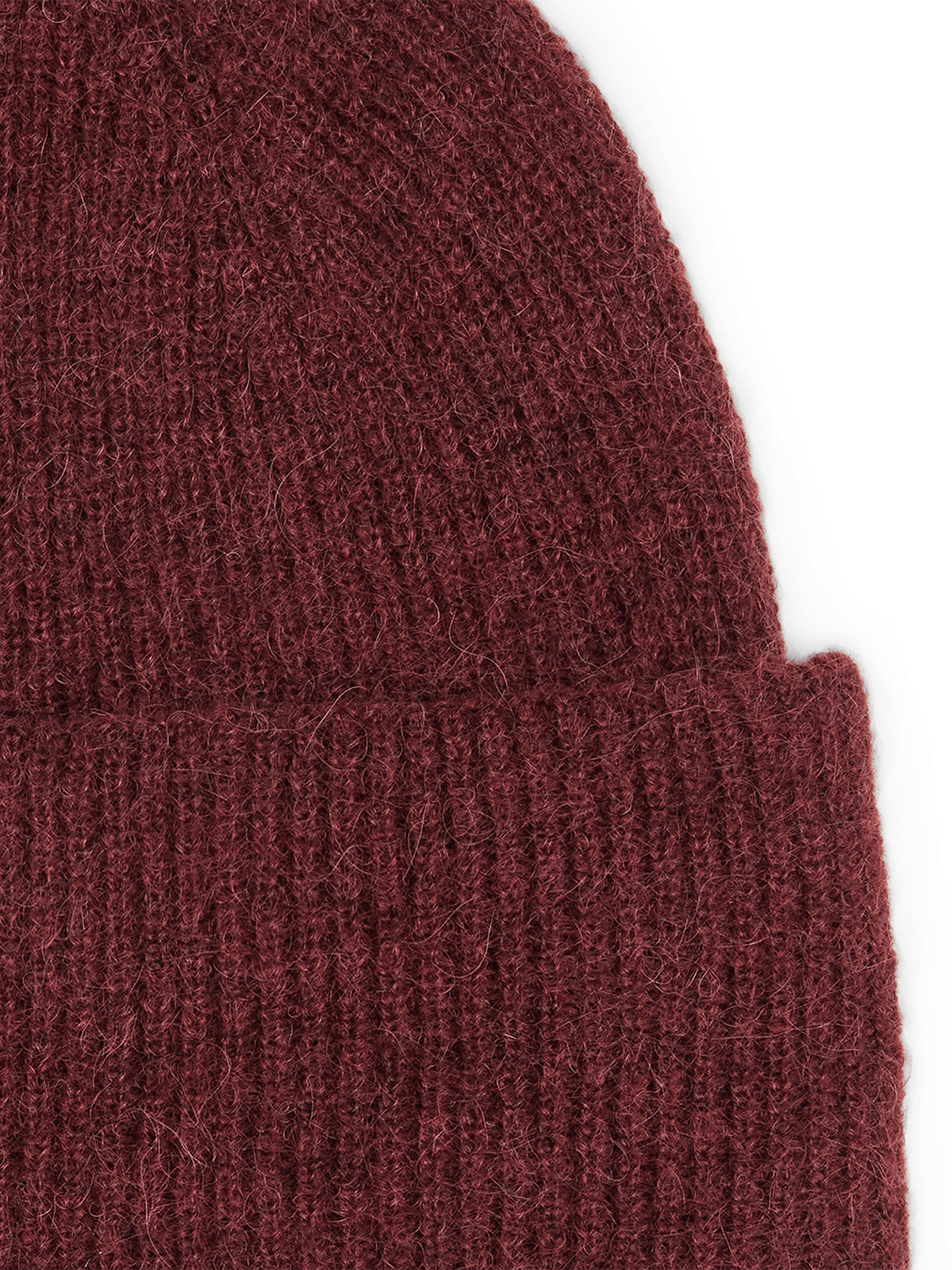
Ribs, smooth surfaces, or coarser textures determine the visible surface of a beanie. However, they alone do not explain what fibers the product is made of. A fluffy impression in the picture is not reliable proof of cashmere or wool. Read the specific composition and at the same time assess how the finished workmanship feels to you. Individual material names should not be used as a blanket quality hierarchy.
If you like a certain texture, consider how it works with your jacket. A coarsely textured beanie can create a distinct accent with a smooth outer surface. A finer knit pattern allows other parts of the outfit to stand out more. With women's knitwear, you can complement it with matching tops, without the beanie and sweater having to be made of exactly the same material or pattern.
Assessing the material feel directly on the skin
A beanie touches the forehead and often the ear area. Therefore, your personal sensation is more important than a general description of soft or luxurious. Different processes for the same fiber can feel different. Also pay attention to the inside, seams, and possible inserts. The part that touches your skin does not have to be identical to the visible outer structure.
If certain materials are already comfortable for you, they provide a starting point. Nevertheless, check the specific model and its construction. More thickness does not automatically mean more comfort, especially if you often combine the beanie with a hood or a high collar. Choose based on the overall combination and not on a single feature that is particularly highlighted in the product image.
Choosing color as an accent close to the face
A beanie color can complement your coat, pick up a shade from your scarf, or deliberately create a contrast. Look at it in suitable daylight and together with frequently worn clothing. A color shade doesn't always look the same next to different jackets and hair colors. You don't need a rigid color type rule for this. What matters is whether you like the combination in your usual way of wearing it.
With a striking jacket, a calmer beanie can tidy up the look. A simple outfit, on the other hand, allows room for a strong color or distinctive texture. If you wear several jackets alternately, compare the beanie with each of them before settling on a single color contrast. Small details also change the effect: a visible lettering, a patch or a decorative finish can set the focus. Choose these elements consciously, instead of bringing as many accents as possible into the same upper area of the outfit at the same time.
Combining beanie and scarf
Beanie and scarf are optically close to each other and can take a common direction. They don't have to match completely for this. Related colors, a recurring tone or a similar surface effect can be enough. With scarves, you can add matching shapes. Also pay attention to the volume created at the neck and nape.
A longer, looser beanie and a very voluminous scarf together create a different structure than a compact beanie with a flat cloth. Try this combination with a closed jacket. The collar can add extra height and material. The right combination should not only connect visually, but also remain comfortable with head movements and be easy to put on and take off.
Trying on with a hood, collar and glasses
If you wear a hood over your beanie, check the available space. A decorative element or a lot of fabric over the head can sit differently there than a compact shape. The hood should be usable in its intended way without you having to constantly adjust the beanie and jacket. For women's jackets and coats, you can compare suitable outer shapes further.
If you wear glasses, the contact with the temples is also part of the fitting. A tight beanie edge can create a different feeling there than without frames. Try the combination with your own glasses and pay attention to the intended position. A general size indication says little about how two specifically shaped products come together at this point.
Care and storage appropriate to the model
Align cleaning and drying with the label of your beanie. Different fibers, embellishments and inner areas can have their own requirements. A knit pattern alone does not justify a uniform washing temperature. Also find out how decorative components should be considered when handling. Removable details are a possible feature of individual designs, not a general function of all beanies.
For further additions, women's accessories offers a suitable overview. Finally, choose by shape, fit, and the connection to your usual outerwear. Only then does the preferred color within a suitable selection decide. This way, your women's beanie becomes a consciously chosen completion of the look, whose proportion and wearing comfort truly suit you.
04At FREUDENHAUS
05Questions about the category