









Dresses and skirts for matching personal combinations
Dresses and skirts open up various combinations: a continuous look or a bottom for interchangeable tops. Choose according to length, waistband or waist, and the drape of the material. Together with matching shoes, knitwear, and a jacket, a silhouette is created that suits your occasion and feels comfortable even when sitting and walking.




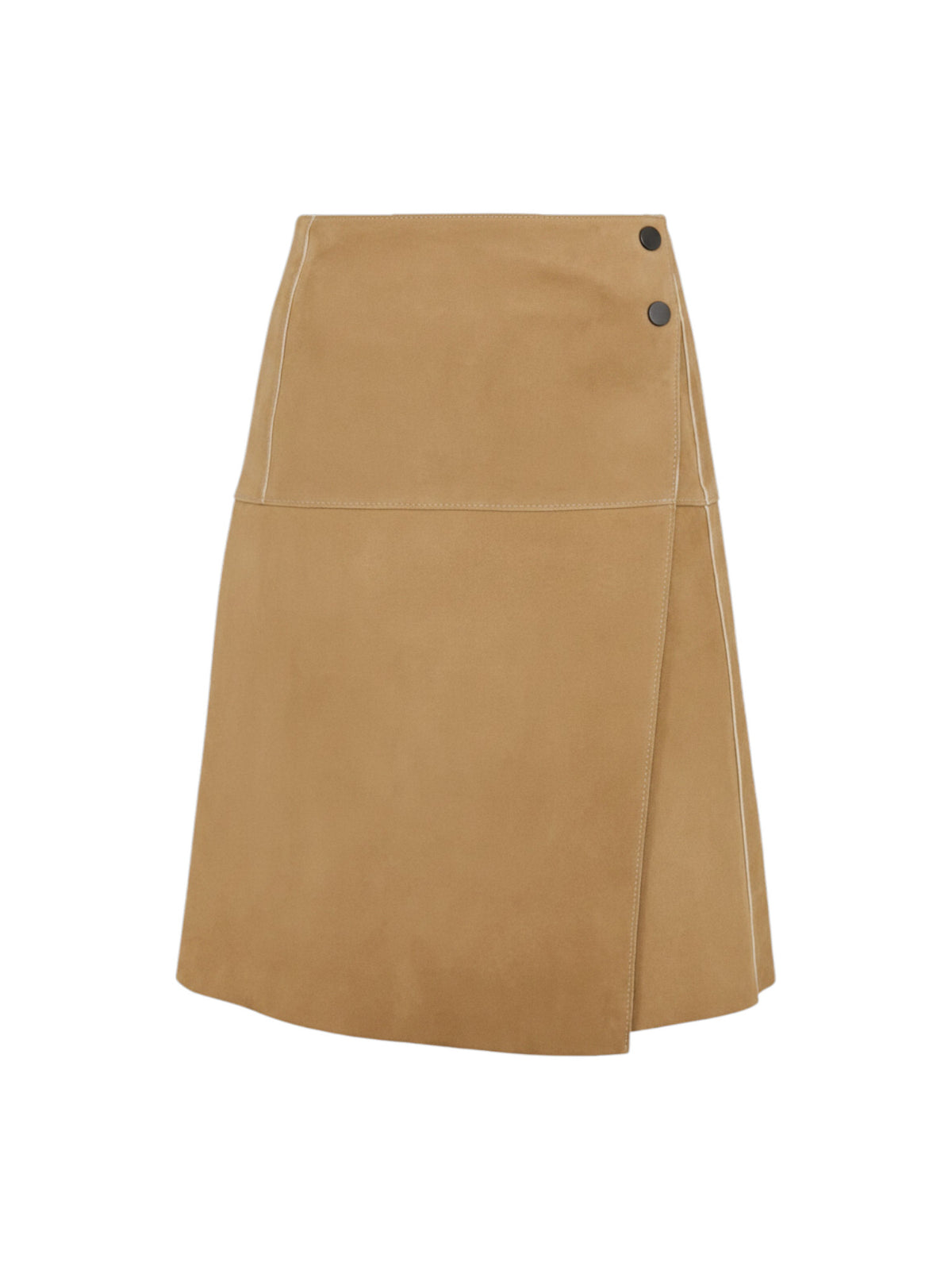
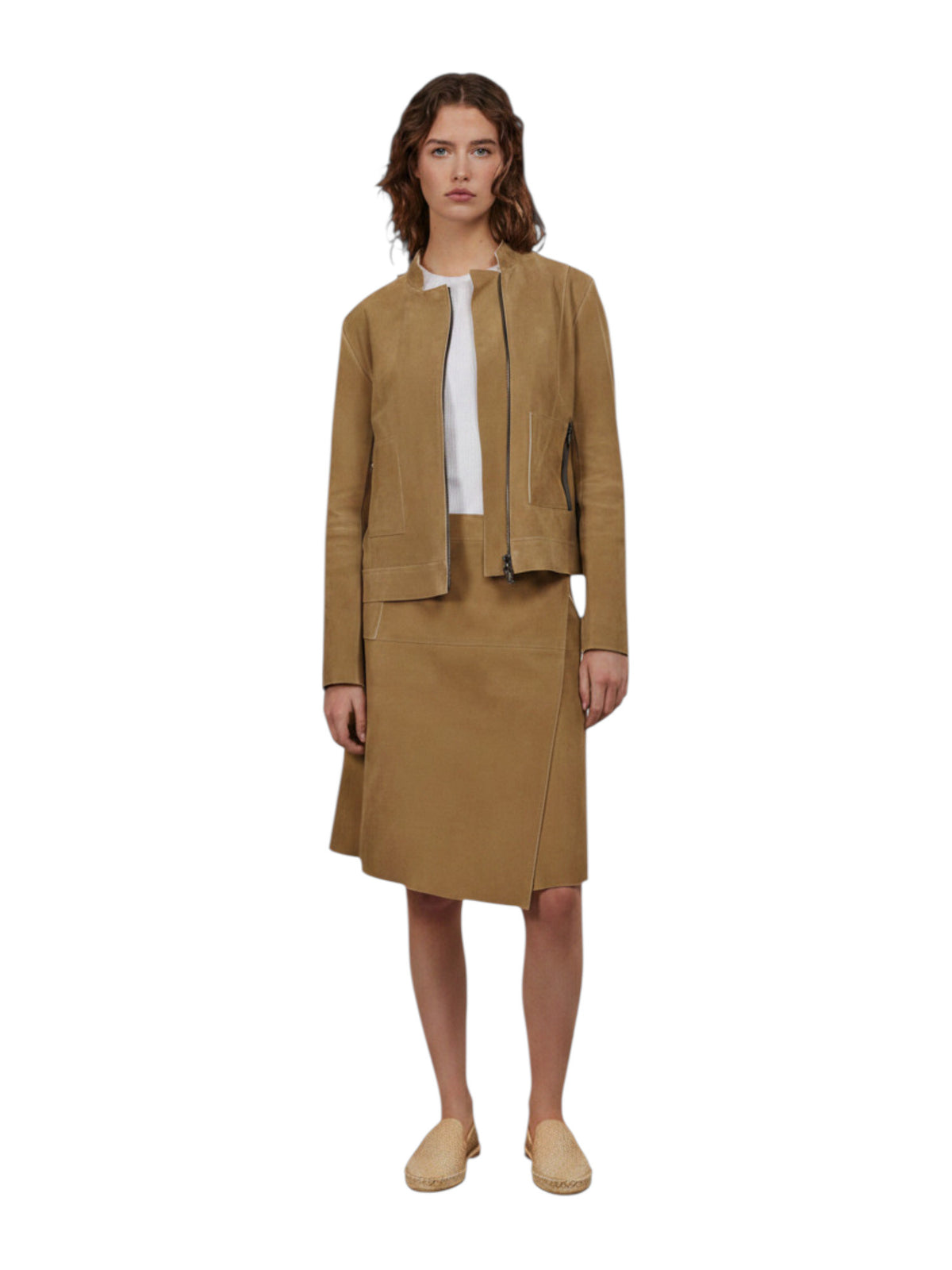
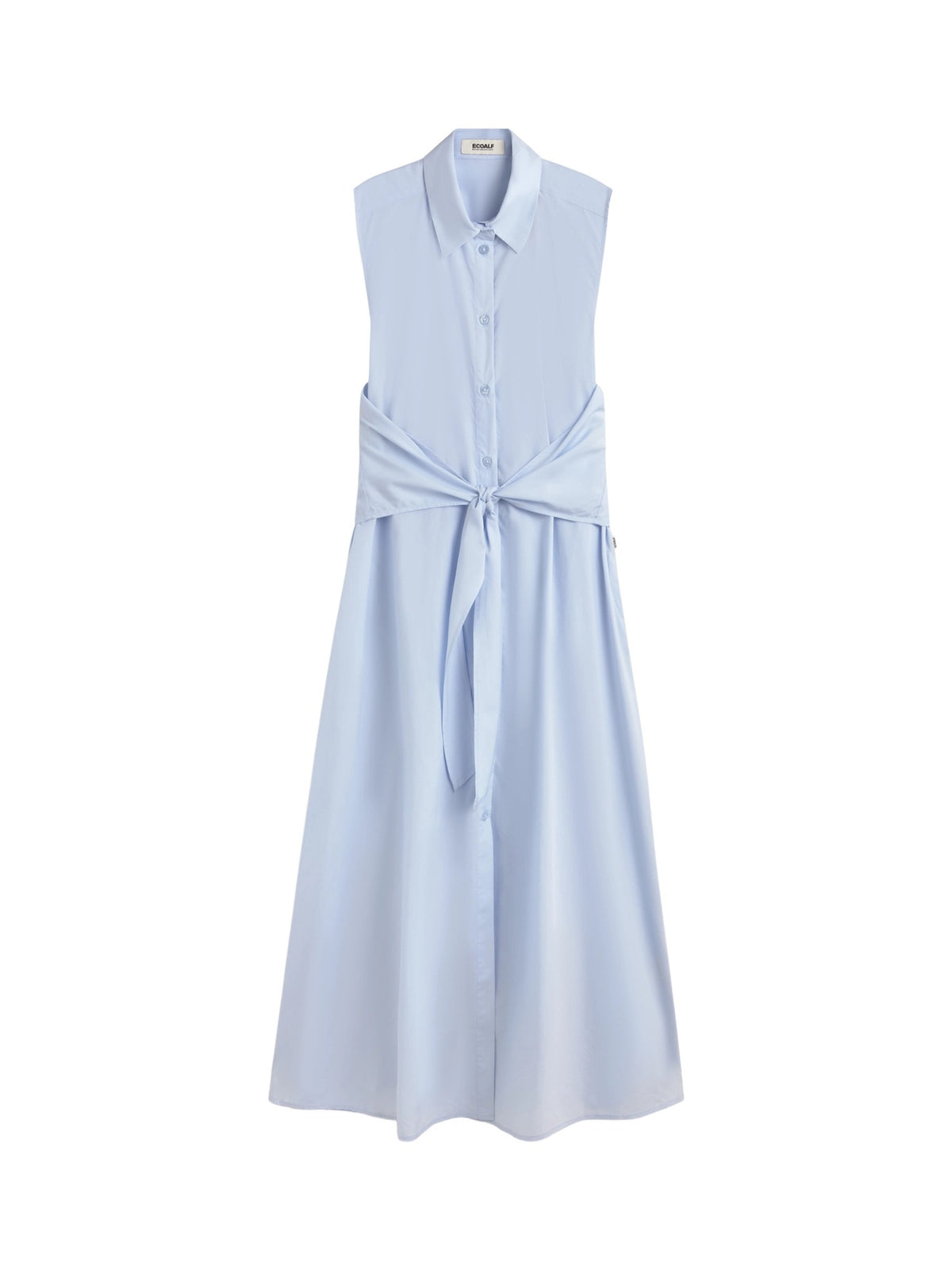


Dress or Skirt: Two Paths to Your Look
A dress combines a top and bottom in one piece. A skirt gives you more freedom to choose a top independently. This difference is a good starting point for your selection. If you like to create a complete look with few pieces, a dress can be interesting. If you want to combine existing shirts, blouses, or sweaters in different ways, a skirt offers a different kind of versatility.
First, consider the situations your new piece should accompany. A relaxed day, a trip, and a consciously styled evening look can have different requirements for length, freedom of movement, and material effect. Not every model has to cover everything simultaneously. The more specifically you describe your frequent use, the easier it will be to decide whether a continuous cut or a separately combined bottom fits better into your wardrobe.
Assessing Length with Movement and Shoes
Length influences the overall outfit's effect. A shorter style shows more leg and places different demands on movement than a longer hem. Therefore, when trying on, you shouldn't just stand. Sit down, take a few steps, and observe how the fabric behaves. The desired length should match your everyday movements and not just feel right in a specific pose.
Shoes change the visual finish. A voluminous sneaker looks different with a skirt than a slim shoe or a higher shaft. The distance between the hem and the shoe is also part of the overall look. With women's shoes, you can choose suitable styles according to your intended use. Consider the dress or skirt with the intended pair before concluding its later effect solely from the hem length.
Waist and Waistband as a Cut Decision
With a dress, the waist can be emphasized by the cut, loosely draped, or deliberately less highlighted. What matters is where the shaping lies on your body and how it harmonizes with your shoulders and torso length. A belt can alter the intended look but doesn't fix every ill-fitting proportion. Therefore, first check the fit of the dress in its basic form.
For a skirt, the waistband is the starting point. It should sit where you want it to and feel comfortable when you sit down. A higher-waisted skirt connects differently with a top than a lower-sitting style. Also, pay attention to whether the hem shifts significantly with a changed waistband position. Waist width, hip area, and length should fit together, not just be individually acceptable.
Distinguishing Fabric Drape and Freedom of Movement
A flowing fabric can visibly accompany movement, while a more compact construction maintains a clearer shape. This effect arises from the material, workmanship, and cut combined. A single fiber description does not fully explain it. Therefore, compare the specific model in motion and note whether you prefer a soft drape or a more distinct silhouette. Both can be consciously used in a casual look as well as for other occasions.
For narrower styles, stride length and sitting movement deserve special attention. An existing slit or a particular hem design is part of the specific construction and should function as intended. Walk naturally, without shortening your movement just for the garment. For more generous styles, it's interesting to see where more fabric gathers and how it interacts with a jacket or bag.
Choosing Necklines and Sleeves for Dresses
A dress is also defined by its upper section. The neckline, shoulders, and sleeves determine how you wear it alone or under a jacket. A more open neckline allows more room for jewelry or an additional layer; a higher closure creates a different line. Check these areas when bending over and moving. The right shape should match your preferred way of wearing it.
Sleeves can be a distinct accent or subtly complement the silhouette. If you often wear an outer jacket over it, the sleeve needs enough room there. A voluminous cuff can create bulk under a narrow jacket, even if the dress alone fits comfortably. Therefore, compare the complete construction and decide whether the model is primarily intended to be worn alone or as part of multiple layers.
Pairing Skirts with Existing Tops
A skirt can bring together different pieces from your wardrobe. A simple shirt creates a different look than a blouse or a chunky sweater. It also matters whether the top is worn over the waistband or tucked in. A wide skirt can appear clearly structured with a shorter top; a generous combination of both pieces consciously opts for more volume.
In women's blouses, you'll find possible additions for a different contour on the upper body. Pay attention to the fabric at the waistband. A thick or very long top can create more bulk when tucked in than you might want. Check the combination when sitting and moving. This way, the skirt won't just be a beautiful standalone piece, but can actually be worn with your favorite tops.
Incorporating Another Season with Knitwear
A dress or skirt can be integrated into a different look with additional layers. A sweater over a dress, for example, changes its upper silhouette; a cardigan allows more of the original shape to be visible. What matters is how the hems and necklines come together. The additional knitwear should not unintentionally pull the garment underneath upwards or gather too much fabric in an unfavorable spot.
In the women's knitwear category, you can compare different lengths and textures. A short top layer can emphasize the waistband of a skirt, while a longer model creates a softer transition. Evaluate these variations along with the legwear and shoes you actually intend to wear. The look is created by all visible finishes and not just by two garments placed side-by-side.
Using Color and Pattern Deliberately
A dress with a striking pattern can define the entire look. In that case, shoes and a jacket can create a calmer connection. With a patterned skirt, there's more room to design the top independently. You can repeat a color or deliberately add a neutral area. An exact color match is not a prerequisite; what matters is whether you like the relationship between the areas and accents.
Even with monochrome styles, there are many differences. Fabric texture, visible seams, hem, and cut can already create enough expression. View the garment in suitable light and with the existing accessories. A color that appears subdued in isolation can stand out more next to a specific jacket. The right color is one that finds a logical place in your intended combinations.
Including Outerwear and Care in Your Selection
The length of the jacket changes the silhouette of the dress or skirt. A short finish shows more of the underlying shape, while a longer coat frames it differently. In women's jackets and coats, you can find suitable additions. Check the combination both open and closed, as both views can create different proportions. The space for sleeves and additional layers also plays a role.
Finally, note the care label of the specific model, especially for embellishments, different material sections, or delicate surfaces. Choose a piece whose care suits your habits. If the length, waistband or waist, movement, and combination are right, your decision can be clearly justified. A dress or skirt will then complement your wardrobe in a way that suits you both in terms of design and actual wear.
04At FREUDENHAUS
05Questions about the category