






Peak Performance: From Skiing to Everyday Life
Peak Performance combines ski clothing with an extensive selection for sports and everyday life. Different tasks lie between a shell jacket, helium, fleece, and a casual hoodie. Here you'll find guidance for your outfit: What layer do you need on the slopes, what complements your wardrobe, and what's important when combining them?










03From Åre, Sweden
Shaped by skiing.
For more than just the slopes.
Peak Performance and its Connection to Skiing
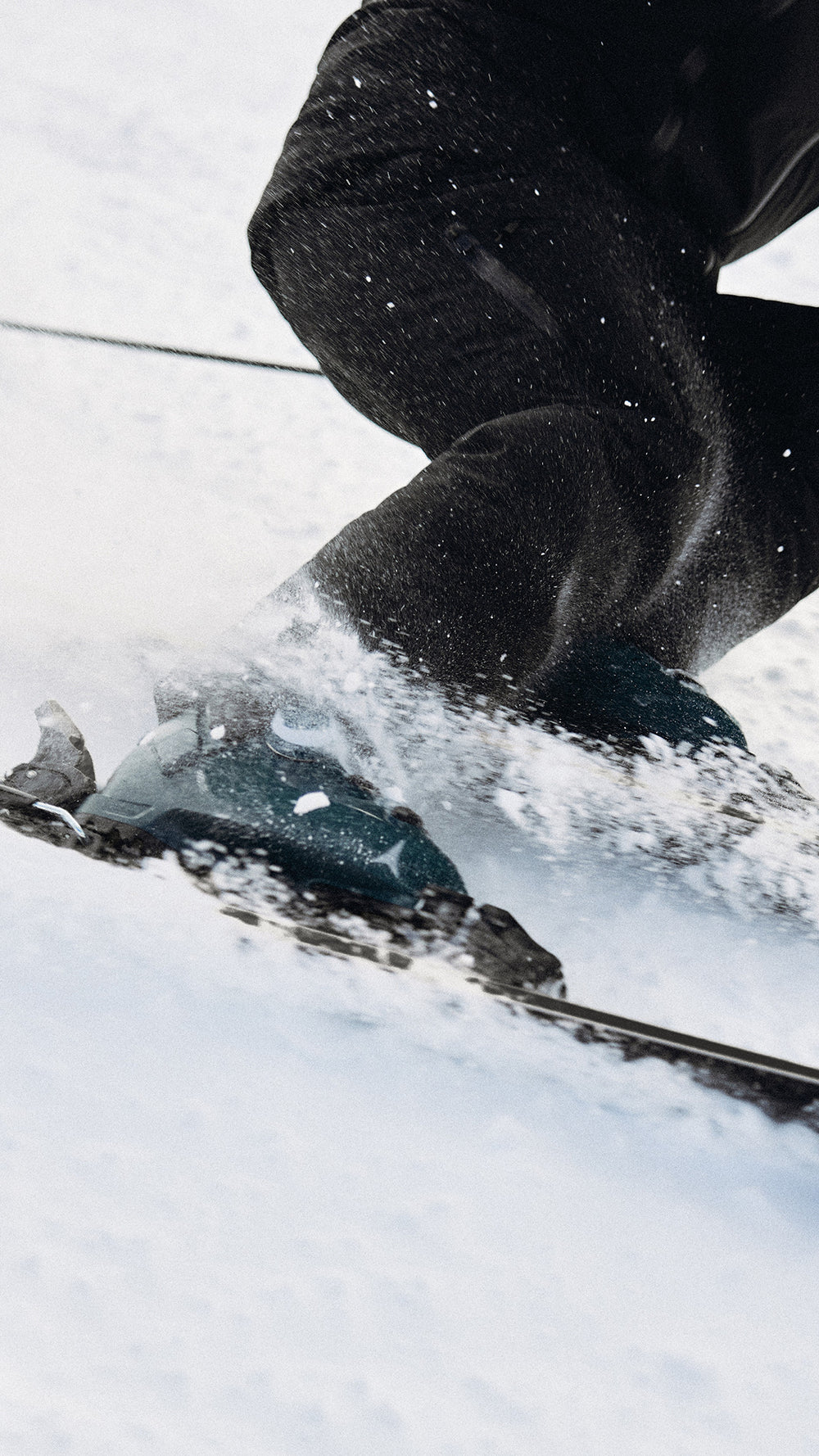
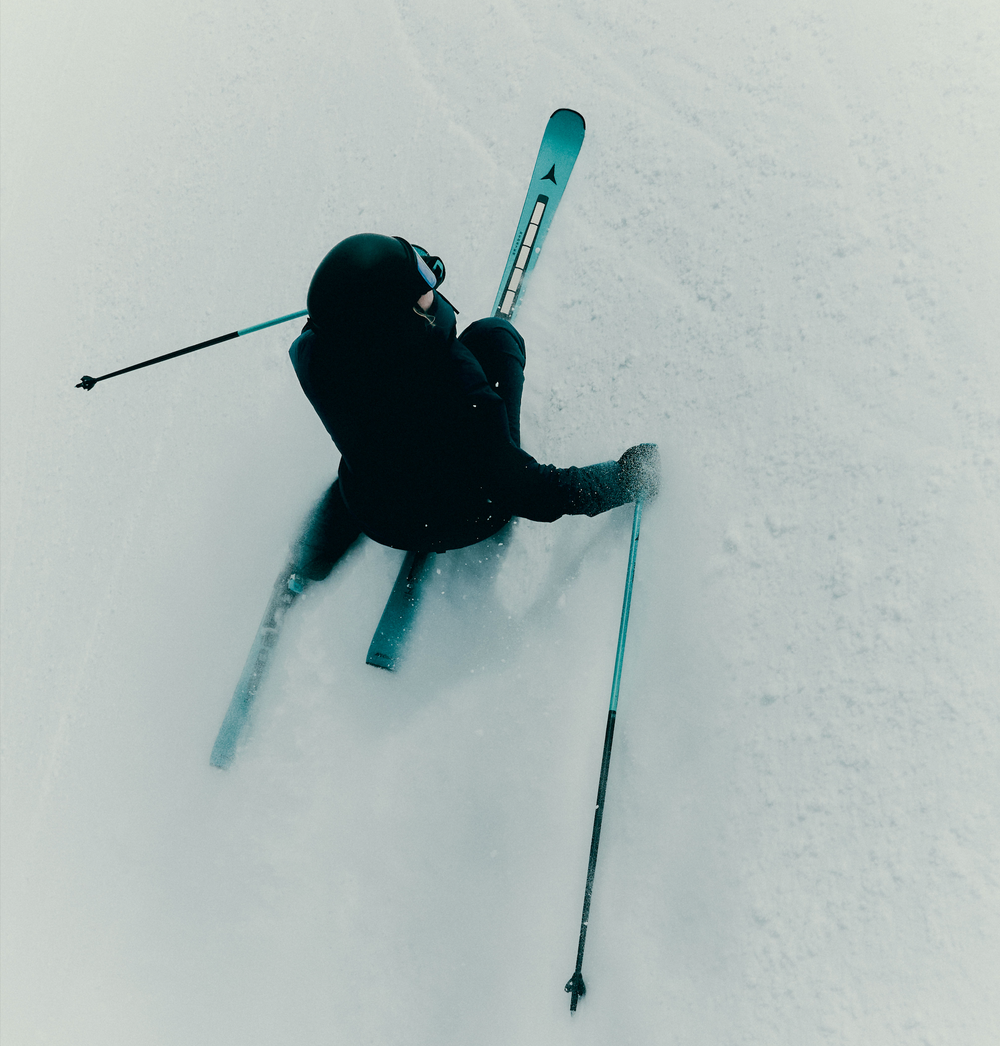
Peak Performance was founded in 1986 in Åre, Sweden. Its connection to skiing still defines the brand, yet its apparel extends far beyond the slopes. In addition to ski jackets and ski pants, the brand image includes lightweight insulation layers, functional tops, and casual leisure wear. This very combination makes the selection interesting if you enjoy being outdoors and want to wear your clothing between mountain days.
A complete look does not have to come from a single line. A technical pair of pants can pair with a more subdued top, a Helium jacket with casual wear. The crucial thing is that the functions of the individual pieces align. Therefore, start with your primary use: Are you looking for a ski outfit, an additional insulation layer, or a versatile garment for daily changing situations?
Choosing Ski Jackets by Weather Protection and Warmth
When it comes to a Peak Performance ski jacket, it's worth considering the outer material, insulation, and cut separately. A shell is primarily the outer protective layer. How warm the combination feels largely depends on the layers underneath. A lined jacket provides more warmth on its own. This results in different space requirements and often a different decision for the mid-layer.
Shell Models for a Customizable Layering System
In the brand's world, names like Vertec and Gravity stand for different product families. Even within such families, construction and features can vary between models and seasons. Therefore, read the complete product description: A reference to three layers describes the material construction, while the hood, ventilation, snow skirt, and pockets remain distinct features. A similar color does not yet make two jackets functionally identical.
For combining with a shell, a movable try-on is particularly helpful. Raise your arms forward, pull your elbows in, and fully close the zipper. The jacket should move with your torso. A tight sleeve restricts a thicker mid-layer, even if there is enough room around the waist. Check the space where you actually need it.
A Jacket for Your Typical Ski Day
Consider what your winter day usually looks like. Many lift rides and longer breaks place different demands than frequent movement in mild weather. Those who get cold easily may find an already insulated jacket comfortable. Those who want to compensate for large temperature differences often benefit from separate layers. This consideration is more helpful than assuming that the most technically sophisticated model is the best choice for everyone.
For comparing different brands, you can find more ski jackets for women and ski jackets for men. Pay attention to the same intended use. A lightweight insulation jacket can be meaningfully compared with other warm layers; for an outer ski shell, however, weather protection, cut, and the connection with helmet and pants are crucial.
Helium: Lightweight Warmth with Different Functions
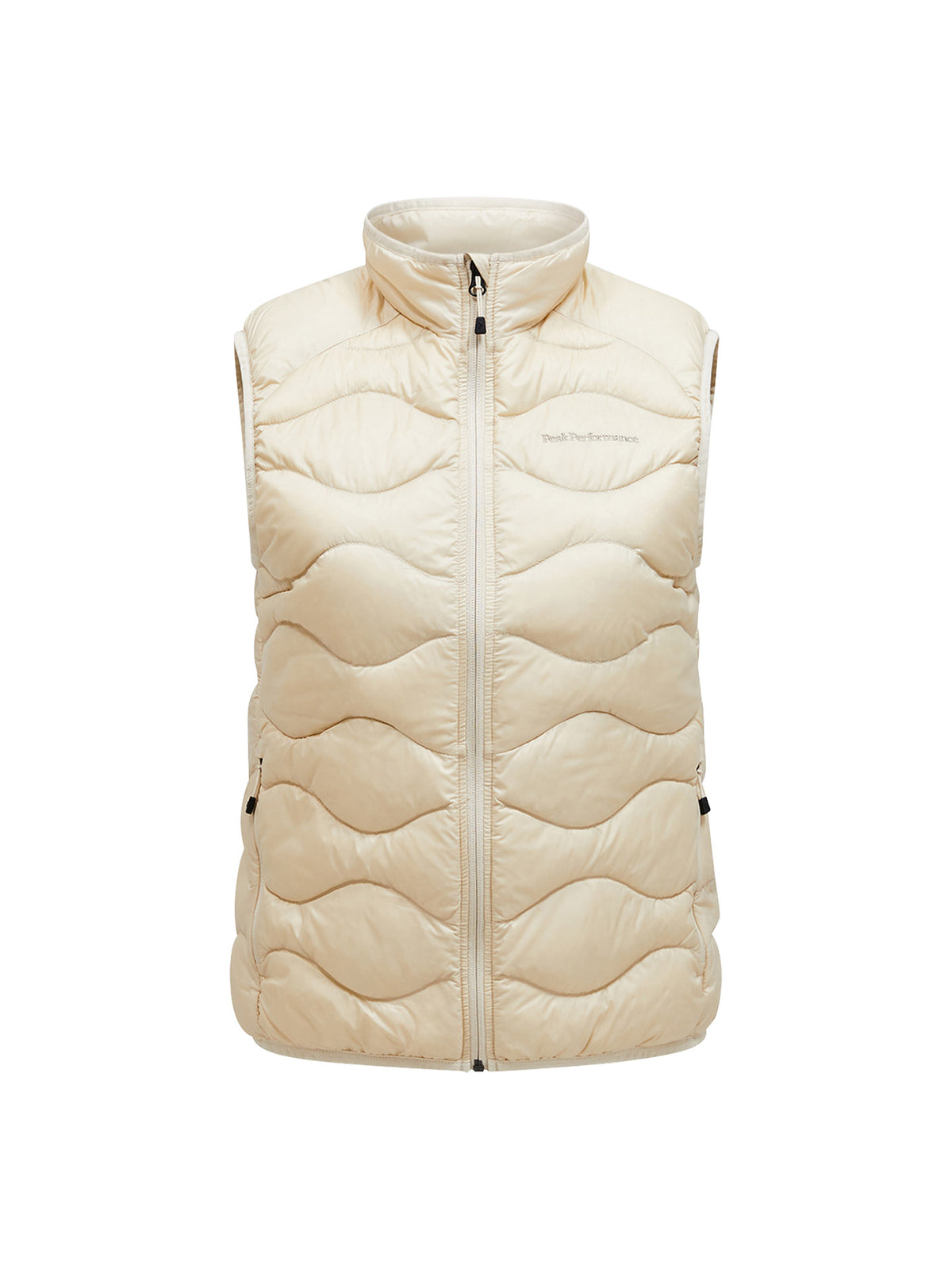
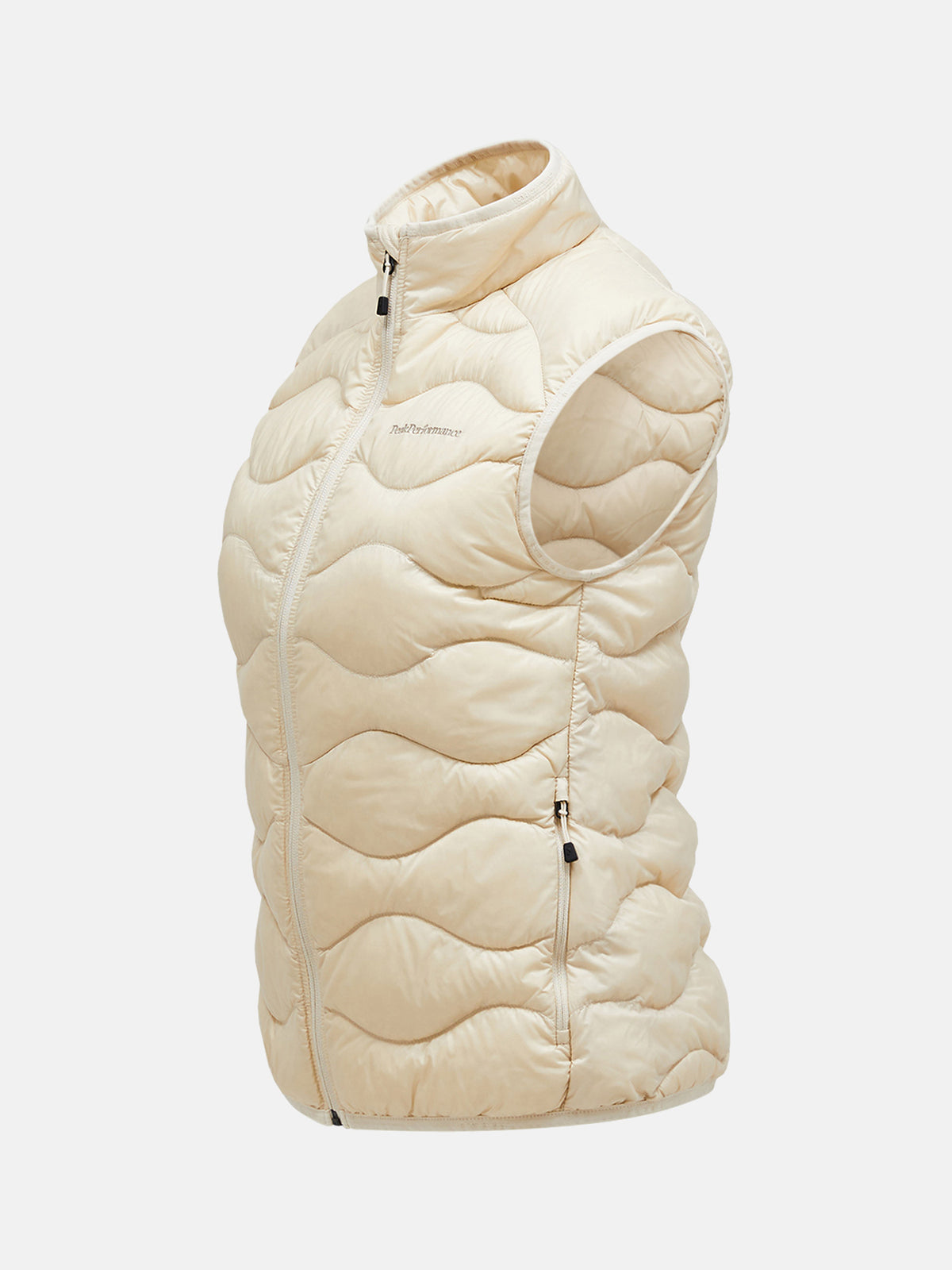
Helium is one of Peak Performance's characteristic families. The recognizable quilting is a design feature, but under this name, there are different types of clothing. A vest leaves the arms free, a jacket covers them, and a hybrid version combines different material areas. Therefore, choose the construction type first, and only then the color.
A specific manufacturer's example is the Helium Down Hybrid Hood for women: Here, a down construction meets elastic fleece sections. Peak Performance classifies the model as both an insulation layer and an outer layer, describing its use in dry conditions with low to medium intensity. This does not imply waterproofness for every Helium jacket. For prolonged precipitation, the outfit needs an appropriately suitable outer shell.
The Helium Utility Down Hood Jacket for men shows a different emphasis within the family. The manufacturer's example complements the lightweight down jacket with several pockets and can be stowed in a handbag. Such details are interesting if you want to organize gloves, small items, or an additional jacket on the go. However, they do not replace looking at the features of the specific variant.
A Helium vest can add warmth to the torso without creating extra bulk under the outer jacket. A hooded jacket is more complete on its own, but combined with two other hoods, it can create too much volume around the neck. Therefore, when choosing, include the jacket you already own and your preferred collar style.
Ski Pants: Thinking about Cut and Layers Together
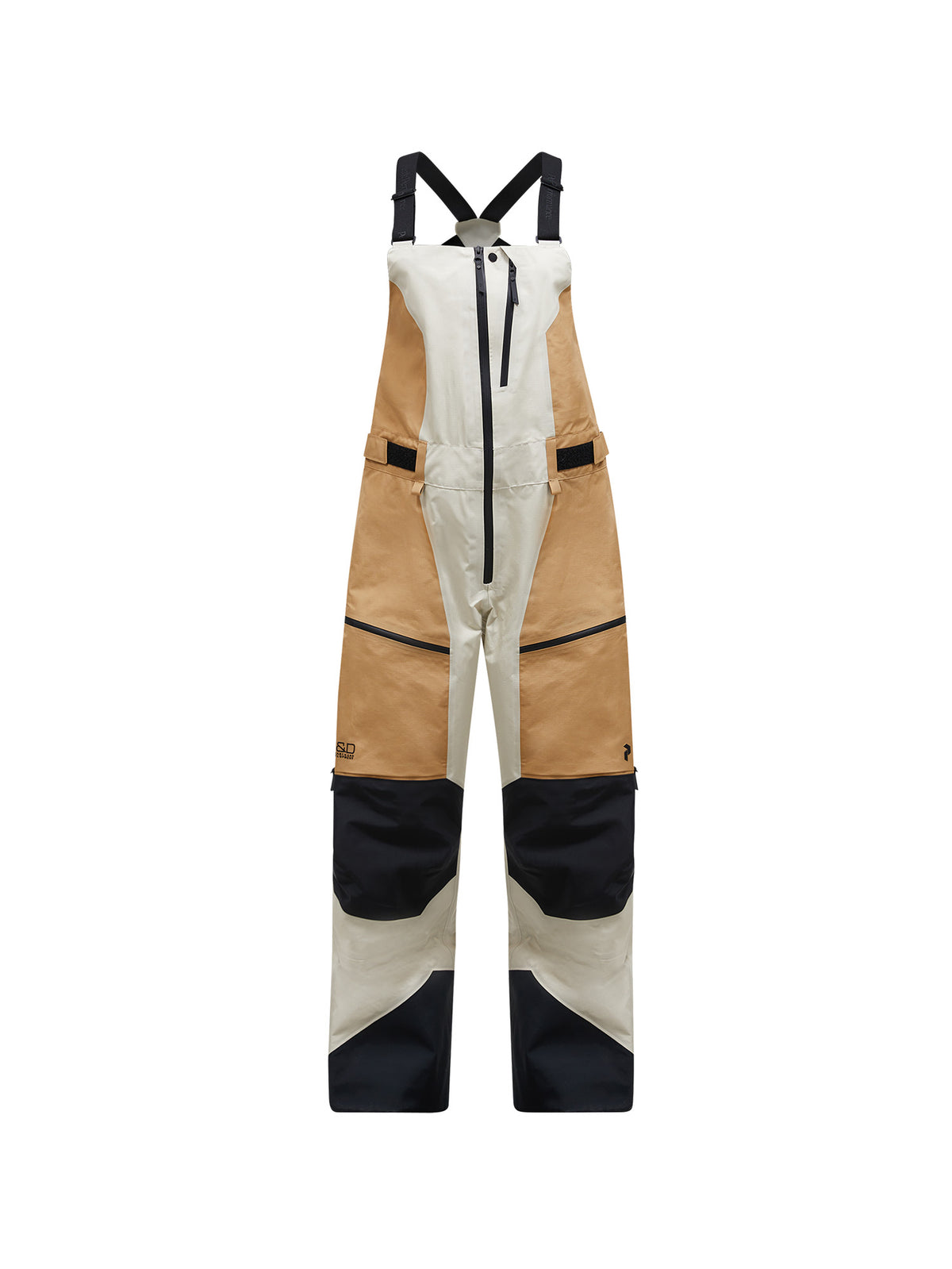
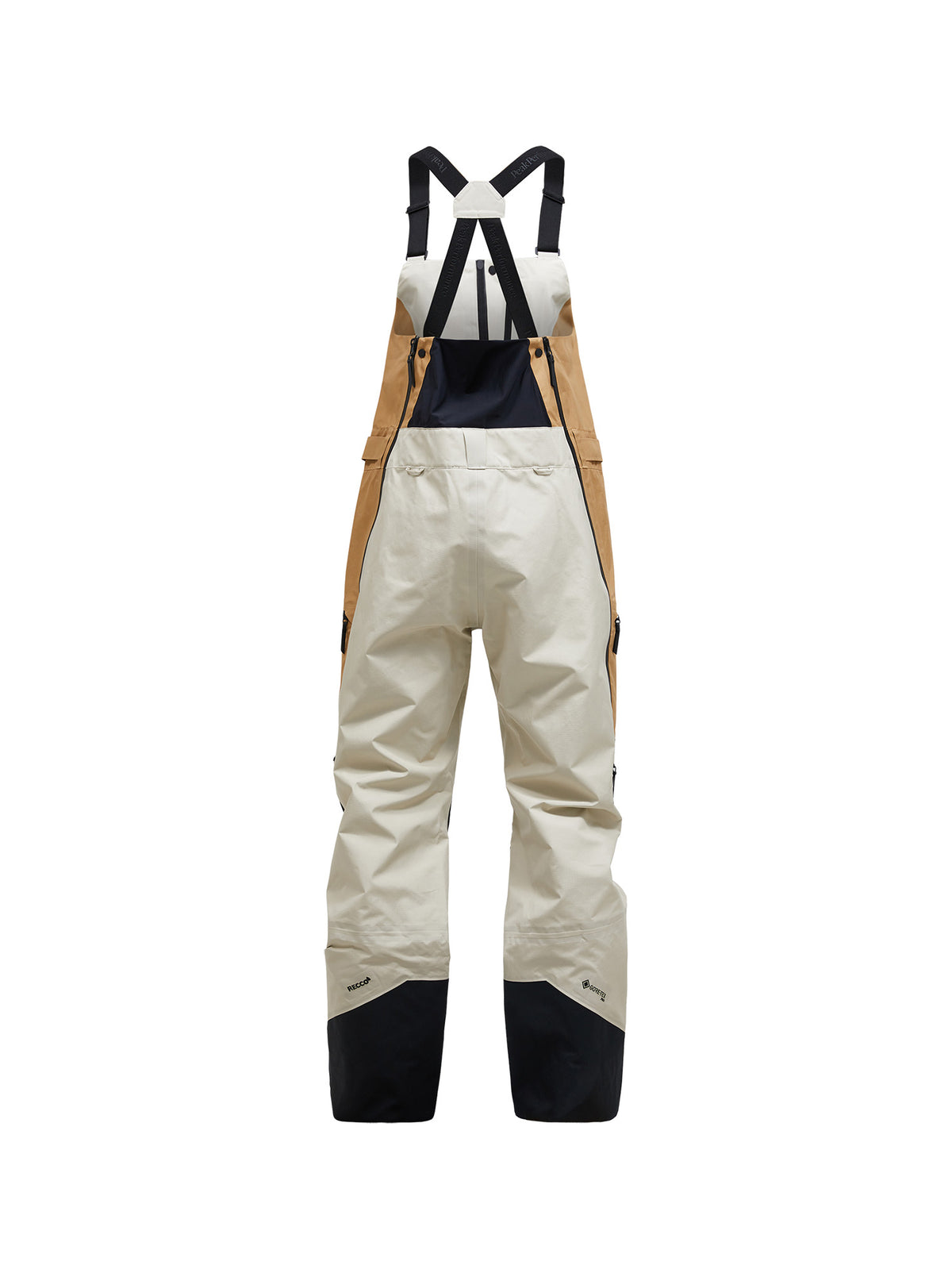
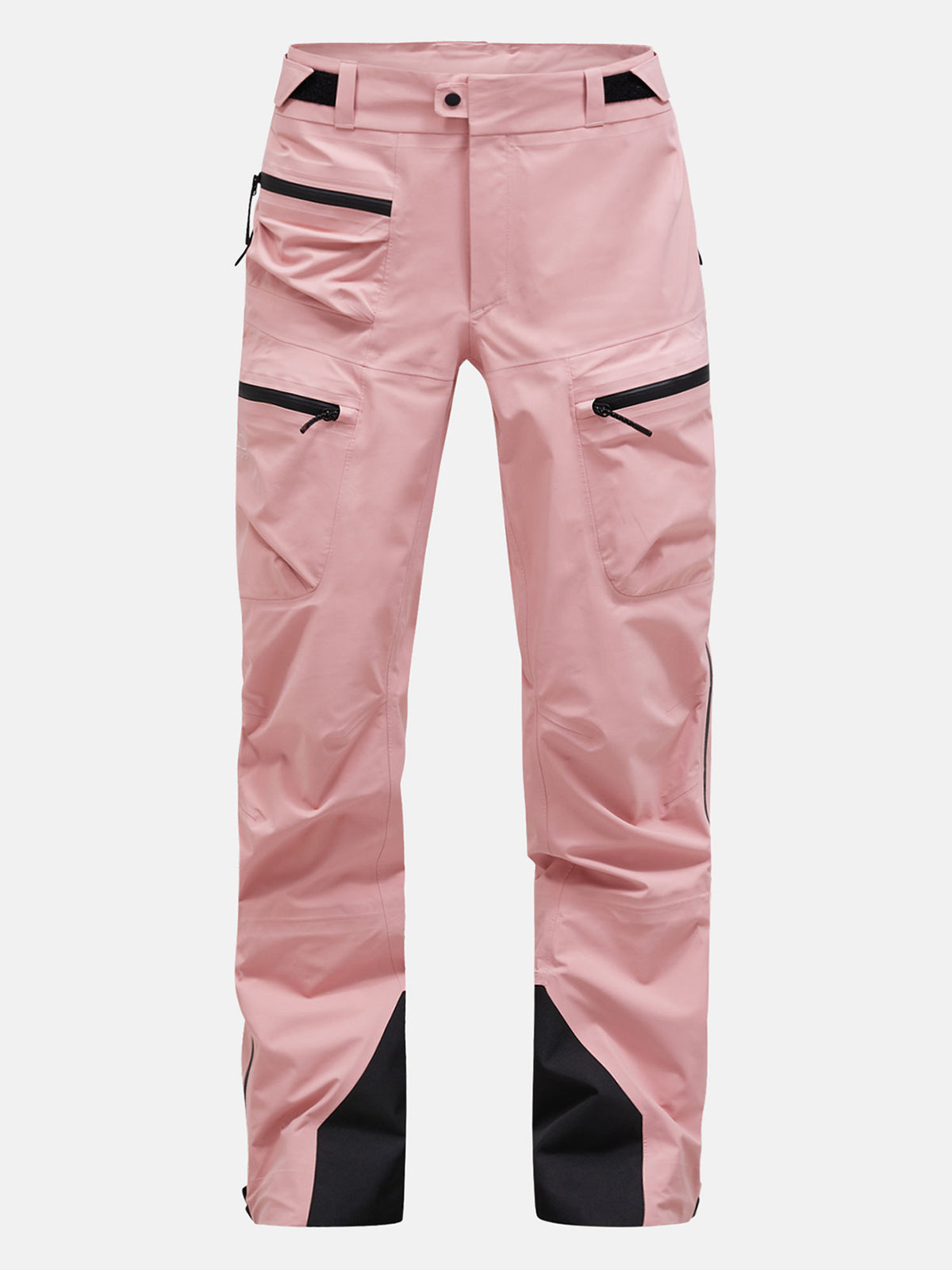
With Peak Performance ski pants, you'll encounter families like Alpine and Gravity. For the decision, in addition to the material, how the pants interact with ski boots and the top is particularly important. Pay attention to freedom of movement in the knee, the fit at the waistband, and room for underwear. A wide silhouette alone says nothing about the thermal performance.
Check the pants in a slightly bent skiing stance. The waistband should remain comfortable, while the knees and buttocks allow sufficient movement. At the bottom of the leg, the cuff must fit the ski boot. Too much fabric can gather; a cuff that is too tight may not be arranged as intended by the model. Orient yourself by the construction and product specifications.
A color-matching two-piece looks cohesive but is not mandatory. A muted pair of pants can balance a bold jacket color. If you choose the top and pants separately, also compare the lengths: the back should remain adequately covered during movement. Pockets and zippers should be accessible without having to constantly pull up your jacket.
Clearly Distinguishing Underwear and Mid-layers
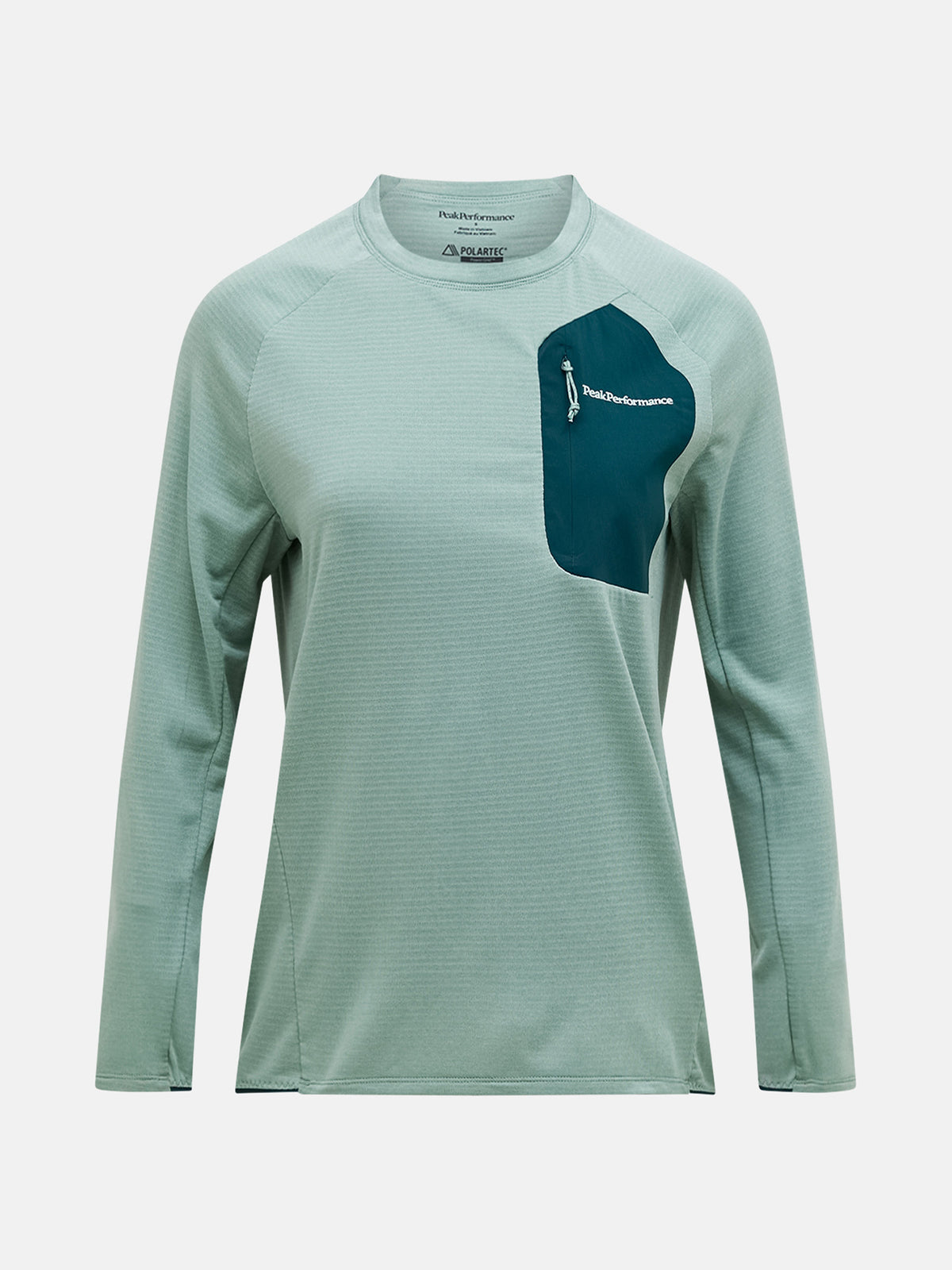
A body-hugging first layer and a warming mid-layer perform different tasks. In the Peak Performance selection, Spirit Crew and Spirit Short John can serve as a guide for ski underwear. A Fleece Half Zip or a Helium jacket, on the other hand, sits on top. Product name, cut, and material description help to differentiate these roles, even if several pieces have a sporty look.
For underwear, a consistent fit is comfortable. It should not cause discomfort due to wide fabric folds under the pants, but also not constrict at the waist or shoulders. Shortened pants can keep the area inside the ski boot free. The appropriate length depends on where the hem ends and how you wear pants, socks, and shoes together.
Fleece and other mid-layers offer various ways to adjust warmth. A half zipper opens the collar, a full zipper allows for complete removal without going over the head. A hood can be comfortable when worn independently. Under a ski shell, however, it's important whether the collar and hood fit together without creating pressure points.
In our mid-layers for women and mid-layers for men, you can compare such constructions. For your outfit, the number of layers is not decisive. Each additional layer should provide a clear benefit and maintain the movement of the other parts.
Casual Wear with a Sporty Origin
Original Hood, Original Tee, and other casual models show the more uncomplicated side of Peak Performance. Here, the silhouette, fabric feel, and combinability with your wardrobe are paramount. A hoodie can work under a loose everyday jacket, a T-shirt with a more subtle appearance can be worn with jeans as well as with sportier pants.
When considering sweatshirts and hoodies, think about how much volume you like to wear. A loose torso looks different if the shoulders and sleeves are also wide-cut. Therefore, don't just compare the chest width. The length above the waistband and the finish at the wrists also determine whether a top falls casually or has a deliberately compact fit.
A sporty brand origin does not make every cotton shirt or hoodie technical ski underwear. For everyday wear, travel, and evenings after skiing, the uncomplicated construction can be just right. For sweat-intensive movement, however, it's worth taking a targeted look at the functionally oriented models and their specific material specifications.
Movement, Pockets, and Small Additions
For athletic shirts, tights, and shorts, selection based on the type of movement is worthwhile. Tight pants should remain comfortable in a squat, and a shirt should not ride up awkwardly when raising arms. For quiet activities, a different fabric feel can be pleasant than for an intense session. The brand name does not replace this personal decision.
Hats, headbands, and caps change both the look and the everyday suitability of an outfit. Consider whether you want to cover your ears, whether your hair needs space, and how a brim sits with glasses or headphones. A casual hat is not automatically suitable as an additional layer under a ski helmet.
For bags, a specific starting point also helps: For the way to sports, a different format is often sufficient than for a weekend trip. Compare the carrying method, opening, and compartments before orienting yourself by the external size. In bags and backpacks, you will find complementary forms for different journeys and amounts of luggage.
Choosing Peak Performance for Children Appropriately
For children's ski clothing, freedom of movement is just as important as the correct size. A model deliberately bought very large can interfere at the sleeves or leg cuffs. Check the appropriate size chart and compare it with current body measurements. A junior model like Rider Essentials helps categorize the line, but does not replace individual size selection.
For children, it's also worth looking at usability. Can pockets and closures be reached with gloves, does the collar sit comfortably, and does the waistband stay in place during movement? Children's ski clothing facilitates targeted comparison. A harmonious outfit starts with a good fit and is then complemented by the necessary warmth.
Assembling Your Peak Performance Look
Start with the garment whose function is already determined. If the outer jacket is present, add appropriate underwear and a flexible insulation layer. If you are looking for casual wear, start with your preferred silhouette. This creates an outfit that you can meaningfully expand, instead of placing several similar pieces next to each other without a clear purpose.
Finally, compare the specific models based on material, cut, and features. For Peak Performance, this precision is particularly worthwhile because skiing, lightweight insulation, and casual wear come together within the same brand. With a clear sequence of purpose, layer role, and fit, the extensive selection becomes clear, and your personal look remains open.
04This brand at FREUDENHAUS
05Questions about the brand