









Women's Winter Boots: Comparing Warmth, Weather Protection, and Shaft Height
Choose women's winter boots according to your needs: warmth, suitability for wet conditions, shaft height, and fit are individual selection criteria. Compare the specific features with your socks and trousers and pay attention to the model's sizing and care instructions. This way, you'll find a pair that suits your winter routine and your style.


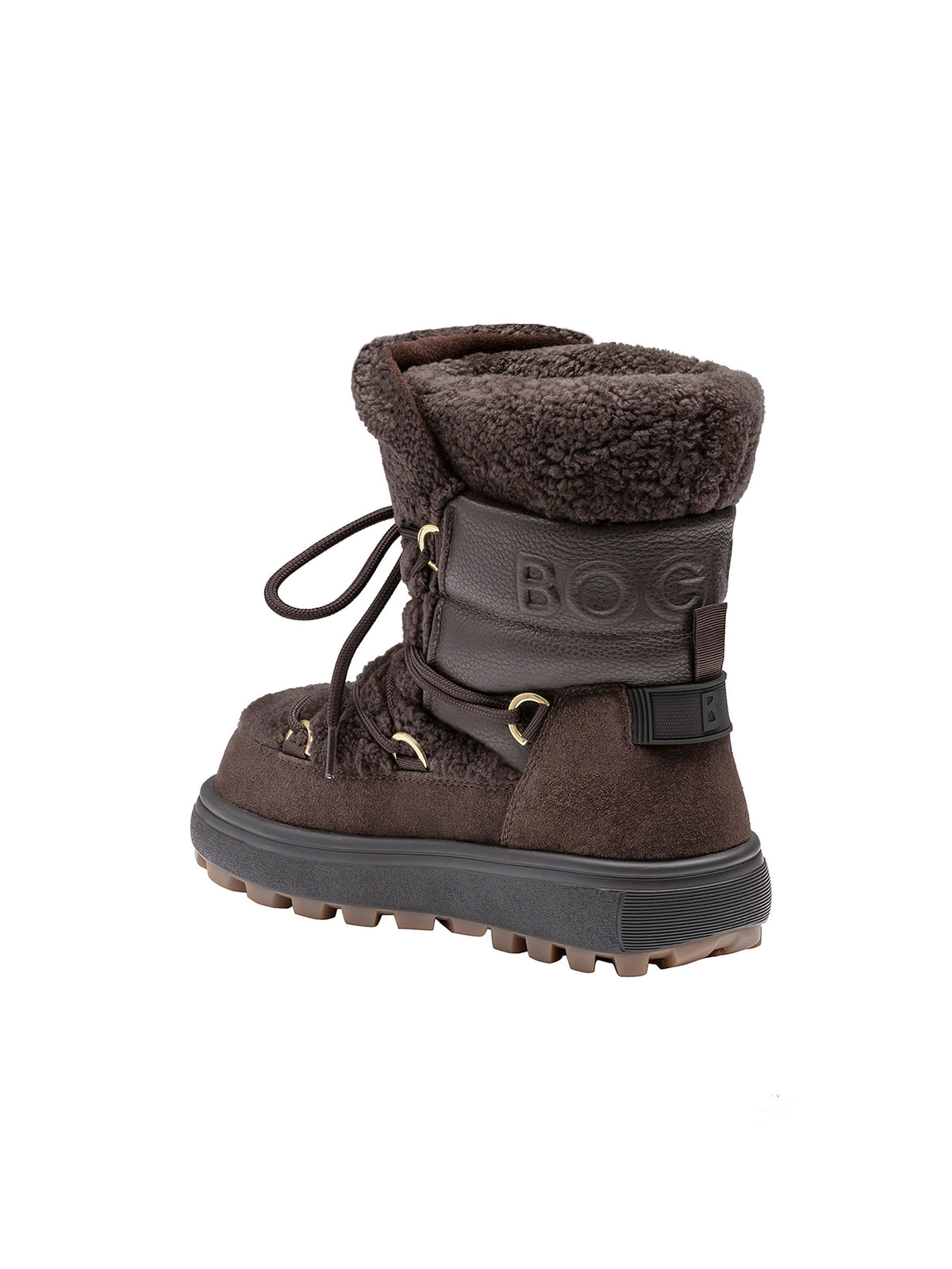


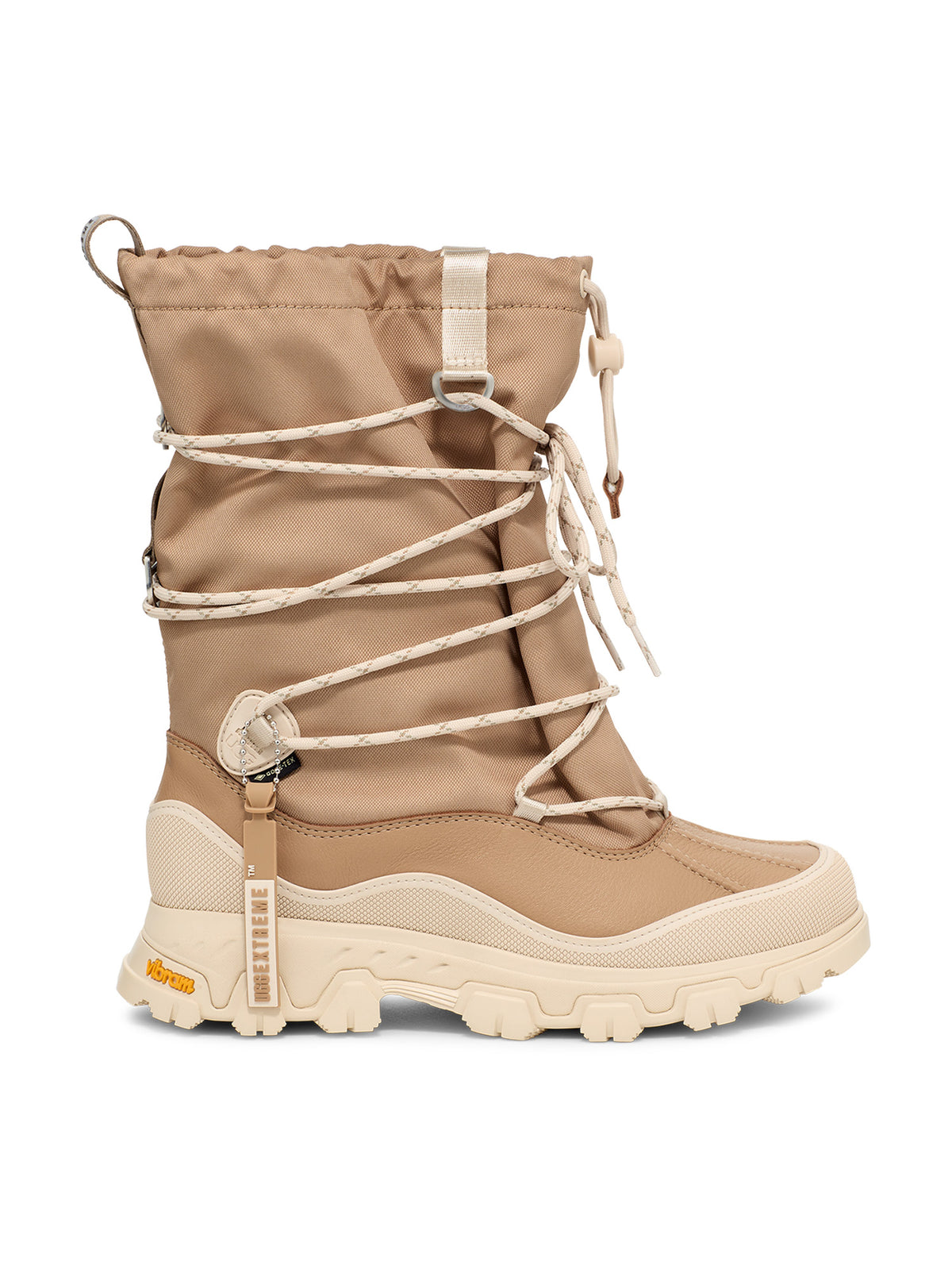
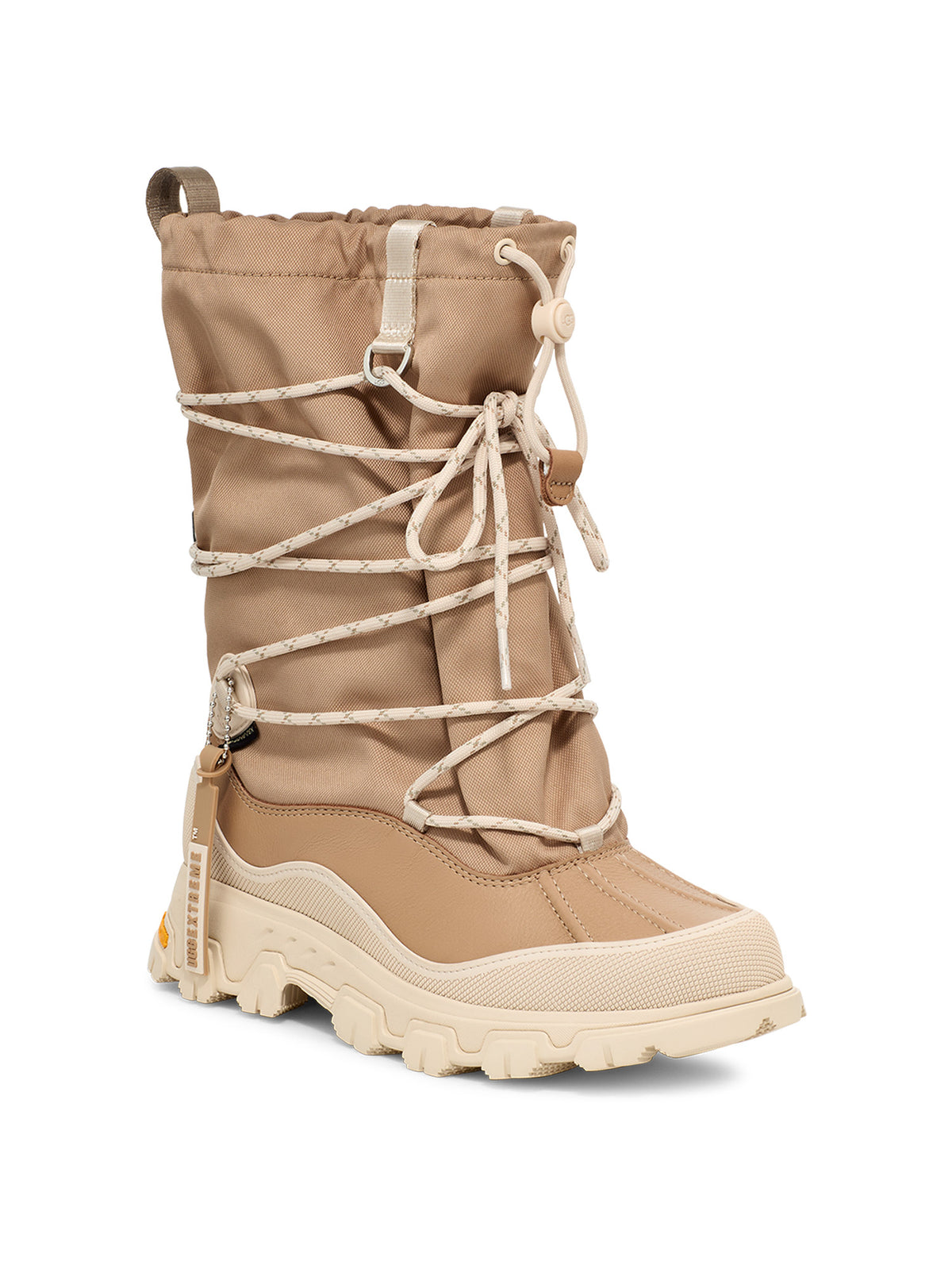
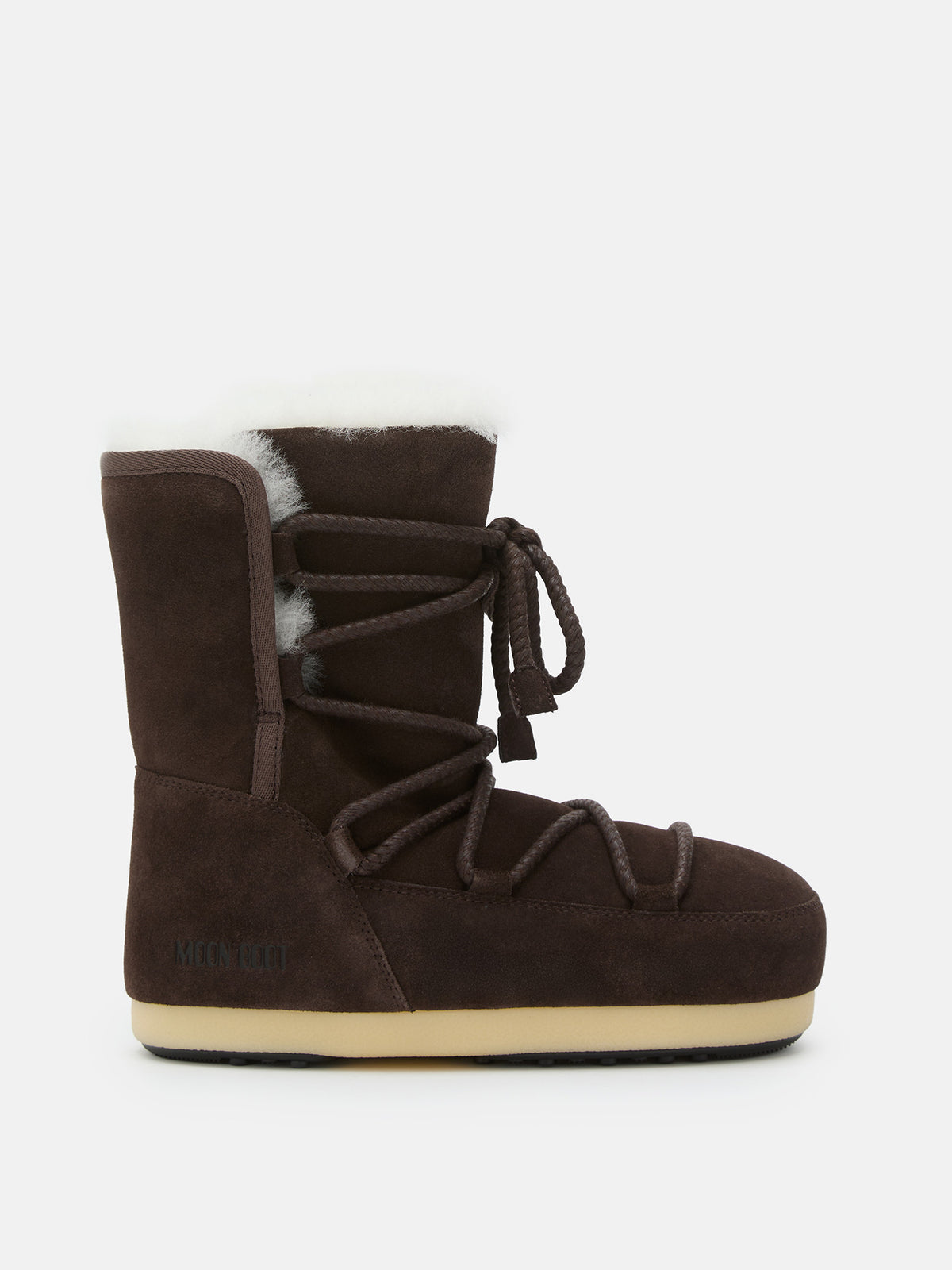
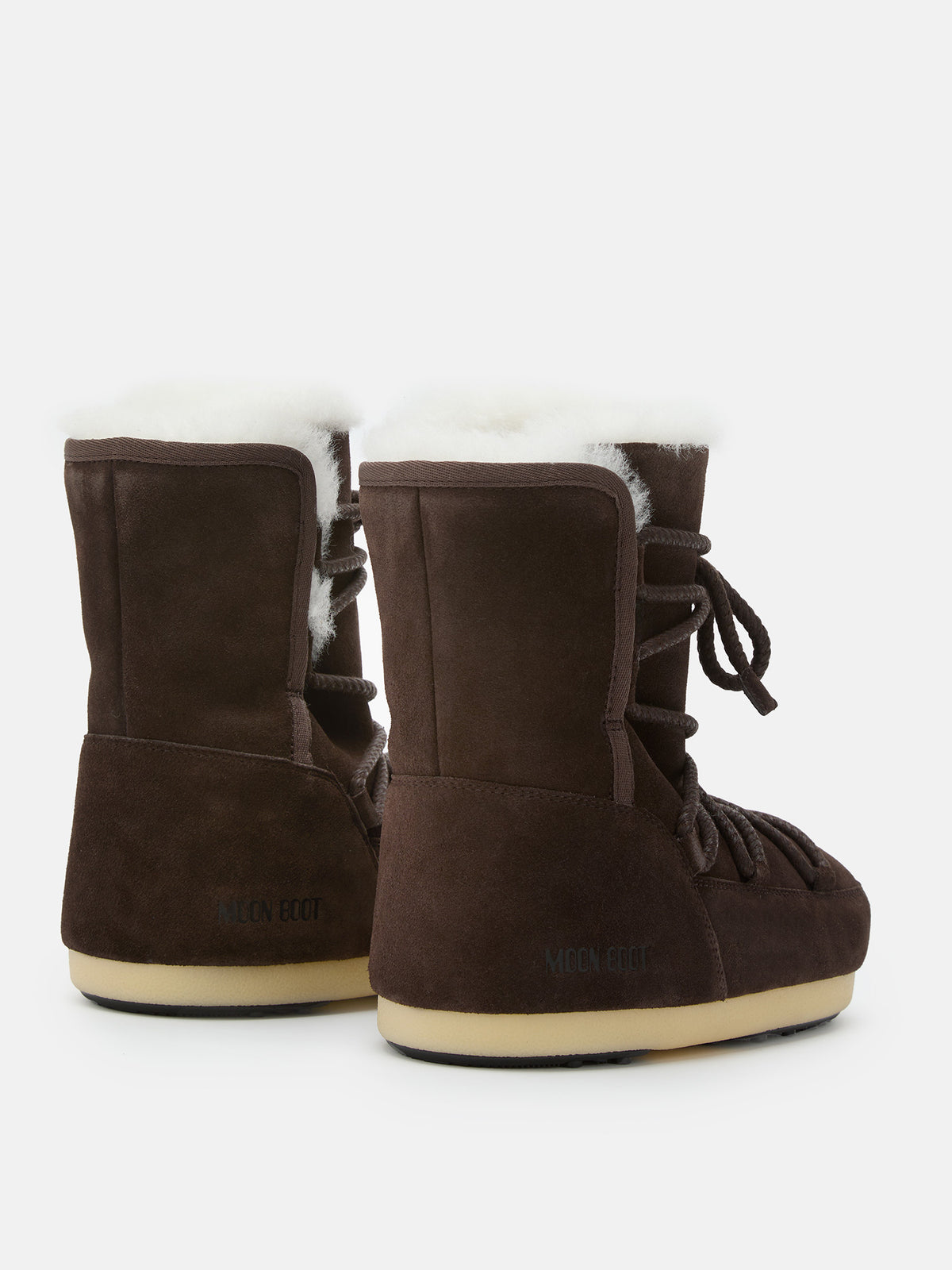


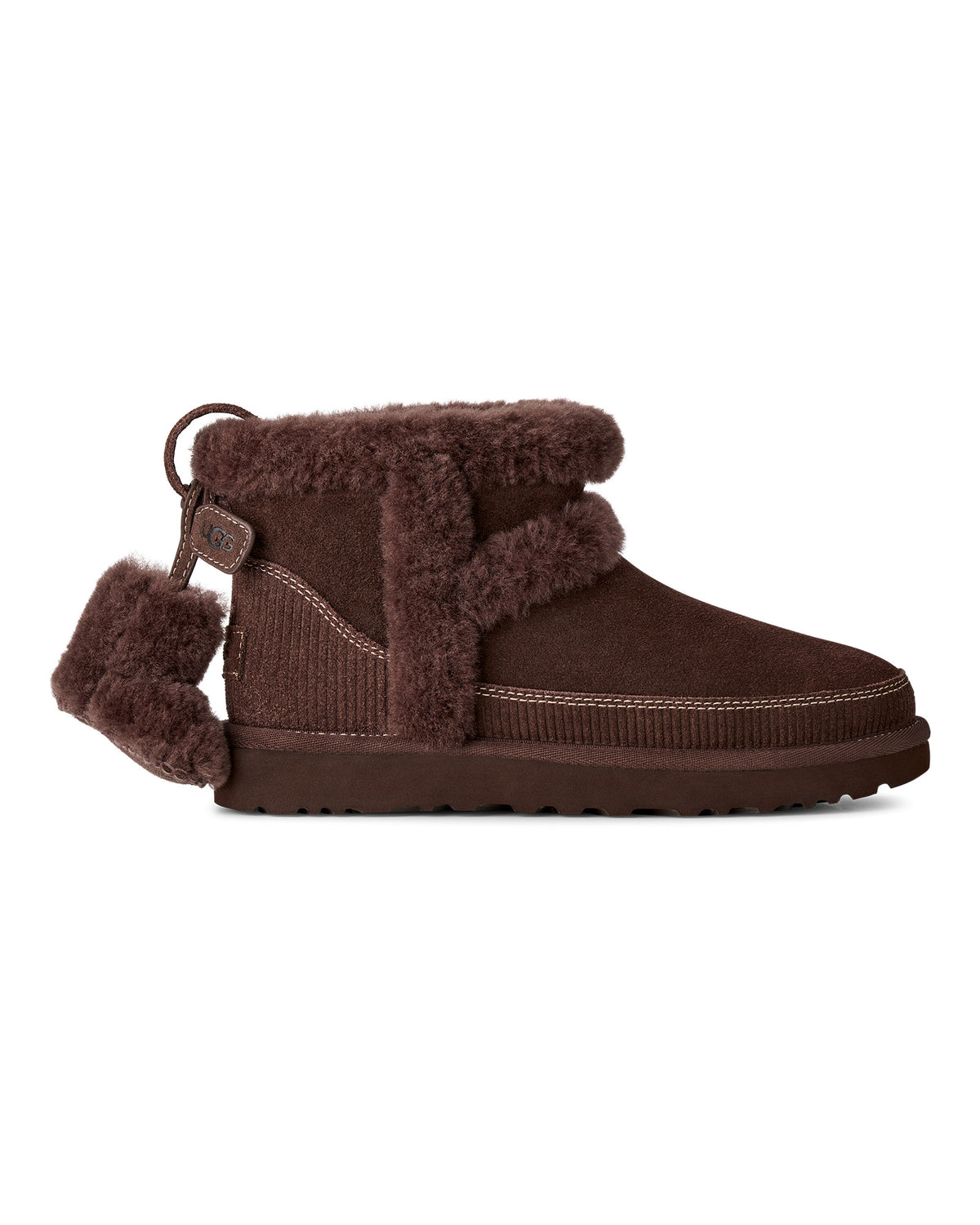
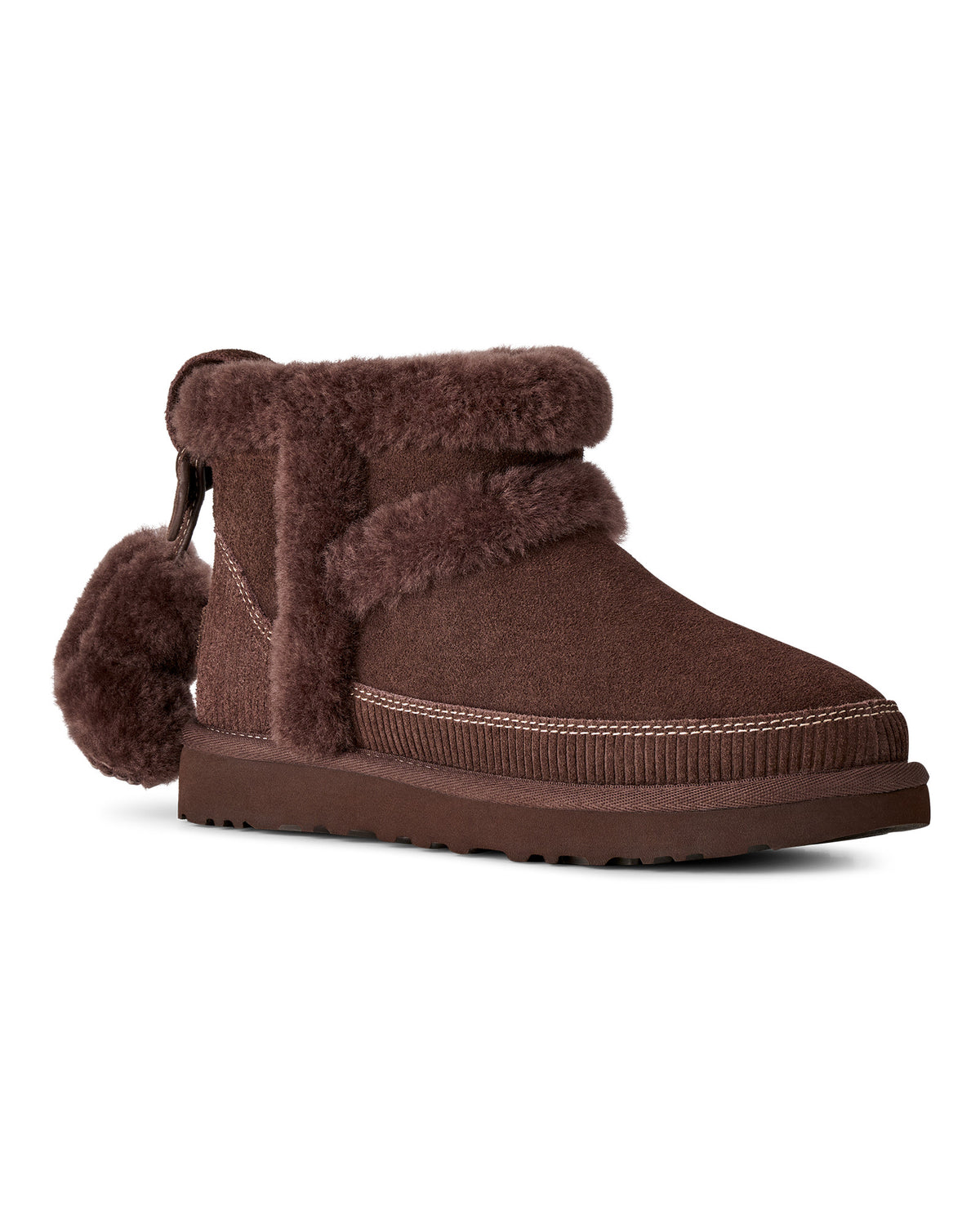


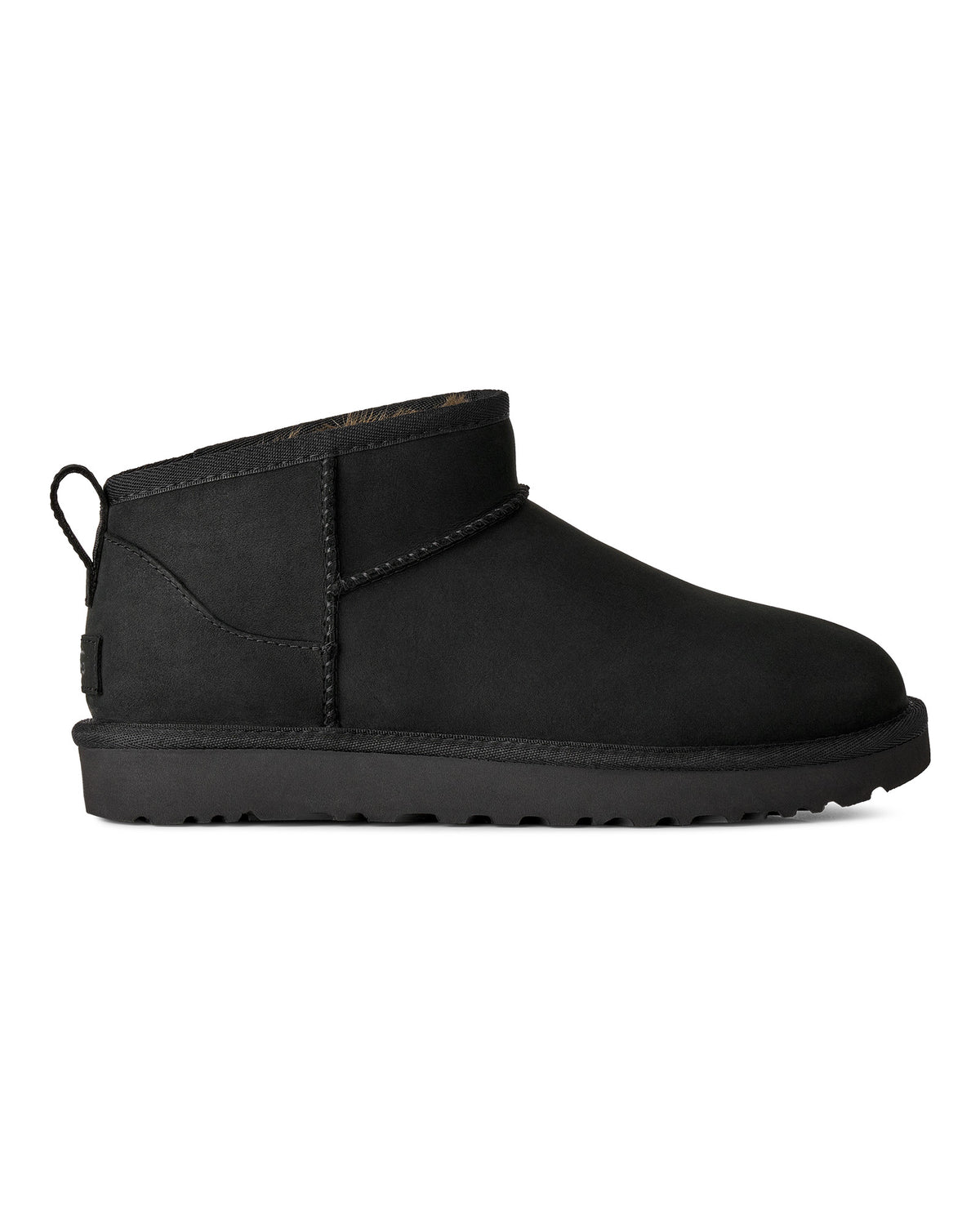




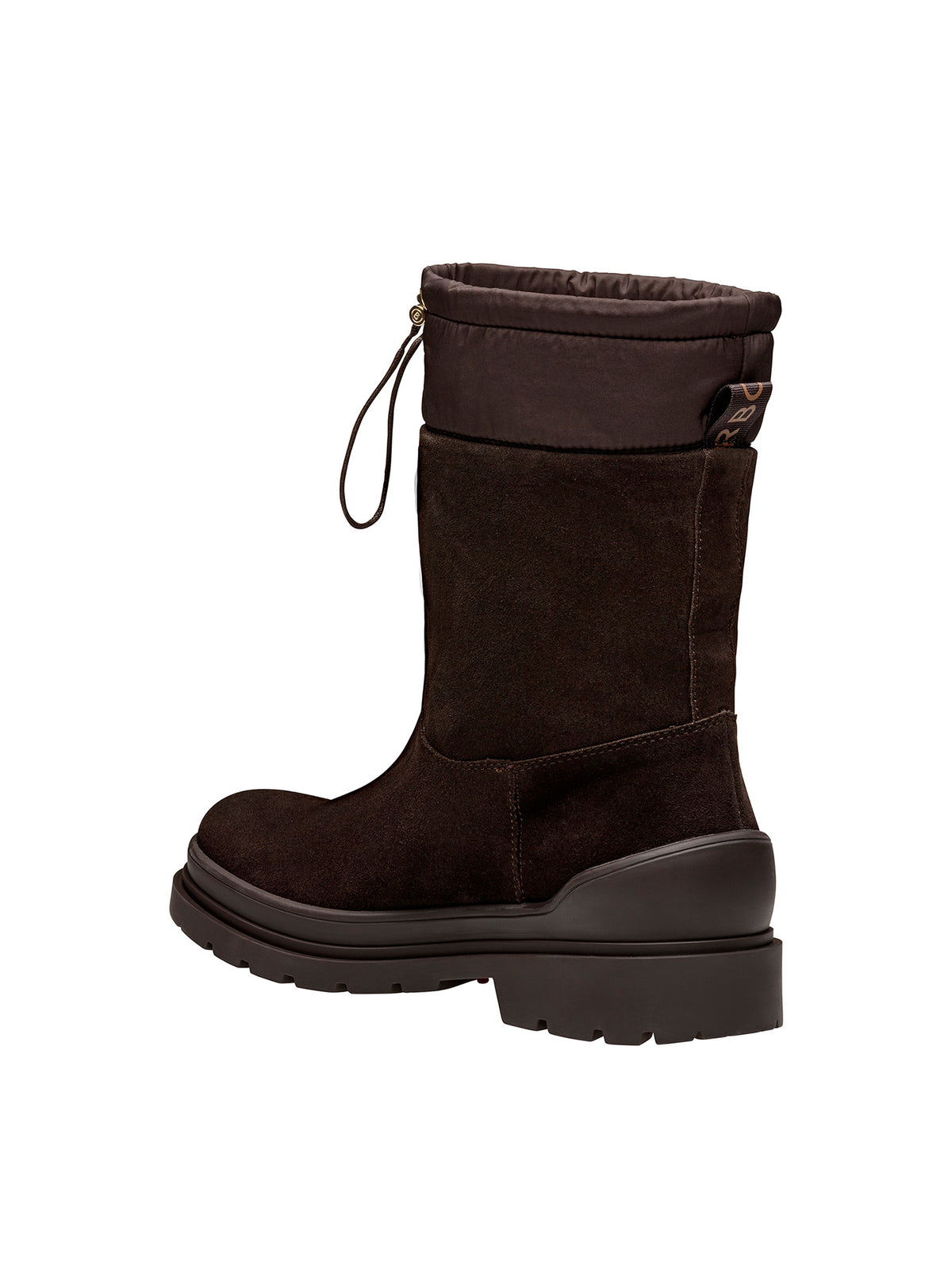
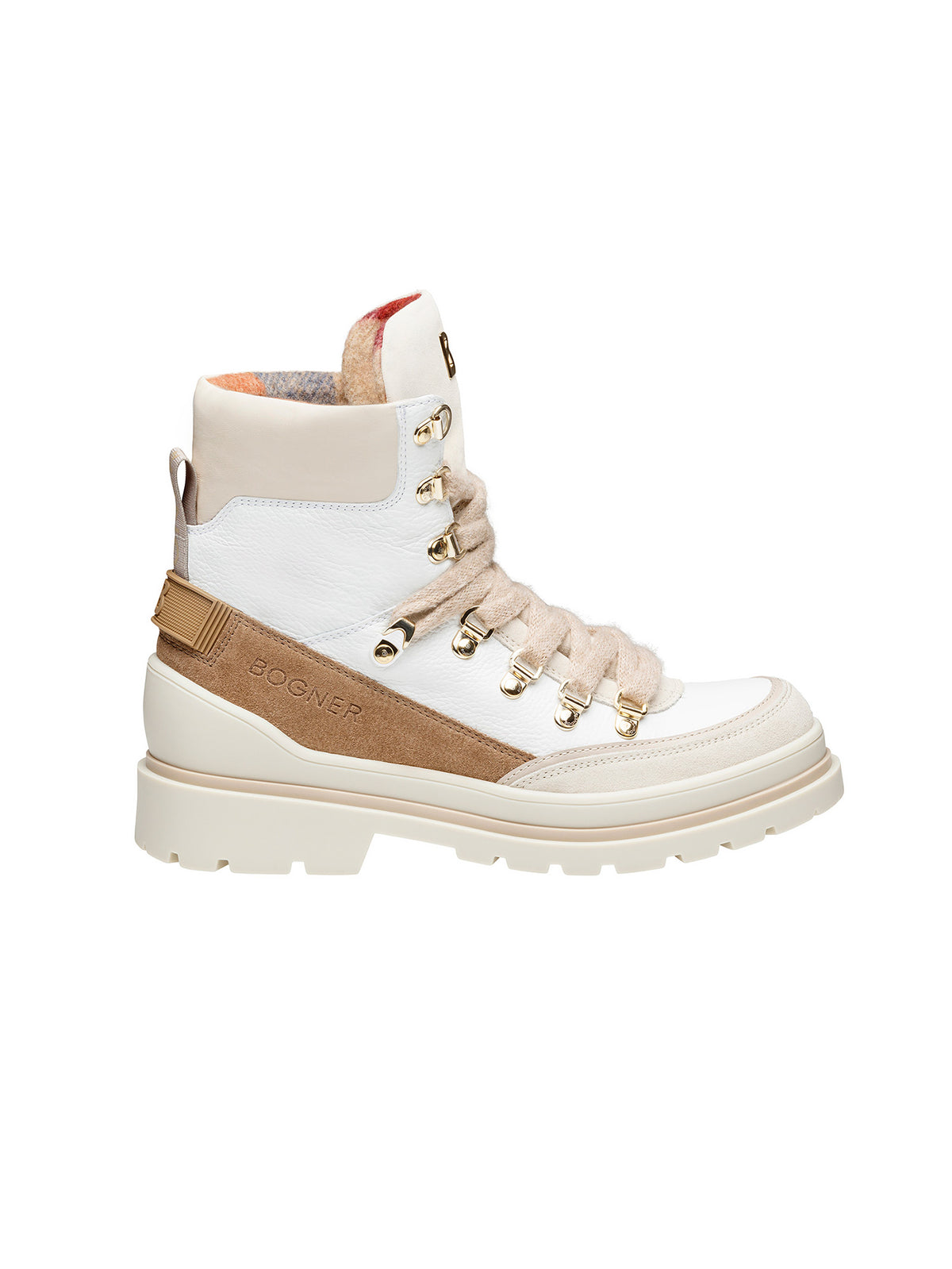
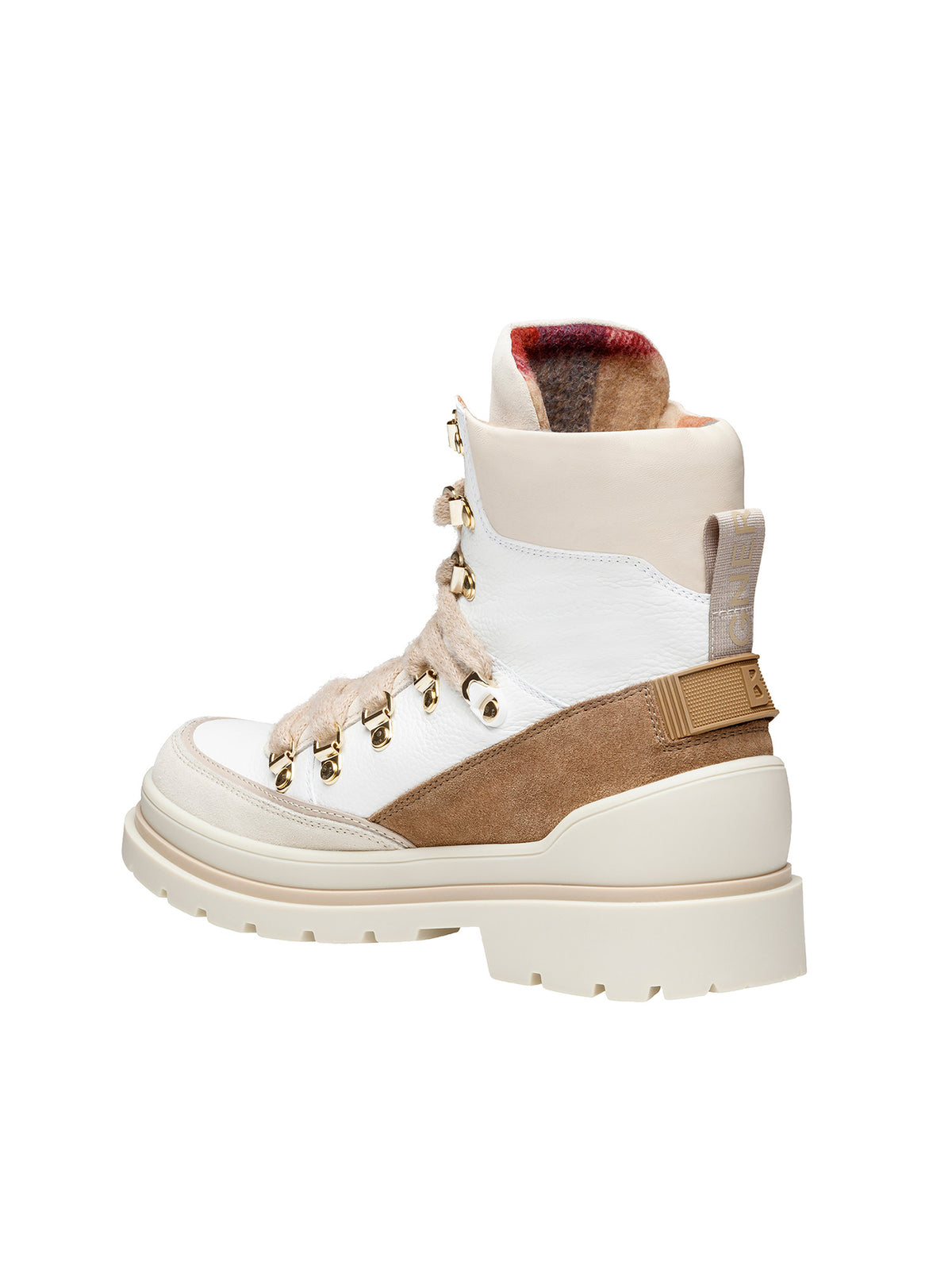
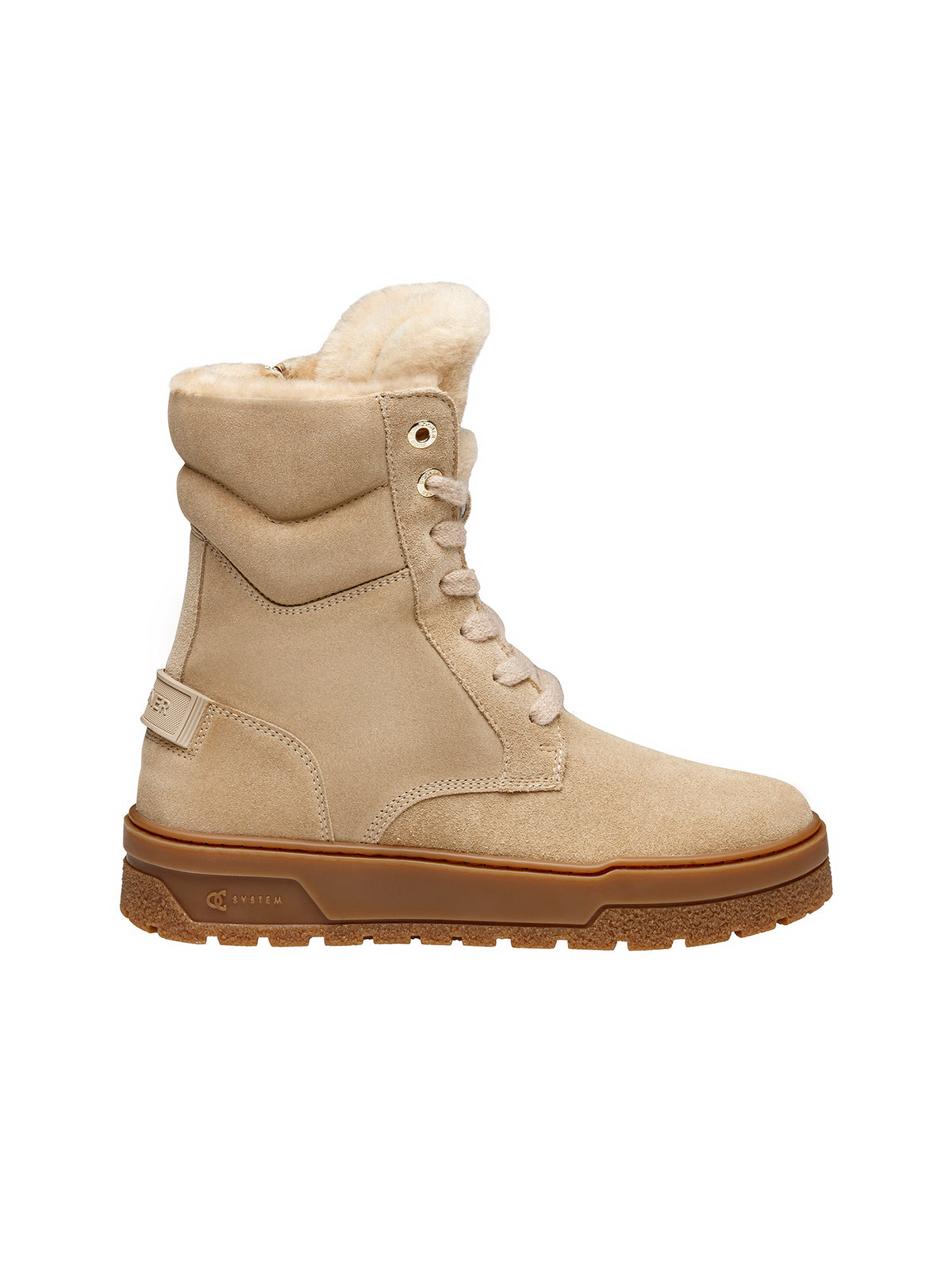
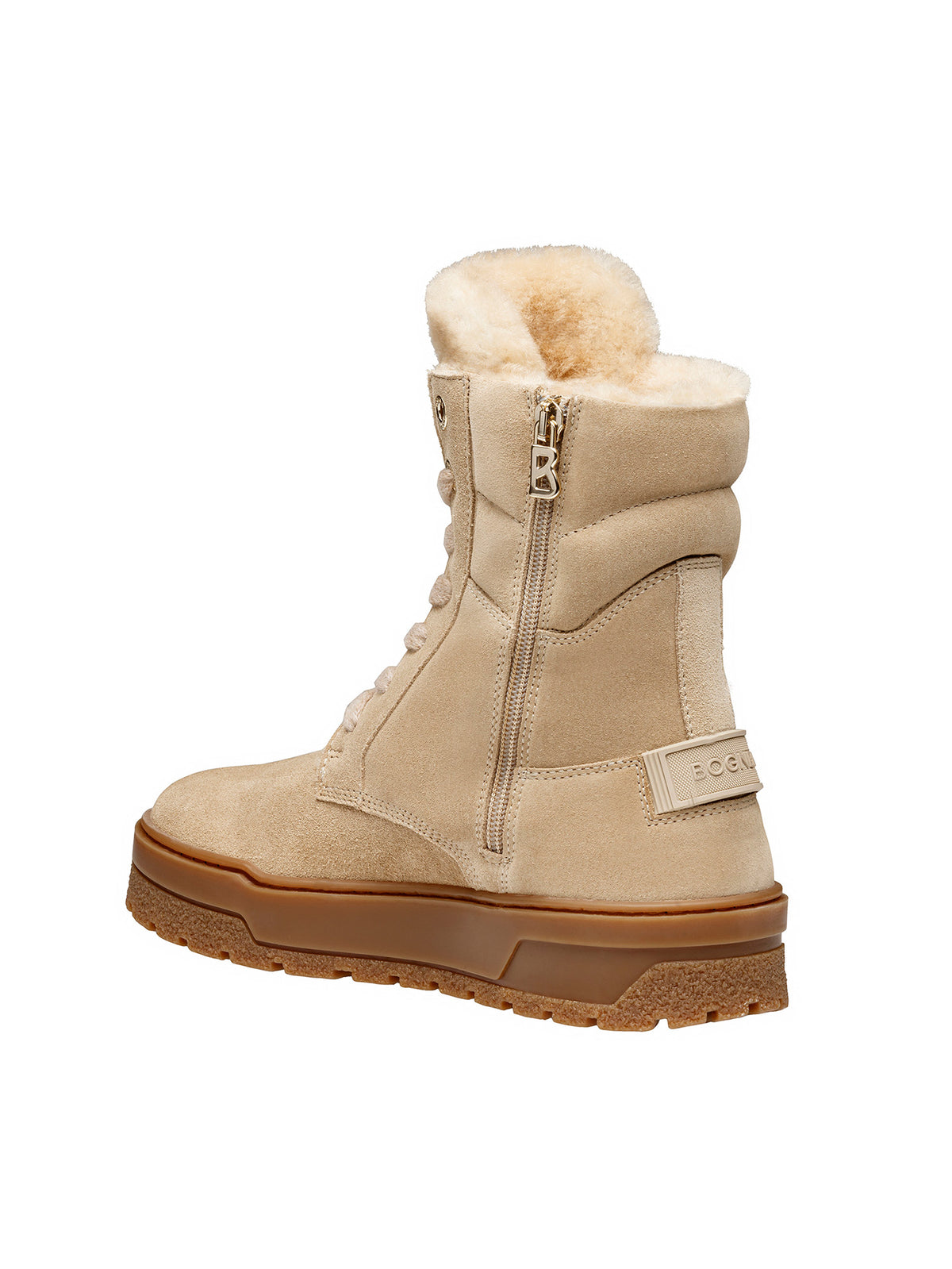
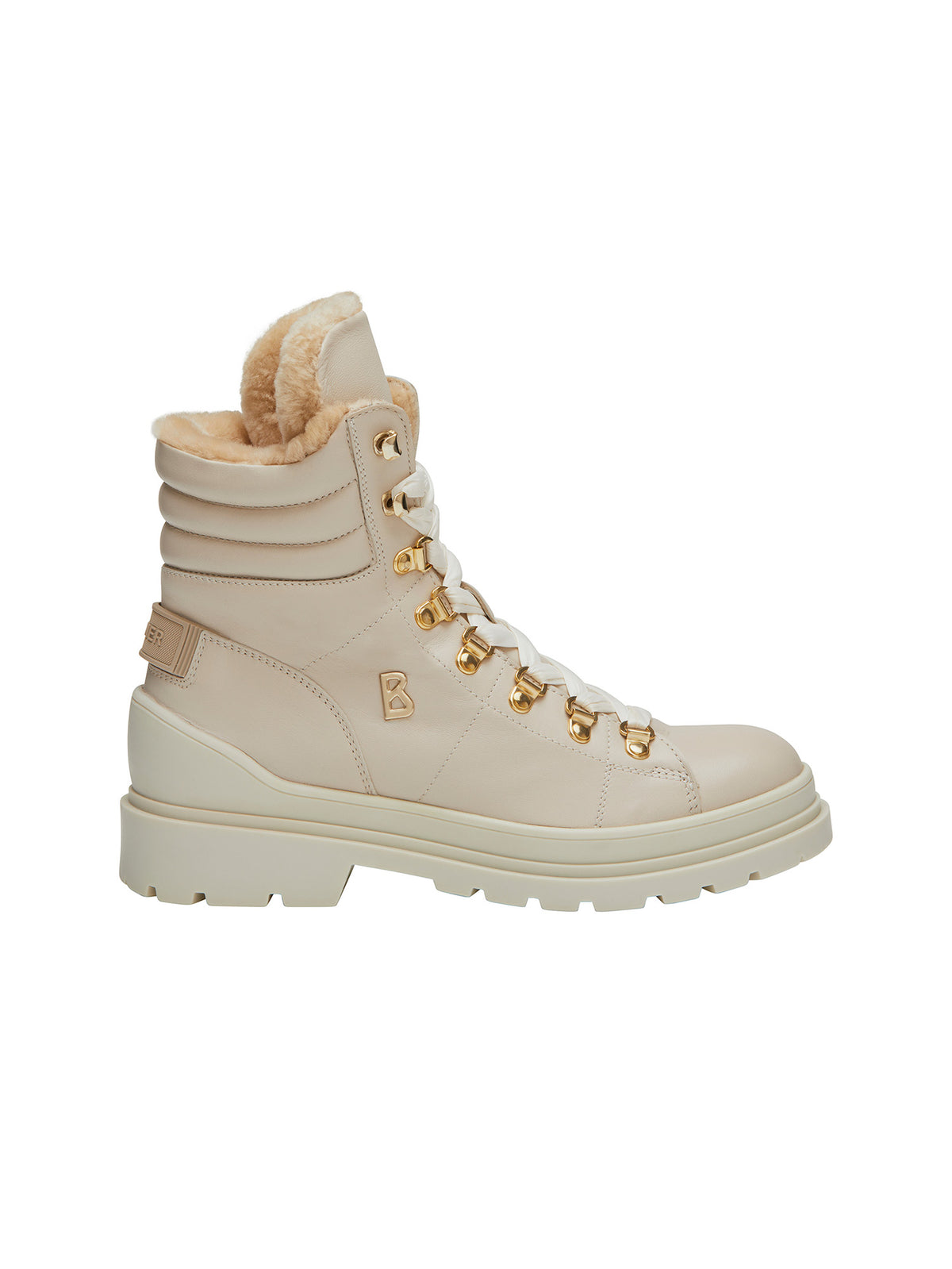
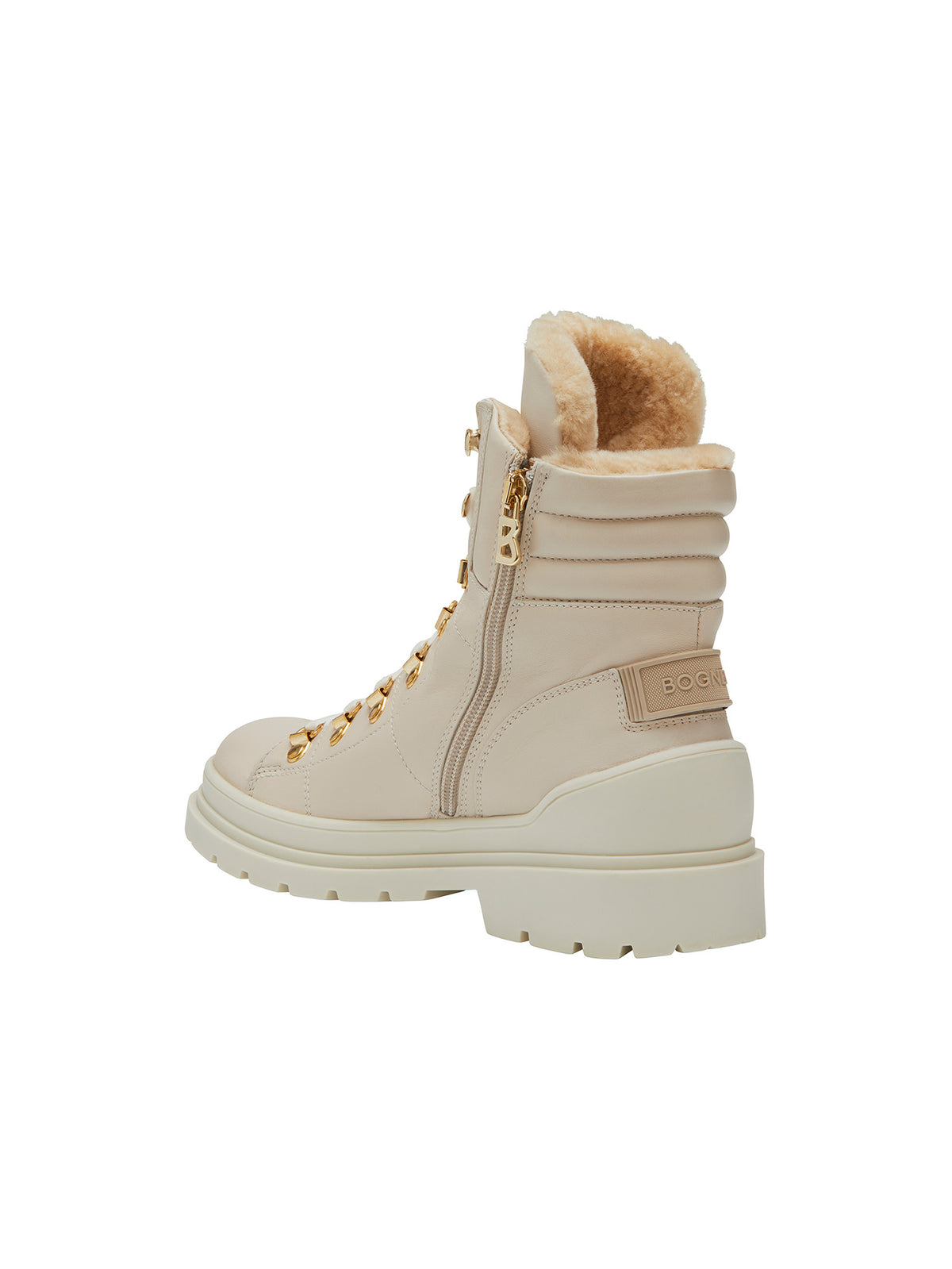
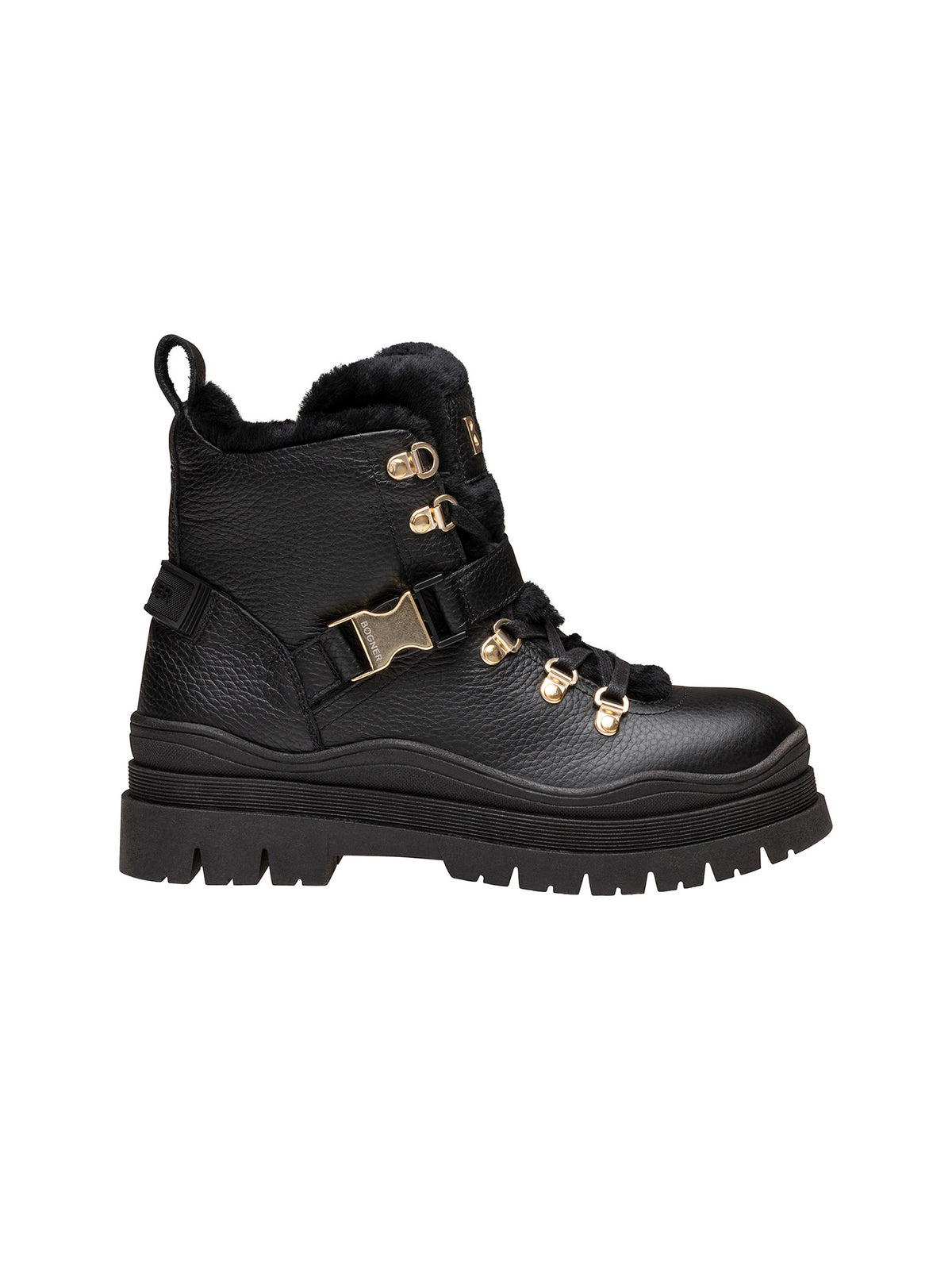
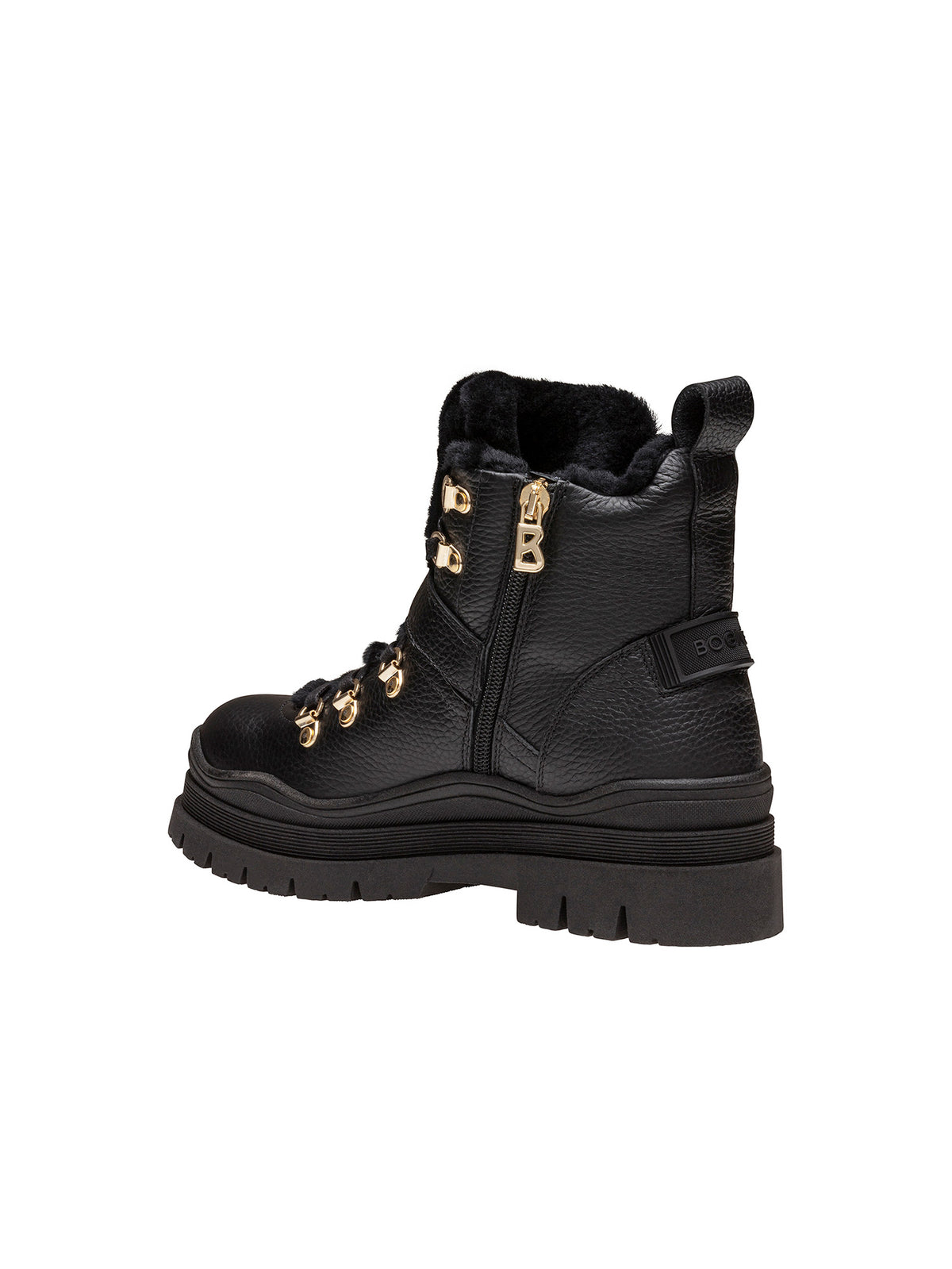
Choosing women's winter boots for your winter adventures
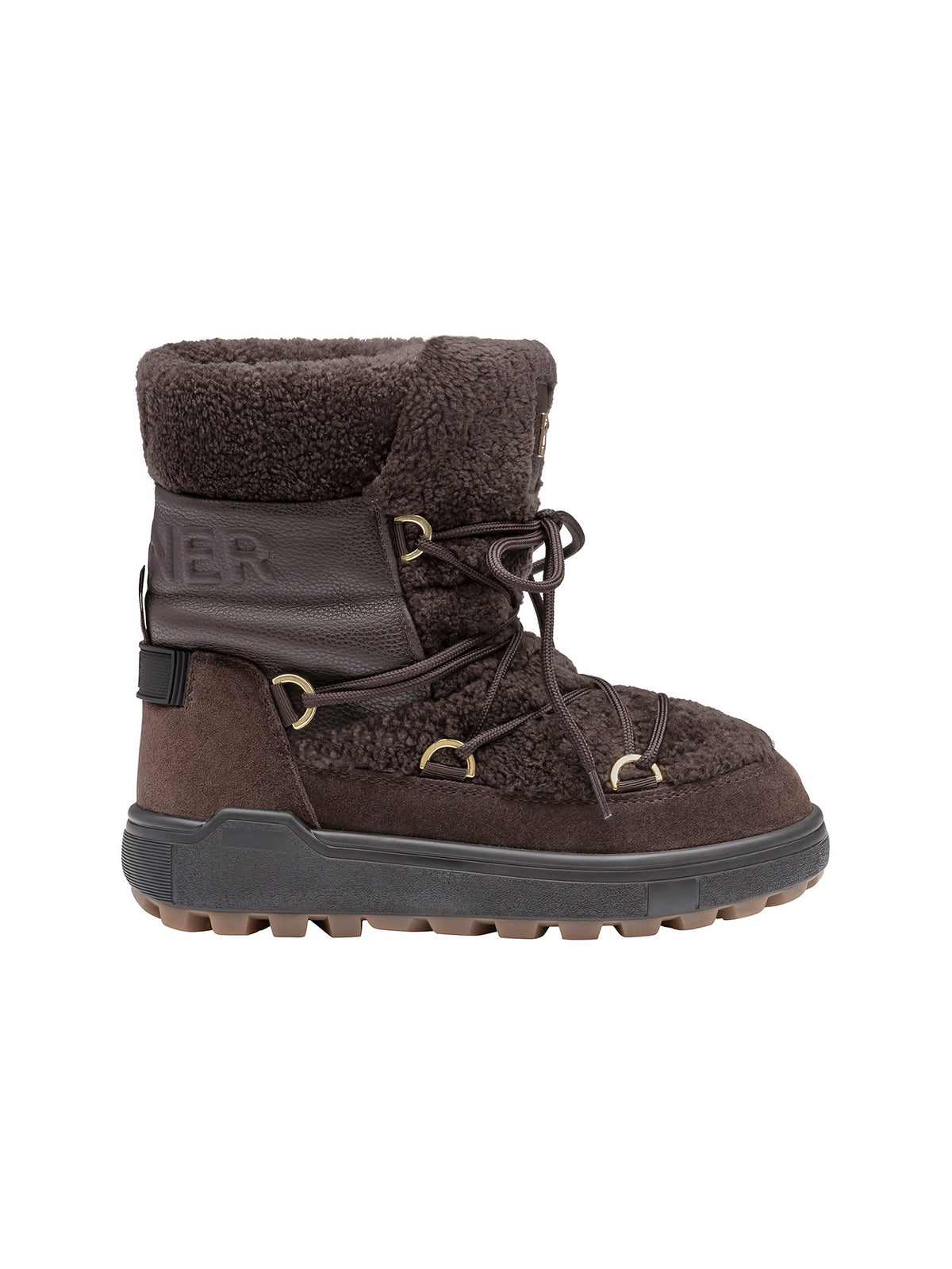
Women's winter boots should match the conditions in which you actually wear them. A short walk through town, prolonged standing outdoors, and a stroll in wet weather all place different demands. Therefore, start with your most frequent use case. Consider whether warmth, explicitly stated waterproof construction, a specific shaft, or easy entry is particularly important to you. These priorities are more helpful than searching for a shoe that generally covers every winter day.
The winter appearance of a model is only one part of the decision. A fluffy trim or a voluminous shaft might be stylistically perfect, but it doesn't say anything about all the functions. Compare the lining, upper material, closures, and sole based on the specific design. Then, check the fit with your intended socks. A convincing winter pair must fulfill the desired task and also fit comfortably on your foot.
Warmth and weather protection are different issues
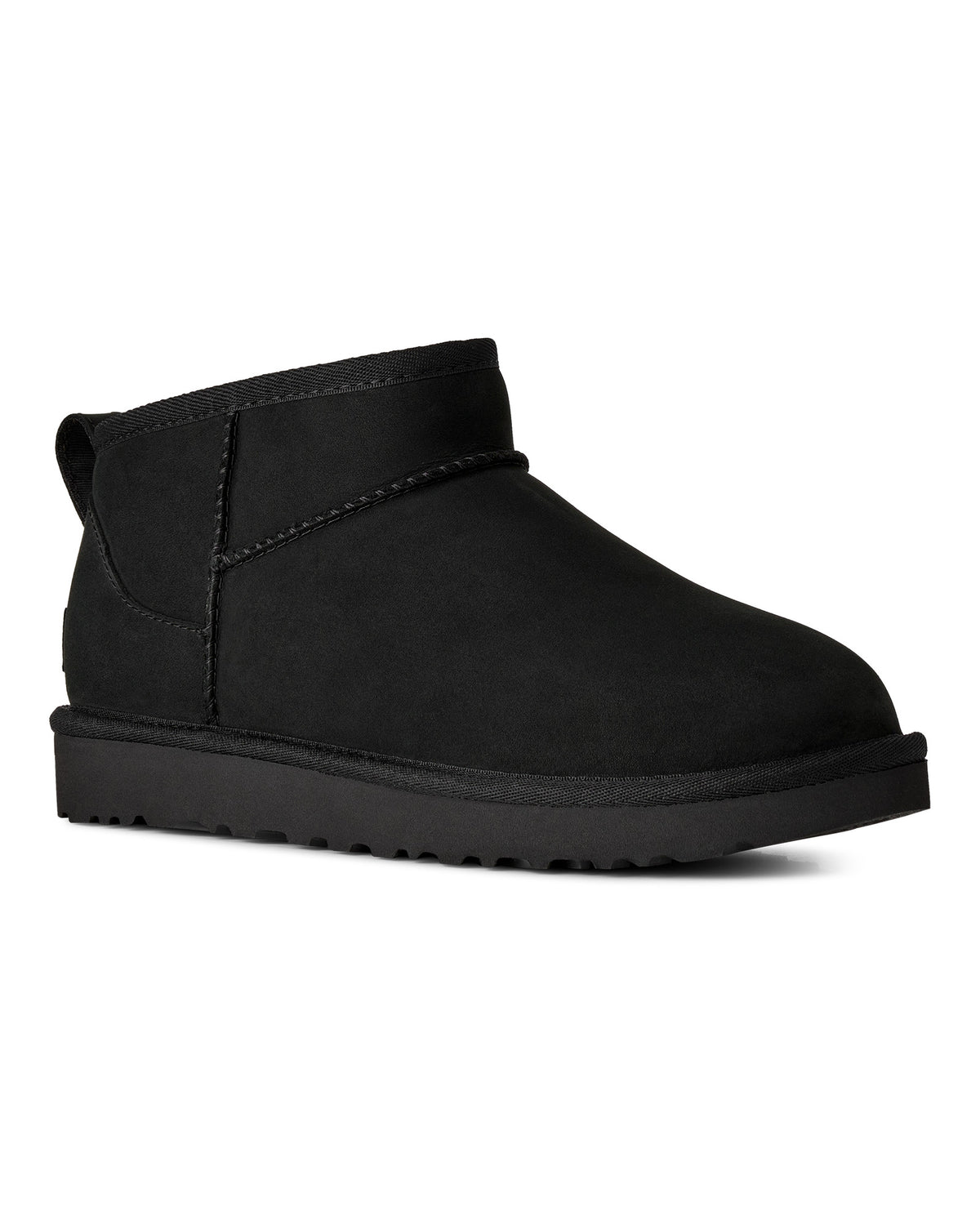
A shoe can be designed for warmth without being constructed for every type of wetness. Lining, insulation, and water-repellent surfaces describe different features. UGG, for example, explicitly states that not all Classic Boots are water-repellent or waterproof. This leads to an important selection rule: check the specific model for its properties, even if you already associate the brand or silhouette with winter.
Therefore, consider separately how long you'll be outdoors in the cold and whether you expect wet paths. A different construction might be suitable for dry conditions than for slush or rain. Subsequent treatment cannot arbitrarily transform any shoe into a differently constructed winter solution. First, decide based on the stated design and then follow the appropriate care instructions. This way, your expectations for warmth and suitability for wetness remain understandable.
Distinguishing between waterproof and water-repellent
Water-repellent describes a limited interaction of the surface with water and is not synonymous with every waterproof overall construction. Pay attention to what a manufacturer's specification refers to: a material, a treatment, or the entire shoe. Individual components can be described differently. A product comparison should therefore not just list a buzzword next to another, but consider the respective context. This is especially important if you are specifically looking for a pair for wet winter paths.
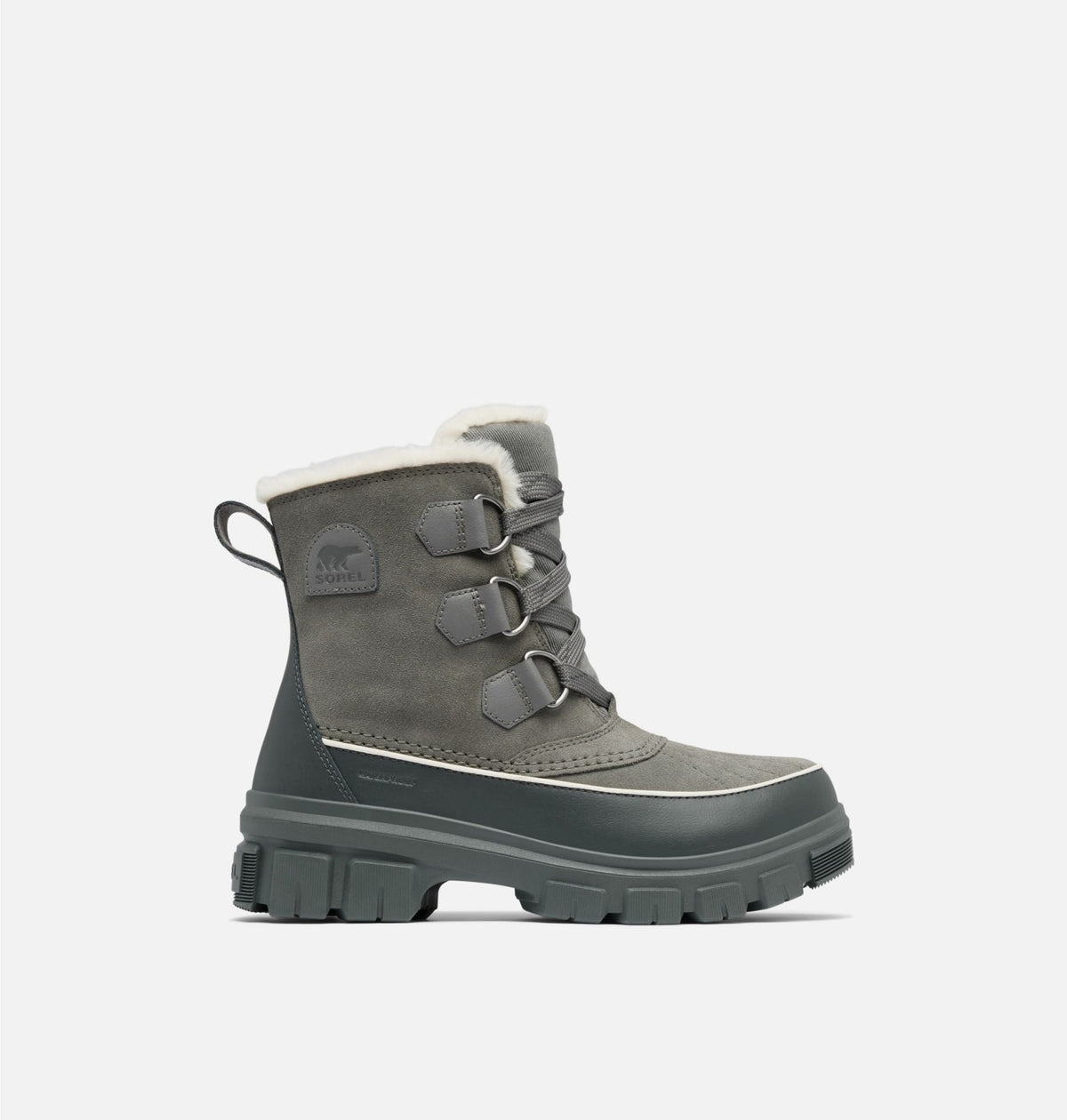
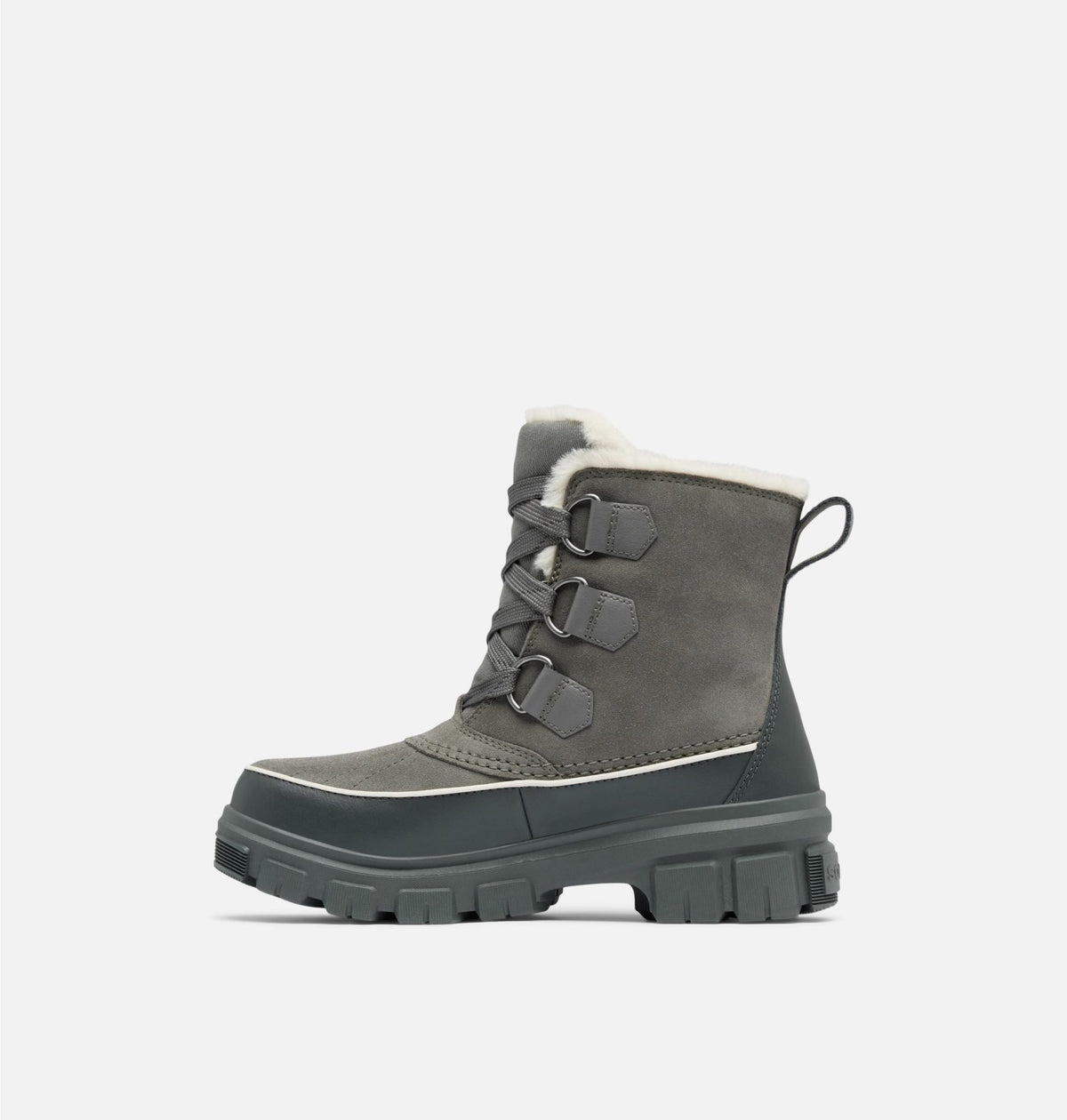
SOREL, for example, shows differences between upper material, construction, and individual details in its product specifications. Such information is more helpful than assuming that all models from a brand have the same features. Also, check where the shaft ends and how far an opening extends downwards. The specific construction and the intended use go hand-in-hand. A shoe that appears warm can be a good choice, but it should not be purchased for an additional feature that is not even stated.
Plan lining and space for your socks together
The interior changes the space inside the shoe. A substantial lining can create a different fit than a thinner interior, even if a similar size is indicated on the outside. Therefore, try on the pair with the socks you actually intend to wear on cold days. More sock thickness is not automatically better. If it uncomfortably constricts your toes, instep, or heel, the entire combination might not fit your foot.
Pay attention to whether the lining is firmly integrated or explicitly removable. This distinction affects handling and care but cannot be inferred from a soft inner surface. If a manufacturer describes a separate inner boot, its fit is part of the try-on process. You should assess the pair as it will be used later. Changes to the internal structure or additional insoles are not a general method to make an ill-fitting basic shape fit properly.
Your perception of warmth and activity also play a role in the decision. Long periods of standing and brisk walking do not feel the same. Therefore, do not rely solely on the visible lining thickness. If temperature ratings are provided, they apply to the specific model and its described conditions. A universal guarantee for your personal warmth cannot be derived from this. Choose the construction based on your realistic use and a comfortable amount of space in the shoe.
Choosing appropriate shaft height and calf area
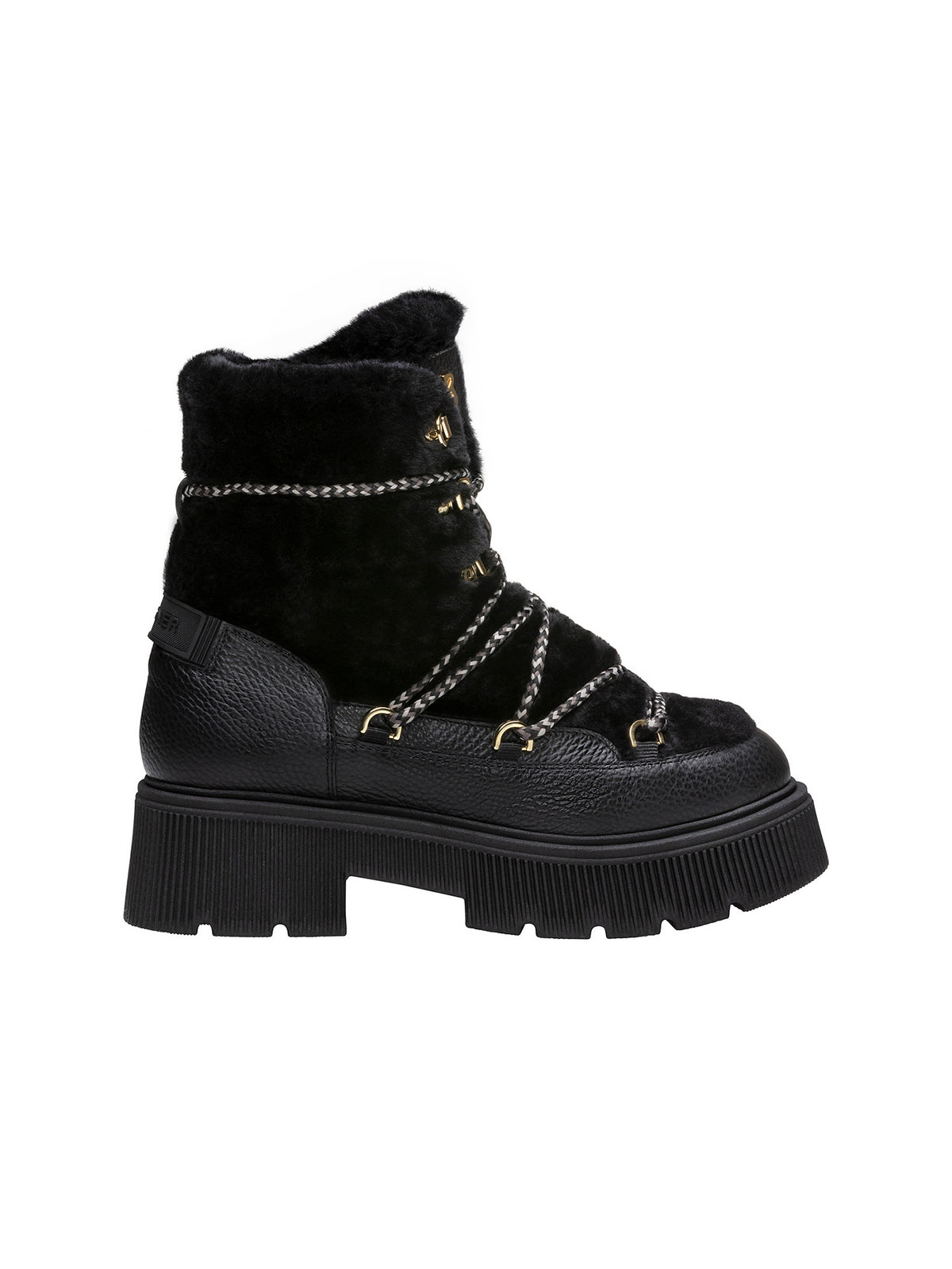
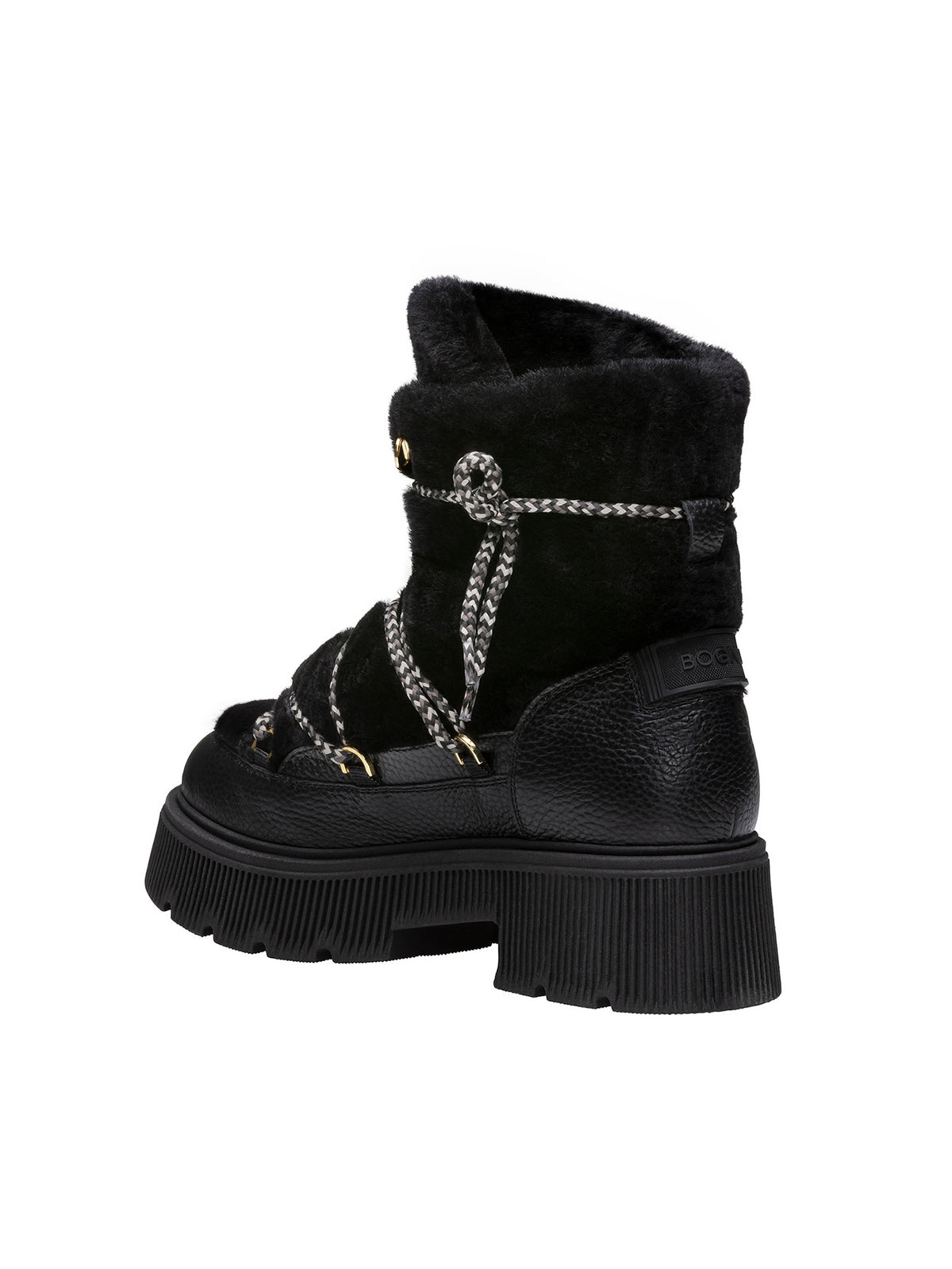
A low winter shoe can be combined with trousers differently than a higher boot. Consider whether you want to wear your trouser hem over or inside the shaft. Both options require appropriate width distribution. Narrow trousers may behave differently in a voluminous shaft than a wide hem over it. Try on the desired combination completely and take a few steps. The transition should remain comfortable and the clothing should not constantly move up or down.
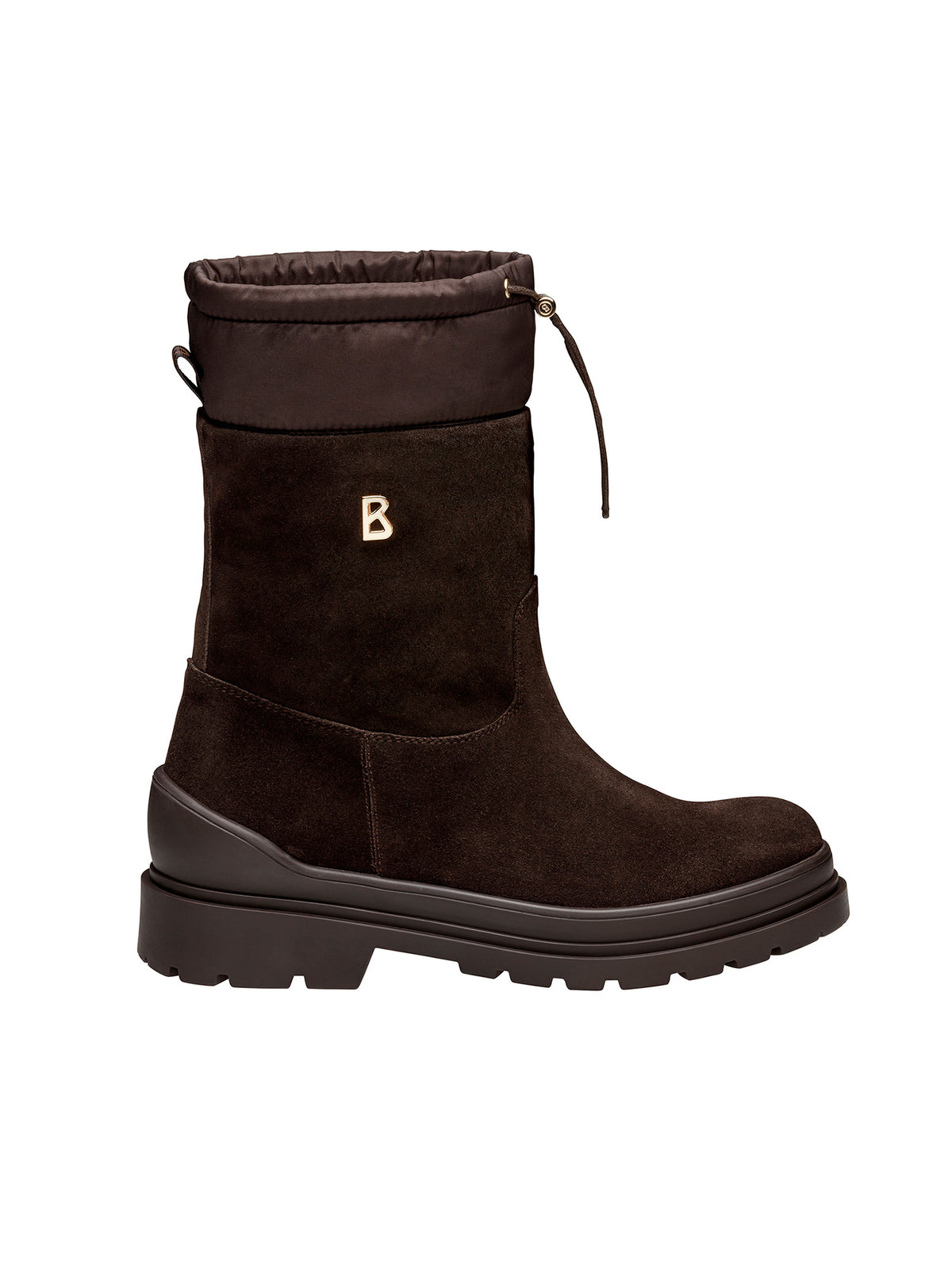
For higher models, the finish at the leg is particularly important. Check where it meets your calf and whether it works with movement and sitting. An adjustable shaft can offer possibilities, but it does not replace a suitable basic shape. If you have to tie it tightly and a lot of fabric bunches up, a different cut is worthwhile. Also decide on the height based on your handling: the pair should be easy to put on and close in everyday life without unnecessary effort.
Don't just evaluate closures based on their appearance
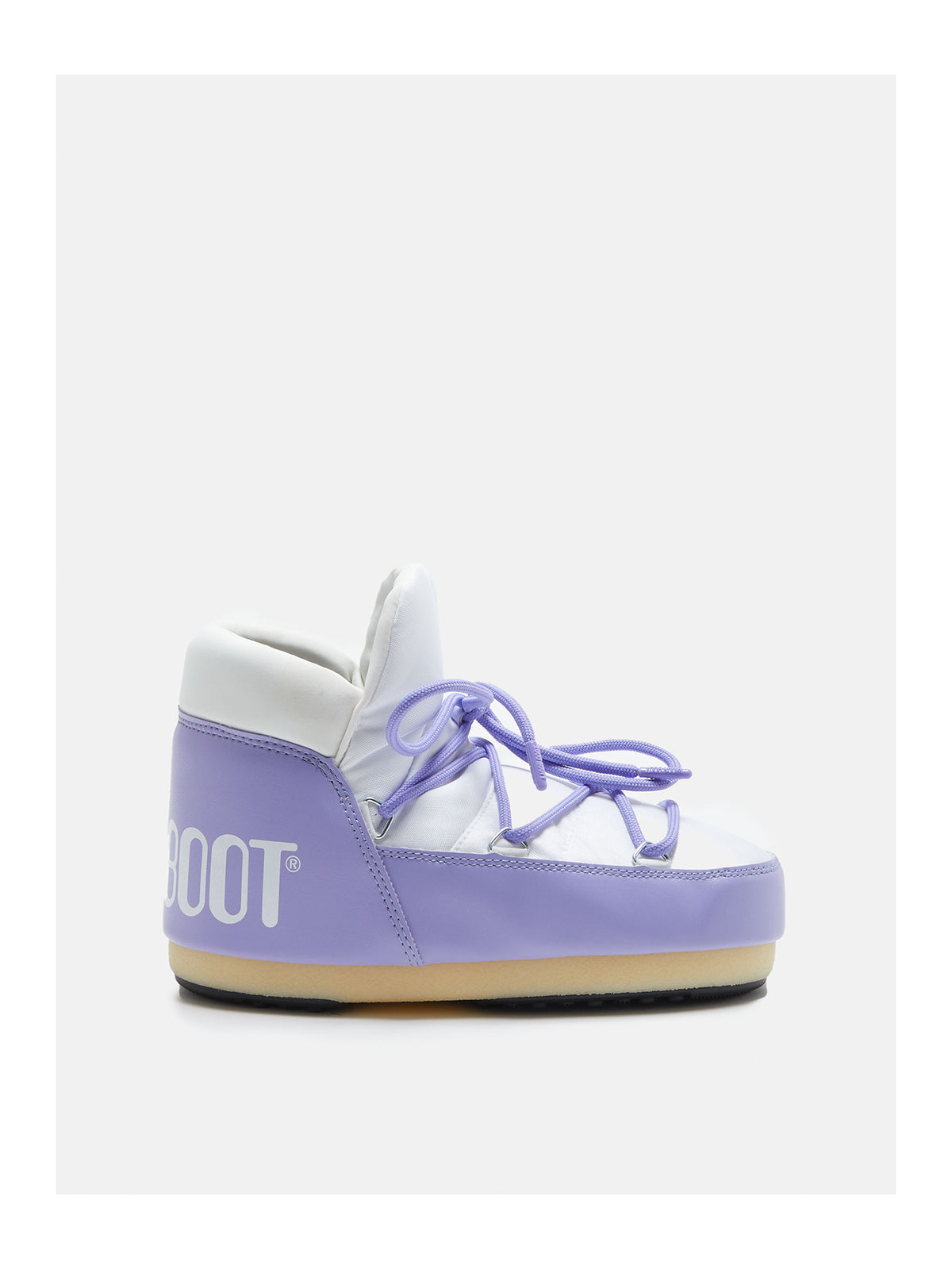
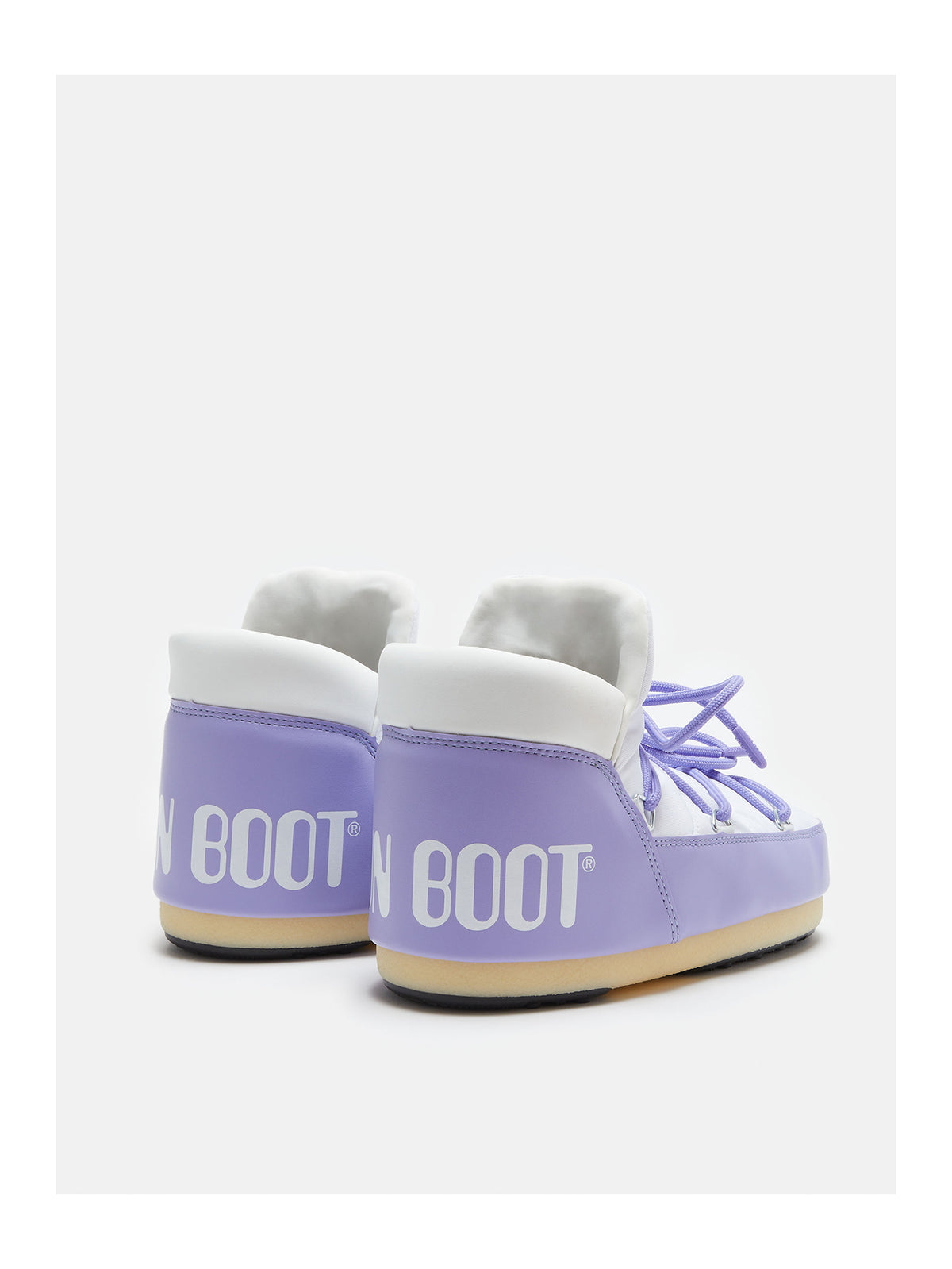
Lacing, zippers, and slip-on styles result in different dressing routines. Lacing can influence the fit if it's designed for that purpose. However, this doesn't automatically apply to every decorative lacing detail. Moon Boot, for example, points out for its Icon model that its laces are for design and should not generally be treated as a functional adjustment. Therefore, pay attention to the specific instructions instead of assuming the same operation from a familiar appearance.
With a zipper, check if you can comfortably close it with your intended trousers and if material bunches up at the opening. With a slip-on style, entry and hold must match. An particularly easy entry is not very helpful if the shoe then unintentionally slips on your foot. Compare both tasks together. The right closure supports the intended construction and should not demand complex fit adjustments from you.
Using size information and multi-size systems correctly
Winter boots can be offered in individual sizes or in combined size ranges. This is a characteristic of the respective model line and should not be transferred to all shoes of a brand. Moon Boot describes a multi-size system and a corresponding internal construction for certain Icon versions. Other lines may fit differently. Therefore, always use the size information for the specific pair instead of applying a general recommendation for all models of the same brand.
Even with classic individual sizes, length, width, and instep height must be checked separately. A shoe can have enough room at the front and still press uncomfortably over the foot. A larger size changes not only this area but also length and heel hold. Try on both feet with your intended socks and take a few steps. Pay attention to whether the shoe stays guided in the right places without you having to constrict your toes or instep.
Comparing soles and surfaces without blanket grip promises
The sole is an important feature, but a rough tread pattern alone does not guarantee secure grip on every winter surface. Snow, wet surfaces, and icy patches present different conditions. Compare the areas of application described by the manufacturer and the specific sole design. Avoid the idea that a pair labeled as a winter model makes the ground unproblematic regardless of its condition. The selection should create realistic expectations for the product.
Also, check the walking feel. A very voluminous sole can feel different from a slimmer shape and changes the visible silhouette. Walk with the closed shoe and pay attention to how the foot strike and roll feel to you. The highest or softest-looking sole is not automatically the most comfortable choice. The decisive factor is whether the construction suits your foot, your intended use, and your personal wearing comfort.
Comparing brand models based on their specific role
In the selection from UGG, Moon Boot, and SOREL, different winter concepts can meet. Compare each individual model. A soft classic look, a distinctive Icon shaft, or an explicitly stated winter construction are not interchangeable descriptions. Lining, weather protection, and sizing logic must all be evident from the specific design. The brand choice can narrow down your style; the final decision also requires the right construction.
Furthermore, a model name alone is not enough to transfer properties across all versions. Material variations can change care, appearance, or features. Therefore, look closely at the pair you choose. This way, you can find a familiar design direction and still remain open to differences in fit and use. This is particularly helpful if you already own a winter shoe from a brand and want to complement it with a different line.
Combining winter boots with your outfit
The shaft shape also determines how your trousers fall. A wide hem can cover a large part of the shoe, while narrow or cropped trousers show more of its design. Decide which effect you like and check the length when walking. The hem should not accidentally get under the sole. A harmonious combination is created when trousers and shoes are considered together and the winter construction of the pair does not just coincidentally disappear under an existing bottom.
For an overview of other areas of use, you can find women's shoes. If you want to complete your winter combination, women's jackets and coats offer suitable outer silhouettes. A short shoe and a long coat create a different line than a high boot with a short jacket. Choose this effect according to your style, while warmth and weather features are still judged on the specific shoe.
Check care instructions before first treatment
Especially with winter boots, general care recommendations are unreliable. UGG and SOREL differentiate by materials and models; Moon Boot explicitly warns against certain sprayed shoe treatments for its products. Therefore, do not automatically use an waterproofing spray just because you want to wear the shoe in winter. Read the care instructions for exactly this pair and stick to the prescribed methods. An additional treatment is not fundamentally an improvement and can be unsuitable depending on the material.
Also plan drying and storage according to the manufacturer's instructions. A removable inner boot is handled differently than a firmly integrated lining, and different surfaces require different cleaning. If you consider these points when purchasing, the pair will be easier to integrate into your daily life. Finally, decide based on use, fit, and handling. This way, you will find women's winter boots whose specific features match your winter paths and whose shape suits your preferred combinations.
04At FREUDENHAUS
05Questions about the category