






Women's T-shirts with a perfect fit and a statement design
A women's t-shirt is defined by more than just its color. Neckline, sleeves, shoulder line, and length determine how it fits with your pants and under another layer. Compare plain and printed styles based on their role in an outfit and find a shirt that complements your casual wardrobe with a suitable shape.








The right women's T-shirt has a clear purpose
A T-shirt can be the quiet foundation of an outfit or define the look as a visible individual piece. Both require conscious selection. For example, with an open jacket, the neckline and front are important, while when worn alone, sleeve length, shoulder line, and hem have a significant impact. First, consider how you often want to use the shirt. This way, you can compare shape and design more purposefully than just by the desired color.
A simple model is not automatically more versatile than a printed one. The crucial factor is whether it matches your existing combinations. A print can pick up several colors from a wardrobe, while a plain shirt can stand out due to a special proportion. Therefore, look for the right balance of cut, surface, and expression. The term "basic" describes a possible role in your outfit, but not a uniform fit or material quality.
Shoulders and sleeves change the silhouette
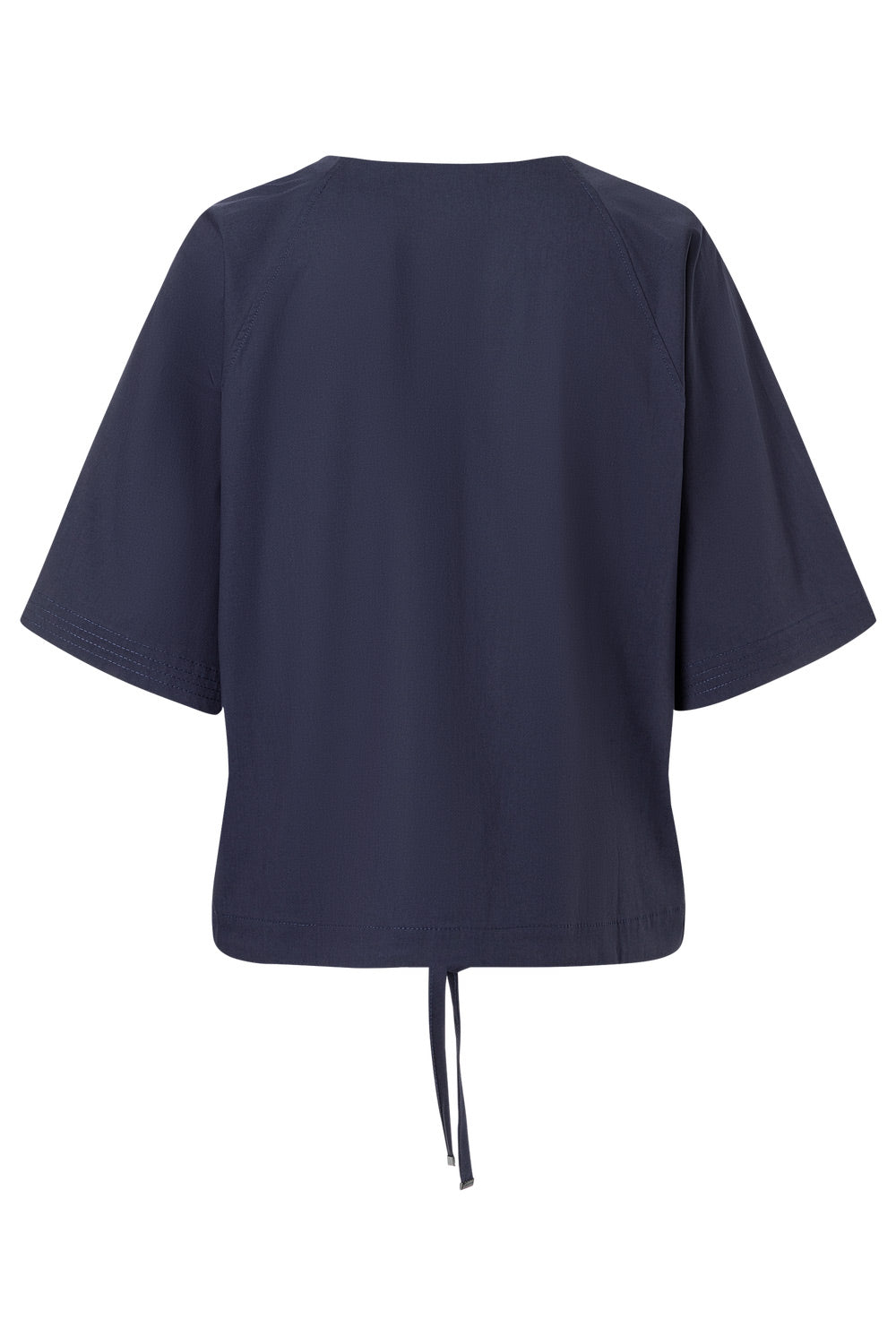
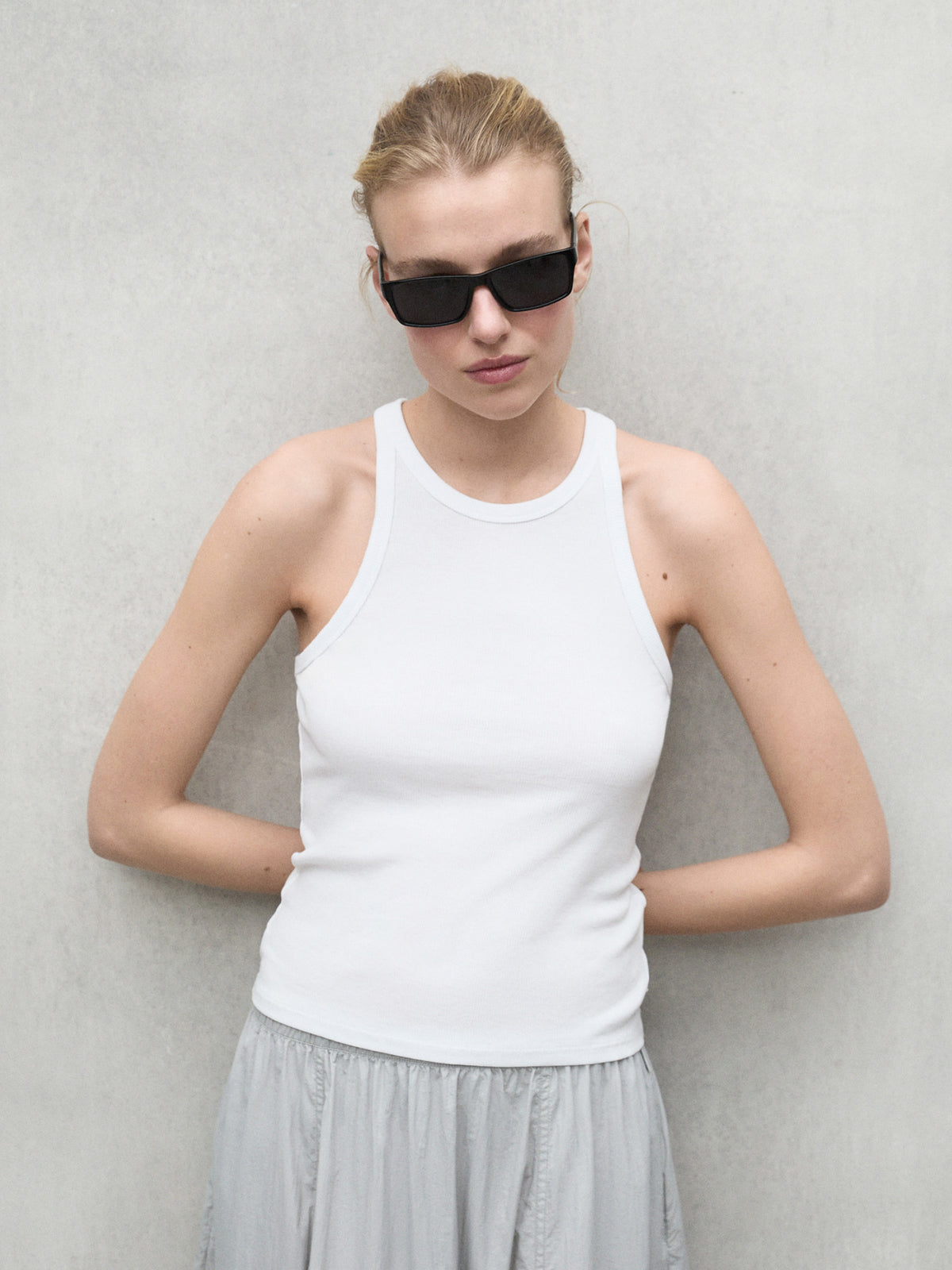
The shoulder line determines where a shirt visually begins and how much width is created in the upper body. A suitably placed shoulder seam has a different effect than a deliberately lowered one. Then there's the sleeve length: a shorter sleeve shows more arm, while a longer one can create a calmer or more generous shape. Consider both features together, as they influence the impression more strongly than an isolated size description.
Also check the sleeve opening. A tight cuff fits differently than a wider, flowing shape and can create a different wearing sensation when moving. If you wear the shirt under a jacket or a shirt, the sleeve should lie comfortably there. Too much fabric can bunch up, an uncomfortably tight cut can pull when raising your arms. The right solution depends on the desired look and your other layers.
Choose neckline based on effect and combination
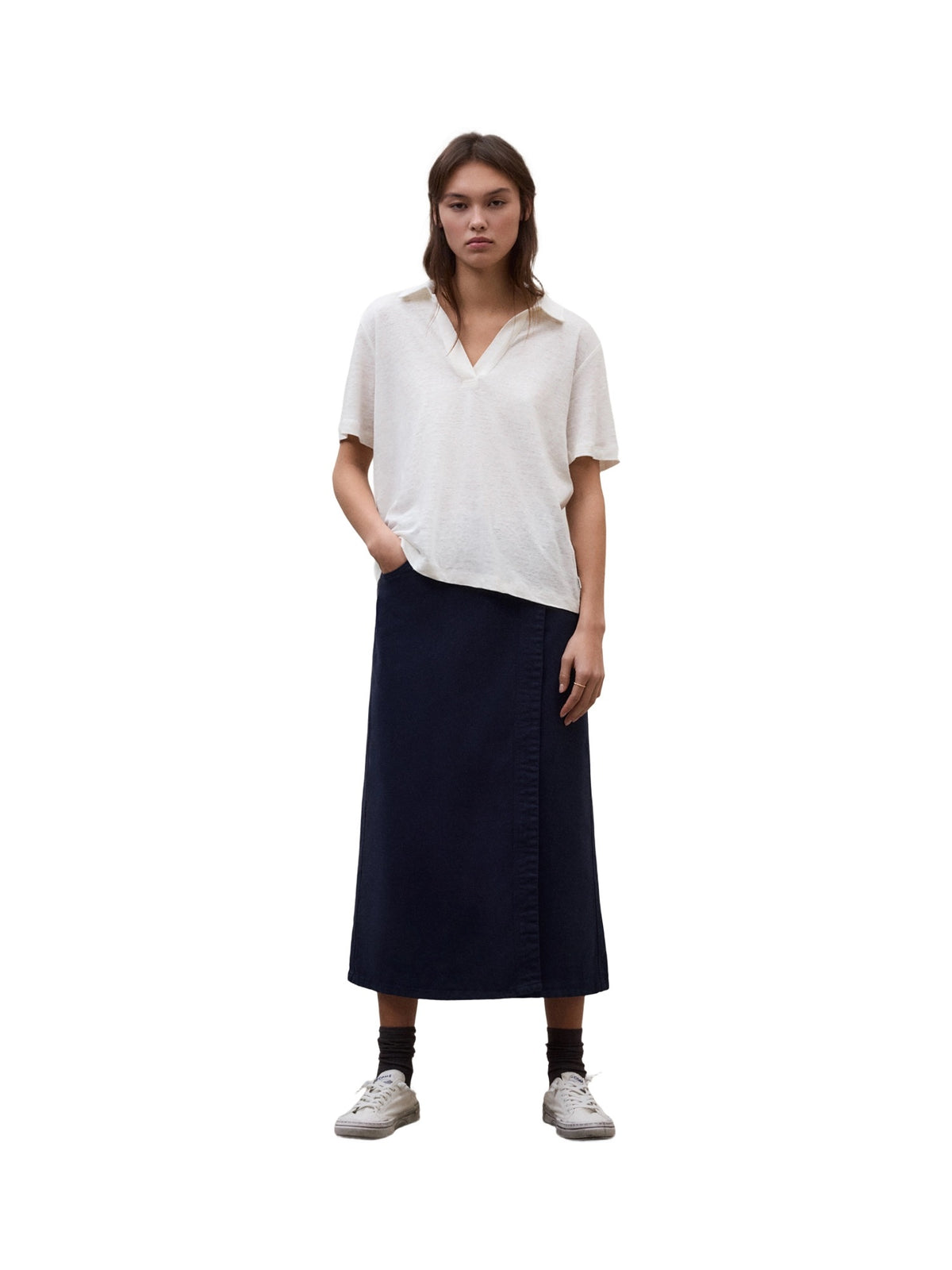
A round neckline frames the neck relatively closed, while a more open shape allows more space for skin, jewelry, or a visible undershirt. The width of the finish is also crucial. A strong collar band can add a sporty accent; a fine finish has a different effect. Choose the shape based on how you feel in it and what role the shirt plays under your outerwear.
Examine the neckline when standing and when bending over. It should behave as you want it to for your everyday life. With an open blouse or an overshirt, the neck area remains particularly prominent. If you frequently wear this setup, compare the pieces together. A beautiful neckline on a single shirt can look different than expected under a particular collar shape.
Coordinate length and waist height
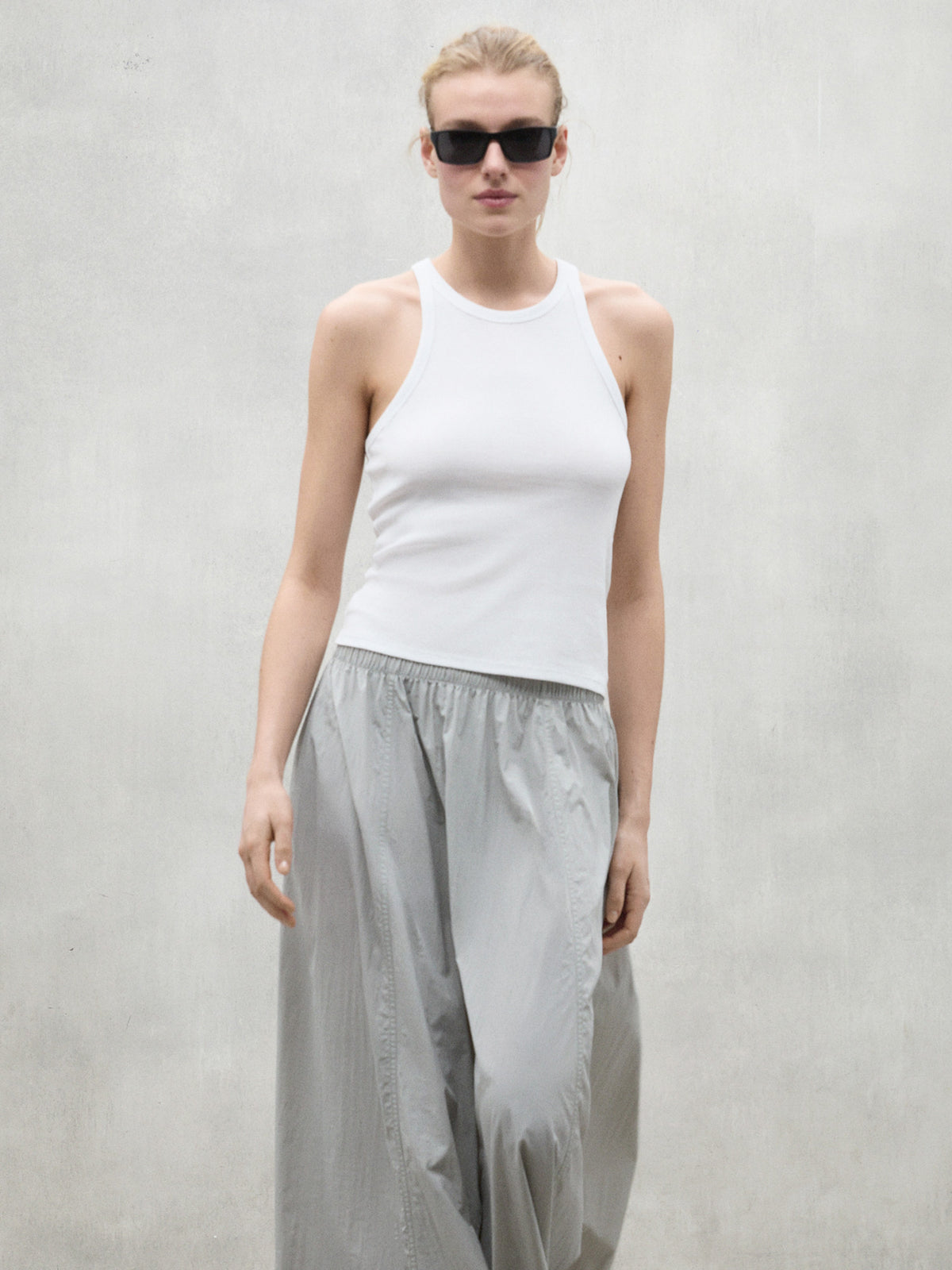
Whether a shirt is short, hip-length, or longer influences its connection to the pants. A shorter form shows a high waistband and creates a clear finish there. A longer shirt can cover it or be partially tucked in. Check whether the fabric drapes comfortably for this and whether the hem doesn't unintentionally create too much volume. The right length is not a fixed number, but a ratio to your outfit.
With women's leisure pants, you can compare suitable pant shapes. With wide pants, a clearly defined top can create a good counterpoint; an equally generous shirt results in a deliberately relaxed setup. Both variants work if you intend the proportion. Also consider the shoes, because they change the visual finish of the pants and thus the entire look.
Distinguish fabric appearance, feel, and composition
A product image shows whether a T-shirt appears rather smooth, mottled, or structured. How it feels and behaves depends on the specific composition and processing. Therefore, read the material specifications along with the described fit. A flowing drape and a more compact form create different silhouettes, even if the color and size designation are identical. No single fiber explains all the properties of a finished shirt.
For light colors, the optical opacity can also be important for your combination. Check the model in suitable light and with the underlayer you want to wear with it. The color alone does not guarantee an opaque finish. If you are looking for a particularly calm look, also pay attention to whether seams or contours are clearly visible underneath. This way, the shirt can be judged for its later role.
Consciously place prints and details
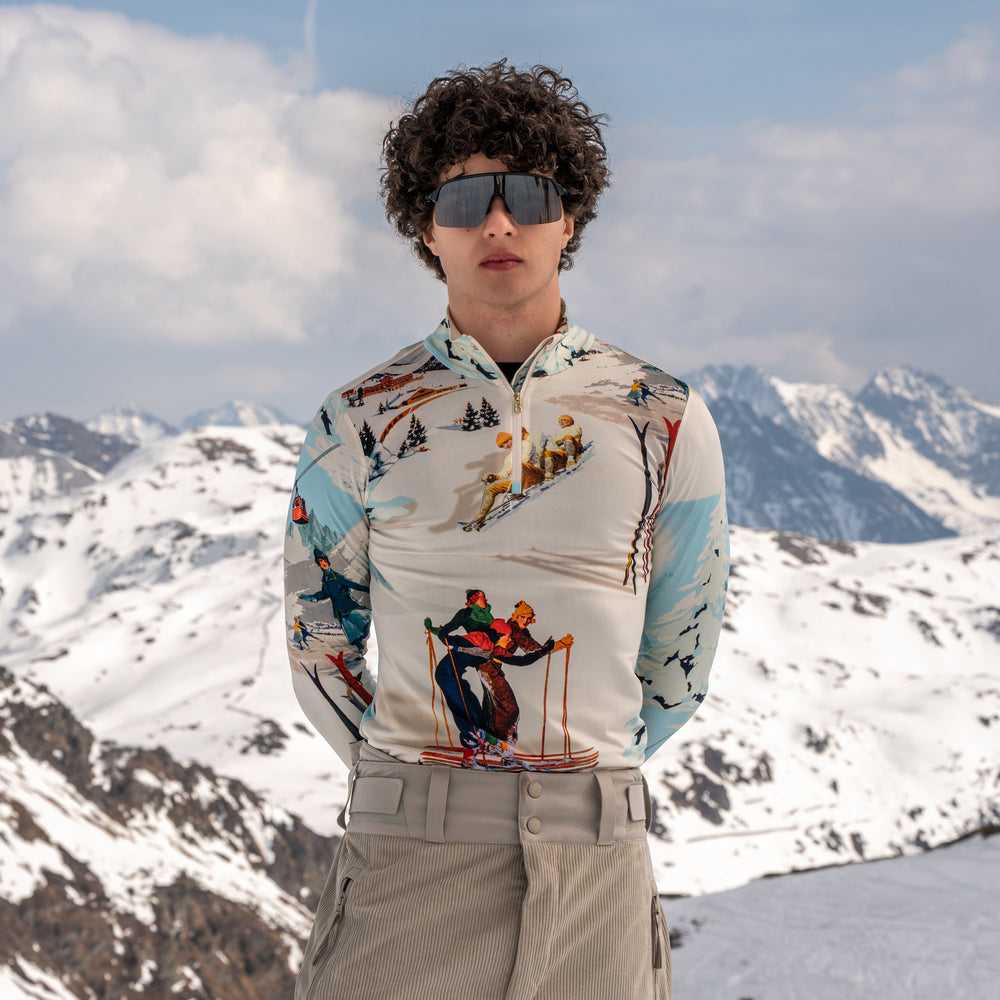
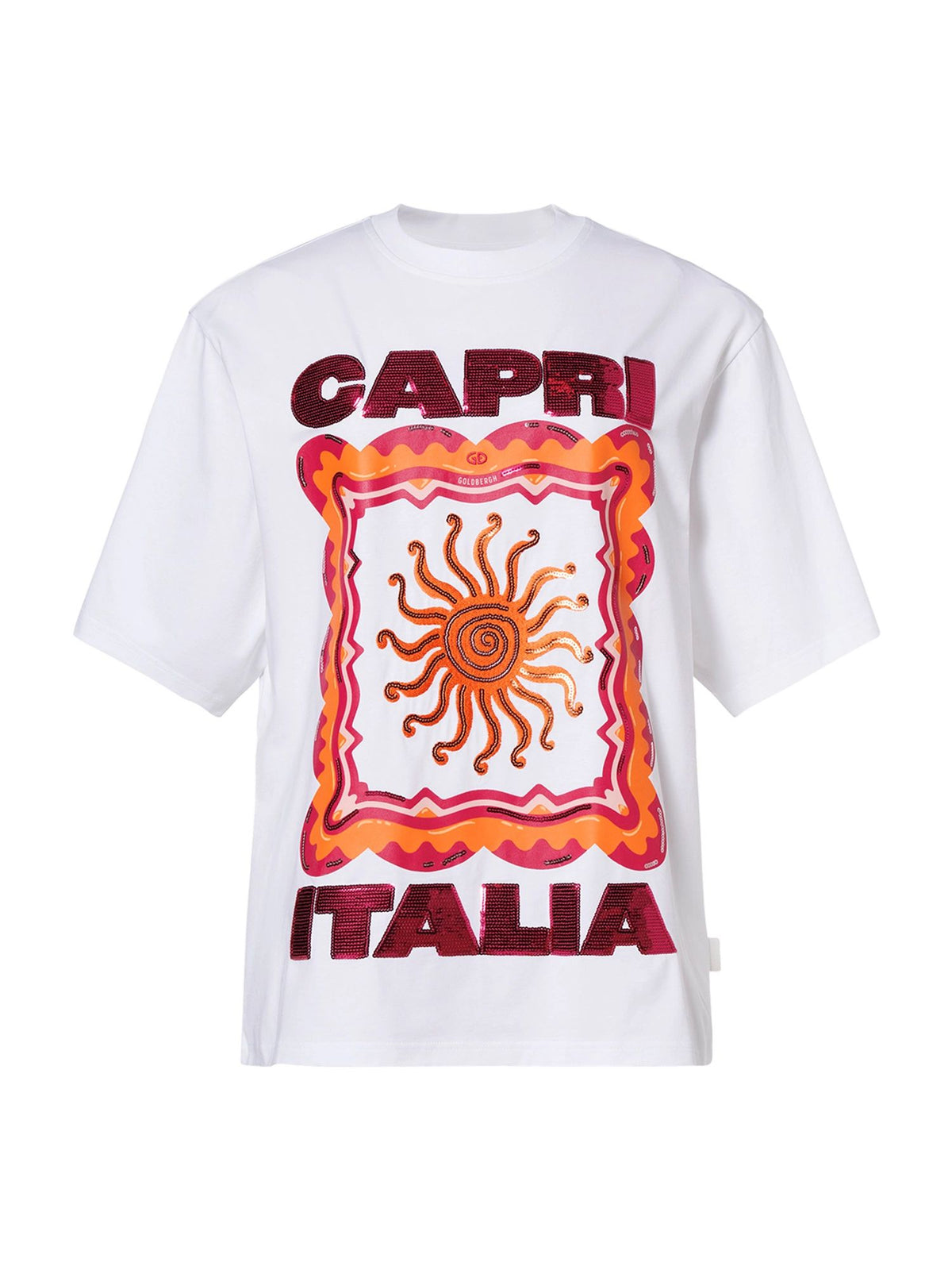
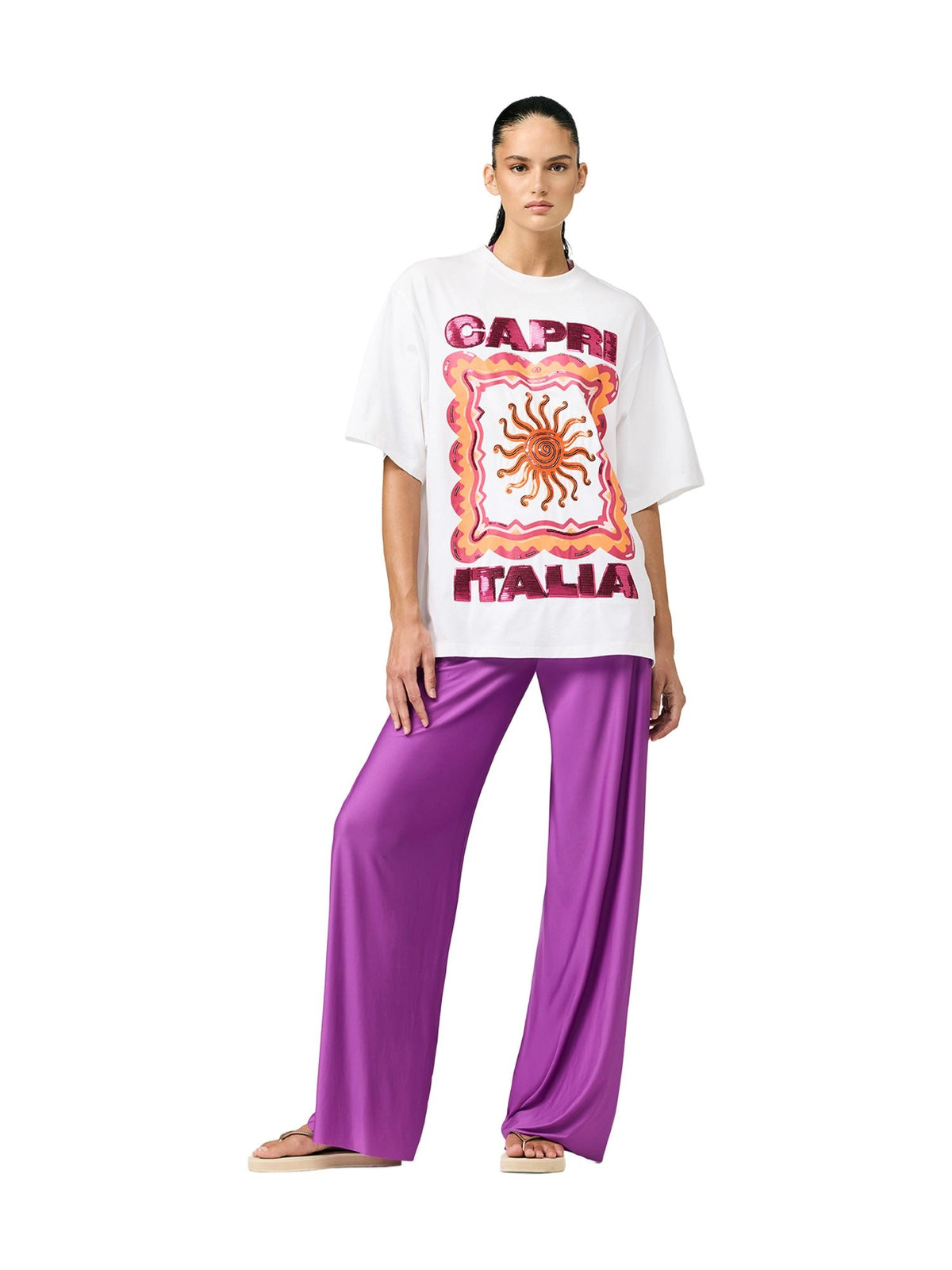
A front motif remains partially visible under an open jacket and can form the centerpiece of the look. A small chest print sets a different accent than a large-scale design. Details on the back or sleeves also deserve attention if you frequently wear the shirt without an outer layer. Consider which view is important to you, instead of reacting solely to the first product photo.
With striking motifs, the rest of the outfit can provide calm. You can pick up a color from the print in pants or accessories, but you don't have to coordinate every element. A monochrome shirt, conversely, offers space for a striking jacket or textured pants. For further everyday combinations, women's casual fashion will lead you to suitable additions.
T-shirt and overshirt as a versatile look
Under an open overshirt, the T-shirt becomes the visible inner surface. Therefore, pay attention to how wide the opening of the top layer is and which part of the shirt appears underneath. A plain model can connect a patterned overshirt, a printed shirt needs a consciously chosen frame. Also compare the lengths: the bottom hem can remain visible or end clearly within the outer layer.
In women's overshirts, you will find the right product group for this construction. Sufficient space at the shoulder and arm is important when both parts are worn together. A very wide T-shirt sleeve can bulk up under a narrow overshirt. The combination should be wearable just as comprehensibly when closed as when open, provided you want to use both variants in everyday life.
Separate leisure shirt and sports shirt by use
A fashionable T-shirt can be comfortable and look sporty without being designed for a specific training situation. If you are specifically looking for a top for exercise, the construction and intended use should determine the selection. In women's sports T-shirts, you can classify this task more precisely. The mere color or a sporty print does not prove a technical function.
For a leisure shirt, on the other hand, your desired silhouette may take center stage. Travel, city, and relaxed hours place different demands than intensive training. A product does not have to cover every situation. The clear separation helps you to put together both a comfortable leisure look and suitable sports equipment, without transferring properties from one product group to another.
Consider care and daily handling
A frequently worn shirt should match your care habits. Pay attention to the specific labeling, especially for prints, appliques, and different material sections. A uniform washing temperature for all T-shirts would be too general. The type of storage can also influence the impression: a delicate neckline or elaborate detail deserves attention so that the piece retains its intended shape as well as possible.
Finally, a simple comparison of your favorites helps: Which neckline suits the jacket, which length suits the pants, and which design suits several existing looks? If you can answer these questions, the color decides within a suitable selection. This turns the seemingly simple T-shirt into a consciously chosen part of your wardrobe that you enjoy wearing both alone and in combination.
04At FREUDENHAUS
05Questions about the category