








Women's Shoes: suitable for everyday wear, winter, and sports
Find women's shoes that suit your paths and your style. Sneakers, winter boots, and sports shoes serve different purposes; size, shaft, and material must match. Compare the models with your intended socks and pants and choose a pair whose fit and described use sensibly complement your daily life.
02Discover
Subcategories.
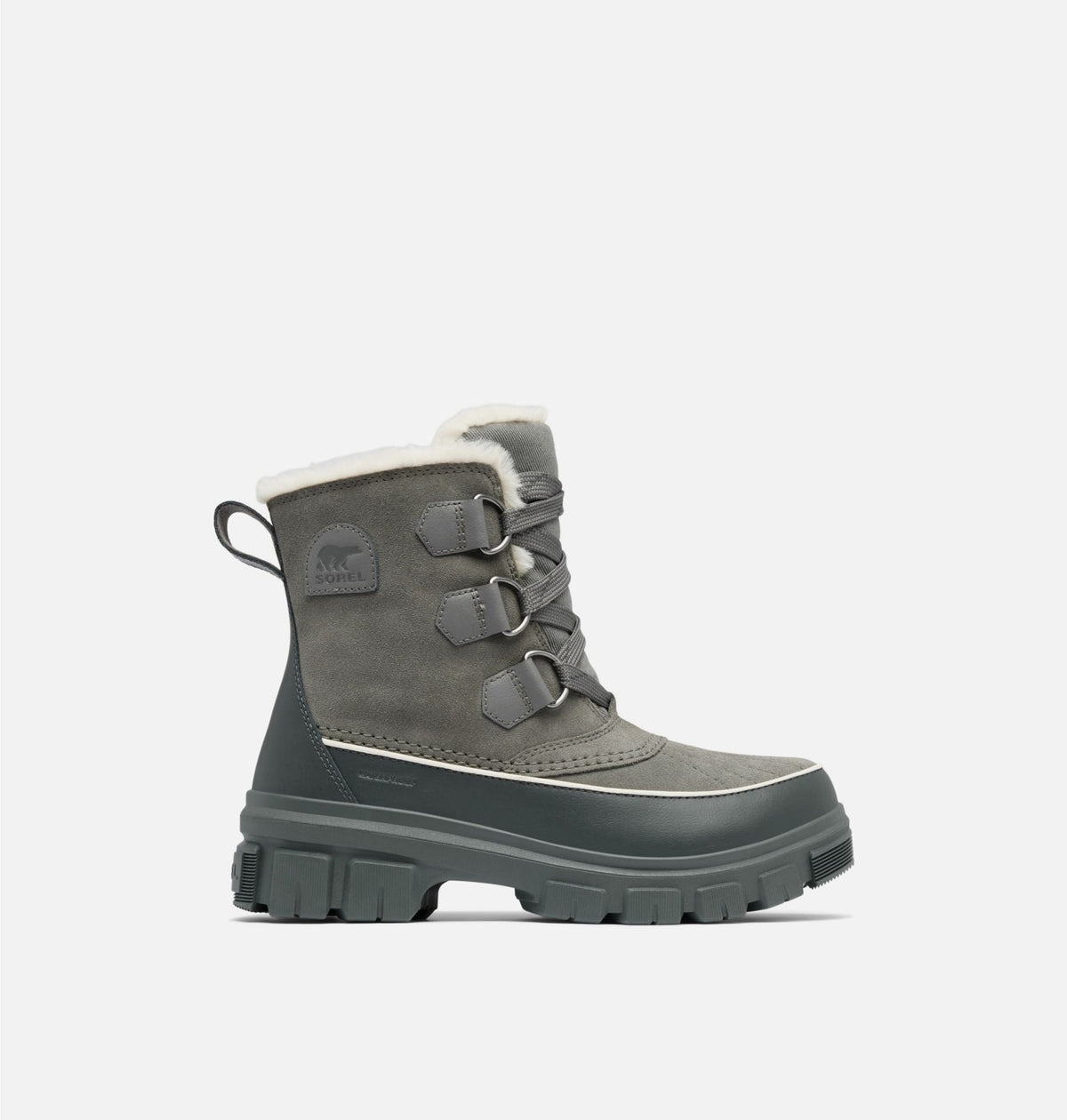
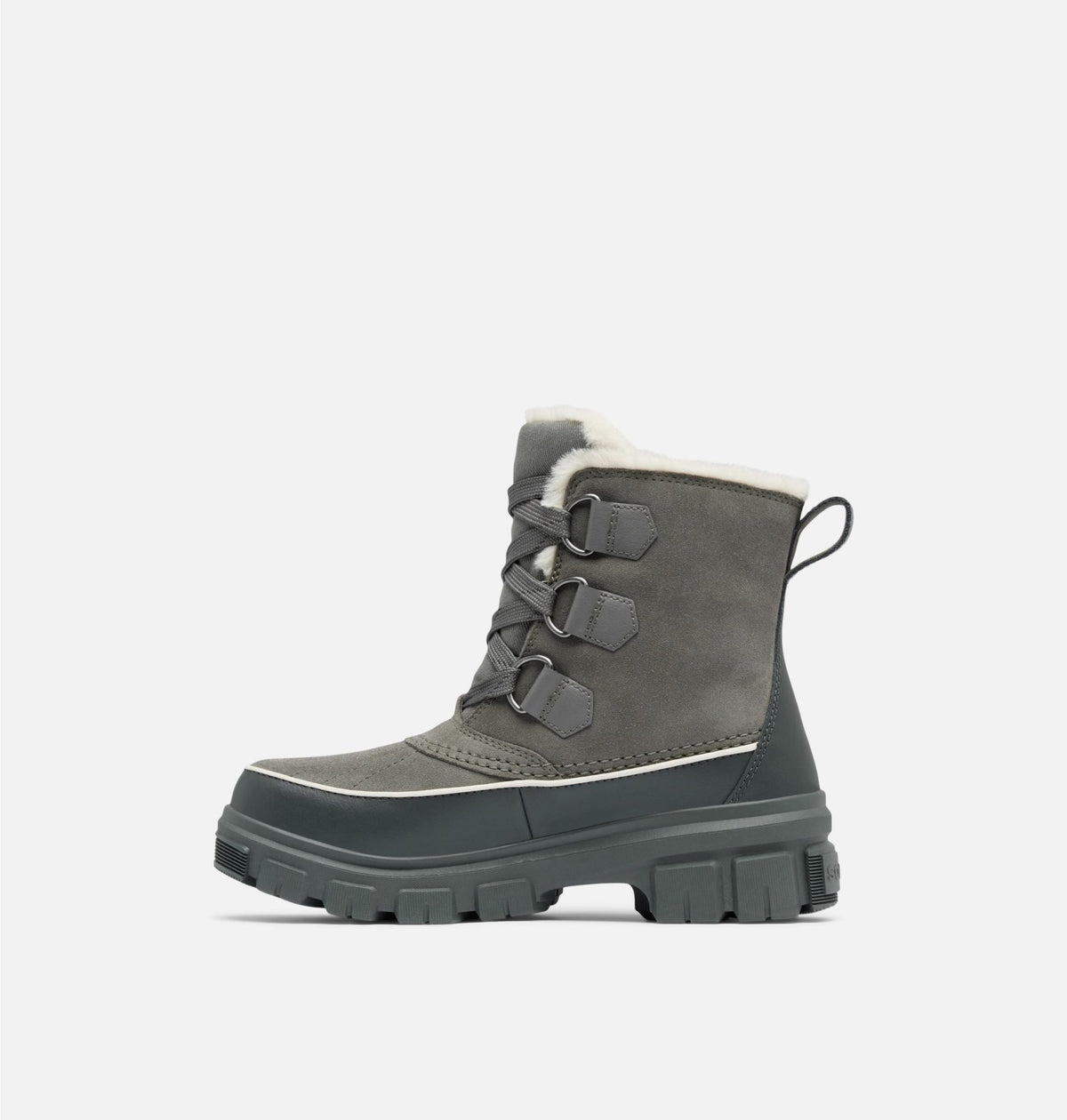
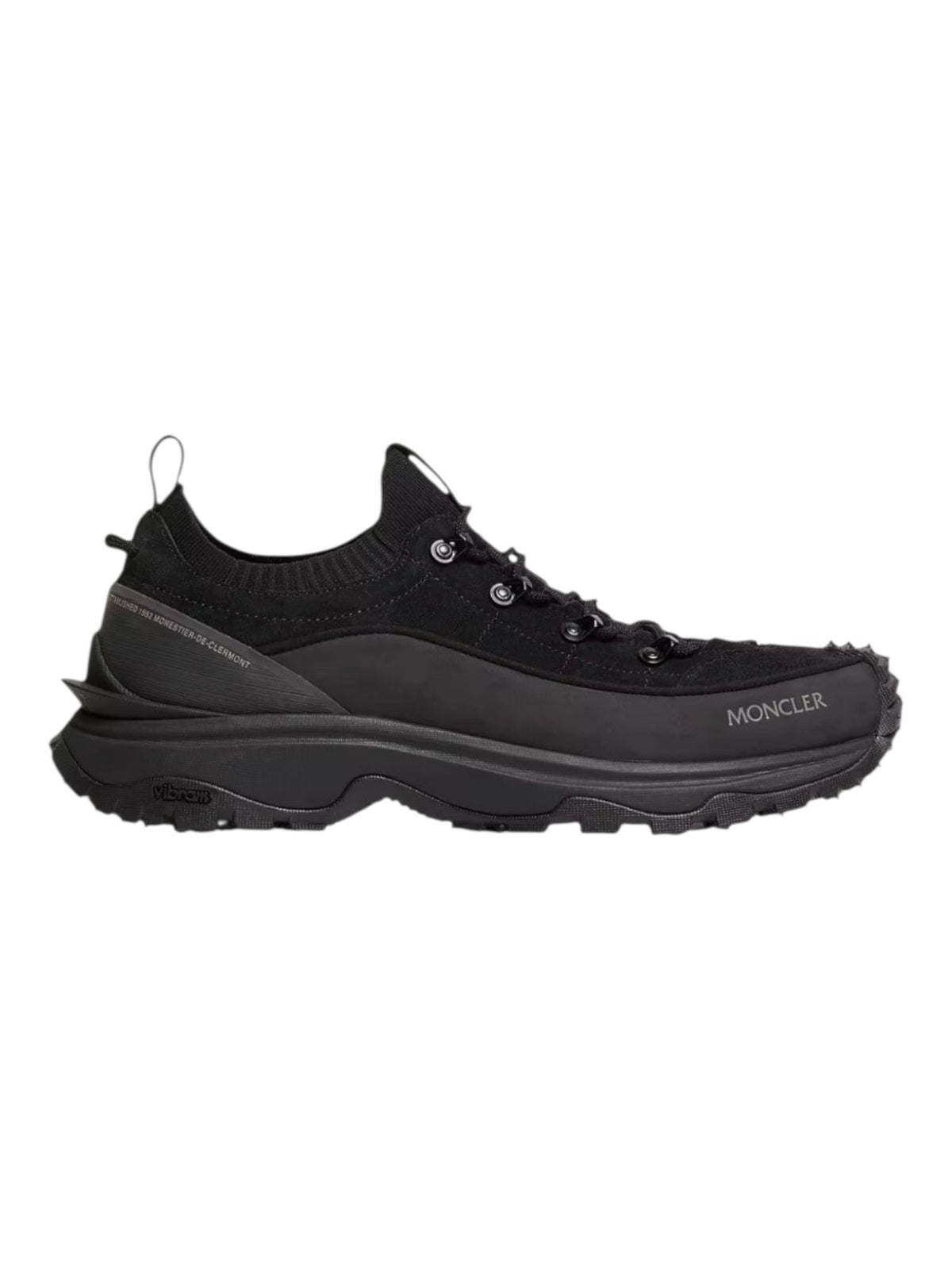
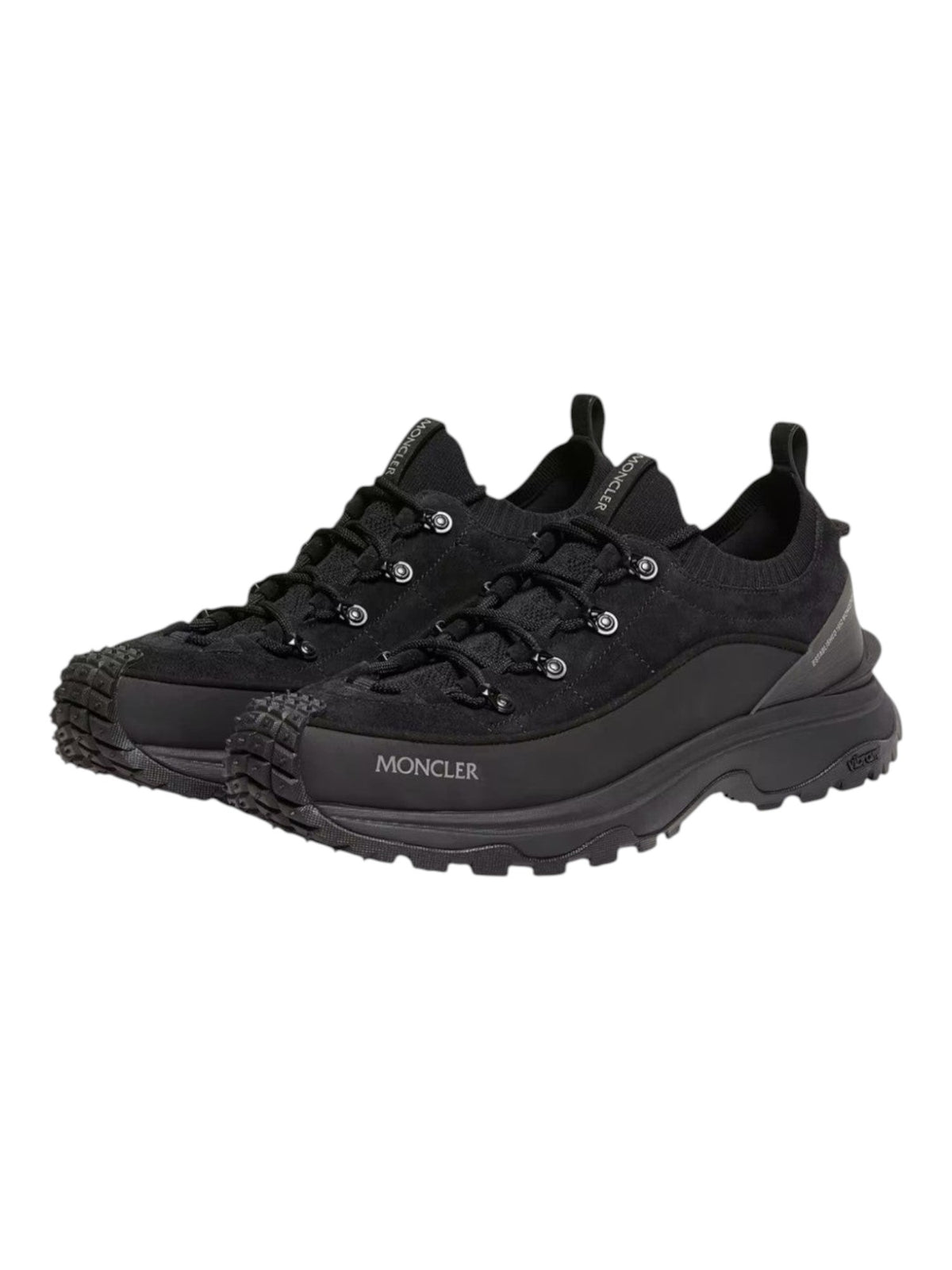


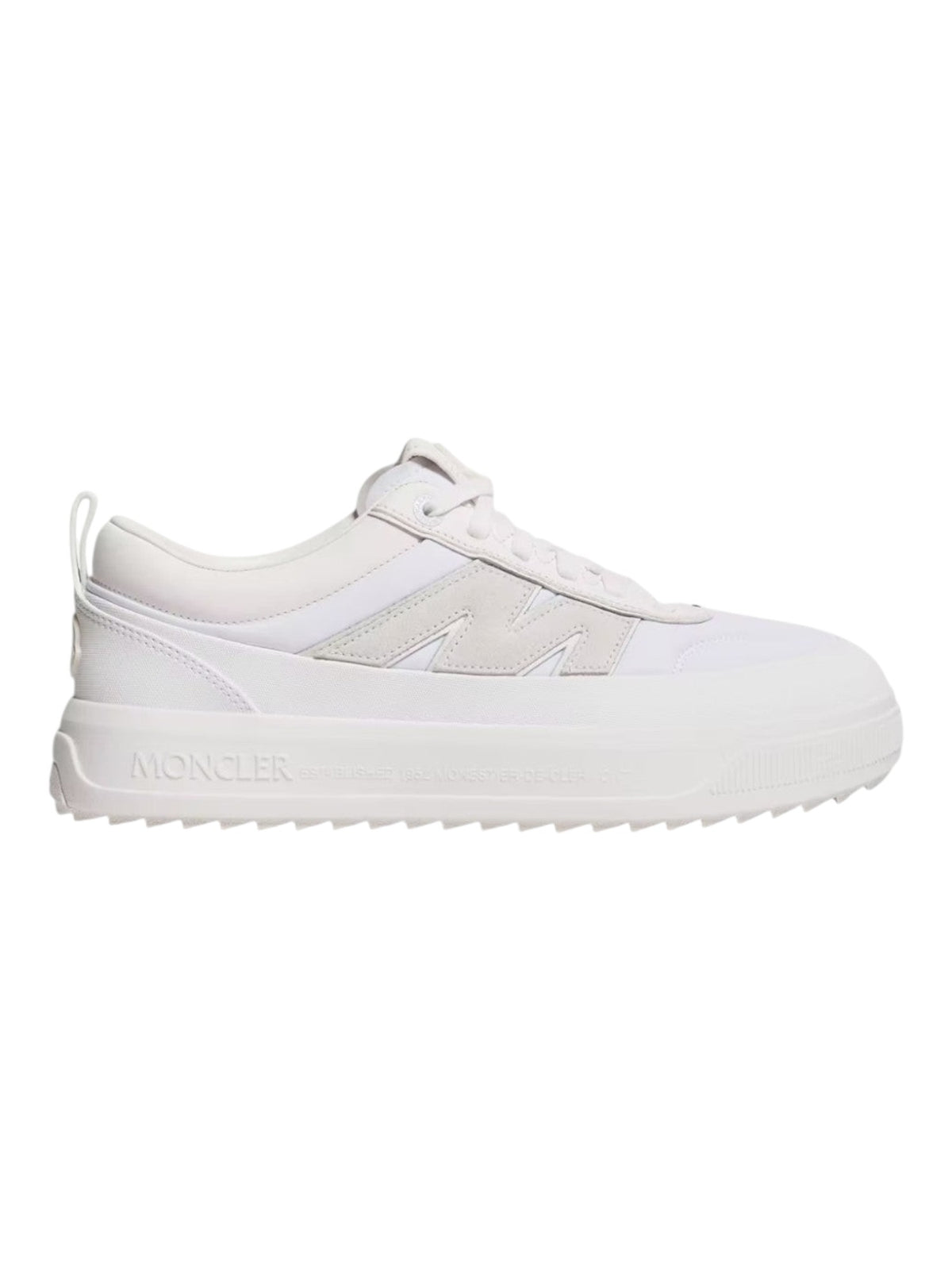
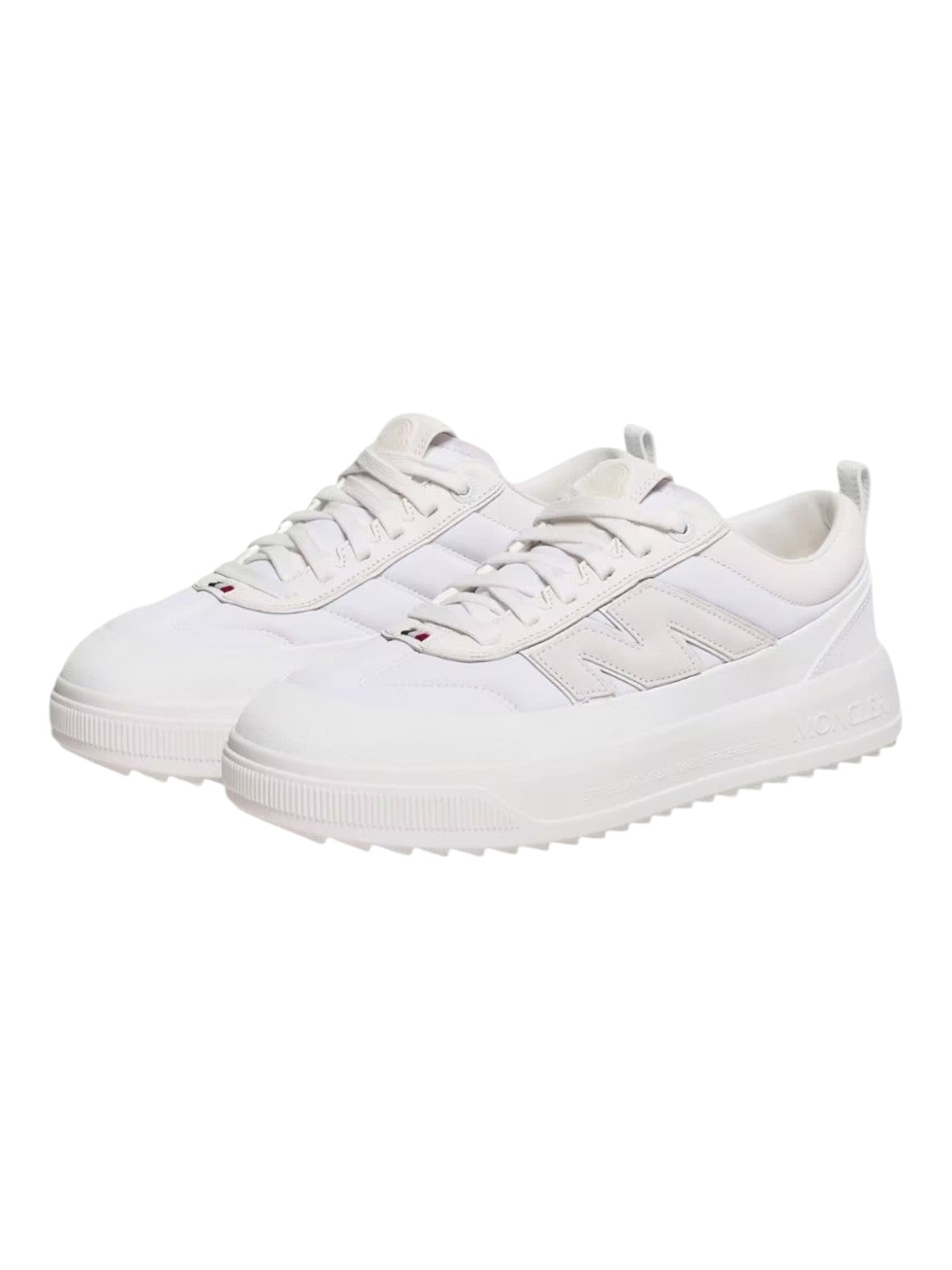


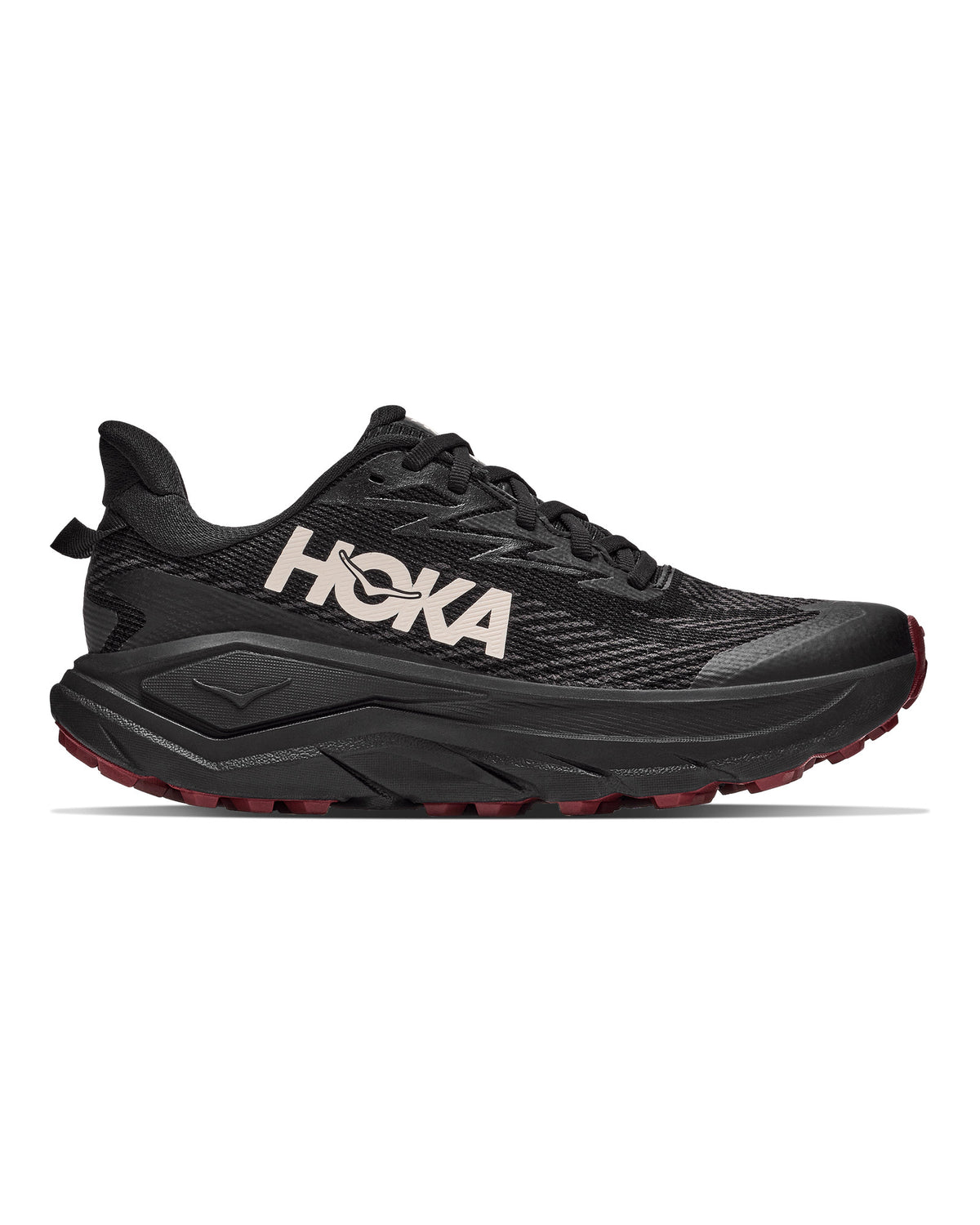
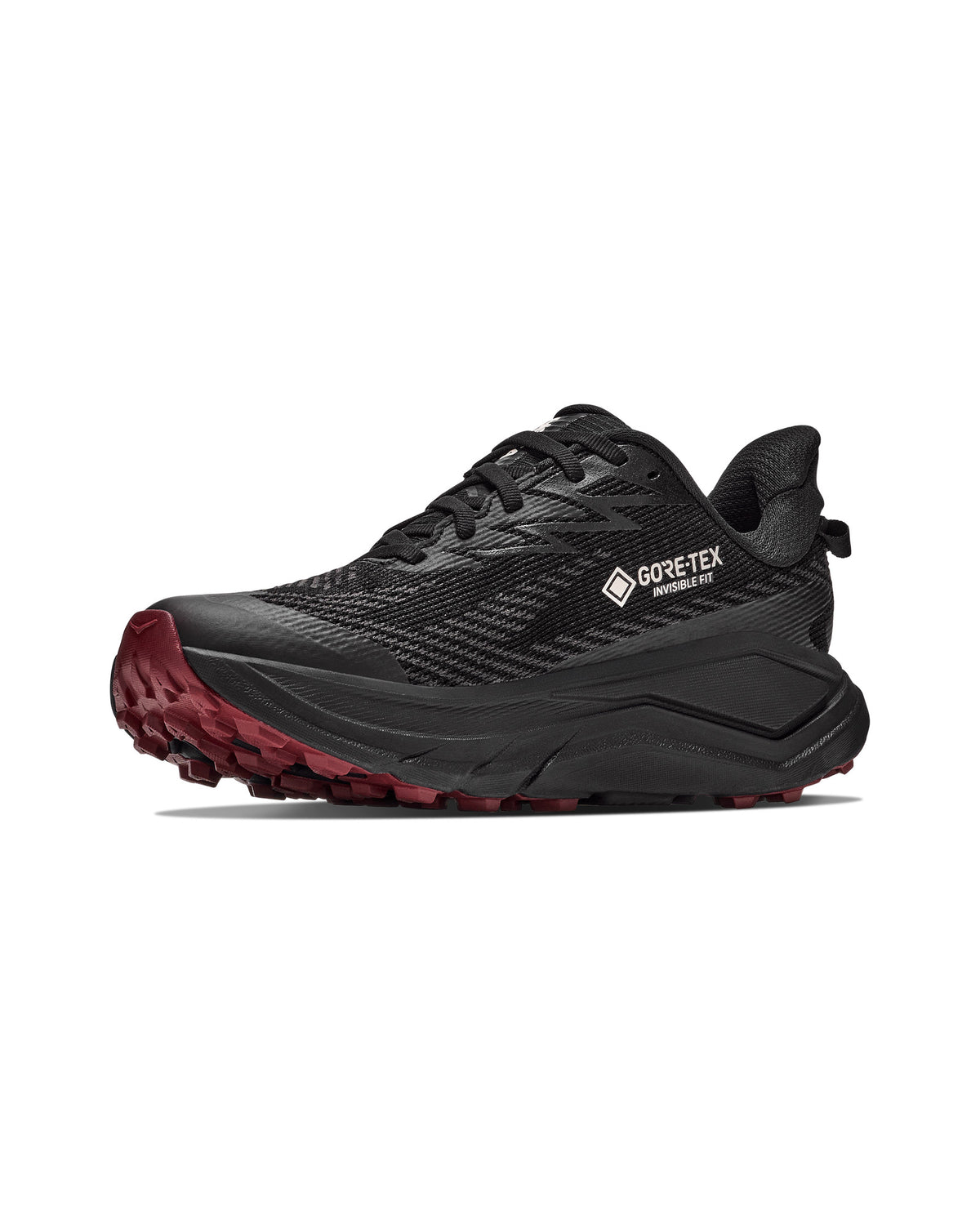
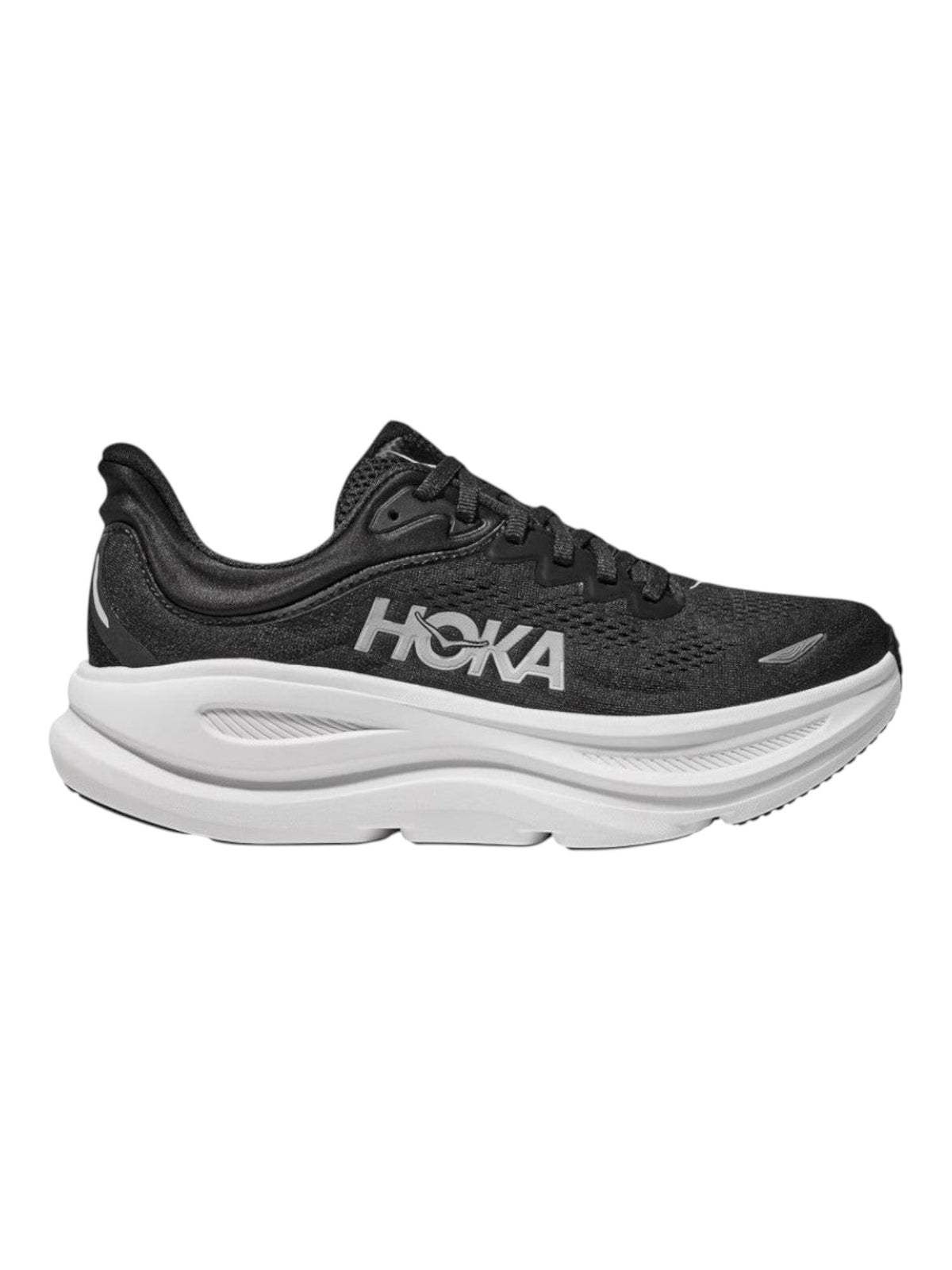
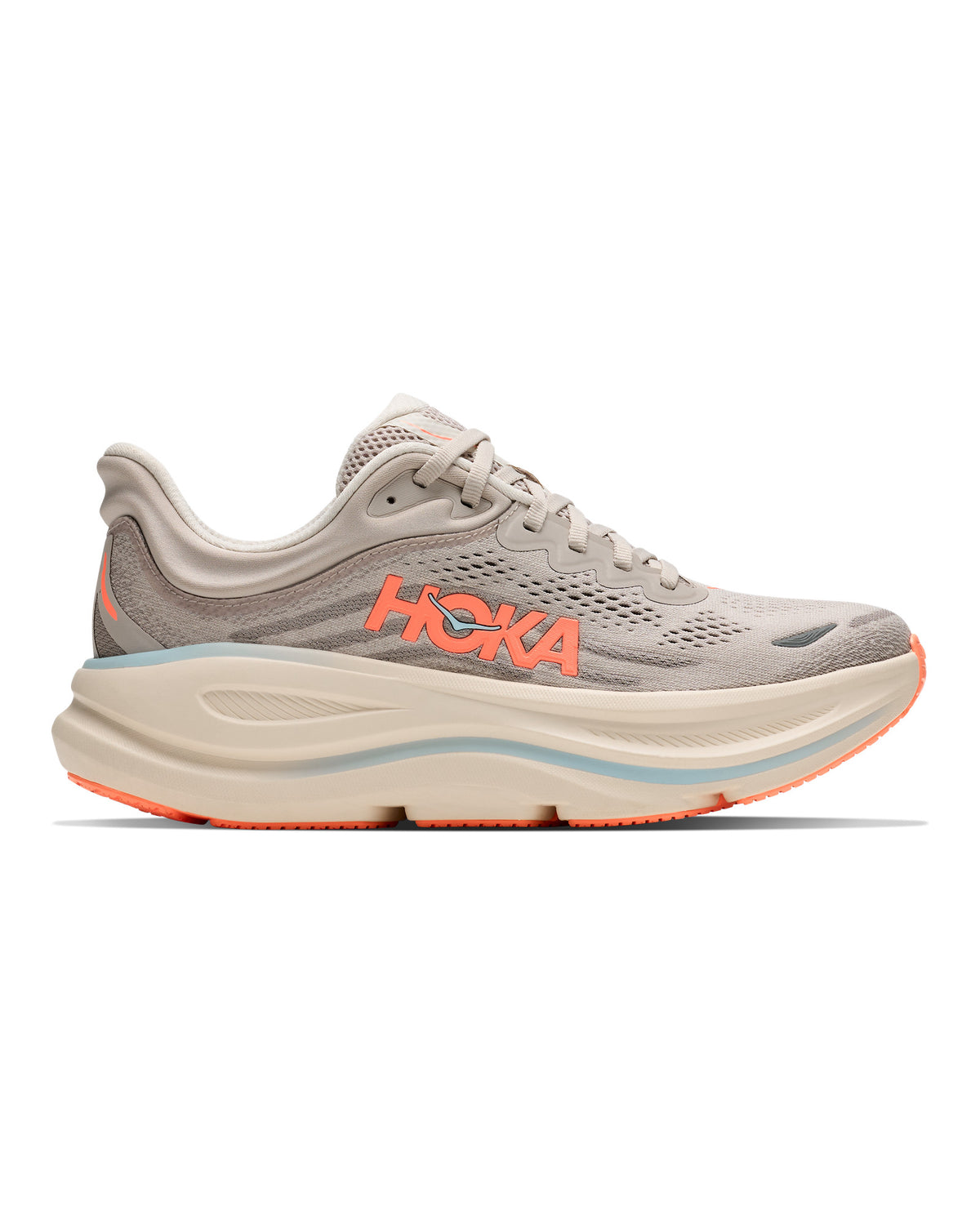


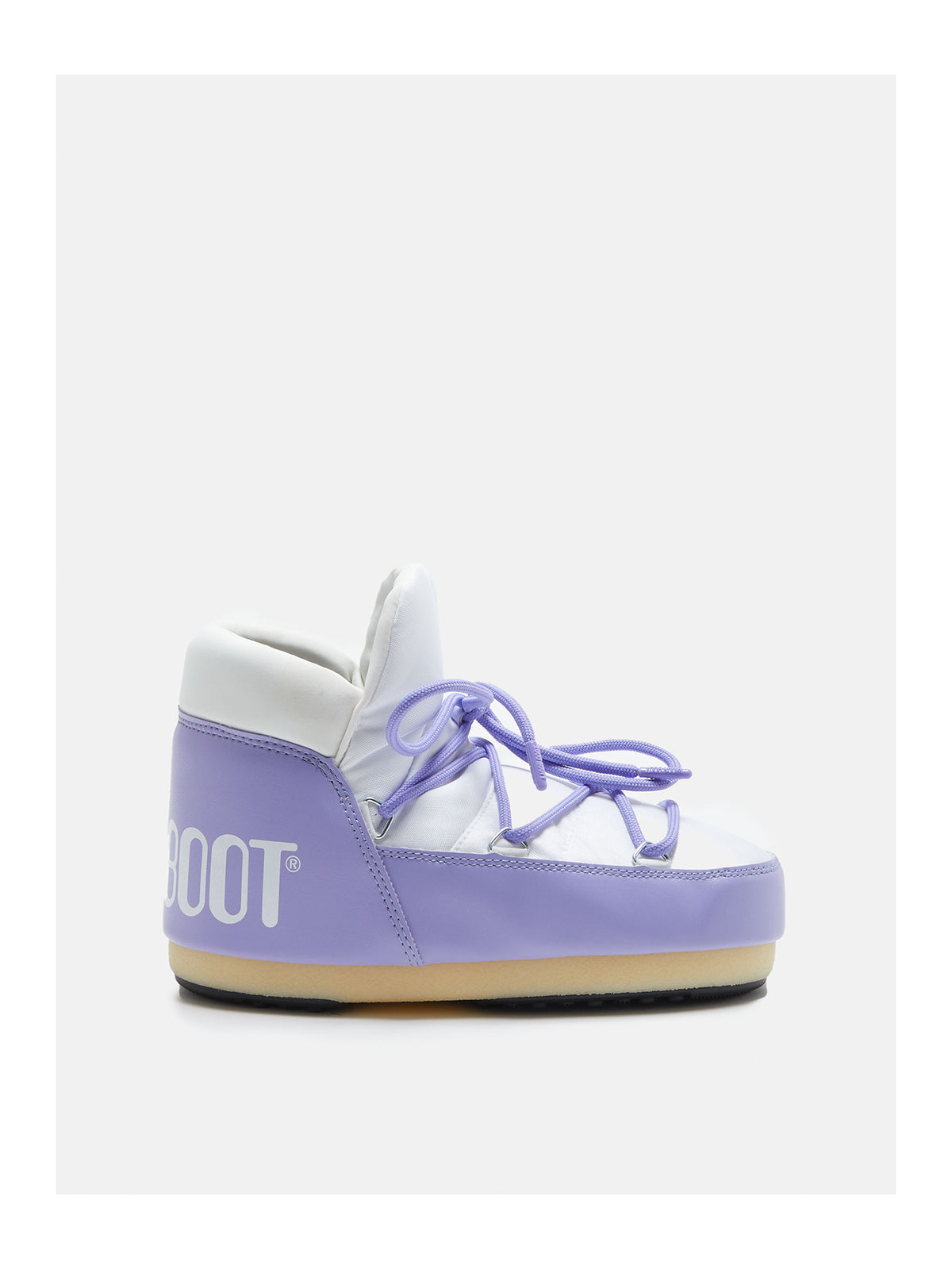
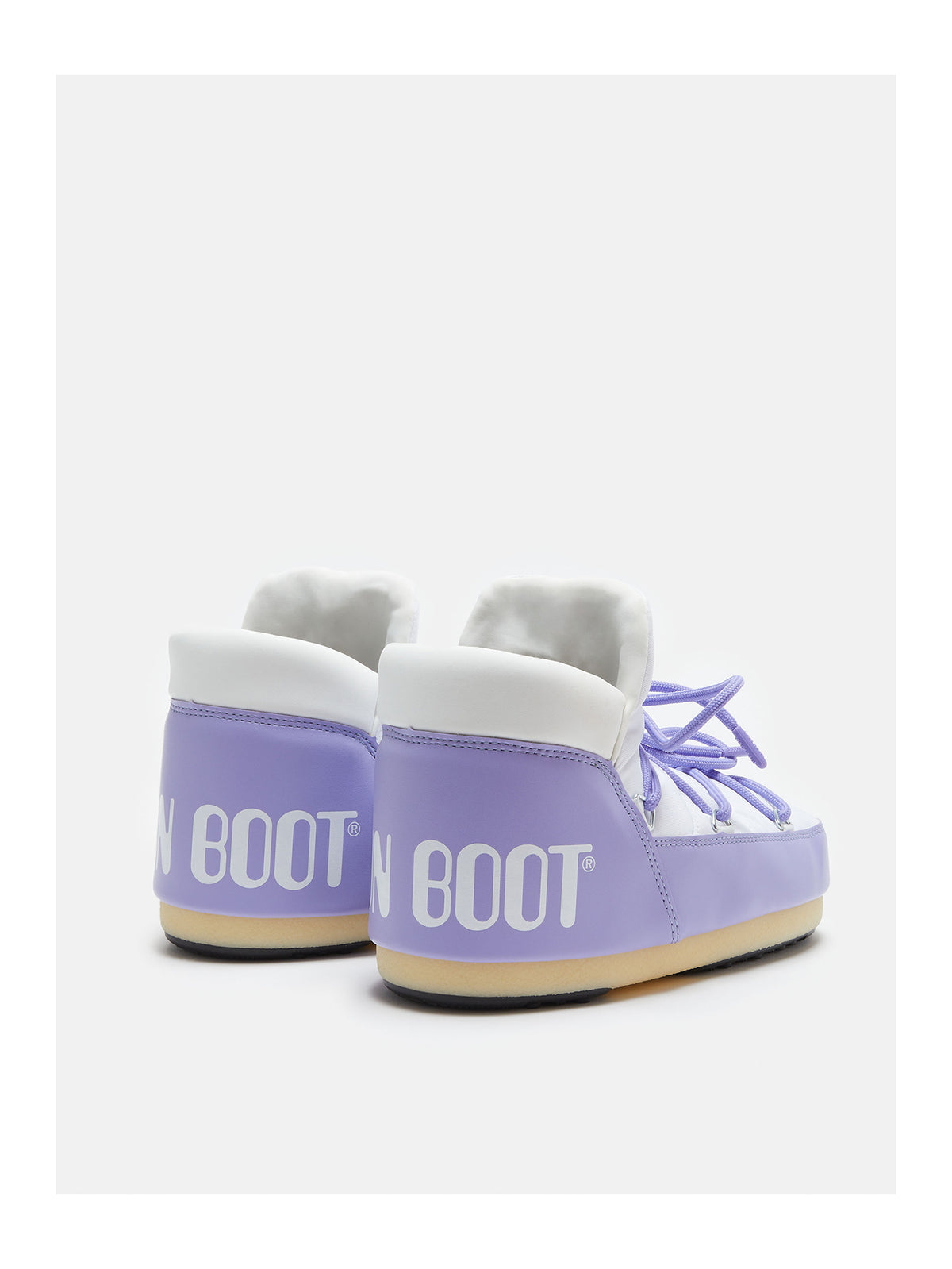
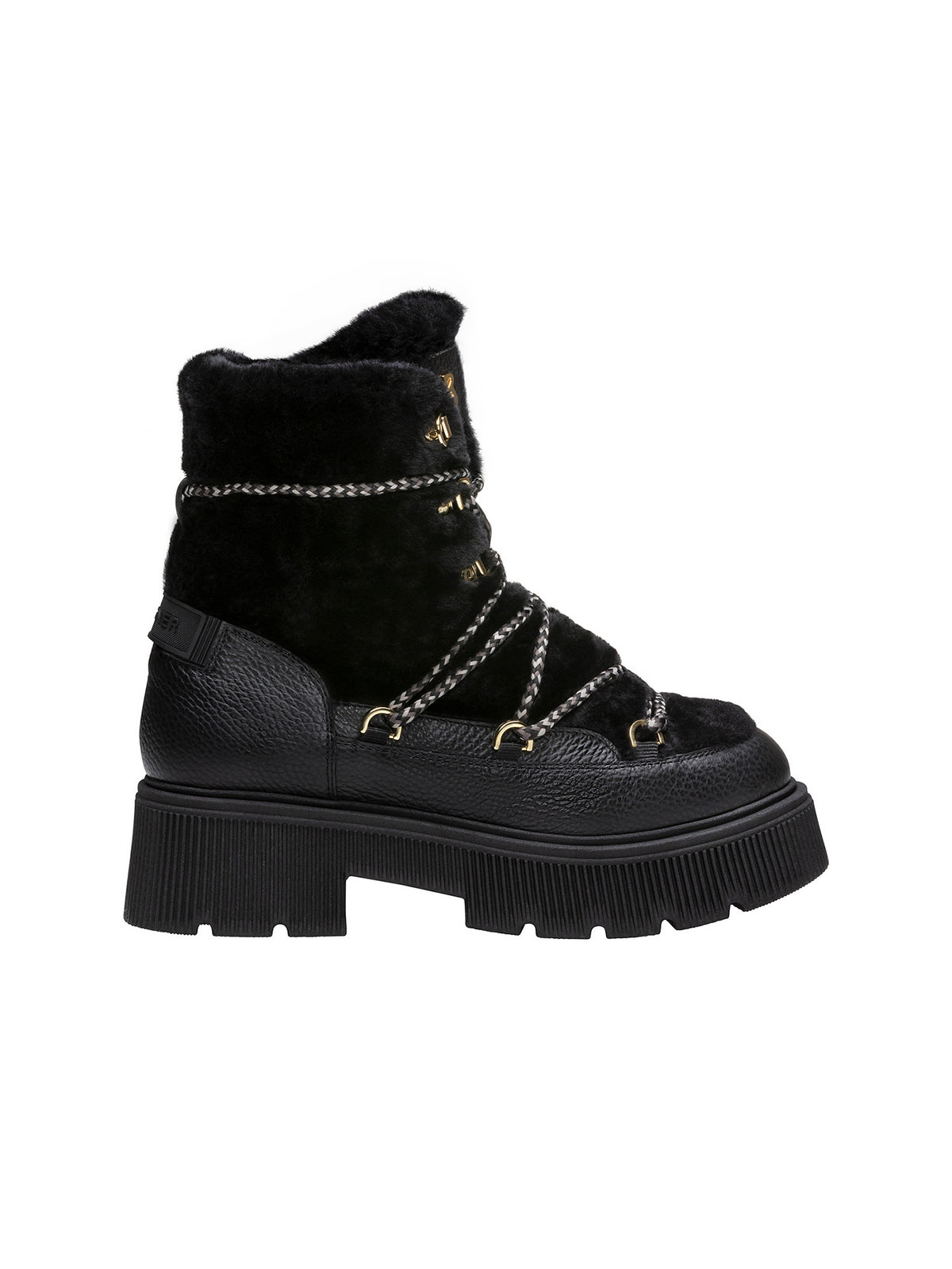
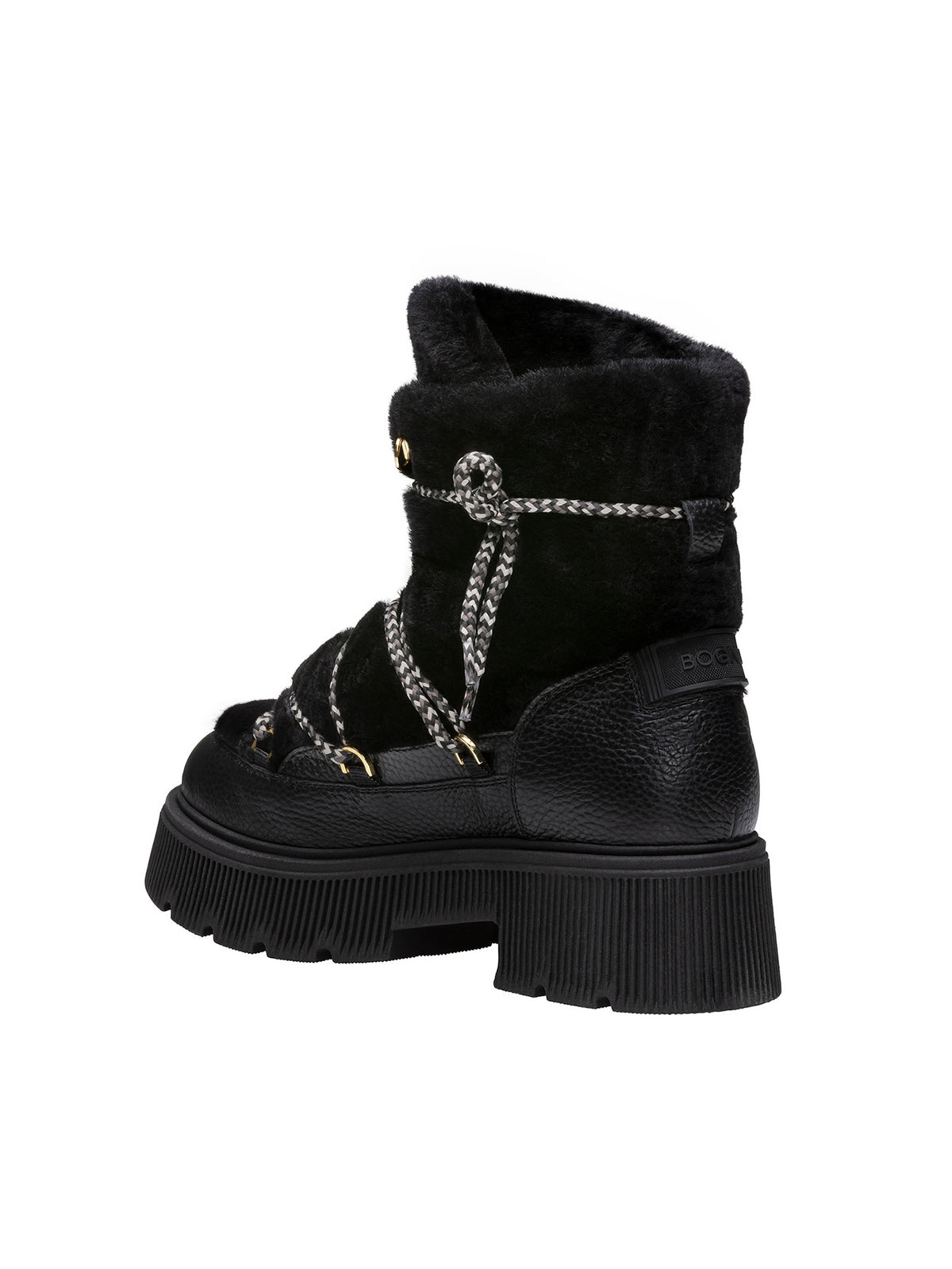


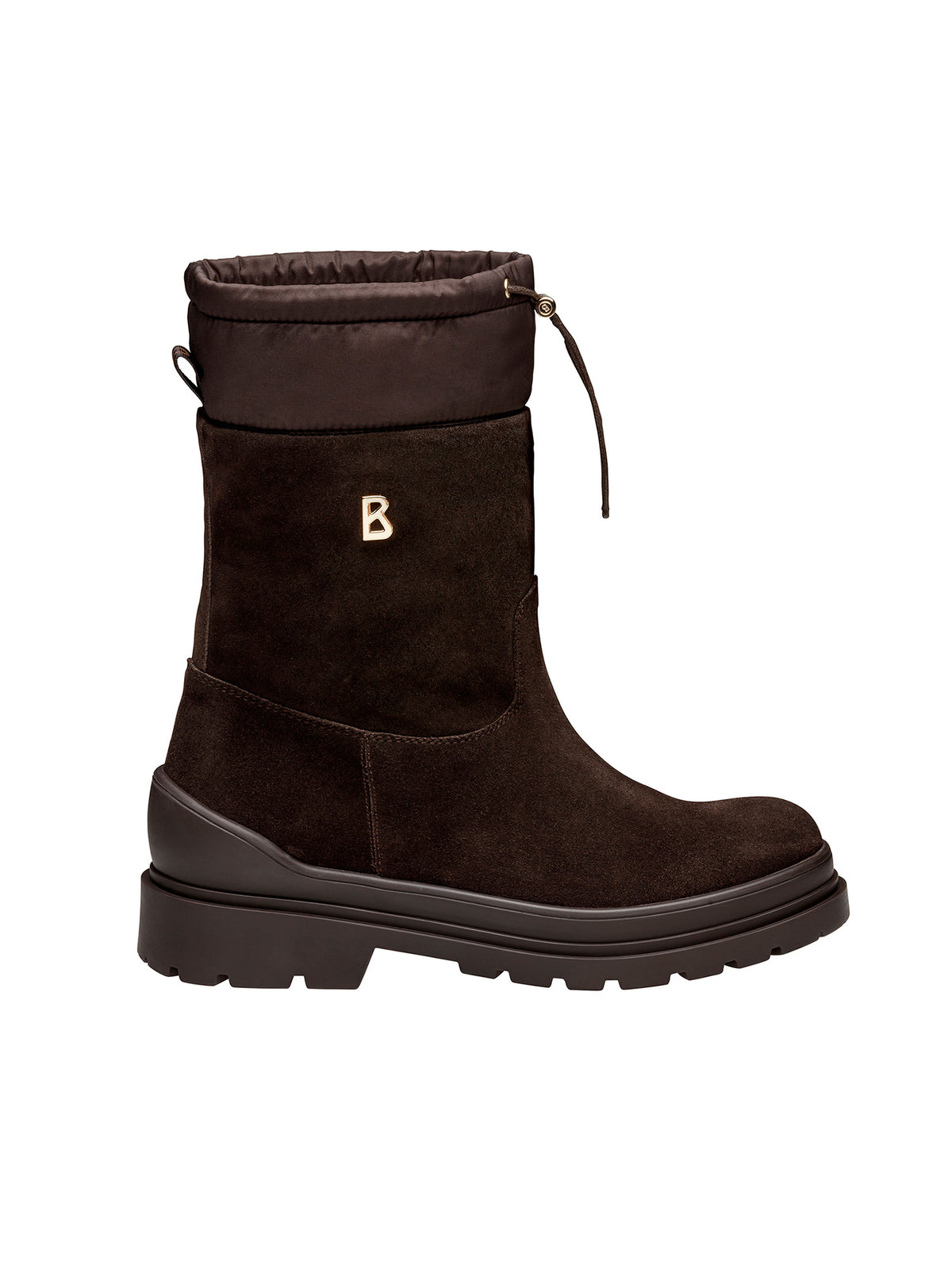
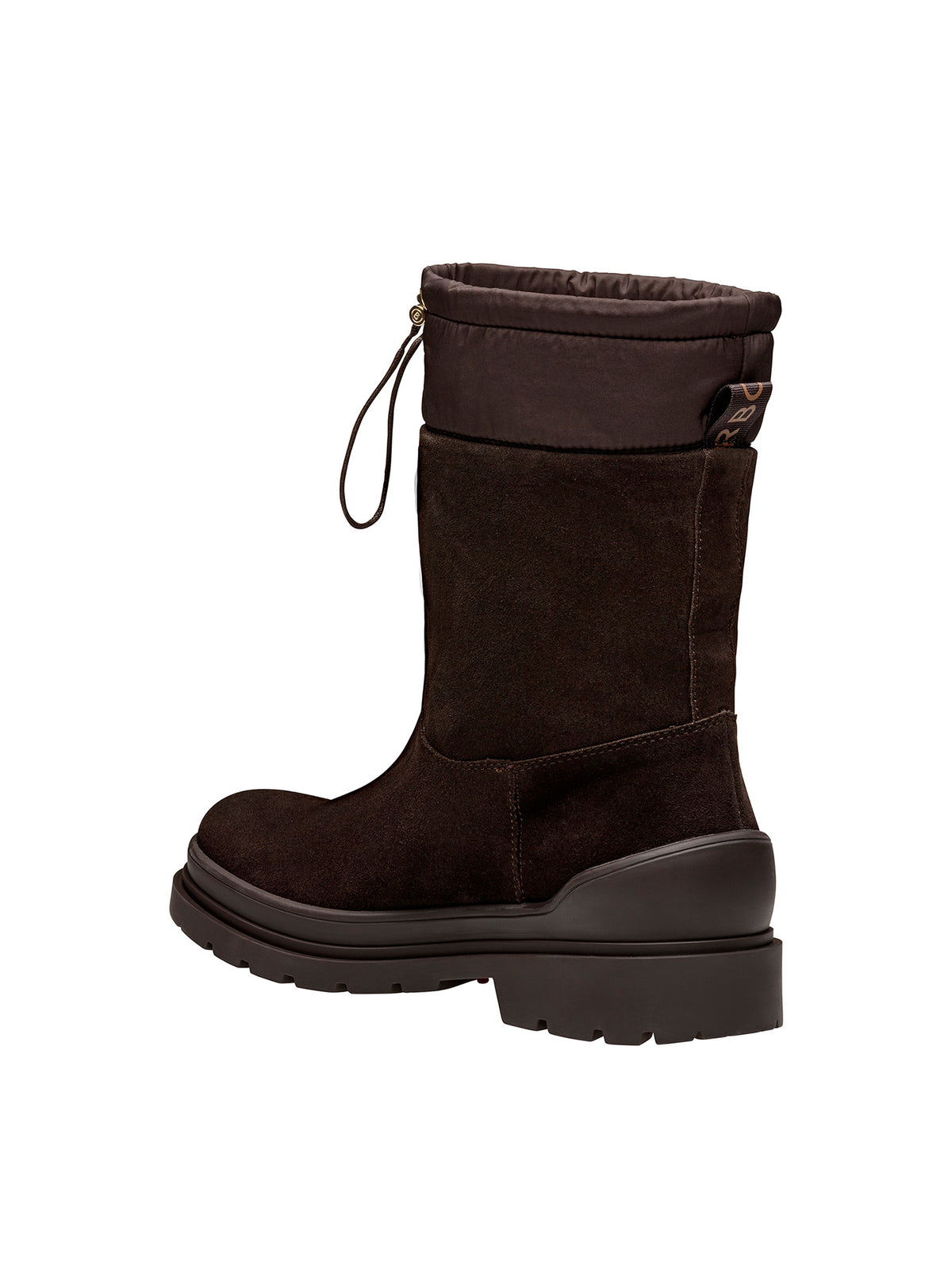
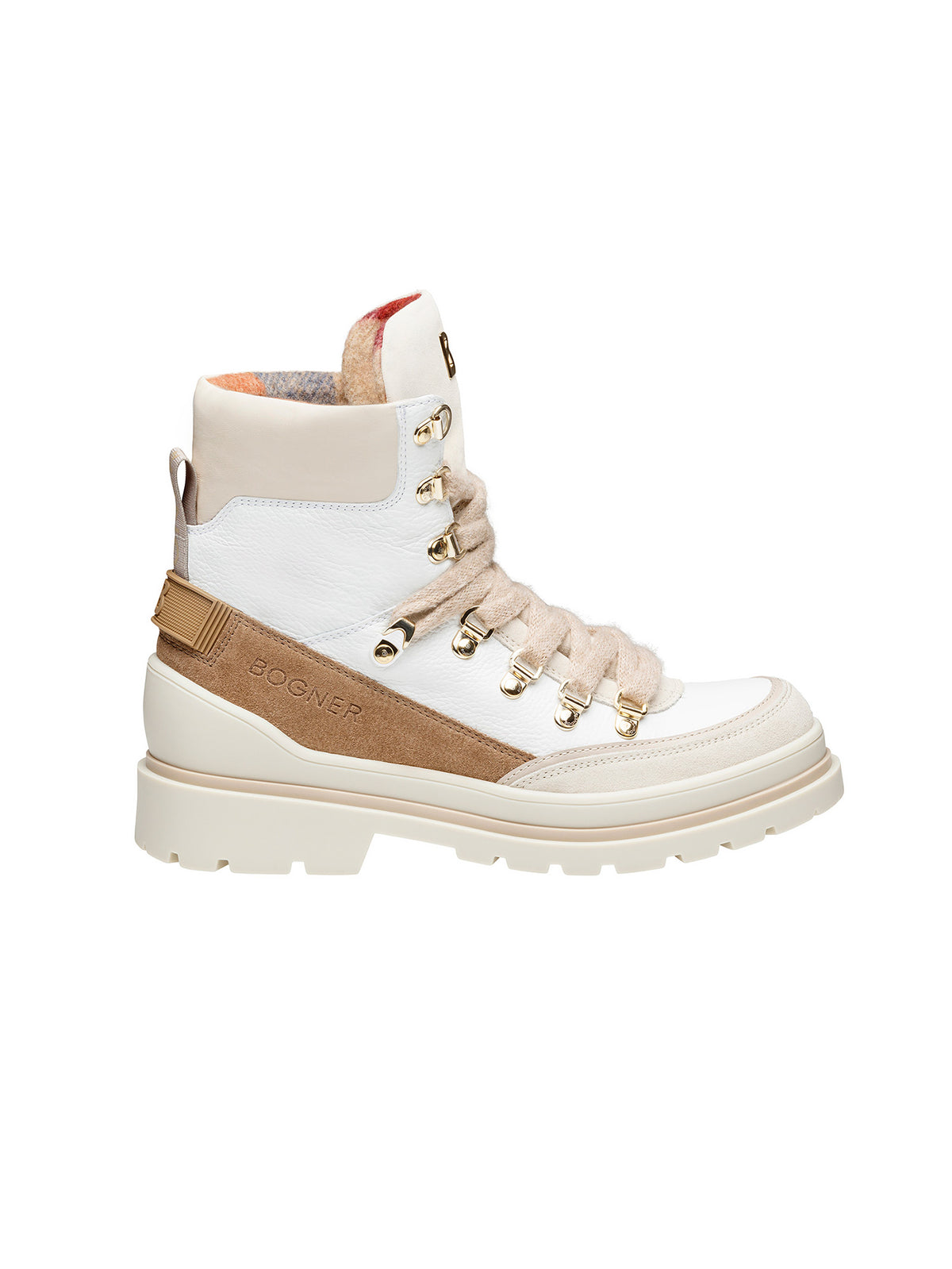
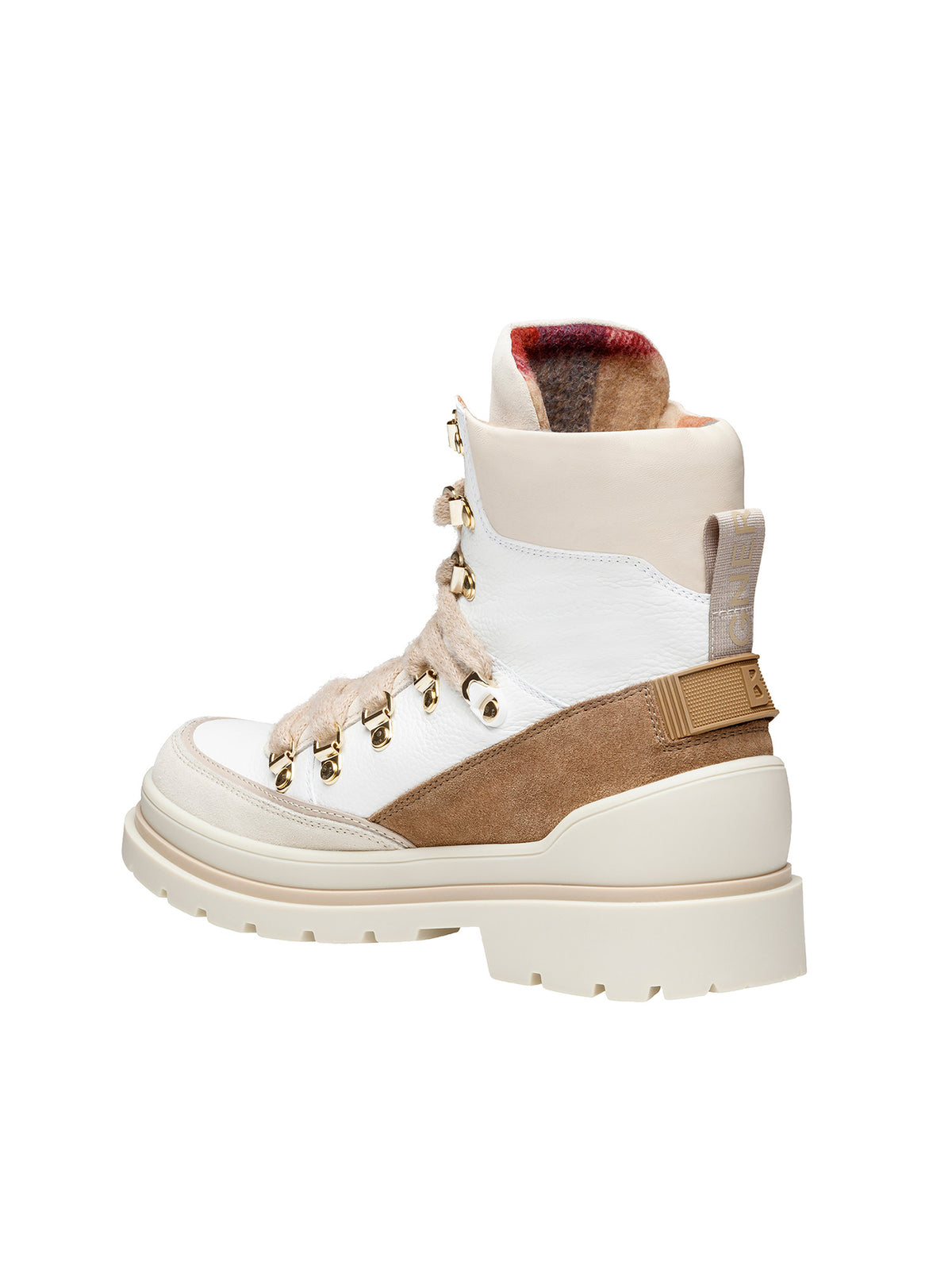
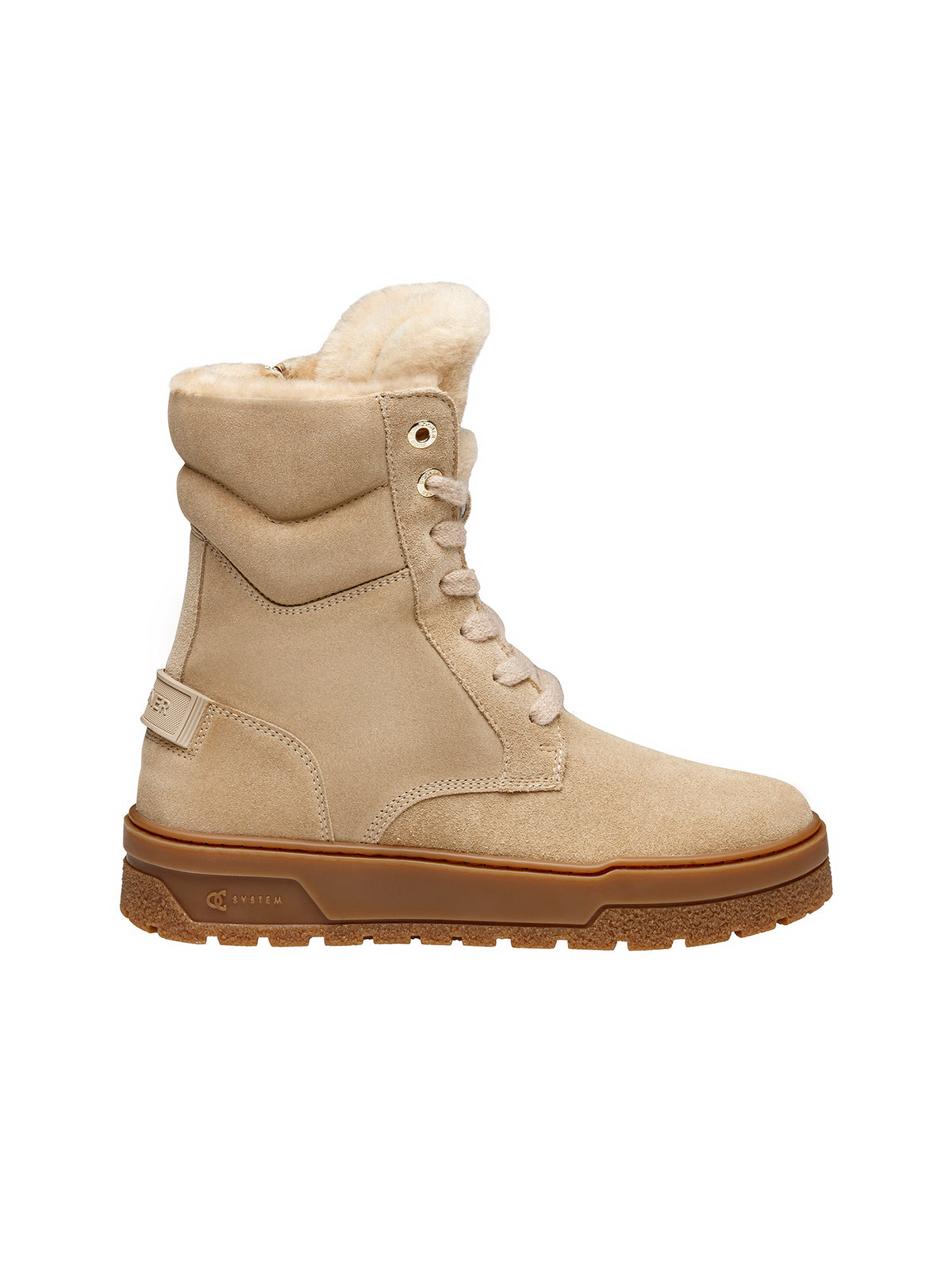
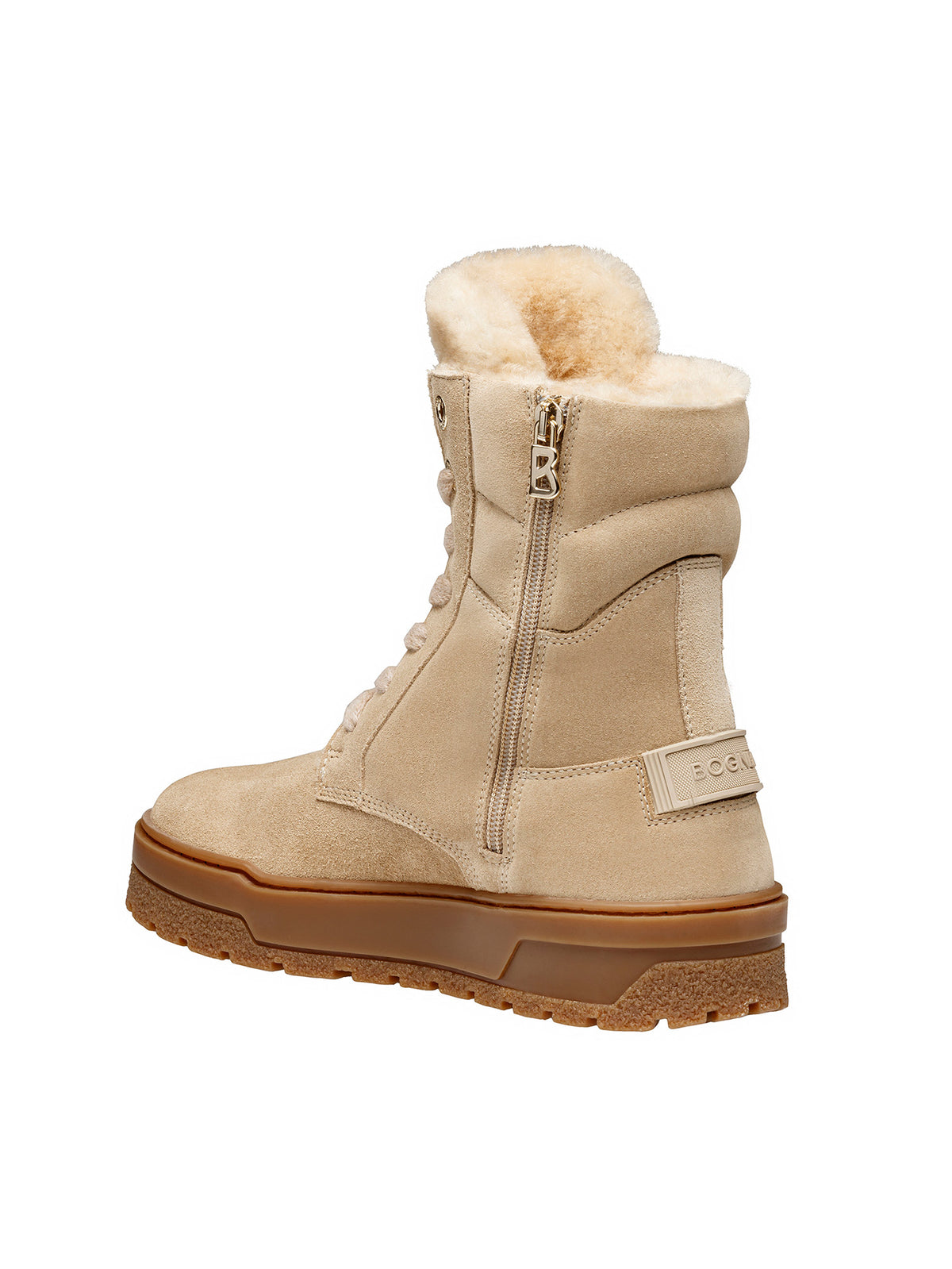
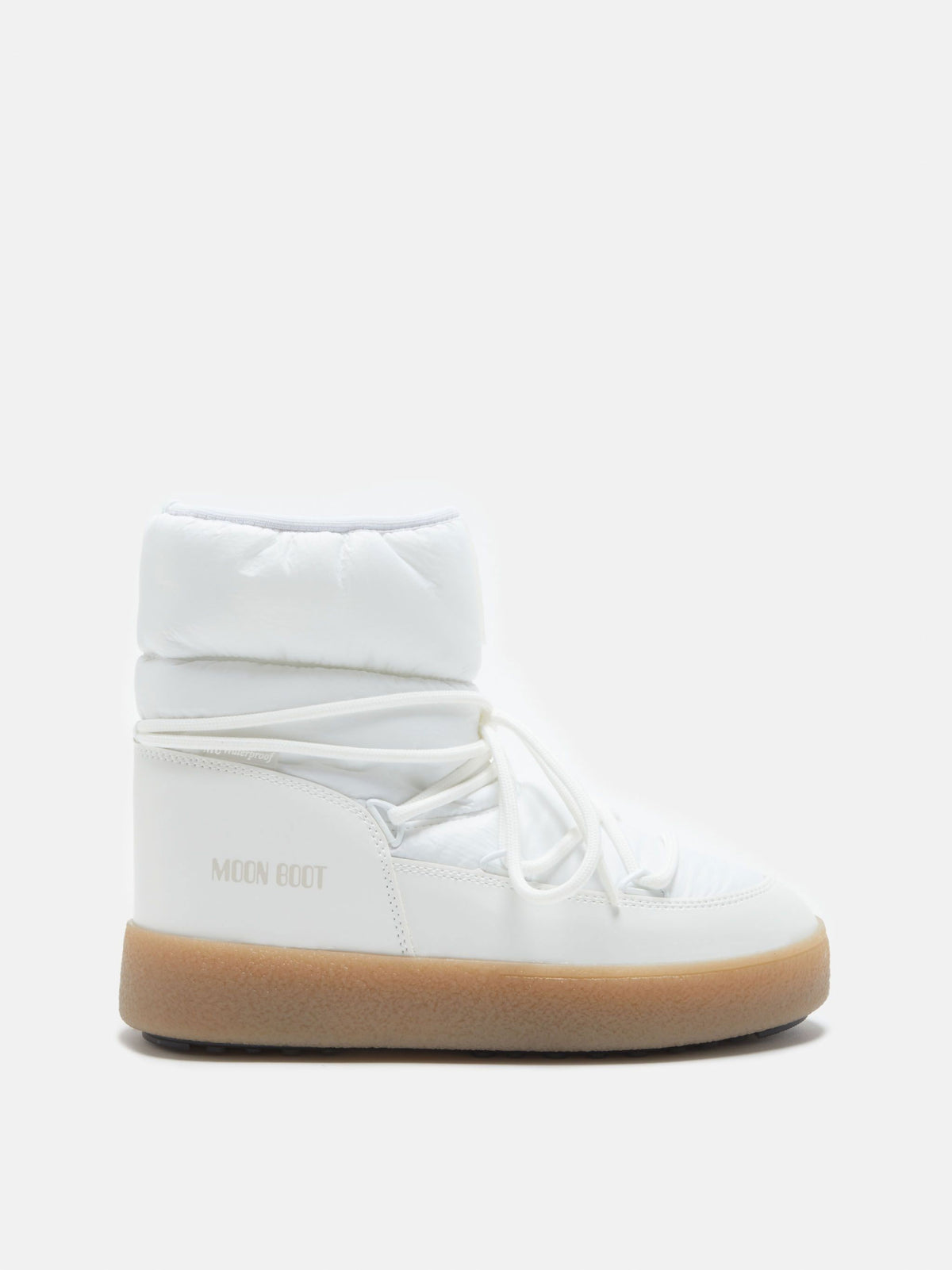
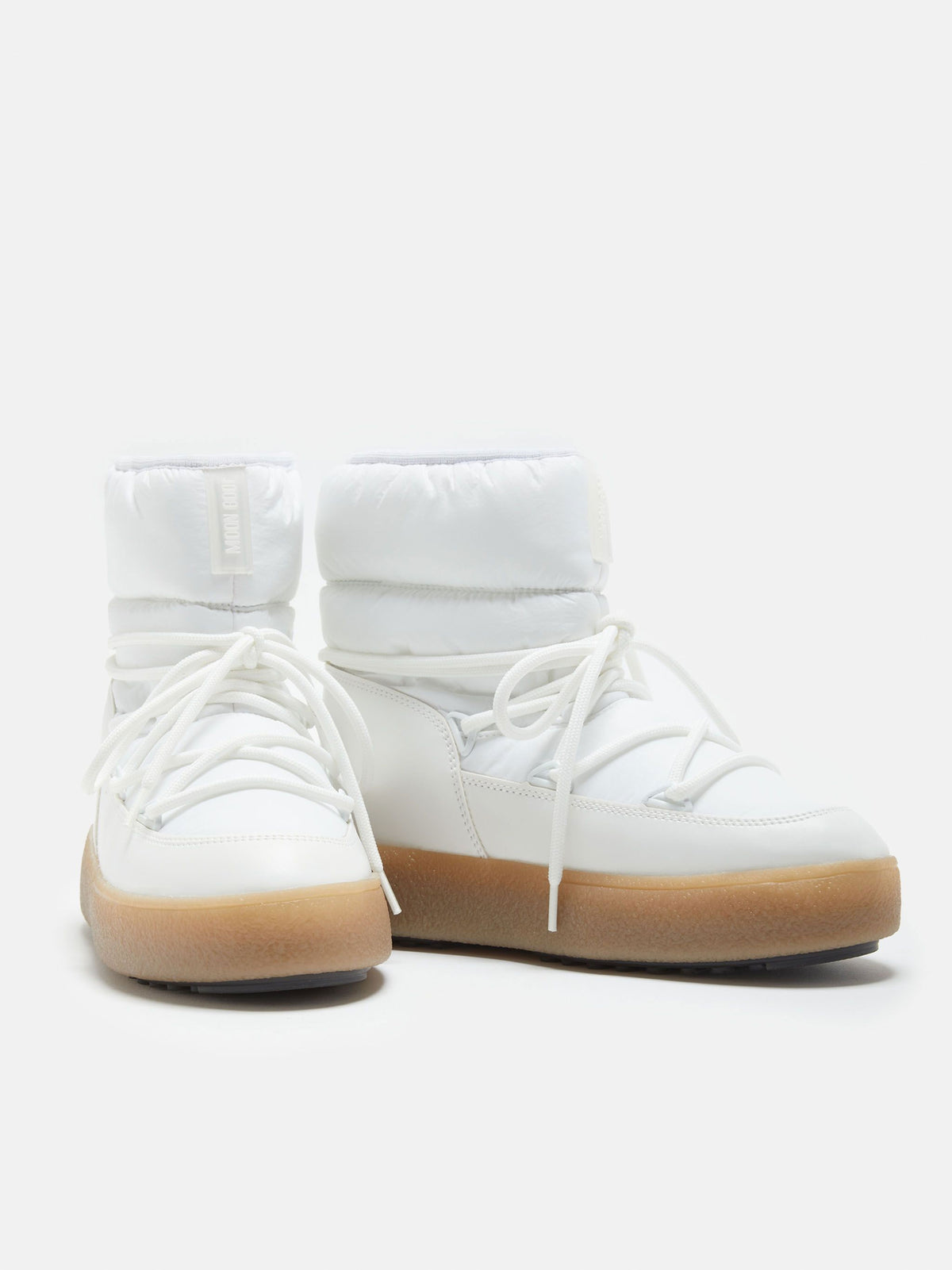


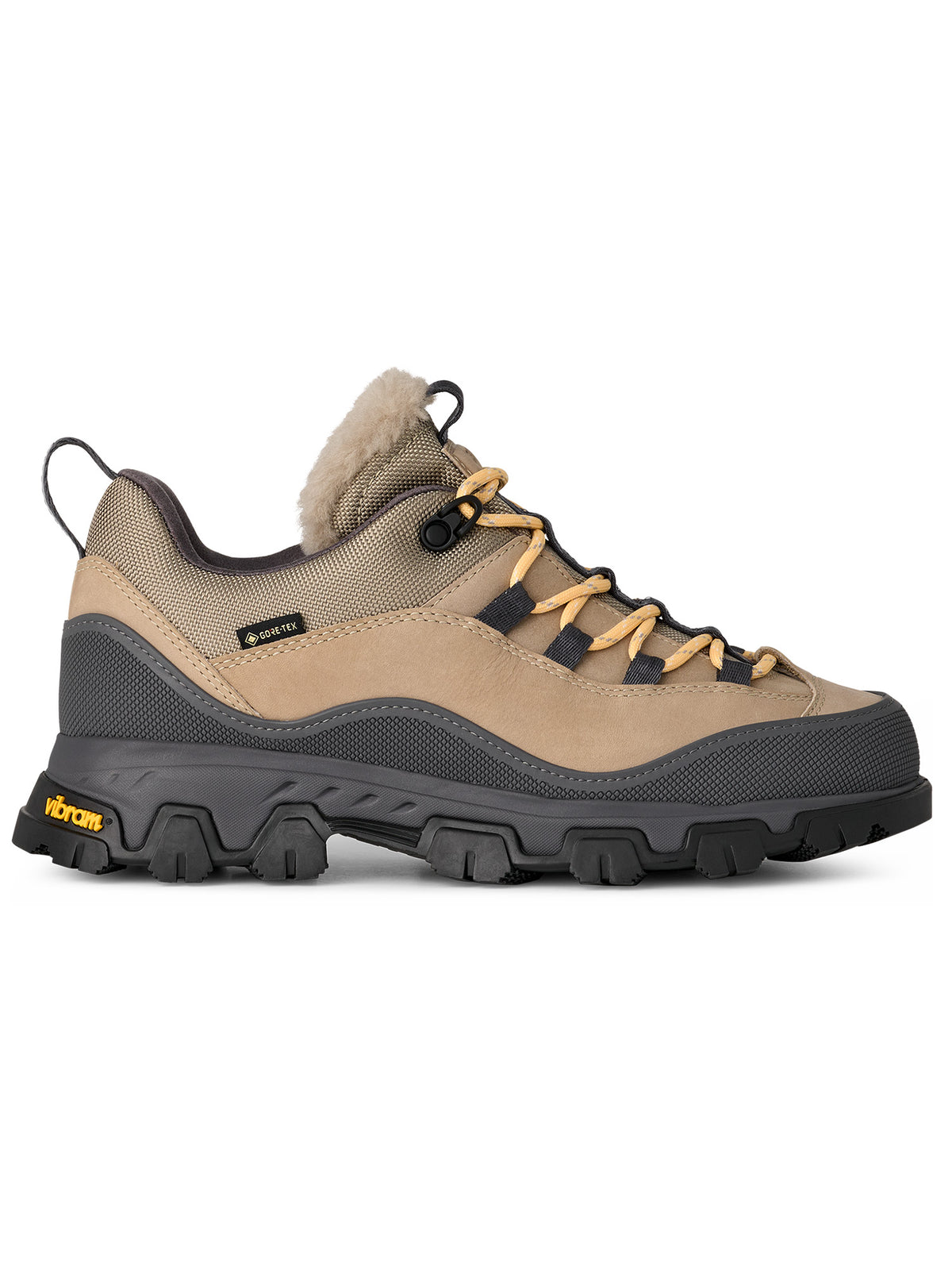
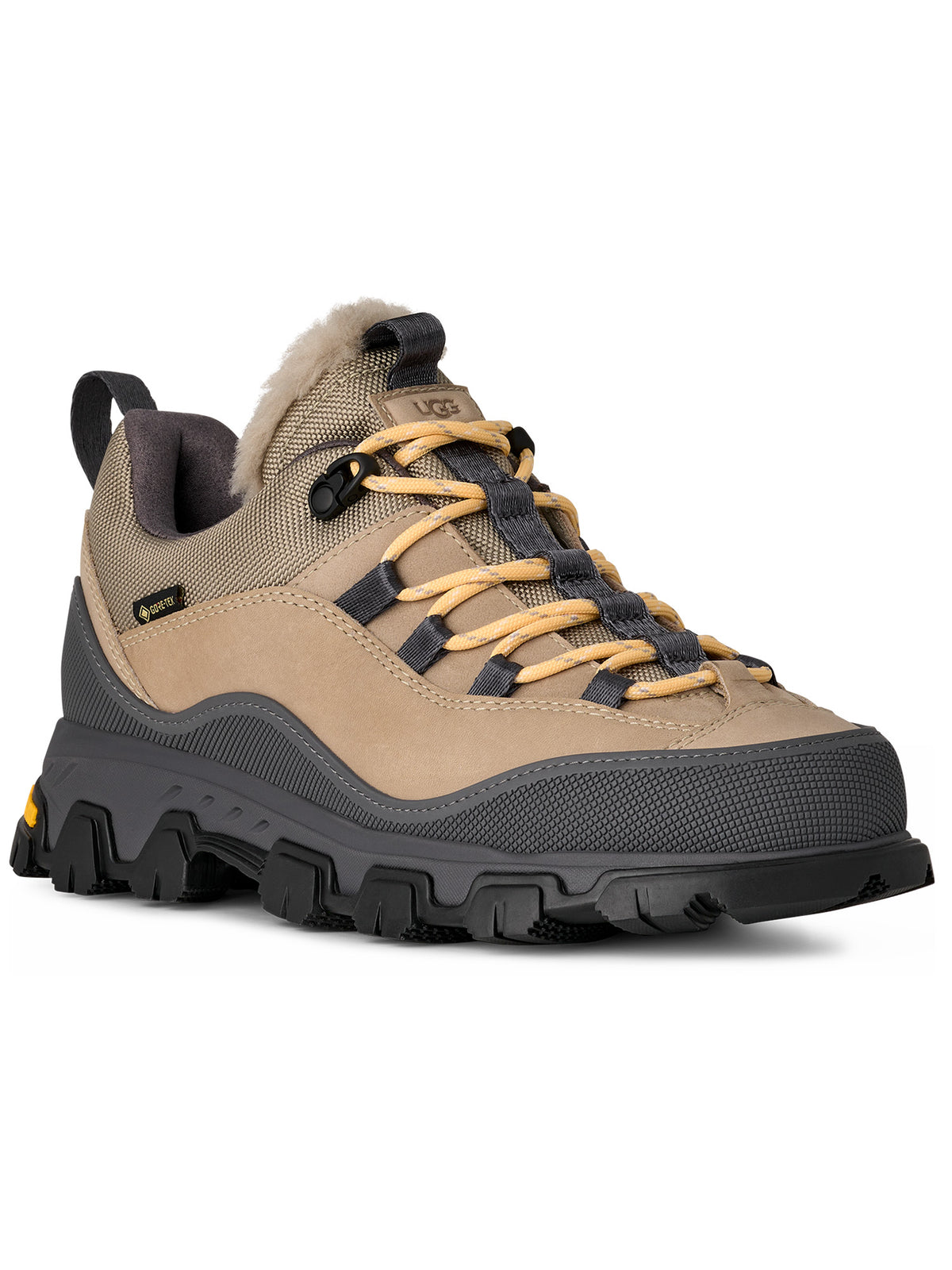
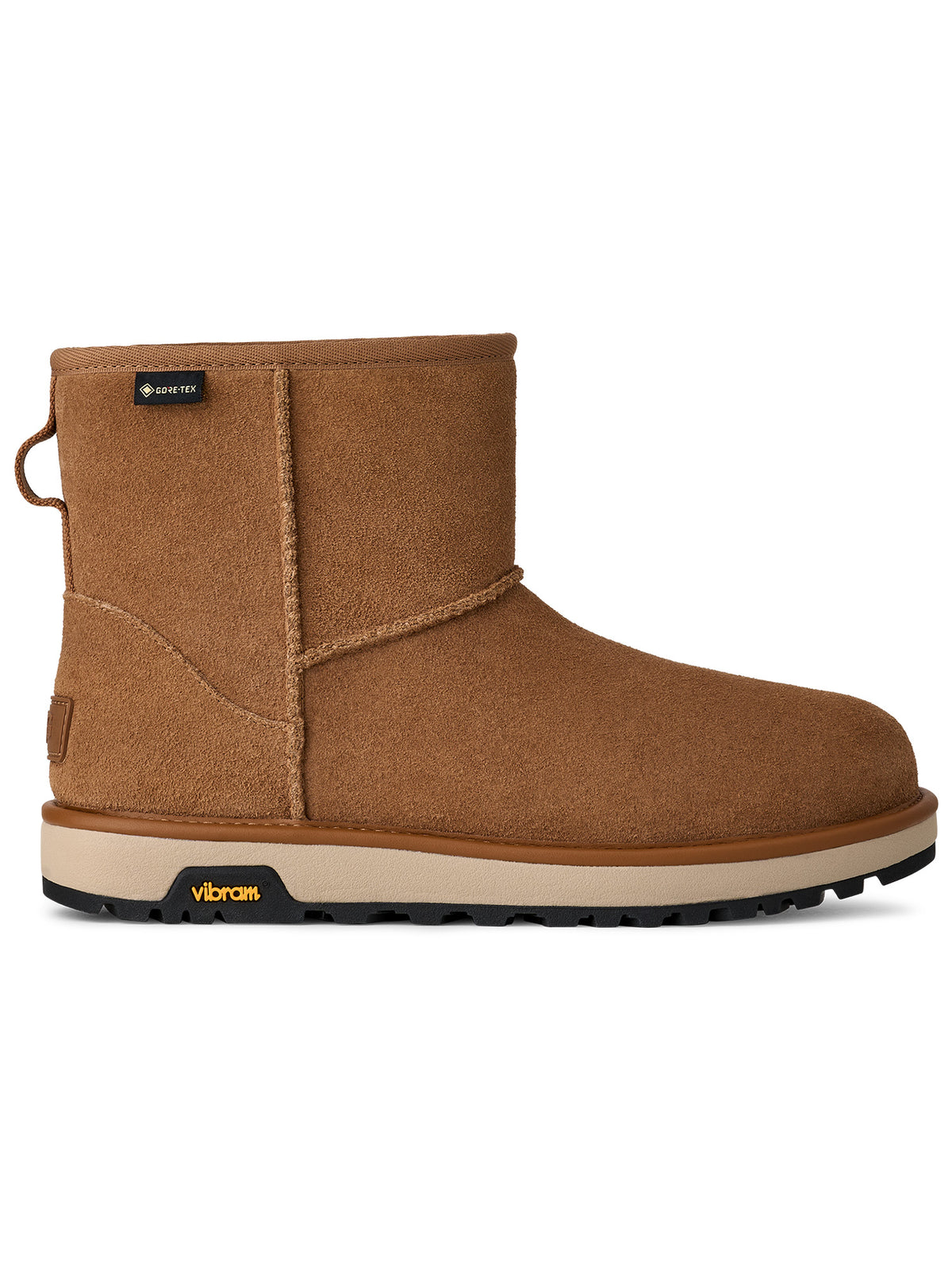
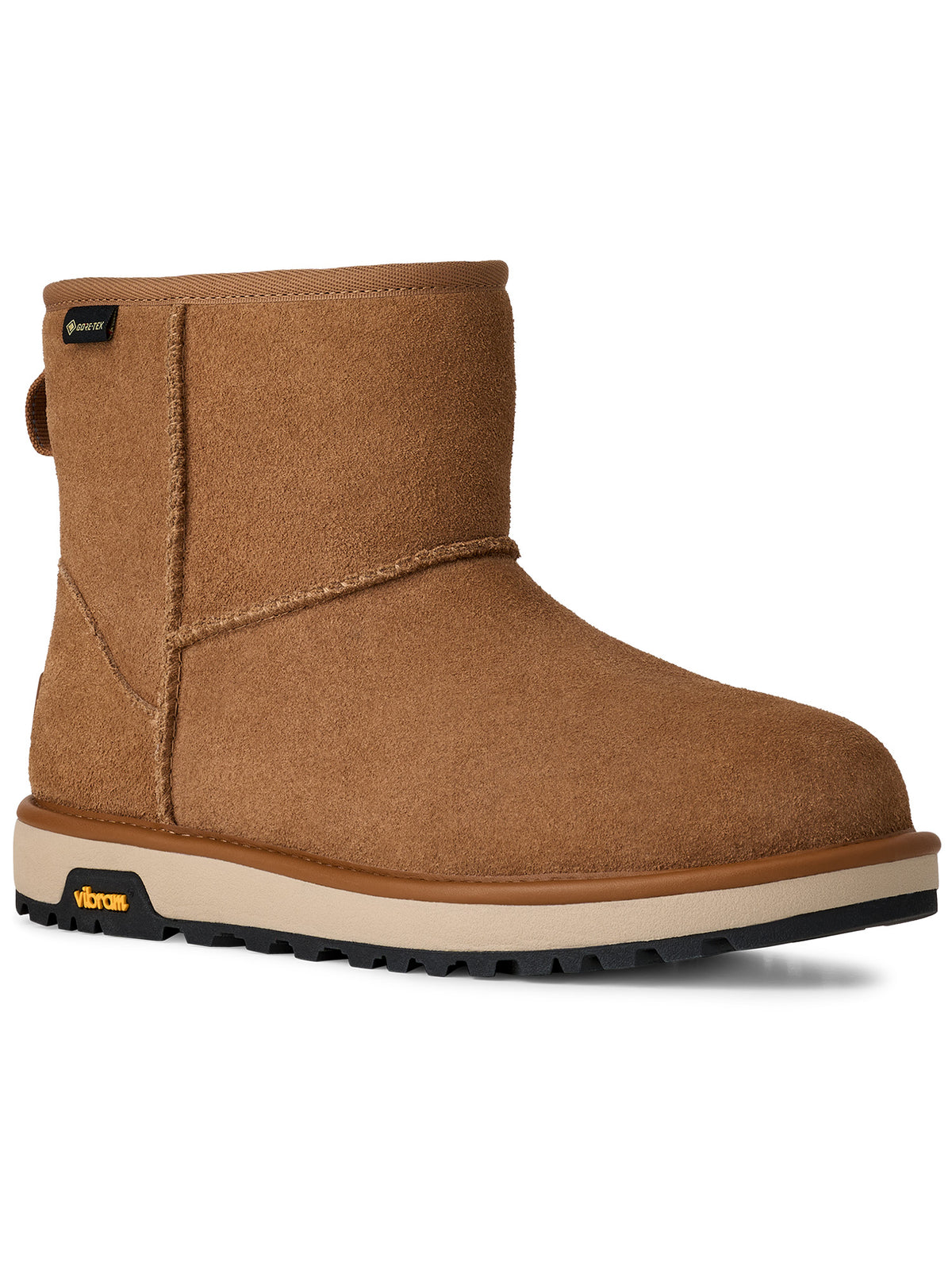
First choose women's shoes based on their intended use
Finding the right women's shoes starts with a simple question: What do you primarily want to wear them for? A shoe for your casual look, a winter model for cold weather, and a pair specifically designed for sports serve different purposes. Similar colors or sole heights do not make them interchangeable. Therefore, first choose the intended use, and then compare the fit, construction, and design. This way, every shoe will have a logical place in your daily life.
Also consider how long you will be on the go at a stretch and what distances you will cover. Sitting a lot with short walks presents different demands than a day with frequent walking. You don't have to choose a separate style for every situation, but you should take the described properties of the model seriously. A sporty look is not proof of a training function; a wintery appearance does not yet indicate how the specific pair is constructed against wetness.
Understand sneakers, winter boots, and sports shoes as distinct roles
Sneakers are often chosen based on everyday wear, fit, and their impact on an outfit. For winter boots, the shaft, lining, and described weather properties come into focus. Sports shoes are compared based on their intended activity and specific construction. Start with the role you are missing, rather than evaluating every pair by the same ranking. A characteristic that is important in one category may be less decisive for another use.
The women's sneakers guide you to a selection for casual everyday combinations. In the women's winter boots, cold days and suitable model features are central. For targeted sports use, you will find women's sports shoes. These entry points help you delve into technical differences where they actually affect your decision and use the overall overview as guidance.
Consider shoe size and fit separately
The size indication is a starting point, but not a complete description of a shoe. Length, width, height over the instep, and heel shape collectively influence the fit. Two models of the same size can therefore feel significantly different. Use the specific manufacturer's size chart and note any additional fit information. Do not automatically transfer a good experience with a single model to every other line of the same brand.
Try on both shoes with the socks you intend to wear with them. Fasten the laces or closure as you would in everyday life and walk a few steps. Your toes should have the intended range of motion while the shoe remains comfortably guided on your foot. If you can only relieve a pressure point by loosening the closure a lot and consequently slip elsewhere, the basic shape may not suit your foot.
Pay particular attention to the instep. A suitable length can coincide with too little or too much volume over the foot. A tighter closure does not create a different shape indefinitely. Likewise, a model that is too tight will not automatically fit if you hope it will stretch a lot. Decide based on a realistic wearing feel and the intended construction. This way, you avoid reducing the size choice to a single number.
Evaluate shaft shape and entry in everyday life
A low shaft makes the ankle visible differently than a higher model. This influences the look and combination with trousers, but also how easy it is to put on. Check how wide a shoe opens and whether you can comfortably get in and out. A wide entry may be deliberately intended for a model; a narrower closure must suit your foot and the desired handling. Evaluate this function carefully before settling on the color.
For higher shoes, the shape around the leg also plays a role. The shaft should sit comfortably where it ends. Try it with the intended trousers or desired sock cuff. A narrow trouser leg and a voluminous shaft can bunch up; wider trousers may fall well over it. Decide which wearing style you prefer. A combination should be easy to put on without constant adjustment and remain in the desired shape when walking.
Compare closures based on fit and handling
Lacing offers several contact areas where you can influence the fit. The decisive factor is whether the shoe can be positioned evenly and comfortably on the foot with it. Pay attention to the position of the tongue and whether creases form. Very tight lacing is not a general solution for an ill-fitting shoe. If only an extreme adjustment allows for heel support, comparing a different last or shaft concept is worthwhile.
Other types of closures change the handling. With a zipper, it is important whether you can comfortably close it with the intended clothing. For a slip-on design, the entry and support must match. An additional adjustment can be helpful if you actually use it. Therefore, don't just compare which closure looks faster, but how the entire model works with your foot and your daily habits.
Consciously check sole effect and walking feel
The visible sole height shapes a shoe's silhouette. A robust sole sets a different accent than a flatter shape and changes how trousers fall over it. However, no general statement about comfort, cushioning, or stability can be derived from this. These properties depend on the specific construction. Try the model in motion and pay attention to whether you find the transition from landing to rolling pleasant.
Also consider the intended surface. A sole that appears profiled is not a guarantee of secure grip on every surface. Weather, surface, and the specific sole design remain relevant. Therefore, for your purchase, the explicitly described use counts, not just the appearance of the bottom. If you need a shoe for a specific sporty or winter situation, delve into this question in the corresponding category and for the specific model.
Choose material and care together
Upper materials influence a shoe's feel, appearance, and care. Smooth and roughened surfaces can look very different in the same color. Textile inserts additionally change the character. Read the specific composition and consider which areas are particularly stressed. A material name alone does not prove a certain weather resistance or durability. Seams, lining, and the overall workmanship also belong to the assessment of each pair.
The care should match your capabilities. SOREL, for example, distinguishes its instructions by different leather types and by sneakers; UGG provides its own rules for its specific materials and models. These manufacturer examples show why a general cleaning for all shoes is not sensible. Always follow the instructions for the purchased pair. Suitable treatment is part of handling the material and should not be derived from a similar appearance.
Distinguish between winter look and weather protection
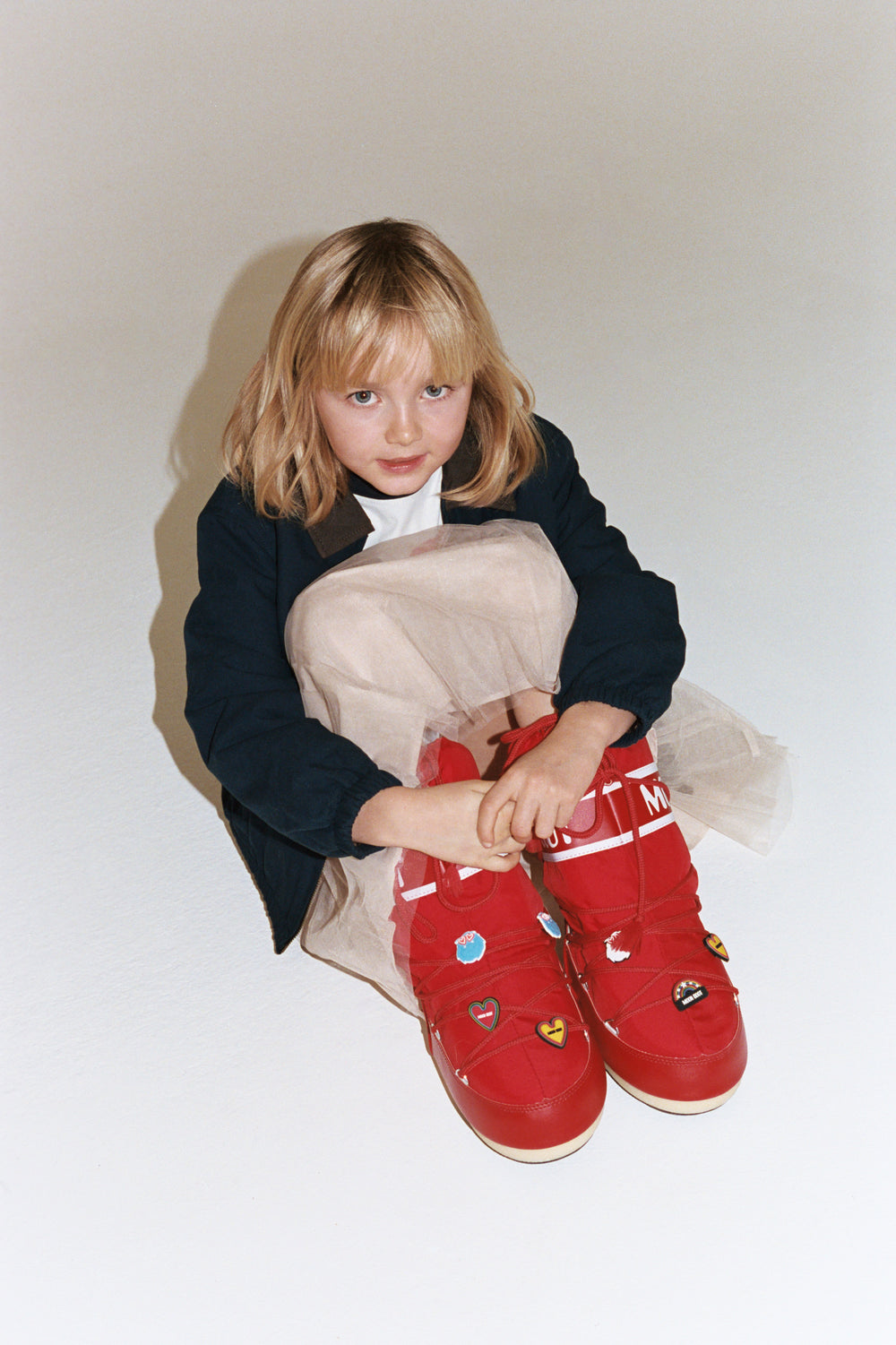
A lined shoe or a high shaft can look wintery without automatically being waterproof. UGG explicitly points out that not all Classic Boots are water-repellent or waterproof. This illustrates an important selection rule: Check the property of the specific model, even if you already associate the brand with winter. A surface treatment and a specific waterproof construction are not interchangeable terms.
Consider whether you are primarily looking for warmth for dry cold or explicitly expect wet paths. The right choice depends on these conditions and the described design. Furthermore, do not derive a fixed temperature limit from a fluffy inner lining. If a manufacturer states such values, they belong to the specific model and its conditions. For the broad selection of women's shoes, the most sensible starting point remains the clear distinction between desired appearance and required function.
Combine shoes with trouser length and leg cut
The trousers change how much of the shoe remains visible. With a wide, long leg, the front part of the shoe and the sole often come to the fore. Shortened trousers additionally show the shaft and socks. Therefore, try on the combination completely. A shoe whose design you like individually can make a completely different impression under certain trousers. Decide based on the wearing style you actually prefer.
In the women's casual trousers, you can add suitable leg cuts. Make sure that hems do not inadvertently get under the sole or gather heavily on the shaft. A deliberately visible sock can be part of the look; likewise, a smooth transition may be desired. These small decisions make the combination more harmonious without you having to completely match every garment in terms of color or style.
Combine color and brand style with your everyday life
A neutral pair is often easy to complement, but it doesn't have to be the best choice for every wardrobe. If you wear a lot of simple clothes, a more striking color can set exactly the desired accent. Before buying, define a specific combination and consider whether a second one also works. This way, you recognize whether the pair gets a sensible place in your wardrobe or primarily convinces as a beautiful single item.
Brands can offer different design directions, but the decision remains with the specific shoe. Compare shape, material details, and fit within the respective selection, instead of generally classifying a brand as always sporty, warm, or narrow. For complete combinations, the women's casual fashion leads you to tops and jackets. The shoe should complement your style and at the same time fulfill the task for which you primarily want to wear it.
Conclude your selection with a realistic walking check
If several pairs are in question, compare them under as similar conditions as possible. Wear the same intended socks, fully fasten the shoes, and walk a few steps. Pay attention to the heel, instep, toe area, and the transitions at the shaft. A single pleasant detail does not compensate for a persistently irritating pressure point. Evaluate both feet and prioritize the actual fit over a size you habitually always choose.
Finally, check the use, care, and combination with your clothing again. A suitable pair does not have to cover every conceivable situation. It should fulfill the desired role comprehensibly and integrate comfortably into your daily life. This way, you will find women's shoes that you consciously choose as sneakers, winter boots, or sports shoes, and whose shape, features, and effect match your own requirements.
04At FREUDENHAUS
05Questions about the category