





Men's Winter Collection from Fashion to Ski Equipment
The men's winter collection combines fashion, skiwear, footwear, and technical equipment into a seasonal entry. First, choose based on your daily commute or skiing plans and then compare suitable shapes and functions. Here you will find guidance to specifically complement existing clothing and equipment and clearly separate different product tasks.


Men's Winter Collection: Properly Organize Clothing and Equipment
Winter places different demands on your equipment. Clothing for daily commutes, a coordinated ski outfit, and technical gear are selected according to individual criteria. The men's winter collection combines these areas in a seasonal introduction. Therefore, start by considering the situation for which you are looking for something. A jacket for everyday wear is a different decision than a ski boot or a new ski, even if all belong to the same winter.
The seasonal selection is more than a collection of particularly warm fashion. It can bring together clothing, shoes, accessories, and hardware. This common classification does not imply identical functions for all items. Compare each product according to its actual construction and use the category to find the appropriate area. This keeps the selection clear, and technical equipment is not judged solely by the same criteria as a personal leisure look.
Use Your Typical Winter Day as a Starting Point
Imagine how your day is structured. Do you spend a lot of time indoors and only short periods outside? Do you stay outdoors longer, or do you switch between active movement and quiet breaks? These differences influence warmth requirements and handling. A jacket that is as thick as possible is not a universal solution for all situations. It is crucial whether the construction, length, and clothing underneath match your actual activities.
For a day of skiing, other questions arise: What conditions and what kind of skiing are central, what parts do you already own, and where is the specific gap? A complete new purchase is not automatically necessary. A suitable sock, a different mid-layer, or a deliberately chosen piece of equipment can be a clear addition. First, define the task before comparing models by color, brand, or particularly extensive features.
Winter Fashion for Everyday and Leisure
Men's leisure fashion provides a direction for personal combinations outside of technical sports equipment. Knitwear, shirts, trousers, and outer layers can be combined. Decisive factors are proportion, material feel, and use. A short jacket emphasizes different lines than a longer coat or parka. Choose the shape together with the trousers and shoes you frequently want to wear, instead of considering the outer layer in isolation.
Even in winter, an outfit does not have to consist of as many heavy pieces as possible. A consciously chosen combination can use layers of different thicknesses. A thick knit item requires more space under a jacket than a thin shirt. Pay attention to the shoulders, upper arm, and collar. The appropriate silhouette remains mobile and should not be achieved solely by a heavily oversized outer layer. A different cut may be more sensible than an arbitrary change in size.
Distinguish Between Warmth, Weather Function, and Coverage
Warmth build-up, moisture protection, and the length of a garment are separate features. A filling can contribute to the feeling of warmth, but it does not automatically make the entire jacket waterproof. A longer shape covers more area, but it does not necessarily have the same insulation as a shorter model. Compare these criteria individually and then combine them for your use. A single striking characteristic does not explain the entire product.
When a weather-oriented protective layer is sought, the specifically described functions are important. Water-repellent and waterproof should not be equated. Likewise, windproof or breathable specifications answer different questions. Material, seams, and closures belong together in the assessment. A technical brand name or a sporty look is not sufficient as proof. The appropriate winter selection combines understandable product features with the actual daily routine.
The Ski Outfit as a System of Layers
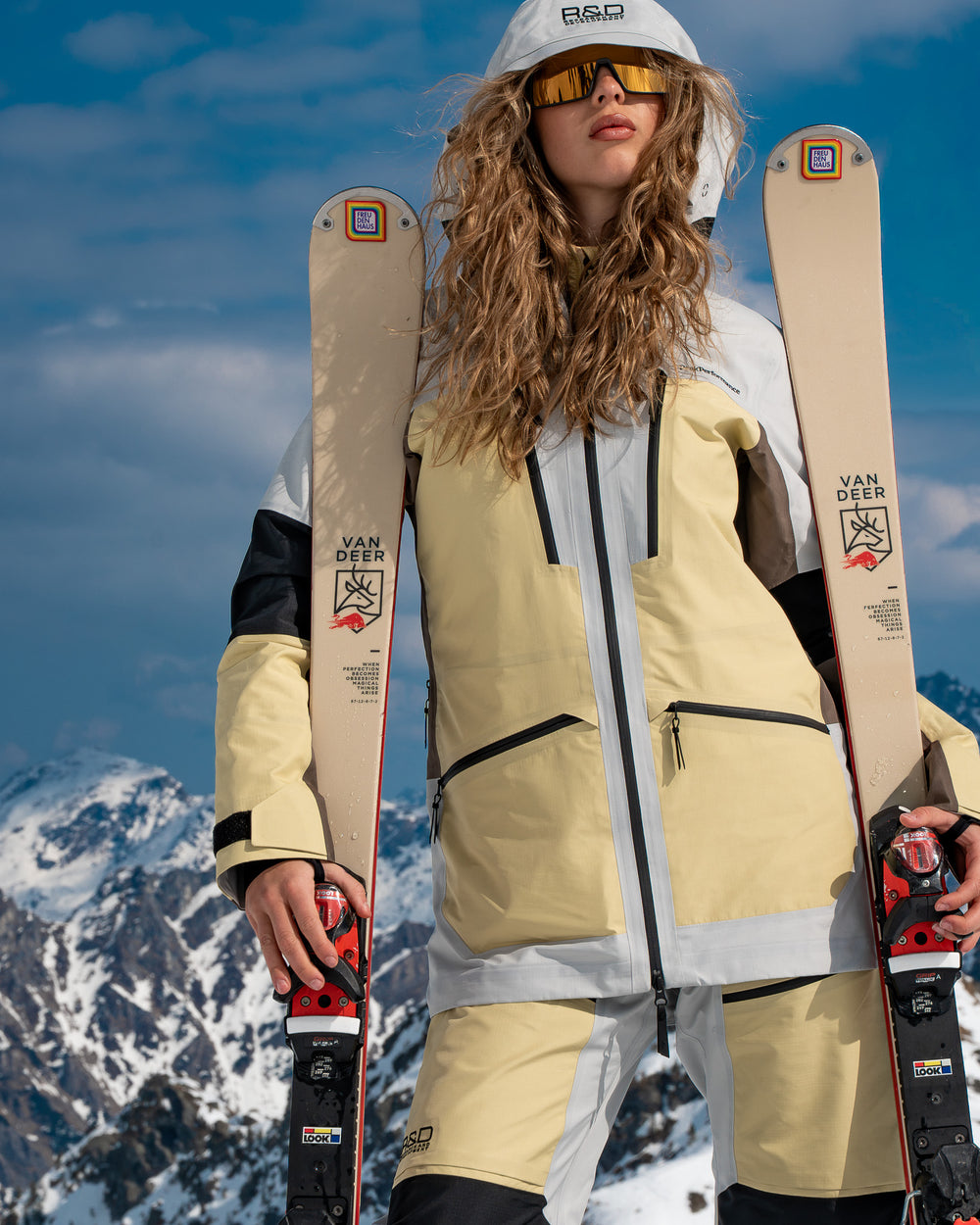
In men's ski clothing, the first skin layer, additional warmth, and outer clothing work together. Choose underwear according to body contact, length, and activity. A mid-layer complements the construction, while the jacket and trousers perform their described outer functions. How strong the system should be depends on movement, conditions, and your perception of warmth. More material in each layer is not automatically the better combination.
Check the fit in a more active posture. Arms forward, bent knees, and sitting reveal different areas than a calm stance. Jacket and trousers should offer sufficient space without accumulating large amounts of fabric at the waist or sleeves. A stretch component can accommodate movement but does not replace a suitable cut. The correct size must work with the actually planned layers, not just with a thin try-on without the later construction.
Consider Transitions Between Clothing and Equipment
Gloves meet the jacket sleeve, trousers meet the ski boot, and the collar meets other parts of the neck. These transitions deserve a closer look. A short glove cuff sits differently than a long gauntlet. Several tight adjustments on top of each other are not automatically more comfortable. Choose the combination so that it is manageable and maintains its position during movement. Visual consistency alone does not guarantee this interplay.
Helmet, goggles, and hood must also fit together specifically. An adjustment mechanism or a large hood does not replace a suitable basic shape. Additional clothing should not arbitrarily change an intended helmet fit. Consider protective products according to their manufacturer's specifications and clothing as a complementary part of the connection. This way, each item retains its own purpose, while the complete equipment is coherently coordinated.
Winter Shoes for Activities Outside of Skiing
Men's winter shoes are chosen according to foot shape, terrain, and desired warmth build-up. A soft lining, a high shaft, and a robust sole describe different properties. A strong tread is no guarantee of grip on all icy surfaces. Likewise, a winter look does not prove waterproofness. Compare the specific use of the model and the conditions that occur on your frequent routes.
Plan for the intended socks when determining the size. A thicker sock requires additional space; however, a significantly larger shoe size is not an automatic comfort solution. Length, width, and instep volume belong together. The foot should have enough space and still be held appropriately. An everyday shoe can take on a pleasant different role after a day of skiing, but it does not replace technical equipment for independent sports use.
Select Skis Based on Your Skiing Intentions
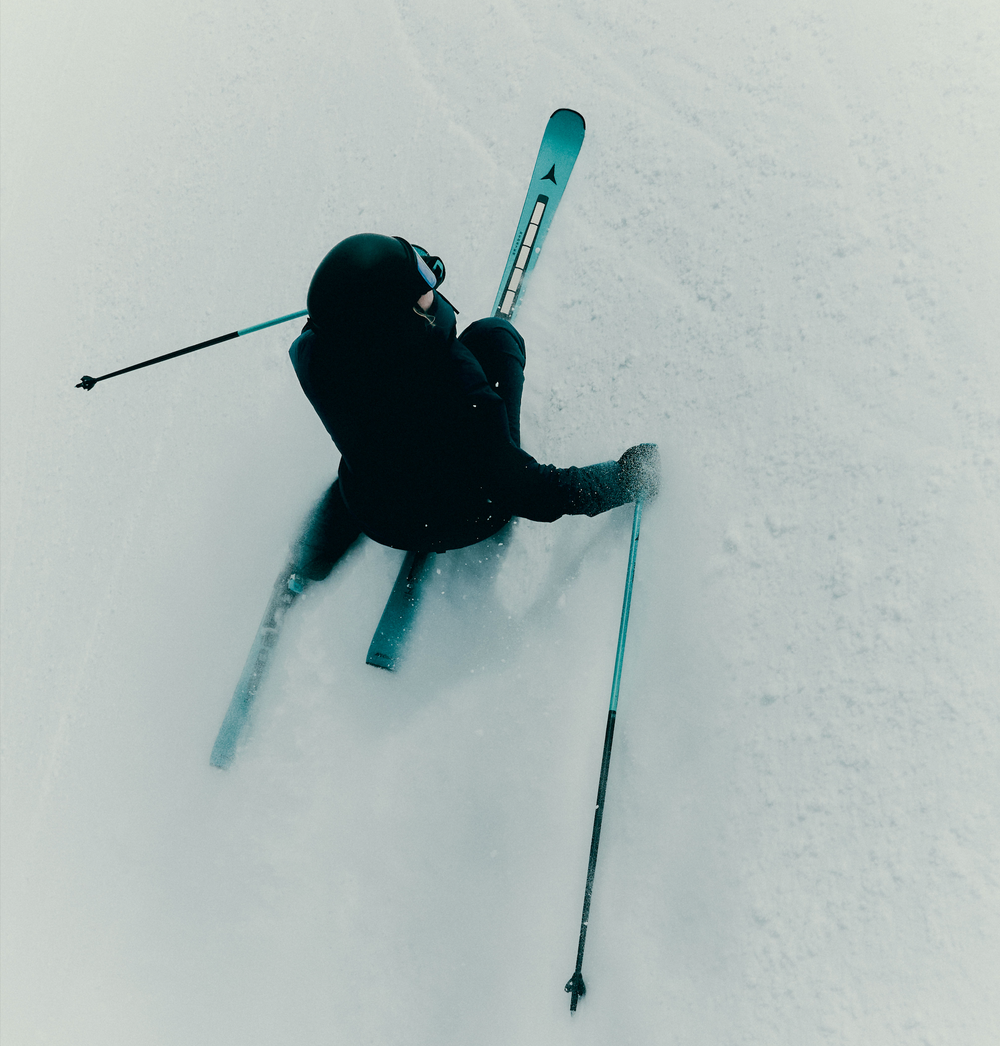
If you are looking for a ski, start with the runs and turns you primarily want to ski. Prepared slopes, variable conditions, and more off-piste oriented concepts place different emphases. The selection of piste skis, for example, offers a targeted entry for predominantly groomed descents. Length, radius, and construction are considered in conjunction with experience and desired riding feel. A single numerical value is not a complete personal recommendation.
A versatilely described model does not have to perform every task equally well. Consider whether you want to supplement existing equipment or replace a clear focus. A different ski should be judged by its concept and not solely by a striking design. The specific execution and any included components also count. A product name can encompass different sizes or versions whose properties are not arbitrarily identical.
Understand Ski Boots and Bindings as Interconnected Technology
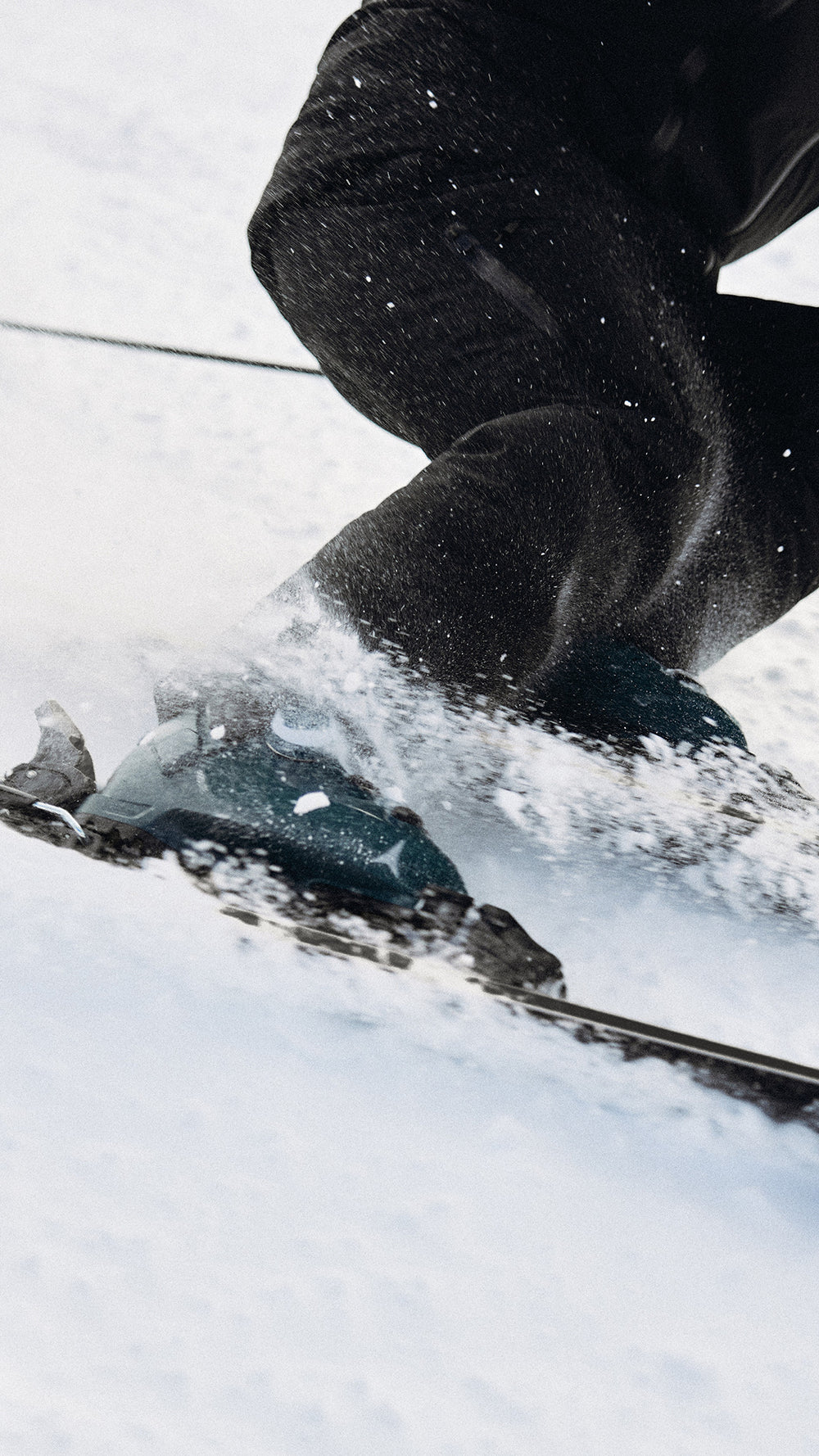
Men's ski boots connect foot and equipment. Mondopoint size, foot shape, volume, and flex are different selection criteria. A higher flex value is not a general distinction for a better boot. It must match the person and use. Likewise, a wider boot is not automatically more comfortable if the heel has too much space in it. The appropriate shape is the basis, and technical details complement this decision.
The connection to the binding must be explicitly compatible. Sole type, specific binding, and other prerequisites should not be judged solely by a similar size designation. Required assembly, adjustment, and testing belong in expert hands. A seasonal category or a common brand logo does not replace this work. Therefore, treat hardware as an independent selection with clear technical requirements, even if you put it together with clothing for winter.
Purposefully Supplement Essentials
The Ski Essentials section helps with additional equipment and accessories. First, check whether you are looking for a complete product, a spare part, or an additional version. A replacement lens, a liner, or an attachment must fit the existing model. Similar shape and color are not proof of compatibility. A clearly stated need prevents an additional item from being chosen without a suitable connection to the equipment.
For socks and gloves, body contact and combination are again in the foreground. A more padded sock takes up more space in the ski boot. A glove should fit when gripping and at the sleeve. Unisex does not mean that every size is suitable for every body. Choose according to the specific measurements and the intended construction. Accessories thus become a targeted addition instead of a blanket list of as many products as possible.
Consciously Use Brands and Design
A preferred brand can offer a style or a familiar product concept as a starting point. Nevertheless, individual models should again be compared according to their specifications. The same name does not automatically mean identical materials, fits, or functions across all versions. Use brand character as part of your decision and keep the specific role of the item in mind. This way, personal preference and technical classification remain meaningfully connected.
For the look, recurring colors or material contrasts can create a common line. A striking piece can become the focal point, while others remain more subdued. A uniform brand is not necessary for this. It is crucial that clothing and shoes are proportionally matched and that equipment fulfills its own function. A coordinated winter appearance thus arises from conscious individual decisions, not just from identical logos on as many parts as possible.
Care and a Sensible Winter Selection
Clothing, shoes, and hardware require different care and inspection. Observe the respective manufacturer's instructions, rather than taking a common winter use as a basis for identical treatment. Membranes, fillings, leather, and protective products are constructed differently. Technical maintenance is also not the same as cleaning. Plan the intended steps according to the product and separate general clothing routines from necessary expert work on equipment.
Finally, organize your selection by everyday wear, ski clothing, and technical gear. In each area, identify the specific gap and only then compare the appropriate models. A new winter outfit does not have to be maximally extensive in every part. It should suit your activities, your movement, and existing favorites. The men's winter collection provides the overall overview for this, while each individual purchasing decision retains its clear technical or design standard.
04At FREUDENHAUS
05Questions about the category